

Innovation Shapes the Future: Future Healthcare Scientific Research Achievements Transformation and Collaboration Conference Gathers Industry Leaders with Inspiring Insights
On June 29, the Future Healthcare Research Achievements Transformation and Cooperation Conference (hereinafter referred to as the VB-Link Conference) was held as scheduled.
Against the backdrop of an era in which innovation has become the primary driver of development, this VB-Link Conference aims to promote the translation and collaboration of scientific research achievements, explore pathways for innovation, and build a global healthcare ecosystem. The conference primarily focused on the innovative translation of medical achievements and on establishing key links in the translation ecosystem—connecting universities with market needs, hospitals with solutions, and enterprises with capital—thereby providing professional support to both supply and demand sides of achievement translation, facilitating industrial translation, accelerating the implementation of results, and fostering in-depth collaboration.
The VB-Link Conference, a premier event in the medical technology sector, attracted more than 20 distinguished representatives, including academicians and scientists, executives from publicly listed companies, leaders of innovative enterprises, investors, clinical experts, academic guests from associations and research institutes, and government officials. The distinguished guests provided attendees with insights covering industry trend analysis, technological frontiers, and clinical needs, emphasizing the integration of industry, academia, and research to facilitate the translation of scientific achievements. They also offered interpretations of policies related to medical innovation and the commercialization of research outcomes. The venue was imbued with an atmosphere of innovation, as participants engaged in vigorous exchanges on the latest trends and practical experiences in the translation of medical achievements and collaborative development.
What Are the Industry Leaders’ Insights on “Translating Medical Research into Practice”? Let’s Revisit the Highlights of the VB-Link Conference!
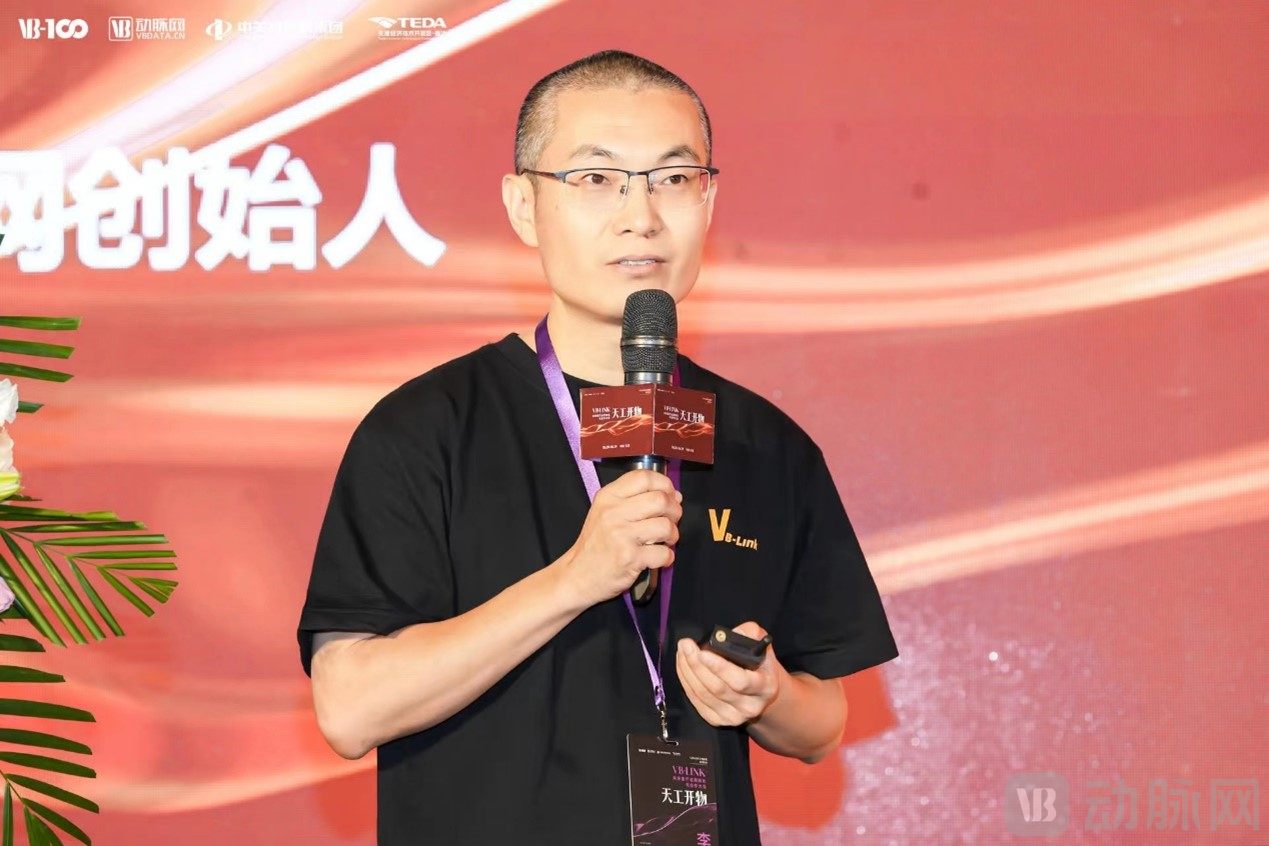
Li Datao | Founder of VCBeat: The Exploitation of the Works of Nature: Driving an Endless Future
What does the future hold? We believe there is a widely recognized statement, familiar to many of us, made by the founder of Flagship Pioneering, a well-known investment firm. He posits that this century will be an era of digital biology, in which all biological problems will be transformed into computational ones—meaning they are solvable. This shift signifies not merely the discovery of conceptual drugs, but the emergence of a deterministic paradigm, fundamentally revolutionizing our understanding of future life and health.
Looking back, what exactly are we aiming to achieve? We boldly posit that the innovative future of evidence-based medicine lies in China. I believe this statement will become a reality within the next five to ten years. Just as we expand globally in the immediate future, Chinese medical products and services will go global not only because of their cost-effectiveness but also because we are already at the forefront of innovation. Although gaps still exist in the short term, I am confident that these disparities will be bridged and narrowed over time. We hope to bring to light the tacit knowledge currently hidden within the industry, among industry experts, and within investment banks.
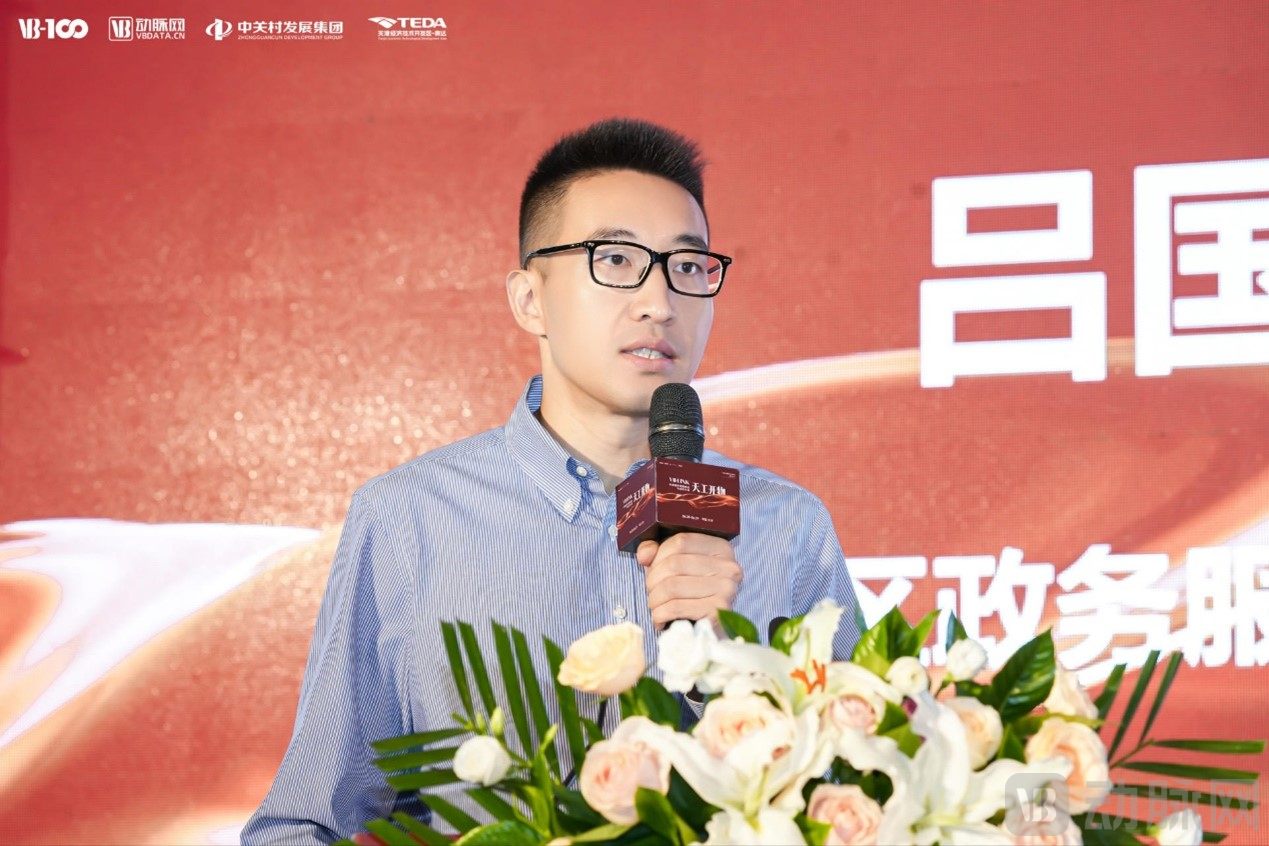
Lü Guoliang | Deputy Director of the Tianjin Economic-Technological Development Area (TEDA) Government Services Office: Introduction to the TEDA International Pharmaceutical and Medical Device Exhibition Center
In the future, our Exhibition Center will be developed around three core pillars: the display of innovative domestic and international pharmaceuticals and medical devices, the International Exchange Center for Industry-Education Integration, and the International Incubation Center for the Pharmaceutical and Medical Device Industries. Within the pillar dedicated to showcasing innovative domestic and international pharmaceuticals and medical devices, the Economic and Technological Development Zone will leverage the Exhibition Center as a hub to showcase advanced products, thereby connecting new technologies, novel concepts, emerging talent, and fresh capital. This initiative will drive the emergence of new disciplines, products, and business opportunities, effectively fostering innovative development and enhancing the capabilities of the local industry.
In the sector of international exchanges on industry-education integration, the Economic and Technological Development Zone will strive to leverage pharmaceutical and medical device import channels for innovative products that are marketed abroad but not yet in China. By combining capabilities such as industry-education consortia and city-wide resource integration, the zone aims to facilitate the introduction of health products from innovative pharmaceutical manufacturers, promote the application of real-world study technologies, and jointly establish an international exhibition platform for pharmaceuticals and medical devices.
Within the International Pharmaceutical and Medical Device Industry Incubation Center, the Industry-Education Consortium will guide all member entities to actively align with advanced innovative medical technologies both domestically and internationally. It will establish mechanisms for technology introduction, talent development, and support for industrial implementation, thereby responding to the national policy encouraging the localization and substitution of imported innovative medical devices. The consortium aims to facilitate breakthroughs in critical “chokepoint” technologies, guide domestic research institutions in reverse engineering, and accelerate the localization of advanced overseas medical technologies. Furthermore, we have currently reached a preliminary agreement with the National Convention and Exhibition Center (Tianjin) to leverage our district’s international pharmaceutical and medical device exhibition resources to host an annual national-level pharmaceutical and medical device expo, thereby driving the development of our city’s pharmaceutical and medical device exhibition industry.
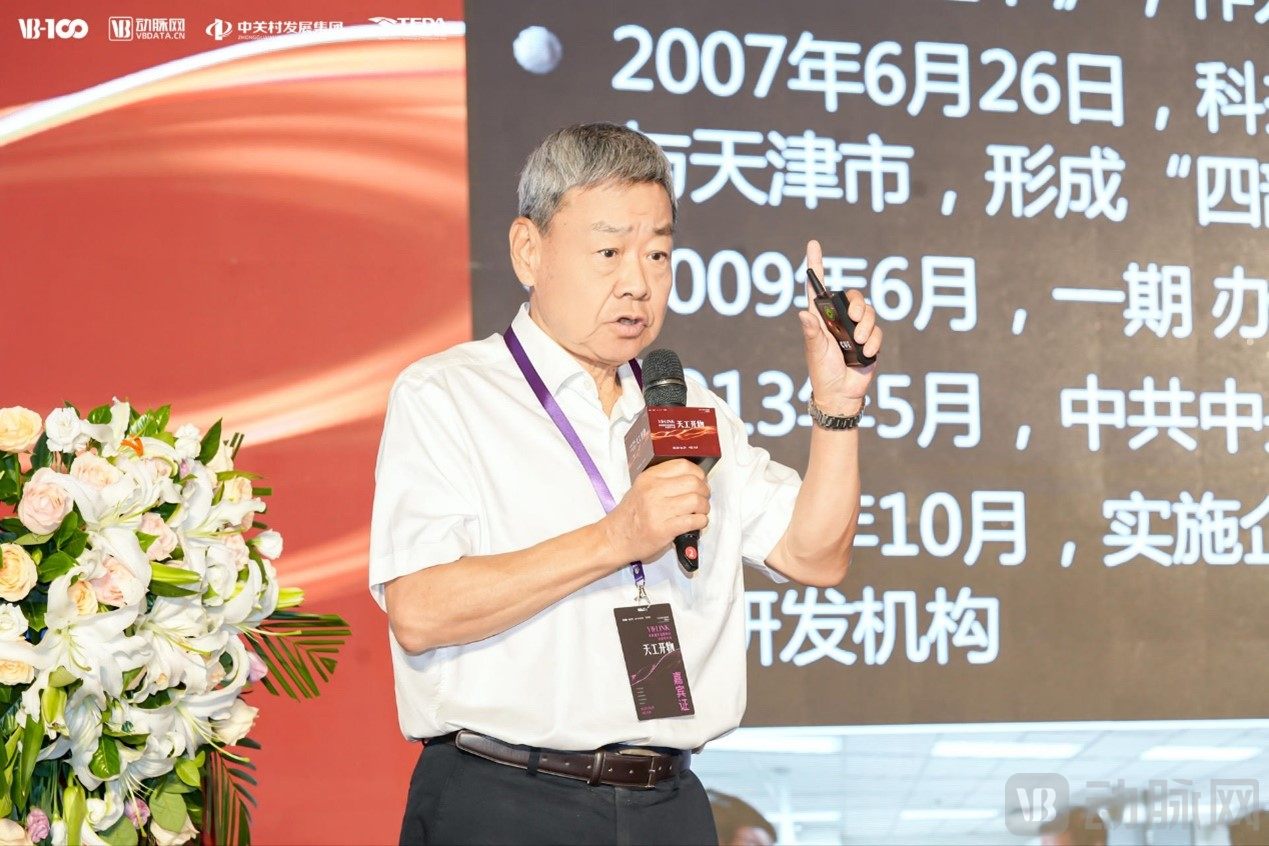
Rao Zihe | Academician of the Chinese Academy of Sciences: Development of Tianjin’s Biopharmaceutical Industry
Our team is united in its aspiration to emulate our predecessors by inventing a new generation of anti-tuberculosis drugs. Our work focuses on identifying drug targets. Over the past few decades, our team has worked diligently and quietly, achieving a major breakthrough in 2018 when we elucidated the structure of a key target involved in the energy metabolism of Mycobacterium tuberculosis. Furthermore, we have determined the structures of several other tuberculosis-related targets. These structural insights have laid a crucial foundation for the future development of new drugs, as well as for ongoing drug discovery efforts. Consequently, our team has garnered significant influence among peers in the field of tuberculosis research, both domestically and internationally.
From SARS to COVID-19: Lessons from Others Can Help Polish Our Own Jade. Over the past three years, we have invested substantial human and material resources in research and development, exploring various technological pathways such as inactivated vaccines, mRNA vaccines, and DNA vaccines, leading to the market entry of a wide variety of vaccine types. The same applies to antibody drugs. What is the most significant characteristic of current antibody drugs? It is single-cell sequencing. This technology enables the isolation of hundreds to thousands of antibodies from the blood of recovered patients or healthcare workers. These technologies are not limited to COVID-19 but can be applied to all other viruses as well. For instance, mRNA vaccines can be used in cancer treatment. As the saying goes, “Lessons from others can help polish our own jade.” The experience accumulated during the COVID-19 vaccine development will serve as a valuable legacy, driving advancements in biomedicine for both the nation and humanity as a whole.
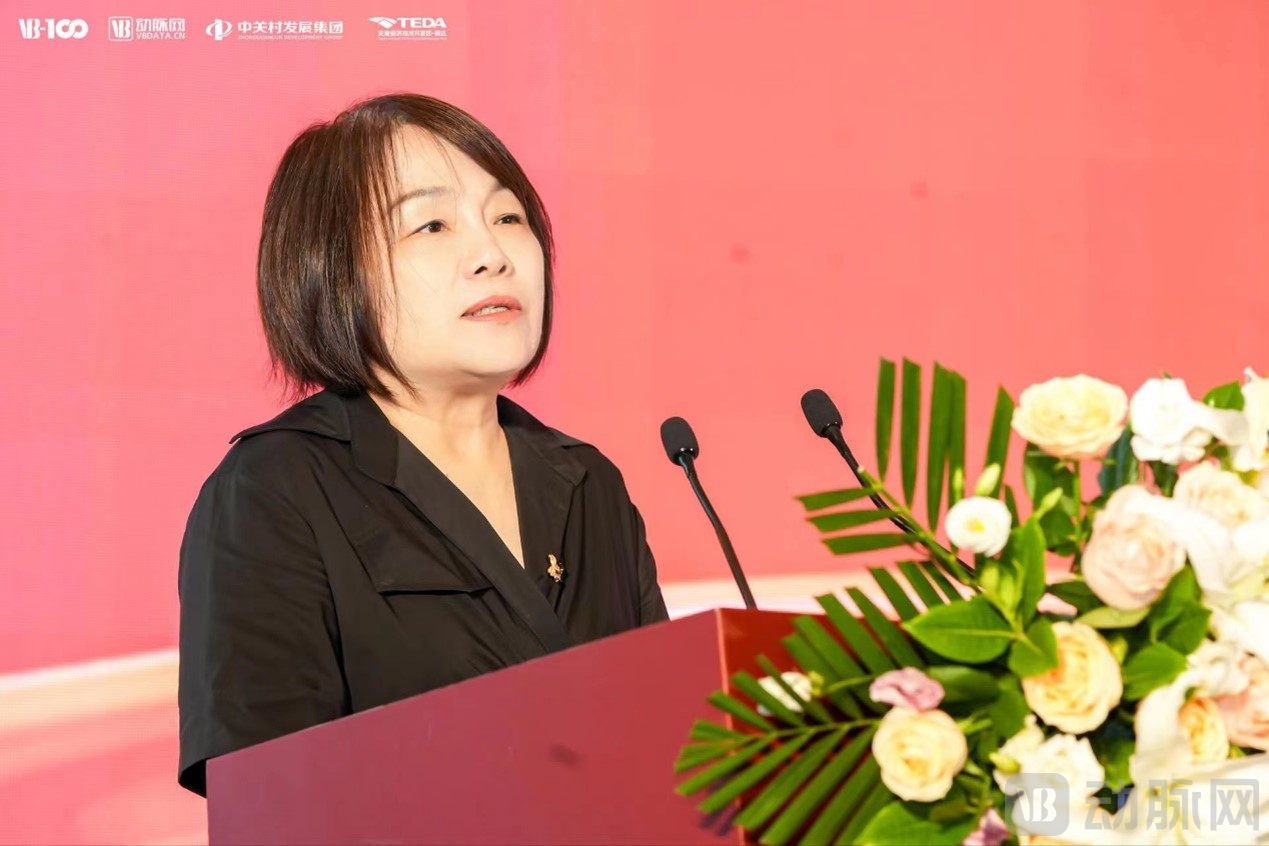 Dong Qing| Director of the Medical Device Supervision Division, Tianjin Municipal Drug Administration: Interpretation of Tianjin's Future Medical Technology Policies
Tianjin Binhai New Area is a national-level high-tech zone and a key hub for manufacturing and technological innovation in Tianjin. We are home to national key laboratories, innovation platforms, and R&D institutions, have attracted numerous renowned pharmaceutical companies, and have given rise to a cohort of innovative technology enterprises. All these demonstrate our determination and momentum in driving the high-quality development of the biopharmaceutical industry.
As the regulatory authority responsible for industry safety and promoting high-quality development, the Tianjin Medical Products Administration is committed to ensuring safety through high-quality regulation, while facilitating and leading innovation in high-end medical devices and driving the growth of the biopharmaceutical industry. We will continuously integrate innovative concepts, reform approval processes, advance digitalization, and strengthen communication mechanisms to help start-up enterprises bring their products to market more rapidly.
Furthermore, we continue to unleash policy dividends by introducing measures and policies to support the development of startups and small businesses. We provide early intervention across key stages—including R&D, testing, and clinical trials—along with comprehensive tracking and guidance, thereby shortening the time required for companies to rectify errors and fostering the integration of scientific regulation with high-quality industrial development.
Currently, healthcare innovation is undergoing accelerated restructuring. We eagerly welcome more biopharmaceutical enterprises and institutions to establish their presence and strategic footprint in Tianjin. We will further enhance services and support in areas such as policy, infrastructure, and platforms, leveraging our advantages in regulatory approval and industrial ecosystem to empower companies in achieving breakthrough development.
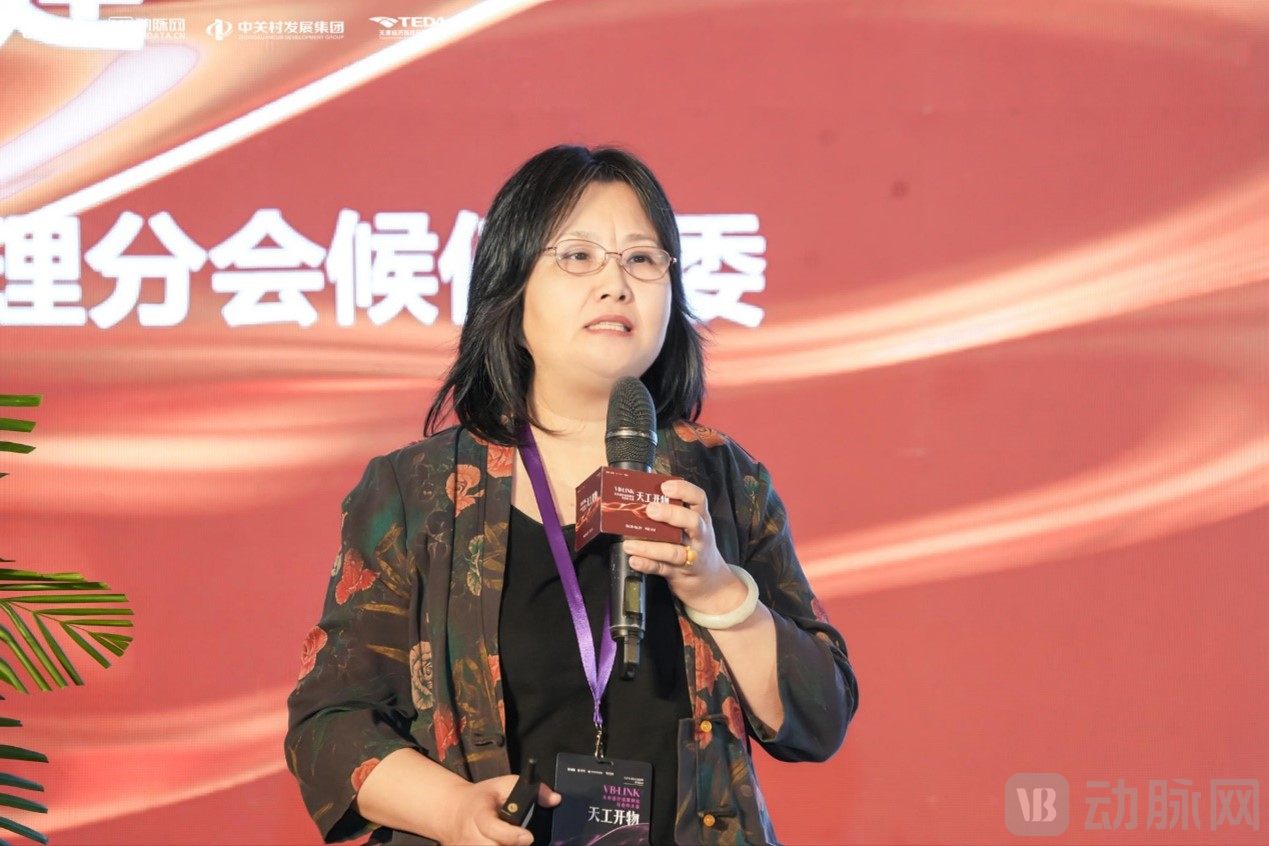
Guan Jian | President-Elect of the Scientific Research Management Branch of the Chinese Medical Association: Innovation System for Medical Science and Technology Management in the Era of Internet Big Data
Scientific research management is inextricably linked to the development of science, technology, and medicine, with each mutually reinforcing the other. The significance of scientific and technological management lies in safeguarding scientific and technological achievements, protecting scientific resources and outcomes, and enhancing scientific influence. The scientific and technological management system is a crucial component of scientific and technological support capabilities. Innovation in scientific and technological management is continuously refined and developed through addressing challenges and solving problems. The era of big data and the internet has imposed new requirements on medical innovation management, including data sharing, intellectual property rights, data governance, and the management of human genetic resources. The essence of management is to provide comprehensive support for scientific and technological activities, implement laws, regulations, and requirements, meet and address challenges, and promote scientific and technological innovation. In the internet and big data era, the application value of biological samples has increased; however, attention must be paid to the conditions for collaborative sharing and the importance of protecting intellectual property rights. Safety and ethical review are also aspects that require attention in the innovation of scientific and technological management. The ultimate goal is to apply scientific and technological achievements to the prevention, diagnosis, and treatment of diseases in citizens, thereby contributing to public well-being.
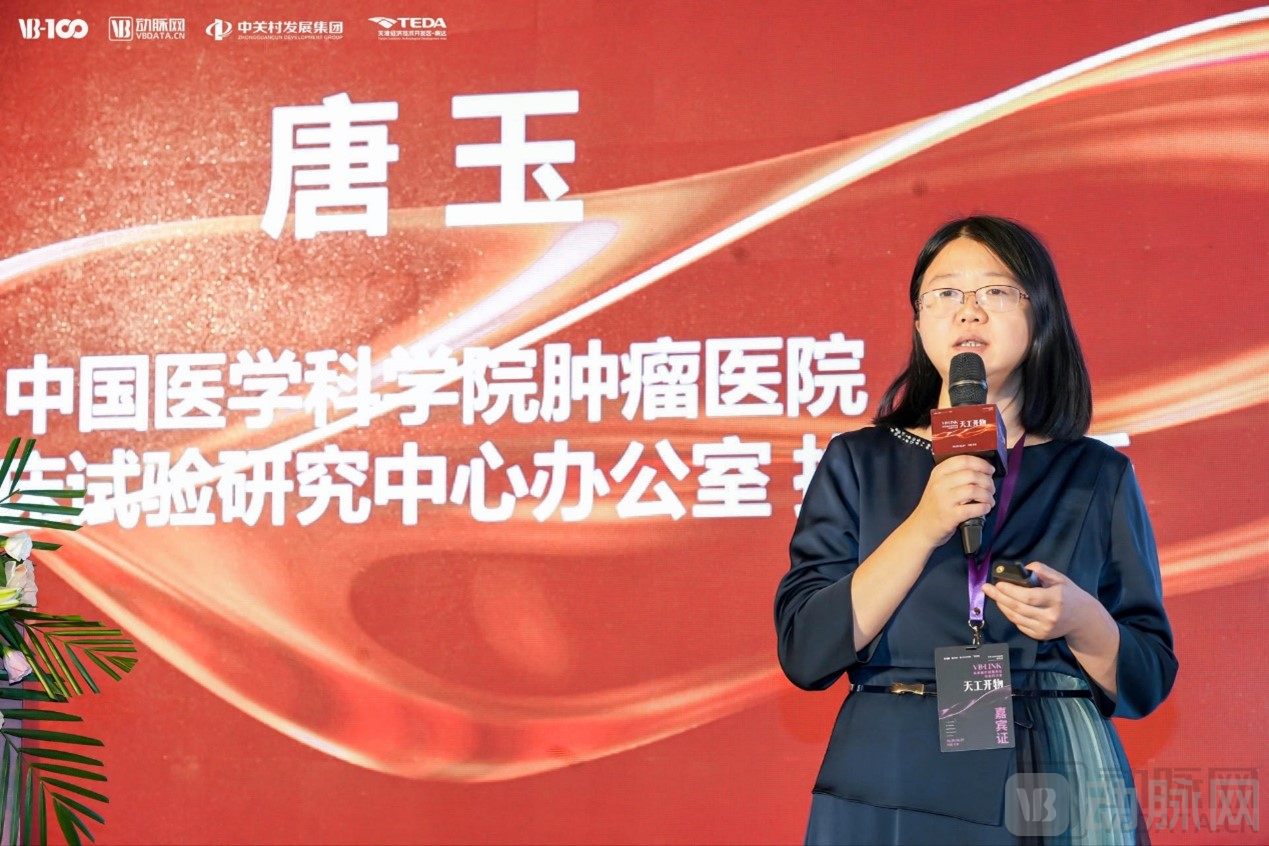
Tang Yu | Executive Director, Office of the Center for Drug Clinical Trials, Cancer Hospital, Chinese Academy of Medical Sciences: New Drug Development Guided by Clinical Value
While the biomedical industry possesses general commodity attributes, we place significant emphasis on its social dimension. Whether in investment or research and development, every hospital’s biomedical initiatives must be guided by the goal of benefiting human health and shaping humanity’s destiny. Because every technological advancement we introduce is closely intertwined with the fate of humankind, all professionals in the field must carefully consider how to advance global health and well-being and enhance social welfare.
We constantly ask ourselves: What specific health issues does this product address? What are the current solutions for these issues, and what are their advantages and areas needing improvement? Compared with other products, what distinct advantages does our product offer? From a scientific perspective, it may demonstrate greater efficacy; or, while achieving comparable efficacy, it may offer an improved safety profile. Alternatively, it may provide similar efficacy and safety but transform a monthly medication regimen into a three-week course, or even convert continuous therapy into a single-dose treatment that resolves all issues. It may also feature lower costs and easier storage and transportation. Nevertheless, differentiated advantages remain the fundamental basis for market presence.
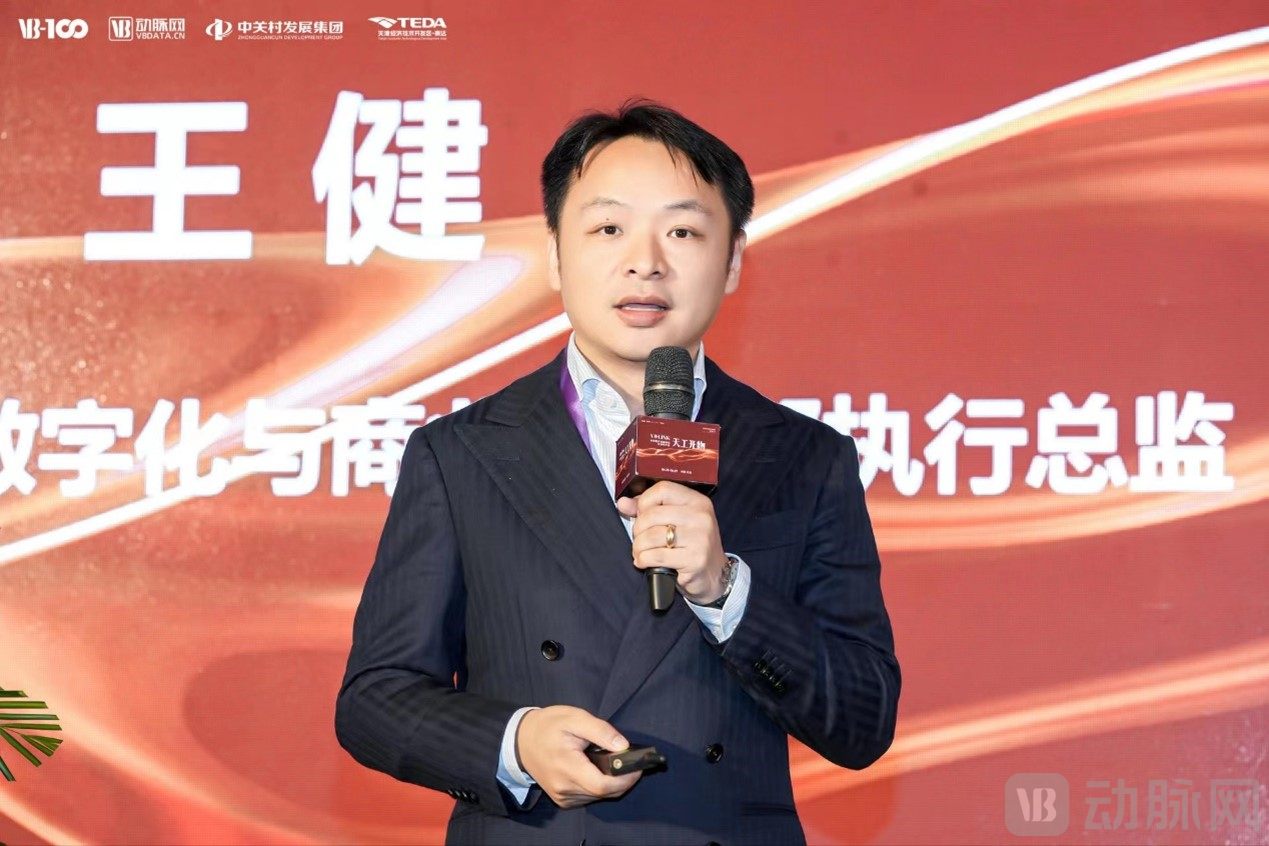
Wang Jian | Executive Director, Digital and Commercial Innovation Department, AstraZeneca China: R&D Innovation + Ecosystem Building Empower the Translation of Medical Research Achievements
The process of translating scientific research into practical applications remains complex and fraught with numerous challenges, involving issues such as interdisciplinary collaboration, the alignment of market demand with R&D products, insufficient investment, and the need to clarify intellectual property rights. Furthermore, as a local company that embraces government partnerships and is deeply committed to China, AstraZeneca has ranked first in the Chinese market for consecutive years and has expanded the construction of an innovation ecosystem in the country. Over the past seven to eight years, they have focused on R&D across seven major therapeutic areas, engaging in in-depth collaborations with cities and hospitals in China by signing strategic memoranda. They cooperate with Chinese research institutes and enterprises to jointly promote innovative R&D, while fostering an ecosystem for health innovation through advancements in diagnosis and treatment models, fund collaborations, and industrial funds. They are also dedicated to advancing every stage of the translation of academic and research achievements into industrial applications, including collaborating with governments to facilitate company establishment, engaging in government communications to drive city-level partnerships, and establishing industrial funds to invest in enterprises within the fields of biopharmaceuticals, medical devices, diagnostic services, and digital health.
As a company dedicated to advancing medical innovation in the Chinese market, AstraZeneca has established extensive collaborations with hospitals and research institutions across China. We have set up the R&D Center China as part of our global research and development network, with more than 180 pipeline projects currently under development in China. These efforts are expected to introduce 15 new drugs to the Chinese market, with over 80 new drug approvals planned within the next five years. We have signed strategic memoranda of understanding with more than 400 hospitals in over 170 cities throughout China to jointly promote collaborative research and development.
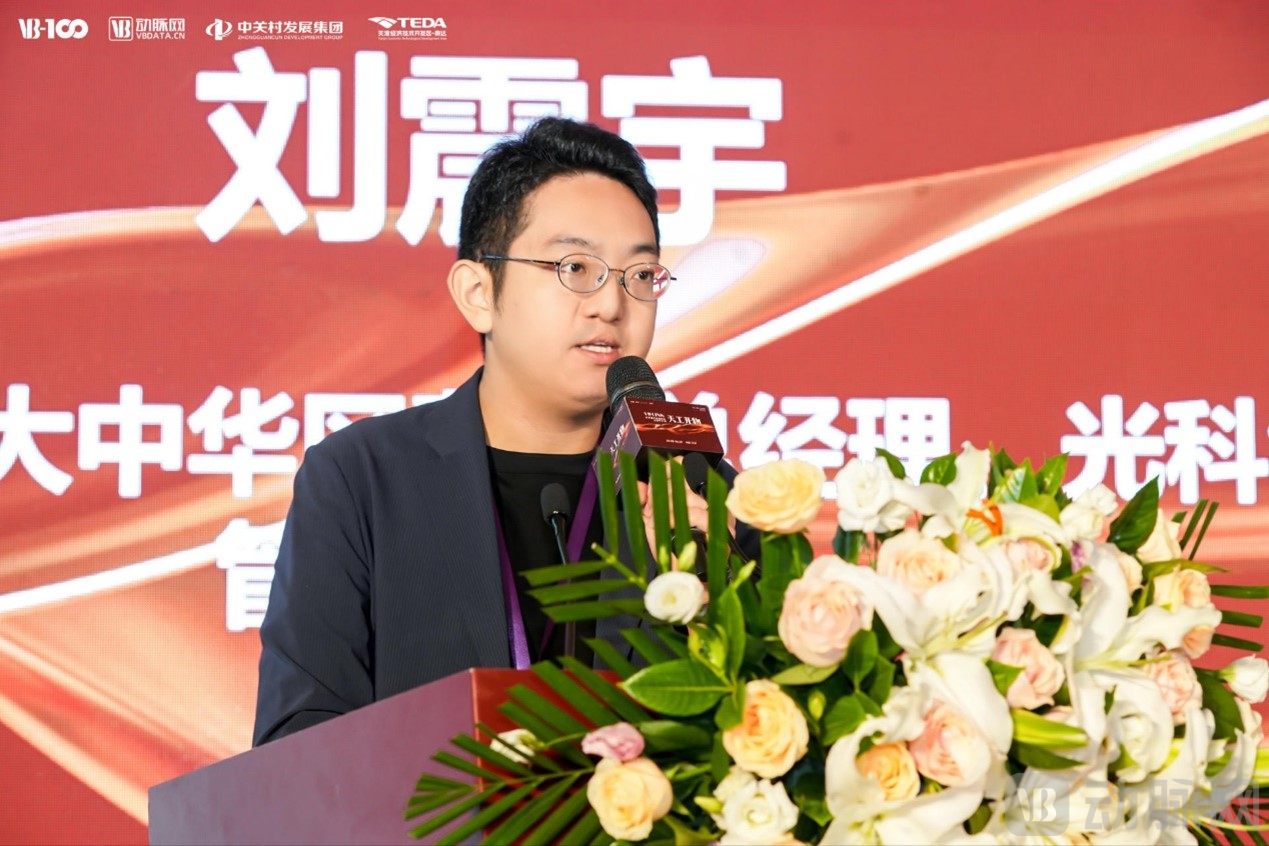
Liu Zhenyu | Managing Director, Greater China, IP Group; Managing Partner, Guangke Venture Capital: Practices and Reflections on the Commercialization of Research Achievements from Top Overseas Universities
Patent licensing transactions are central to a company’s early-stage development, so we have distilled several key considerations. First, the transaction must involve the Technology Transfer Office (TTO) and ensure fairness to the university. Our relationship with universities is never a one-off deal but rather a long-term partnership that must be equitable for the institution. Second, fairness to professors is essential. As researchers, professors should not feel discouraged or find their work increasingly unrewarding; such an outcome would significantly harm the company. Therefore, professors must be treated fairly. Third, if the transaction is structured solely to benefit the university and professors, it may reduce its appeal to future investors and initial licensees. Thus, a balance must be struck to address the interests of investors and initial licensees. The design of patent licensing deals involves both science and art; we employ modeling techniques, yet each case presents its own unique characteristics.
We also engage in business planning. Having incubated hundreds of deep-tech projects, we recognize the significant commonalities among them and can offer valuable insights to enterprises. In recent years, following the completion of business plans, we have moved into the execution phase. Early-stage investment is central to our business model. Within this ecosystem, it is crucial to establish effective incentive mechanisms for professors and technical personnel. A key aspect is to make clear that their current endeavors differ substantially from their previous roles in academia or hospitals; they must focus on effectively managing the commercialization and transformation of their technologies.
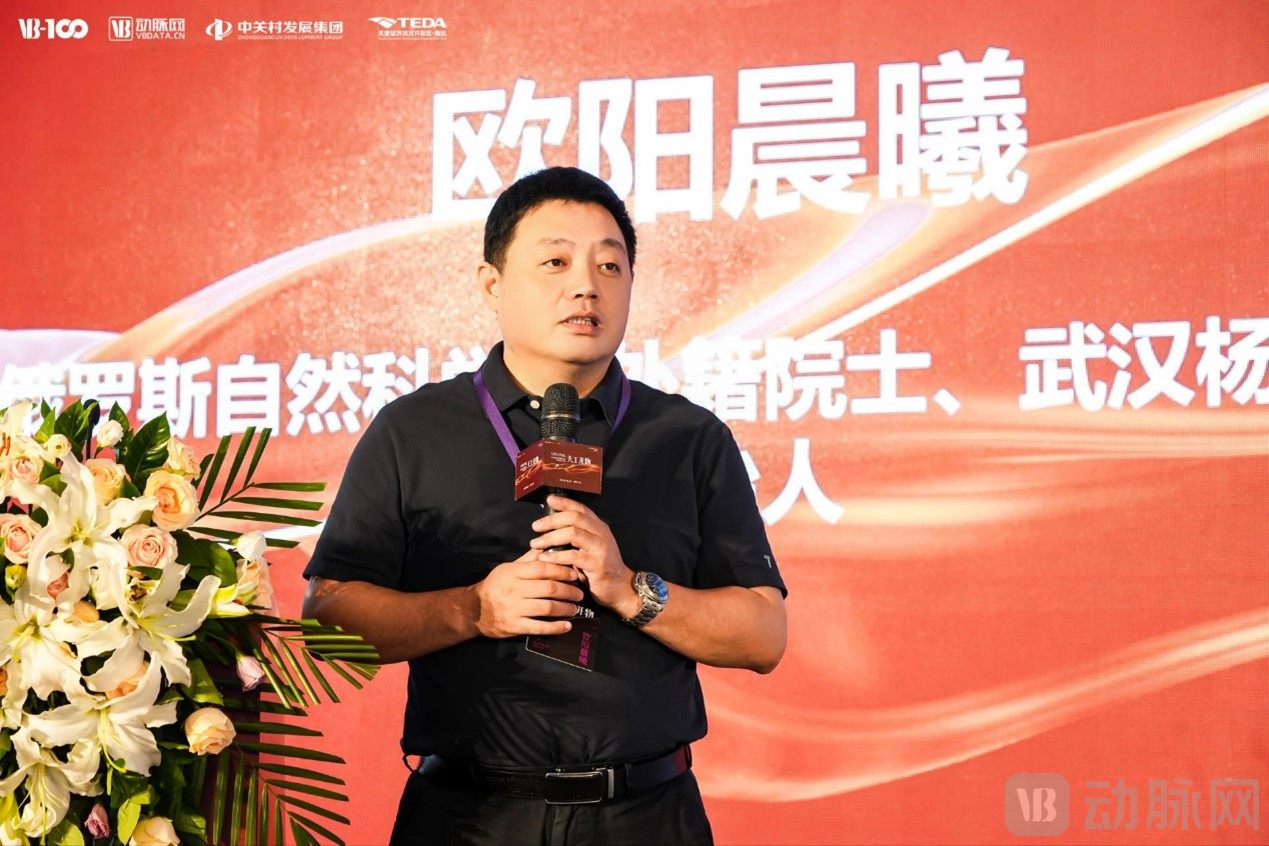
Ouyang Chenxi | Foreign Academician of the Russian Academy of Natural Sciences, Founder of Wuhan Janssen Biologics: Physicians Should Be the Main Drivers of Medical Innovation
Physicians should serve as a crucial driving force and a primary source of medical innovation. The main reason for this is that our current approach to medical innovation differs significantly from that of Europe and the United States. Although many Chinese enterprises, such as Lepu Medical and Weigao Group, have achieved considerable success and scale, the majority of these companies are still in the stage of imitating existing products. Therefore, the most pressing challenge we face is how to achieve genuine medical innovation.
Translational medicine demands a clinical-driven approach, applying clinical insights to practice. After developing initial prototypes in the laboratory and completing validation, the technology is transferred to enterprises for commercialization, ultimately returning to clinical application. This process comprises two business-to-business (B2B) stages. While accomplishing the entire cycle of achievement translation sounds straightforward, it is exceedingly challenging in practice.
Physicians hold a natural advantage. As the end-users of all medical devices, they represent the ultimate downstream user base. Physicians are the true clients, not patients. This is because patients lack decision-making authority; it is physicians, not patients, who determine whether a specific medical device should be used or whether a stent should be implanted. Physicians occupy both the origin and the terminus of the entire R&D industrial chain—spanning both ends of the translation process. Therefore, physicians are the most critical stakeholders in the translation of medical research into clinical practice.
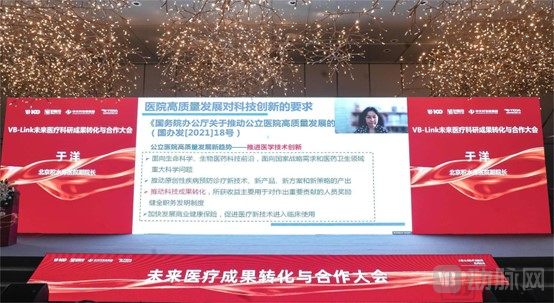
Yu Yang | Deputy Director of Beijing Jishuitan Hospital: Promoting High-Quality Hospital Development through the Translation of Scientific and Technological Achievements
Advancing innovation in medical technology represents a new trend in the high-quality development of national public hospitals, and promoting the translation of scientific and technological achievements plays a vital role in this process. Our hospital can also achieve quality improvement, efficiency enhancement, refined management, and talent development through the application of new products and technologies, thereby fostering high-level institutional growth.
In 2020, we received a mandate from the Ministry of Science and Technology. Starting in 2021, we began implementing our hospital’s scientific and technological reform plan. We developed relevant schemes and worked with regulatory and legal teams to draft supporting documents. Our “Measures” established procedures, management decision-making systems, and handling protocols. After a screening process, we selected pilot projects for our hospital: mobile intelligent motion monitoring and rehabilitation therapy devices for orthopedics. Although the collection and organization of rehabilitation data were challenging despite our large volume of artificial joint replacement cases, we recognized the clinical pain points and therefore organized an R&D team to develop the rehabilitation therapy device. This device reflects the professional specialization of our orthopedic department. The medical team was highly enthusiastic about this translational achievement, which also received an award for high-tech innovation.
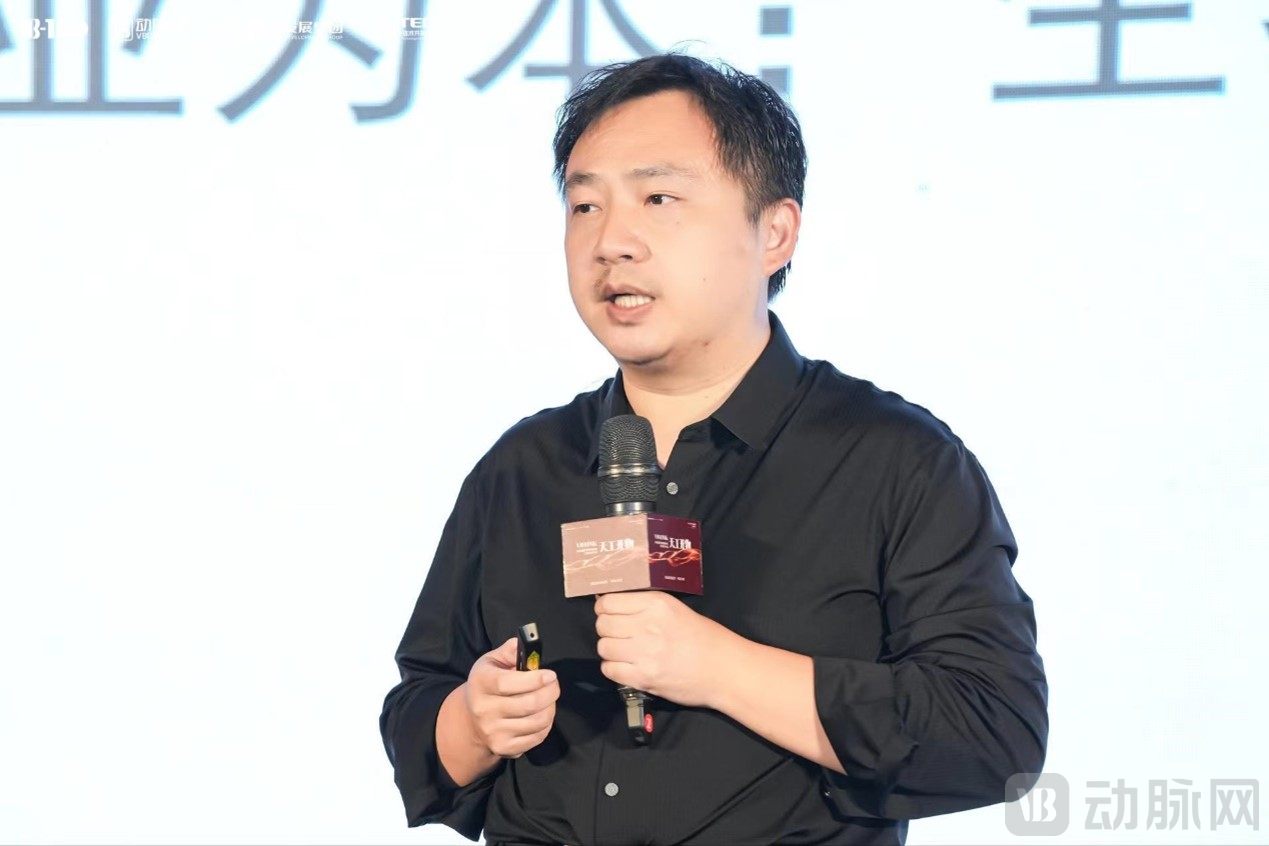
Qi Fei | Executive Director at Legend Capital: 0 to 1 and 1 to 100: New Reflections on Early-Stage Investment Strategy
What changes has China’s pharmaceutical industry undergone over the past decade? We have observed two major trends. First, starting in 2015, China’s regulatory framework for new drugs entered a completely new phase, aligning with international standards by adopting ICH guidelines and implementing a series of reforms that have driven rapid development. Second, in recent years, China’s national medical insurance system has faced significant pressure to control costs, affecting pharmaceuticals, medical devices, and diagnostics alike. These two overlapping developments are, in a sense, forcing the industry toward genuine innovation. We are in a favorable era characterized by a strong culture of innovation; taking innovation as our example, we are accelerating technological upgrades and iterations.
Over the past few years, the industry has undergone significant transformation and shifts in perception. On one hand, we have witnessed the golden age of technological advancement, with upgrades in both small-molecule and large-molecule drugs, as well as emerging modalities such as novel cellular mechanisms and mRNA technologies. On the other hand, consider Chinese enterprises: a decade ago, Beta Pharma was regarded as an innovative drug company in China; today, its level of innovation may appear less groundbreaking, yet it still held immense significance for the entire industry at that time. Driven by entrepreneurs and capital, the entire industry has successfully completed this cycle of innovative upgrading.
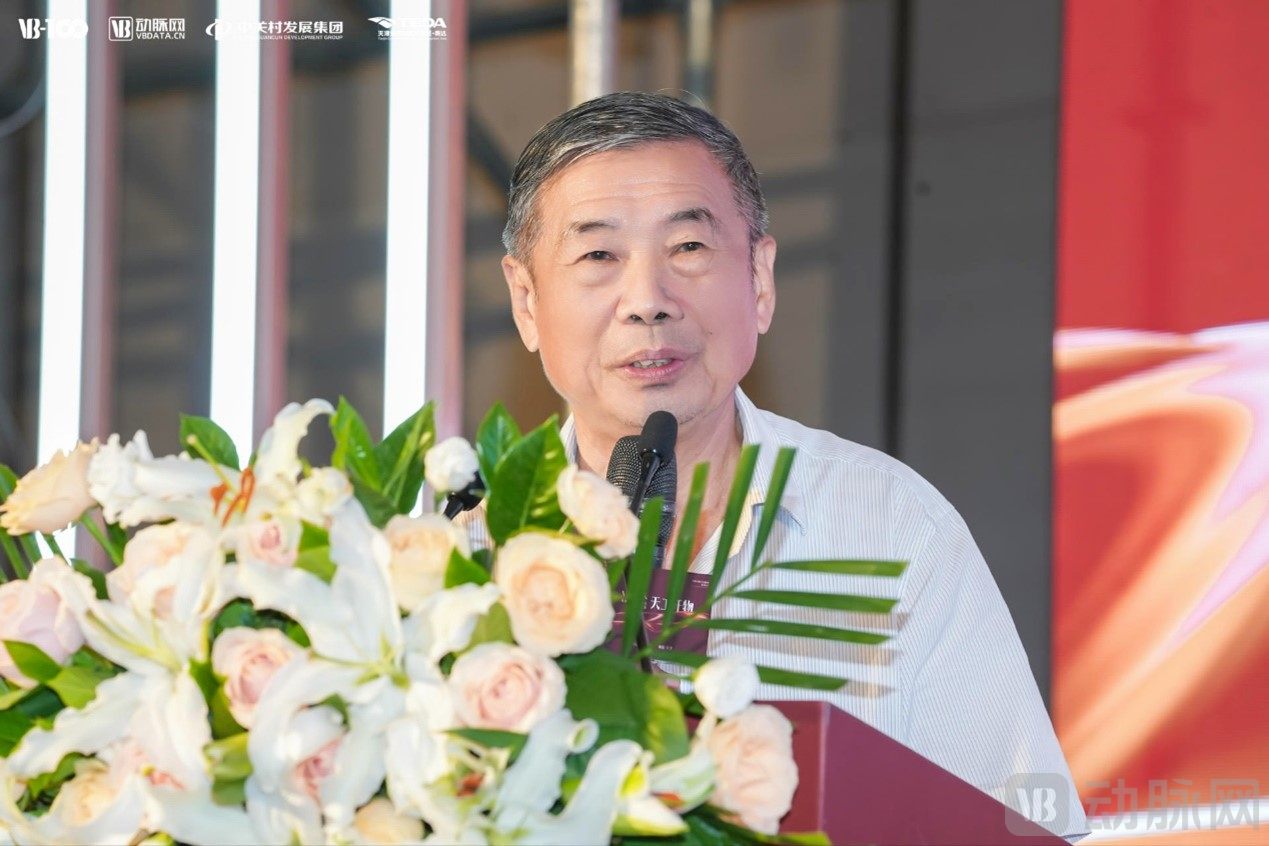
Gu Hanqing | Director of the Biomedical Engineering Research Laboratory, Tianjin Medical University: A Study on Several Key Issues in Promoting the Development of the Medical Device Industry
For the industry chain, merely integrating industry, academia, and research is insufficient. We should emphasize the critical role of physicians in the process of translating scientific achievements into practical applications. This issue must be addressed from the strategic perspective of both industry and corporate development. In the context of the medical device industry, clinical experts are particularly vital. Having worked on the clinical frontline for extended periods and accumulated extensive practical experience with medical devices, they frequently generate novel ideas, especially when devising new clinical solutions. The translation of medical research outcomes provides the medical device industry with valuable concepts for innovative products, which is both rare and highly significant. Reflecting on the innovations discussed by many experts today, it is evident that numerous major domestic medical device inventions were initially proposed by clinical experts.
In our innovation efforts, it is crucial to adhere to the quality system requirements for medical devices by rigorously managing design validation and process validation, ensuring that products failing to meet safety standards are not approved for market release. Integration with finance represents another key distinction between the market launch of medical device products and that of other goods. One of the reasons for the rapid development of the medical device industry abroad is financial support, which manifests in two aspects: first, upfront investment; and second, the involvement of financial institutions during product sales.
To develop the medical device industry and excel in CDMO operations, it is essential to integrate seven key dimensions into our strategic approach: industry, academia, research, clinical practice, management, finance, and ethics.
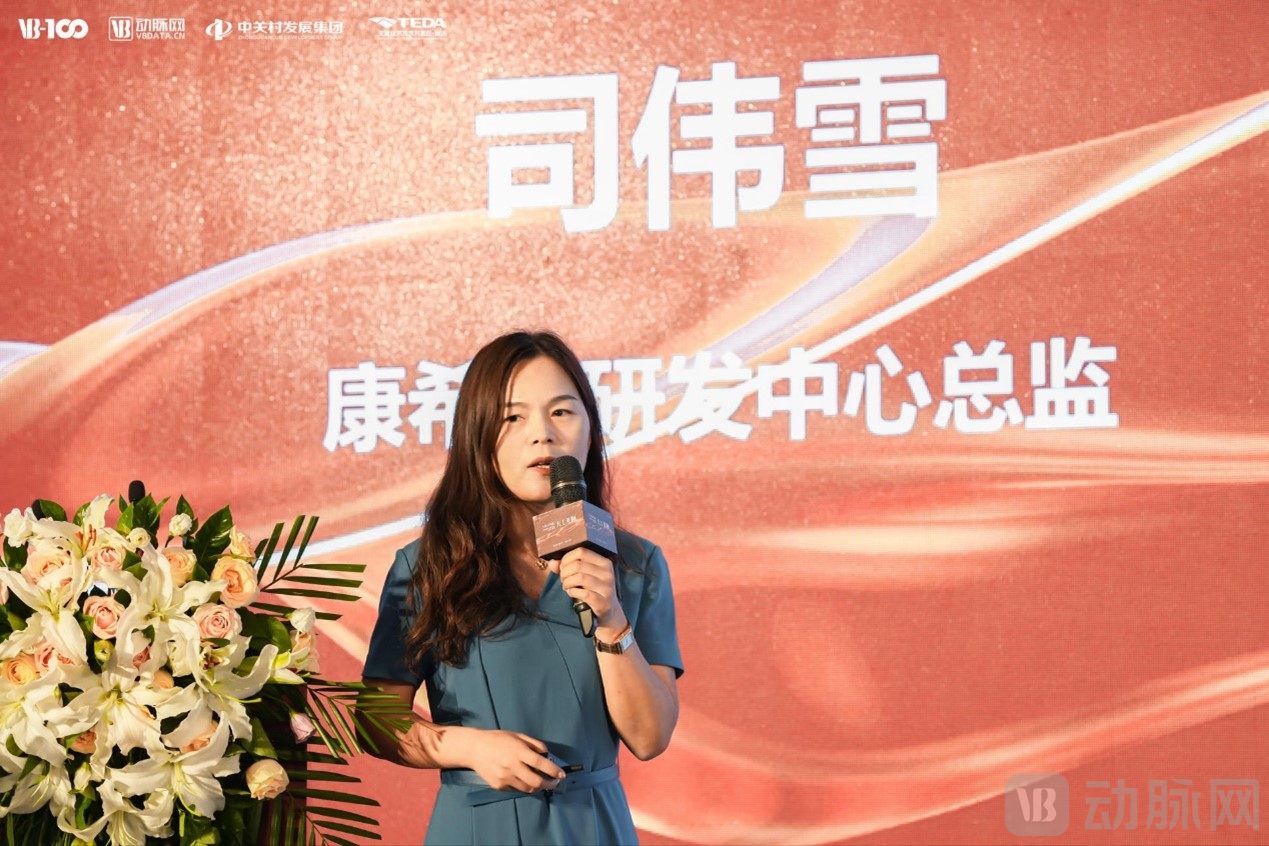
Si Weixue | Director of CanSinoBIO’s R&D Center: Inhaled Vaccines—From Concept to Practice
In May, the World Health Organization (WHO) announced that COVID-19 no longer constitutes a Public Health Emergency of International Concern (PHEIC). We believe this does not mark an end, as future infectious diseases beyond COVID-19—including initial infections and subsequent reinfections—could once again trigger such public health emergencies. For the vaccine industry, it is a significant challenge to optimize existing products and continuously accumulate expertise while innovating new technologies. Our goal is to ensure that, when faced with another sudden public health crisis akin to COVID-19, we can rapidly launch high-quality vaccines to safeguard the health and safety of people worldwide.
The U.S. government has also been investing substantial funds to continuously support the research and development of COVID-19 vaccines, with a key objective being the development of vaccines capable of preventing severe disease through robust immune protection. We will likewise continue our efforts in this direction. Furthermore, we plan to advance other respiratory infection products, such as those for the prevention and treatment of tuberculosis, toward market launch as vaccine candidates. We will make appropriate adjustments to these tuberculosis products based on the target vaccination population, administration settings, and real-world application scenarios.
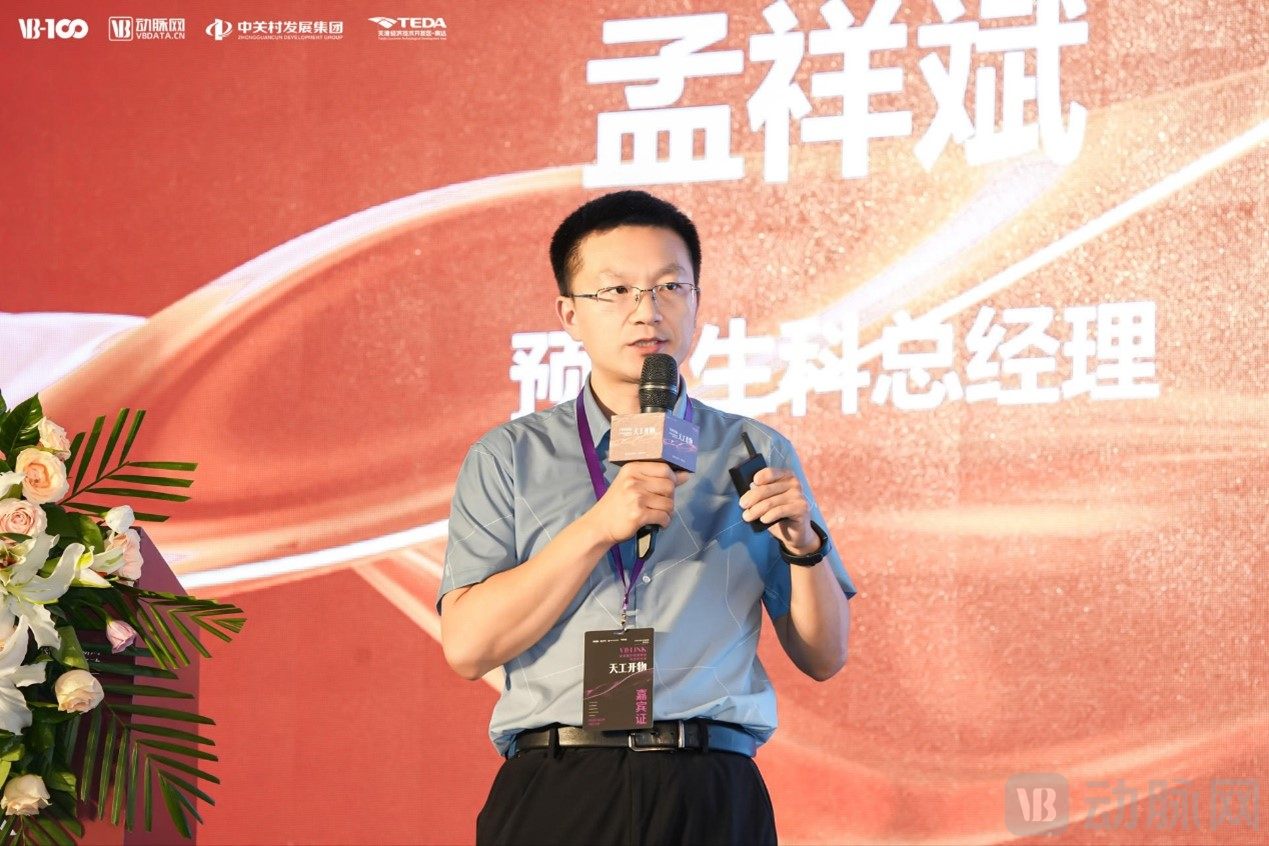
Meng Xiangbin | General Manager of Yulishengke: Patent Layout and Innovation Exploration in Medical Field
When seeking patent protection for a project, the following recommendations are proposed: First, select an appropriate patent layout strategy. When considering the patent timeline, one should not only take internal perspectives into account but also assess whether similar technologies already exist in the field. It is advisable to determine the external landscape through patent searches, thereby identifying our competitive advantages and technological innovations. This includes conducting in-depth mining of patents and extending protections both upstream and downstream. Based on project requirements, choose the optimal timing and jurisdictions for patent deployment. Second, conduct early-stage patent analysis. Many projects encounter issues during later-stage commercialization because review committees reject their patents. Systematic patent research conducted at an early stage can help avoid problems with technical solutions during the R&D process. Third, regarding medical devices, patent protection should be implemented from multiple perspectives. A series of patent layouts can also be developed covering areas such as preliminary diagnosis and post-treatment rehabilitation. Fourth, for high-quality projects, it is essential to consider not only domestic patent applications in China but also global patent protection.