Insight Report on Chinese Oncologists Released: A Precise Behavioral Portrait Based on Survey of 860 Practitioners
Recently, DXY released the landmark report “2023 Oncologist Insights Report” (hereinafter referred to as the “Report”). Based on insights gathered from a survey of 860 real-world oncology healthcare professionals, the Report aims to elucidate changes in attitudes and behavioral trends among Chinese oncologists in areas such as information acquisition, online behaviors, physician–patient interactions, prescribing of innovative drugs, and precision medicine.
Oncology has long been at the forefront of the medical revolution, and the rapid development of the discipline has driven significant changes in the practices of oncologists. The Report provides answers to the following key questions: What proportion of oncologists’ time is spent online? Which activities account for the largest share? Which physicians are most active in providing public health education? How do physicians perceive innovative therapies? What obstacles exist in the promotion of precision oncology?
Foreword by Experts
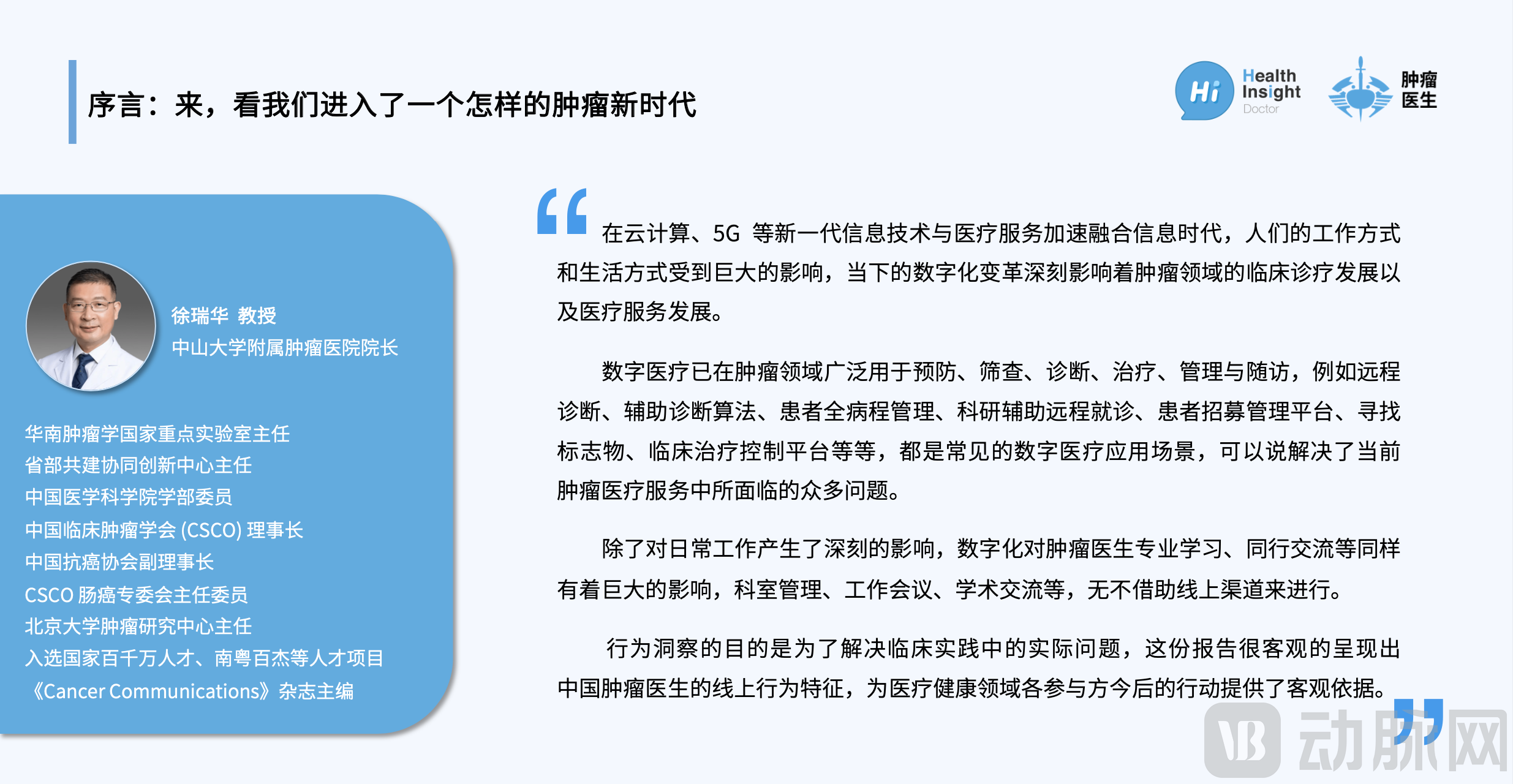
Professor Xu Ruihua, President of Sun Yat-sen University Cancer CenterThe report’s preface highlights that the ongoing digital transformation is profoundly influencing the development of clinical diagnosis and treatment, as well as healthcare services, in the field of oncology. By examining the online behavioral characteristics of oncologists in China, this report aims to provide an objective basis for future actions by stakeholders in the healthcare sector.
Online Medical Practices Gain Strong Momentum
A More Positive Attitude, More "Proactive" Behavior
As understanding of oncological diseases deepens, knowledge in the field of oncology has experienced explosive growth. This shift has significantly galvanized the proactivity of oncologists, compelling them to closely monitor international frontiers, enhance their research capabilities, and strengthen academic exchange.
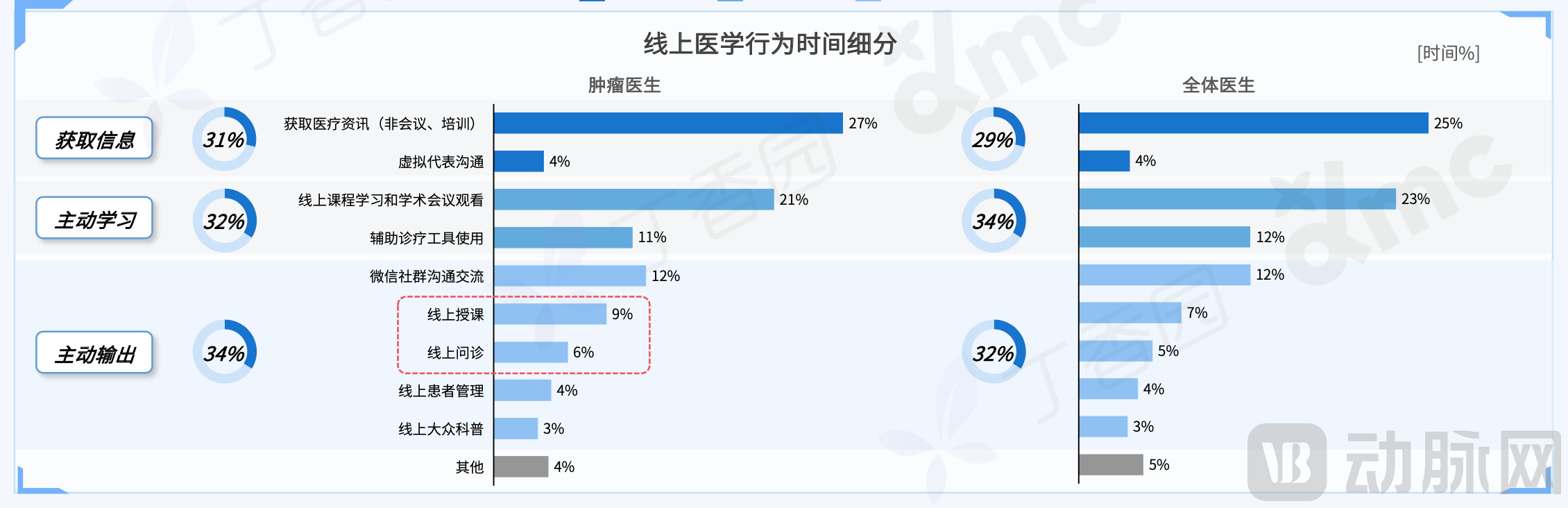
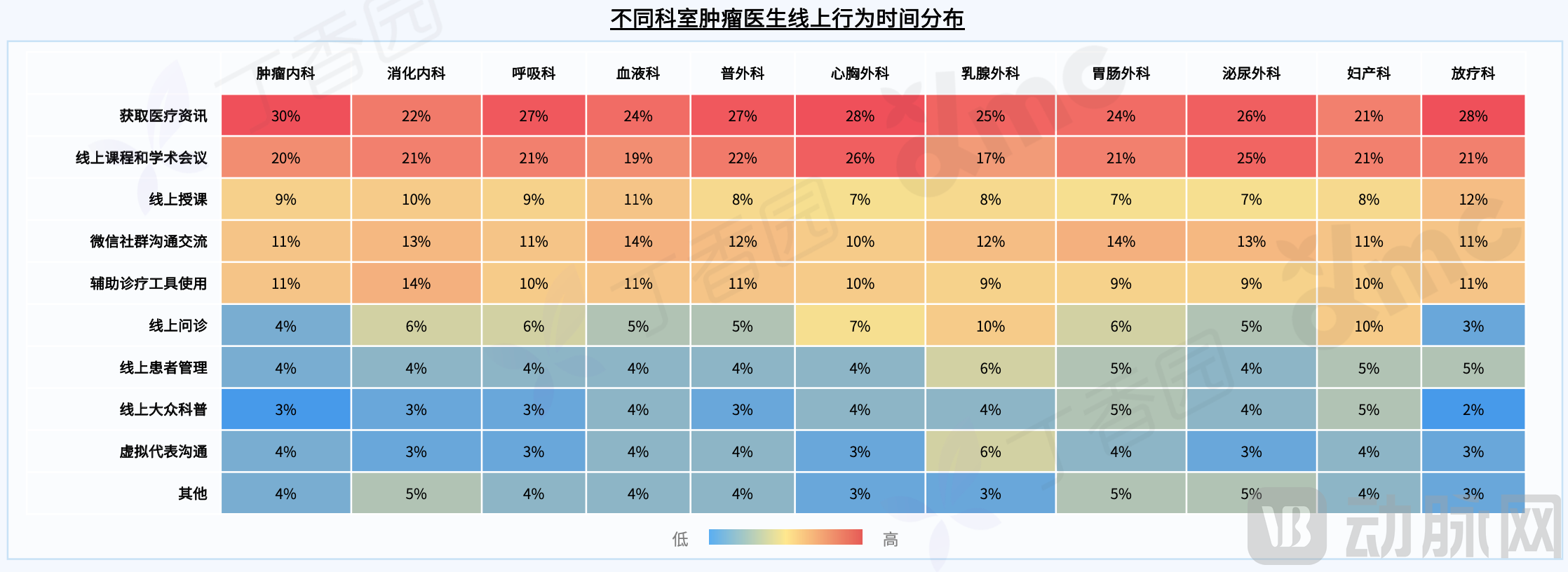
Doctors’ online activities are dominated by “proactive output,” which accounts for 34% of their total time spent online.Compared with physicians in general, oncologists devote relatively more time to online teaching, primarily due to the cutting-edge nature and complexity of oncology, which generates substantial demand for academic exchange among peers.
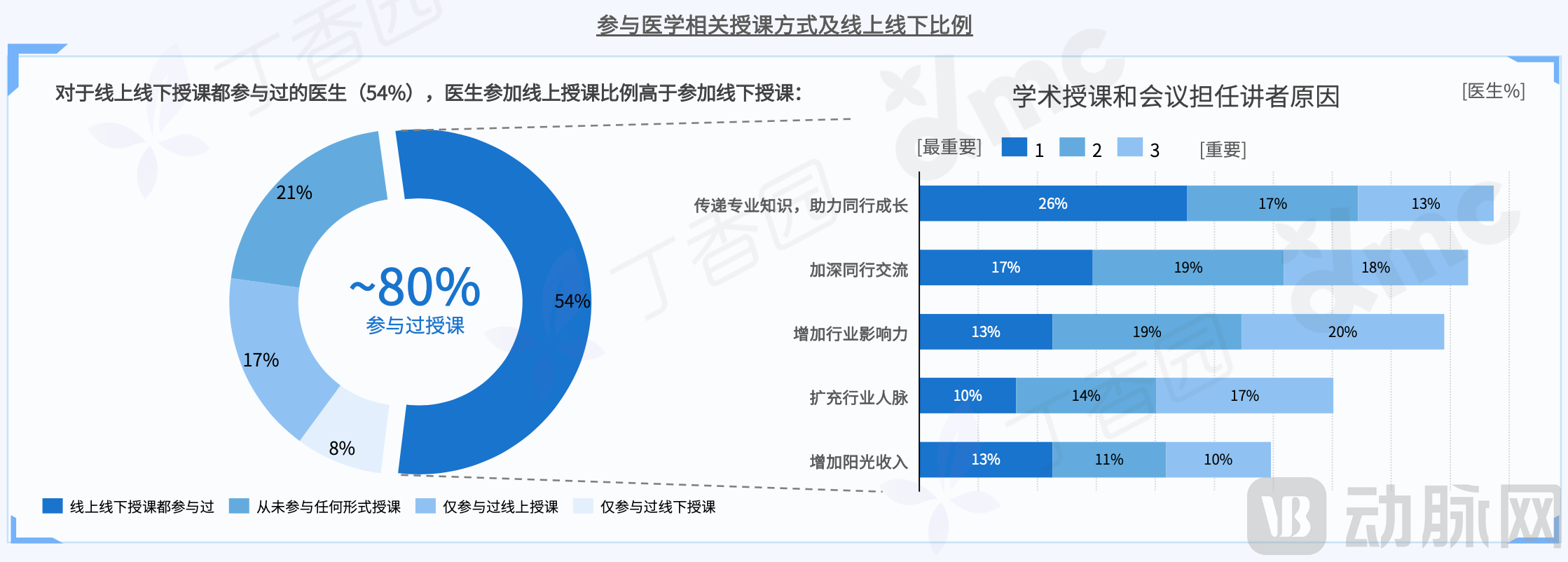
Approximately 80% of oncologists have served as speakers at offline or online conferences since the beginning of this year,Enhancing peer exchange and increasing industry influence are also important objectives that physicians hope to achieve by serving as conference speakers.
Access Medical Information and Online LearningThese are the two activities that occupy the most online medical time for oncologists across different specialties. Regarding their focus in acquiring medical information, there are significant differences between surgical and medical oncologists due to the nature of their work and treatment approaches: surgeons prioritize practical application, while physicians closely follow cutting-edge advancements.
Oncology Science Popularization Enthusiasm Continues to Rise
Nearly 50% of Physicians Have Engaged in Public Health Education
Nearly 50% of oncologists have engaged in public science popularization, while over 90% express willingness to do so., public science popularization is becoming a trend among oncologists.
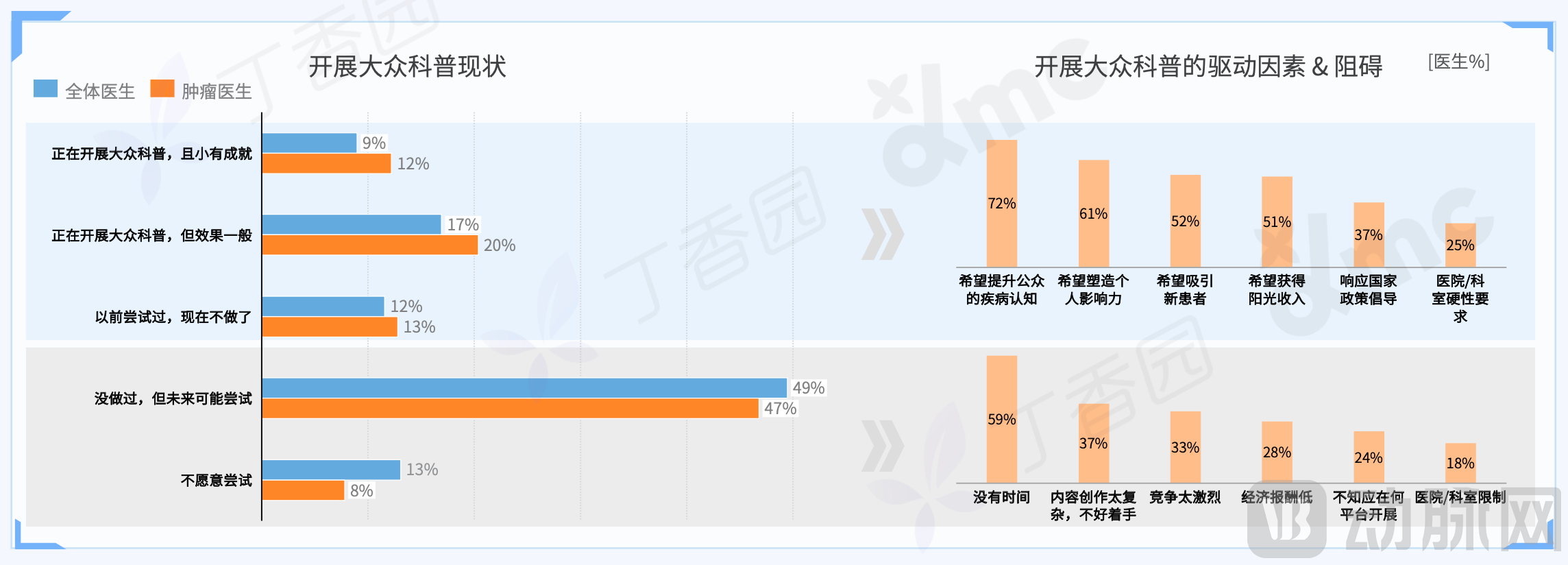
Public demand influences the sustainability of physicians’ science popularization efforts; for tumor diseases with higher incidence rates, such as lung cancer, breast cancer, and colorectal cancer, these outreach activities are more active and enduring.
Innovative Therapies Gain Strong Momentum
Oncologists: Driving Progress Amidst Challenges
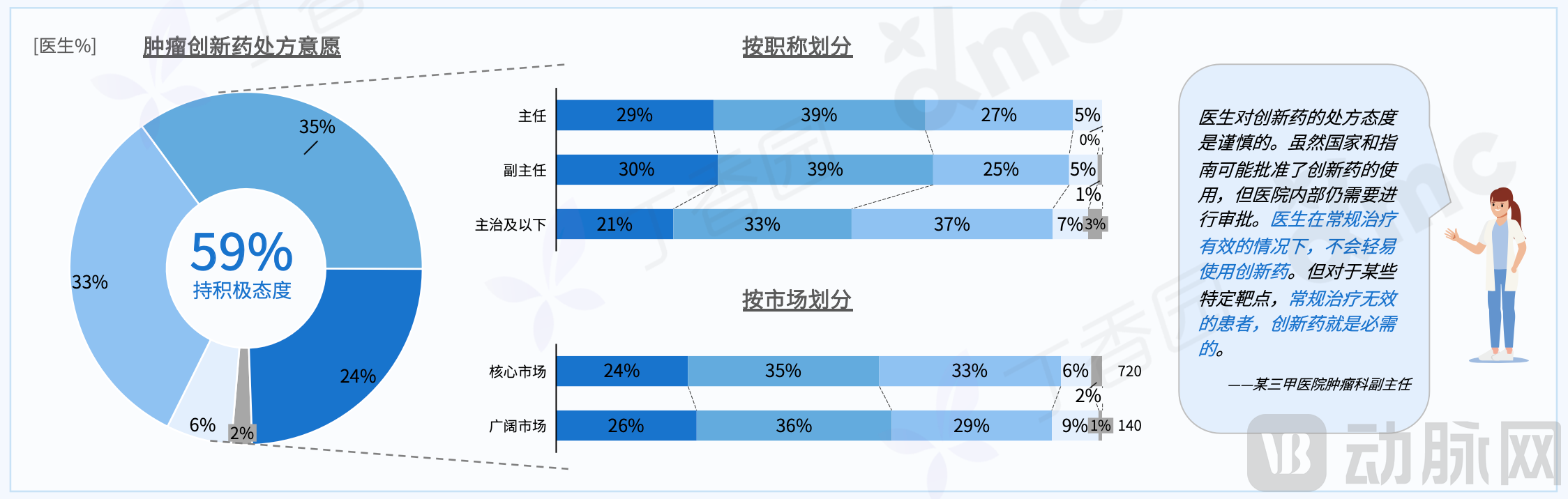
Global oncology R&D and innovation continue to advance with strong momentum.Regarding the willingness to prescribe innovative drugs, approximately 60% of oncologists exhibit an open and positive attitude, while more than 40% remain cautious and conservative.There are certain concerns.
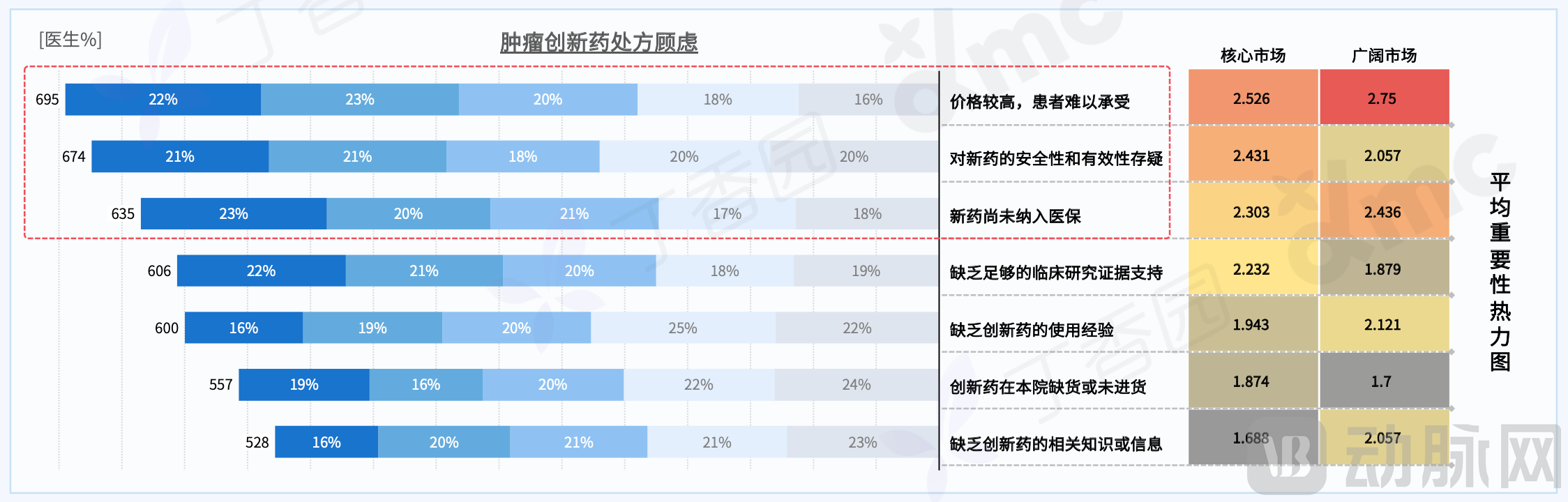
Patients’ ability to pay, insurance coverage for new drugs, and their safety and efficacy are primary concerns, indicating that price is a significant barrier for physicians when prescribing innovative medicines.
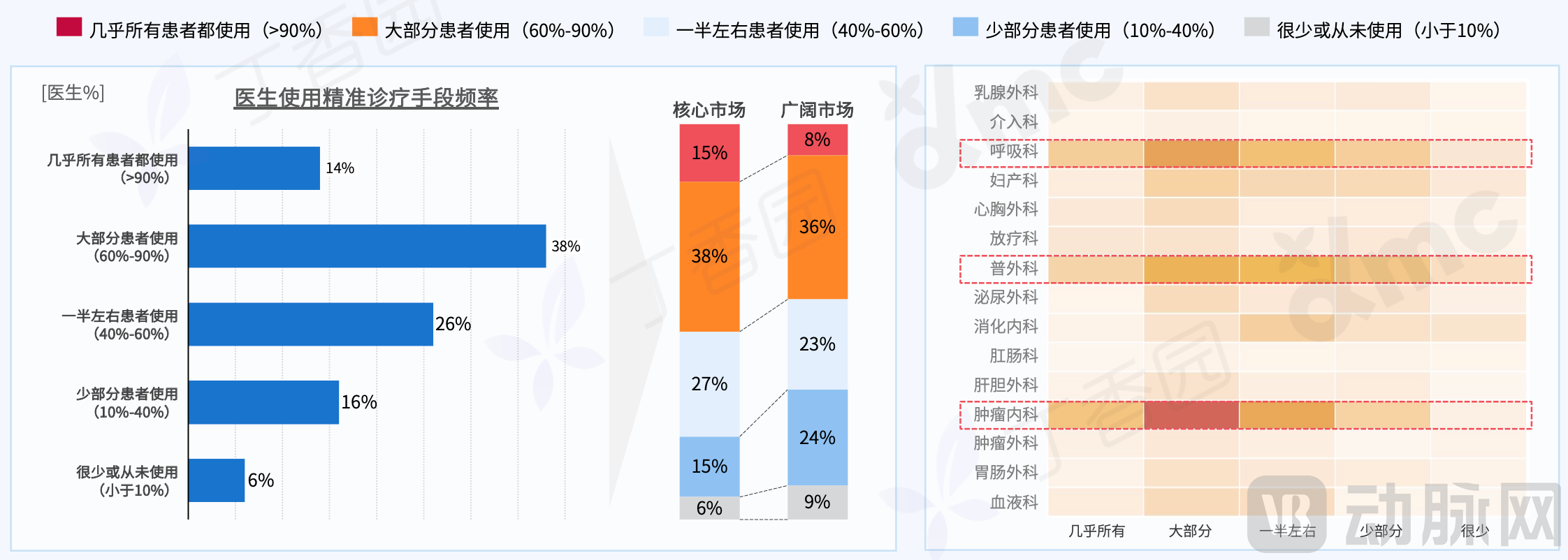
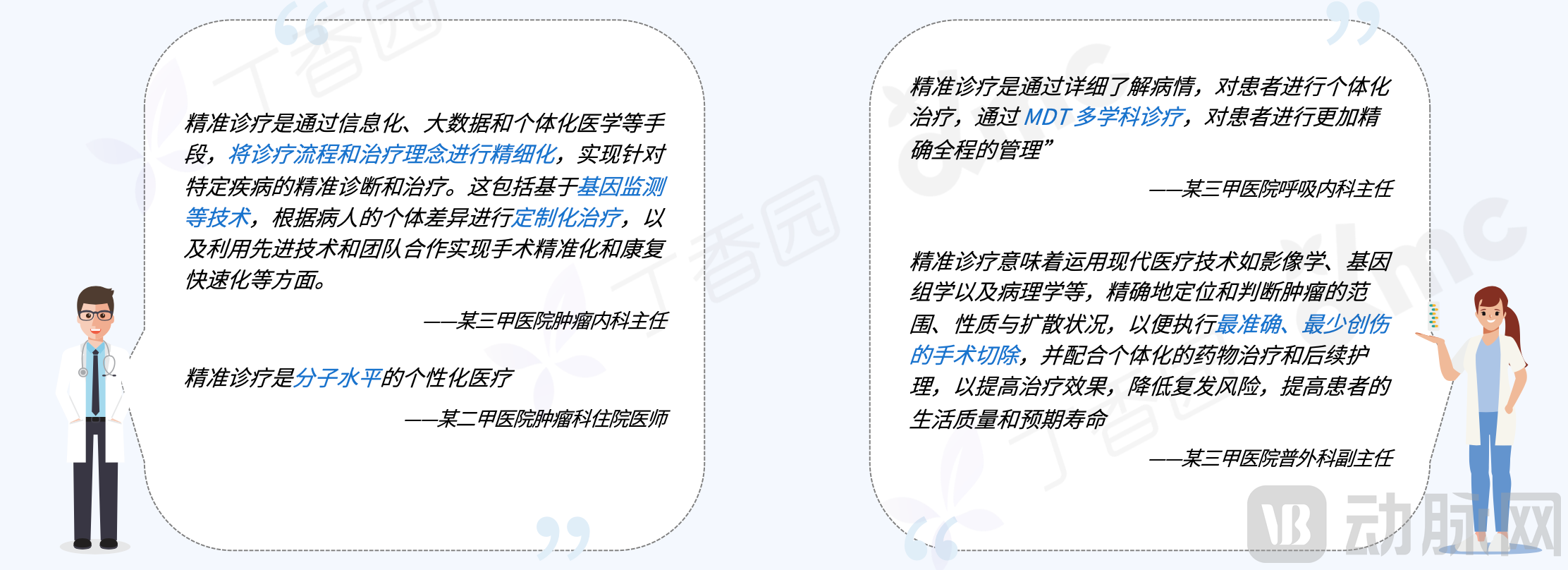
In the application of precision diagnosis and treatment,80% of doctors stated that they would use precision diagnosis and treatment methods for half or more of tumor patients,Oncologists in medical oncology, respiratory medicine, and general surgery exhibit a higher frequency of employing precision diagnosis and treatment modalities. However, qualitative interviews have revealed divergent perspectives on the understanding of precision medicine.
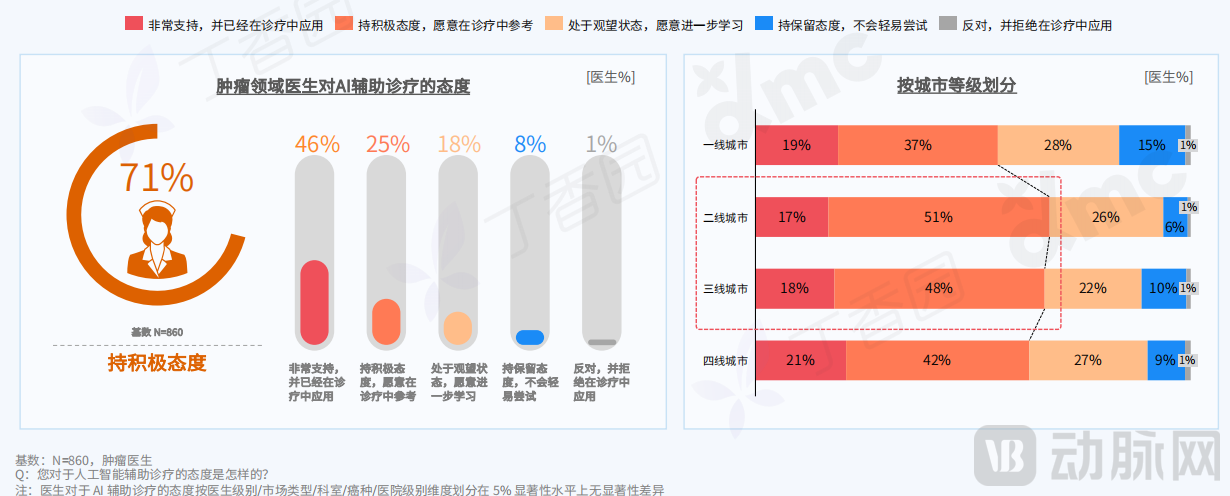
In terms of acceptance of AI-assisted diagnosis and treatment,Over 70% of oncologists hold a positive attitude toward AI-assisted diagnosis and treatment,and second- and third-tierUrban physicians exhibit a more positive attitude; nevertheless, approximately 30% of doctors remain skeptical about AI-assisted diagnosis and treatment.
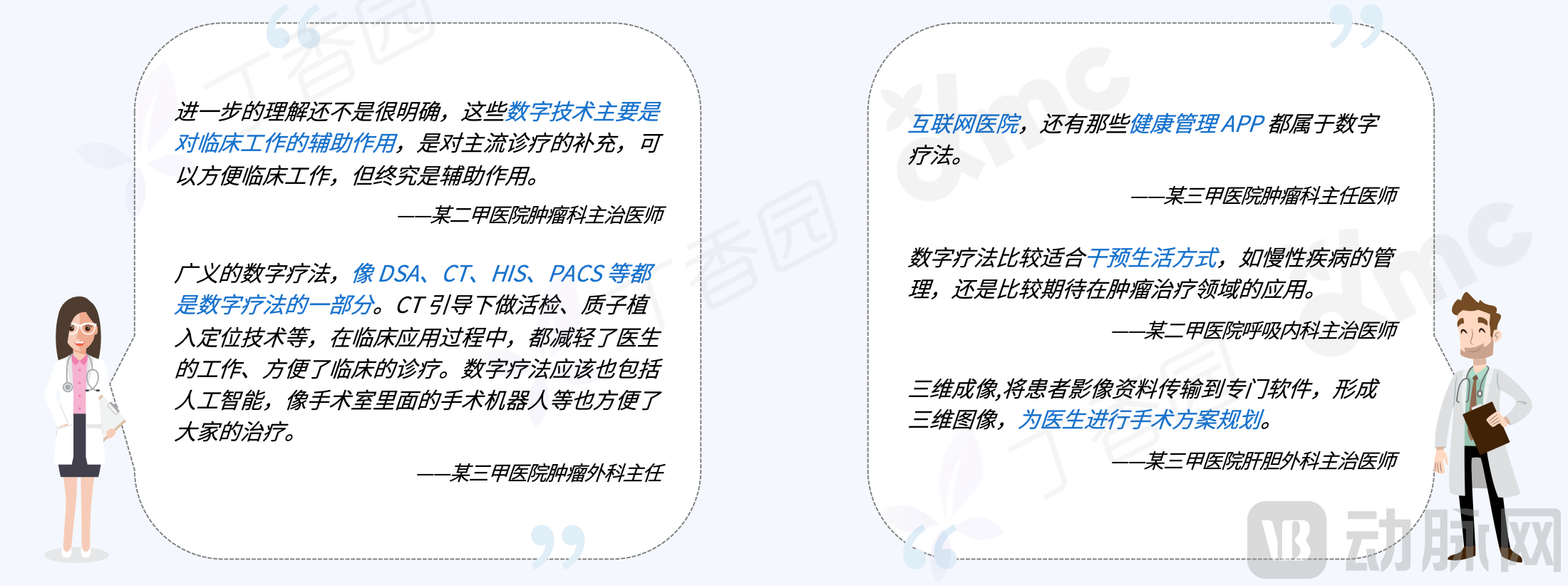
Qualitative interviews indicate that physicians currently have a low level of awareness regarding digital therapeutics, and their promotion and widespread adoption continue to face significant challenges.
Since its inaugural release in 2012, DXY’s “China Physician Insights Report” has been published annually for 11 consecutive years, establishing itself as one of the most influential reports on physician insights within the industry. This year sees the landmark release of the “Oncologist Insights Report,” which aims to elucidate the online behaviors of oncologists and highlight emerging trends and developments in the oncology sector.
To learn more about the digital behaviors and attitudes of Chinese oncologists, add Damai Cha as a friend to receive the full version of the “2023 Oncologist Insights Report” free for a limited time.
Scan the QR code to add Damai Tea
Reply with “tumor” to receive the full report.