

Geneplus Showcases Liquid Biopsy 3.0 and Multi-Omics Innovations at the 7th Big Data Conference on Genomics in Suzhou

Gene+
Tumor Gene Testing Service Provider
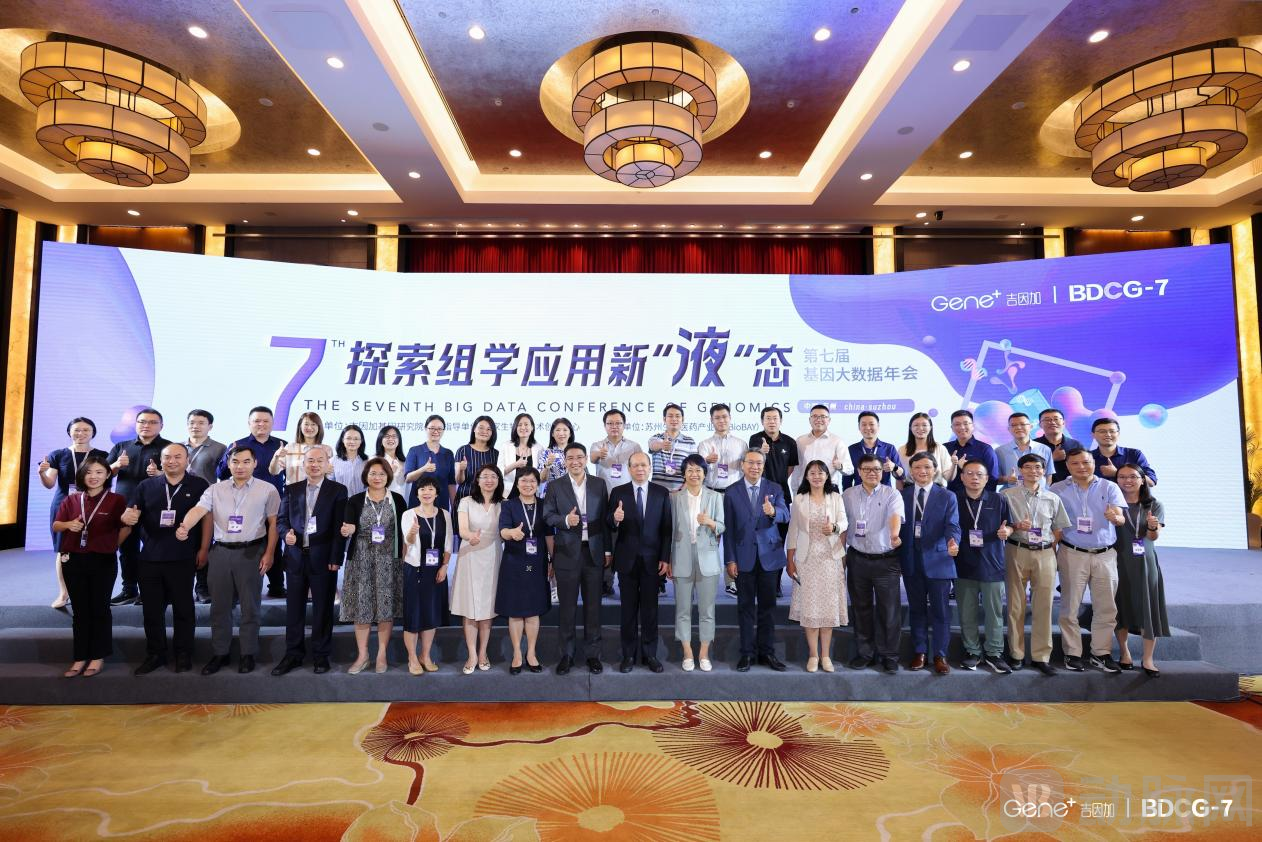
On July 16, the 7th Annual Conference on Big Data in Genomics (BDCG-7), a premier academic event guided by the National Center for Technology Innovation for Biopharmaceuticals and co-hosted by Gene+ Institute and Suzhou BioBAY, concluded successfully in Suzhou Industrial Park. Led by Academician Cheng Shujun of the Chinese Academy of Engineering and Academician Yang Huanming of the Chinese Academy of Sciences, the conference featured dialogues with leading scholars in precision medicine and gathered more than 300 experts and representatives from diverse fields—including oncology, infectious diseases, pathology, laboratory medicine, new drug development, complex diseases, and health management—to jointly foster a new ecosystem for genomic big data in the multi-omics era.
Technological Drivers Propel Epochal Shifts, Innovation Leads Industrial Development. Centered on the theme “Exploring New ‘Liquid’ States in Omics Applications,” the conference comprehensively showcases achievements derived from genomic big data, explores the substantial application value of liquid biopsy technology as a new paradigm for precision medicine in the multi-omics era, and deeply advances clinical practice, scientific research, innovative translation, and regional collaboration. The high-level integration of medicine, industry, academia, and research drives the high-quality development of the precision medicine industry.
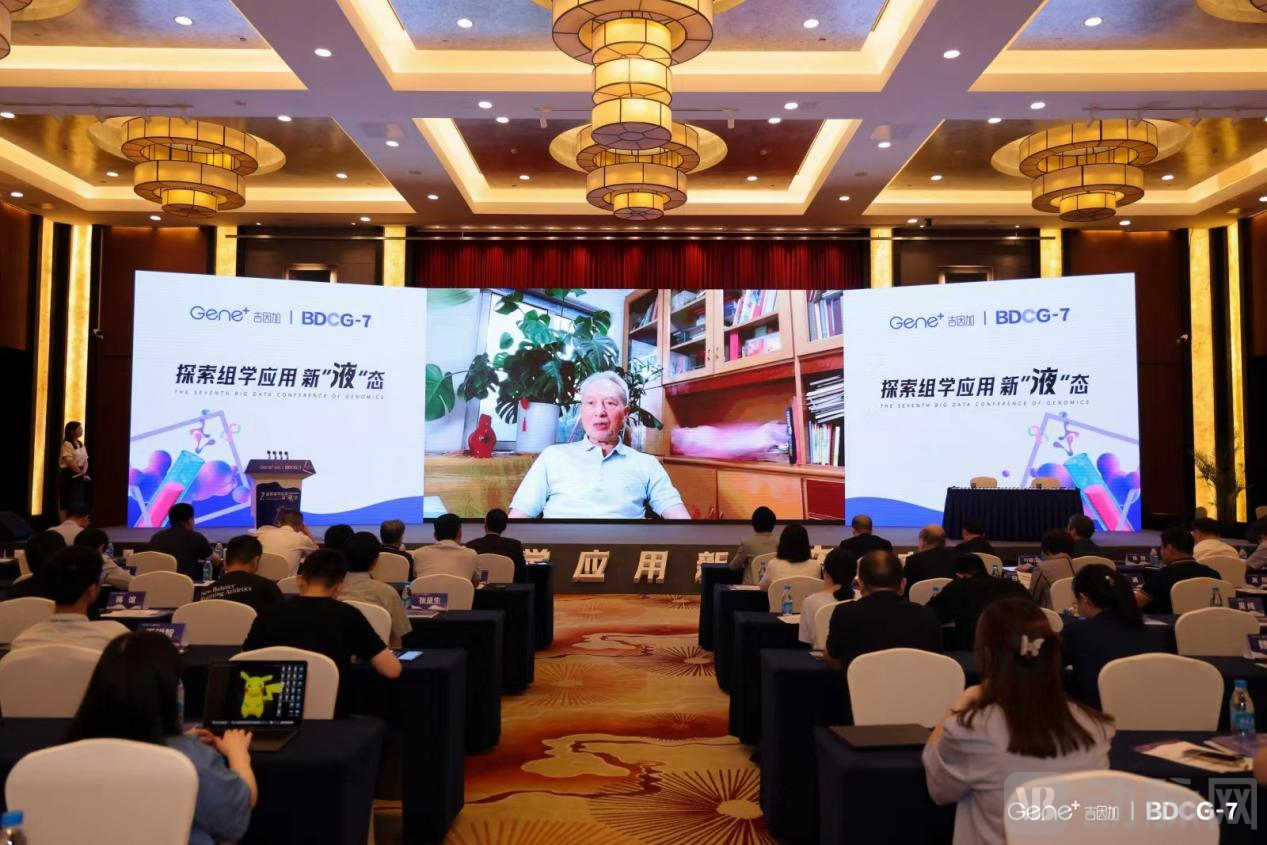
As the Honorary Chair of the conference and a renowned expert in the field of oncology in China, Academician Cheng Shujun of the Chinese Academy of Engineering delivered an address. In his speech, Academician Cheng affirmed Gene+’s breakthroughs in tumor genomics research and liquid biopsy technology. He stated that human understanding of tumors still requires significant expansion, and that real-world big data on tumors holds profound significance for comprehending the nature of cancer as well as for its prevention and control, serving as a crucial channel for truly unraveling the mysteries of oncology. Meanwhile, he noted that considerable work remains to be advanced in areas such as host factors and tumor metastasis. He expressed the hope that this Annual Conference on Big Data would further promote the development of tumor big data and drive in-depth research in related fields.
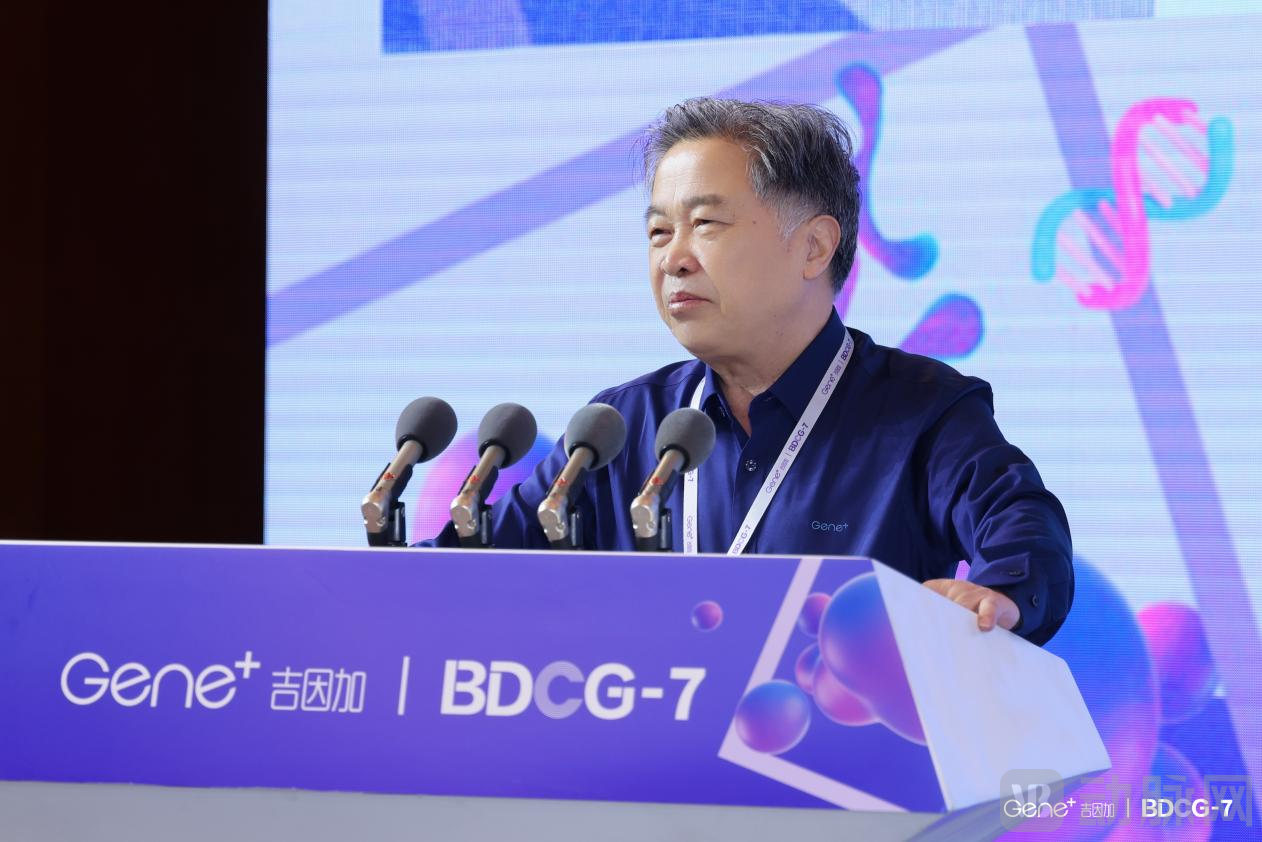
As Honorary Chair of the Annual Conference on Genomic Big Data and a long-time researcher in genomics, Academician Yang Huanming of the Chinese Academy of Sciences emphasized in his address the importance of big data research integrated with new technologies. He began by reflecting on the 20th anniversary of the completion of the Human Genome Project, elaborating on how genomic big data technologies derived from this milestone have profoundly transformed both frontier scientific research and practical applications. Academician Yang also highlighted the broad application prospects of liquid biopsy technology and spoke highly of the significance of personalized customization, exemplified by Gene+’s 1021+ MRD assay. He noted that such innovations hold practical value for uncovering the laws of life and enabling more effective precision medicine, expressing confidence that the field of precision medicine will soon realize the ideal of “medicine for everyone.” It is believed that Gene+ will continue to meet expectations and achieve further breakthroughs in related fields.
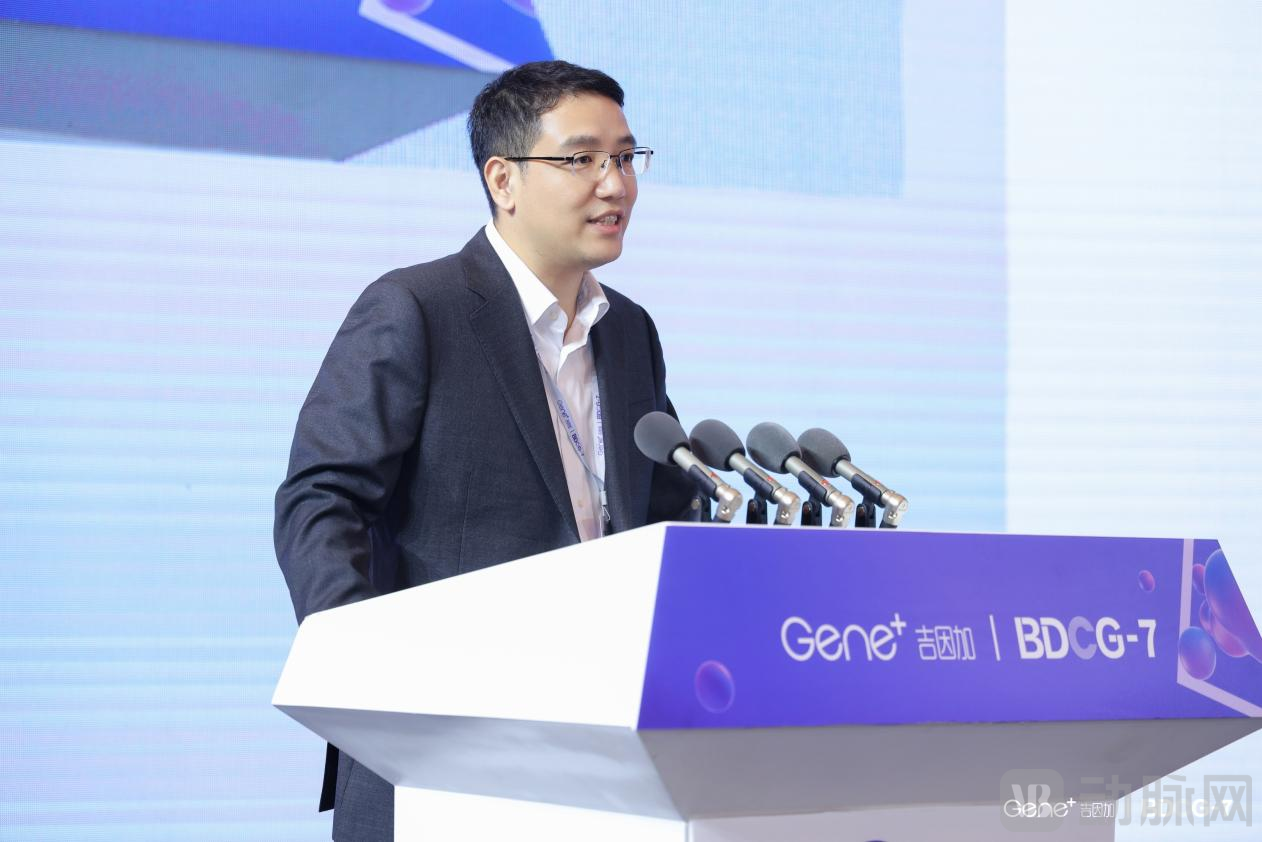
At the opening of the conference, Dr. Yi Xin, CEO of Gene+, delivered the welcome address. He extended his warm welcome and gratitude to all distinguished guests. Building on the conference theme, he introduced Gene+’s latest advancements in omics technologies, elaborating on the evolution of liquid biopsy from its initial application in oncology (Version 1.0) to its expansion into complex diseases through ctDNA multi-omics technologies (Version 3.0). Furthermore, Dr. Yi discussed strategies for enhancing the clinical implementation of Minimal Residual Disease (MRD) monitoring and targeted Next-Generation Sequencing (tNGS). He expressed his commitment to leveraging the company’s in-house automation R&D team and raw material production base to develop more cost-effective products and solutions that better meet the diverse needs of the clinical, pathological, and laboratory medicine communities.
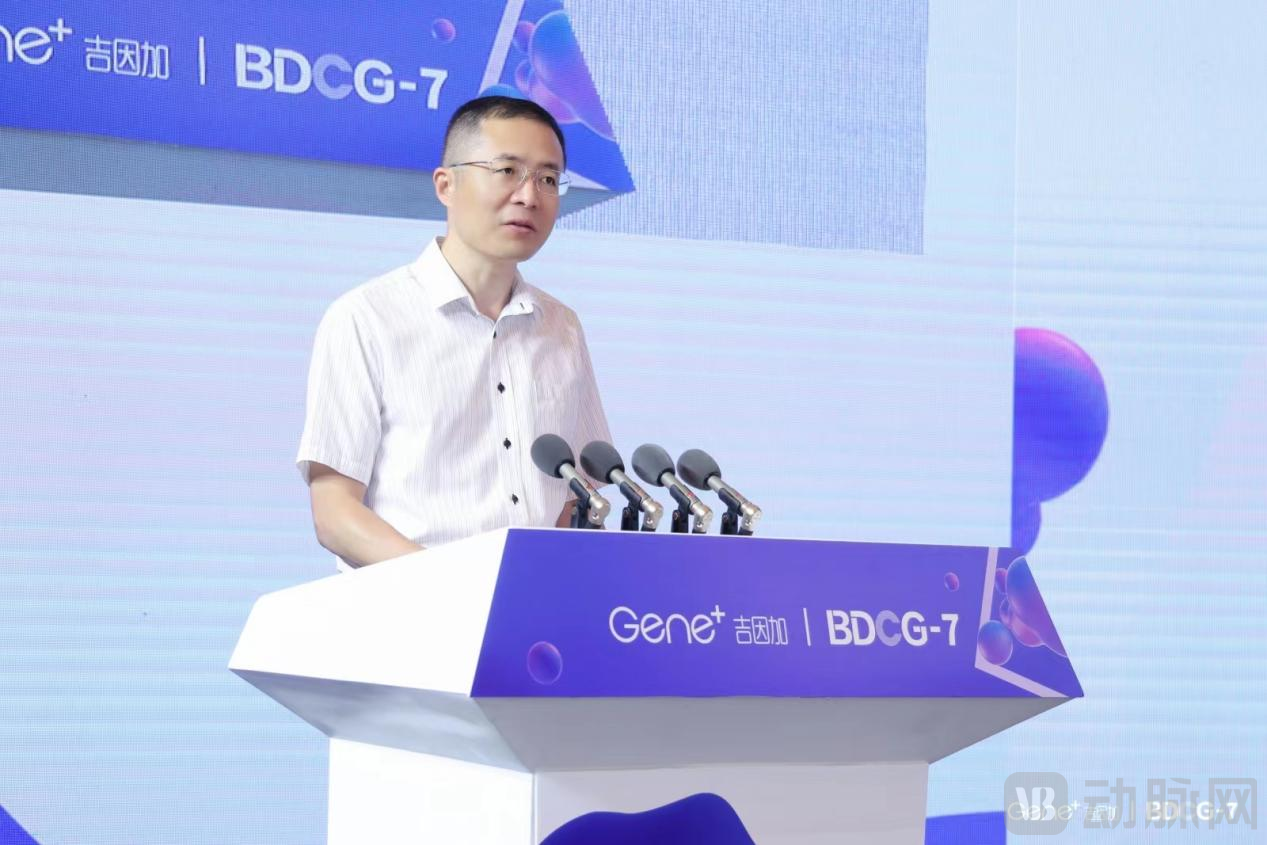
At the conference, Mr. Ni Qian, Member of the Working Committee and Deputy Director of the Administrative Committee of Suzhou Industrial Park, extended warm congratulations on the convening of the Big Data Conference. He stated that the Gene+ Genomic Big Data Annual Conference has been held for six consecutive years, establishing a demonstrative effect within the industry. By discussing emerging and high-profile sectors such as multi-omics, big data, and intelligence, as well as key industry focal points, this year’s conference will create new opportunities for the park to promote industrial transformation and upgrading and achieve high-quality development in the biopharmaceutical sector. Meanwhile, Director Ni introduced Suzhou Industrial Park, pointing out that as an industrial park ranking among the top nationwide in terms of openness, development quality and efficiency, innovation vitality, and business environment, it will continue to provide pro-business services, actively foster an optimal innovation and industrial ecosystem, and work together with all stakeholders to create a brighter future.
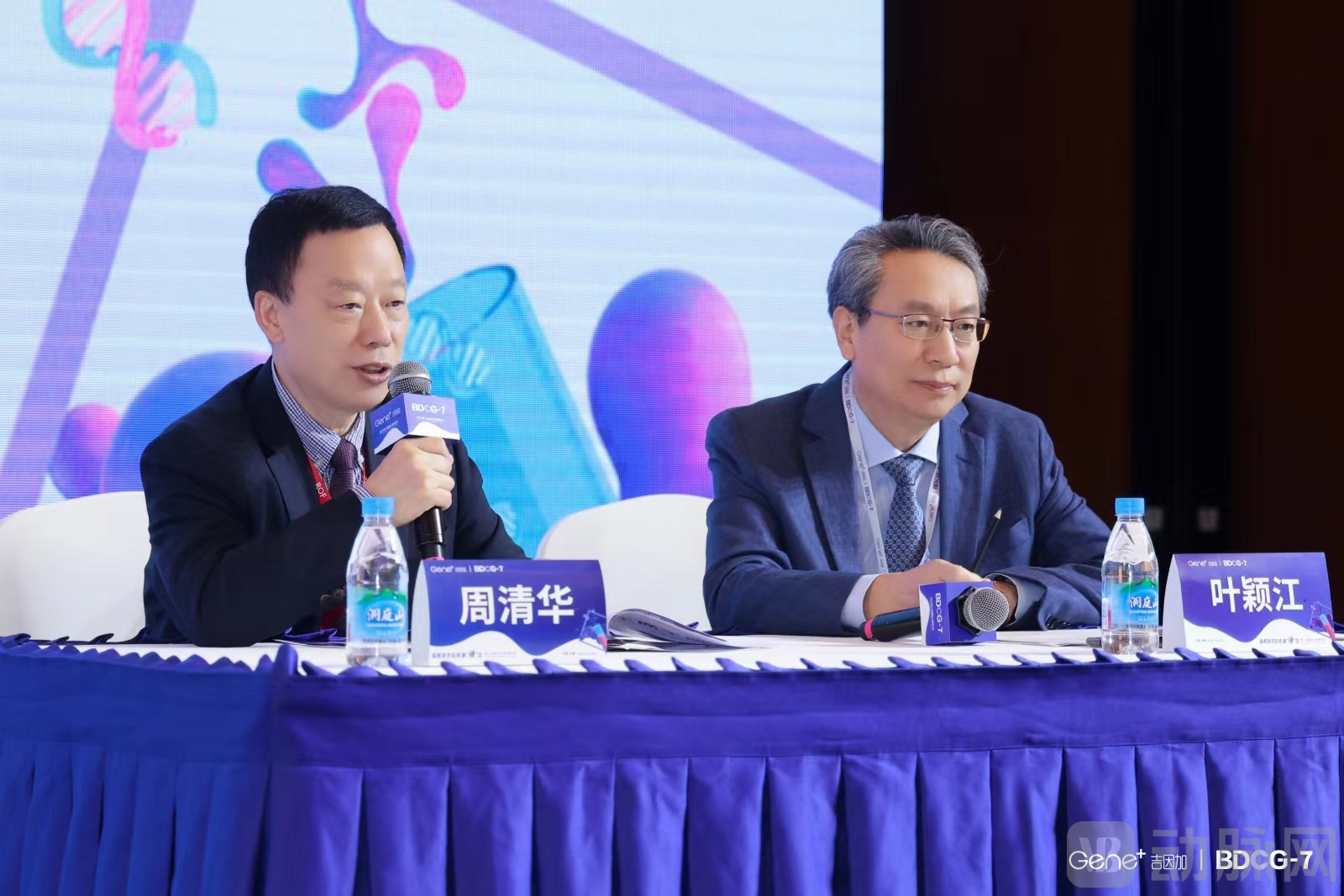
Professor Zhou Qinghua from West China Hospital of Sichuan University and Professor Ye Yingjiang from Peking University People’s Hospital jointly served as chairs, co-presiding over the first session, “New Applications of Liquid Biopsy Technology.”
Data-Driven Technological Innovation in Dermatology
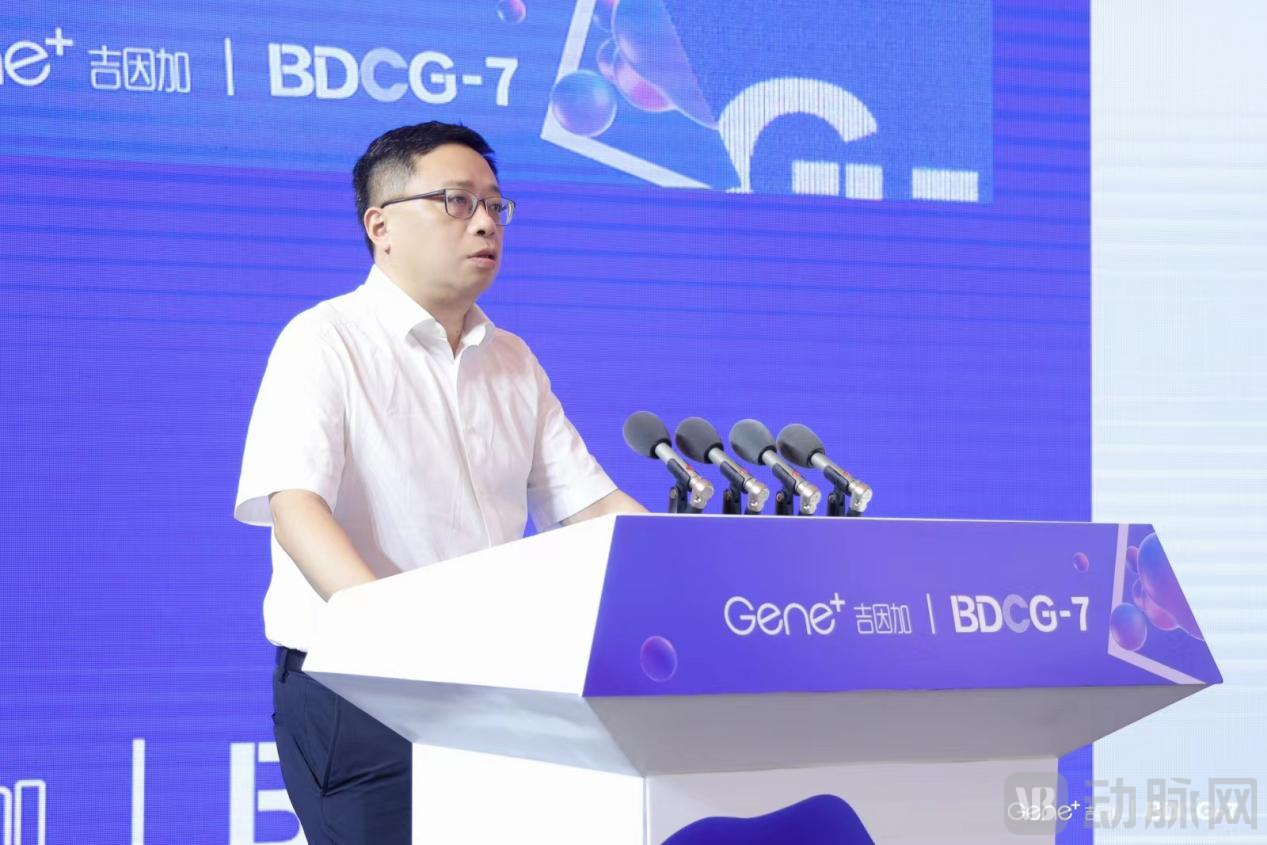 Professor Chen Xiang, Xiangya School of Medicine, Central South University
Professor Chen Xiang approached the topic from clinical perspectives, emphasizing that addressing skin diseases requires multidisciplinary integration based on big data, translating mechanistic research into clinical applications. He then detailed a series of major innovations achieved by Xiangya School of Medicine, Central South University, in the field of dermatology through big data applications. Notably, using Gene+’s proprietary whole-genome methylation detection technology, peripheral blood cfDNA methylation was identified for the first time as a biomarker capable of distinguishing psoriatic arthritis. Furthermore, Xiangya School of Medicine has implemented AI-assisted therapy, serving as a exemplary model of translational medicine from laboratory to clinic. Professor Chen stated that personalized medication guidance, drug development, and intelligent diagnosis and treatment can provide more precise options for the diagnosis and management of skin diseases.
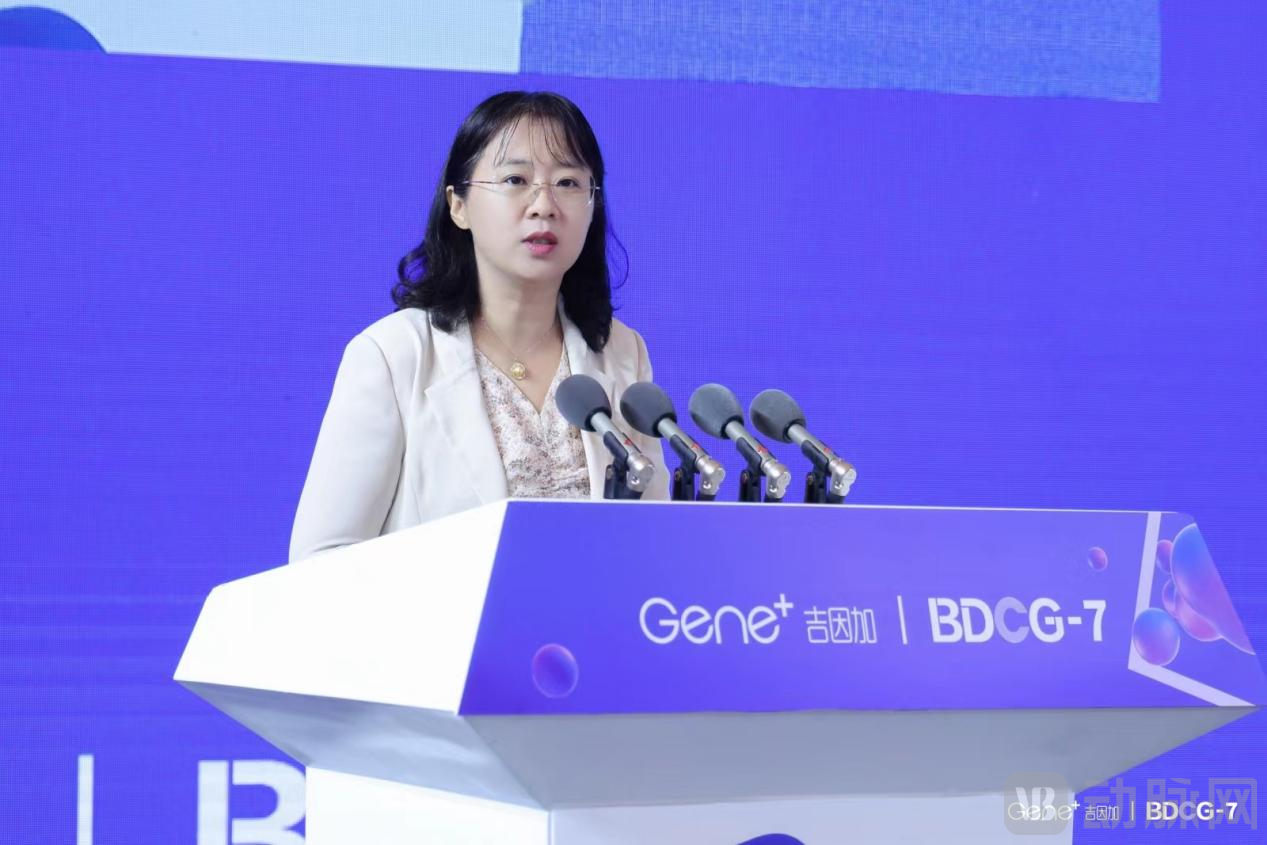 Professor Qing Zhou, Guangdong Provincial People's Hospital
As the recognition of minimal residual disease (MRD) in solid tumors grows, this technology has already transformed guideline recommendations and clinical practice paradigms in lung cancer and colorectal cancer. Professor Qing Zhou provided a detailed exposition on the advancements and development of MRD detection technologies in lung cancer, emphasizing the importance of MRD testing methodologies and strategic selection. Furthermore, she presented the exploratory achievements of the Guangdong Lung Cancer Institute and Gene+ over more than five years in the field of MRD for early-stage resectable lung cancer. In addition, comprehensive layouts have been established for the application of MRD in locally advanced and advanced-stage lung cancer, with the aim of generating more robust clinical evidence in the future. Professor Zhou expressed her expectation that precision diagnostics based on liquid biopsy will yield further insights and deliver greater survival benefits to cancer patients.
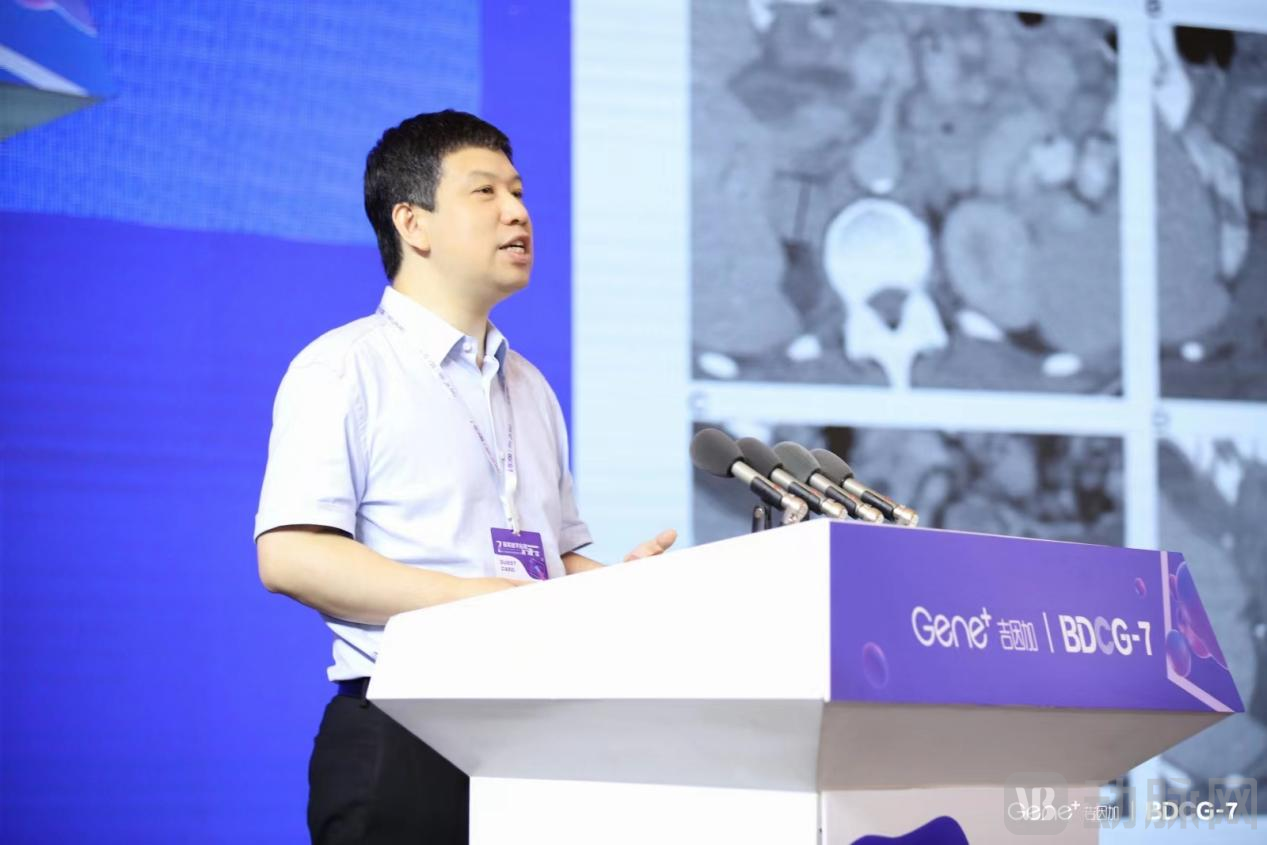 Professor Ma Fei, National Cancer Center/Cancer Hospital, Chinese Academy of Medical Sciences
The application of MRD testing in breast cancer has gradually shifted from advanced-stage to early-stage disease. Professor Ma Fei shared the latest international advances in MRD within the field of breast cancer and introduced to attendees the prospective MRD studies and research outcomes conducted jointly by the Cancer Hospital, Chinese Academy of Medical Sciences, and Gene+. Professor Ma pointed out that the time is ripe for using MRD to guide clinical decision-making. Significant breakthroughs have been achieved in intensifying treatment regimens for high-risk breast cancer patients across different molecular subtypes, further improving survival rates. Currently, multiple research centers, including the Cancer Hospital, Chinese Academy of Medical Sciences, are conducting clinical trials on MRD-guided clinical practice in breast cancer. It is believed that these efforts will help physicians deliver more precise treatment to breast cancer patients in routine clinical practice.
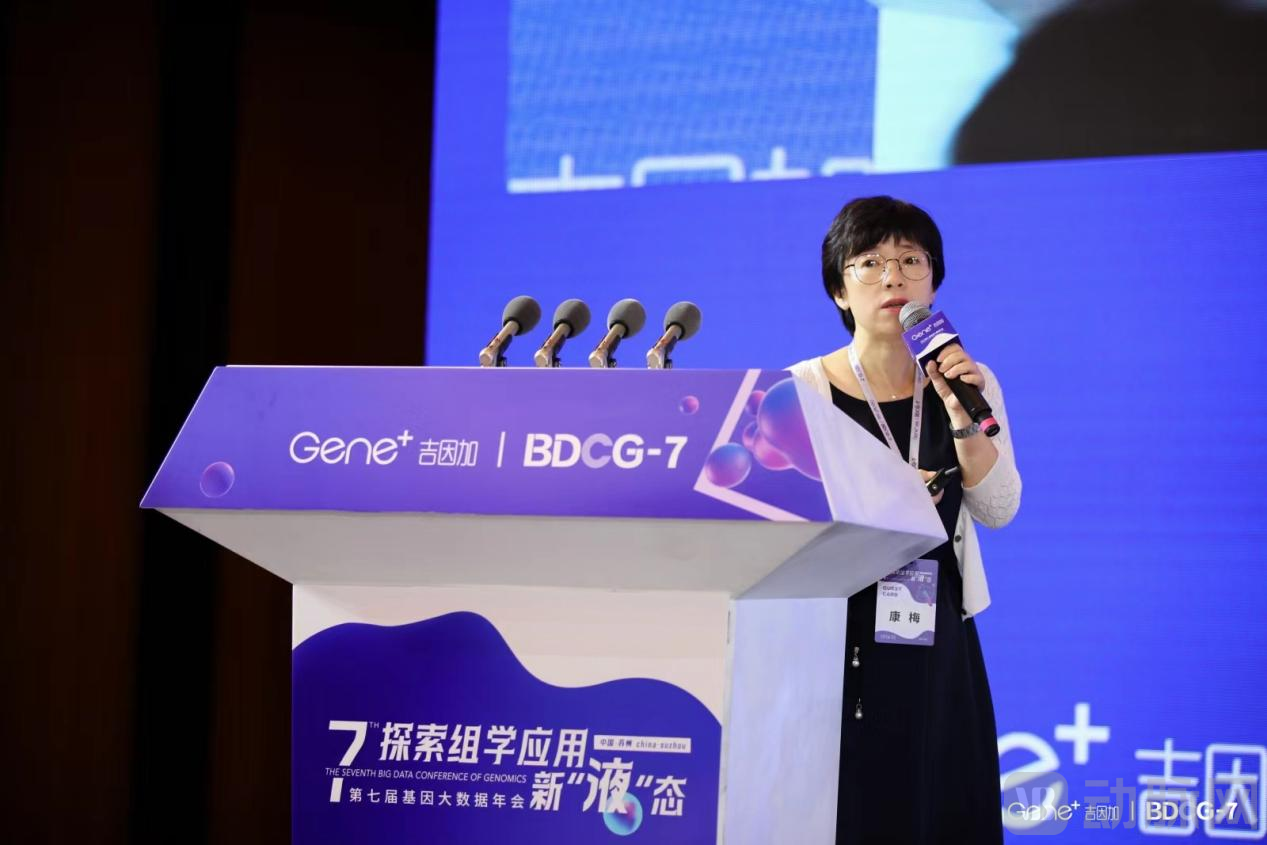 Professor Kang Mei, West China Hospital, Sichuan University
Bloodstream infections are characterized by high incidence, high mortality, and a high prevalence of multidrug resistance, coupled with complex diagnostic processes, all of which impose stricter requirements on turnaround time for testing. Currently, culture-independent molecular techniques such as PCR, mNGS, and tNGS can deliver results within 24 hours, significantly enhancing the timeliness of diagnostic outcomes. Furthermore, Professor Kang Mei pointed out that hybrid capture-based tNGS technology exhibits strong compatibility with nucleic acid fragment sizes, enabling tiling or even overlapping high-density probe coverage. This approach ensures uniform detection across pathogen genomes, offers a broad pathogen spectrum, demonstrates high sensitivity, and provides precise detection of antimicrobial resistance gene loci, thus holding promise as a superior diagnostic technique. Professor Kang Mei emphasized that each diagnostic technology has its specific applicable scenarios and should be matched to individual patient conditions. The integrated application of multiple technologies can yield greater clinical benefits.
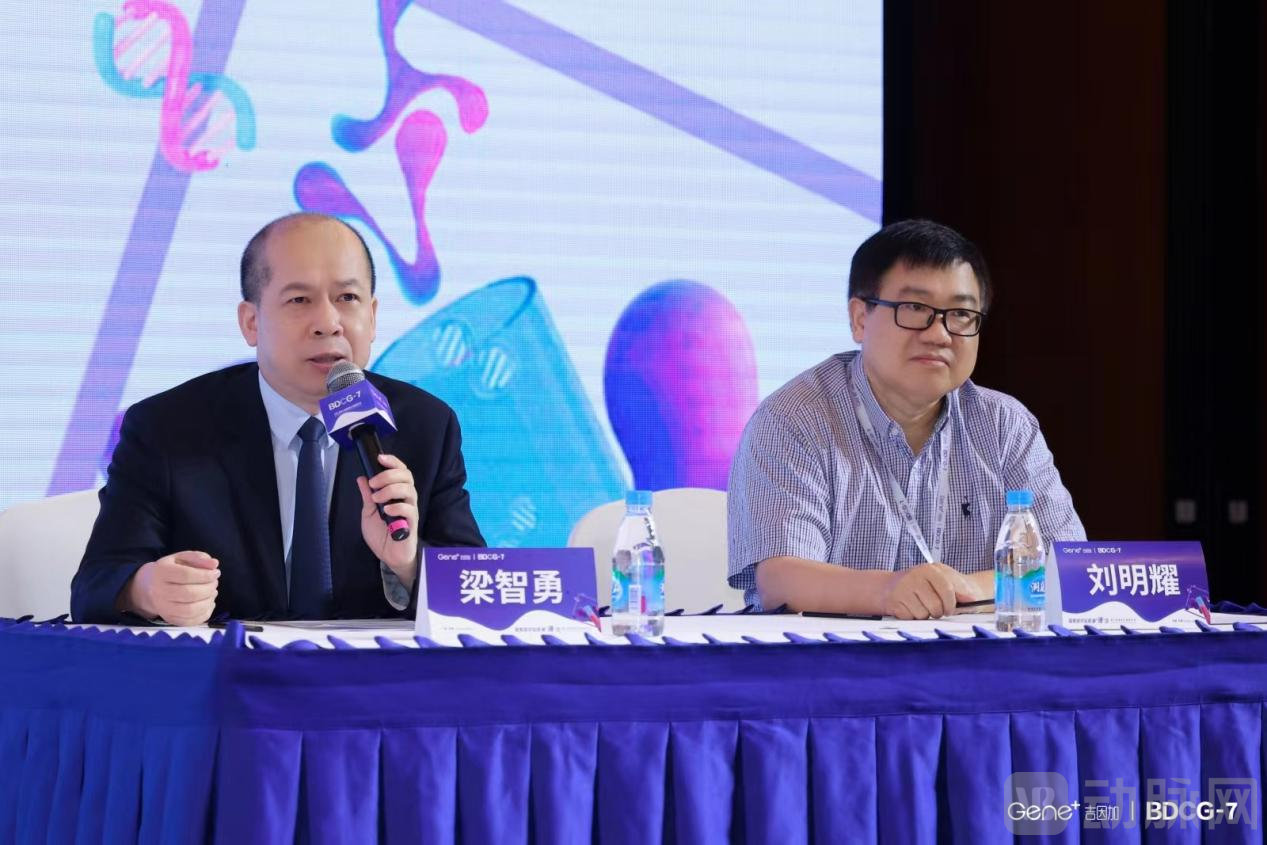
Professor Liang Zhiyong from Peking Union Medical College Hospital, Chinese Academy of Medical Sciences, and Professor Liu Mingyao from the Institute of Biomedical Research at East China Normal University jointly chaired the second session, “Clinical Implementation of NGS Testing in Hospitals.”
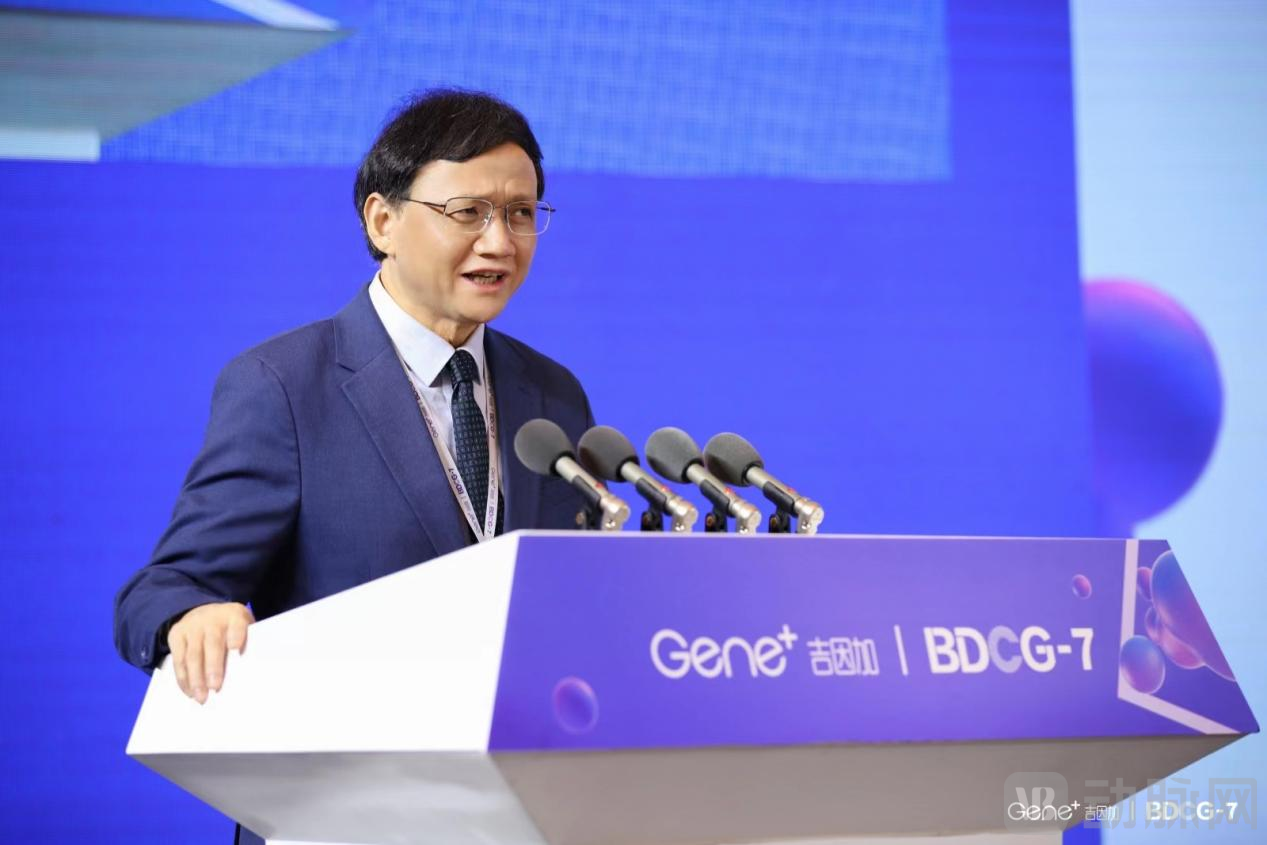 Professor Shi Leming, School of Life Sciences, Fudan University
Against the backdrop of authoritative domestic and international guidelines and consensus statements all recommending HRD testing, the National Cancer Center, in collaboration with the National Institutes for Food and Drug Control (NIFDC), Fudan University, and other institutions, launched the HRD Standardization Project. This initiative aims to address the lack of standardization in HRD detection methods, SNP site selection, and HRD score thresholds. At the meeting, Professor Shi Leming presented the progress of the HRD Standardization Project. Currently, Phase I of the project has published one review article in *Genomics, Proteomics & Bioinformatics* (GPB) and established a consensus on HRD standardization. In Phases IIa and IIb, a set of national reference materials for HRD was developed, covering various technical approaches including targeted panels, whole-exome sequencing (WES), whole-genome sequencing (WGS), and methylation analysis. The HRD testing systems of six participating institutions were evaluated from multiple dimensions, with Gene+ deeply involved in this process. In the upcoming Phases IIc and III, the project team will further explore standardized HRD methodologies and their clinical application value using clinical samples.
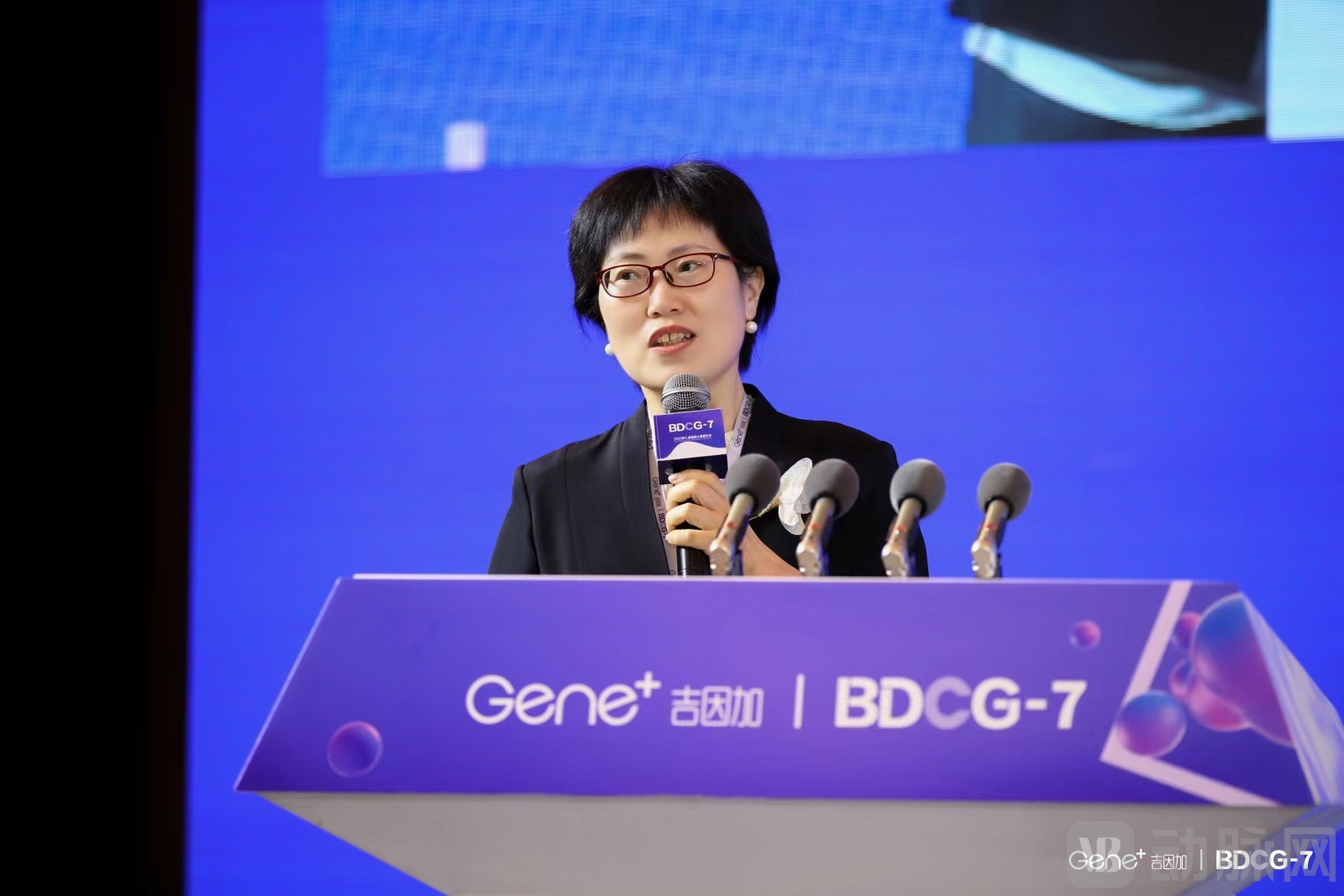 Professor Ji Yuan, Zhongshan Hospital Affiliated to Fudan University
The LDT policy issued by the state at the beginning of the year has brought new development opportunities to the field of genetic testing. It requires medical institutions to take the lead in the research, development, and use of LDT reagents, aligning with the principle of prioritizing clinical needs. Professor Ji Yuan stated that Fudan University Zhongshan Hospital, as an LDT pilot unit, has established a working group led by the hospital president and relevant administrative departments. This group focuses on project initiation assessment, product development, clinical validation, and application review to ensure the quality of LDT reagent testing and the standard of clinical services. Meanwhile, significant efforts have been made in areas such as innovation and translation of intellectual property, clinical research and application of medical devices, and collaboration with innovative enterprises. She emphasized that beyond policy, technology, and application, it is essential for medical institutions and innovative biotechnology companies to join forces to accelerate the research, development, production, and use of LDT products, thereby meeting urgent clinical needs.
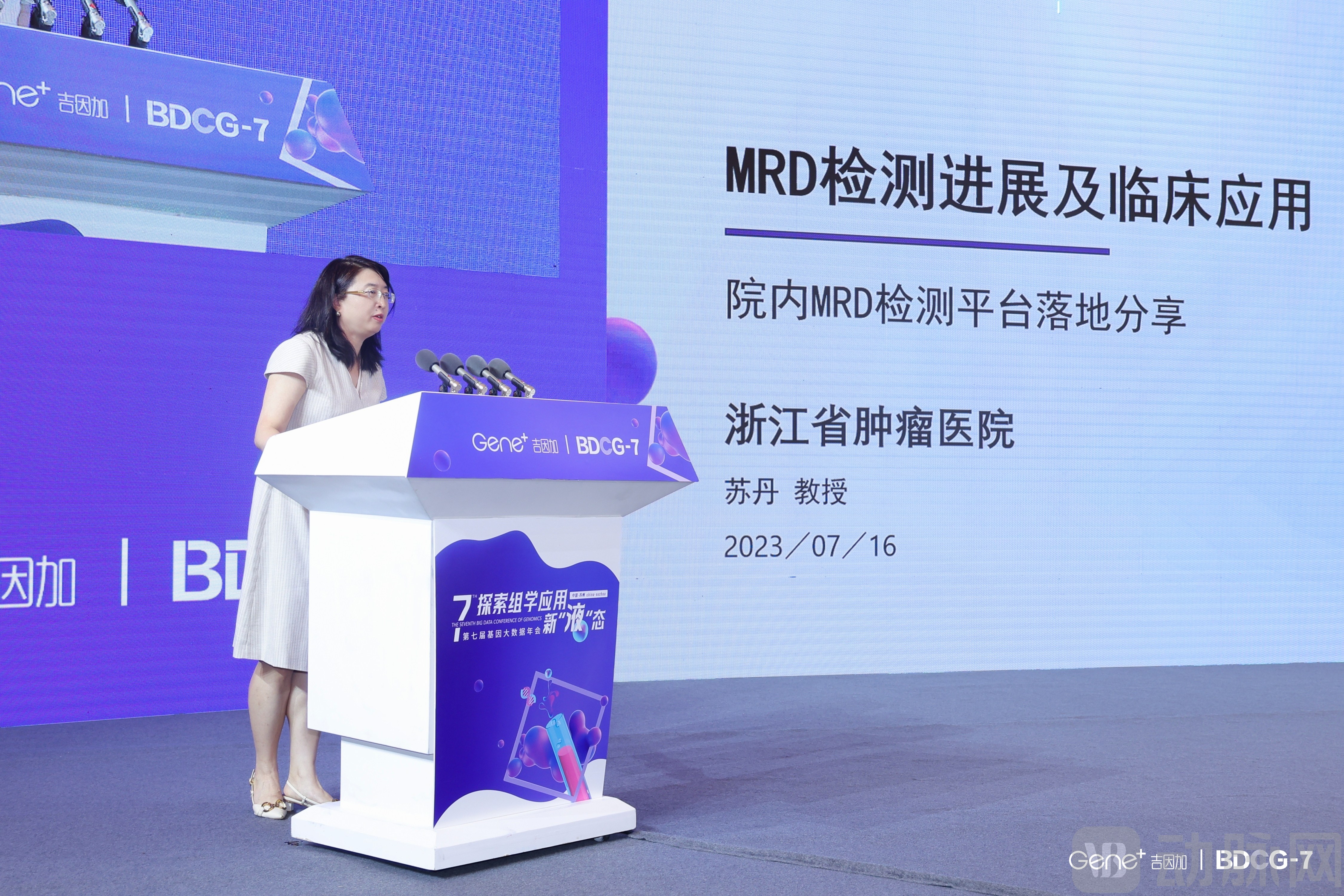
Zhejiang Cancer Hospital, Professor Su Dan
To address the technical challenges of MRD detection, various technological approaches are currently available. Among these, personalized MRD testing based on tissue analysis results is favored by pathology departments due to its superior sensitivity and high adaptability across multiple laboratories. In light of current national policies supporting pilot programs for Laboratory Developed Tests (LDTs), adopting the LDT model represents a viable pathway for implementing MRD detection. For the execution of LDT projects, establishing robust laboratory systems and conducting comprehensive performance verification are particularly critical. Professor Su Dian stated that the Department of Pathology at Zhejiang Cancer Hospital has laid a solid foundation in laboratory system construction and personnel training for LDTs, and has completed the performance verification for the in-house LDT implementation of Gene+’s 1021+ MRD assay. Building on this foundation, the pathology department is committed to further standardizing MRD testing, leveraging the advantages of the detection methodology while fully understanding its limitations in practice, thereby promoting continuous optimization of the testing process.
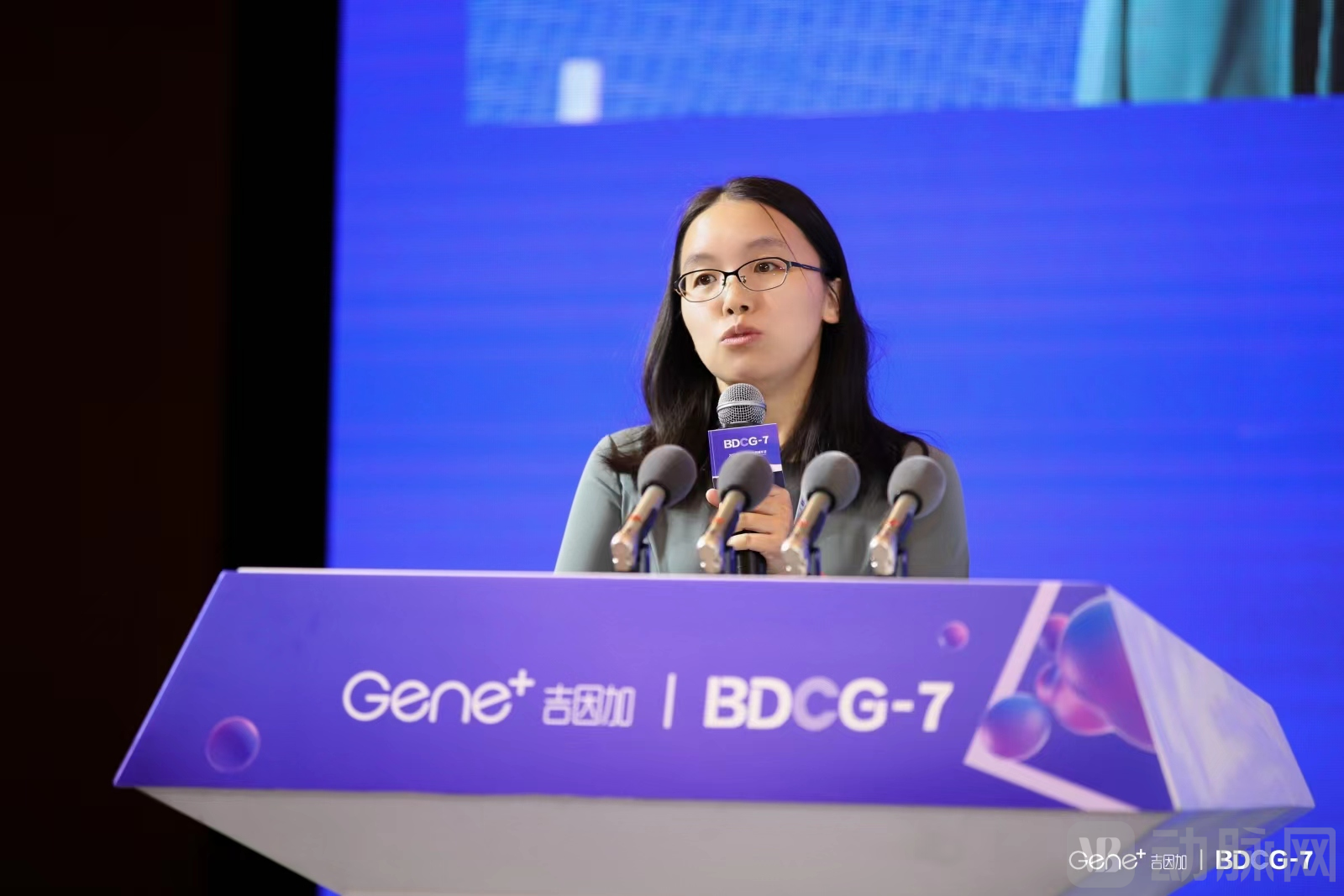 Gene+ Chief Medical Officer Dr. Rongrong Chen
Dr. Chen Rongrong, Chief Medical Officer of Gene+, stated that over the past year, major hospitals and experts have collaborated with Gene+ to achieve multiple breakthroughs in oncology, infectious diseases, and complex disorders based on genomic big data. Several prospective, multicenter clinical trials, including TRACELib002 and CTONG2201, are progressing steadily, further solidifying the clinical translational value of liquid biopsy. With the hospital-based implementation of 1021+ MRD testing and the PROMISEPLUS series of studies, minimal residual disease (MRD) assessment will assist clinicians in formulating more precise treatment plans for cancer patients. Product translation has also been achieved for biopsy technologies in infectious diseases, while targeted next-generation sequencing (tNGS) has surpassed previous capabilities in breadth, depth, and accuracy—from pathogen identification and typing to drug resistance analysis—enabling faster and better clinical service. The integration of the patented GM-Seq technology, which enables concurrent genomic and methylomic profiling, with cellular methylation maps has established a new research paradigm for studying multi-organ acute or chronic injury in complex diseases such as immune disorders, cardiovascular diseases, and chronic kidney disease.
The main venue focused on new applications of liquid biopsy technology. In the three parallel sessions titled “Precision Oncology Diagnosis, Treatment, and Translation,” “Redefining tNGS for Pathogen Diagnosis,” and “Research on Complex Diseases,” experts and scholars discussed industry hotspots such as MRD, tNGS, methylation, and single-cell analysis. Meanwhile, in specialized sessions including the Launch Meeting for the Expert Consensus on Tumor MRD Pathology, the “5 Years of Care, Shared Benefits for Public Health” Health Special Session, and the Industry Ecosystem Forum, participants from academia and business engaged in discussions on standard setting, health education, model innovation, and industry ecosystem development.
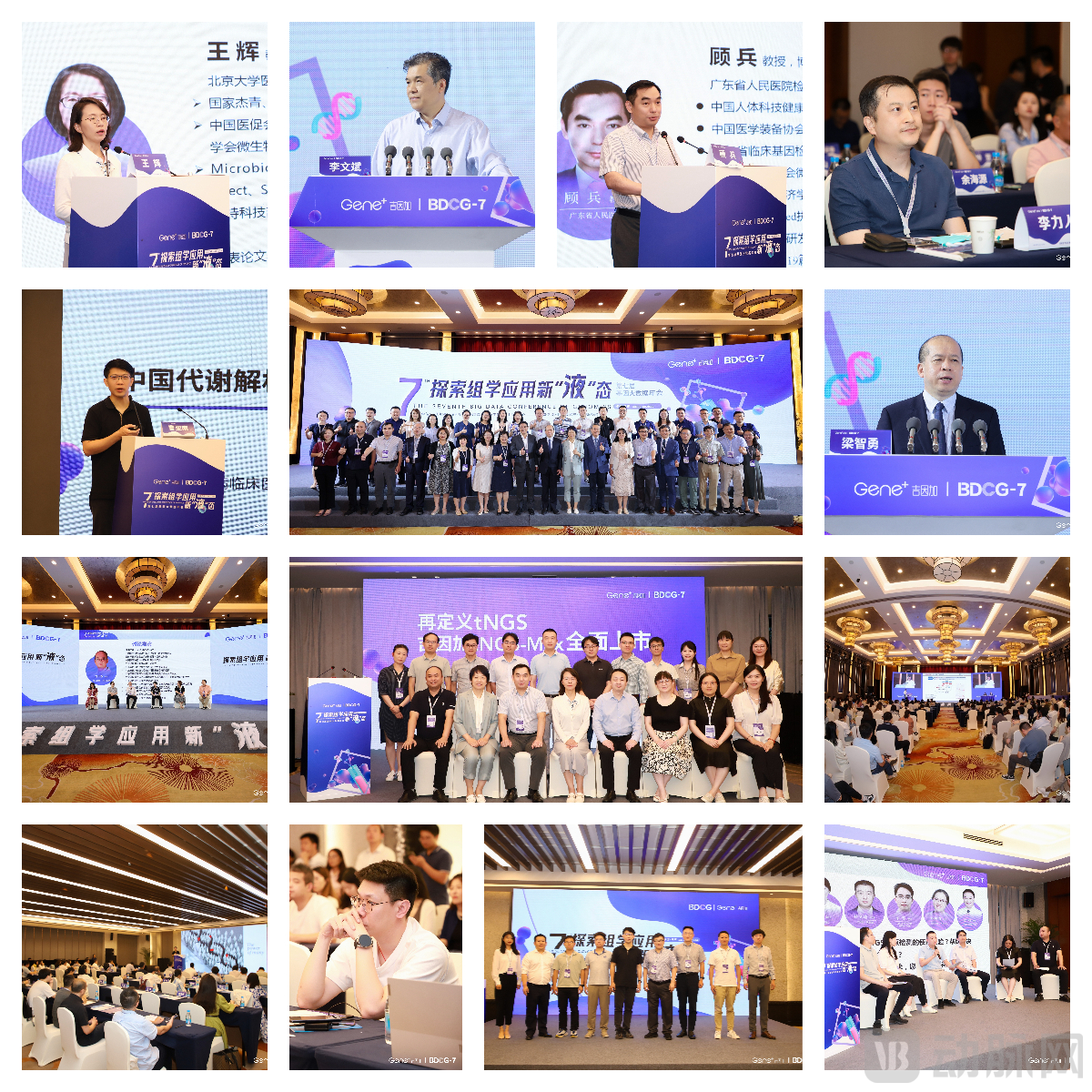
From tumor recurrence monitoring and treatment to the diagnosis of complex diseases; from precise pathogen detection to frontier discussions on innovative CGT drugs, new achievements, paradigms, and applications spark innovation, contributing multi-omics strength to the construction of a new ecosystem for genetic big data.
About Gene+
Gene+, founded in 2015, is an innovative high-tech enterprise established against the backdrop of precision medicine. Adhering to a strategy of independent domestic development, the company leverages its large-scale platforms for testing, manufacturing, and data to provide genetic testing products and services across three core business areas: medicine, technology, and health. This approach has enabled Gene+ to achieve a development trajectory characterized by technological breakthroughs, academic leadership, product innovation, and market leadership.