

BuGe Rhythm Therapy System: A Music-Motion Intervention Platform for Neuroregeneration and Chronic Disease Management Led by Dr. Hu Bin of the University of Calgary
2022 Was Called the First Year of Accelerated Aging in China.
According to statistics, the population aged 60 and above reached 280.04 million in 2022, accounting for 19.8% of China's total population, with this figure continuing to rise year by year. Driven by this vast market potential, the market size of China's elderly care industry grew from RMB 6.6 trillion in 2018 to RMB 8.8 trillion in 2021, representing a compound annual growth rate (CAGR) of 10.1%.As the aging of China's population continues to deepen, the elderly care market is expected to expand further in the future.
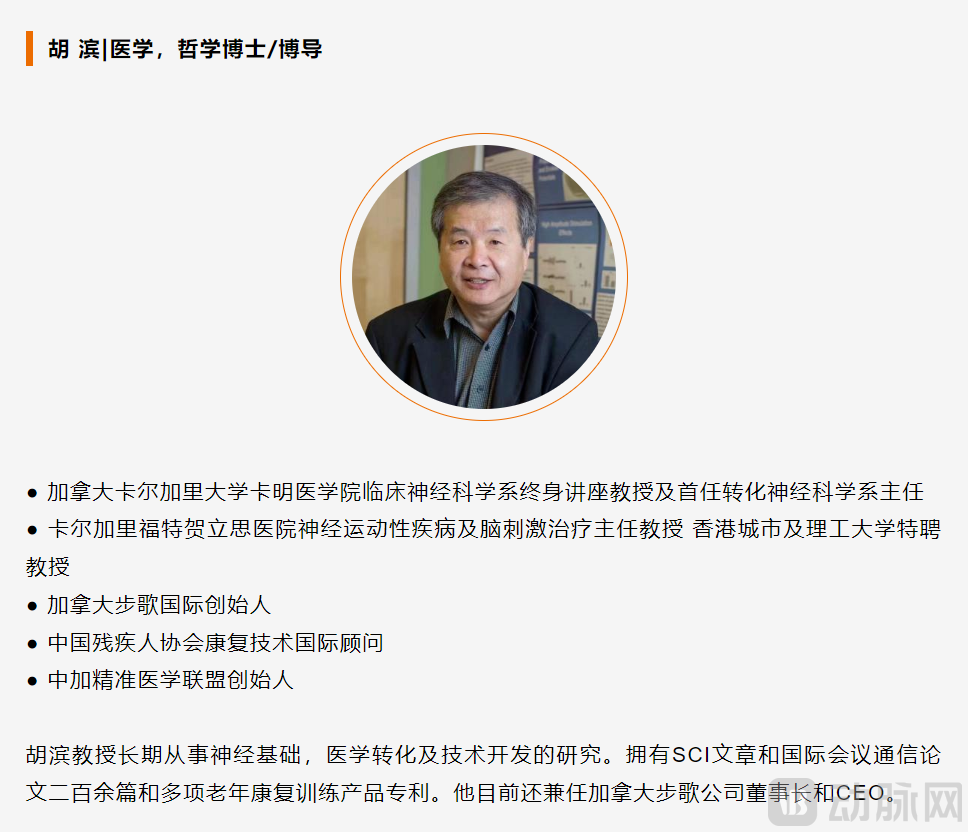
However, the growth of the elderly population brings not only market opportunities but also challenges in geriatric healthcare.Professor Hu Bin of the Department of Clinical Neurosciences at the University of Calgary, Canada, believes:“Elderly care is not merely about providing daily assistance to the elderly; its core lies in the management of chronic diseases associated with aging.”
Currently, approximately 80% of the elderly population in China suffers from one or more chronic diseases., such as hypertension, diabetes, stroke, Alzheimer’s disease, and Parkinson’s disease. Most of these conditions require self-management by patients, making adherence a critical factor in disease progression. Furthermore, medication management only alleviates the superficial symptoms of the disease; rehabilitation through exercise is also necessary to address the decline in daily functioning caused by the illness.
Based on this, Professor Hu Bin developed a Rhythmic Auditory Stimulation (RAS) music training system. The project completed clinical trials at the Canadian Institutes of Health Research in 2012, entered the Canadian market, and was officially launched in China in 2015.
Exercise + Music: Promoting Neuroregeneration
Initially, Professor Hu’s original intention in developing Buga was toExercise Intervention for Patients with Parkinson's Disease。
Parkinson’s disease is primarily a neurodegenerative disorder caused by the loss of dopaminergic neurons in the substantia nigra of the brain and the deposition of alpha-synuclein. Through animal model simulations, Professor Hu discovered the presence of “cueing cells” in the brain. These cueing cells exhibit strong network plasticity and can timely adjust motor functions and emotional responses to environmental stimuli by leveraging their heightened sensitivity to auditory, visual, and somatosensory inputs via the brain’s descending arousal and motivational systems.Making spontaneous remission of Parkinson’s disease possible.Based on this discovery, Professor Hu initiated the development of BuGe.
StepSong is a Canadian national-level scientific research and development achievement, certified by the Canadian Institutes of Health Research.It achieves neural network reorganization and the automation of gait and stride control through the specific activation of the brain’s reward and cueing cell systems during music-assisted walking. BuGe primarily collects patients’ movement data via wearable smart sensing devices, transmits this data to cloud servers for assessment and analysis, customizes exercise prescriptions based on individual physical conditions, and maintains medical records to facilitate follow-up consultations. Additionally, BuGe enables patients to conduct remote consultations anytime and anywhere from home through a mobile app, while allowing physicians to remotely monitor patients’ exercise adherence.
Furthermore, on the healthcare side, the first-hand data collected by Bugex can support subsequent research into Parkinson’s disease treatment, further advancing medical standards.
Since its inception in Canada in 2012, Buga has undergone hundreds of clinical trials conducted by Professor Hu. The results demonstrate that Buga effectively improves patients’ physical function and alleviates Parkinson’s disease symptoms by stimulating cranial nerves.
It is worth noting that the stimulation BuGe provides to patients is not limited to a single level; the followingThree typesThe ingenious and effective integration of various therapeutic interventions significantly enhances participants' adherence and training outcomes:
The first level is to adjust the patient's stride length.. Due to neurological impairments, patients with Parkinson’s disease experience progressive bradykinesia and reduced stride length. If left unmanaged, freezing of gait will worsen, leading to deteriorating balance and eventual loss of independence in activities of daily living. BuGe utilizes a music feedback system to enable patients to consciously train movement intentionality and physical vitality, ensuring adequate training to improve freezing of gait.The second layer is musical stimulation. Studies have found that music can trigger dopamine release and induce changes in brain activity related to motor function, memory, and cognitive performance, thereby improving patients' control over movement and balance.The third level of stimulation is aerobic exercise.. Aerobic exercise training can effectively reverse hippocampal volume loss associated with declining memory function in late adulthood.
Brain imaging and patient feedback indicate that, after three months of using BuGe, the majority of patients experienced significant improvement in freezing of gait and further recovery of physical function.
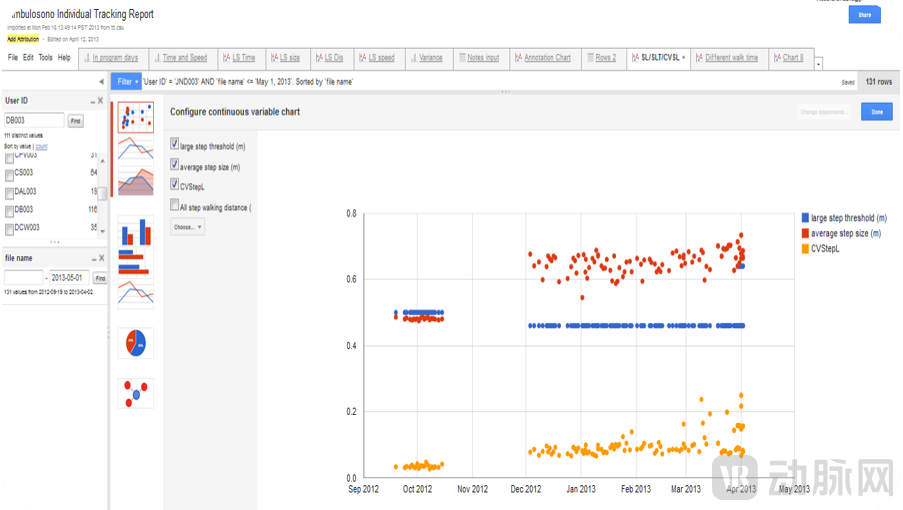
▲ Blue dots indicate the preset stride length, while red dots represent the actual stride length data from training; after adjustment, the effectiveness of rehabilitation training improved significantly.
Starting with Parkinson’s Disease, Expanding to the Management of Over Ten Chronic Conditions
The breakthroughs made by Bugē in the field of Parkinson’s disease inspired Professor Hu. Seizing this opportunity, Professor Hu expanded the application scenarios of Bugē toAlzheimer's disease, vascular dementia, peripheral artery disease...and more than ten common chronic diseases in the elderly caused by cranial nerve disorders.
According to Professor Hu: “The reason why BuGe is more favored by patients than other lifestyle intervention approaches lies at its core in the innovation of its underlying digital exercise prescription system and case management.”
Bugue adheres to the basic principles of FITT-VP (frequency, intensity, type, time, total volume, and progression of exercise), leveraging a big data platform toExercise PrescriptionConceptualization into Practice. Based on the patient’s basic physical data and the expected therapeutic outcomes, a customized exercise prescription is tailored for each individual. The exercise prescription issued by BuGe includes exercises targeting multiple body parts, such as the thighs, knees, ankles, arms, and wrists, with detailed specifications for parameters including exercise duration, frequency, and step length. This approach not only ensures the efficacy of the patient’s exercise regimen but also prevents unnecessary physical injuries caused by overexertion.
Currently, Bugesong’s medical rehabilitation team has designed multiple exercise prescription models tailored to different diseases to meet the diverse needs of patients.

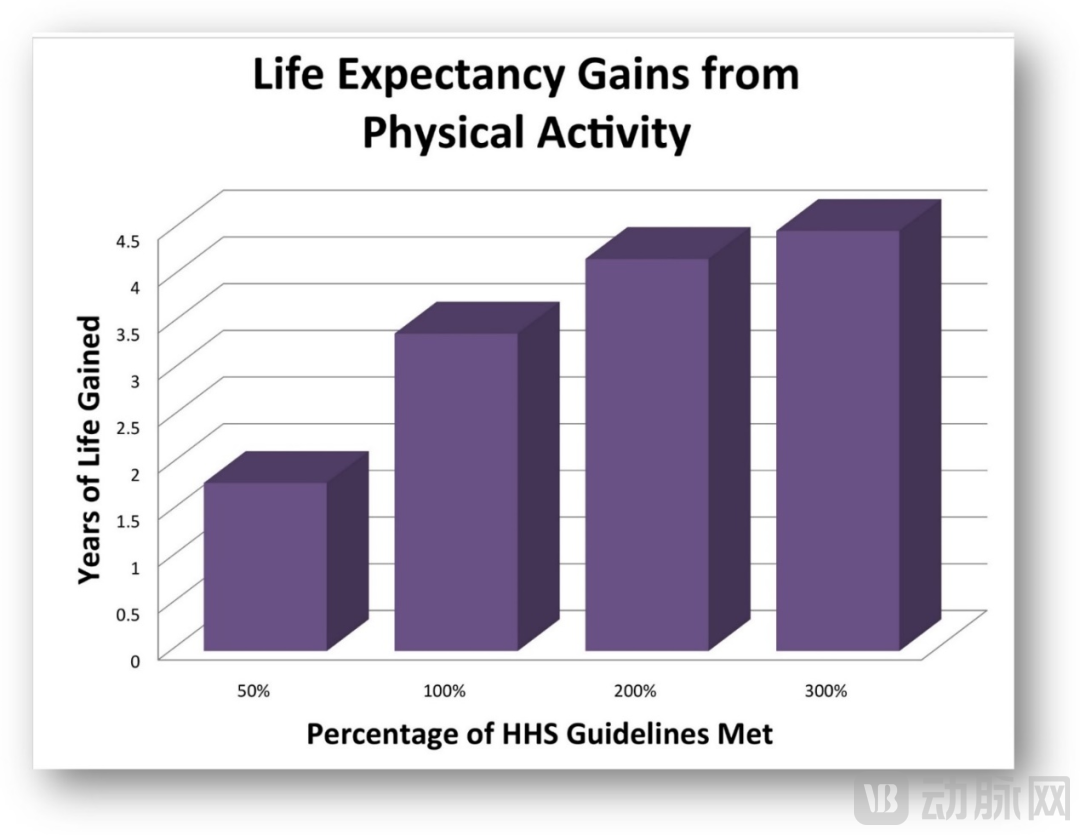
▲ Research on the Relationship Between Exercise and Disease
In addition to software enhancements, Bugo has also introduced innovations at the hardware level. Professor Hu stated, “The fitness trackers currently on the market are merely first-generation smart wearable devices, whereas Bugo represents a fully upgraded second generation.”
Common fitness bands on the market typically only record users’ exercise data without intervening in their exercise habits, which is why Professor Hu refers to them as “first-generation” devices. In contrast, Bugo’s wearable devices not only track users’ exercise habits but also provide guidance and intervention for patients’ physical activity. Furthermore, in terms of hardware performance, Bugo’s sensors collect data such as stride length, step count, and time every 20 milliseconds, itsAccuracy is 10 times higher than that of general wearable devices.
With the support of Buge, many patients with chronic conditions can perform their daily rehabilitation exercises and consult with physicians, facilitating doctor-patient communication, all from the comfort of their homes. For elderly individuals, this mode of healthcare delivery eliminates the exhaustion associated with traveling between hospitals and residences, prevents delays in seeking medical attention due to limited healthcare resources, and alleviates the burden on their children who would otherwise need to accompany them to medical appointments. From the hospital’s perspective, Buge helps conserve medical resources and aligns with the evolving trends in geriatric healthcare.
Large-scale promotion in the Chinese market is just around the corner.
Currently, BuGe has already partnered withThe First Affiliated Hospital of Sun Yat-sen University, PLA General Hospital (301 Hospital), China Rehabilitation Research Center, Sichuan Bayi Rehabilitation Hospital, Zhejiang Rehabilitation Medical Center, Guangdong Provincial Hospital of Chinese Medicine...and other medical institutions and research organizations, with the product currently being promoted in the market.
Riding the wave of AI, Bugex will integrate AI plugins to further develop its large language model, simplifying operational steps and processes to help elderly users bridge the digital divide. Meanwhile, Bugex will expand its product pipeline horizontally, broadening its scope of application to enable remote health management for a wider range of diseases.
Although Buga has been in China for only a few years, its product line in the Chinese market—from sensing devices and software upgrades to patient data processing—has achieved full localization, laying a solid foundation for future market expansion. Professor Hu stated:“Faced with a rapidly aging population, China’s healthcare industry has tremendous room for growth and advancement. Drawing on the success of the Canadian market, we are confident that Buge can also provide more convenient and efficient chronic disease management services to a greater number of elderly patients in China.”