

Interview with Li Zhenlin, Chairman of CSIT: Medical-Engineering Integration as the Path to Innovation in Healthcare
From the discovery of X-rays by German scientist Wilhelm Conrad Röntgen in 1895, to the subsequent advent of CT and MRI technologies, and now into a new era of digital imaging, medical imaging technology has undergone rapid development from nothing to something.
Driven by policy dividends such as “encouraging the purchase of domestically produced medical equipment” and “promoting tiered diagnosis and treatment to facilitate the downward flow of medical resources,” coupled with an aging population and heightened public health awareness, domestic manufacturers of large-scale medical imaging equipment have achieved continuous breakthroughs in recent years. Not only have various advanced devices emerged in abundance and imaging technologies advanced rapidly, but China’s medical imaging industry has also made significant inroads into the high-end market, resulting in robust and steady growth for the medical imaging equipment sector.
With the research and development of new technologies, and the gradual clinical application of more technological achievements, the clinical application of medical imaging has ushered in a new chapter. Currently, medical imaging has expanded from purely diagnostic applications to therapeutic fields, evolved from traditional anatomical imaging toward functional and metabolic imaging, transitioned from two-dimensional to three-dimensional imaging, and moved from original film-based media to digital, networked, and diversified image storage and transmission systems, becoming an indispensable component of modern medicine.
To further clarify the current state of development and innovation pathways in the medical imaging industry, VCBeat conducted an in-depth interview with Li Zhenlin, Chairman of the Imaging Technology Branch of the Chinese Medical Association, to jointly explore avenues for healthcare innovation.
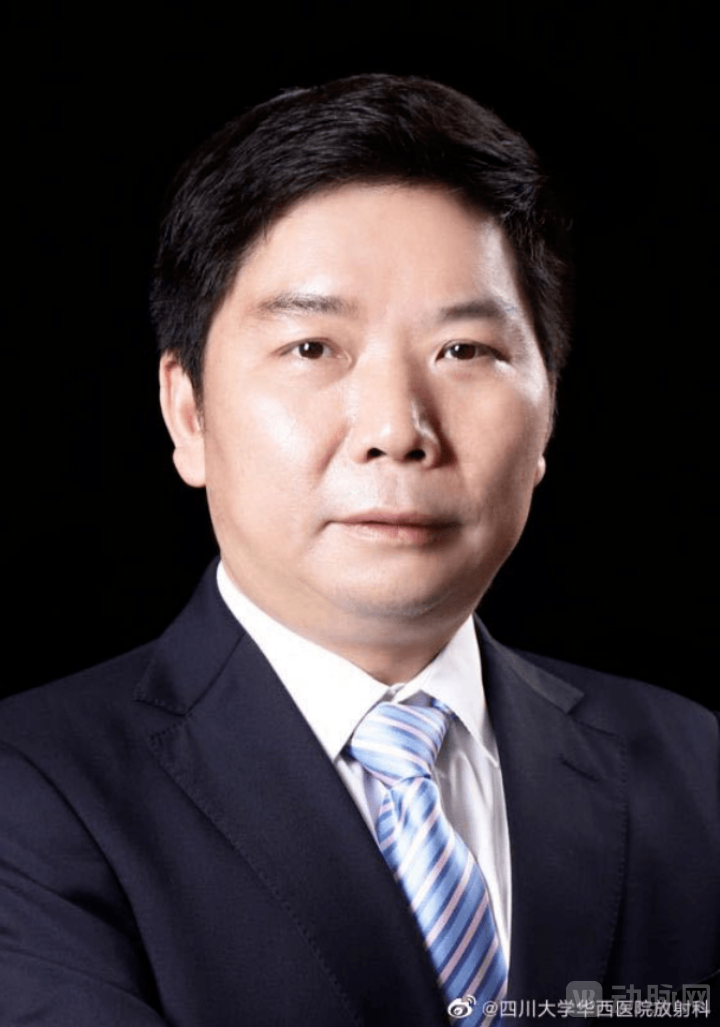
Li Zhenlin, Chairman of the Imaging Technology Branch of the Chinese Medical Association
Personal Profile: Director of the Department of Imaging Technology and Deputy Director of the Department of Radiology at West China School of Clinical Medicine, Sichuan University; Chairman of the Imaging Technology Branch of the Chinese Medical Association; Vice Chairman of the Medical Technologist Professional Committee of the Chinese Medical Doctor Association; Chairman of the Imaging Technology Professional Committee of the Sichuan Medical Association; President of the Radiologic Technologist Branch of the Sichuan Medical Doctor Association; Deputy Director of the Sichuan Provincial Radiological Medicine Quality Control Center; Expert Member of the Standardization Technical Expert Group for Artificial Intelligence Medical Devices. He is an Expert with Outstanding Contributions in Sichuan Province and an Academic and Technical Leader of the Sichuan Provincial Health Commission.
Research Directions: It primarily explores new technologies and methods in medical imaging, as well as the standardization and personalization of imaging examinations. Research directions include low-dose CT, functional and molecular MRI, and AI-based quality control.
Research FindingsPublished 11 SCI-indexed papers and 31 articles in Chinese core journals (including 6 Medline-indexed papers). Presided over one project funded by the National Natural Science Foundation of China and six provincial-level research projects, as well as two teaching reform projects at Sichuan University. Personal research achievements have received numerous national recognitions, such as the First Prize for Scientific and Technological Progress of Sichuan Province, the Leadership Award for National Medical Imaging Technology Discipline Construction from the Imaging Technology Branch of the Chinese Medical Association, and the Roentgen Scholar award. Served as Editor-in-Chief of the National Health Commission’s “13th Five-Year Plan” textbooks/national higher education textbooks *Theory of Medical Imaging* and *Medical Imaging Equipment*; reviewer for the *British Journal of Radiology (BJR)*; and editorial board member for journals including *Chinese Journal of Radiology*, *Chinese Journal of Radiological Medicine and Protection*, *Chinese Journal of Medical Imaging Technology*, *Journal of Clinical Radiology*, and *Practical Radiology*. Has frequently participated in the Radiological Society of North America (RSNA) annual meeting and the European Congress of Radiology (ECR).
Advances in radiology and imaging technologies have enhanced the precision of diagnosis and treatment, driving high-quality development across clinical disciplines. For instance, digital radiography (DR) systems have facilitated the advancement of modern orthopedics; computed tomography (CT) scanners provide guidance for craniotomies; digital subtraction angiography (DSA) equipment has spurred the emergence of new fields such as interventional and minimally invasive medicine; and magnetic resonance imaging (MRI) has made personalized, minimally invasive, and non-invasive surgical approaches a reality.
Today, nearly every stage of clinical practice—from diagnosis and surgical procedures to prognosis assessment—relies heavily on the support and guidance of imaging technologies. Relevant data indicate that over 90% of medical data originates from medical imaging. Whether considering the century-long evolution of radiology or breakthroughs in product innovation, each step of this journey has depended on technological exploration and discovery, as well as engineering-driven product innovation.
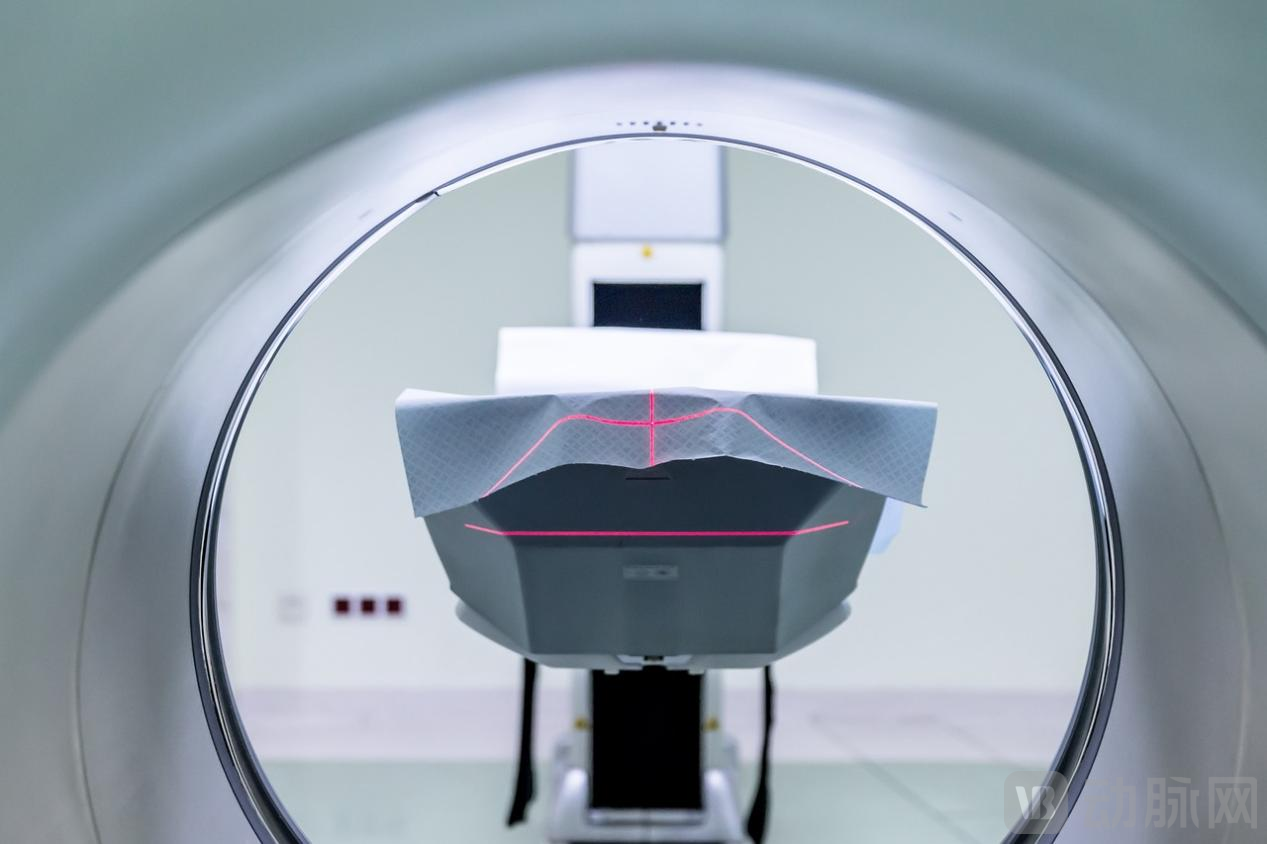
China’s medical imaging industry has undergone a transition from “importation and imitation” to “independent innovation,” with the domestic production rate of imaging equipment such as DR, CT, and MRI scanners continuously increasing. Particularly in the field of DR, numerous outstanding manufacturers have emerged. Their rapid development has met the growing health needs of the Chinese population, providing fundamental safeguards for nationwide public health.
However, it is important to remain vigilant.Currently, there is still a certain gap between China's domestic medical imaging industry and its foreign counterparts. To narrow this gap or even achieve overtaking, it is essential to adhere to the path of independent innovation, open cooperation, and cross-sector win-win collaboration. By mastering the R&D technologies for key core components and leveraging new materials and advanced processes, we can ensure that the development of core technologies remains independent and free from external constraints.
Meanwhile,Consider China-specific and local characteristics to address the shortage of highly qualified imaging technologists at the grassroots level.With the development of artificial intelligence, 5G cloud computing, the metaverse, and future technologies in telemedicine and remote quality control, domestic manufacturers are expected to address this issue by providing solutions tailored to China’s specific conditions.
Under the trend,In the future, it remains essential to uphold the philosophy of “integration of industry, academia, research, and application, along with open collaboration,” guided by clinical needs, to develop medical devices that meet the requirements of healthcare institutions at all levels. Meanwhile, cutting-edge technologies such as artificial intelligence should be integrated into these devices., enabling innovation to better serve the vast grassroots population. Only by developing products that are user-friendly and meet clinical needs can the domestic medical imaging industry find its true path and direction.
The integration of medicine and engineering is a crucial pathway for innovation in medical imaging. At its core, it represents the convergence of medicine and engineering.At its core, it is driven by innovation and the intersection of medicine and engineering. Only by organically integrating artificial intelligence, new materials, new technologies, new computing, and new applications with the clinical needs of medical imaging, can we produce innovative medical devices that address clinical problems.
One of the key pathways to achieving integration between medicine and engineering is through collaboration among industry, academia, research, and clinical application. This approach emphasizes open cooperation, uses projects as a vehicle, focuses on addressing clinical challenges, and fully leverages the complementary strengths of medical science and engineering through effective communication, exchange, and collaboration.. Additionally, it is also possible toEstablish a project team comprising medical and engineering experts to conduct joint research, leveraging multidisciplinary integration to develop more medical products for clinical use.Addressing the urgent challenges and pain points in clinical practice to truly meet the needs of the general public.
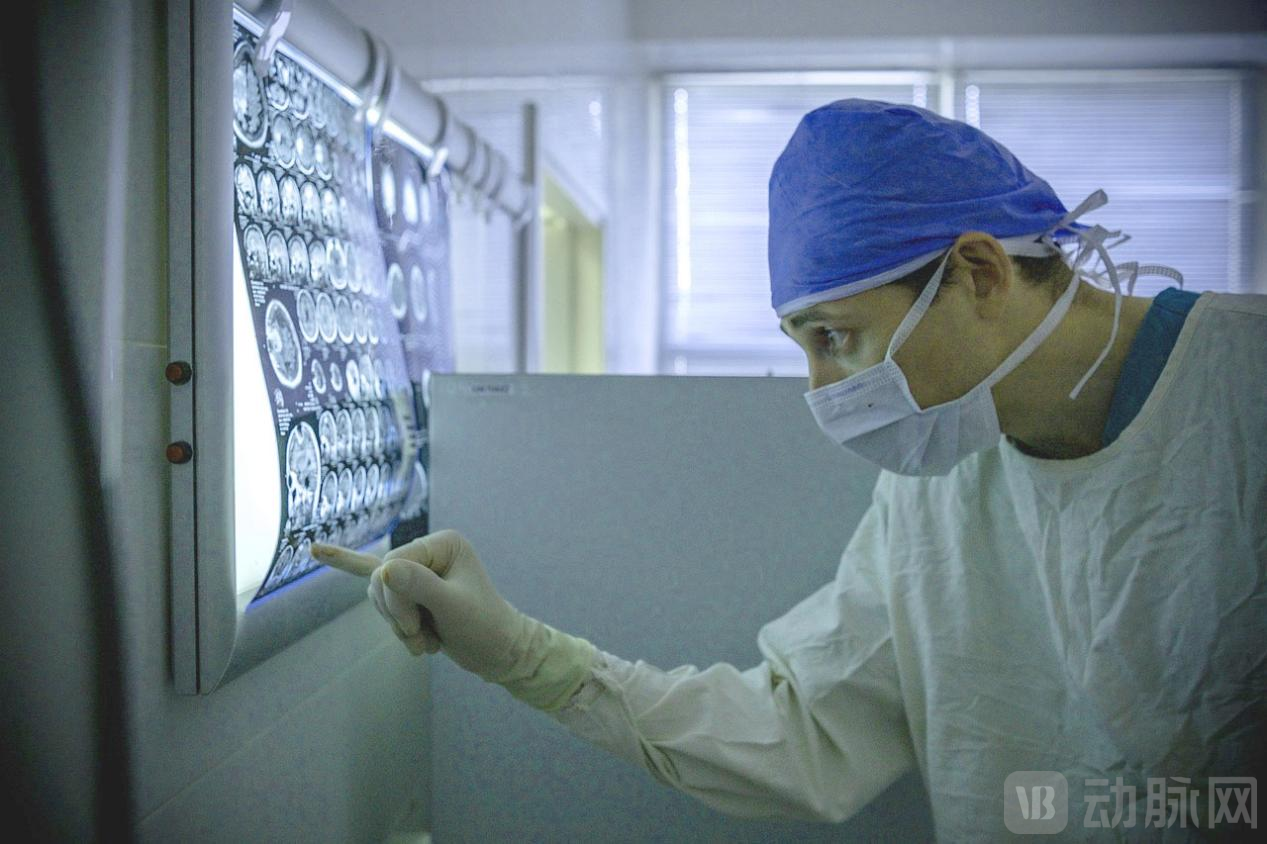
Of course, the integration of medicine and engineering also faces challenges. To achieve better innovation and output, it is necessary to address the issue of effective communication and collaboration between teams from two different research disciplines. To organically integrate the two,Only by sharing common goals and ideals, channeling collective energy toward solving the same problem, engaging in mutual communication and exploration, and integrating their respective knowledge can true synergy be achieved. Furthermore, through institutional design that reasonably allocates intellectual property rights and distributes benefits from the commercialization of outcomes, it is possible to build a harmonious and inclusive team, thereby fostering innovation.
Digital Radiography (DR) is the most widely used imaging modality globally. It is indispensable in primary healthcare settings, such as township health centers and community hospitals, where it typically resolves the majority of diagnostic needs. However, DR also faces technical challenges and competitive pressure from other imaging modalities like CT. To address these, it is essential to foster collaboration between clinical medicine and biomedical engineering, innovate products, and enhance service capabilities.How Can the Integration of Medicine and Engineering Better Unlock the Value of DR?
First, to address clinical issues that cannot be resolved by CT or MRI, such as the application of weight-bearing digital radiography (DR) in orthopedic joint assessments and dynamic DR in evaluating the function of locomotor organs.
Second, leverage the mobility advantages of DR to meet the needs of mobile application scenarios such as bedside examinations in the ICU and emergency rescue in sudden disasters, while continuously expanding its future application scenarios.
Third, by integrating with emerging technologies such as photon detectors, new materials, and artificial intelligence, we will develop innovative products, improve flat-panel detectors and X-ray tubes, and optimize workflows. Furthermore, we will leverage artificial intelligence to expand the service capabilities of digital radiography (DR).
The Chinese Society of Radiological Technology has always advocatedMedical-Engineering Integration and Convergent InnovationWe aim to enhance the innovation capacity and efficiency of domestically produced medical imaging technologies, thereby driving the upward development of China’s medical imaging industry. Meanwhile, we seek to lead the exploration of how Chinese enterprises can “go global.” By leveraging the scale advantages and abundant clinical data samples of the Chinese market, we will promote China’s innovative solutions to countries along the Belt and Road Initiative as well as other developing nations. In doing so, the path we have traversed in medical imaging technology innovation will serve as a roadmap for these regions, enabling the replication of our accumulated experience elsewhere. This approach will not only expand the influence of China’s domestic medical imaging industry but also contribute to global health endeavors.
West China Hospital has consistently advocated for the joint research, development, testing, and application of various AI-assisted diagnostic software solutions in the field of artificial intelligence, with the aim of optimizing workflows and refining scenarios for intelligent quality control.In the future, artificial intelligence technology will permeate the entire workflow—from data acquisition and analysis to image processing and the generation of auxiliary diagnostic reports—further alleviating the repetitive workload of physicians and technologists, enhancing operational efficiency, and allowing them more time for discussing complex cases and conducting clinical research.
The application of ChatGPT has propelled AI to a revolutionary starting point for development. As AI technology continues to advance, future assisted diagnosis will become increasingly precise. Artificial intelligence will handle structured reporting and comparison, intelligent patient positioning, and data acquisition and mining, leaving physicians with only the task of review. Consequently, doctors will be able to devote more time to multidisciplinary discussions of complex cases and clinical research, allowing ample opportunity for doctor-patient communication and the development of new technologies.
National support for the industry, the successive introduction of long-term strategic policies, and the advocacy for integrating industry, academia, research, and application have all contributed to advancing the development of new medical disciplines such as “Medicine + Manufacturing,” “Medicine + Information Technology,” and “Medicine + Materials.” Through collaboration among industry, academia, research, and application sectors, along with the participation of professional societies, China’s domestic medical imaging industry will experience rapid growth. Together, we will address public health needs, launch innovative products with practical value, and further establish Chinese-made medical imaging equipment as a leader in innovation.
At the end of the interview, Li Zhenlin reviewed the development process of China's medical imaging industry.
He pointed out that from 1895 to 1995, domestic radiology technology progressed slowly, constrained by factors such as the socioeconomic landscape, industrial infrastructure, and manufacturing capabilities. Domestically produced equipment was scarce and lagged behind, with heavy reliance on imports from Europe and the United States. As radiology is an equipment-dependent specialty, high-end devices newly launched globally typically entered the Chinese market with a five-year delay. This not only entailed technological lag in equipment introduction but also meant that significant technical advancements might have occurred during this interim period. Therefore, domestic manufacturersMerely importing equipment from overseas and then engaging in follow-on imitation makes it nearly impossible to achieve global competitiveness.
Today, with the introduction of the "Made in China 2025" and the "Healthy China 2030" planning outline, domestic medical imaging equipment has achieved the strategic goal of localizing high-end medical devices under the support of industrial policies. As the "sapphire" of the industrial system, large-scale medical imaging equipment is a highly technology-, material-, and process-intensive sector that is closely related to everyone's physical health. It is precisely because domestic manufacturersBy mastering core technologies and adhering to independent research and development, we have ensured technological autonomy, avoided the risk of being “strangled” by external constraints, and achieved a series of innovative breakthroughs.
Radiology and imaging technology in China have undergone a developmental journey from lagging behind to catching up, transitioning from reliance on imports to independent innovation, and leaping from auxiliary diagnosis to leading therapeutic interventions, gradually becoming a crucial component in ensuring the high-quality development of clinical disciplines. Today, China’s medical imaging industry has risen prominently, giving birth to a cohort of innovative domestic companies such as Angell, Neusoft, United Imaging, Mindray, and Wandong, thereby achieving the strategic goal of localizing high-end medical devices.
In the future, amidst the advancing waves of precision medicine and minimally invasive medicine, domestic radiology and imaging technologies will continue to play a pivotal role,Promote the advancement of precision, personalization, minimally invasive techniques, and non-invasive approaches in medicine.
Reference Article:
1. "Kaiyuan Securities: In-depth Report on the Medical Device Industry"
2. “Research Progress and Development Trends in Medical Imaging Technology”
3. “Medical GPT: A Fleeting Ephemeral Bloom or a Transformative, Era-Defining Revolution? [2023 WAIC]”