

Mevion Medical Systems: Can China's Integrated Proton Therapy System Lead the $4.3B Market Surge?
China Ranks First Globally in New Cancer Cases and Deaths.
According to the latest statistical data released by the WHO, in 2020, there were 4.57 million new cancer cases in China, accounting for 23.7% of the global total; the number of deaths reached 3 million, representing approximately 30% of the global total.Furthermore, cancer incidence and mortality rates are positively correlated with age; the older the individual, the higher the relative risk of developing cancer. As population aging intensifies in China, the burden of cancer is increasingly mounting.
Surgery, radiotherapy, and chemotherapy are the three fundamental pillars of cancer treatment, while immunotherapy and targeted therapy are now recognized as the fourth and fifth pillars.
According to the 2020 Global Cancer Statistics Report, approximately 70% of patients with malignant tumors require radiotherapy for disease control at various stages of progression, and about 40% of malignant tumors can be cured with radiotherapy.In some cases, radiotherapy is the only suitable treatment option for cancer patients.
However, radiotherapy is a “double-edged sword”; while it eradicates tumors, it inevitably causes certain radiation-induced reactions and damage to normal human tissues.“Under the ‘Sharp Blade’: How Should Modern Cancer Be Treated? How Can Treatment Rates Be Increased and Side Effects Reduced?”
Armed with numerous questions, VCBeat visited the facility located in Kunshan, Suzhou.Maisheng Medical Equipment Co., Ltd.(hereinafter referred to as “Maisheng Medical”), and withMa Li, President of Maisheng MedicalDiscussions were held on cancer treatment modalities and the industry challenges faced by proton therapy.
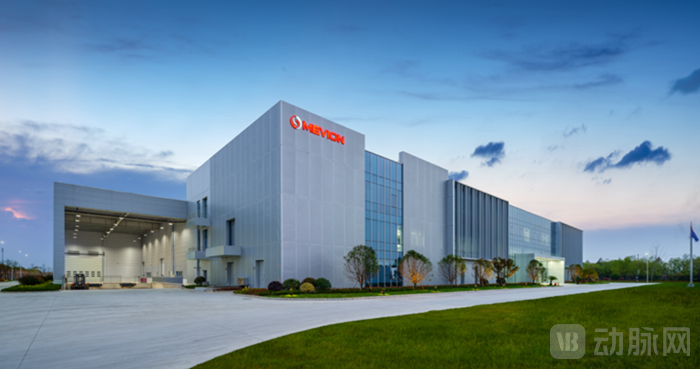
Maison Medical Equipment Co., Ltd. (Kunshan, Suzhou)
Photo provided by the interviewee
Radiotherapy, as a classic physical modality for cancer treatment, has a history spanning over 100 years. The most commonly used radiotherapy techniques employ alpha (α), beta (β), and gamma (γ) rays, as well as various types of X-rays. The ionizing radiation from these photons inevitably damages normal tissues surrounding the tumor, resulting in significant side effects.
The advent of proton therapy has ushered modern radiation therapy into a new era.
Protons are positively charged particles that can destroy the DNA of cancer cells, thereby preventing their normal replication and achieving the goal of precise tumor radiotherapy. The most significant advantage of proton therapy over photon therapy is its specificity.Bragg Peak.
The proton Bragg peak enables the proton beam to precisely target the tumor, with the dose dropping rapidly to near zero beyond the peak. This means that proton therapy can concentrate the radiation dose at the tumor site, resulting in lower doses to normal tissues anterior to the tumor and virtually no irradiation of tissues posterior to the tumor.
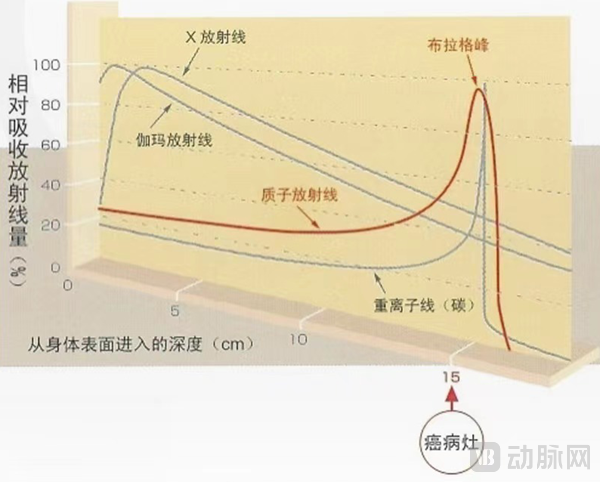
Prague Peak
Photo provided by the interviewee
Therefore, compared with other tumor treatment methods, the precision of proton therapy causes less damage to normal tissues. It also features strong penetration, favorable dose distribution, high local dose, minimal lateral scattering, and a small penumbra, offering particular advantages in treating early-stage solid tumors and recurrent tumors in children.
Proton therapy, also known as the “crown jewel” of tumor radiotherapy, represents the pinnacle of radiation therapy technology.
“Although proton therapy is a safer and more efficient advanced treatment, the application of proton therapy systems is not yet widespread,” Ma Li told VCBeat. “Whether it is the precision targeting of CAR-T drugs or the focused ablation of proton therapy, greater precision, minimal invasiveness, and higher efficiency have always been the development trends in cancer therapies.”
Therefore, how can proton therapy systems be made more compact and easier to deploy? How can therapeutic efficacy be enhanced while ensuring higher safety? And how can these systems be made easier to operate and maintain in clinical settings? These are the challenges faced during the development and promotion of proton therapy systems.
Having cultivated the proton therapy sector for nearly two decades, Meisheng Medical has offered an innovative solution with fully independent Chinese intellectual property rights—the Meisheng S250i Proton Therapy System.
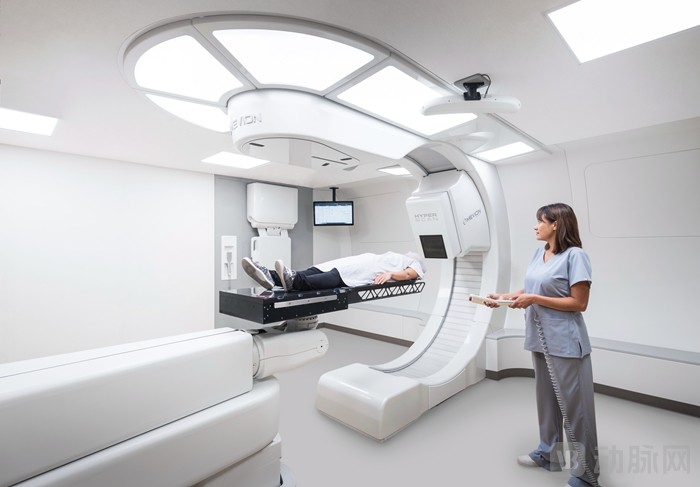
Meisheng S250i Proton Therapy System
Photo provided by the interviewee
In simplified terms, a conventional proton therapy system consists of a proton accelerator, a rotating gantry, a treatment nozzle, a treatment couch, and a patient imaging and positioning system.
Among these components, the particle accelerator and the rotating gantry each weigh hundreds of tons, with the total equipment footprint ranging from several thousand to tens of thousands of square meters. This results in significantly higher capital, operational, and service costs for proton therapy systems compared to typical photon radiotherapy systems, directly hindering the deployment and clinical adoption of proton therapy.
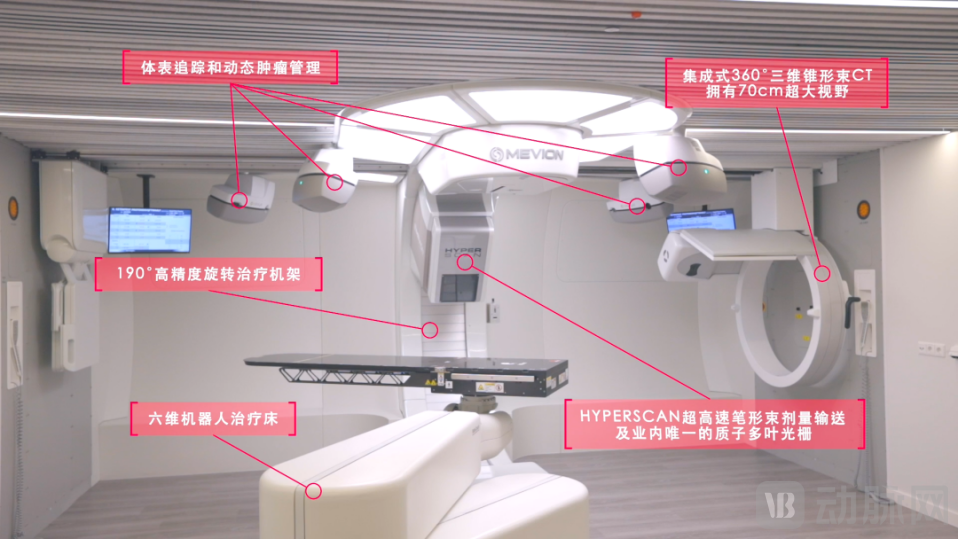
Meisheng S250i Proton Therapy System
Photo provided by the interviewee
The Mevion S250i proton therapy system achieves a breakthrough by integrating the treatment room, accelerator, and rotating gantry into a single unit. This is made possible by Mevion Medical Systems’ independently developed miniaturized superconducting synchrocyclotron.
Maisheng Medical’s superconducting synchrocyclotron is the world’s smallest proton accelerator for clinical treatment.Equipped with a low-temperature superconducting high-field magnet (peak field of 10 T), the accelerator can generate an energy of 230 MeV, while weighing only 15 tons and having a diameter of 1.8 meters.
This highly modular system not only reduces the footprint to approximately 200 square meters, but also significantly simplifies system complexity, enabling direct delivery of proton beams to the treatment room.
In addition to the innovative integration on equipment modules, Maisheng Medical also possesses world-leading independent intellectual property rights forHYPERSCAN®Ultra-High-Speed Pencil Beam Scanning (PBS) Technology and Adaptive Aperture®Adaptive Multi-Leaf Collimator (MLC) Technology.Minimize the sensitivity of the radiation beam to organ motion during treatment, thereby reducing the risks associated with motion to a minimum.
Specifically, HYPERSCAN®CanAdjust proton beam energy within 50 msto achieve the goal of layer-by-layer painting of the target area. The energy switching speed is approximately one-twentieth that of other proton therapy devices,It can achieve a treatment efficiency of delivering a standard fractionated dose of 2 Gy to a 1-liter target volume within 30 seconds, and to a 4-cm-diameter target within 5 seconds.
Adaptive Aperture®It is the world's first commercial multi-leaf collimator for PBS. It can dynamically adjust layer by layer according to the shape of the target tissue, achieving sharp penumbras in each layer.The lateral penumbra at the sharpest edge of the target volume is less than 3 mm.
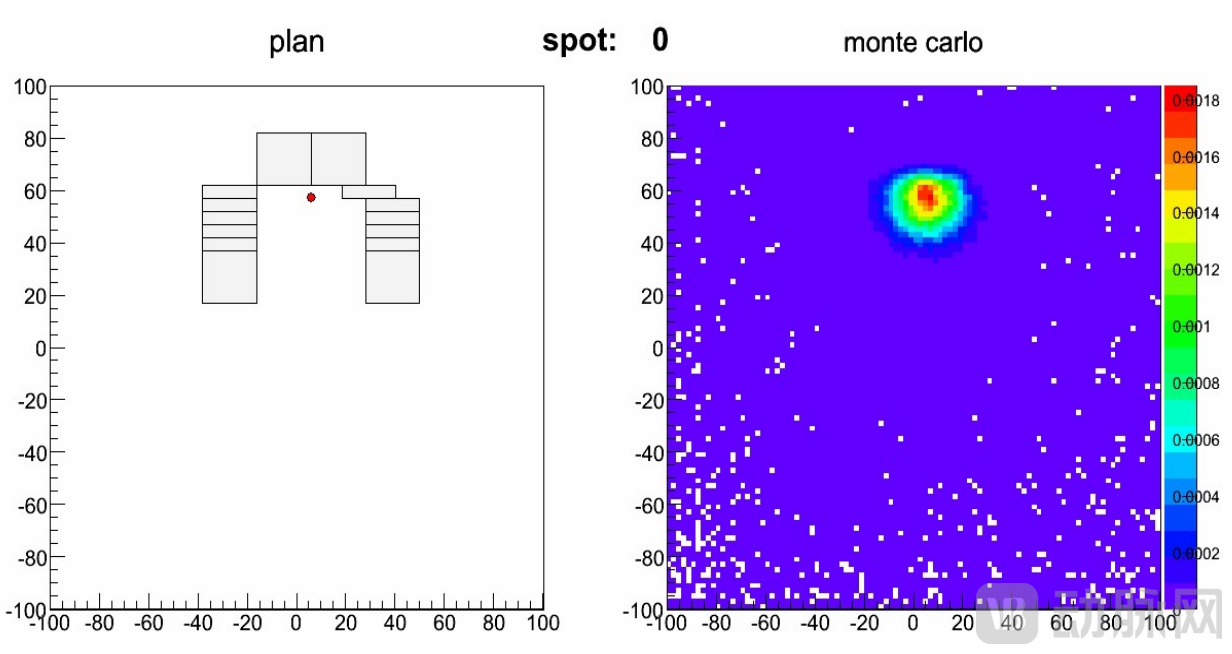
Adaptive Aperture®Adaptive Multi-Leaf Collimator Technology
Image provided by the interviewee
Driven by leading technological innovations, the Meisheng S250i Proton Therapy System has cumulatively treated over 9,000 patients worldwide and has received positive clinical feedback.
For example, in 2020, the School of Medicine at Washington University in St. Louis (WUSTL) publicly presented the results of a clinical trial at the ASTRO Annual Meeting.
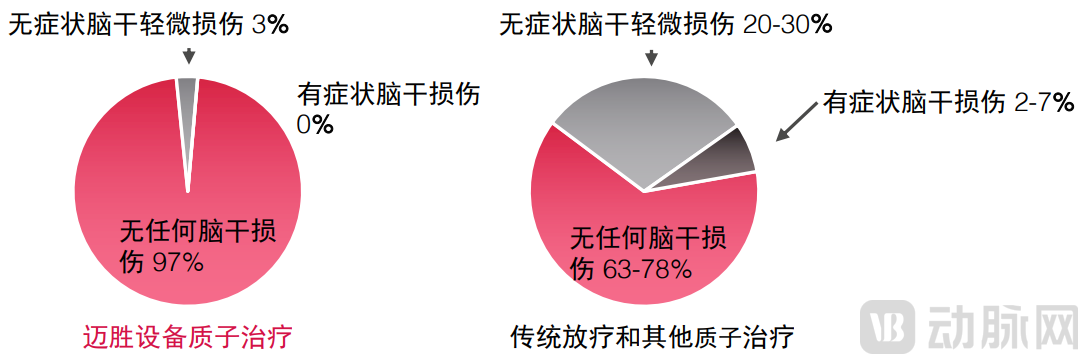
Clinical Treatment Comparison
Image provided by the interviewee
In the postoperative imaging diagnosis of 58 pediatric brain tumor patients treated with the Meisheng proton therapy system,Only two patients experienced asymptomatic minor brainstem injuries, and no patients developed symptomatic brainstem injuries.Radiotherapy for head tumors typically results in asymptomatic minor brainstem injury in approximately 20%–30% of patients and symptomatic brainstem injury in approximately 2%–7% of patients.
A conventional proton therapy system typically spans over ten meters in length and weighs hundreds of tons, often necessitating an investment of more than one billion RMB to construct a dedicated proton therapy center for its deployment.
Meisheng Medical started with single-room proton systems. Meisheng Medical’s leading compact, integrated single-room technology significantly reduces the footprint and investment risks of proton therapy systems, helping hospitals achievePhased Investment, Continuous Updatesoperational rhythm.
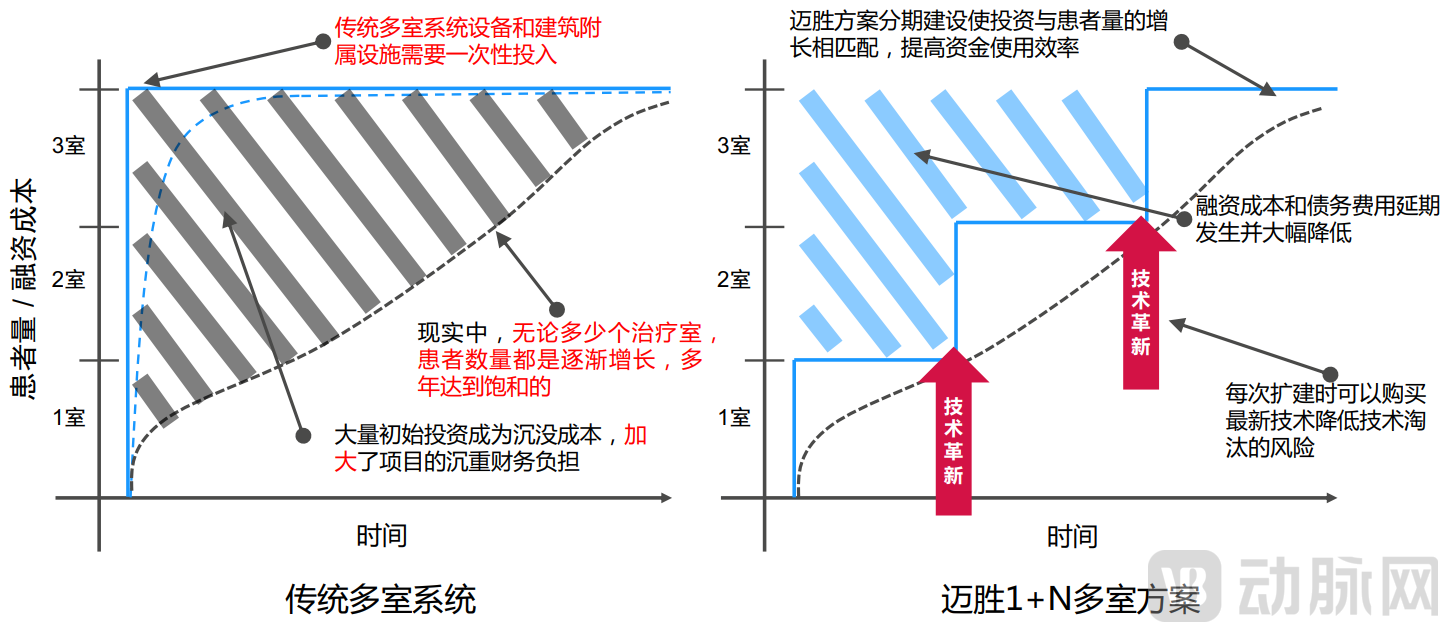
Comparison of Deployment Solutions
Photo provided by the interviewee
Ma Li noted in an interview that the total cost of ownership (TCO) for current multi-room proton therapy systems is nearly RMB 1 billion. Moreover, these systems are not only complex themselves, but their facility construction is also significantly more intricate, with construction costs approaching the procurement cost of the proton therapy system itself.
The proton therapy systems in multiple treatment rooms cannot treat patients simultaneously; the efficiency of each room gradually declines. Furthermore, successful treatment requires close coordination between a specialized engineering operations team and the medical team.Moreover, the single-compartment regimen can not only maintainEfficiencya state of linear growth, and the staffing of medical personnel is also similar to that of linear accelerators; existing physicians and physicists in the radiation oncology department can independently engage in clinical practice after receiving training.
The single-room proton therapy system sector, in which Maisheng Medical operates, represents the mainstream R&D direction in the global proton therapy landscape and has been showing a year-on-year upward trend.The MaiSheng S250i Proton Therapy System adopts a "1+N" phased deployment model, allowing for independent construction as needed. This approach ensures rapid establishment and efficient operation of hospital-based proton centers, reducing construction time by nearly 30% compared to traditional multi-room systems.
This phased deployment model for construction investment not only reduces the hospital’s initial capital outlay and improves capital efficiency, but also ensures that the number of treatment rooms scales in line with patient volume growth. Furthermore,The "1+N" progressive deployment model also enables hospitals to phase out outdated technologies and equip themselves with the latest, most advanced proton therapy systems during each procurement and expansion cycle.
It is reported that, as a “national cornerstone,” the Maisheng S250i proton therapy system has been deployed in Grade A tertiary hospitals across multiple first-tier cities, including Beijing, Guangzhou, Wuhan, and Suzhou.
For example, by the end of 2021, China’s first integrated proton therapy system was installed at the Proton Demonstration Center of Suzhou Kunshan Western Medical Center, a Grade IIIA hospital. In 2022, the Maisheng S250i proton therapy system was deployed at the Proton Therapy Center of Tongji Hospital affiliated with Huazhong University of Science and Technology. The center was officially inaugurated on June 28, 2023, and is expected to commence clinical operations in early 2024.
In addition to its leading order volume in the Chinese market, the MaiSheng S250i Proton Therapy System has also been deployed in nearly 20 medical institutions and cancer centers across the United States and the Netherlands. The implementation of these proton therapy systems will rapidly drive and enhance oncology diagnosis and treatment capabilities in their respective regions, filling the gap in local proton therapy services.
The core technology of the Maisui S250i proton therapy system originally originated from Mevion Medical Systems in the United States. In 2018, the currentTian Yuan, Chairman of the Board of Maisheng Medical GroupThe leadership completed the strategic acquisition of U.S.-based Mevion Medical Systems, thereby fully introducing and deploying its world-leading integrated proton therapy system in China.

Tian Yuan, Chairman of the Board of Maisheng Medical Group
Photo provided by the interviewee
Dr. Tian Yuan is a serial cross-industry innovator and entrepreneur with keen, forward-looking vision.. He not only founded China’s first large-scale futures brokerage firm—China International Futures Company—but also co-invested in establishing Wumart Supermarket Chain, pioneering the retail industry in China.
Since 2010, Dr. Tian Yuan has been engaged in the biopharmaceutical investment industry and founded Yuanming Capital in 2015. He early on recognized the broad prospects of domestically produced anti-cancer drugs, and successively invested in leading Chinese biopharmaceutical companies such as BeiGene and Ascentage Pharma.Dr. Tian Yuan’s entry into the proton therapy system sector represents a forward-looking strategic move and thoughtful engagement with the precision radiotherapy markets in China and globally.
As a leader in the field of miniaturized proton radiotherapy, Maysun Medical has assembled a technical R&D team of nearly 200 members,It has achieved full independent research and development, from core components to key algorithms, forming over 40 patent families in the field of precision radiotherapy and holding nearly 300 global patents.
In 2021, the Maisheng S250i Proton Therapy System was included in the “Catalogue for the Promotion and Application of Major Technical Equipment (First Set)” issued by the Ministry of Industry and Information Technology.Currently, the localization rate of the Meisheng S250i has reached 50%. With the strong rise of China's manufacturing industry in recent years, it is expected to exceed 80% by 2024.
On June 30, 2023, Maxsun Medical Group entered into a partnership with Genertec Universal Medical, a publicly listed company controlled by a central state-owned enterprise.Both parties will accelerate the development of a domestically leading oncology diagnosis and treatment system and an intelligent oncology care service platform, delivering personalized cancer diagnosis and treatment services to patients through centralized, large-scale specialized care.
According to Frost & Sullivan’s research data, the size of China’s tumor radiotherapy market has grown from RMB 27.2 billion in 2016 to RMB 51.7 billion in 2021, representing a compound annual growth rate (CAGR) of 13.70%. VCBeat also previously estimated that, under the 14th Five-Year Plan, China will see an additional RMB 30 billion in market demand for heavy-ion and proton radiotherapy systems.
Facing a market exceeding RMB 50 billion, Maisheng Medical is advancing the clinical trials of its Maisheng S250i proton therapy system while accelerating the research and development of next-generation proton therapy systems.
At the end of 2022, Mevion Medical Systems launched the Mevion S250-FIT™, an integrated proton therapy system that can be installed in existing accelerator vaults.
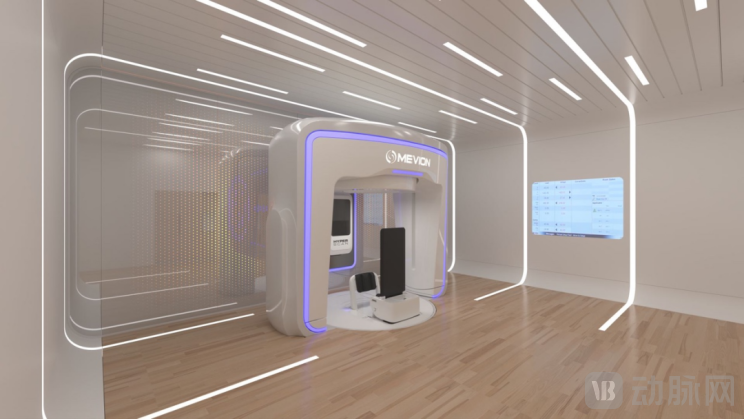
Meisheng S250-FIT Proton Therapy System™
Image provided by the interviewee
This system not only features industry-leadingHYPERSCAN®Pencil Beam Scanning Intensity-Modulated Proton Therapy (IMPT), dual-energy large-bore diagnostic CT (for IGRT and adaptive therapy), and FLASH research capabilities, with the potential to support rapid acquisition of Arc Therapy.such as emerging technologies, will further reduce the high costs and complexity of proton therapy.
In the concluding remarks of the interview, Ma Li shared his vision: “As a pioneer and promoter of integrated proton therapy, Maisui Medical hopes that more research institutions and innovative enterprises will join this field to collectively advance technological progress and clinical implementation. Through collaborative efforts, we aim to increase the market share of proton therapy systems from single digits to double digits, driving a new transformation in proton therapy and benefiting more patients.”
References:
1. Proton Therapy Center at Guanggu Campus of Tongji Hospital Affiliated to Huazhong University of Science and Technology Successfully Achieves First Beam Delivery
2. Accelerating Specialty Layout: Genertec Universal Medical and Meisheng Medical Join Hands to Create a New Highland for Tumor Radiotherapy
3. A New ¥30 Billion Market: How Difficult Is It to Deploy the Most Expensive Medical Device in History?