

Expert Consensus Seminar on Digital Therapeutics for Insomnia Successfully Held at the 3rd Chinese Medical Association Youth Academic Conference on Psychosomatic Medicine
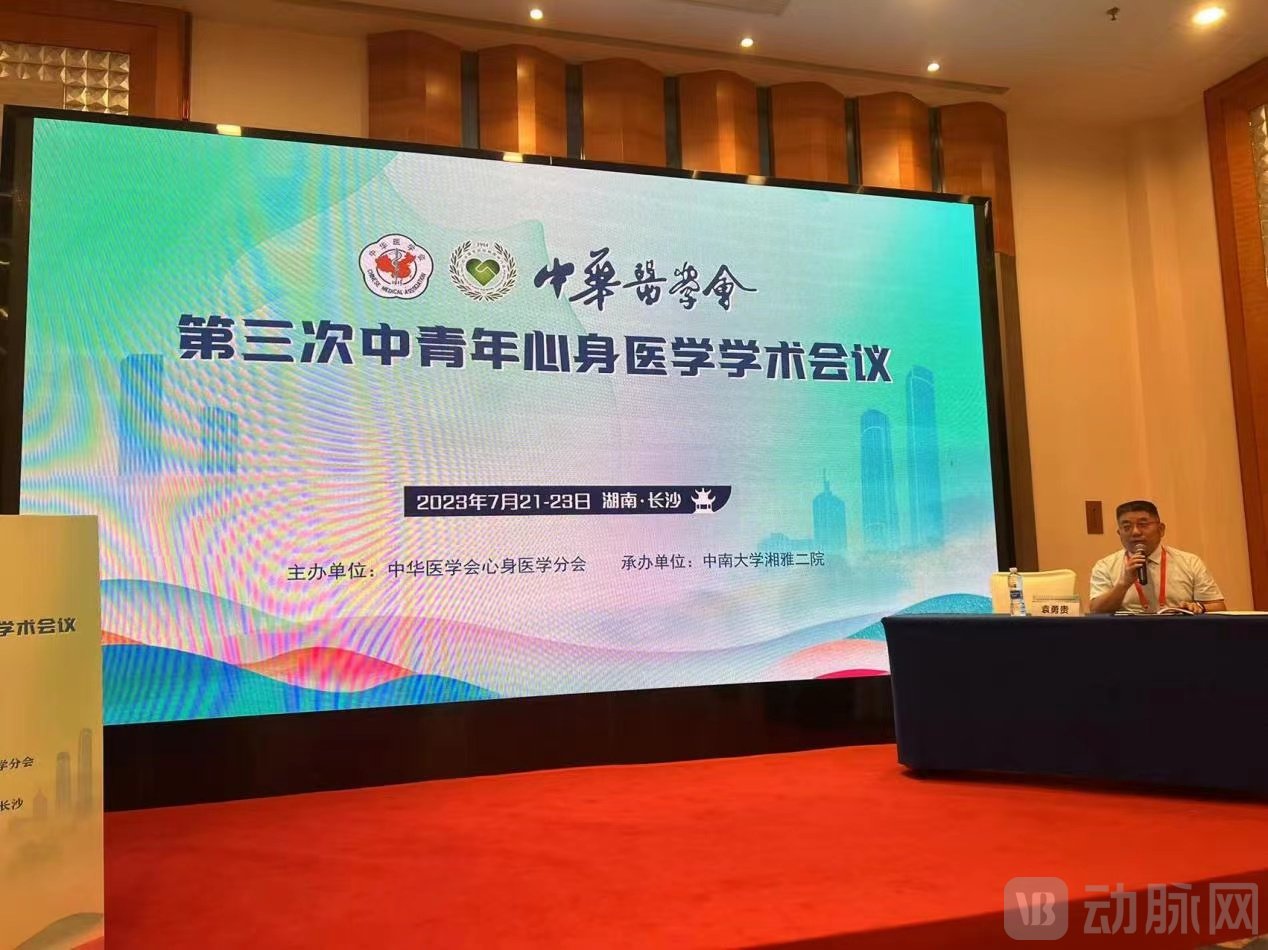
On the afternoon of July 22, a special symposium on the “Expert Consensus on Digital Therapeutics for Insomnia,” jointly initiated by the Digital Psychosomatic Medicine Collaborative Group of the Psychosomatic Medicine Branch of the Chinese Medical Association, the Psychological Specialty Alliance of Xiangya Hospital of Central South University, and the Brain Science and Artificial Intelligence Research Center of Xiangya Hospital of Central South University, was successfully held during the Third Academic Conference for Young and Middle-aged Scholars of the Chinese Medical Association. The meeting was chaired by Professor Yuan Yonggui, Chairman of the Psychosomatic Medicine Branch of the Chinese Medical Association, with Professor Yang Fangru, Head of the Digital Psychosomatic Medicine Collaborative Group of the Psychosomatic Medicine Branch of the Chinese Medical Association, leading experts and scholars in discussions on the Expert Consensus on Digital Therapeutics for Insomnia.
According to the 2022 report by the Chinese Sleep Research Society, the prevalence of insomnia in China is as high as 15%, affecting approximately 210 million people. Traditional treatment primarily relies on pharmacotherapy; however, hypnotic medications such as benzodiazepines are prone to causing drug tolerance and addiction, making them unsuitable for long-term use. Furthermore, most patients do not receive effective guidance or treatment. Therefore, there is an urgent clinical need to research safe and practical therapies for insomnia. Digital therapeutics for insomnia are based on Cognitive Behavioral Therapy for Insomnia (CBT-I) and avoid the side effects associated with pharmacological treatments. CBT-I is recognized as the first-line treatment for chronic insomnia and is recommended by the *Chinese Guidelines for the Diagnosis and Treatment of Insomnia in Adults*, the *Chinese Guidelines for the Diagnosis and Treatment of Insomnia*, *The Management of Chronic Insomnia Disorder in Adults* (United States), and *Diagnosis and Treatment of Insomnia* (Europe).
Yuan Yonggui, Chairman of the Psychosomatic Medicine Branch of the Chinese Medical Association, pointed out that insomnia is a disease that seriously endangers human health. While psychotherapy is the preferred treatment option, it is time-consuming and labor-intensive, placing high demands on medical resources, space, and time. Consequently, the application of psychotherapy in clinical practice is often hindered by factors such as insufficient medical resources and poor patient adherence, preventing its widespread adoption. As an emerging therapeutic approach, digital therapeutics for insomnia offers new directions for diagnosis and treatment, delivering immense and far-reaching value to patients, physicians, the global healthcare services industry, and the pharmaceutical market. For patients, digital therapeutics provide personalized cognitive behavioral therapy for insomnia (CBT-I) strategies via chatbots, unrestricted by time or location. By enabling real-time monitoring and management of the condition, insomnia digital therapeutics help reduce the incidence of complications, minimize unnecessary medical expenditures, and improve patients' quality of life. In particular, for patients living in areas with scarce medical resources, insomnia digital therapeutics can help address these healthcare disparities.
Furthermore, for healthcare professionals, digital therapeutics can be understood as a new form of workforce that alleviates the heavy workload of clinicians. Digital therapeutics for insomnia leverage intelligent software to remotely monitor patients, provide medication reminders, guide rehabilitation, assess treatment outcomes, and predict disease risks. This personalized management and diagnosis/treatment approach can significantly improve clinical efficiency; therefore, the promotion and application of digital therapeutics for insomnia will offer new treatment options for a vast number of insomnia patients. Consequently, the successful holding of this special symposium on the “Expert Consensus on Digital Therapeutics for Insomnia” has strengthened scientific research and academic exchange in this field.
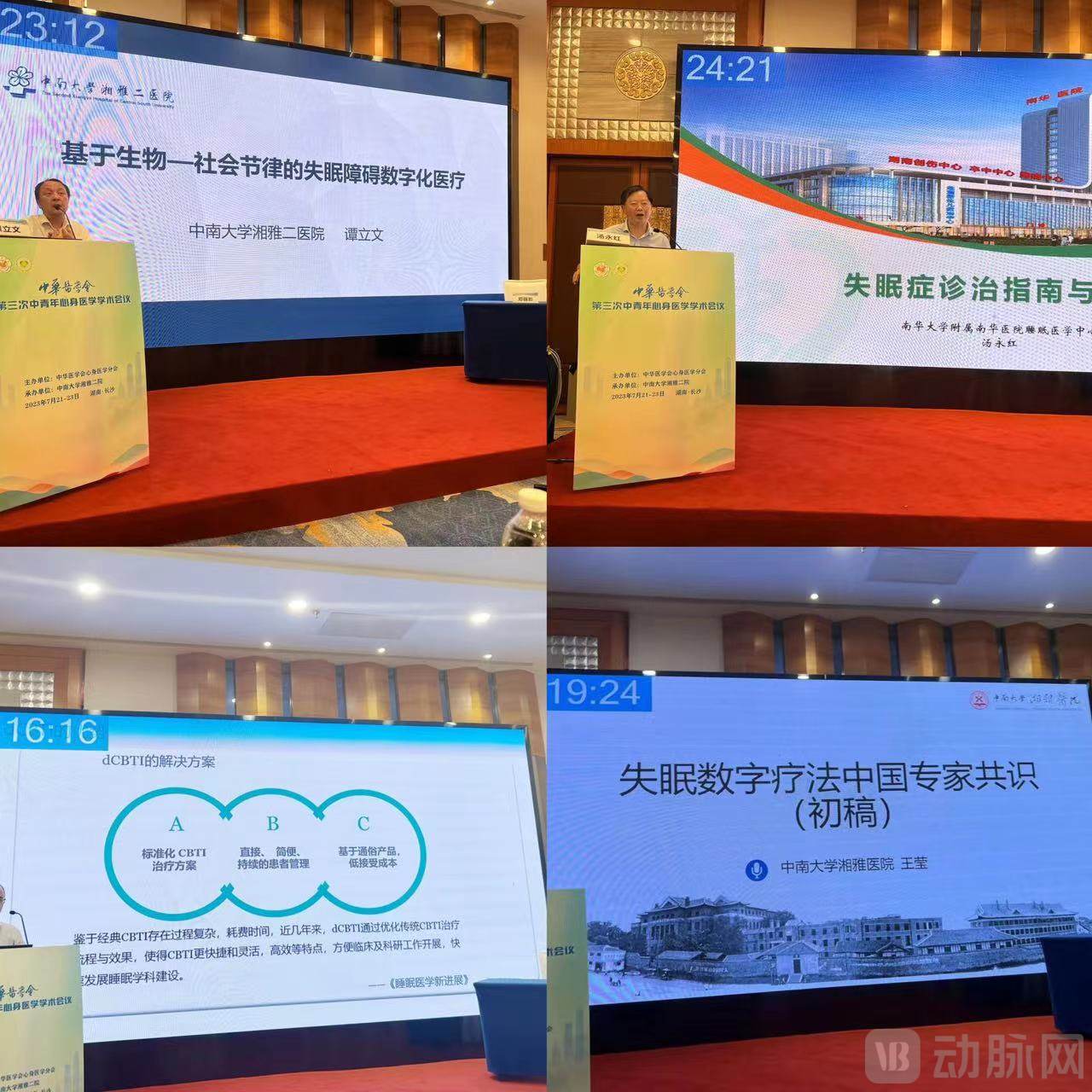
The study group invited top domestic experts in this field to discuss topics such as the digitalization of insomnia disorder based on biosocial rhythms, interpretation of insomnia guidelines and the latest research advances, digital therapeutics for insomnia, and whole-course disease management. The attending experts reached a consensus on the preliminary recommendations of the “Expert Consensus on Digital Therapeutics for Insomnia.”