

How Far Is Cultivated Meat From Our Dinner Tables? Industry Progress and Product Landscape
Editor’s Note: This article is from Tomato Capital, and VCBeat has obtained the right to repost it.
MostA Series of Major Developments in the Cultivated Meat Industry:First, an Australian team “resurrected” mammoth meatballs; now, the U.S. has approved another cultured cell-based meat product for the table.
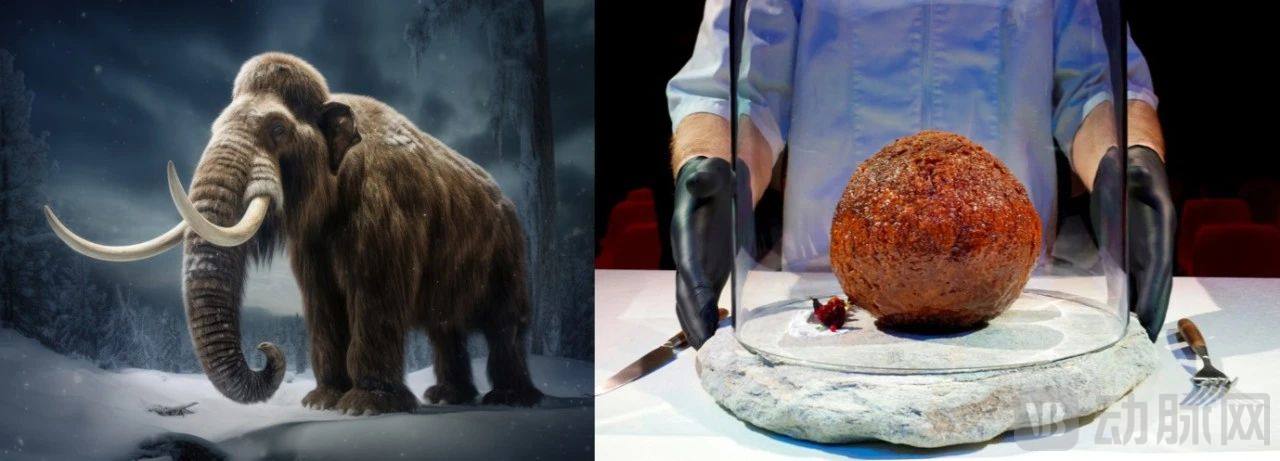
The left image shows a mammoth, which went extinct around 1670.The image on the right shows mammoth meatballs recently recreated by scientists.
The Path to Industrializing Cultivated Meat: Seemingly Long, Yet Within Reach.
To What Extent Has This Field Developed? Let’s Attempt a Breakdown.
How Much Potential Does Cultivated Meat Hold as an Industry?
1. Real Meat “Grown” from Cells
As early as 1931, Churchill stated, “We shall escape the absurdity of growing a whole chicken in order to eat the breast or wing, by growing these parts separately under a suitable medium.”
Winston Churchill may have been the first to publicly propose the concept of “cultured meat.” In practice, cultured meat is “real meat” produced by placing animal “seed cells” into bioreactors containing culture media.
2. Cultured Meat: How Far Is It from Our Dining Tables?
The good news is that cultivated meat is already available for consumption in Singapore and the United States; however, availability does not equate to profitability, let alone full-scale industrialization. The industrialization of cultivated meat has been advancing at an unprecedented pace, yet it may still require time to fully mature.
① People were already doing mukbangs with cultured meat 10 years ago.
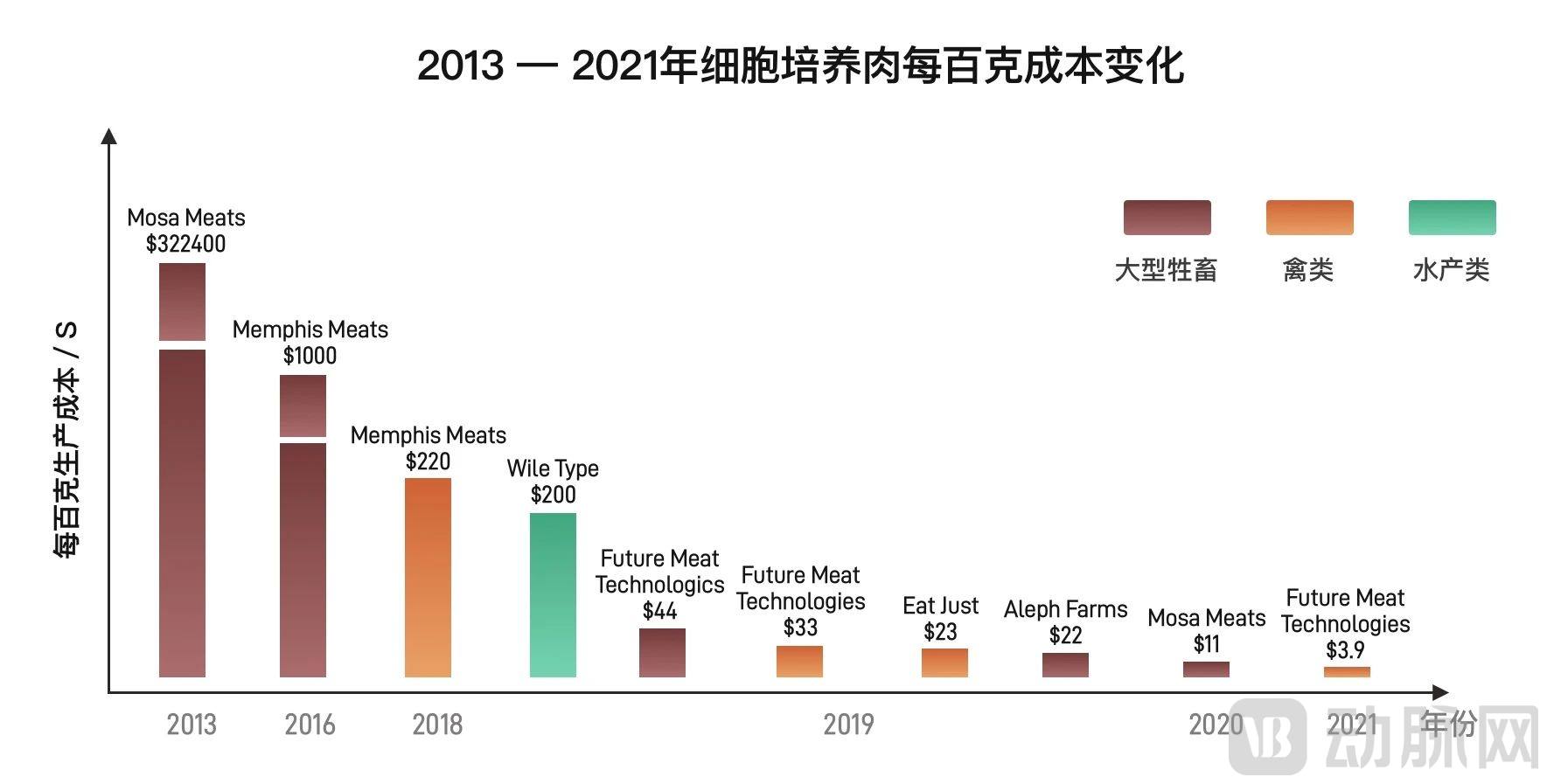
In 2013, the Dutch team Mosa Meats live-streamed a cultured burger patty tasting event in London, marking the first such occurrence globally. However, the “tasted” patty carried an exorbitant price tag of $330,000, indicating that it remained far from reaching everyday dining tables.
② Now, cultured meat is readily available in Singapore.
In 2019, the Singapore government granted market approval to Eat Just, a cultured meat company based in San Francisco, USA. This March, a Global Times correspondent in Singapore visited Huber’s Butchery to sample its offerings, where each skewer was priced at 5.5 Singapore dollars (approximately 28 yuan). The article suggested that the outlet is not expected to become profitable until 2030.
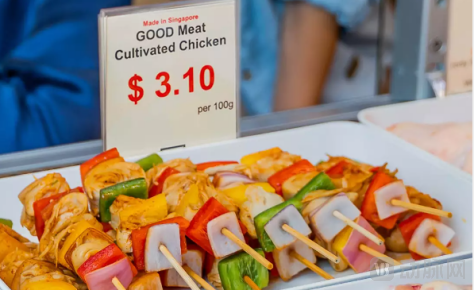
Good Meat's meat skewer products sold in Singapore
Furthermore, according to a report by Jiemian News, products from the U.S. cultivated meat company Good Meat have successfully entered Huber’s Butchery, a leading meat production and supply platform in Singapore. These products are now widely available on menus across various regions of Singapore, covering diverse consumer channels ranging from online delivery platforms to offline restaurants and hawker stalls. The product lineup includes crispy strips, curry dishes, skewers, salads, and burgers.
③ The United States has approved two cultured meat companies to market and sell their products.
This year, Good Meat made headlines in the cultured meat industry as its cultured chicken product received approval from the U.S. FDA and USDA, making it the second company globally to gain market authorization for such a product.
As in Singapore, during the initial approval phase, cultivated meat can only be sold in designated restaurants. Good Meat will offer its products at a restaurant in Washington, D.C., operated by chef José Andrés. The first company to receive approval for cultivated meat in the United States was Upside Foods, which has partnered with Bar Crenn in San Francisco.
3. Industry and Capital Jointly “Vote” for Cultivated Meat with Their Wallets
Industry Side: Cultivated Meat Companies Extensively Partner with Food Companies
If the above description represents only isolated outbreaks, then in the industrial sector—largely invisible to C-end consumers—cultivated meat is already “surging beneath the surface.”
Currently, there are over 100 cultured meat companies worldwide. Their product portfolios have expanded from single-item burger patties to include eggs, dairy, beef, pork, chicken, duck, and fish, while their operational footprint has extended from Europe and the United States to nearly 20 countries globally.
It is worth noting that:The world’s second-largest chicken producer, fifth-largest beef producer, largest seafood company, a leading frozen food manufacturer, and the globally renowned Nestlé are all venturing into cultured meat. In Asia, in addition to Singapore, South Korea and Thailand have also seen collaborations between major food corporations and cultured meat companies.
Swipe to View Global Collaborations in the Cultivated Meat Industry↓↓↓
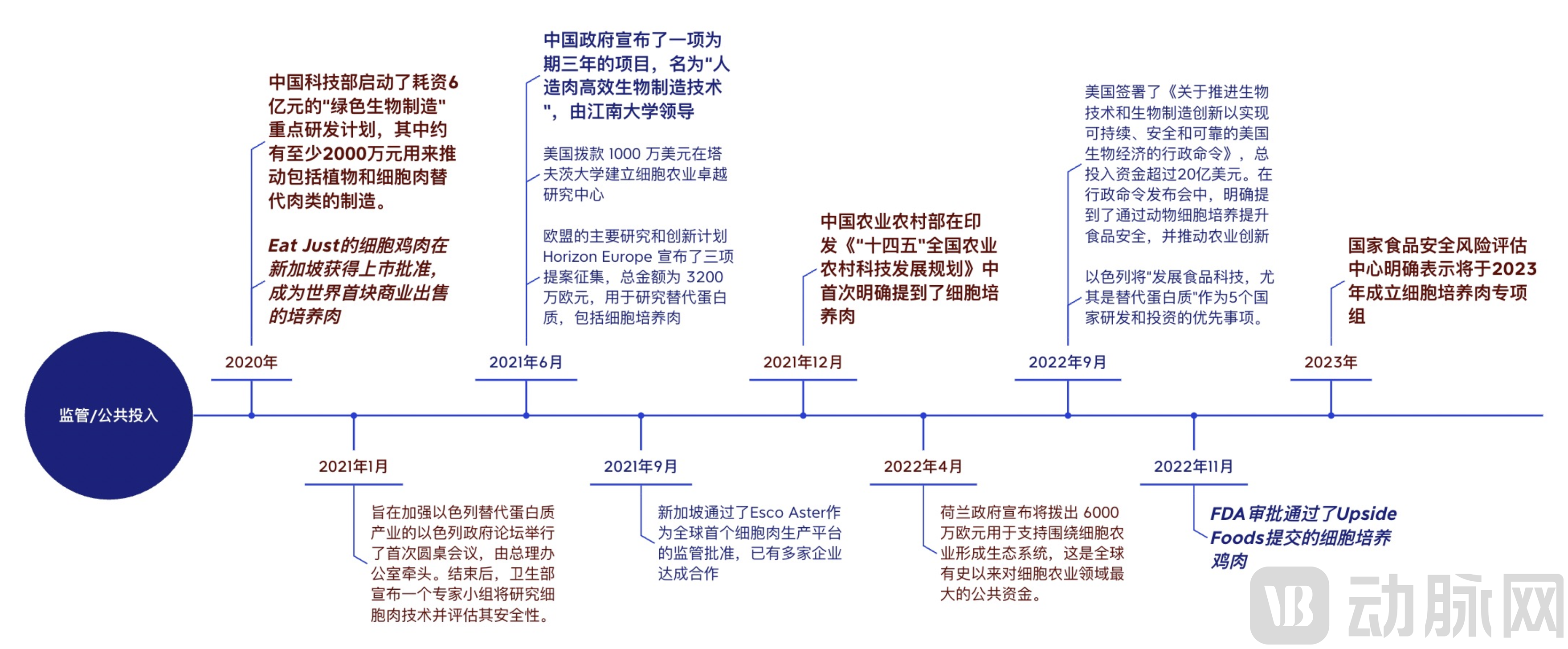
Recent Developments in Cultured Meat
Capital Side: Investment Cases with Successful Exits
Since 2016, the cultured meat industry has witnessed a rapid year-on-year surge in both the number of financing and investment deals and the total capital involved:
Exit events and multiple M&A transactions have occurred.
Swipe to view the global investment landscape of cultured meat↓↓↓
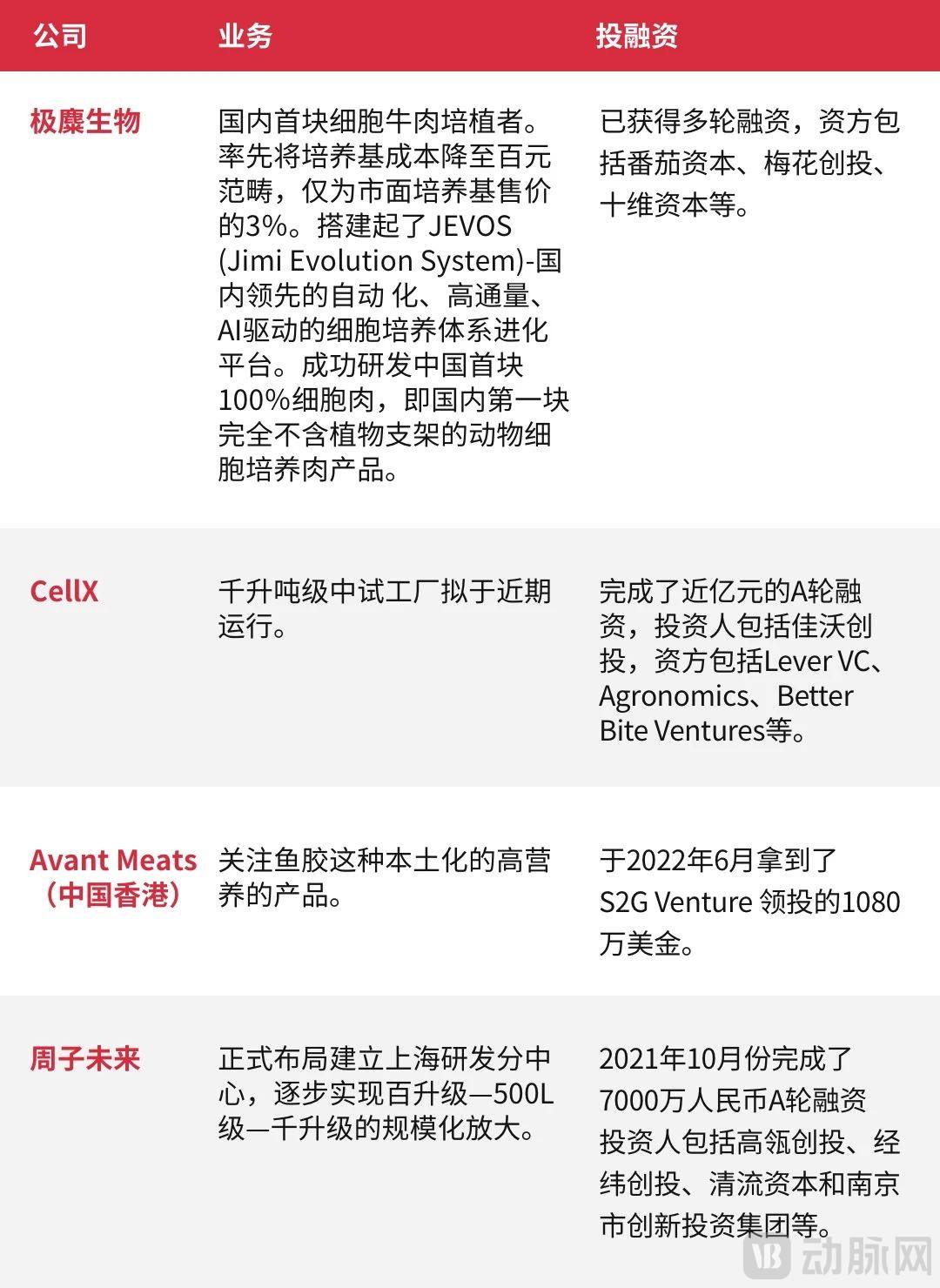
The Development of Cultured Meat Financing and Investment in China
Cell-Based Meat Is Still Far from Mass Production—Why Does It Deserve Attention?
The reasons why investors and the industry are jointly pouring money into “voting” for cultured meat are complex, but in a nutshell, this is likely an inevitable path for the future of human food.
1. The Essential Need for Meat Consumption:People are eating more meat, and more people are eating meat
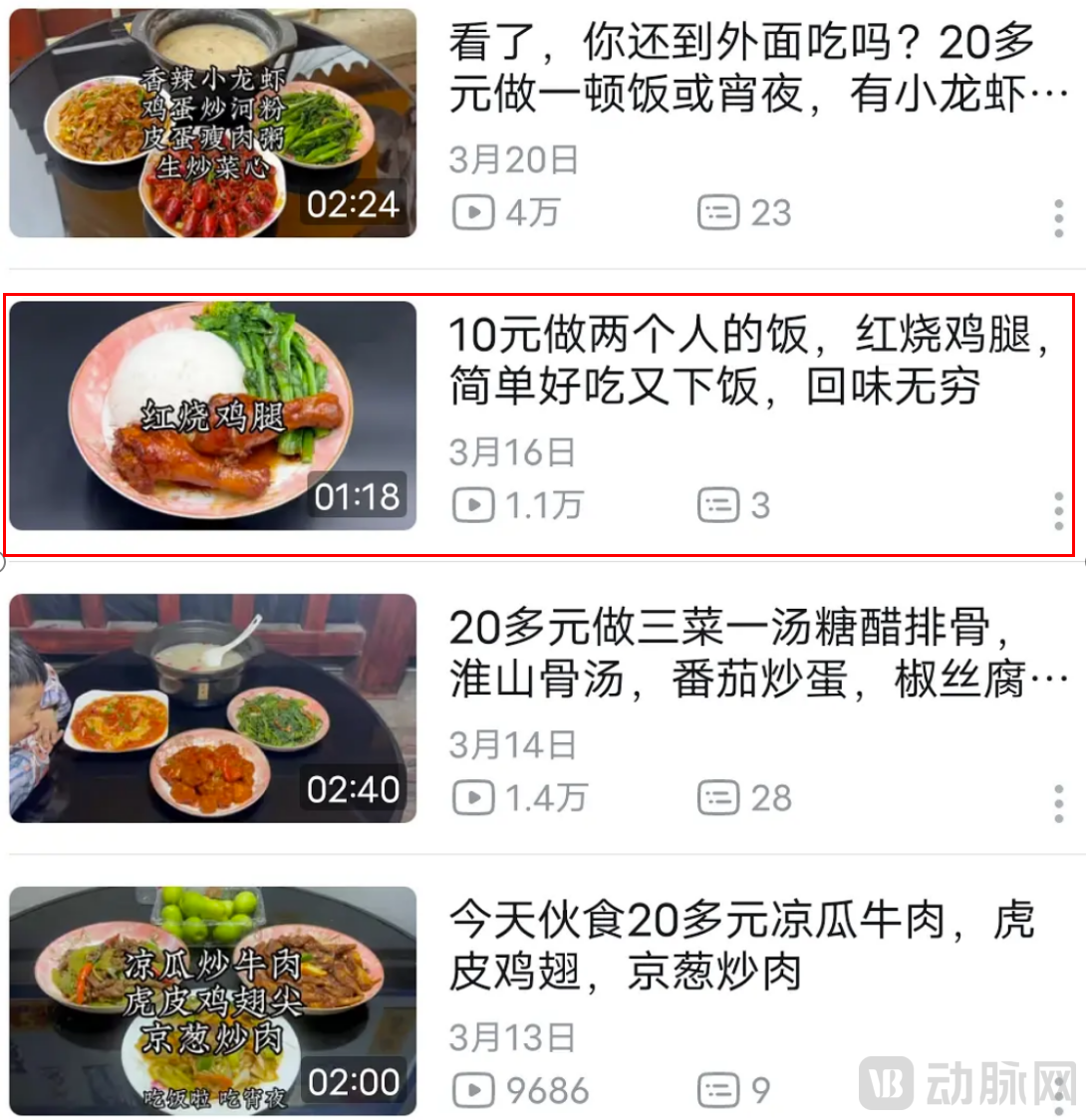
Having meat at every meal seems to have become the norm in modern life. According to a money-saving guide shared by a content creator on Bilibili, 10 yuan is enough to cover the cost of chicken drumsticks for two people in one meal:
However, behind these seemingly ordinary qualities of life lie significant challenges:
On the one hand, the demand for meat quality is growing too rapidly.
This figure is still on the rise, with protein consumption in China projected to grow by 3–4% annually.
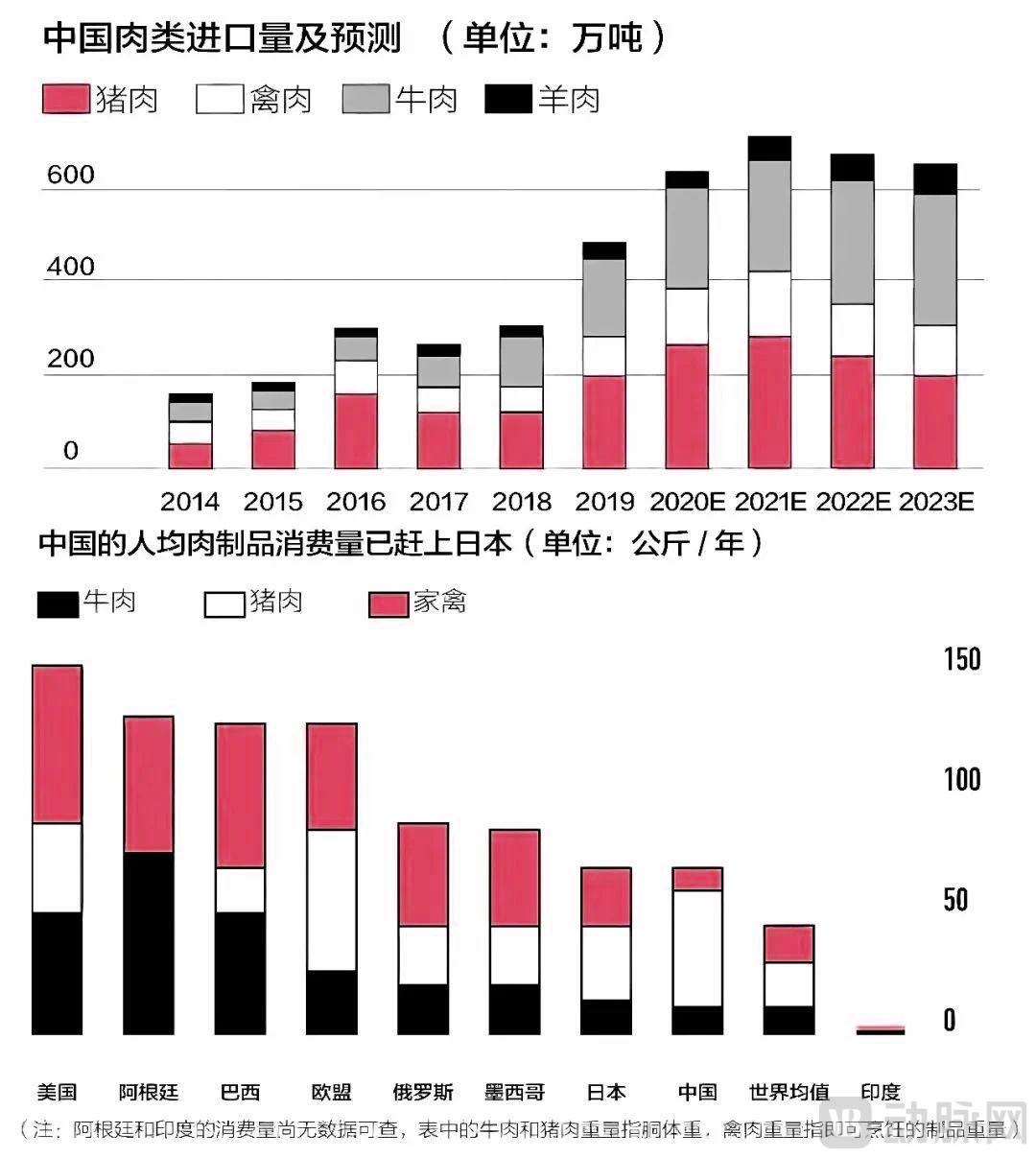
On the other hand, in addition to the demand driven by rising living standards, many people still lack access to meat—indeed, the current global shortfall in meeting human demand for meat remains substantial.
First, the needs of the existing population have not yet been met.
There are still 1.2 billion people living in absolute poverty worldwide, whose demand for meat products remains far from being met.
April 2022, the United Nations World Food Programme's warning to the world:
An unprecedented hunger crisis is spreading across the globe.
Climate shocks, the Russia-Ukraine conflict, the COVID-19 pandemic, and soaring food and fuel costs have triggered a series of ripple effects, potentially pushing at least 47 million people across 81 countries to the brink of famine.
Second, the population is still growing, and more people may be unable to afford meat in the future.
Despite concerns over declining birth rates, the global population continues to grow. Relevant United Nations data project that the world’s population will reach 9.6 billion by 2050, implying a 61% increase in food production demand and a corresponding rise in the shortfall of meat-based protein.
The demand for meat is growing, with an increasing number of consumers. Moreover, people are seeking more accessible, high-quality, and affordable meat.
Relying solely on livestock farming to meet such continuously growing demand presents significant challenges. Cultivated meat may offer a solution, but its production costs remain high, and there is still a long way to go.
The good news, however, is that while human demand for meat has surged exponentially, the cost of cultured meat has plummeted. Over the past decade, the cost of cultured meat has dropped by a factor of 100,000. Experts predict that by 2030, prices are expected to reach parity with conventional meat, with the cost of cultured beef projected to fall to $5.66 per kilogram (approximately RMB 37).
This means that in seven years, the price of cultured beef will reach parity with market prices. In fact, given current trends, the timeframe is likely to be even shorter.
2. The Imperative for ESG:Cattle and sheep farming is land-intensive, feed-intensive, and generates greenhouse gas emissions.
① Livestock Farming: Land- and Grain-Intensive?
You may not own any farmland, but there is certainly some plot of arable land sustaining you and providing your daily food. You might not be concerned about farmland resources, yet the per capita area of arable land is declining rapidly.
According to data forecasts from Kearney, the per capita arable land area was 3,800 m² in 1970 and is projected to decline to 1,500 m² by 2050—In other words, per capita arable land will decrease by more than half over a 70-year period.
Who is the largest “land user”? You might be surprised to learn that it is not wheat or rice, but the livestock industry, which provides us with meat. Pastures for grazing and cropland for feed production together account for nearly 80% of all agricultural land.
In contrast, the cultured meat industry clearly requires far less land and may well become a breakthrough in addressing land use challenges associated with livestock farming.
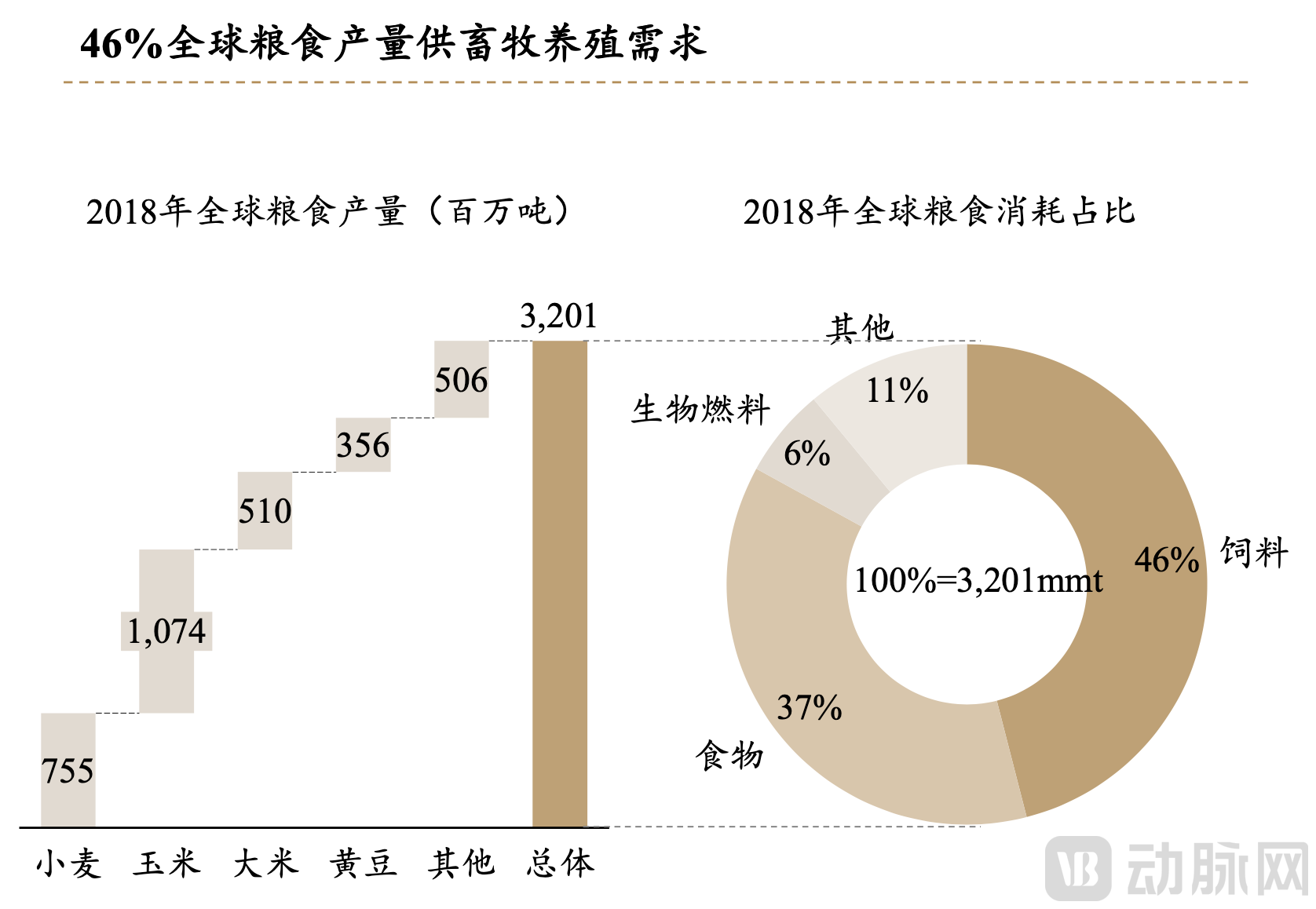
Traditional meat markets consume 46% of the global grain supply, while the “grain-to-meat” conversion ratio is economically inefficient, leading to a situation where meat supply will fail to meet demand in the medium to long term.
② Burping and flatulence release large amounts of greenhouse gases
Experts claim that this year is the hottest summer in the past million years. Crop cultivation and livestock farming are precisely the third-largest source of greenhouse gas emissions contributing to global warming.
Cattle and sheep are ruminants, and their digestive systems produce large amounts of gas. As a result, the greenhouse gases they emit account for 14.5% of total anthropogenic greenhouse gas emissions. In response, former New Zealand Prime Minister Jacinda Ardern announced that the government would impose a tax on the greenhouse gas emissions produced by the country’s 6 million cattle and 26 million sheep.
And cultured meat doesn’t require four stomachs, nor does it cause burping or flatulence, thereby avoiding related issues.
In a 2011 study, scientists from the University of Oxford and the University of Amsterdam estimated that cultured meat could reduce land use by 95%, water consumption by 78%, and greenhouse gas emissions by 92% compared to conventionally farmed meat.
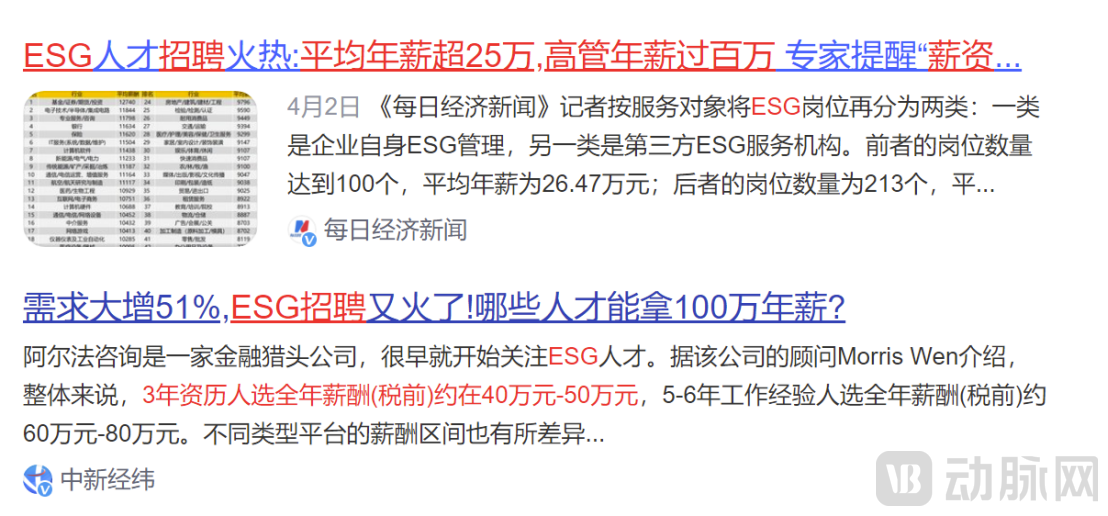
Having said all this, if you still do not grasp the urgency of ESG demands, take a look at the compensation packages for ESG talent. According to reports by National Business Daily, the average annual salary exceeds RMB 250,000, with executive-level professionals earning over RMB 1 million. In the future, the cultivated meat industry is likely to become one of the key tools through which these high-caliber professionals address such challenges!
③ The livestock industry is vast in scale, so even a small degree of substitution can constitute a substantial market size.
In short, to some extent, driven by the rigid demand for human protein consumption and the imperative of ESG compliance, cultured meat has become a mandatory option that cannot be overlooked. More importantly, beyond this necessity lies significant potential for incremental growth that is well worth anticipating.
Research institutions have pointed out that the global meat market size in 2020 was 328 million tons, with a value exceeding $1 trillion. The global meat market is expected to continue growing and may double by 2050.
Even if cultured meat captures only a small fraction of this incremental demand in the future, it would still represent a massive opportunity!
In this regard, different consulting firms have provided varying forecasts:
○ BCG predicted in 2021 that by 2035, alternative proteins will account for 11% of total meat consumption, reaching up to 22% under an ideal scenario.
○ McKinsey estimates that in the coming years, annual market sales will reach $2 billion to $20 billion, or even $25 billion by 2030, if cultured meat companies can “replicate various processed meats and whole cuts” and sell them globally.
○ Kearney predicted in 2020 that cultured meat would meet 35% of global meat demand by 2040, corresponding to a market value of $630 billion.
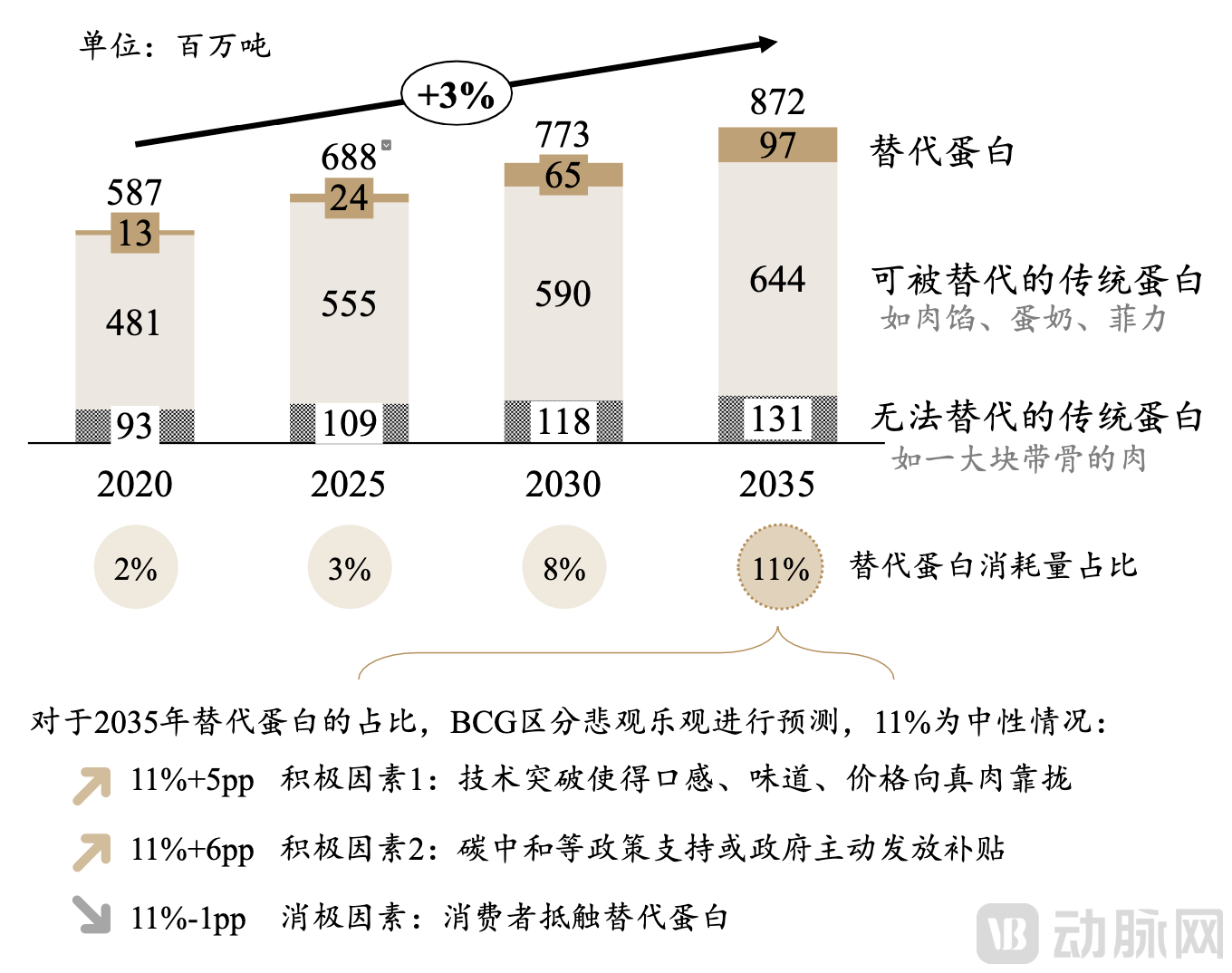
Figure: Forecast by the research institution BCG.
3. The Three Barriers to Scaling Up:Consumers, Policies, Costs
However, no matter how vast the potential may seem, cultured meat still has a long way to go before achieving large-scale development. The key lies in whether it can overcome three major hurdles:
Widespread consumer acceptance, policy relaxation, and the genuine ability to reduce costs through technology.
(1) Market Acceptance Required: Policy and Consumers ——How high is the investment risk in the entire cultured meat industry?
① Policies
Currently, countries and regions such as China, the United States, Singapore, Europe, and Israel maintain an open stance toward cultured meat. Among them, Singapore and the United States have already established regulatory pathways for market access.
The only country that has explicitly opposed cultured meat is Italy, citing the need to protect its food industry from “harmful” technologies.
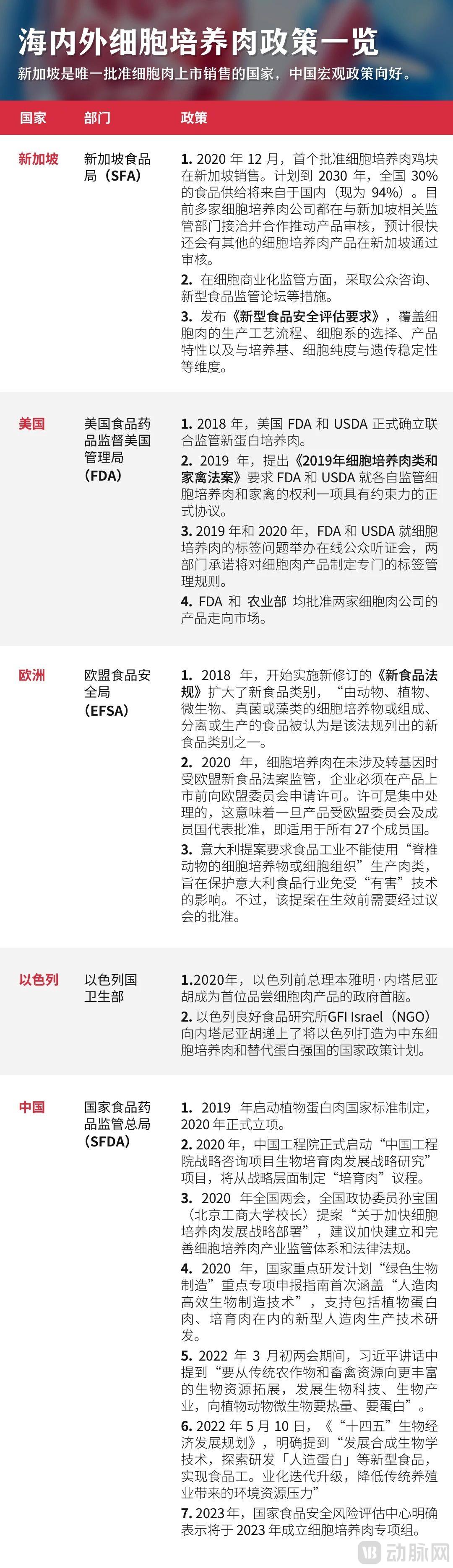 Policies of Various Countries
② Consumer Acceptance
Over the past one to two years, consumer research on cultured meat has been generally positive. Acceptance of cultured meat is particularly high among younger generations.
A research team conducted the following survey:
Swipe to learn more
Despite the fact that many people still find it difficult to accept such unnaturally cultivated foods due to religious, cognitive, and other factors, every technological invention undergoes a process of acceptance, and the food sector is no exception. Over the millennia, the human diet has continuously diversified. Carrots were introduced to China during the Han Dynasty; maize did not arrive from Mexico until the Qing Dynasty. People from a century ago would also be astonished by the watermelons we have today.
(2) Cost: It is biotechnology, but requires an engineering mindset even more—What are the key cost-reduction factors to consider during the investment process?
Over the past decade, the cost of cultured meat has decreased by a factor of 100,000. Experts predict that by 2030, it is expected to reach parity with conventional meat, with the cost of cultured beef projected to drop to $5.66 per kilogram (approximately RMB 37). Nevertheless, even with this progress, the core challenge for cultured meat remains cost reduction.

At this stage, the key to “cost reduction” in cultured meat no longer lies solely in competition over pure biological technologies. The technologies applied in cultured meat are far from being the most advanced in biology. The greater challenge now is how to leverage engineering thinking to accelerate cost reduction through comprehensive integration and application across all aspects.
Views of Cao Zhehou, Founder of Jimi Biology, a Cultivated Meat Company Backed by Tomato Capital
To address the issue of cost reduction, it is necessary to revisit the several stages of cultured meat production.
Cellular meat primarily involves four key process stages:
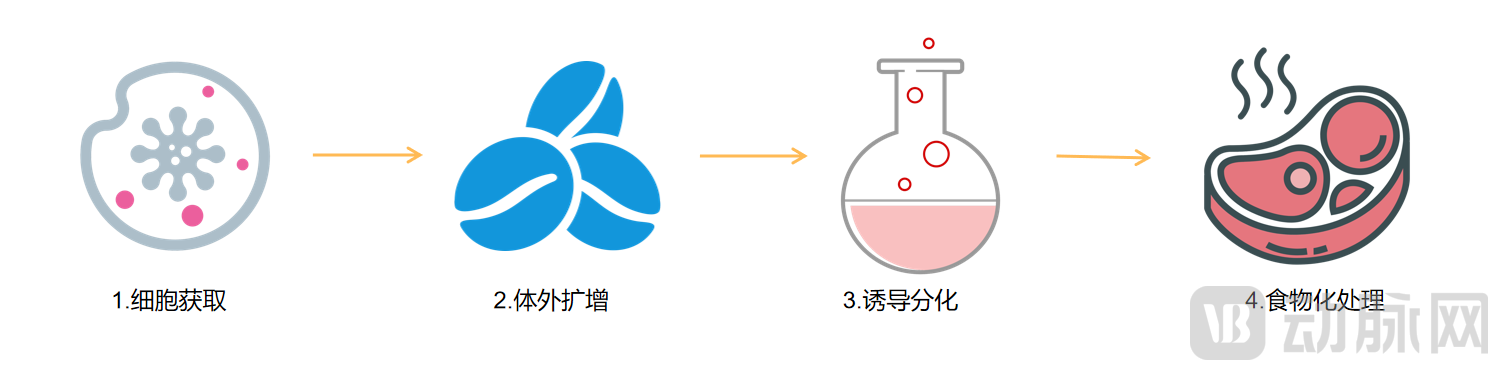
The first three stages constitute the technical core, with the entire process taking approximately 1–2 months. Each stage presents its own challenges, which are detailed below:
First, how long can “seed” cells divide?
Second, how can the costs of culture media and bioreactors be reduced?
Third, cells are like vines and require a scaffold. But is it possible to eliminate the scaffold?
Fourth, how is it processed from cells to meat?
① Seed Cells
Current seed cells are primarily derived from stem cells, owing to their two major advantages:
i. Possesses unlimited proliferative capacity, that is, the ability to multiply from one to many.
ii. They possess the potential to differentiate into various cell types, which is precisely what meat requires, as it consists of multiple tissue types such as muscle fibers, adipose tissue, connective tissue, and blood.
However, one cannot have it both ways; meeting either or both of the aforementioned conditions may incur additional costs. For instance, pluripotent stem cells are in an early stage of development and possess greater proliferative potential; nevertheless, precisely for this reason, they require more time and resources to differentiate into mature cell types, thereby increasing production costs.
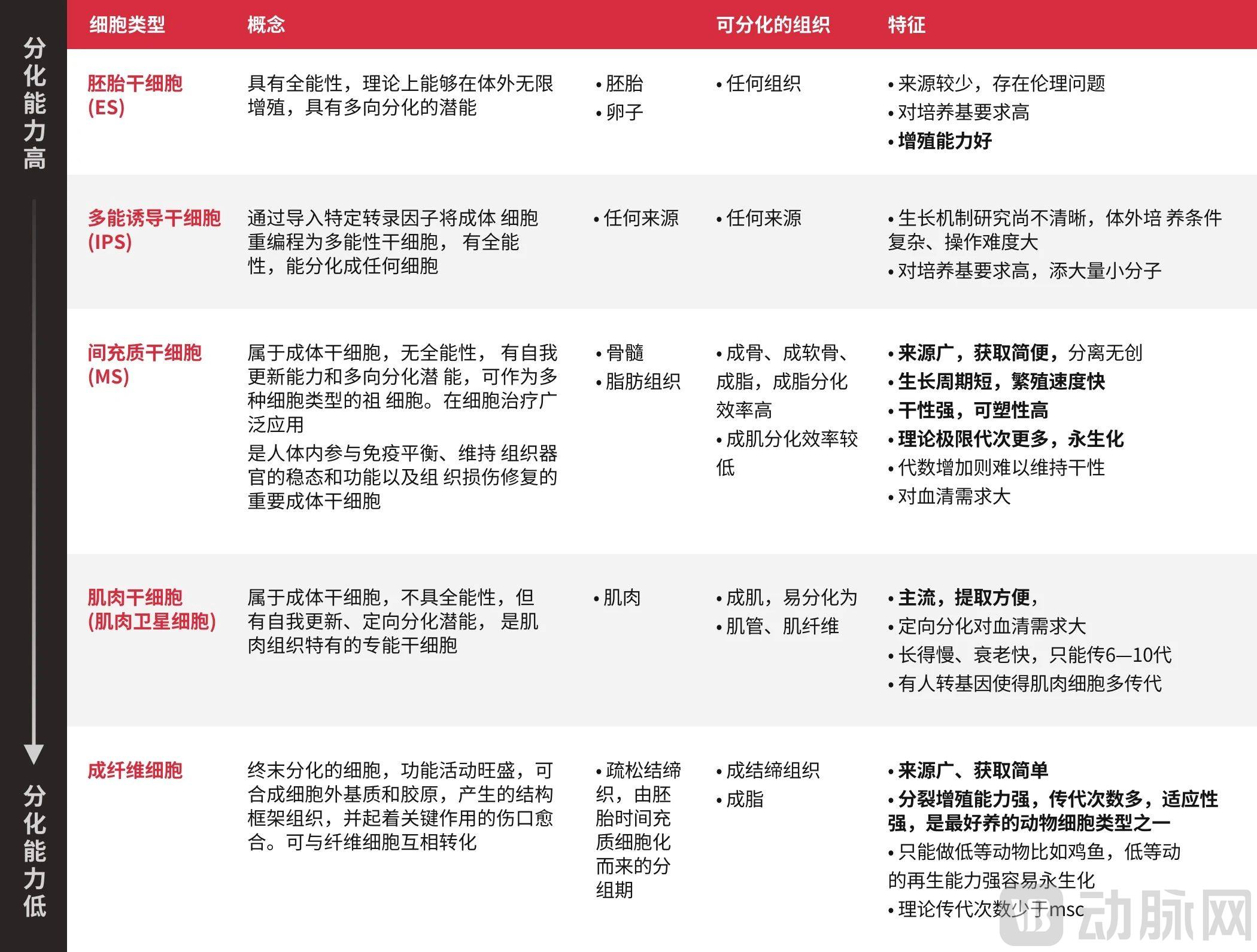
Table: Comparison of Various Stem Cells
Currently, the focus on cost-saving in the selection and culture processes of "seed cells" for cultured meat mainly involves the following directions:
First, the most critical direction is overcoming the limit on the number of cell divisions. There are already some methods to help seed cells achieve "immortality."
Telomeric DNA in cells shortens with each cell division, thereby reducing cellular lifespan. Therefore, scientists employ various strategies—such as upregulating telomerase during culture and using genetic engineering—to prevent telomere shortening.
In fact, the current stage of cultured meat development does not yet meet the demand for “immortalized” cell lines. Normal somatic cells have a Hayflick limit of approximately 50 divisions, and current practices remain some distance from this theoretical maximum. Each additional round of cell division yields an exponential increase in production output.
Mosa Meat, a cultured meat company, can already produce 2,000 kg of meat from just 0.5 g of living tissue. Using a bioreactor with a volume of one cubic meter, it can produce 10–20 tons of cultured meat annually. This production capacity corresponds to approximately 30 cell population doublings.
Second, the “nutrient efficiency” of seed cells is also a key factor in cost reduction. Some companies are developing cell lines that require relatively small amounts of growth factors, thereby reducing the media costs associated with these factors—after all, growth factors constitute a highly expensive component of culture media. Current research indicates that this approach can reduce growth factor costs by at least 50%–80%.
Certainly, the development of cultured meat should not be driven solely by financial considerations; ethical concerns also warrant attention. For instance, although embryonic stem cells are pluripotent and theoretically capable of unlimited proliferation in vitro with the potential for multi-lineage differentiation, obtaining bovine embryonic stem cells requires sacrificing a pregnant cow. This contradicts the original animal-welfare intentions of some cultured meat advocates.
② Culture Medium
The composition of cell culture media for in vitro growth is fundamentally similar to the nutritional requirements in vivo. Currently, culture media account for the largest proportion of the cost of cultured meat, reaching 99%. Specialized agencies predict that, upon the breakthrough of certain core technologies, the cost of culture media could drop from $376.8 per liter in 2020 to $0.24 per liter.
Direction 1 for Cost Reduction: Serum-Free Culture
Currently, the most mainstream cell culture medium primarily contains fetal bovine serum (FBS), which is extremely expensive and poses ethical dilemmas: producing FBS requires slaughtering a pregnant cow to extract serum from the blood of the live fetus.
Several cultured meat companies have already shifted their industry focus to the development of serum-free culture media. Jimi Biology, a portfolio company of Tomato Capital, is one of the players in the serum-free culture media sector.
This is a new broad-spectrum culture medium product with minimal animal-derived components, launched by Jimi Biologics: a cell culture solution that comprehensively outperforms fetal bovine serum (FBS). The product is primarily supplemented with non-animal-derived cell growth promoters and various recombinant cell growth factors. Validated through testing across multiple cell types, it demonstrates overall superior cell proliferation rates compared to FBS, with performance in various primary cells and cell lines exceeding that of an imported G-brand FBS. Jimi XR Serum delivers 120% of the efficacy at one-quarter the market price, significantly reducing the reliance on fetal bovine serum.

Pictured is the new product developed by JiMi Biologics—XR Serum
Direction 2 for Cost Reduction: Recycling of Culture Media
Early cell culture media could not be recycled; at a cost of $20 per liter, it had to be discarded after use.
This is because the culture medium contains a large amount of cellular waste products.(That's right, cells also need to "poop")。
If metabolic waste accumulates excessively, it can lead to cellular clogging. Currently, several technologies are exploring the recycling of culture media, such as integrating dialysis devices into bioreactors.
Other Cost-Reduction Directions:
○ Use more plant-based ingredients to “coax” cultured meat into going “vegetarian”;
○ Find ways to enable them to interact with each other and secrete serum;
○ Cost reduction through management: for example, implementing standardized procurement, improving experimental efficiency, and achieving economies of scale.
③ Reactor
The bioreactor is the “home” of cultured meat.
The rate of cell proliferation and division determines production efficiency. Bioreactors control factors such as temperature, oxygen levels, and culture medium flow, which influence the rate of cell proliferation and division. The regulation provided by bioreactors makes it possible to achieve scalable and controllable processes for cultured meat production.
Currently, common bioreactors (such as stirred-tank reactors) are widely used for mammalian cell culture; while they offer high production efficiency, they are prone to causing shear-induced damage to cells.
Furthermore, hollow fiber bioreactors are another common type of reactor, in which cells grow uniformly on the surface of the fibers, thereby balancing cell concentration across all regions. However, such equipment is relatively expensive and more difficult to clean.
Current Cost-Reduction Measures:
○ Add a dialyzer to filter metabolic waste and replenish nutrients, thereby enabling medium recovery.Over 70% of the nutrients in the culture medium can be recovered.
○ A novel peptide coating enables cells to undergo continuous cycles of attachment, growth, and detachment over time. During this process, new immature cells occupy the spaces left by detached cells, thereby establishing a continuous cycle.
④ Stent
The vast majority of cultured meat cells, much like vining plants, exhibit an "adherent growth" characteristic. To enhance yield, "scaffolds" must be introduced into the culture dishes to guide cell growth along their structure. Previously, these scaffolds were often fabricated from edible materials such as mushrooms.
In fact, meat grown in animals possesses a natural “scaffold”—namely, the extracellular matrix (ECM)—which is primarily composed of polysaccharides, proteins, and proteoglycans synthesized and secreted by animal cells. In reality, cultured meat also gradually forms new ECM over time, but this process is relatively slow.
Scaffolds primarily provide a structural mimic of the growth environment.
In addition, there are two other implications:
First, scaffolds generally possess a porous structure or exhibit certain permeability, ensuring the efficient transport of oxygen, nutrients, and metabolic waste products generated by cells.
Second, it can protect cells; for instance, since cells are sensitive to shear stress, softer or more elastic scaffolds can buffer the high shear stress induced by cell culture media.
Several Interesting Research Directions for Stents:
Since cultured meat cells prefer “adherent growth,” can the “surface” they adhere to (i.e., the scaffold) be replaced with suspended microparticles densely distributed in the culture medium? This represents a new direction for addressing scaffold-related challenges: microcarriers.
Microcarriers are generally a class of non-toxic, non-rigid, uniformly dense, and typically transparent small particles used in cell culture. They enable anchorage-dependent cells to attach to the microcarrier surface and grow as a monolayer during suspension culture, thereby increasing the surface area for cell attachment and growth, which facilitates large-scale cell culture and harvesting.
Microcarriers are generally a class of non-toxic, non-rigid, uniformly dense, and typically transparent microparticles used in cell culture. They enable anchorage-dependent cells to attach to the microcarrier surface and grow as a monolayer during suspension culture, thereby increasing the surface area for cell attachment and growth, which facilitates large-scale cell culture and harvest.
Reportedly, Future Meat has also developed a technology that enables cells to grow in suspension in a carrier-free state, achieving a density of 100 billion cells per liter and doubling every 18–24 hours.
It is reported that Future Meat has also developed a technology that enables cells to grow in suspension in a carrier-free state, achieving a density of 100 billion cells per liter and doubling every 18–24 hours.
Since the final product is edible, the scaffolds used for cultured meat production must also be biodegradable and non-toxic. Alternatively, the scaffolds can be designed to be removable prior to consumption.
Jimi Biotech once produced a type of mushroom-based muscle noodle, which utilized mushroom scaffold materials with superior texture and rich nutritional value, combined with adherent cultured meat cells, to grow into a noodle-like structure.
You might not expect that hyaluronic acid, which girls apply daily in facial masks, can also be “applied” to cells. However, the purpose for cells is not “hydration,” but rather a sense of “security.”
As previously mentioned, in animal tissues, the extracellular matrix (ECM) naturally serves as a “scaffold” between cells and can be regarded as a type of hydrogel. Hydrogels such as hyaluronic acid and carrageenan, supplemented with various nutrients required by cells, can also function as “scaffolds.” Ideally, cells will degrade the exogenously added hydrogel within an appropriate timeframe and synthesize their own extracellular matrix.
As the saying goes, "The greatest truth is often the simplest." Perhaps the best stent strategy is to use no stent at all.
Currently, one approach involves growing cells in successive layers and then stacking these “cell sheets” to form multiple planes, with cells between each layer mutually secreting extracellular matrix (ECM). However, this technique presents significant technical challenges. First, two-dimensional (2D) culture of each layer requires sufficient space for cell growth, imposing specific demands on bioreactors. Second, the stacking of multiple layers necessitates manual intervention. These challenges may be addressed through the development of novel bioreactors and automated methods.
⑤ Processing
Currently, the morphology of cultured meat produced in laboratories differs significantly from that of real meat. In most cultivation processes, muscle and fat tissues are grown separately and then combined using techniques such as 3D printing to better mimic the structure of conventional meat. For instance, the cultured meat company MeaTech produces steaks by alternately 3D-printing layers of muscle cells and fat cells.
However, “resembling real meat” may be just one option for cultured meat. As mentioned earlier, the first piece of cultured meat to be featured in a mukbang was a hamburger patty. Cao Zhehou, founder of Jimi Bio, stated that the initial forms of cultured meat brought to market in the future are more likely to resemble ground meat, meatballs, and the like. After all, even the “replicated” mammoth meat was presented in the form of meatballs.
There is significant room for DIY innovation in cultured meat.
First, there is ample room for creativity in both flavor and nutritional composition.
Cao Zhehou also stated that the potential of cultured meat lies in its great flexibility, “perhaps in the future we could customize a piece of milk-tea-flavored cultured meat.”
Cultivated meat is, of course, far more expensive than conventional meat, but how does it compare to health supplements? That’s hard to say.
Following this approach, JIMI is developing velvet antler stem cell products focused on anti-aging and rejuvenation. Currently, JIMI has established a comprehensive system for the extraction, isolation, and culture of velvet antler cells. This innovative cellular technology will significantly enhance the biological activity of raw materials, bringing traditional, precious animal-derived Chinese medicinal ingredients into the realm of youth-oriented consumer products.
Furthermore, it offers high morphological playability.
Upside Foods has issued a patent for applying multiple non-human cells onto at least one patterned textured substrate, allowing the cells to grow on the patterned textured substrate to form edible meat products.
If that’s the case, will we be able to customize exclusive “fleshy” gifts for love confessions in the future?
Technology will unlock greater possibilities for the future, including a more diverse food supply, improved ways for humans to interact with society and animals, and expanded horizons for imagination. Regarding the future journey into the vast cosmos, Cao Zhehou once stated, “If we are truly headed to Mars in the future, Elon Musk is addressing the transportation challenge, while we are tackling the food issue. After all, it is highly impractical to bring livestock such as cattle and sheep along to Mars.”
https://mp.weixin.qq.com/s/KauvcXib2hlS4zuTNQVpcg
https://www.mdpi.com/1422-0067/22/14/7513/htm
https://onlinelibrary.wiley.com/doi/10.1002/advs.202102908
https://cedelft.eu/wp-content/uploads/sites/2/2021/02/CE_Delft_190254_TEA_of_Cultivated_Meat_FINAL_corrigendum.pdf
https://www.mdpi.com/2304-8158/10/2/353

Tomato Capital is committed to establishing deep-industry funds focused on the food sector, with investments spanning restaurant brands, restaurant supply chains, and agriculture & food technology. It aims to drive transformation in China’s catering industry through knowledge and capital.
Over the past seven-plus years, Tomato Capital has built an exclusive investment ecosystem for the food and beverage (F&B) sector. Its proprietary platforms—Zhai Men Can Yan (which catalogs data on more than 30,000 F&B brands), Zhai Men Academy (which has supported over 2,000 F&B brands in achieving chain expansion), Zhai Men Supply Chain (which maintains information on more than 4,000 upstream F&B supply chain enterprises), and Zhai Men Consulting—serve as natural deal-sourcing channels, enabling Tomato Capital to identify off-market opportunities. Meanwhile, the Zhai Men ecosystem also provides a comprehensive suite of post-investment services to its portfolio companies.