

Accelerating Industrialization of Next-Generation Pathology: Quanto Biosciences’ Multiplex Fluorescent Immunohistochemistry Platform Powers Precision Oncology
Pathological diagnosis plays a crucial role in the precision diagnosis and treatment of tumors, with pathological examination serving as the gold standard for tumor diagnosis.
As pathological morphology and classification become increasingly complex, the healthcare industry’s needs are gradually shifting from qualitative assessment to predictive diagnosis, while the current industry structure remains inadequate.
On one hand, traditional pathological diagnosis is increasingly failing to meet clinical demands due to insufficient accuracy. Moreover, the uneven distribution of medical resources in China means that the vast potential of pathology departments remains to be tapped.
On the other hand, the focus of diagnostic pathology in oncology is shifting from targeted therapy to research on the tumor immune microenvironment; current precision medicine technologies still have limitations and fail to meet clinical needs.
For instance, although PCR is convenient to use and highly accurate, its application in hospitals is limited by single-locus detection and low throughput. NGS offers advantages such as speed, precision, and high throughput, and has gradually penetrated the field of molecular pathological diagnosis of tumors; however, due to its high technical costs and insufficient level of diagnostic and therapeutic refinement, it also faces challenges in hospital adoption.
There is an urgent clinical need for new approaches that balance multi-omics research with cost-effectiveness, align with current studies on the tumor immune microenvironment, facilitate hospital adoption, and empower the development of pathology departments.
As an advocate for the clinical application of next-generation pathology technologies, Kuoran Biomedical has established a deep strategic presenceNext-Generation Pathology Technology Based on the Multiplex Fluorescent Immunohistochemistry Platform, addressing the challenges in researching the tumor immune microenvironment. Kuoran Biomedical adopts a parallel development strategy of NGP and NGS to provide more accurate, comprehensive, and efficient assessment of the tumor immune microenvironment, thereby guiding clinical diagnosis and treatment, as well as evaluating the efficacy and prognosis of immunotherapy. This approach also aims to overcome the barriers to NGS adoption in hospitals, empowering the development of pathology departments.
Comprehensive Analysis of the Tumor Microenvironment: NGP Opens New Breakthroughs for Precision Diagnosis and Treatment of Cancer
In recent years, cancer immunotherapy targeting immune checkpoints has made exciting progress, adding milestone after milestone to the history of human anticancer efforts.
However, the efficacy of cancer immunotherapy is limited to a subset of patients and exhibits significant interindividual variability. Enhancing the therapeutic efficacy of immunotherapy and expanding the population of beneficiaries have become focal points in current research on cancer immunotherapy.Increasing evidence attributes these differences in treatment outcomes to the heterogeneity of the tumor microenvironment.
Tumors are complex entities, and their initiation, progression, and metastasis are closely intertwined with the human immune response. Beyond focusing on tumor cells themselves, leveraging effective technologies to elucidate the composition and dynamic characteristics of the tumor immune microenvironment will undoubtedly represent a significant advance in immunotherapy.
Assessment technologies for the tumor immune microenvironment include gene expression profiling, flow cytometry, and conventional immunohistochemistry; however, these techniques still have limitations. For instance, while transcriptomics and flow cytometry can analyze molecules and cells within the tumor immune microenvironment, they fail to provide in situ spatial information about these molecules and cells. Conventional immunohistochemistry can obtain in situ information on cells and molecules, but it cannot simultaneously capture in situ data for more than three markers or cells, nor can it elucidate intercellular interactions.
As the clinical value of multi-omics research and tumor immune microenvironment research becomes increasingly recognized,Precision tumor diagnosis is evolving from next-generation sequencing (NGS) to next-generation pathology (NGP), represented by multiplex fluorescent immunohistochemistry (mIHC) technology.
Unlike the qualitative analysis of conventional immunohistochemistry, multiplex fluorescence immunohistochemistry has introduced technological innovations in multi-label staining, spectral imaging, and intelligent analysis. This approach overcomes the limitations of traditional pathology—namely, single-marker labeling and qualitative assessment—as well as the inability of gene expression profiling and flow cytometry to provide in situ spatial information on proteins and cells. Consequently, it offers distinct and irreplaceable advantages in analyzing the tumor immune microenvironment.
Through multiplex fluorescent immunohistochemistry,Enables the acquisition of multichannel information on cellular composition and spatial arrangement, thereby facilitating high-dimensional analysis of the tumor microenvironment., gain a deeper understanding of the mechanisms underlying tumorigenesis, more accurately predict tumor response to therapy, and precisely identify patients likely to benefit from immunotherapy.
Digital Pathology’s Potential Emerges, NGP Poised for Rapid Commercialization
In the current era of precision medicine, traditional diagnostic pathology faces unprecedented opportunities and challenges. Digital pathology, particularly its application in the identification of tissue biomarkers, has become a key foundation for precision medicine.
Currently, the penetration rate of digital pathology in the life sciences research market has reached two-thirds, while it accounts for one-third in large hospitals and reference laboratories.Digital pathology holds significant growth potential in terms of clinical demand.Demand is growing as clinicians in clinical laboratories and pathology departments increasingly recognize the importance of digital pathology.
On the other hand, the shortage of pathologists remains severe. Currently, there are fewer than 20,000 licensed pathologists in China. Based on the staffing requirement set by the National Health Commission of one to two pathologists per 100 hospital beds, the shortfall exceeds 90,000 pathologists. The main pain points facing the pathology diagnosis industry include uneven distribution of pathological resources, prolonged diagnostic times, low efficiency, and excessive workloads.
The number of pathologists is clearly insufficient to meet the demands of clinical development, which has become an unavoidable issue. Currently, pathological diagnostic techniques have not yet achieved disruptive breakthroughs,Next-generation pathology technologies centered on multiplex fluorescent immunohistochemistry hold a core advantage in the study of the tumor immune microenvironment, offering controllable detection throughput with no startup throughput limits, along with established reimbursement models, which positions them for rapid implementation in pathology departments.Driving the Digital Transformation of Pathology, Empowering the Development of Pathology Departments.
Based on this, Kuoran Biomedical Technology (Shanghai) Co., Ltd. pioneered clinical translation research on multiplex fluorescence immunohistochemistry technology in the industry, andPioneered the integrated symbiotic model of NGP + NGS, creating a next-generation pathology solution that integrates staining, imaging, and analysis.
NGP and NGS technologies are complementary, detecting tumor prognosis and drug-related molecular biomarkers at the DNA and protein levels to comprehensively assess the tumor microenvironment and determine the optimal treatment regimen. The combined application of NGP and NGS technologies enables a more accurate and comprehensive assessment of the tumor mutation profile and immune microenvironment-related biomarkers, offering unique advantages in guiding medication, monitoring therapeutic efficacy, evaluating prognosis, and facilitating new drug development.
Multiplex Fluorescence Immunohistochemistry Solution Hits the Market, Accelerating the Industrialization of Next-Generation Pathology
As early as 2019, Kuoran Biomedical began to strategically position itself across the upstream and downstream sectors of the tumor immune microenvironment analysis industry. By integrating the Kreep multiplex fluorescence staining kit, Krast automated stainer, KR-HT5 high-throughput fluorescence pathology slide scanner, and KRIAS medical pathology image analysis system, the company has established a comprehensive solution for the holistic analysis of the tumor microenvironment.
First, in this proposal,Multicolor Fluorescent Labeling Enables the Simultaneous Detection of Multiple Targets in a Single Sample, Thereby Unveiling In-Depth Information Within the Tumor Microenvironment. By leveraging the principles of digital pathology, advanced imaging techniques and multichannel information from fluorescent labeling can be utilized to simultaneously detect multiple biomarkers, enabling precise localization and identification of different cell types within the tumor microenvironment.
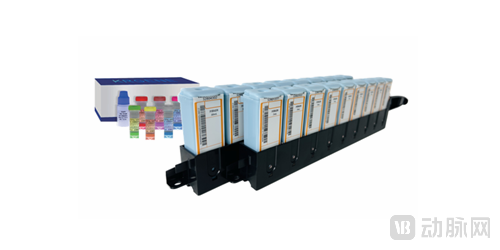
Kreep™ Multiplex Immunofluorescence Kit
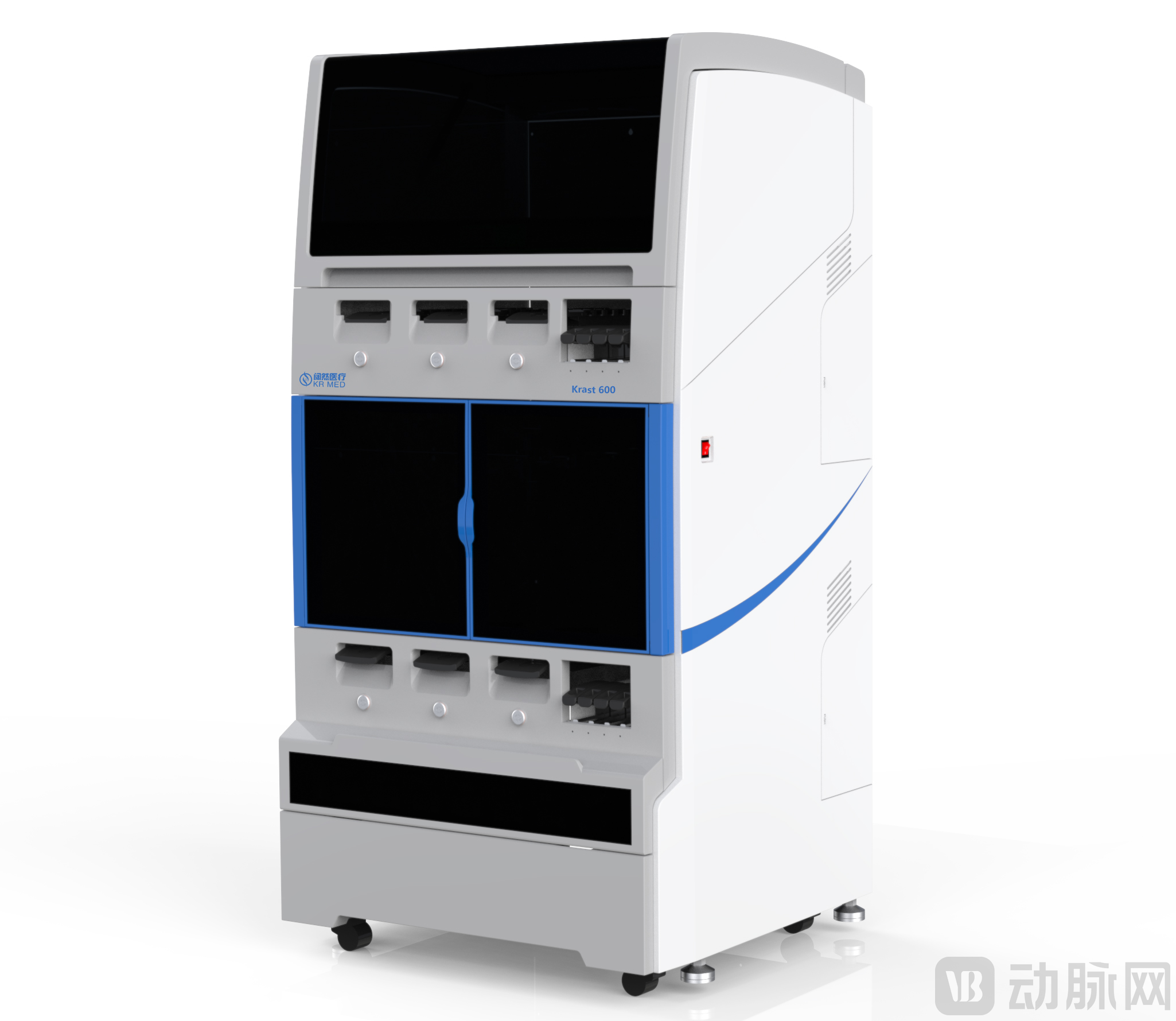
Krast™ Fully Automated mIHC Staining Platform
Secondly,By leveraging the KR-HT5’s multispectral overlap separation technology, high-quality, high-resolution images can be obtained.. The concept of digital pathology emphasizes the importance of image digitization and high-throughput imaging. By leveraging multispectral imaging technology, signals from multiple fluorescence channels can be acquired simultaneously, yielding more comprehensive and detailed images of the tumor microenvironment, thereby further revealing its subtle changes and interrelationships.
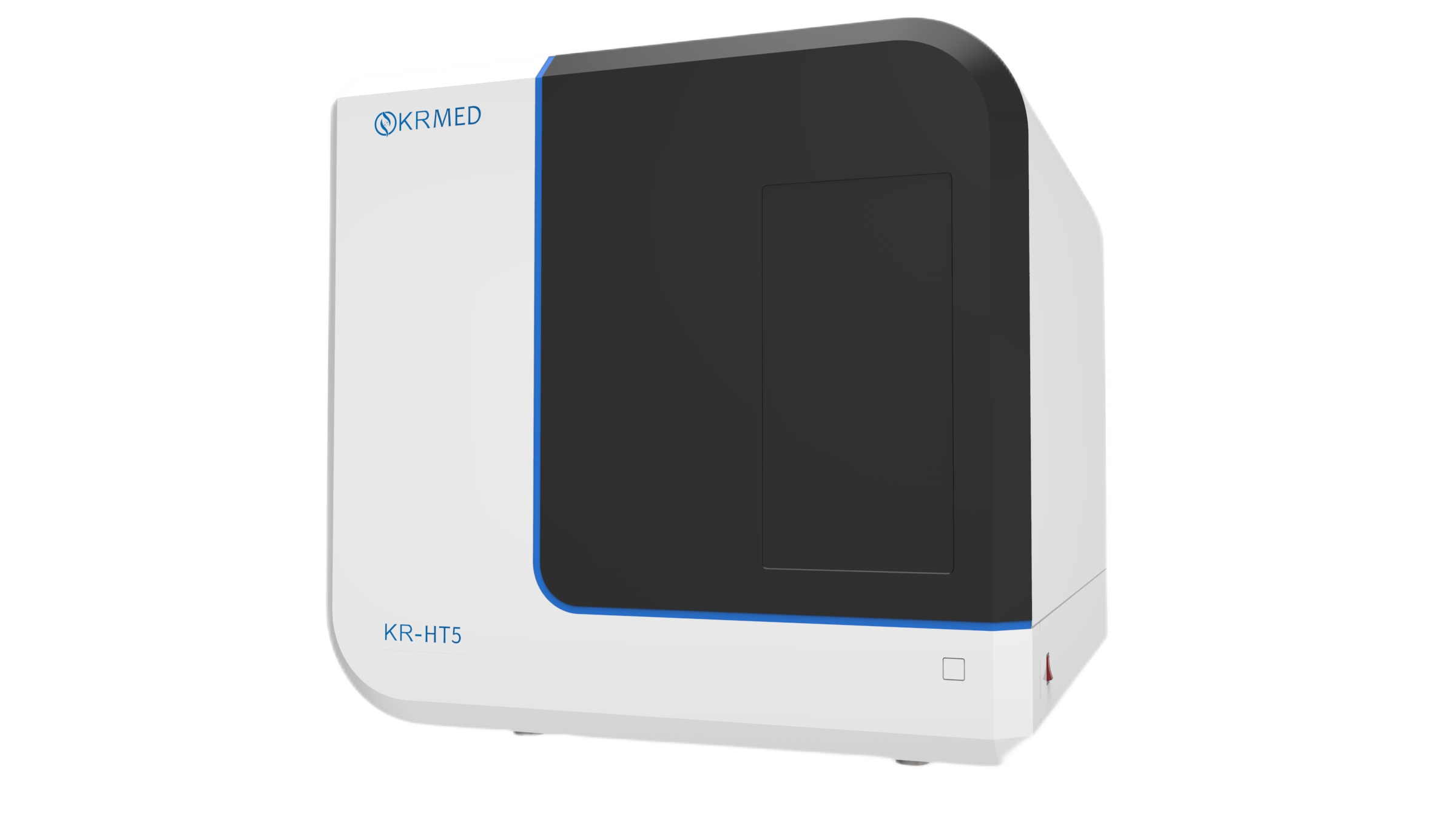
KR-HT5™ Fully Automated Quantitative Pathology Imaging System
Finally,The application of KRAIS intelligent software analytics can effectively process and analyze these complex data, transforming large volumes of images into interpretable information.Digital pathology leverages technologies such as artificial intelligence and machine learning to rapidly and accurately analyze and interpret vast amounts of image data, assisting pathologists in identifying potential biomarkers, pathological features, and therapeutic indicators, thereby providing deeper insights and more precise results for both research and clinical practice.
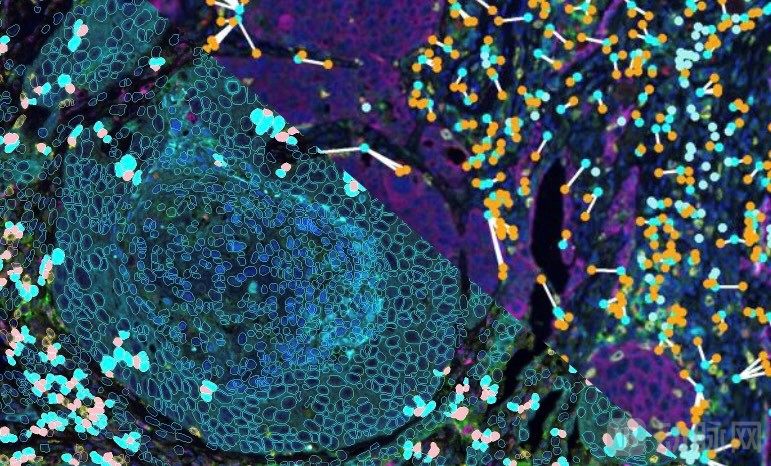
KRIAS™ Pathological Image Analysis System
Currently, the multiplex fluorescence immunohistochemistry technology platform has demonstrated its potential in multiple clinical application scenarios and gained widespread recognition.
For instance, Professor Zhu Hongguang from the Department of Pathology at Shanghai Medical College, Fudan University, has stated that multiplex fluorescence immunohistochemistry technology can help identify more precise candidate populations for immunotherapy, thereby truly enhancing patients’ clinical benefits from such treatments while significantly reducing medical costs.
Professor Zhou Caicun, Director of the Department of Oncology at Shanghai Pulmonary Hospital Affiliated to Tongji University, believes that the multiplex fluorescence immunohistochemistry platform not only enables visualization of PD-L1 and PD-1 expression, but also reveals the expression and spatial relationships of various tumor-infiltrating lymphocytes. The more biological information acquired, the greater the clinical benefit.
In a previous presentation, Professor Wang Chunnian, the leader of the Gastrointestinal Pathology Subspecialty at the Ningbo Clinical Pathology Diagnosis Center, noted that multiplex fluorescence immunohistochemistry has emerged as a prominent research focus in recent years, yielding diverse research advancements across colorectal cancer, gastric cancer, and esophageal cancer within the gastrointestinal tract.
Currently,Kuoran Bio’s Novel Multiplex Fluorescent Immunohistochemistry Solution Is Set for Full Market Launch, marking China’s leading position in tumor microenvironment research and further advancing humanity’s progress in the fight against cancer.
According to data from Gongyan Network’s “Analysis of China’s Immunohistochemistry Industry Chain and Market Size in 2022,” the global immunohistochemistry market size was USD 3.056 billion in 2020, approximately USD 3.375 billion in 2021, and reached USD 3.682 billion in 2022. China’s immunohistochemistry market size reached RMB 2.7 billion in 2020, was approximately RMB 3.955 billion in 2021, and grew to RMB 4.469 billion in 2022.
Meanwhile, data from the “Research Report on China’s Innovative Biologic Drug Market,” released by Frost & Sullivan in March 2021, indicates that the market size for PD-L1/PD-1 inhibitors in China is projected to exceed RMB 90 billion by 2025. Based on a comparison of the annual treatment costs of the five major monoclonal antibody drugs in China, the average annual treatment cost per patient is approximately RMB 180,000. This allows for an estimation that the number of patients using PD-L1/PD-1 therapies in China will reach approximately 500,600 in 2025, and the market capacity for next-generation sequencing (NGS)-based clinical testing in the PD-L1 detection segment will amount to approximately RMB 2.002 billion in 2025.
Although the future market potential is substantial, multiplex fluorescent immunohistochemistry technology is currently at a critical stage of translation from research to clinical application. The comprehensive commercial launch of Kuoran Biomedical’s multiplex fluorescent immunohistochemistry solutions will accelerate the industrialization of next-generation pathology, drive further advancements in precision oncology diagnosis and treatment, and empower the development of pathology departments.
In the future, multiplex fluorescent immunohistochemistry may become the next growth driver for pathology departments, following next-generation sequencing (NGS). We also look forward to seeing more enterprises like Kuoran Biomedical join forces with third-party medical laboratories, research institutions, pharmaceutical companies, and other stakeholders to jointly promote industry consensus and standardization in next-generation pathology, thereby accelerating the industrial implementation of these technologies.
Note: The [annual treatment costs of the top five monoclonal antibody drugs in China] presented in this article were estimated based on annual report data from Bristol-Myers Squibb, Merck & Co., Junshi Biosciences, BeiGene, and Hengrui Medicine. These figures were derived by calculating and comparing the sales revenue of these five major monoclonal antibody brands with their respective treatment costs.