

Roche Oncology Forum 2023: 'Together in Precision, Healing the Future' Successfully Concludes with Focus on Digital and Personalized Healthcare

Roche Pharma China
Pharmaceutical Manufacturer
On July 15, 2023, the personalized medicine session of the “Roche Oncology Summit: Partnering for a Healthier Future,” hosted by Roche Pharma, concluded successfully. Centered on “digital health,” the event brought together cutting-edge innovative research and expertise from across the industry, offering new insights and directions for the advancement of digital health and personalized medicine.
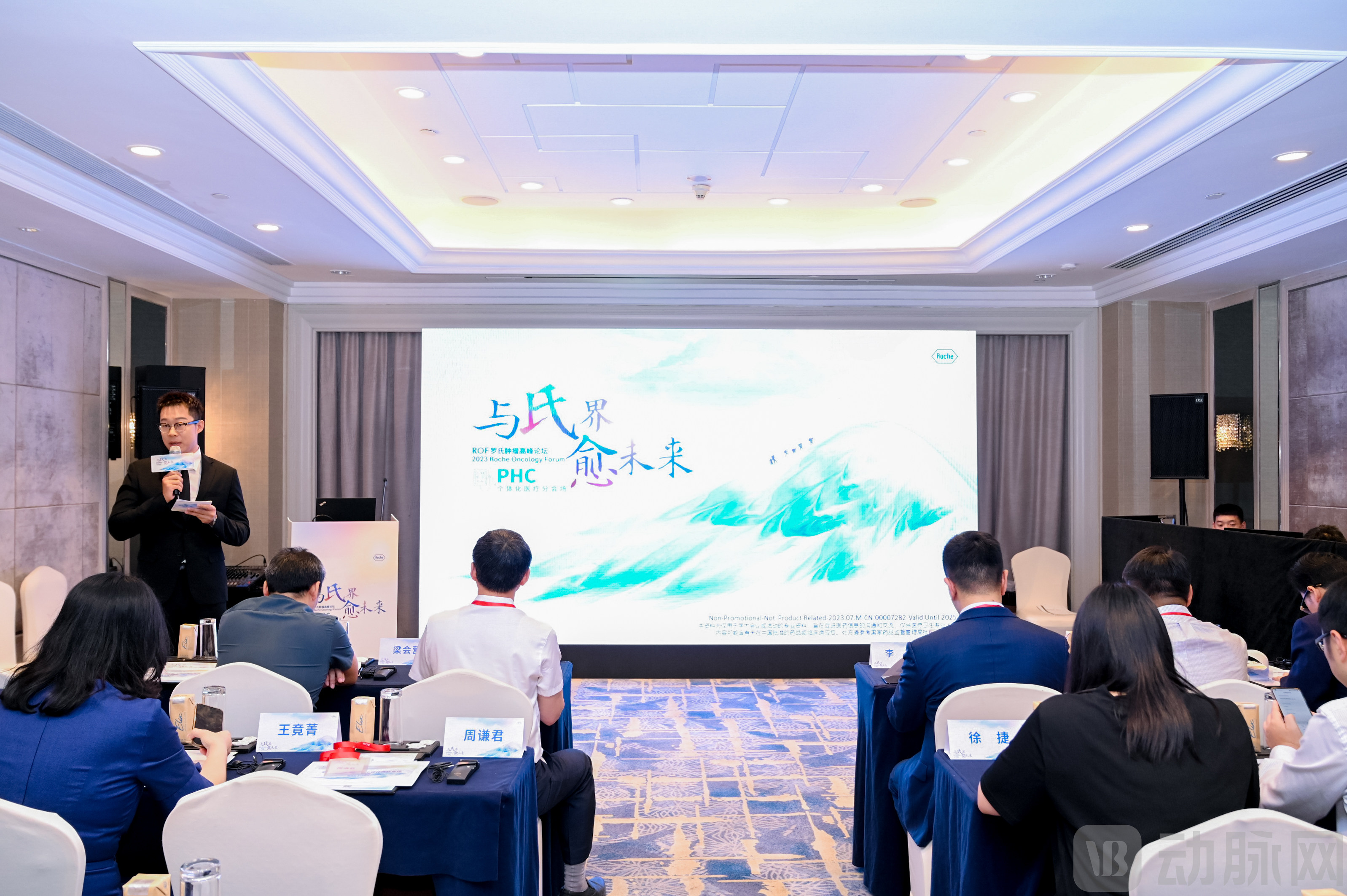
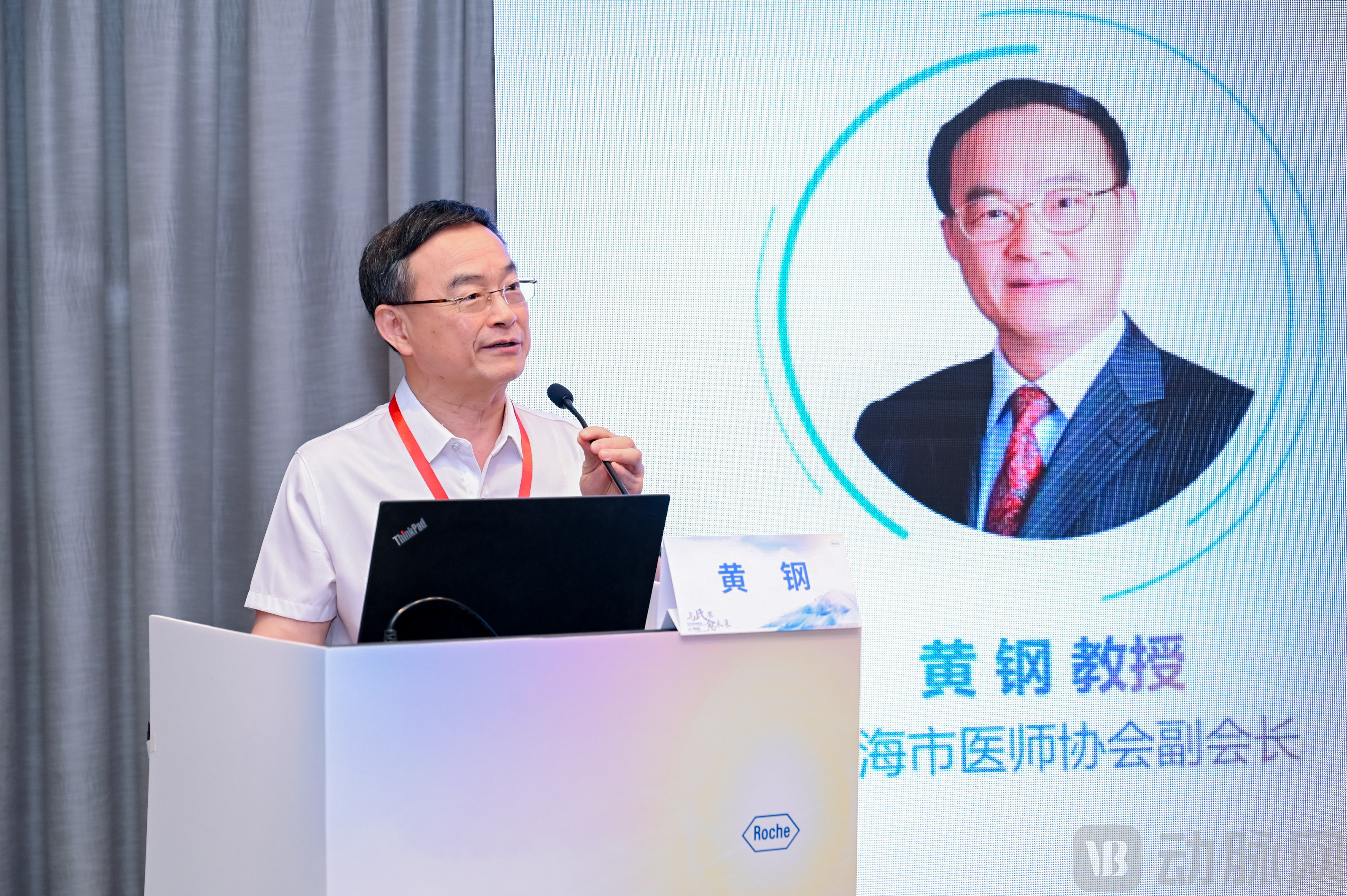
As a premier academic conference in the field of oncology, the Roche Oncology Summit has garnered significant attention. To jointly explore the opportunities and challenges in digital health and personalized medicine, this event has invited experts from various fields to attend in person. The Conference Chair is Professor Huang Gang, a Level-II Professor and Doctoral Supervisor at Shanghai Jiao Tong University School of Medicine, who also serves as President of the Asian and Oceanian Federation of Nuclear Medicine and Biology, Chairman of the 9th Committee of the Nuclear Medicine Branch of the Chinese Medical Association, Editor-in-Chief of the 9th Edition of the Chinese Journal of Nuclear Medicine and Molecular Imaging, and Vice President of the Shanghai Medical Doctor Association. Distinguished attendees include Milan Obradovic, Dr. rer. nat., Senior Global Director of the Medical Department at Roche Pharma; Mr. Si Xiangjun, Equity Partner at Zhong Lun Law Firm; Professor Chen Biao from Xuanwu Hospital of Capital Medical University and the National Clinical Research Center for Geriatric Diseases; and the Department of Liver Surgical Oncology at Zhongshan Hospital, Fudan University.Professor Sun Huichuan andDr. Xu Bin; Ms. Zhang Xinrui, Senior Director of Technology Transfer at the Tsinghua University Institute for Technology Transfer and the School of Medicine, Tsinghua University; Ms. Wang Jingjing, Executive Director of the Global Health Industry Innovation Center; Professor Zhou Qianjun, Chief Physician of the Department of Surgical Oncology at Shanghai Chest Hospital; and Ms. Lei Juan, Director of the Sichuan Western Medical Technology Transfer Center.
Meanwhile, the conference specially invited three guests to serve as moderators: Mr. Liang Huiying, Director of the Information Department at Guangdong Provincial People's Hospital; Mr. Zhang Fuqi, Executive Dean of the Shanghai Institute for Evaluation of Scientific and Technological Achievements; and Mr. Zhang Zhang, Secretary-General of the International Technology Transfer Collaboration Network (ITTN).
Conference ChairProfessor Huang Gang, Vice President of the Shanghai Medical Doctor AssociationIn his address, he noted: We live in an era of rapid development, where technological advancements are profoundly transforming every aspect of our lives. Digital health is a key direction and driving force behind this transformation. From the widespread adoption of electronic medical records to the mining and utilization of big data, and from telemedicine to real-time monitoring via wearable devices, we are witnessing the advent of a new, technology-driven healthcare era. Digital health provides us with unprecedented diagnostic and therapeutic methods and health management tools, even creating a fully fledged digital twin of the clinical care environment. It enhances the efficiency and quality of healthcare services, optimizes workflows, reduces errors, and improves patient safety, serving as a crucial means to achieve healthcare equity. Digital health is contributing to the reliability, fairness, and stability of global healthcare standards, bringing the benefits of better health to more patients.
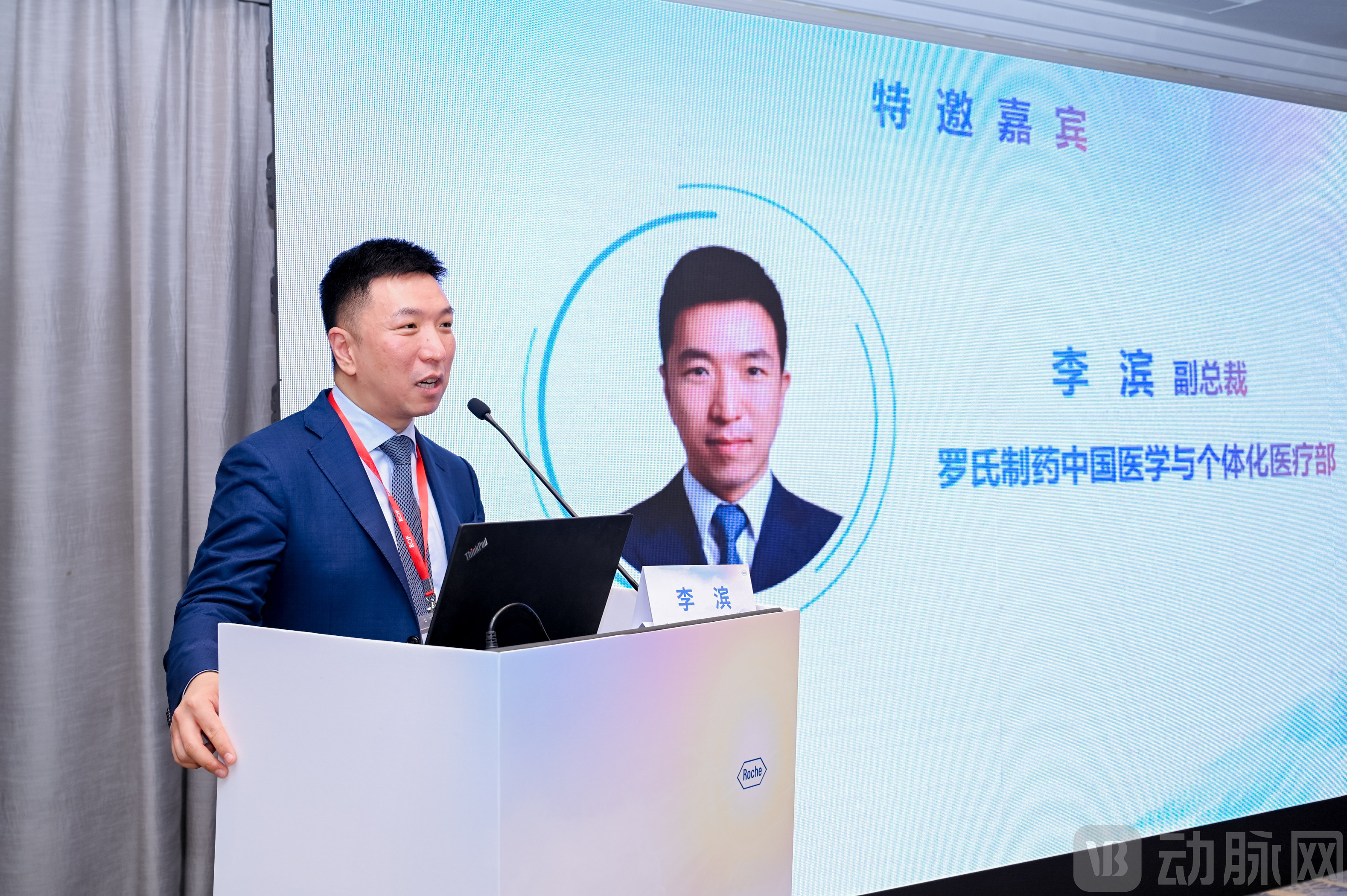
Mr. Li Bin, Vice President of the Medical and Personalized Healthcare Department at Roche Pharma ChinaDelivering the opening remarks for the conference, he pointed out that while oncology treatment has achieved significant breakthroughs over the past two decades, the reach of these innovative therapies remains considerably limited. Digital health and personalized medicine may offer new approaches to enhancing the accessibility of such innovations. It is now a consensus within the industry that relying solely on oncology pharmaceuticals cannot ensure optimal patient outcomes; instead, personalized medicine can leverage the iterative innovation of digital therapeutics to provide tailored, end-to-end care. Currently, digital health is flourishing globally, yet China remains the most dynamic region for technological innovation, AI applications, digital therapeutics, and industry research. As a company dedicated to technological innovation, Roche aims to further expand its external collaborations in China. By harnessing the strengths of Shanghai—an international metropolis at the forefront of economic, technological, educational, and medical development—Roche seeks to work closely with industry peers to co-create, build, and share a promising future for personalized and digital healthcare.
The first session of the conference was moderated by Director Liang Huiying, during which several industry experts shared their insights on “How to Address the Inevitable Challenges in the Era of AI-Driven Healthcare.”
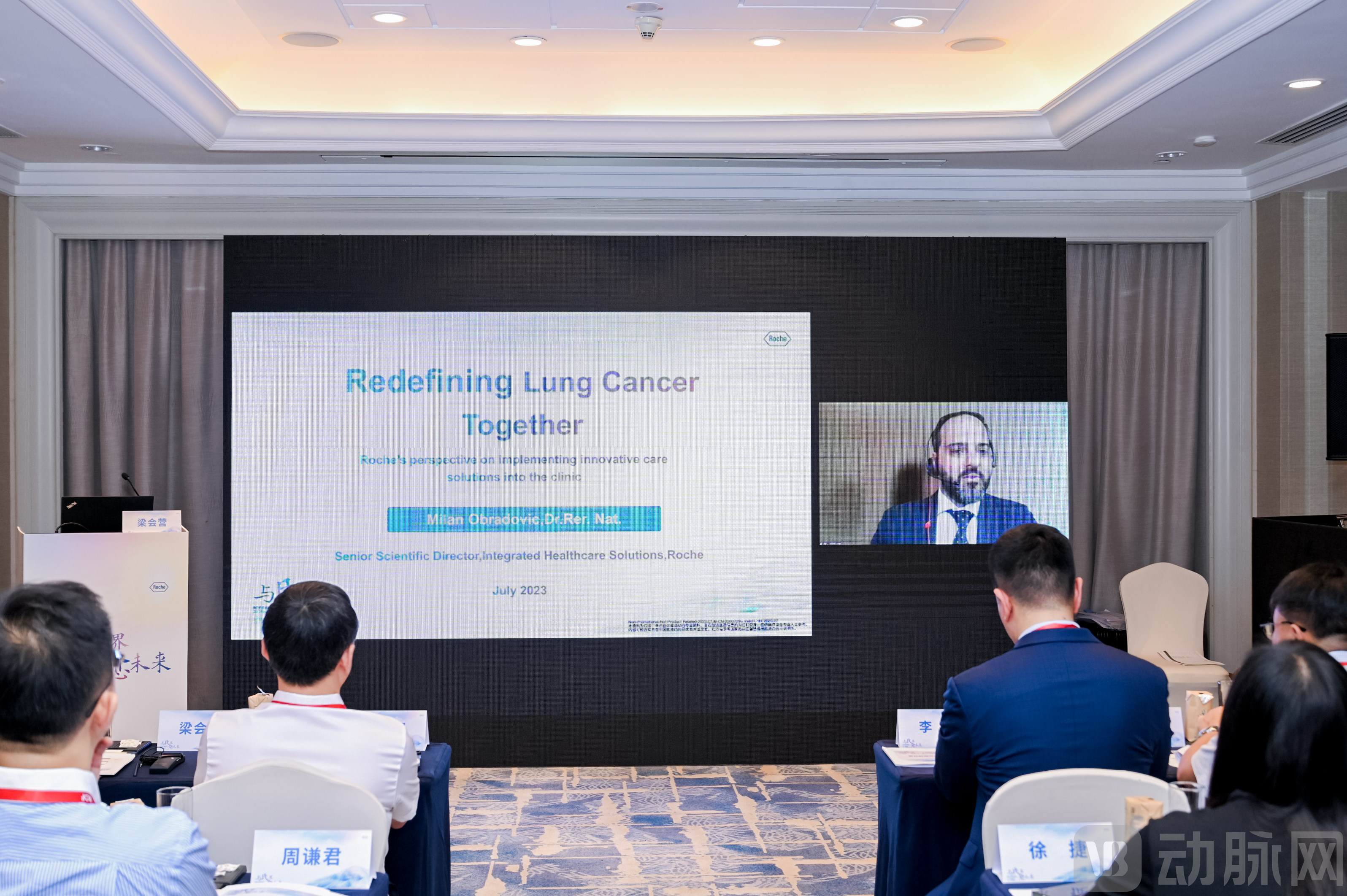
Milan Obradovic: Redefining Lung Cancer Together
Dr. Milan began by sharing a statistic: 75% of lung cancer patients in China are diagnosed at an advanced stage. This is primarily due to four factors: inadequate screening, bottlenecks in diagnosis, overloaded pathology departments, and limited accessibility to precise molecular diagnostics. Fortunately, we live in an era of rapid scientific and technological advancement, with emerging solutions abound. Research into artificial intelligence algorithms, telepathology, molecular sequencing, and genetic testing is being vigorously conducted worldwide. However, to truly achieve early intervention, rapid and precise diagnosis, optimal treatment plans, and more efficient patient monitoring, concerted efforts from all stakeholders—including biopharmaceutical companies, technology firms, policymakers, and payers—are essential.
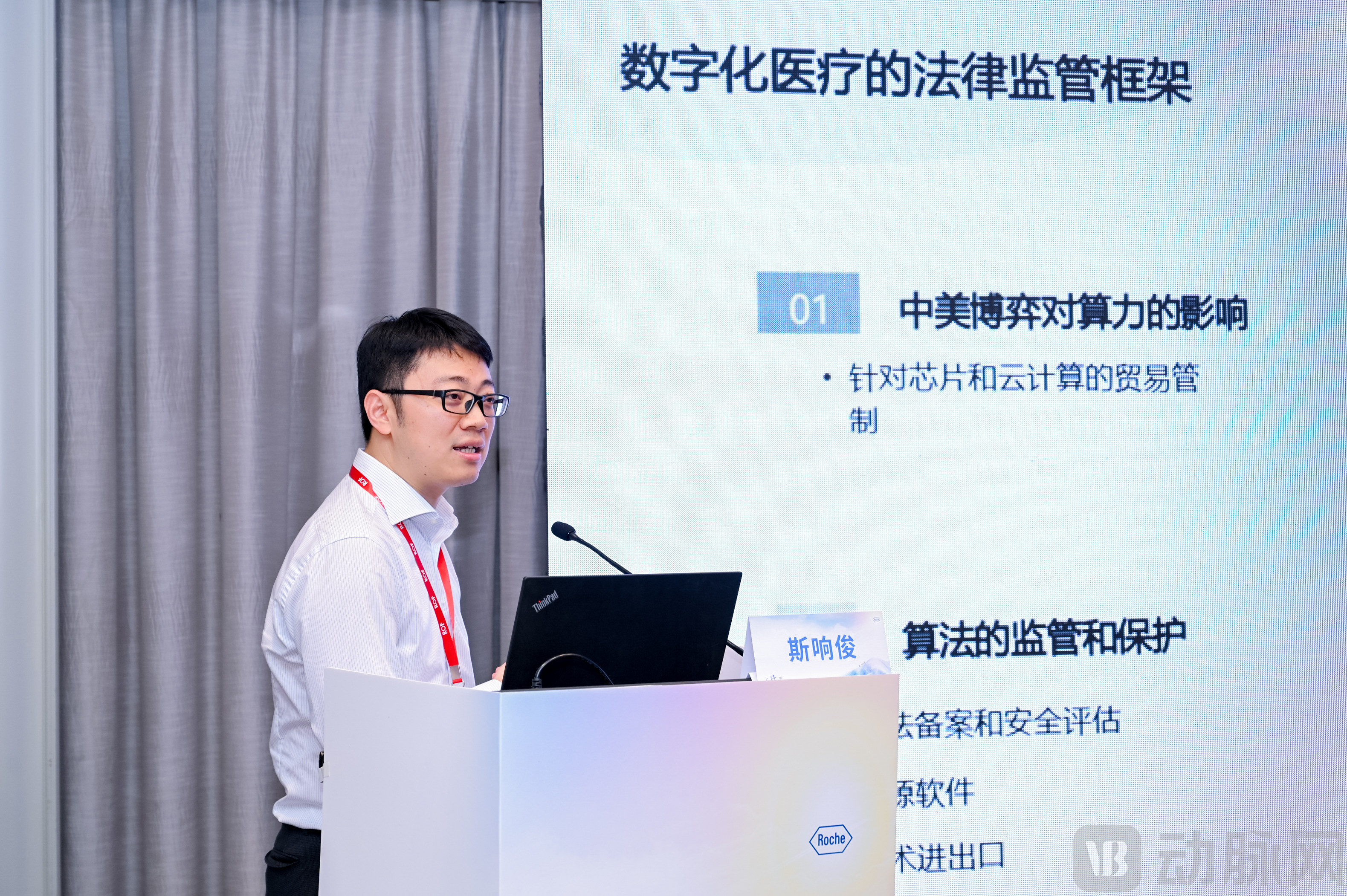
Si Xiangjun: Legal Challenges of Digital Healthcare
Mr. Si Xiangjun provided a comprehensive legal guide by analyzing four key dimensions—computing power, algorithms, data, and application layers. He addressed the challenges Chinese AI healthcare companies face in computing infrastructure, China’s clear regulatory framework for algorithm oversight and protection, the compliance regulations governing foundational medical data, and the specific regulatory requirements for digital health applications in China.
The second session of the conference was moderated by President Zhang Fuqi. Three clinical experts delivered keynote speeches, jointly exploring “the application of personalized medicine in clinical practice, how to translate and implement the concept of personalized medicine into digital tools, and intellectual property issues.”
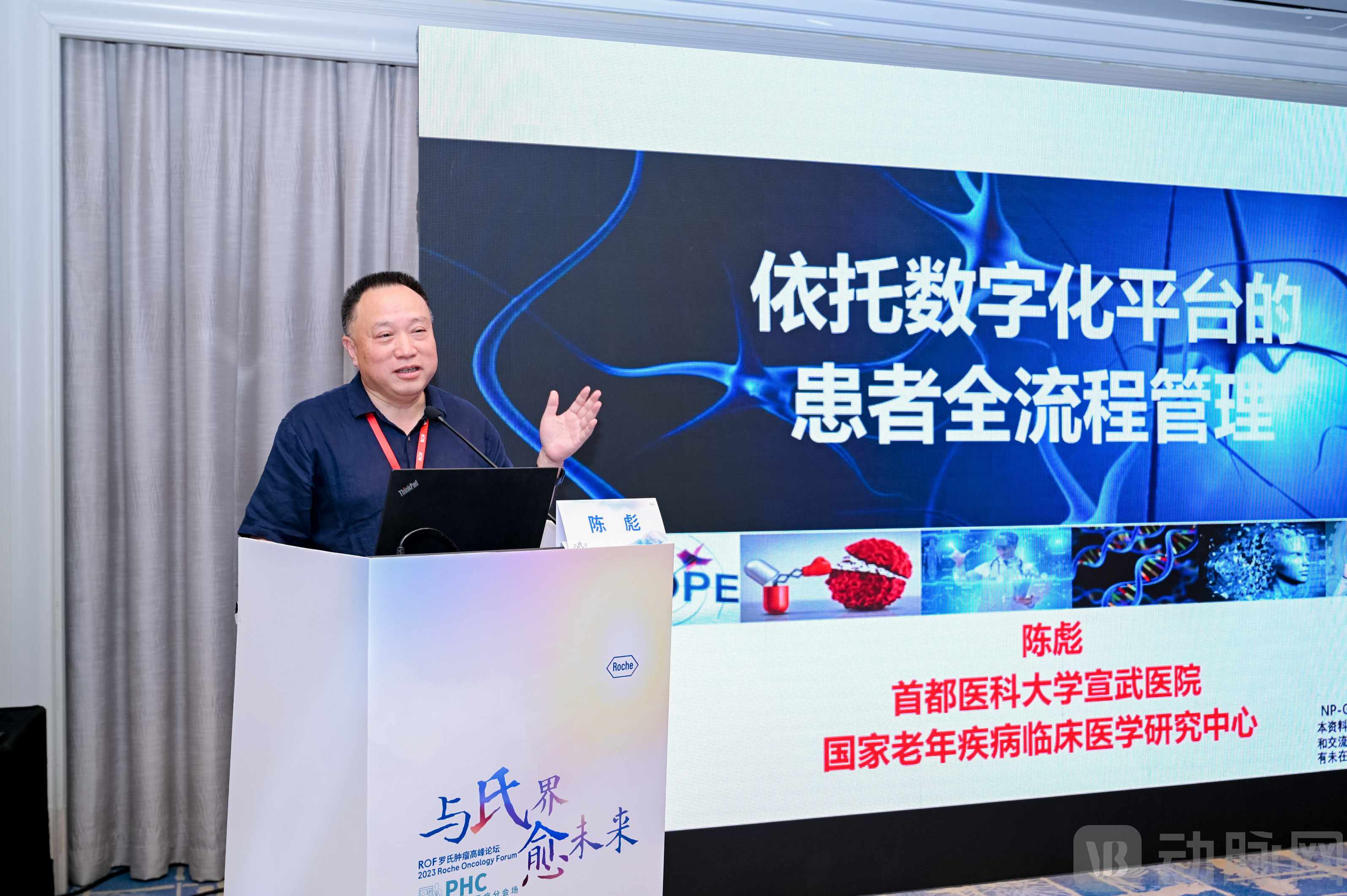
Chen Biao: Full-Cycle Patient Management Powered by Digital Platforms
Professor Chen Biao shared insights on the application philosophy of digital healthcare and specific cases of technology-enabled empowerment from the perspective of a clinician. Professor Chen pointed out that “healthy aging” is not purely an economic issue; it requires support from technology and science, while digital and personalized medicine will serve as comprehensive means integrating treatment, care, protection, and technology. Adhering to the shift from being “disease-centered” to “patient-centered,” digital healthcare is pioneering a new intervention and management model in the field of chronic diseases. Taking the whole-course management of Parkinson’s disease (PD) as an example, whether it is the monitoring of PD motor symptoms via Apple Watch, the integration of health records and clinical information, or the benefits brought to telemedicine by “smart shoes for freezing of gait intervention,” digital healthcare is leveraging three major technological systems—information systems, algorithmic model systems, and action or management systems—to build a new ecosystem for personalized and precise chronic disease management.
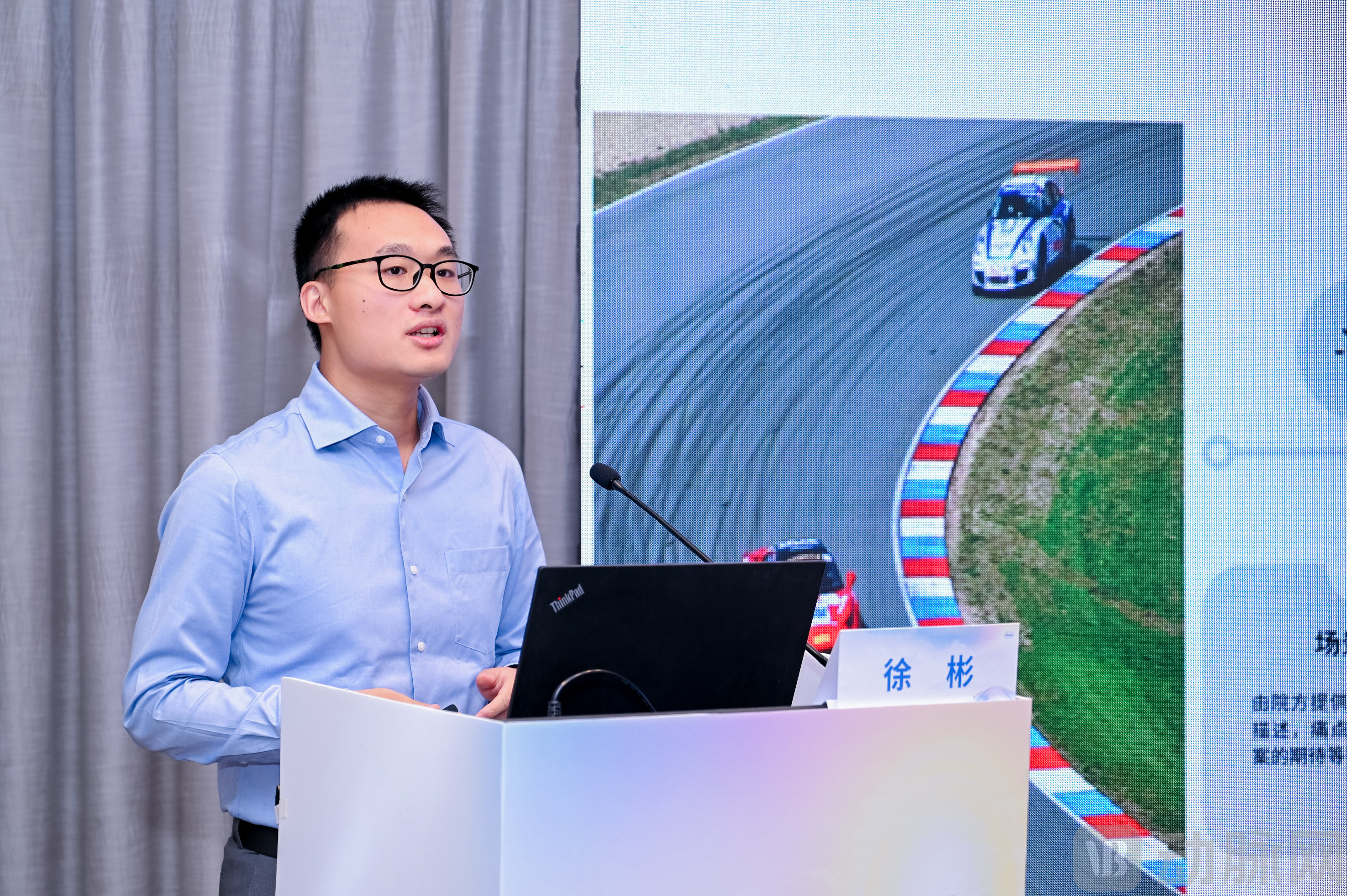
Sun Huichuan, Xu Bin: Flawless Algorithms, Sound Logic—Algorithm Acceleration Platform to Fast-Track the Implementation of Personalized Medicine Innovations
Dr. Xu Bin shared his insights and takeaways from the Roche Algorithm Acceleration Camp (AACAMP) from three perspectives: “design philosophy and operational mechanisms,” “project background and key technical bottlenecks,” and “algorithmic achievements.” He stated that this incubation project leveraged liver magnetic resonance imaging and machine learning techniques to build a model capable of predicting benefits for patients undergoing specific treatment regimens, demonstrating how cross-disciplinary collaboration among AI experts can achieve a synergistic effect greater than the sum of its parts (1+1>2). Professor Sun Huichan expressed hope that these algorithmic outcomes would effectively meet the clinical needs of a broader population of potential patients. Although there is still some way to go before formal implementation, with the support and guidance of the Roche Primary Health Care (PHC) team, the project is moving closer to clinical application, with the ultimate aim of providing an effective tool to help improve survival rates for patients with liver cancer.
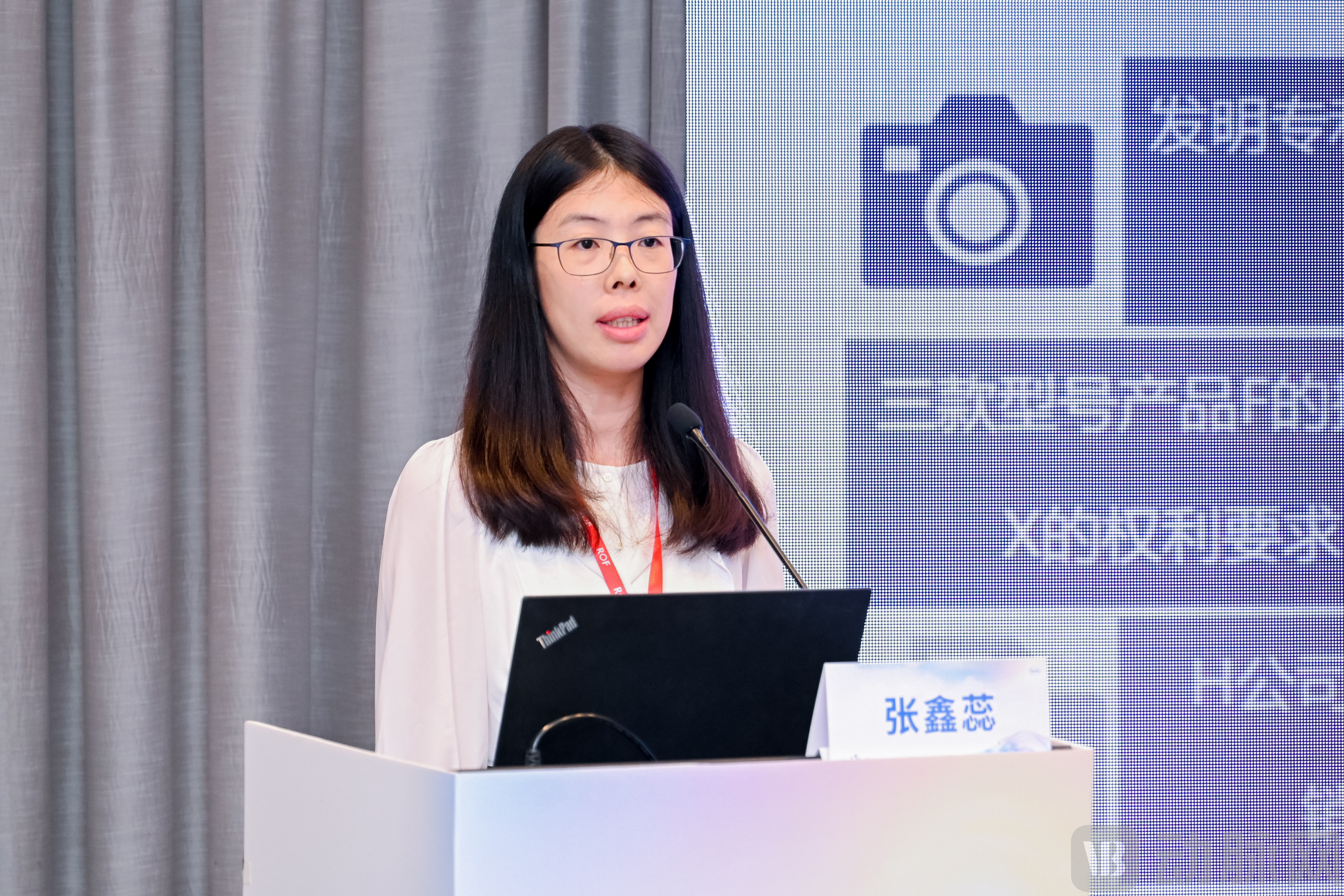
Zhang Xinrui: High-Value Patent Layout in the Healthcare Sector
Ms. Zhang Xinrui began her presentation by analyzing patent application data in the field of digital health, noting that patent filings with the China National Intellectual Property Administration (CNIPA) account for 50% of the total applications submitted to the world’s five major intellectual property offices—namely, the CNIPA, the European Patent Office (EPO), the Japan Patent Office (JPO), the Korean Intellectual Property Office (KIPO), and the United States Patent and Trademark Office (USPTO). This statistic underscores the rapid development of China’s digital health industry and signals that a significant growth opportunity has emerged. The integration of new technologies with industry consistently drives sectoral transformation, wherein patents play a dual offensive and defensive role, serving as a key driver for technological advancement and industrial commercialization. Building on an analysis of the current landscape of patent portfolios in the healthcare sector and the original intent behind relevant institutional frameworks, Ms. Zhang delineated the three core dimensions of high-value patents: technical value, market value, and legal value. She also shared insights into patent examination standards, expedited examination pathways, patent application procedures, and strategies for international patent deployment. Ms. Zhang emphasized that high-level inventions form the cornerstone of high-value patents, while validated market value serves as a critical benchmark for assessing patent quality. She expressed her hope that researchers and physician-scientists alike would leverage the patent system effectively to support the sustainable and steady development of innovative products.
In the third segment of the event, moderated by Mr. Zhang Zhang, five distinguished guests—President Zhang Fuqi, Professor Zhou Qianjun, Director Wang Jingjing, Director Liang Huiying, and Director Lei Juan—engaged in a lively discussion on the topic “Opportunities and Challenges in China’s Digital Healthcare.” They provided an in-depth analysis from the perspectives of policy dividends, industrial models, translation of research achievements, and technological approaches, offering new insights into the current state and future development of digital healthcare.
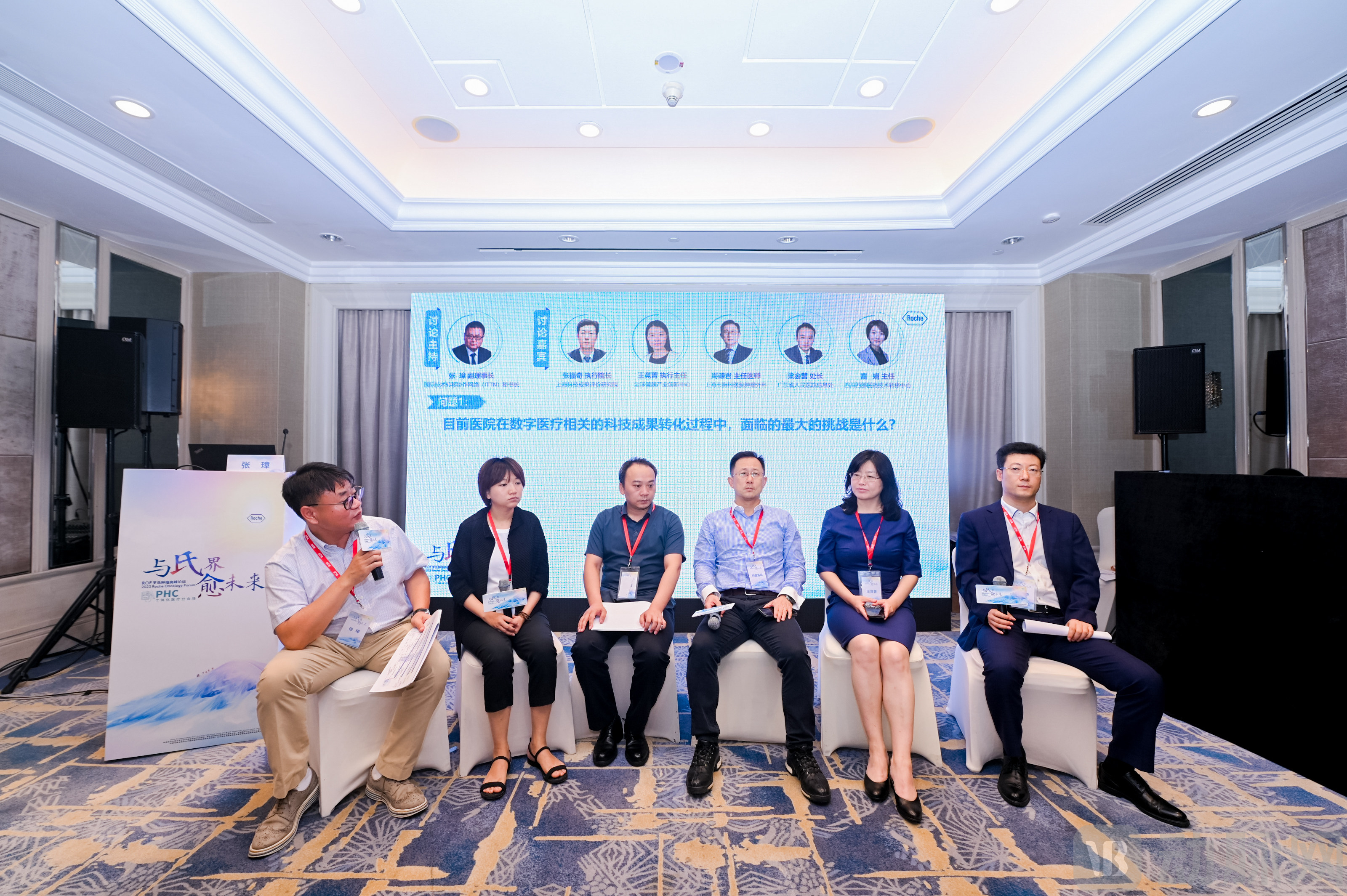
From left to right: Zhang Zhang, Lei Juan, Liang Huiying, Zhou Qianjun, Wang Jingjing, Zhang Fuqi
President Zhang FuqiIntroduction: The Shanghai Institute for Scientific and Technological Achievement Evaluation focuses on the integration of “industry, academia, research, application, evaluation, technology transfer, and investment.” In recent years, it has primarily engaged in work related to achievement evaluation and the promotion of technology transfer. In 2021, the 19th meeting of the Central Committee for Comprehensive Deepening Reforms approved the “Guiding Opinions of the General Office of the State Council on Improving the Mechanism for Scientific and Technological Achievement Evaluation,” under which the achievement evaluation mechanism of the Shanghai Institute for Scientific and Technological Achievement Evaluation was defined as a “baton” guiding direction. Moving forward, the institute will actively support the evaluation and translation of achievements in smart healthcare, making greater efforts to safeguard people’s lives and health.
Director Wang JingjingIntroduction: The Global Health Industry Innovation Center is currently engaged in two key areas of work. On one hand, it focuses on “optimizing existing assets and generating new growth” regarding scientific and technological achievements. This involves evaluating past accomplishments while identifying innovative talent, popularizing innovation methodologies, facilitating the creation of high-value outcomes, and incubating new projects. On the other hand, it aims to “accelerate translation,” namely by streamlining the industrial chain to support corporate innovation and development. She hopes that this platform will in the future integrate global industrial chains, foster the generation of high-value achievements, and support the growth and commercialization of innovative enterprises.
Professor Zhou QianjunIt has been proposed that clinical medical technical capabilities remain insufficient, and the translation of scientific and technological achievements can address clinical challenges. In recent years, digital tools have continuously empowered clinical practice. If clinical medicine actively interacts with various technological innovations to foster continuous output, patients will have the opportunity to receive better treatment while avoiding overmedicalization.
Director Liang HuiyingThis article explores the challenges and barriers to the clinical translation and application of digital health within hospitals from an informatics perspective. The most critical factor is whether innovative technologies align with clinical scenarios and deliver tangible value to patients. Secondly, while developing digital health products, it is essential to adhere to national information security policies regarding data usage; nevertheless, the overall outlook remains positive. With technological maturity, improvements in hospital governance, and support from third-party funds and other platforms, the product translation process can proceed smoothly.
Director Lei JuanBuilding on Director Liang Huiying’s remarks regarding the commercialization of organizational achievements, it is further proposed that driving this process requires support from various specialized services, with the most critical element being a professional service team. Currently, digital healthcare faces two major challenges: first, issues related to data and underlying infrastructure development within hospital informatization; and second, challenges in industry-academia-research collaboration. It is believed that through the exchange of experience and mutual learning in the field of technology transfer, the future of technological achievement commercialization looks promising.
At the conclusion of the event, Mr. Zhang Zhang delivered the closing remarks for the conference. He stated that although the path ahead for digital health is akin to swimming against the current—arduous and long—the promise it holds is within reach. Digital health will undoubtedly provide more efficient impetus to the translation of scientific and technological achievements in medical institutions, accelerating their development.
In 2002, the inaugural Roche Oncology Summit was held in China. In 2006, personalized healthcare became Roche’s global core strategy. Leveraging its extensive expertise in both pharmaceuticals and diagnostics, Roche emerged as a global leader in personalized healthcare, ushering in a new chapter for the global biopharmaceutical industry. The Roche Oncology Summit on personalized healthcare not only provides a platform for learning and exchange among numerous stakeholders in the field but also introduces Roche’s innovative digital experience to China. It is believed that, empowered by digitalization and personalized healthcare, more industry participants will be able to deliver more precise treatment solutions to patients, enabling everyone to live better and age healthily.
Ms. Wang Jingjing is the Executive Director of the Global Health Industry Innovation Center (GHIC) at Tsinghua Industrial R&D Institute.When asked about the commercialization of research findings, she shared the GHIC model with the audience.
GHIC’s mission is to facilitate the commercialization of scientific and technological achievements. This includes generating new incremental innovations, followed by screening and promoting their further translation to support the development of the healthcare industry. The process of translating scientific and technological achievements into practical applications is highly complex, often involving challenges such as selecting appropriate commercialization pathways, defining products, and securing investment. In this context, GHIC focuses on evaluating projects, screening promising candidates, and integrating resources to accelerate project development. For mature projects, GHIC provides investment tailored to specific needs and assists with registration and regulatory approval. For projects that are not yet fully developed but feature innovative concepts, GHIC places them in its Concept Center for further R&D and validation. Furthermore, if a project is immature but the team demonstrates a willingness to innovate, they can join GHIC’s ecosystem to learn innovation methodologies, continuously refine their work, and generate viable ideas and projects ready for commercialization.
When discussing her expectations for digital health and the translation of scientific and technological achievements, she noted that digital health is inherently a sunrise industry with a very bright future. Current innovative technologies are becoming increasingly aligned with practical applications in the field of digital health; what we need now is to identify more breakthroughs to facilitate their implementation. Although the path may not be entirely smooth, through our collective efforts, the future holds great promise.