

Luye Diagnostics Launches China's First Non-Invasive Helicobacter pylori and Precision Drug Resistance Testing Products
On July 28, 2023, Luye Diagnostics held a grand launch ceremony for its new products and a symposium on the diagnosis of gastrointestinal diseases, themed “Guarding Your Stomach Health, Precisely Addressing H. pylori,” at the Shanghai International Convention Center. The company unveiled its independently developed non-invasive diagnostic products for Helicobacter pylori infection and precision medication guidance, including the H. pylori 23S rRNA Gene Mutation Detection Kit (PCR-Fluorescent Probe Method)—the first domestically developed non-invasive test for H. pylori drug resistance using stool samples—and the H. pylori Detection Kit (PCR-Fluorescent Probe Method).
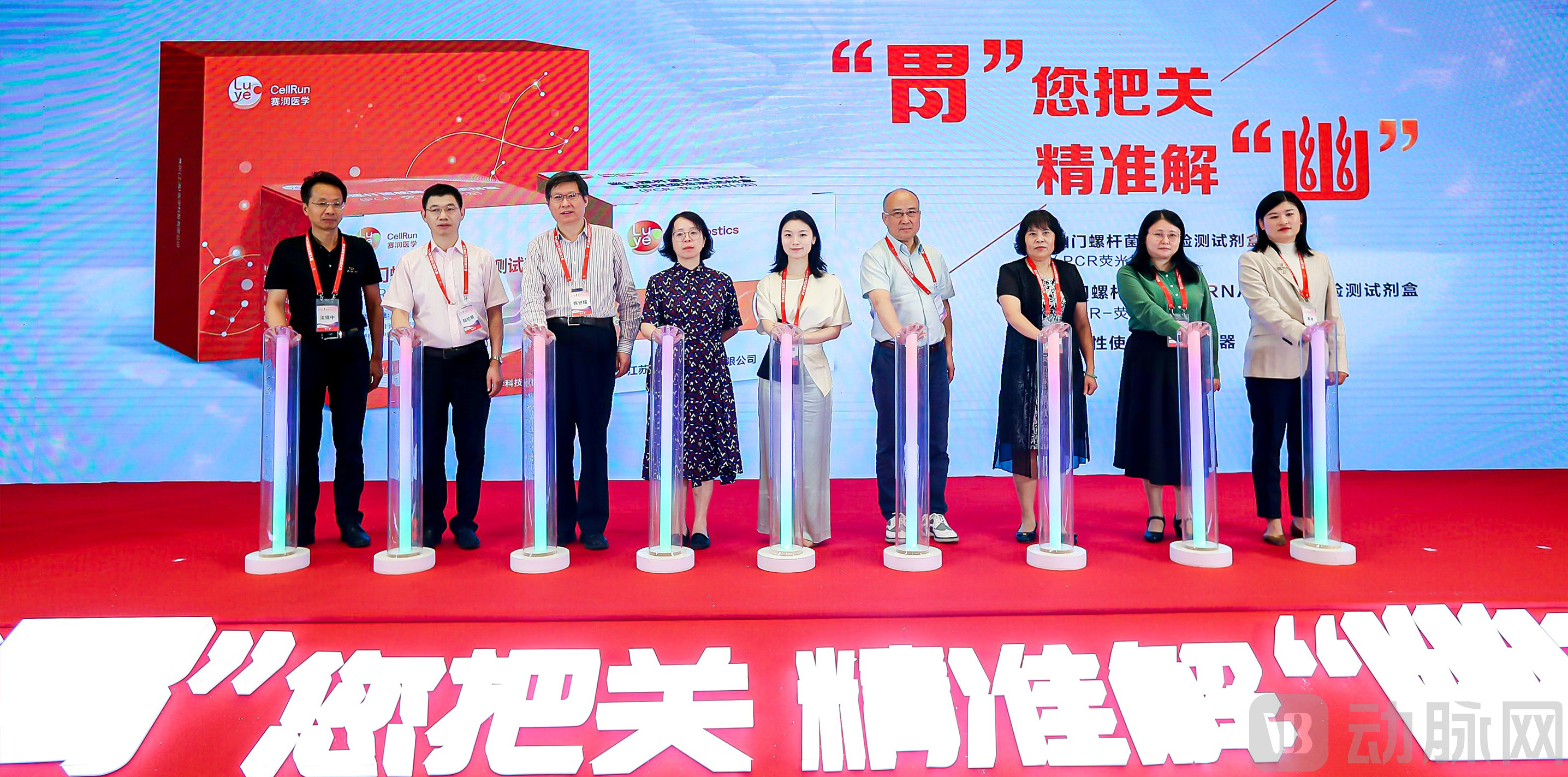
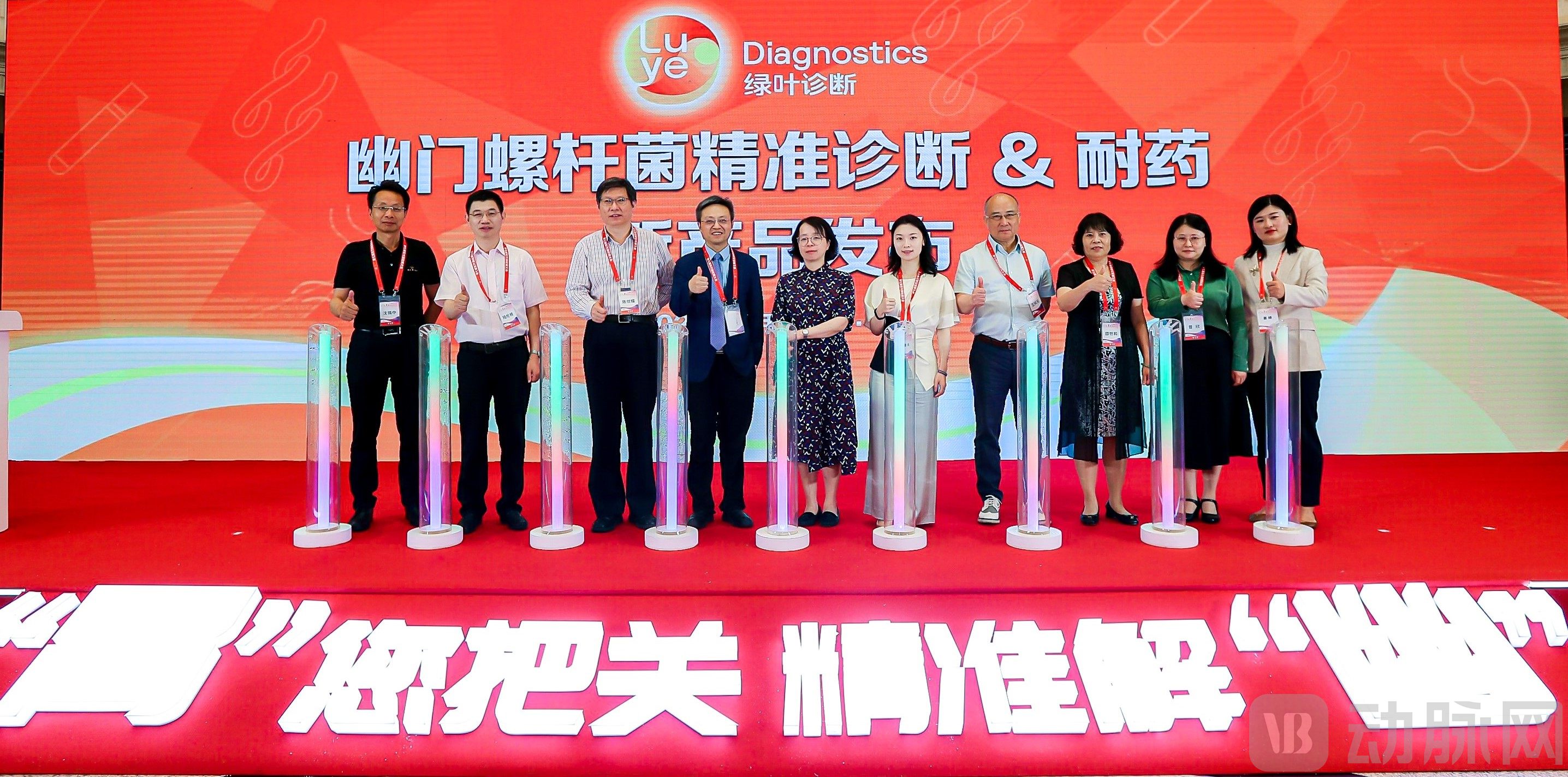
New Product Launch Ceremony (Swipe left or right to view)
Non-Invasive Eradication of H. pylori: A First in China
Gastrointestinal diseases are common “invisible health killers.” According to data from the World Health Organization, approximately 700 million people in China are infected with Helicobacter pylori (Hp), a Group I carcinogen. Furthermore, gastric cancer cases in China exhibit trends such as a high incidence rate (accounting for 44.1% of new global cases), a low early diagnosis rate (less than 20%), a low survival rate (a five-year survival rate of 35.1%), and a trend toward younger patients (the number of patients aged 19 to 35 has doubled compared to 30 years ago).
Regular Helicobacter pylori (Hp) testing helps prevent early-stage gastric cancer and significantly reduces the incidence and mortality of related gastric diseases. However, clinical data also show that the Hp eradication rate in China is below 60%. Resistance to antibiotics such as clarithromycin and levofloxacin is currently the primary cause of treatment failure in Hp eradication therapy, often leading to prolonged hospital stays, increased medical costs, and higher mortality rates.
In May 2015, the World Health Organization emphasized that addressing antibiotic resistance should be a high priority and that the global health community needs to utilize safe and effective medications to prevent and control infectious diseases. On June 3, 2023, China’s first guideline for the diagnosis, treatment, and prevention and control of Helicobacter pylori (Hp) infection, featuring Chinese characteristics, was officially released, recommending the gradual inclusion of drug resistance testing for H. pylori strains in routine health examinations.

Product Image of Helicobacter pylori 23S rRNA Gene Mutation Detection Kit (PCR-Fluorescent Probe Method)
Greenleaf Diagnostics has launched its Helicobacter pylori 23S rRNA gene mutation detection kit (PCR-fluorescent probe method), the first non-invasive drug resistance test for H. pylori using stool samples in China, directly addressing the pain points of H. pylori drug resistance testing. H. pylori-positive patients or suspected cases can collect stool samples at home and mail them back for testing. Compared with traditional H. pylori culture and drug susceptibility tests, which take 7 to 10 days, this product can complete testing within 90 minutes. It offers advantages such as ease of operation, short testing time, and high sensitivity. It can be used for initial clinical drug resistance screening, guiding targeted clinical medication based on the drug resistance test results, thereby improving the success rate of H. pylori eradication.

Helicobacter pylori Detection Kit (PCR-Fluorescent Probe Method) Product Image
Helicobacter pylori Detection Kit (PCR-Fluorescent Probe Method) is a rapid, non-invasive Hp detection reagent more suitable for home use and general screening. It is used to detect Helicobacter pylori infection in stool samples, enabling self-sampling at home. This non-invasive test carries minimal risk, is easy to operate, and is applicable to various patient groups, including individuals preparing for pregnancy, pregnant women, and children.
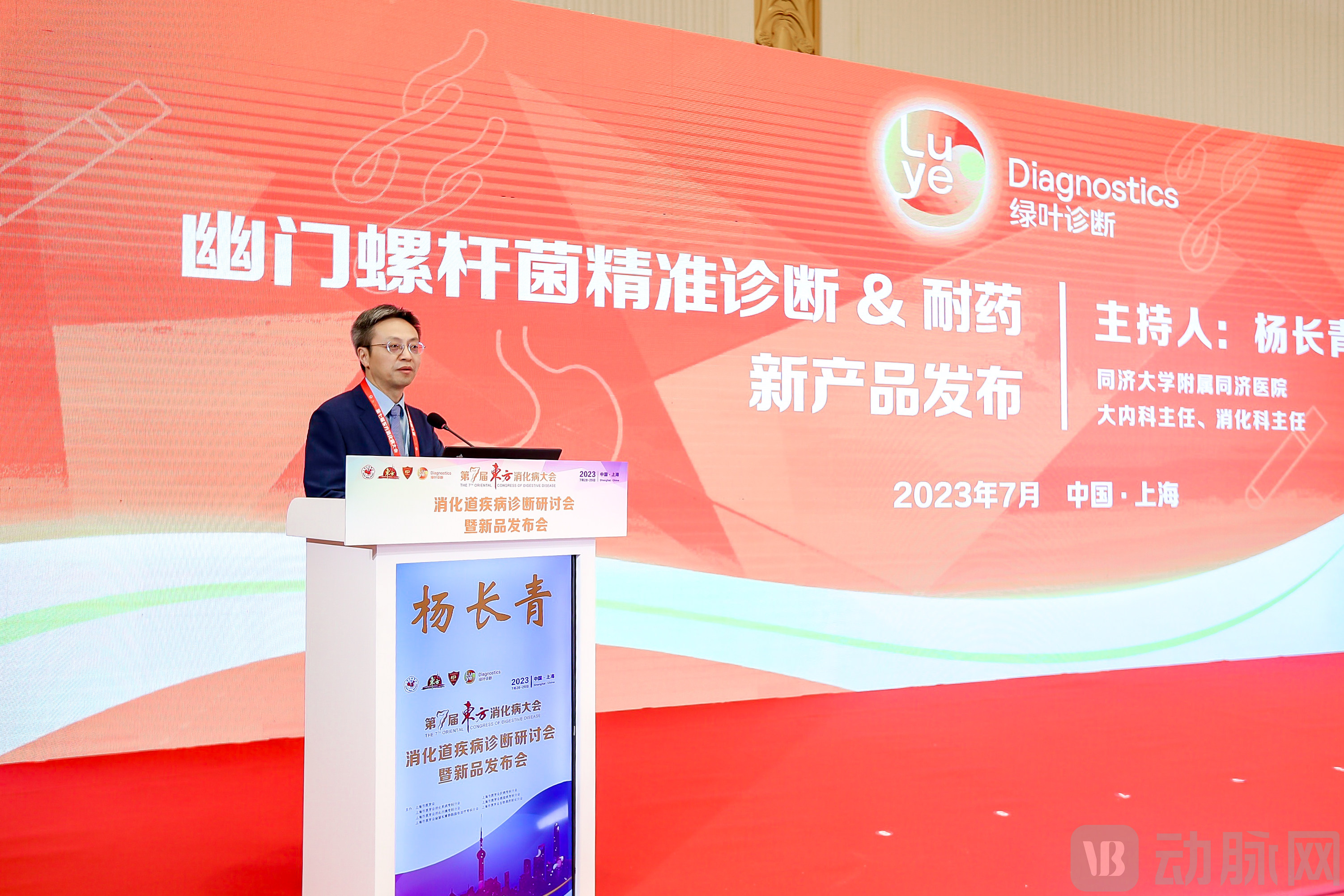 Professor Yang Changqing of Tongji Hospital, Affiliated to Tongji University, Presided Over the Press Conference
Jiang Ting, CEO of Luye Diagnostics GroupStatement: Cancer prevention and control is a strategic priority of the "Healthy China 2030" initiative. Experts in early gastric cancer screening unanimously recommend listing Helicobacter pylori (Hp) as a relevant biomarker for early gastric cancer screening. Helicobacter pylori infection is not something to fear; what matters is early diagnosis, early treatment, and appropriate medication. The newly launched product features bothNon-invasive SamplingandPrecision MedicationTwo Major Advantages: Reducing Patient Discomfort During Testing and Enabling Physicians to Tailor Treatments Based on Drug Resistance, Thereby Achieving “Guarding Your Stomach” and Precisely Eradicating H. pylori. This rapid, non-invasive H. pylori testing kit is suitable for home use and general screening, helping to prevent household transmission and avoid the scenario of “one infected individual leading to family-wide infection.” Its clinical value and significance for public welfare are profound. We hope this product will benefit a broad population of patients with gastrointestinal diseases, contributing to reduced gastric cancer incidence in China and alleviating the disease burden of gastric cancer.
Expert Symposium: Advancing Precision Diagnosis and Treatment
At the subsequent symposium on the diagnosis of gastrointestinal diseases, experts in the diagnosis and treatment of gastrointestinal disorders from institutions including Zhongshan Hospital Affiliated to Fudan University, Renji Hospital Affiliated to Shanghai Jiao Tong University, Tongji Hospital Affiliated to Tongji University, and the National Cancer Center/Cancer Hospital of the Chinese Academy of Medical Sciences convened to discuss advances in the precision diagnosis and treatment of various gastrointestinal diseases.
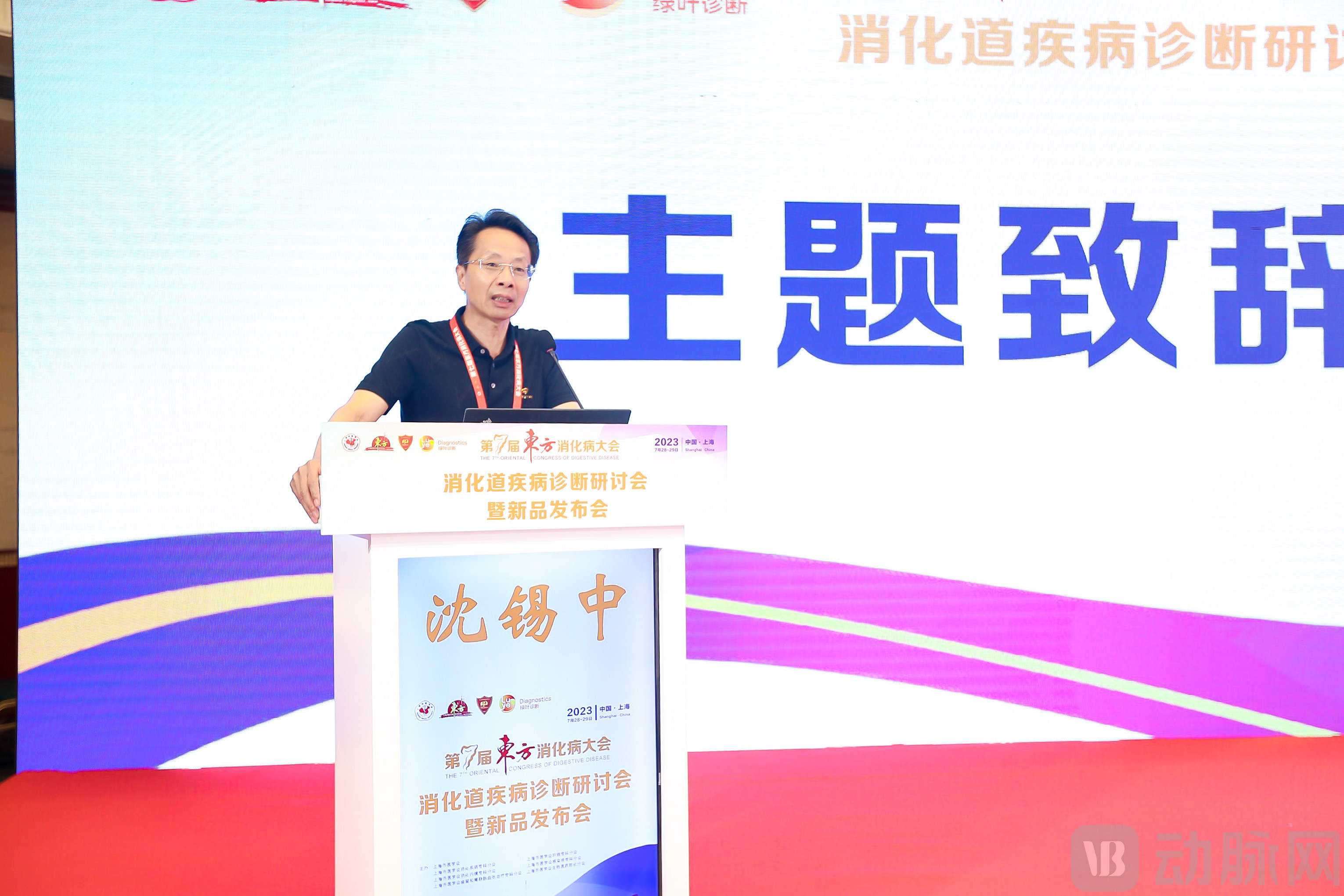
Professor Shen Xizhong from Zhongshan Hospital, Fudan University, delivered the keynote address and concluding remarks.
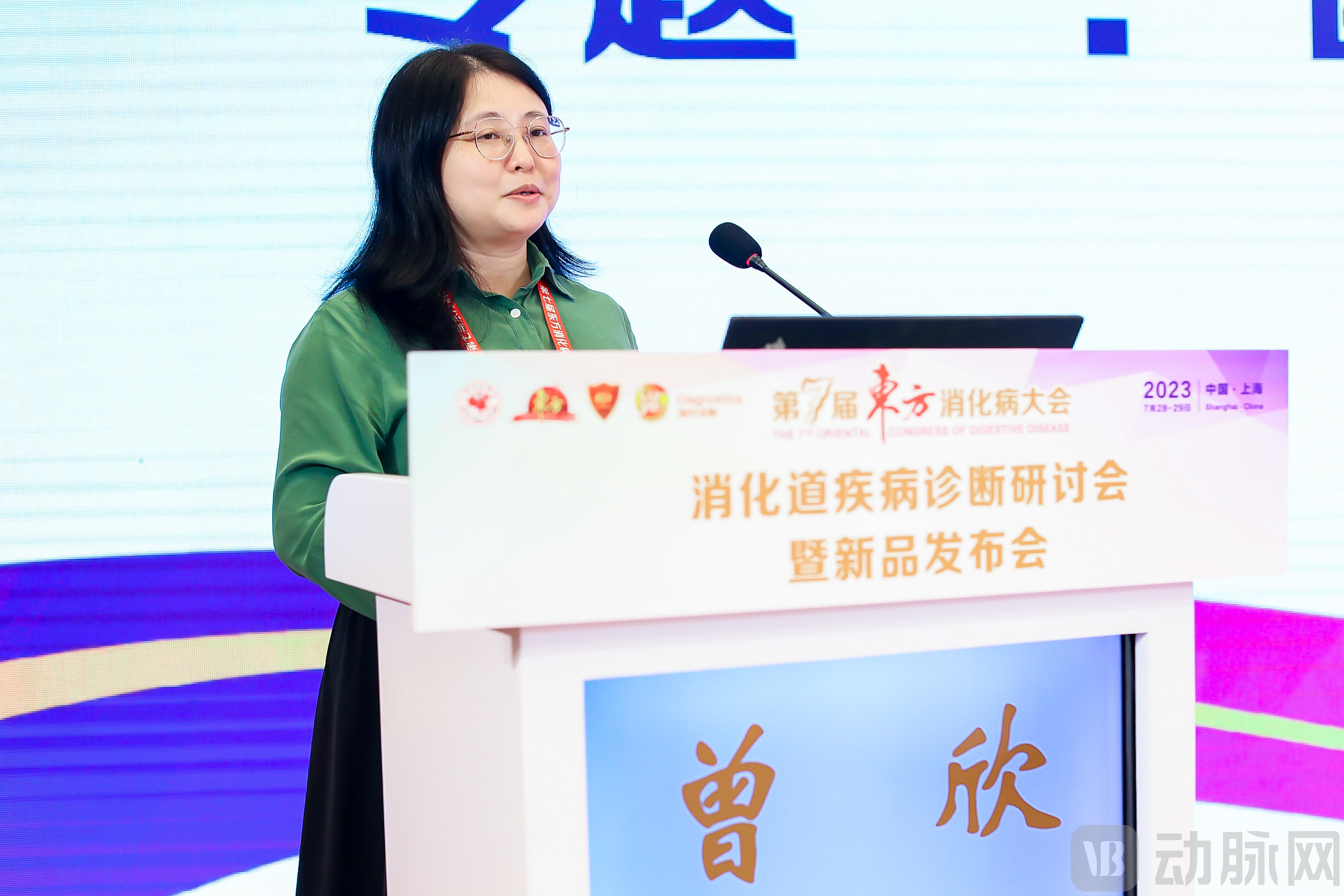
Professor Zeng Xin of Shanghai East Hospital, Tongji University School of Medicine, Presided Over the Seminar
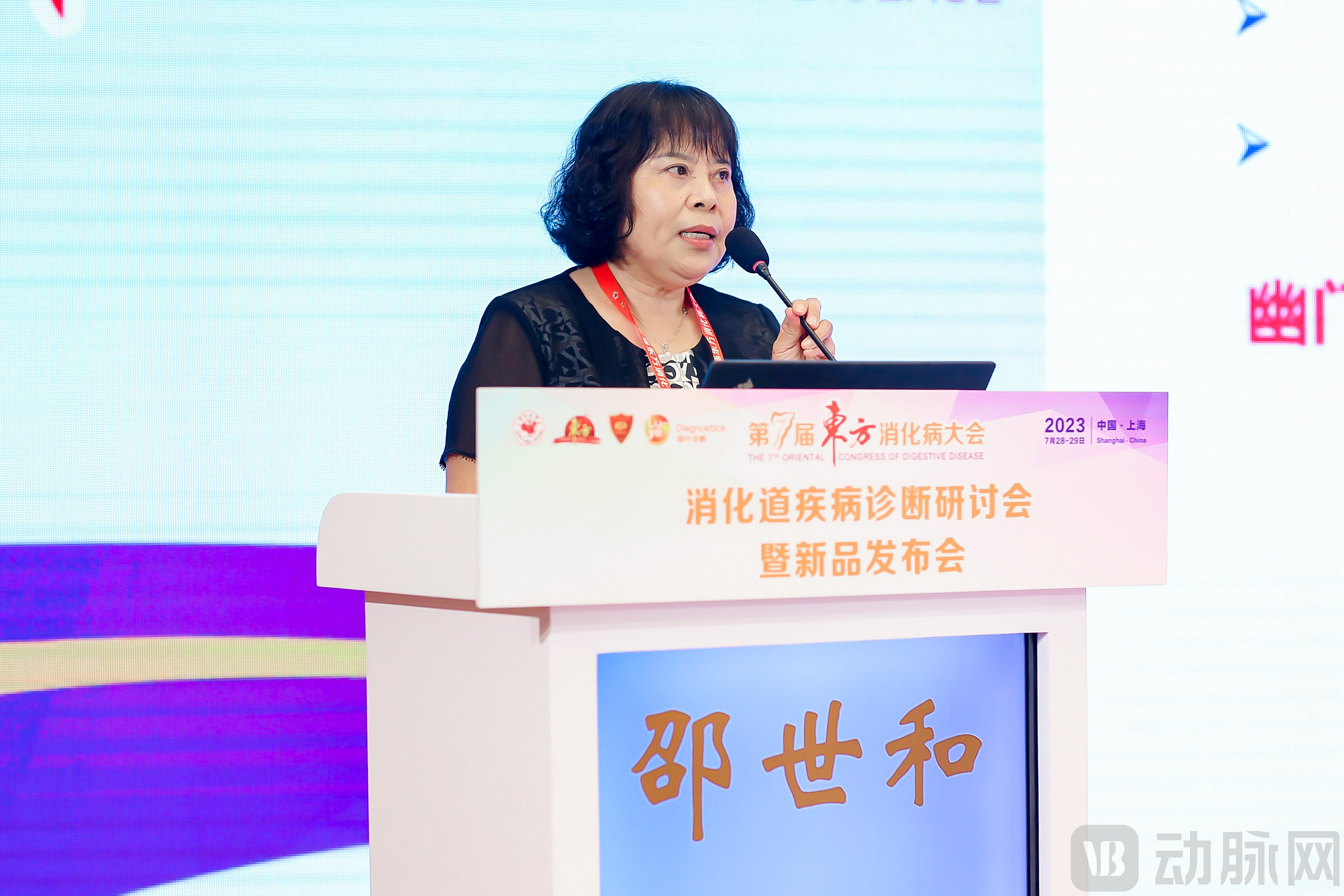
Professor Shao Shihe, School of Medicine, Jiangsu University: Eliminating “H. pylori” and Resolving Difficulties—Research on the Molecular Mechanisms of Helicobacter pylori Drug Resistance
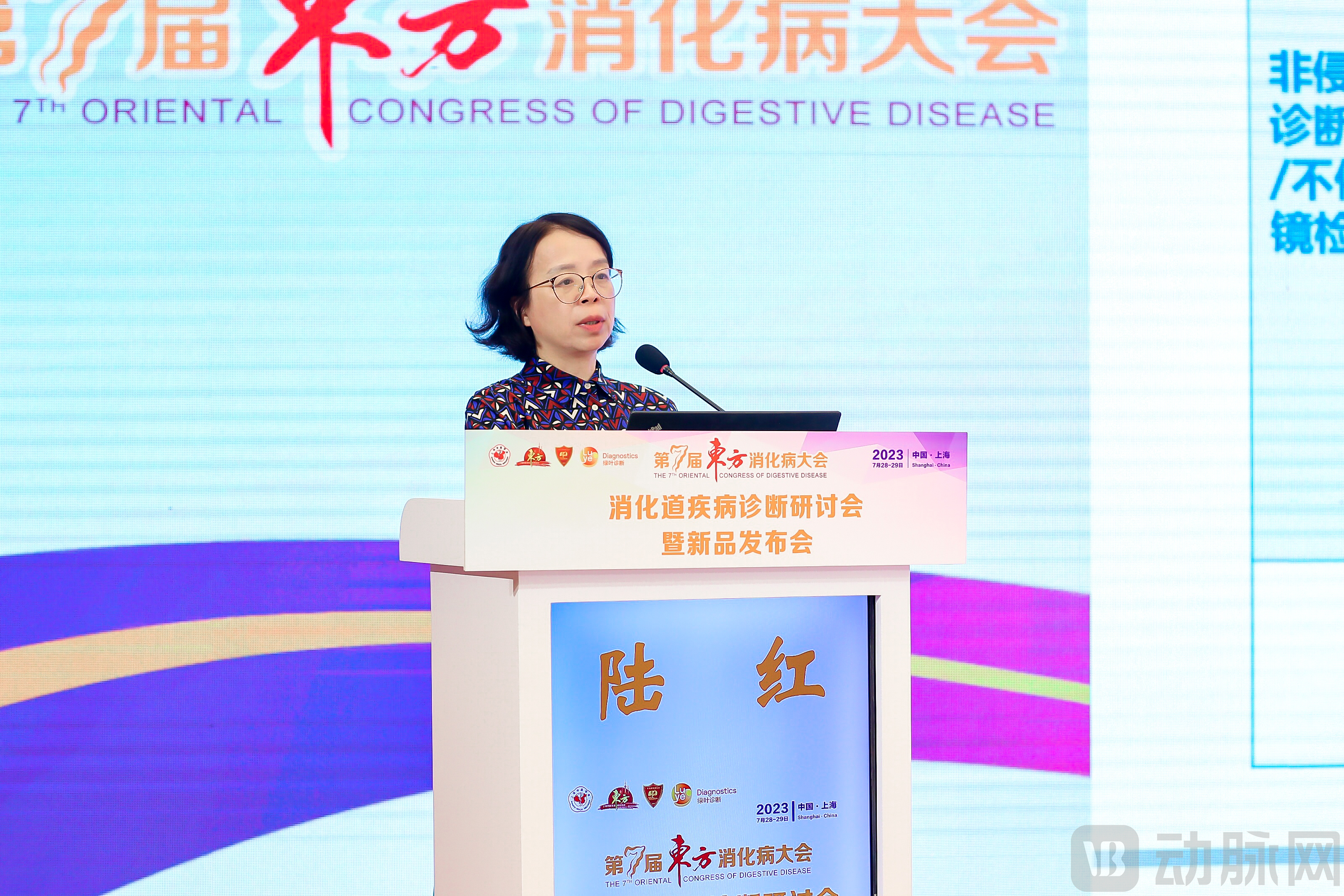
Professor Lu Hong from Renji Hospital Affiliated to Shanghai Jiao Tong University School of Medicine: Health Without "Helicobacter" – Explanation of the White Paper on Helicobacter pylori

Professor Chen Shiyao, Zhongshan Hospital Affiliated to Fudan University: Prevention Before It’s Too Late—Research on Early Screening and Diagnosis of Gastric Cancer
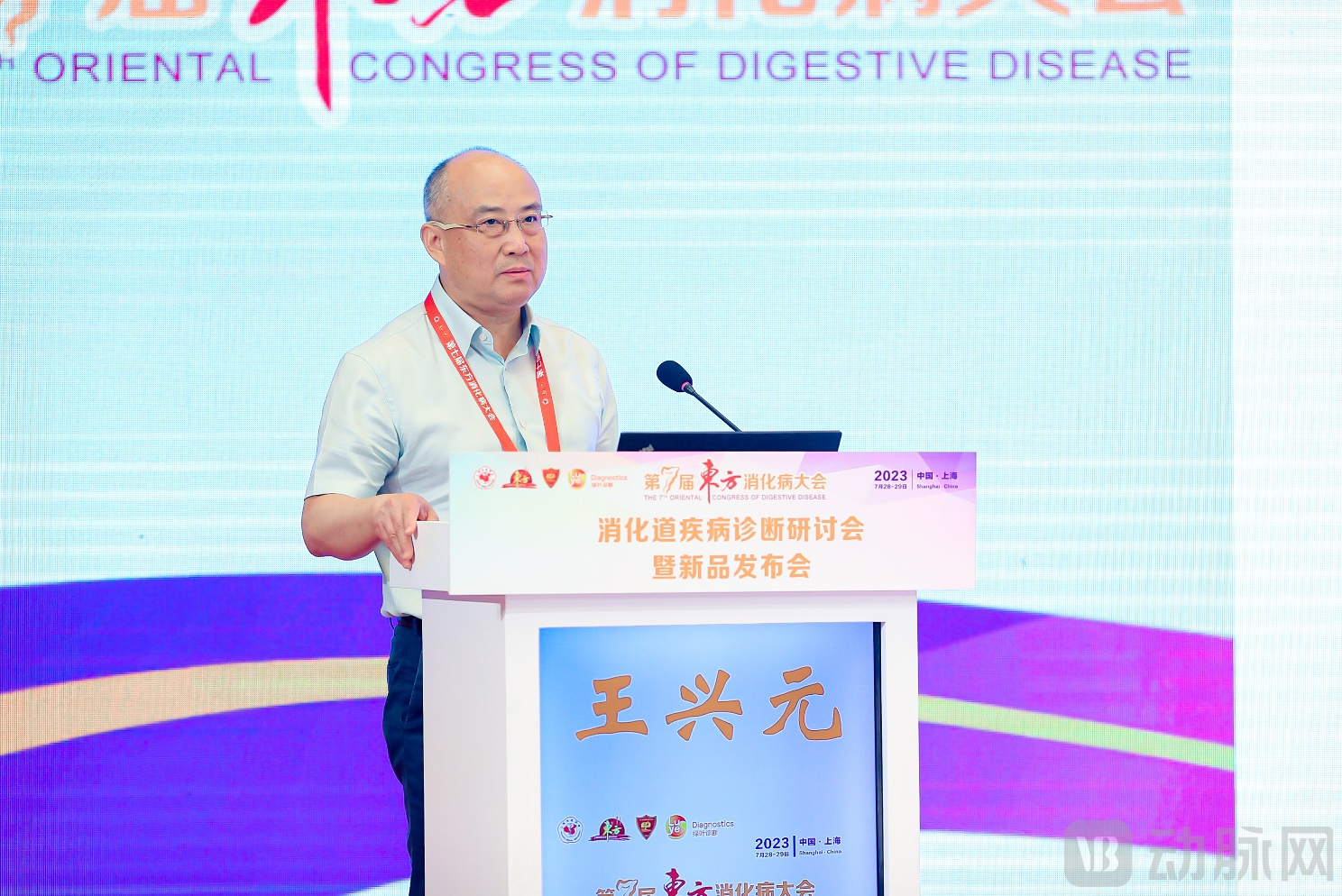
Professor Wang Xingyuan, Cancer Hospital of the Chinese Academy of Medical Sciences: “Food” Is the People’s Paramount Need—Companion Diagnostics and Treatment for Esophageal Cancer
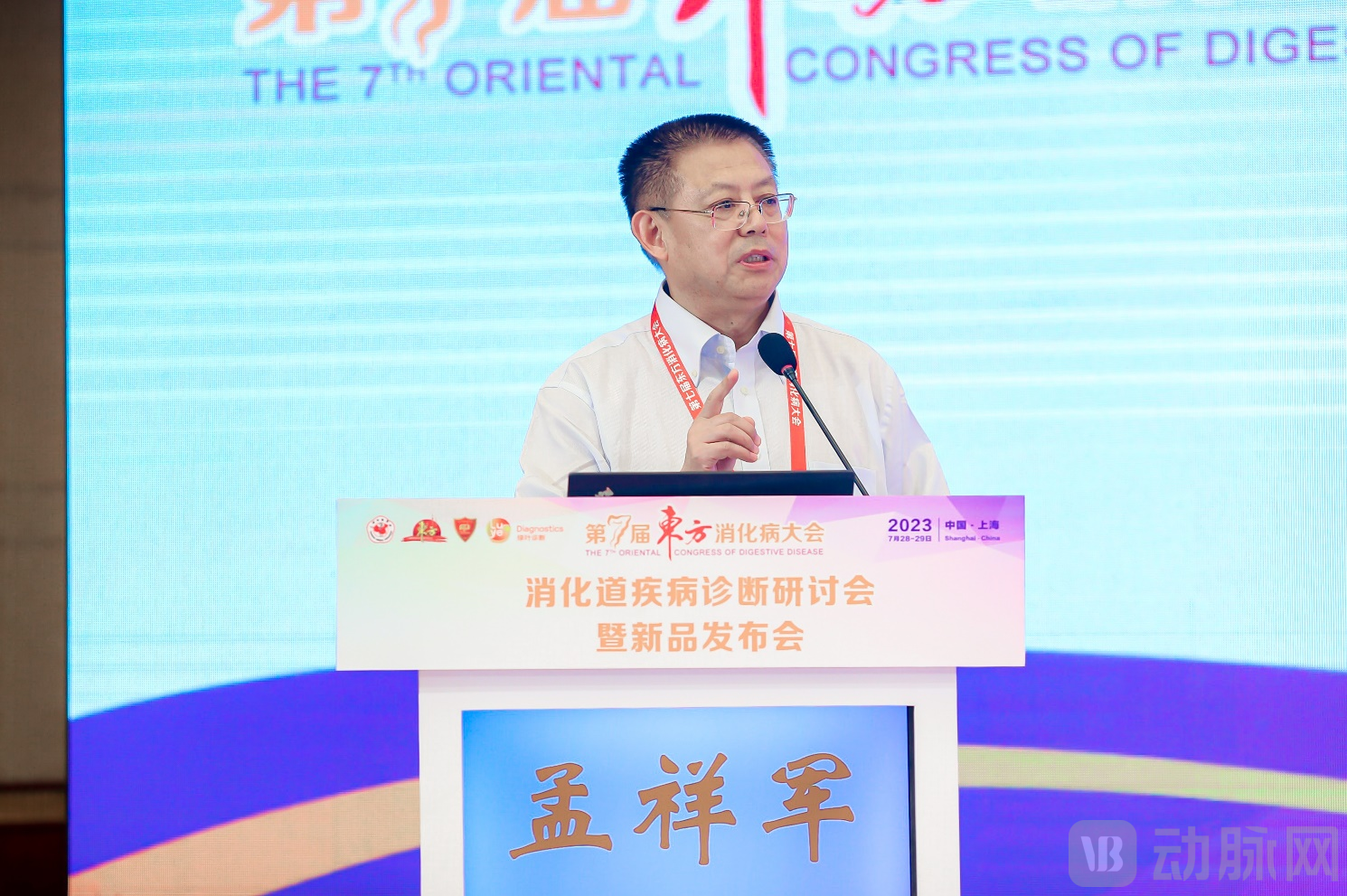
Professor Meng Xiangjun, Shanghai Ninth People’s Hospital, Shanghai Jiao Tong University School of Medicine: Safe “Gut” Companion—The Relationship Between Colorectal Cancer and Gut Bacteria
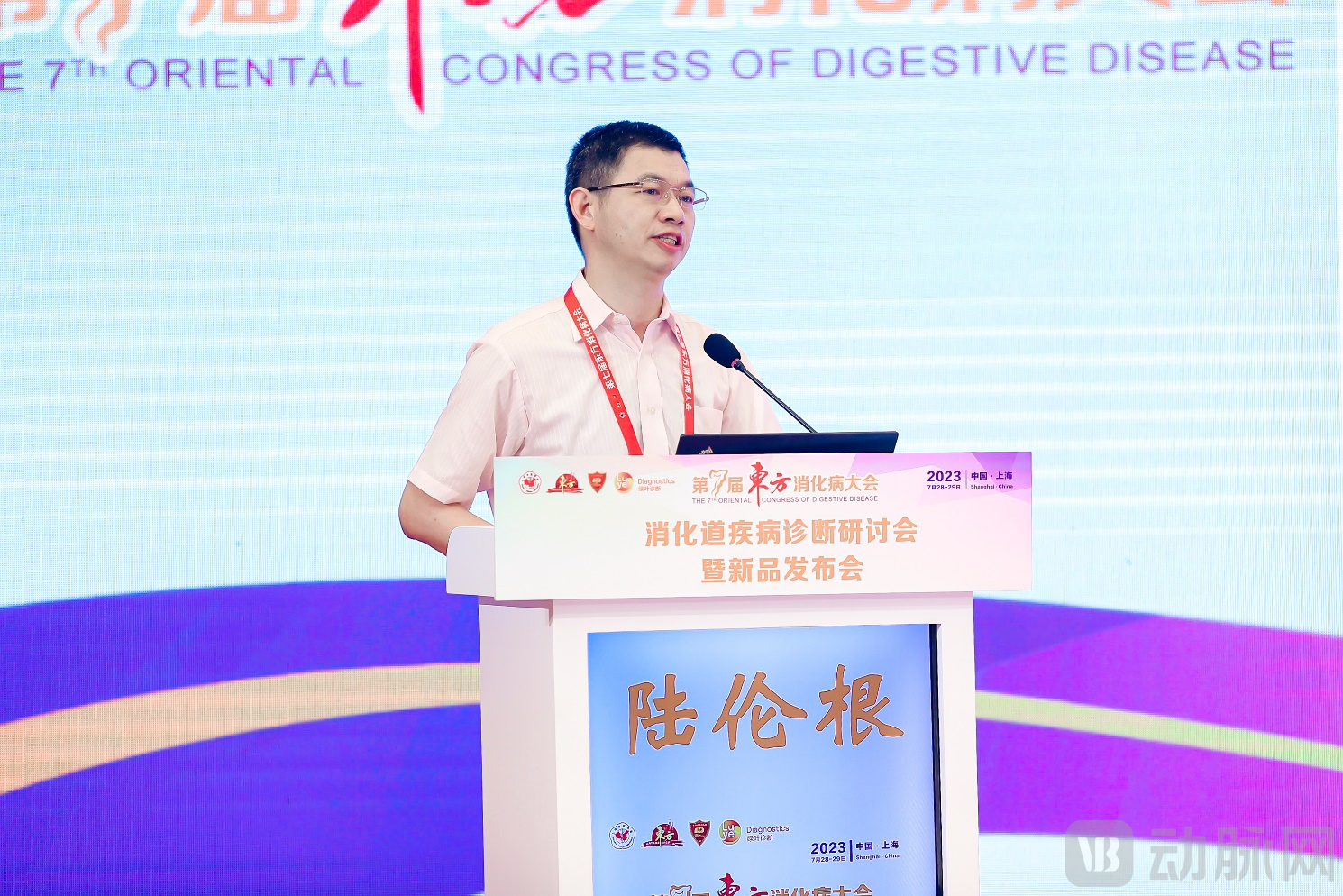
Professor Lu Lungen from the First People's Hospital Affiliated to Shanghai Jiao Tong University School of Medicine: "Sharing the 'Liver' Burden—Progress in Clinical Diagnosis Research of Liver Fibrosis"

Professor Cui Yuehong of Zhongshan Hospital, Fudan University: Safeguarding the Health “Exit”—Personalized Diagnosis and Treatment of Colorectal Cancer
Distinguished Guests Gather to Discuss New Opportunities in Precision Diagnosis and Treatment
As a sub-forum of the biennial 7th Oriental Digestive Disease Conference, this symposium provides an academic exchange platform for peers to enhance the comprehensive diagnostic level of gastrointestinal diseases, ultimately translating into clinical value and offering effective prevention and treatment measures for patients.
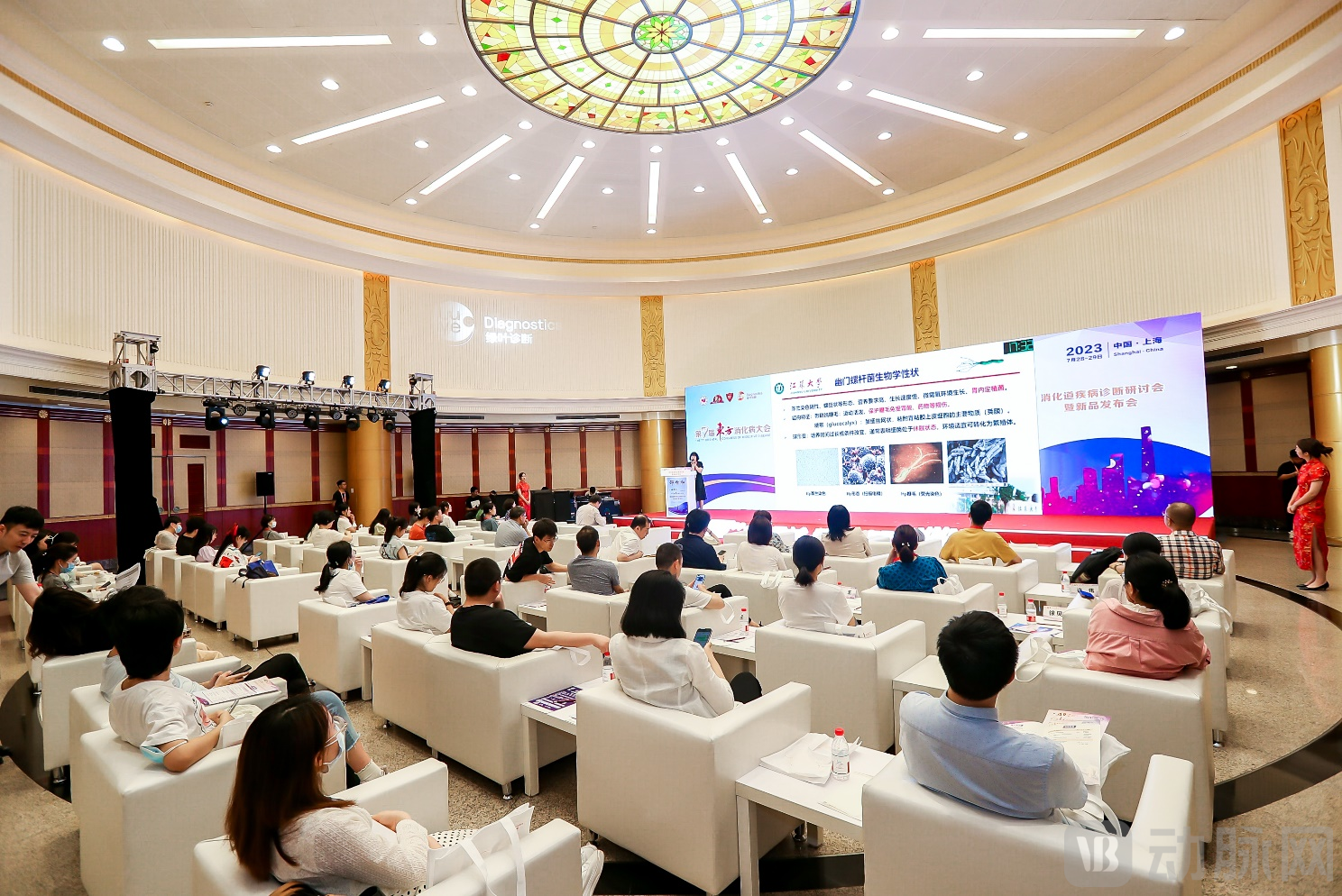
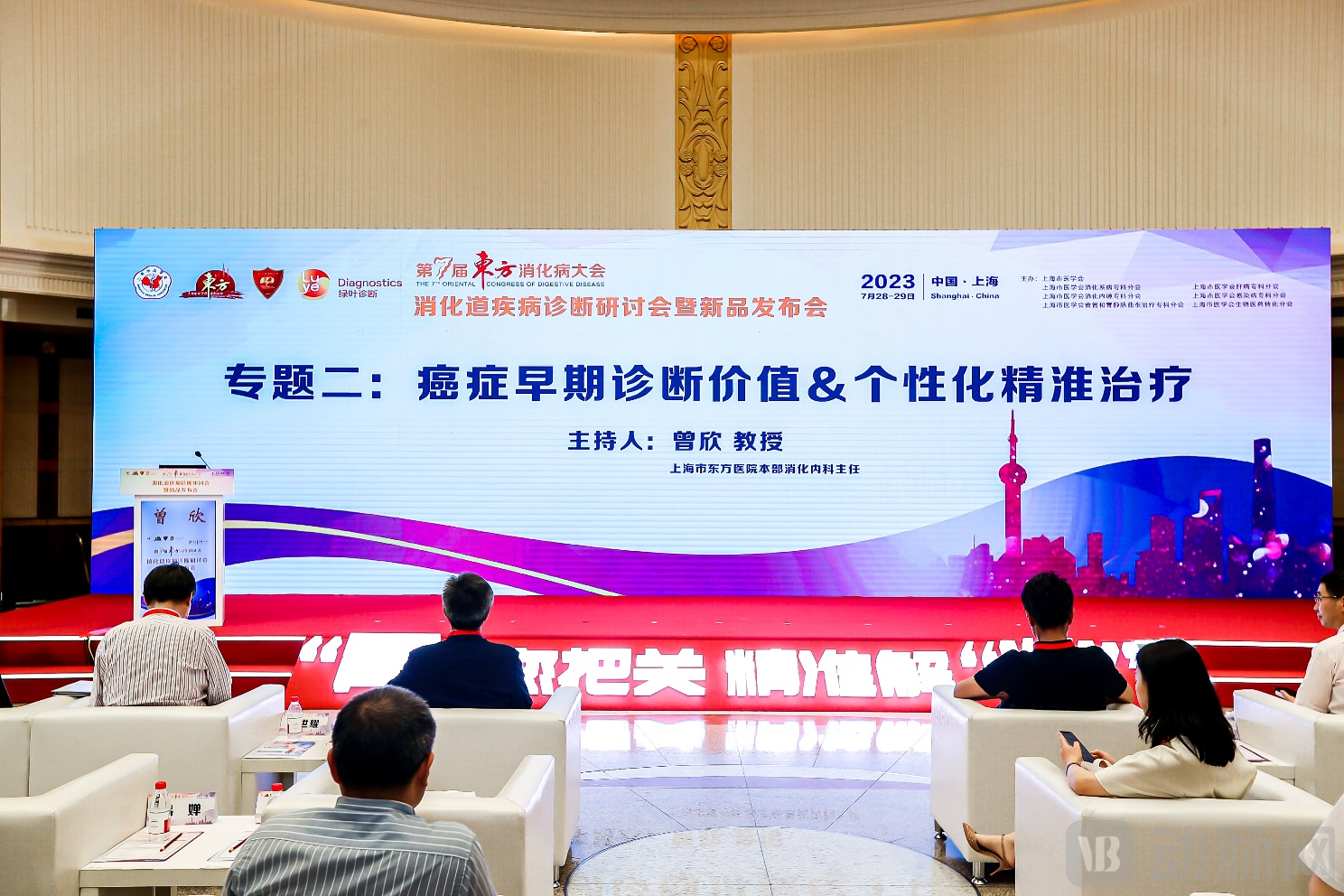




Conference Venue (Swipe left or right to view more)
The two-day conference brought together experts in various fields of the digestive tract, including the esophagus, stomach, intestines, and liver, to exchange the latest research findings on academic frontiers in gastroenterology both domestically and internationally. The event aimed to break down disciplinary barriers, promote the development of integrative medicine, and enhance the level of multidisciplinary diagnosis and treatment models.
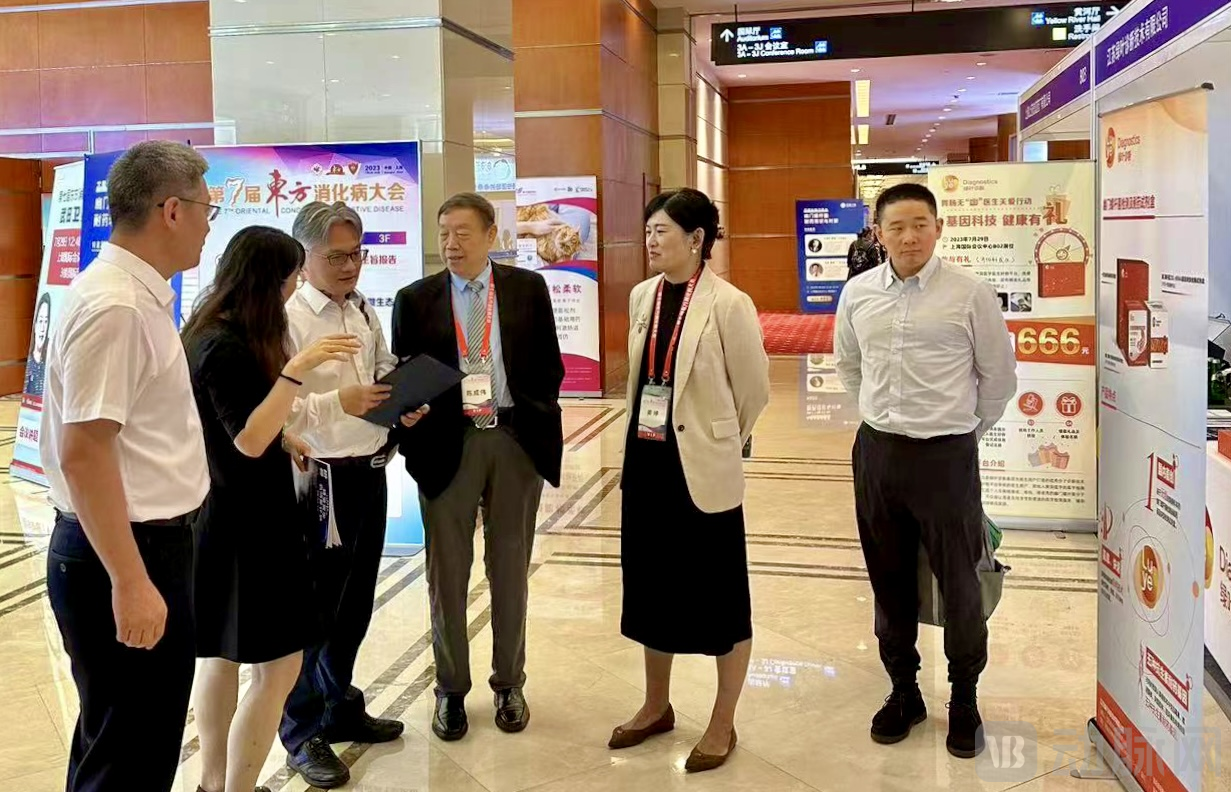

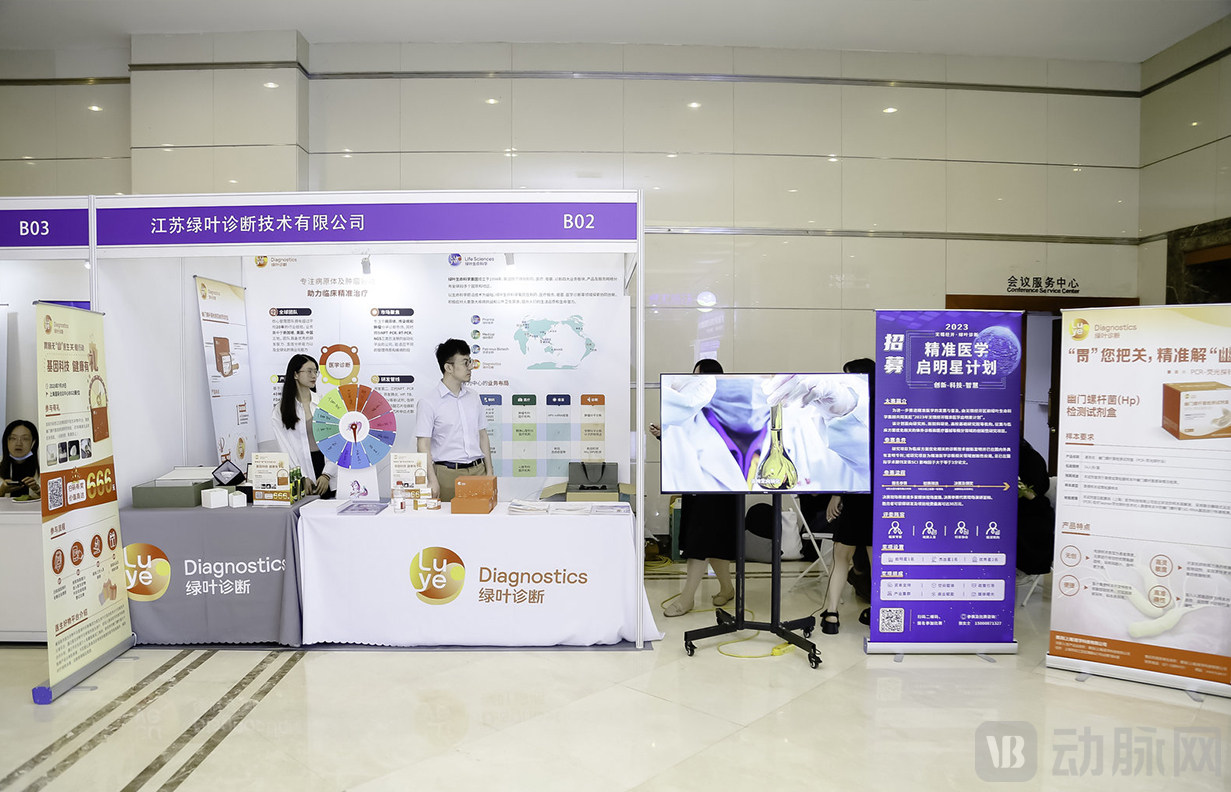
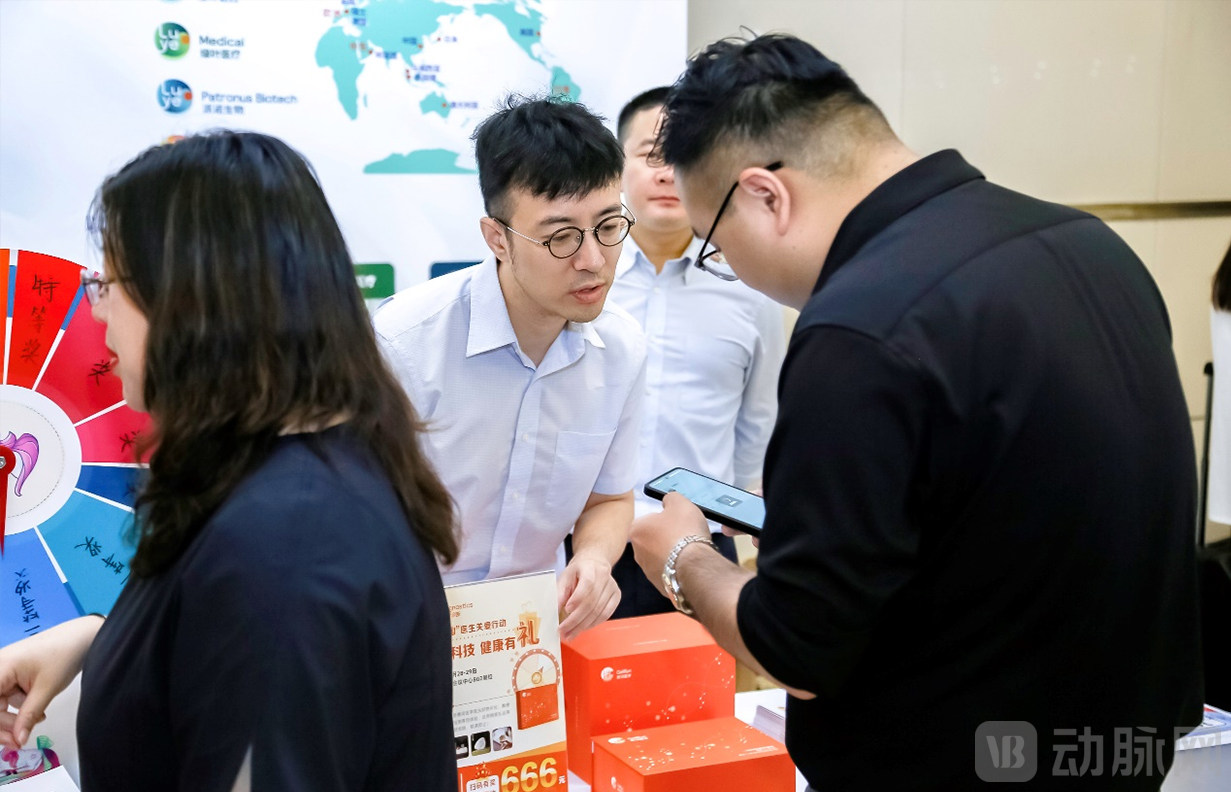
GreenLeaf Diagnostics Booth (Swipe left or right to view more)
Amidst the constant flow of attendees, the concise and elegant booth of Green Leaf Diagnostics attracted guests from various sectors. Team members engaged in lively discussions with both new and old friends about emerging opportunities in precision diagnosis and treatment.
Precision Diagnosis and Treatment Safeguard Your “Stomach,” Promoting a Healthy Life Free of “H. pylori.” The “Stomach” Care Initiative: Launch Ceremony for New Precision H. pylori Solutions and Symposium on Digestive Disease Diagnosis Concludes Successfully. We Look Forward to Reuniting with Gastroenterology Experts Next Year!
About Luye Diagnostics
Lvyeh Diagnosis is one of the four core business segments of Luye Life Sciences Group. It is among the few companies globally to simultaneously possess three automated technology platforms: Next-Generation Sequencing (NGS), Real-Time Fluorescence Quantitative Polymerase Chain Reaction (RT-PCR), and Microfluidics-based Near-Patient Testing (NPT). Focusing on pathogen-related diseases and oncology diagnostics, the company has established R&D centers in China, Singapore, and the United States. It currently holds nearly 30 invention and utility model patents and has launched more than 40 diagnostic products, including the world’s only NGS-based HIV drug-resistance mutation detection product approved by the U.S. FDA for market release.
About Luye Life Science Group
Luye Life Science Group was established in 1994. It comprises four core business segments: pharmaceuticals, vaccines, healthcare, and diagnostics. The Group focuses primarily on therapeutic areas including central nervous system disorders, oncology, viral and pathogenic diseases, and cardiovascular conditions. Its products and services are distributed across more than 80 countries and regions worldwide. Centered on these four business segments, the Group adheres to a patient-centric approach, delivering innovative products, technologies, and services with clinical value. It actively explores synergistic innovation across its businesses, responds proactively to major human disease challenges and public health needs, and strives to enhance people’s quality of life and unlock their health potential.
About the Oriental Digestive Disease Conference
The “Eastern Conference on Digestive Diseases” is jointly hosted by multiple specialty branches related to digestive diseases under the Shanghai Medical Association. It aims to break down disciplinary barriers, promote the development of integrative medicine, and enhance the level of multidisciplinary diagnosis and treatment. Held biennially since 2011, the conference has become one of the flagship events in the “Eastern” brand series of the Shanghai Medical Association, enjoying extensive influence and a strong reputation within the industry. This year’s conference features forums on academicians’ insights, demonstrations of digestive endoscopy techniques, digestive oncology, liver diseases and infectious diseases, biliary and pancreatic diseases with new endoscopic technologies, gastrointestinal diseases and gut microbiota, and digestive nursing care, as well as specialized forums for the Yangtze River Delta region and for translation and innovation.