

Generative AI Makes Inroads into Traditional Chinese Medicine: Dajing TCM's 'Qihuang WenDao' Large Model Targets Trillion-Yuan Healthcare and Wellness Market
After millennia of exploration and accumulation, traditional Chinese medicine (TCM), embodying the wisdom of the Chinese nation, has long been regarded as a treasure of ancient Chinese science. In recent years, China has enacted and promulgated more than ten TCM-related laws and policies at the national level, including the Law of the People’s Republic of China on Traditional Chinese Medicine, the Opinions of the Central Committee of the Communist Party of China and the State Council on Promoting the Inheritance, Innovation, and Development of Traditional Chinese Medicine, and the Outline of the Strategic Plan for the Development of Traditional Chinese Medicine (2016–2030). The inheritance, innovative development, and advancement of TCM have become an important national strategy.
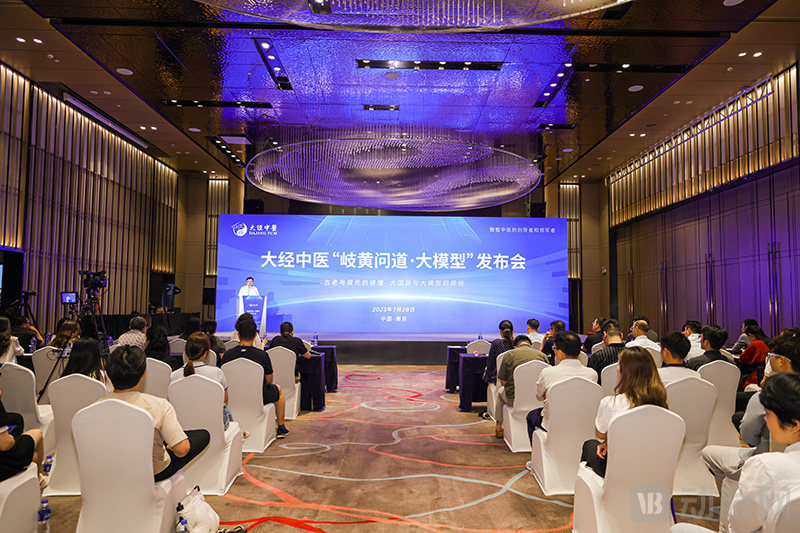
On the other hand, the wave of digitalization and intelligence in Traditional Chinese Medicine (TCM) has injected new vitality into traditional TCM. In particular, artificial intelligence has provided strong support for the inheritance, innovation, and development of the TCM industry. Recently, Nanjing Dajing TCM Information Technology Co., Ltd. (hereinafter referred to as “DAJING TCM”) grandly launched the “Qihuang Wendao Large Model,” pioneering the introduction of generative AI into the field of TCM.
Since the release of the Transformer architecture in 2017, large language models (LLMs, hereinafter referred to as “large models”) have entered a fast track of development. The surge in popularity of ChatGPT earlier this year has further propelled generative AI into the global spotlight overnight. Generative AI based on large models has already demonstrated immense potential for disruptive innovation across many industries.
In the healthcare sector, the significant advancements of generative AI in natural language processing are expected to transform human-computer interaction, shifting from traditional user interfaces, operating systems, and impersonal electronic medical record systems to fluid, natural language conversations that are more approachable. This shift in interaction paradigms may usher in a revolution in "traffic entry points" and "knowledge acquisition pathways."
Interestingly, although general-purpose large language models are currently gaining widespread popularity, their heavy reliance on statistical probabilities in text generation means that the accuracy of their responses cannot be guaranteed. Quite often, these models produce plausible-sounding but nonsensical answers (“hallucinations”), and even when asked the exact same question repeatedly, they may provide different responses each time.
It is precisely for this reason that the industry widely believes large language models (LLMs) tailored to vertical domains, or even specific application scenarios, may better unlock the value of LLMs. On one hand, domain-specific LLMs can leverage high-quality industry data and undergo iterative fine-tuning and feedback from top-tier industry experts, thereby delivering solutions with a high degree of consistency and accuracy. On the other hand, due to their targeted depth of understanding and expertise in specific application scenarios, these models can achieve effective integration with industry practices, truly serving to empower the sector.
Traditional Chinese Medicine is precisely such an application scenario that can maximize the advantages of large language models.
Since ancient times, Traditional Chinese Medicine (TCM) has accumulated a vast corpus of clinical diagnostic and treatment data, as well as classical literature. These data lack standardization, and much of the content is obscure and difficult to comprehend, posing significant challenges for data mining and application. Furthermore, TCM is characterized by numerous schools of thought, between which certain barriers persist, making it difficult to transfer and integrate their respective achievements and experiences. These issues have long been persistent pain points hindering the development of TCM.
AI leverage advantages in data mining and acquisition, data processing and analysis, and deep learning to digitally transform vast amounts of clinical experience and knowledge from classical literature. This empowers TCM clinical practice, establishes standards for TCM diagnosis and treatment as well as an efficacy evaluation system, addresses the shortage of high-quality TCM professionals and unequal resource distribution, and better facilitates the inheritance and development of Traditional Chinese Medicine.
In fact, as early as the 1970s, visionaries attempted to introduce AI into the field of Traditional Chinese Medicine (TCM). However, constrained by the technological limitations of the time, the results were very limited. Today, after successive iterations, upgrades, and innovations, the new generation of generative AI based on large language models has become far more mature in its capabilities across all aspects, making the empowerment of TCM no longer just a slogan.
Founded in 2016, DAJING TCM has adhered for the past seven years to its founding philosophy that “digital intelligence is the inevitable path for the development of Traditional Chinese Medicine (TCM).” The company has continuously explored and advanced in the field of TCM AI, achieving remarkable results. For instance, during the COVID-19 pandemic, the “DAJING TCM Auxiliary Diagnosis and Treatment System for Exogenous Lung Diseases (Including COVID-19)” was selected as the sole TCM product solution among the first batch of 34 “AI Products and Solutions Contributing to Epidemic Prevention and Control” by the MIIT Artificial Intelligence Standardization General Group, making a significant contribution to the fight against the epidemic.
As a leader in the field of Traditional Chinese Medicine (TCM) AI, it is only natural that DAJING TCM has launched the first large TCM model, which represents the culmination of its years of accumulated expertise and breakthroughs in this domain.
Li Wenyou, founder and chairman of DAJING TCM, believes that the powerful capabilities of large language models (LLMs) can empower traditional Chinese medicine (TCM) in three aspects. First, LLMs can facilitate the inheritance and development of TCM. As previously mentioned, most TCM clinical diagnosis and treatment data, as well as TCM literature, have been passed down in textual form, which is particularly suitable for leveraging the strengths of LLMs that excel in natural language recognition and processing.
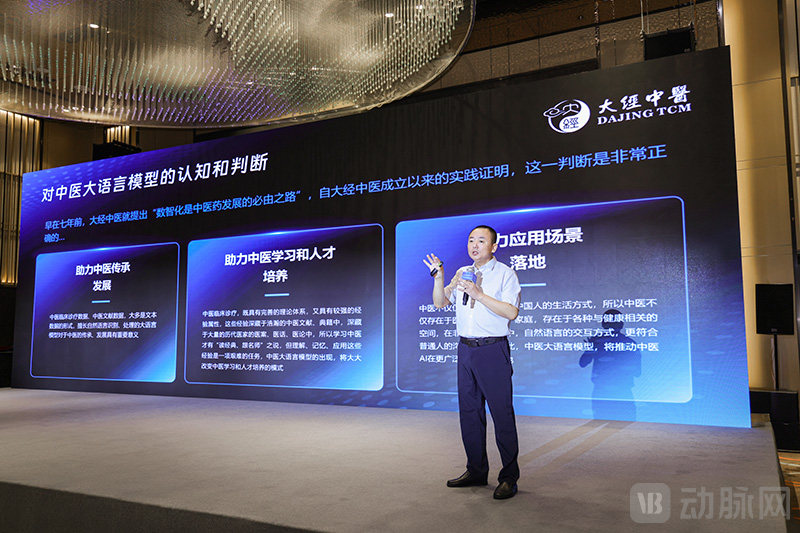
Li Wenyu, Founder and Chairman of DAJING TCM, Believes Large Models Can Empower Traditional Chinese Medicine in Three Aspects (Image from DAJING TCM)
Secondly, large language models can facilitate the study of Traditional Chinese Medicine (TCM) and the training of TCM professionals. Clinical diagnosis and treatment in TCM are characterized by both a comprehensive theoretical framework and a strong reliance on empirical experience. This experiential knowledge is deeply embedded in the vast corpus of TCM classical literature, as well as in the extensive medical case records, commentaries, and theoretical discourses left by physicians throughout history. Hence, the traditional approach to learning TCM emphasizes “studying the classics and apprenticing under renowned masters.” However, comprehending, memorizing, and applying this accumulated experience is a formidable task. The emergence of TCM-specific large language models may significantly transform the paradigms of TCM education and talent development.
Finally, large language models can also facilitate the implementation of TCM AI in a wider range of scenarios.
According to the introduction, the “Qihuang Wendao · Large Model” has currently developed into three sub-models, leveraging the advantages of large models to adapt to the rich application scenarios of DAJING TCM.
The first sub-model is a large clinical diagnosis and treatment model based on confirmed diseases, which can provide syndrome differentiation (diagnosis) results and treatment plans (Traditional Chinese Medicine prescriptions) according to the disease, symptom, and sign information provided by users.
The second sub-model is a large clinical diagnosis and treatment model based solely on symptoms and signs. It can provide syndrome differentiation (diagnosis) results and treatment plans (Traditional Chinese Medicine prescriptions) based on the chief complaints, accompanying symptoms, and sign information provided by users.
The third sub-model is a large language model for Traditional Chinese Medicine (TCM) wellness and conditioning. It provides personalized TCM health status assessments based on user-reported symptoms and signs, along with multi-dimensional wellness recommendations including dietary therapy, herbal teas, tuina massage, and moxibustion.
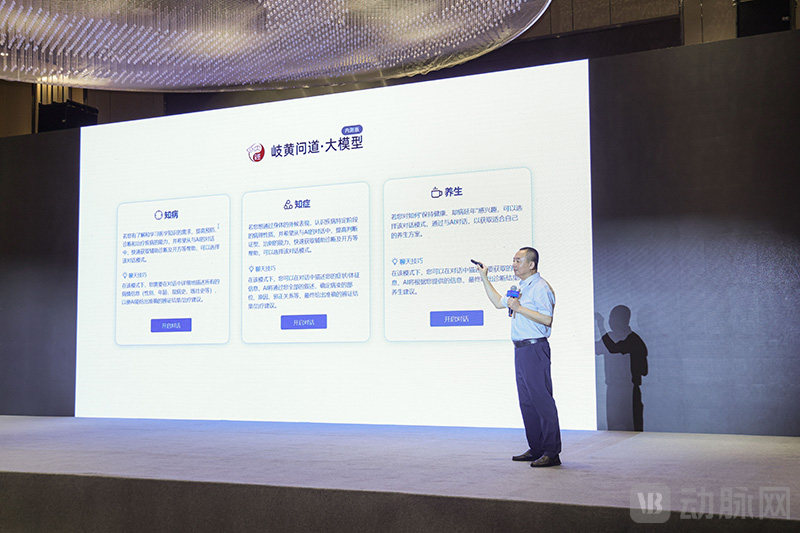
“Qihuang Wendao · Large Model”’s Three Sub-models: Disease Knowledge, Symptom Knowledge, and Health Preservation (Image from DAJING TCM)
Currently, the first model has officially opened for internal testing to medical institutions through the company’s official WeChat account, “Dajing Digital Intelligence TCM,” following its launch event. Other sub-models are still undergoing continuous refinement and will be rolled out gradually in the future. During the live demonstration at the launch event, a young physician inputted simulated “disease-symptom-sign” data representative of real-world patients. Based on the clinical diagnosis and treatment large language model trained on confirmed diseases, the system rapidly provided accurate TCM syndrome differentiation results, therapeutic principles and methods, and herbal prescriptions, leaving a deep impression on the audience.
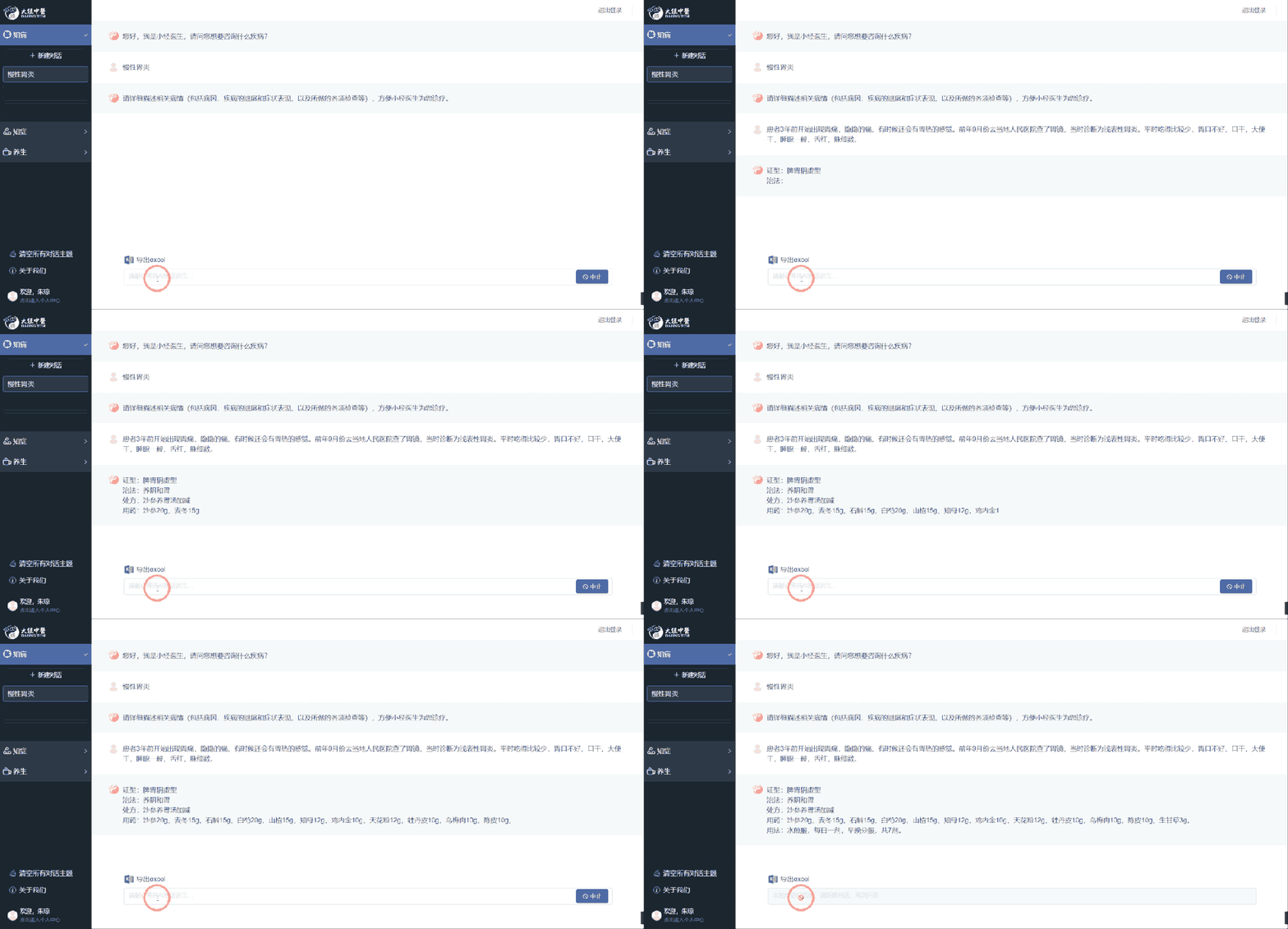
Zhibing Large Model Demo (from DAJING TCM)
Meanwhile, the site also demonstrated the capabilities of clinical large language models based solely on symptoms and signs, as well as large language models for TCM health preservation and conditioning, through video recordings. In these demonstrations, the “Qihuang Wendao Large Language Model” provided relatively accurate responses.
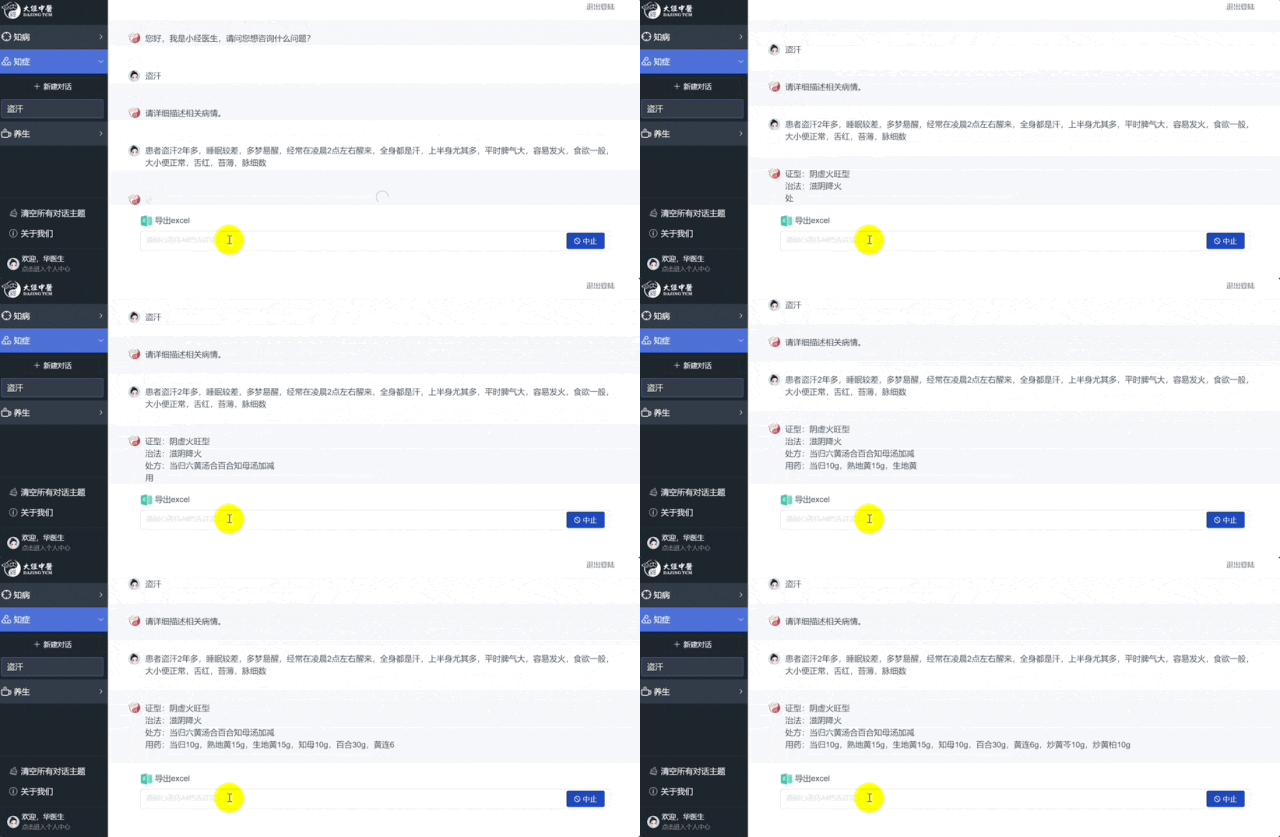
Demonstration of the Zhizhi Large Model (from DAJING TCM)
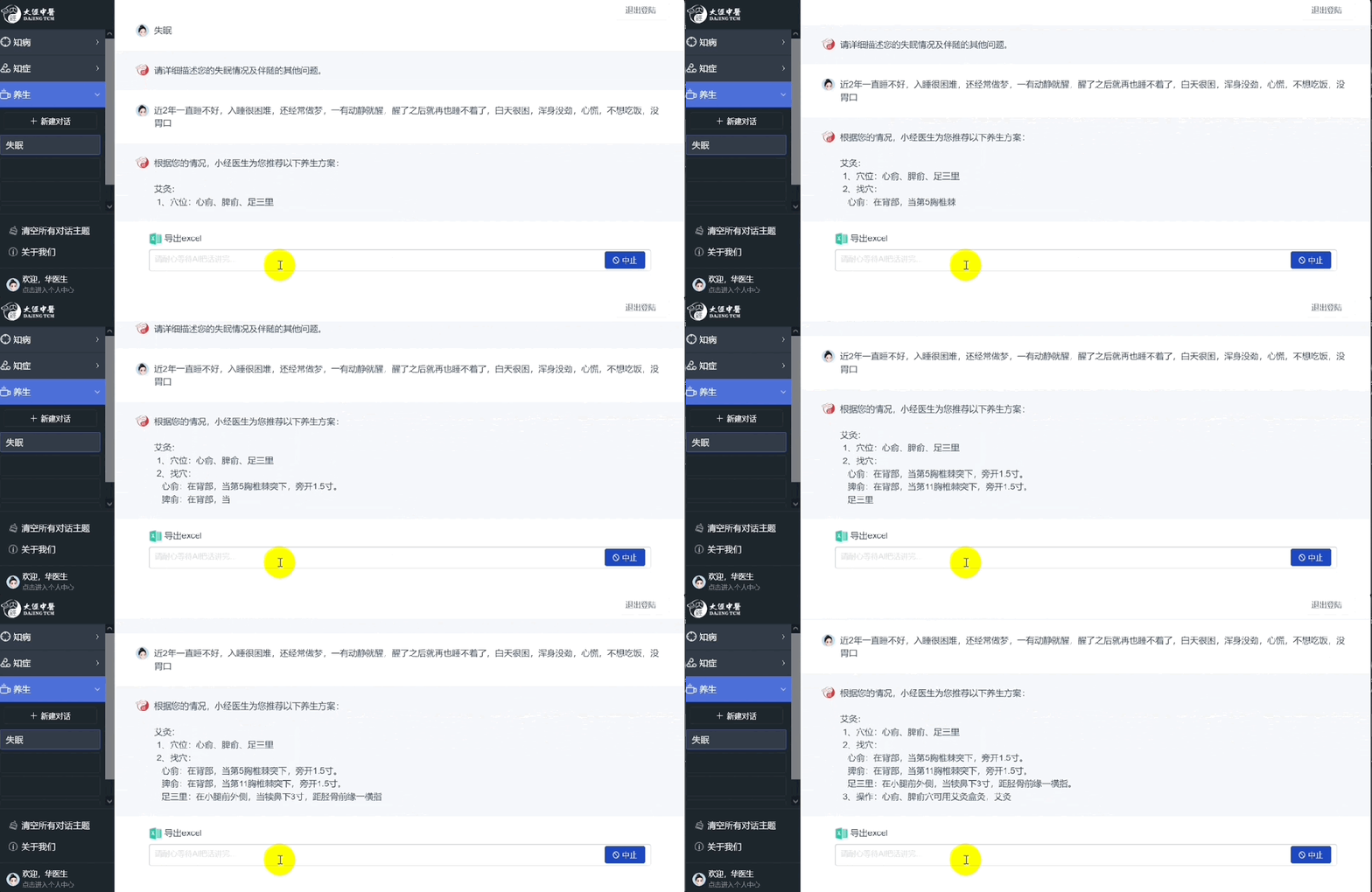
Wellness Large Model Demo (from DAJING TCM)
Furthermore, DAJING TCM is actively training large language models for ancient Traditional Chinese Medicine (TCM) texts based on diverse technical approaches. Reportedly, this model will be capable of reading and comprehending ancient texts, extracting “useful” knowledge aligned with clinical needs, and constructing a knowledge chain encompassing “disease–symptom–pathogenesis–treatment principle–prescription–herb,” which is highly anticipated.
Developing AI for Traditional Chinese Medicine (TCM) has long been considered highly challenging. On one hand, there are substantial differences between the Sino-Tibetan language family, to which Chinese belongs, and the Indo-European language family, to which English belongs; consequently, natural language processing techniques designed for English cannot be directly applied to Chinese.
On the other hand, there are certain differences between Classical Chinese and Modern Chinese. It is also common for Modern Chinese to incorporate individual characters from Classical Chinese, resulting in a prevalent semi-classical, semi-vernacular style. Precisely because of this, TCM classics and medical case records often employ a narrative approach to document patients’ symptoms, signs, as well as the principles, methods, formulas, and medicinals used in treatment.
Furthermore, unlike Western medicine, which benefits from unified disease consensus and clinical guidelines, Traditional Chinese Medicine (TCM) comprises multiple schools of thought, each with its own distinct methodology. Consequently, AI applications in TCM often require the integration of these diverse methodological frameworks, resulting in workloads that are frequently several times greater.
All these factors make the path for AI in Traditional Chinese Medicine even more challenging.
As a pioneer in the field of AI-driven Traditional Chinese Medicine (TCM), DAJING TCM has accumulated extensive experience through years of exploration, establishing unique capabilities in data, talent, and applications.
In terms of data, one of the three core elements of AI, DAJING TCM has long established a “moat” in high-quality TCM data.
First, DAJING TCM has established a standardized dictionary of Traditional Chinese Medicine (TCM) symptoms and signs terminology, comprising over 25,000 entries. As the only large-scale, comprehensive terminology standardization dictionary covering all disease categories within the TCM industry, it significantly mitigates the impact of wording variations on the output of large language models.
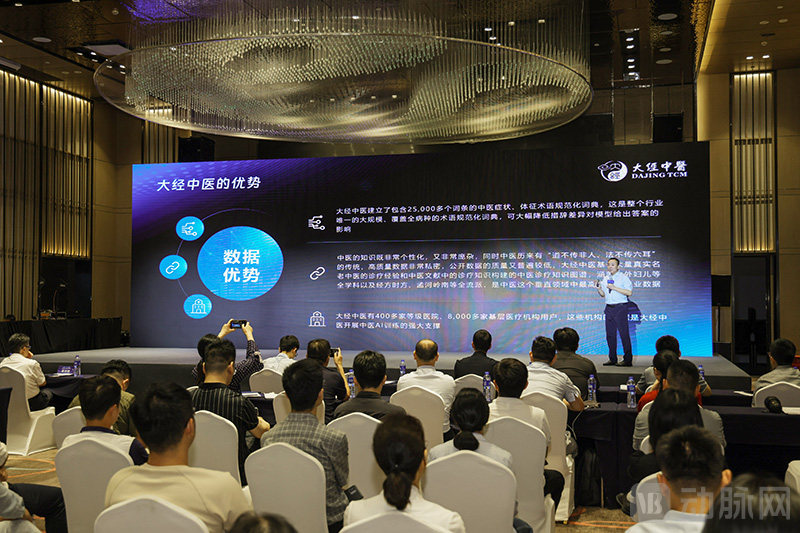
Secondly, knowledge in Traditional Chinese Medicine (TCM) is highly personalized and fragmented; meanwhile, TCM has long adhered to the tradition that “the Way is not transmitted to the unworthy, and methods are not shared with third parties.” These factors have resulted in generally low-quality publicly available TCM data, while high-quality data remains strictly confidential. It must be recognized that without training on large volumes of high-quality data, so-called large language models would be futile endeavors.
Over the years, DAJING TCM has accumulated industry data of unparalleled quality within the specialized field of Traditional Chinese Medicine (TCM). The TCM diagnosis and treatment knowledge graph it has constructed is based on extensive clinical experiences from renowned veteran TCM practitioners and diagnostic knowledge extracted from TCM literature. This knowledge graph not only encompasses all major disciplines—including internal medicine, surgery, gynecology, and pediatrics—but also covers all major TCM schools, such as those specializing in Classical Formulas, Contemporary Formulas, Menghe School, and Lingnan School, thereby providing a vast amount of high-quality data for large language model training.
Finally, as a pioneer in the digital and intelligent transformation of Traditional Chinese Medicine (TCM), DAJING TCM has empowered over 400 tiered hospitals and more than 8,000 primary healthcare institutions through its industry-leading TCM Clinical Intelligent Auxiliary Diagnosis and Treatment System (TCM CDSS). The vast amount of data generated by these institutions, after compliant processing, can further support the training of large TCM models.
According to Wang Qi, Technical Director of the “Qihuang Wendao” large language model, the model’s training leveraged massive high-quality datasets accumulated by DAJING TCM over the past seven years. These proprietary datasets include more than 11 million entries of TCM knowledge graph data, 1,500 ancient TCM texts and literature, 100,000 real-world case records from TCM experts, 100,000 data points on pulse conditions, tongue manifestations, meridians, and acupoints, as well as 2 million real-world TCM clinical diagnosis and treatment records.
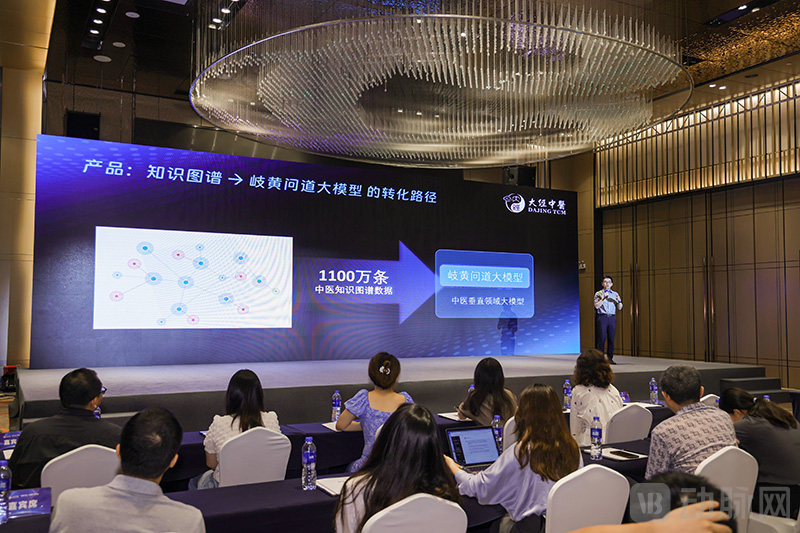
Wang Qi Introduces the Transformation Path from Knowledge Graphs to the “Qihuang Wendao Large Language Model” (Image courtesy of DAJING TCM)
Compared with the current trend of general-purpose large models that rely on data scales measured in trillions, the data volume of Traditional Chinese Medicine (TCM) large models may appear modest on the surface. However, these datasets consist of high-quality, curated information, where the value of a single high-quality data point significantly exceeds that of hundreds of generic internet content entries.
Acquiring these data was no easy feat—DAJING TCM spent several years and tens of millions of yuan to obtain such high-quality data.
DAJING TCM places exceptional emphasis on talent development. It boasts the largest cross-disciplinary R&D team in the industry specializing in Traditional Chinese Medicine (TCM) and artificial intelligence, as well as the largest consortium of renowned veteran TCM practitioners collaborating through contractual agreements to advance AI-driven TCM research. These TCM experts are also instrumental in facilitating high-quality Reinforcement Learning from Human Feedback (RLHF) for large language models.
Meanwhile, DAJING TCM has also actively leveraged external expertise by collaborating with top-tier domestic experts, including the large language model R&D team from the Department of Computer Science and Engineering at Shanghai Jiao Tong University. By complementing each other’s technical strengths, the partnership achieves a synergistic effect where “1+1>2,” forming a robust R&D team dedicated to developing large models for Traditional Chinese Medicine.
As long as one has a basic understanding of large language models (LLMs), it is not difficult to recognize that LLMs can generate greater value only when technology is transferred to the application layer, thereby enhancing user experience. Meanwhile, extensive user adoption and feedback across diverse scenarios will play a crucial role in the iterative evolution of LLMs—not only helping to train high-performance TCM-specific vertical LLMs with deep comprehension of industry scenarios and business operations, but also enabling continuous iteration and improvement of these TCM-specific vertical LLMs.
Application advantages are precisely one of DAJING TCM’s greatest strengths.
With its outstanding achievements in the digitalization and intelligence of Traditional Chinese Medicine (TCM), DAJING TCM has achieved industry-leading coverage and penetration within TCM medical institutions. Its TCM AI solutions are widely deployed across a diverse range of settings, including top-tier medical institutions such as Longhua Hospital Affiliated to Shanghai University of Traditional Chinese Medicine and Guangdong Provincial Hospital of Chinese Medicine; regional TCM medical consortia in Jiangning District of Nanjing and Gaoqing County of Zibo; primary-level village clinics in provinces like Shandong and Jilin, as well as comprehensive health organizations such as the “Senior Service Center” in Changning District, Shanghai; and even consumer-facing applications on the “Xuexi Qiangguo” app. These high-usage TCM AI application scenarios have significantly contributed to the training and continuous iteration of large language models.
At the press conference, Li Wenyou introduced the three-step technical roadmap for the “Qihuang Wendao Large Language Model,” which consists of: first, constructing a Traditional Chinese Medicine (TCM) diagnosis and treatment knowledge graph from clinical data of renowned veteran TCM practitioners and TCM literature; second, developing a TCM-domain pre-trained model based on the knowledge graph; and third, evolving the pre-trained model into the Qihuang Wendao Large Language Model.
First, DAJING TCM utilizes knowledge graphs to represent and store the diagnostic and treatment experiences of renowned veteran Traditional Chinese Medicine (TCM) practitioners, as well as diagnostic and treatment knowledge derived from literature. Subsequently, general pre-trained models are fine-tuned using tens of millions of data points from TCM knowledge graphs and clinical diagnostic and treatment records, enabling them to better comprehend TCM thinking and knowledge. Finally, TCM experts participate in further optimizing the TCM-specific pre-trained models by employing a reward model-based reinforcement learning mechanism, ultimately resulting in the development of the “Qihuang Wendao Large Model.”
This technical approach has ultimately established the differentiated and unique value of the “Qihuang Wendao·Large Model,” encompassing data, products, and services.
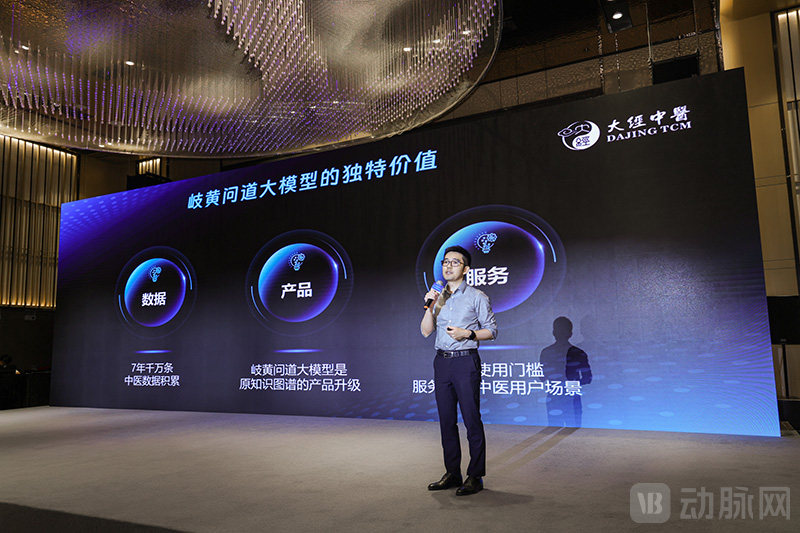
Wang Qi stated that the differentiated unique values of the “Qihuang Wendao Large Language Model” are data, products, and services (image from DAJING TCM)
For AI, data speaks for itself. Without the accumulation of high-quality data by DAJING TCM day after day over the past seven years, the “Qihuang Wendao Large Language Model” would not exist. On the product front, the large language model represents an upgrade to DAJING TCM’s existing product ecosystem. Lastly, there is service. The large language model has lowered the barrier to entry for AI products in the traditional Chinese medicine (TCM) industry, enabling a wider variety of customers to utilize TCM AI solutions across more scenarios.
Knowledge graphs form the foundation for the development of the “Qihuang Wendao” large language model. Leveraging its long-term accumulation of digital and intelligent TCM technologies, DAJING TCM has established a comprehensive TCM knowledge graph system and integrated it into its TCM Clinical Decision Support System (CDSS). This highly mature system can accurately infer syndrome patterns, treatment principles, and herbal prescriptions based on disease, symptom, and sign information input by physicians.
The more than 11 million natural language data entries on Traditional Chinese Medicine (TCM), generated through knowledge graph transformation, have become the training data for the “Qihuang Wendao Large Language Model” and serve as the foundational soil enabling its growth and development.
Furthermore, by leveraging knowledge graph applications, DAJING TCM has established a complete end-to-end business workflow. The application of natural language processing in the “Qihuang Wendao·Large Model” further enhances the efficiency and convenience of this workflow.
For instance, in the TCM consultation process, physicians previously relied on selecting standardized symptoms and signs within an intelligent TCM auxiliary diagnosis and treatment system to input patient information. Now, with the “Qihuang Wendao Large Language Model,” patient information can be entered directly through natural language descriptions. This approach ensures that communication details previously lost during consultations are fully captured, thereby increasing the volume of more generalized datasets accumulated during the diagnostic and treatment process by tenfold or even a hundredfold.
In the AI-based syndrome differentiation phase, the “intelligence” of large language models is not confined to knowledge graphs but extends to knowledge embedded within broader and more voluminous datasets, such as medical case records and clinical diagnosis and treatment data. This significantly expands both the depth and breadth of AI-driven syndrome differentiation and treatment compared to previous approaches.
The adjustment and feedback process involving TCM experts enables the large language model (LLM) to enhance its understanding of Traditional Chinese Medicine (TCM) knowledge and TCM thinking, thereby ensuring the accuracy and consistency of the TCM-specific LLM’s responses. By augmenting the LLM’s “foundational capabilities” with TCM’s “domain-specific expertise,” the TCM LLM acquires specialized abilities such as distillation, classification, imitation, inference, and recognition within the vertical TCM field. Furthermore, through integration with diverse business scenarios in the TCM industry, it becomes a practical and deployable TCM-focused large language model.
According to reports, the “Qihuang Wendao Large Language Model” has completed the pre-training and supervised fine-tuning phases, entered the reward modeling and reinforcement learning stages, and is continuously improving the accuracy of its responses through iterative refinement and expert evaluation.
Currently, there is indeed a gap in accuracy between large language models (LLMs) for Traditional Chinese Medicine (TCM) and the superior accuracy of existing knowledge graph-based Clinical Decision Support Systems (CDSS). However, the progress is significant: answer accuracy improved from 30% to 60% within just a few months of training. With continued training using datasets accumulated by the LLMs, coupled with ongoing expert evaluation and feedback, their accuracy is expected to improve further.
For traditional Chinese medicine (TCM), the launch of DAJING TCM’s “Qihuang Wendao Large Model” is undoubtedly a milestone. It not only facilitates the inheritance and development of TCM, supports TCM education and talent cultivation, but also promotes the deployment of TCM AI in a wider range of application scenarios.
In the field of serious healthcare, DAJING TCM’s flagship product, the Intelligent Clinical Decision Support System (CDSS) for Traditional Chinese Medicine, has established an application ecosystem spanning medical institutions at all levels—from benchmark tertiary Grade-A TCM hospitals to community health service centers and township health centers, and further to clinics, outpatient departments, and village health rooms. With the adoption of the “Qihuang Wendao Large Language Model,” certain TCM clinical diagnosis and treatment processes that previously demanded high levels of professional expertise can now be performed by junior physicians with moderate proficiency, aided by AI, while significantly reducing overall time consumption.
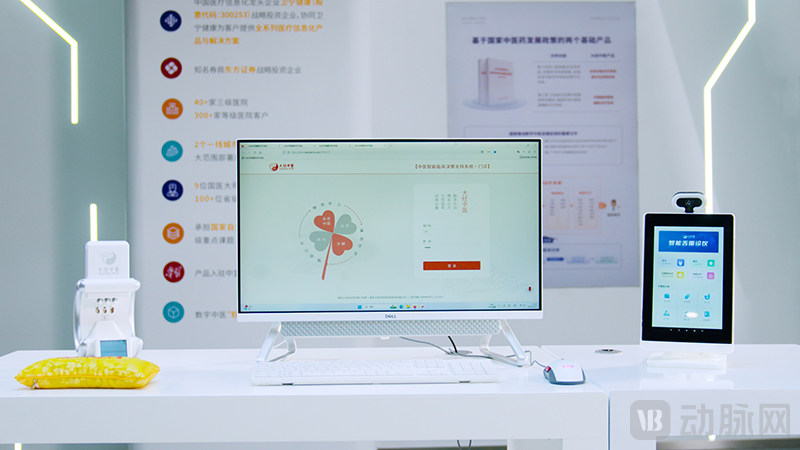
“Digital-Intelligent Integrated TCM Diagnosis and Treatment System,” which integrates a series of hardware and software products from DAJING TCM (Image source: DAJING TCM)
Of particular note is the broader sector of holistic health and wellness. According to Frost & Sullivan, the market size of China’s TCM holistic health industry reached RMB 917 billion in 2019 and is projected to reach RMB 2.973 trillion by 2030. Since the first half of this year, DAJING TCM’s product line has evolved from standalone software solutions into an integrated digital-intelligent TCM diagnostic and therapeutic system. This system incorporates the TCM Clinical Intelligent Auxiliary Diagnosis and Treatment System (“TCM Brain”), the TCM Intelligent Pulse Diagnostic Device (“TCM Finger”), and the TCM Intelligent Tongue-and-Face Diagnostic Device (“TCM Eye”). Consequently, the company has gradually expanded beyond the niche ecosystem of “serious medical care” into the broader “TCM holistic health” ecosystem. The recent launch of the “Qihuang Wendao Large Model” further solidifies and expands this holistic health ecosystem, encompassing elderly care institutions, wellness and rehabilitation facilities, corporate health stations, community health centers, wellness parlors, and beauty salons engaged in TCM-based chronic disease management and wellness services. Even households and individuals who integrate TCM into their daily lives have become vital components of this ecosystem.
We believe that, with the aid of AI, traditional Chinese medicine will eventually be revitalized.