

Pantheon Bio Launches Active Cell-Based Tissue-Engineered Skin Products and 3D Skin Models, Files IPO Prospectus
With the advancement of disciplines such as cytology, tissue engineering, and materials science, numerous new approaches have emerged for the treatment of human tissue and organ injuries, giving rise to regenerative medicine. Regenerative medicine products primarily utilize biomaterials as scaffolds, which are tissue-engineered with cells or stem cells to repair or replace tissues, organs, or functional impairments caused by factors such as aging, disease, and trauma.
Globally, regenerative medicine remains in its early stages of development. Tissue engineering and stem cell technologies are yet to be further advanced, with vigorous growth observed both domestically and internationally. In this emerging market, the gap between China and overseas leading technologies is narrow, presenting substantial opportunities for innovation and leapfrog development.
However, regenerative medicine still faces many challenges in its early stages. On one hand, the maturity and functionality of regenerated organs are limited. Organoid models struggle to fully recapitulate all cell types, accessory structures, maturity levels, and physiological functions of native organs, failing to replicate critical in vivo physiological processes.
On the other hand, the commercialization of organoid technology faces significant challenges in standardization, reproducibility, and consistency. Currently, the excessive reliance on manual operations and human factors, coupled with low levels of automation in processes such as organoid culture, cell culture, and drug screening, leads to substantial variability and errors, making it difficult to achieve standardization and scalability.
Jinan Pansheng Biotechnology Co., Ltd. (hereinafter referred to as “Pansheng Bio”), established in 2013, focuses on the regeneration of skin tissues and organs and possesses internationally patented technologies for skin stem cell regeneration and repair. Over the past decade, Pansheng Bio has developed a portfolio encompassing artificial skin, 3D skin models, and a series of skin repair products, dedicated to addressing challenges in human skin tissue repair and regeneration.
For a long time, large-area skin defects and chronic skin injuries have been significant clinical challenges. Autologous skin transplantation is limited by insufficient donor skin, while allogeneic transplantation faces the risk of rejection. Tissue-engineered skin has emerged as an effective solution.
From the perspective of tissue engineering, human skin comprises the epidermis, dermis, subcutaneous tissue, and its appendages. However, previous tissue-engineered skin constructs have only incorporated two layers: the epidermis and the dermis. Clinical studies have demonstrated that skin lacking subcutaneous appendages leads to impaired sweating, pruritus, compromised normal function, and a significant reduction in patients' quality of life.

Professor Wu Xunwei, Chief Technology Officer of Pansheng Bio
Professor Wu Xunwei, currently the Chief Technology Officer of Pansheng Biologics, has resolved this international challenge. In 2012, Professor Wu proposed and validated a method for human skin stem cell regeneration on the global stage. This technique involves culturing epidermal and dermal stem cells on a PET membrane; upon transplantation to full-thickness skin defects on nude mice, it regenerates human skin with complete functionality. This patented technology was published in Tissue Engineering, a prestigious journal in the field of tissue engineering.
Currently,This technology can regenerate human skin containing the epidermis, dermis, and subcutaneous tissue layers, achieving reconstruction and pigmentation of mature appendageal organs such as hair follicles, sebaceous glands, sweat glands, blood vessels, nerves, and apocrine glands. It also enables skin cell regeneration and establishment of the skin microenvironment, responds to trauma, achieves scarless healing, and performs normal skin functions.
Based on this international patented technology, Pansheng Biotech first developed artificial skin for the treatment of burns and chronic wounds.
According to data from Burns Rehabilitation, published by the People's Medical Publishing House, approximately 26 million people in China suffer from burns and scalds of varying degrees each year, making post-traumatic repair a persistent clinical challenge.Following the healing of large and chronic wounds, scar tissue tends to form, making it difficult to regenerate appendages such as hair follicles and sweat glands. Current standard clinical treatments include autologous epidermal grafting and the use of wound repair dressings. During skin transplantation, autologous epidermal grafting is often limited by donor site availability, and large-area skin grafting can cause secondary trauma to the donor site.
To address this clinical pain point, Pansheng Bio has launched an artificial skin product containing active cell populations.Upon coverage of the wound surface, the viable cell populations in the epidermis and dermis receive stimuli from wound signals, leading to the targeted secretion of a diverse array of bioactive growth factors that promote wound healing, at optimal concentrations and in an optimal sequence.(such as fibroblast growth factor, epidermal growth factor, vascular endothelial growth factor, etc.), promote the growth and proliferation of autologous cells and neovascularization, thereby shortening the healing time.
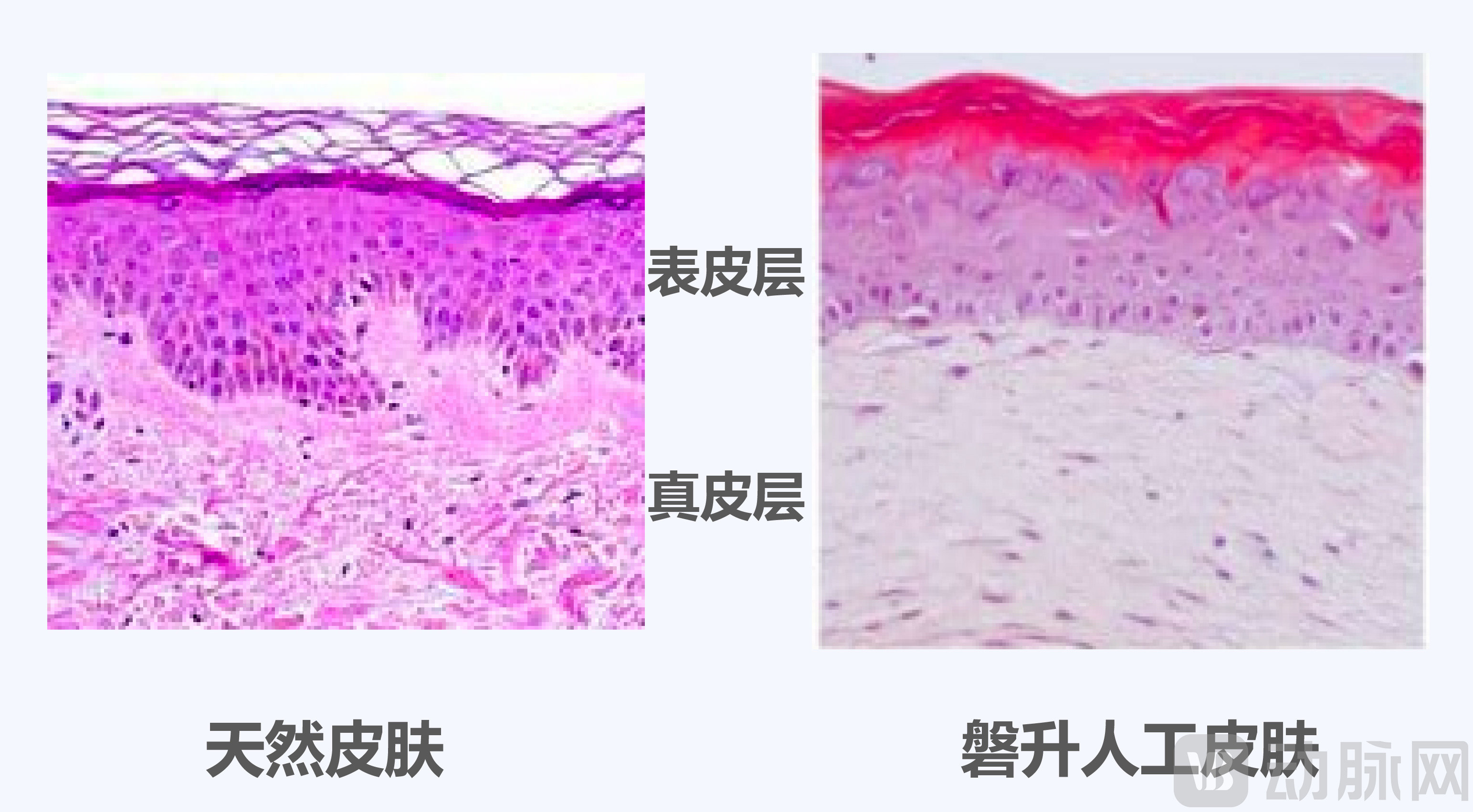
Comparison of Artificial Skin and Natural Skin Sections
Image source: Pansheng Biotech
Structurally, artificial skin is a full-thickness skin construct; the epidermal layer is composed of human epidermal cells, while the dermal layer consists of human fibroblasts and bovine collagen, and also contains the extracellular matrix synthesized and secreted by both cell types.
Compared with other tissue-engineered cells, artificial skin can modulate local pH levels and improve the microenvironment for wound repair after application to wounds. Meanwhile, the use of artificial skin can reduce post-healing hyperpigmentation and scar formation. In clinical trials, wounds repaired with artificial skin exhibited softness and tissue remodeling closely resembling those of normal skin.
In clinical practice, the application of artificial skin is highly convenient. It requires no suturing during application; after removal from its packaging, it can be directly applied to the wound and dressed once the correct orientation is identified. Within 10–14 days post-application, the artificial skin undergoes biodegradation, with its collagen matrix being absorbed by the host tissue, thereby providing nutrients that facilitate wound healing. Early-phase human clinical studies have demonstrated a significant reduction in wound healing time compared to the control group.
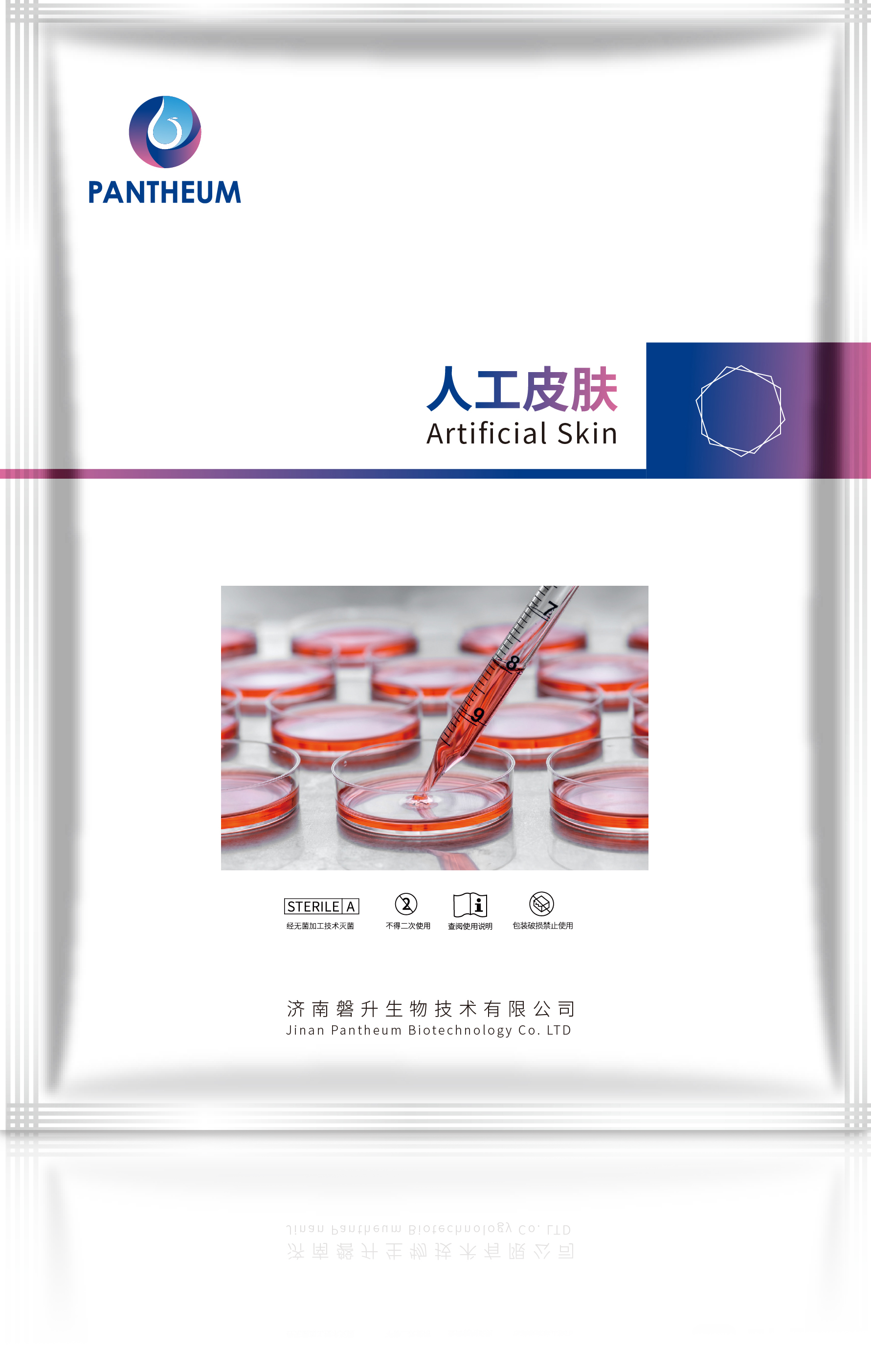
Artificial Skin Products
Image source: Pansheng Biotech
HumanApplicable to the protection and repair of traumatic skin defects, external injuries, and clinical burn wounds. Currently"Obtained the Clinical Trial Filing Approval for Class III Medical Devices", passed the registration testing conducted by the National Institutes for Food and Drug Control (NIFDC), the biocompatibility evaluation by the NIFDC, and the efficacy evaluation by the Shandong Academy of Pharmaceutical Sciences.
In August this year, clinical research on the use of artificial skin for wound repair in diabetic foot ulcers will begin, with multi-center clinical trials to be conducted in collaboration with 15 hospitals.
Currently, the safety assessment of cosmetics still relies primarily on animal testing. With growing awareness of animal protection and increased emphasis on animal welfare, the influence of the 3Rs principles for laboratory animals—Reduction, Replacement, and Refinement—is expanding globally. Consequently, the replacement of animal testing with in vitro methods has become an inevitable trend.
Guided by its understanding of skin regeneration, Pansheng Biologics continues to advance its exploratory research and development of clinical dermatological products. The company has developed a skin organoid product—the 3D skin model—which is widely applied in studies of skin mechanisms, safety, and efficacy for pharmaceuticals, medical devices, and cosmetics.
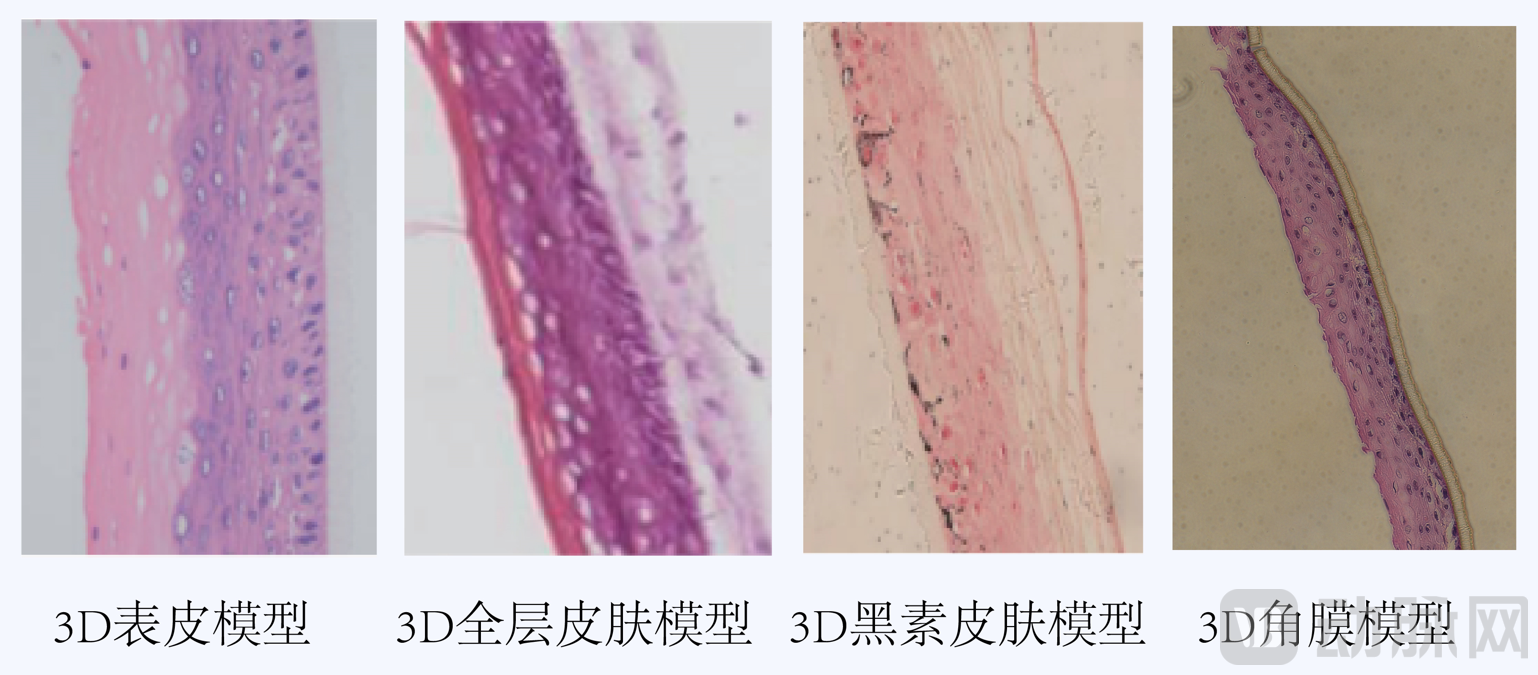
3D Skin Model
Image source: Pansheng Bio
Seed cells for 3D skin models are derived from cells isolated from human tissues. Through in vitro expansion and culture of these seed cells, a model resembling the structural and functional characteristics of human skin tissue is constructed. In terms of gene expression, tissue architecture, and barrier function, 3D skin models more closely mimic native human skin.
Clinical trials have demonstrated that 3D skin models offer higher data accuracy, better reproducibility and parallelism, as well as lower cost, simpler operation, and shorter testing cycles.3D skin models address the major challenge of species differences inherent in traditional animal models, enabling preclinical screening of drugs, medical devices, cosmetics, and their ingredients for human trials, thereby effectively mitigating risks and reducing costs.
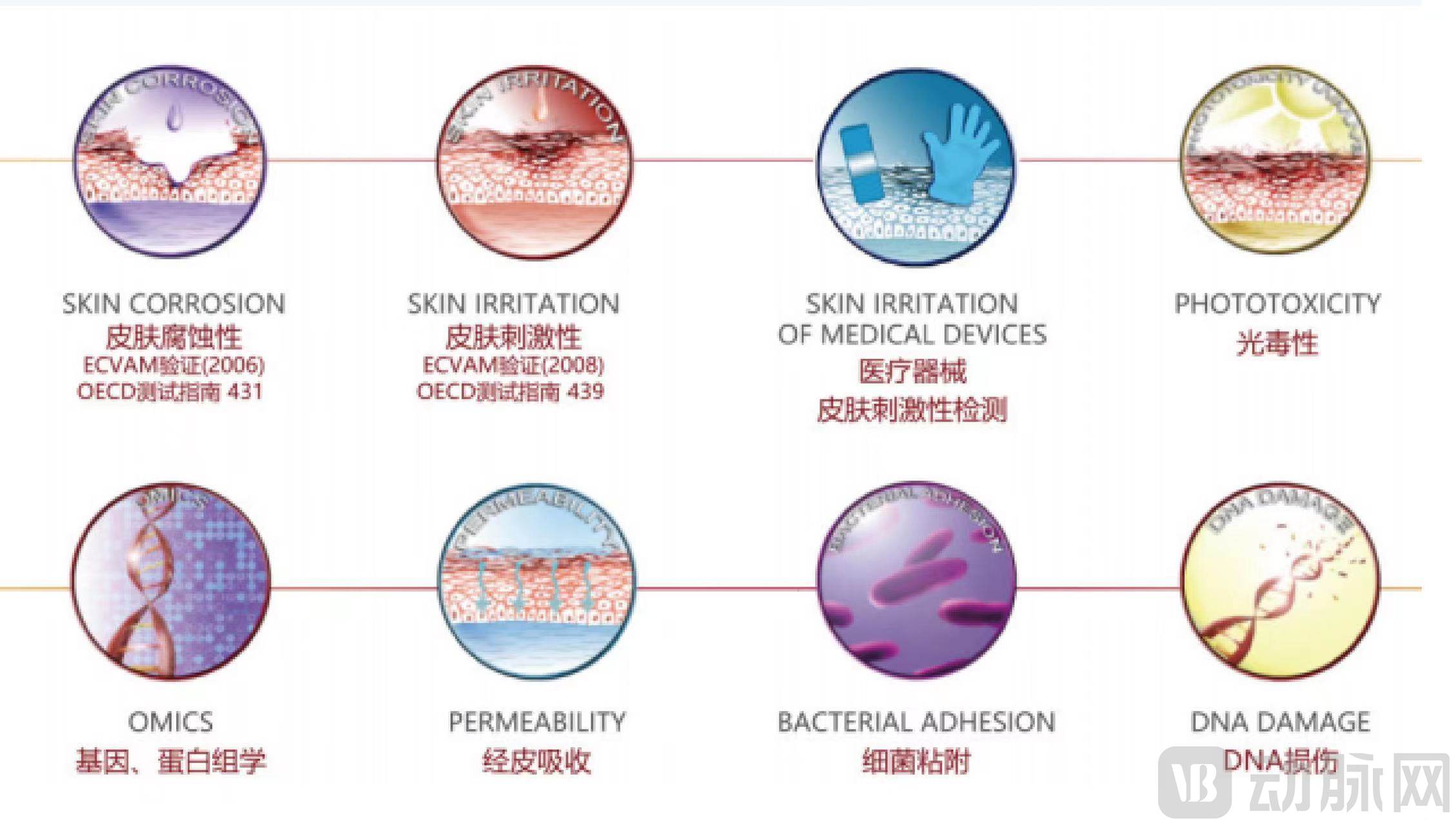
Applications of 3D Skin Models
Image source: Pansheng Bio
Meanwhile, guided by the concept of biodegradability, Pansheng Bio has developed a series of skin repair products. Among these, the collagen dressing made from biodegradable collagen has completed registration testing for Class III medical devices and is currently undergoing clinical trials in humans.
Collagen Dressing is a medical non-woven fabric impregnated with Type I collagen, suitable for adjunctive therapy in wound repair following laser procedures. Application of the Collagen Dressing to damaged skin allows direct delivery to the basal layer of the affected area, efficiently replenishing lost collagen and facilitating tissue repair.
The collagen dressing contains only pure collagen solution, which can be naturally degraded and absorbed. The concept of natural biodegradability is integrated into Pansheng Bio’s products, ensuring the safety of its repair solutions.
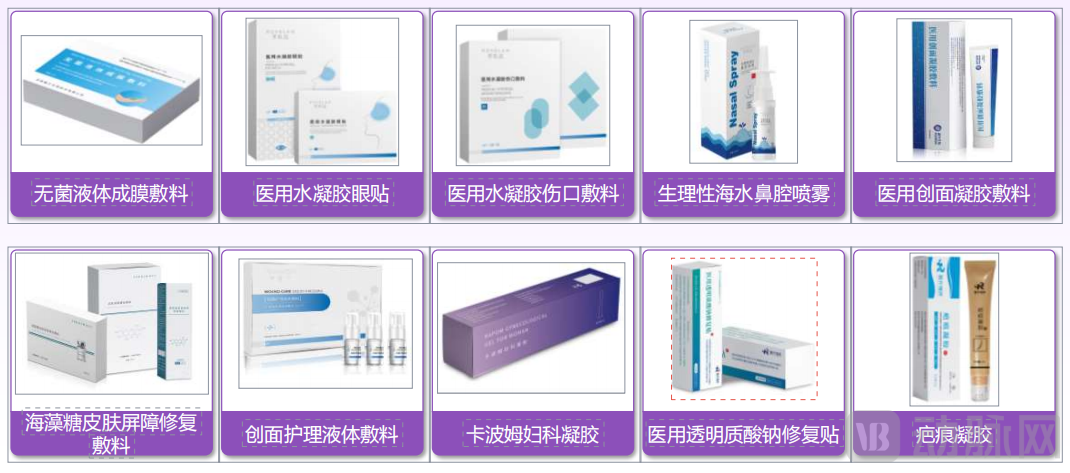
Pansheng Biotech’s Partial Product Portfolio in Skin Repair (Image Provided by Interviewee)
Image source: Pansheng Bio
Having navigated the early challenges of scientific innovation and technological iteration, regenerative medicine now stands at the crossroads of industrialization, facing new hurdles in standardization, reproducibility, and consistency. Cell screening, isolation, passaging, and batch-to-batch stability have all become significant barriers to the industrial scale-up of regenerative medicine.
Approved jointly by the Jinan Municipal Science and Technology Bureau, the Jinan Municipal Development and Reform Commission, the Jinan Municipal Health and Family Planning Commission, and the Jinan Municipal Food and Drug Administration, Pansheng Biology has established a tissue and cell resource bank to conduct cell collection, harvesting, and research activities in compliance with regulatory requirements.
Leveraging large-scale production equipment with capabilities such as cell culture and viability analysis, Pansheng Bio strictly controls the processes of cell extraction, passaging, and cryopreservation, ensuring that the viability of harvested cells exceeds 90%. The production process is controlled in accordance with pharmaceutical quality standards, and the operational environment meets Good Manufacturing Practice (GMP) requirements. From tissue sourcing to cell supply, Pansheng Bio implements a series of quality control measures to guarantee the uniformity and safety of the supplied cells.
In 2016, Jinan Chuangze Biopharmaceutical Technology Co., Ltd., also under the Pansheng Group, was established, focusing on intelligent solutions for automated cell production. The company has launched products including a fully automated cell preparation system, a fully automated tissue dissociation instrument, a multi-channel fluorescent cell counter, and a cell thawing system, among whichFully Automated Cell Preparation System Has Entered Mass Production.
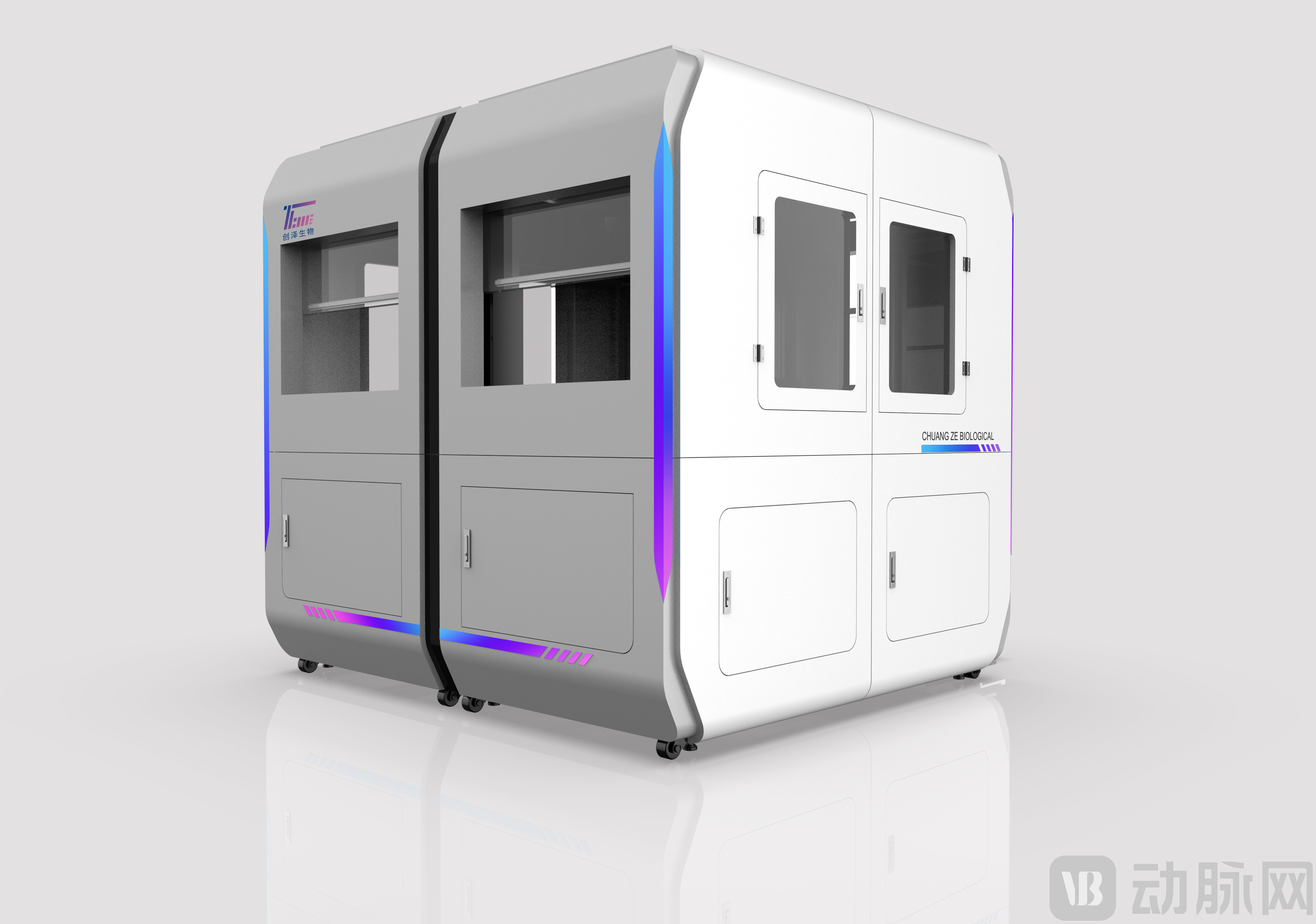
Fully Automated Cell Preparation System
Image source: Pansheng Biotech
Large-scale, automated cell production and preparation are not only prerequisites for developing cell-based therapies but also key to the industrialization of regenerative medicine. By building a multidisciplinary team and holding over 100 patented technologies, Pansheng Bio has initiated research in multiple areas, including artificial corneas, hair follicle regeneration, and autologous engineered skin, further advancing exploration in the field of skin regeneration.
Pansheng Biology participated in the formulation of four national and industry standards related to medical devices, all of which have been approved by expert review committees; among them, three have completed validation.Including in vitro skin irritation testing of medical devices, sodium hyaluronate medical dressings, and preclinical animal studies of medical devices—induction of a skin defect model in diabetic rats.
The tailwinds of regenerative medicine are gaining momentum, and the blueprint for an impending commercial boom is about to unfold. As front-end research achievements accelerate their translation into applications, industry consensus is gradually taking shape, speeding up the industrialization and commercial implementation of regenerative medicine. VCBeat will continue to monitor these developments closely.