

Kunshan Yiyuan Secures Over RMB 100 Million Series B Funding, Paving the Way for Domestic CT Tube Independence and Empowering China's Medical Equipment Self-Reliance

Medical Source
R&D and Manufacturing of Medical X-ray Tubes and Their Application Products
CT X-ray tubes are core components in the medical imaging industry chain, often referred to as the “heart” of CT scanners. For a long time, this sector has been monopolized by foreign medical giants, a situation that has hindered the healthy development of China’s healthcare industry. During the 12th, 13th, and 14th Five-Year Plans, the Chinese government consistently listed CT X-ray tubes as high-end strategic products requiring key breakthroughs and development, encouraging domestic enterprises to independently develop CT X-ray tubes. Benefiting from favorable policies, significant progress has been made. Domestic CT X-ray tube manufacturers, represented by Kunshan Yiyuan Medical Technology Co., Ltd., have lived up to expectations by breaking through technological blockades and achieving large-scale market application. The eve of a surge in the localization of CT X-ray tubes has arrived!
Currently, in the mid-to-low-end segment of complete medical imaging systems, domestic brands have achieved sales volumes comparable to those of international giants. However, full autonomy and control over core components have not yet been realized, exposing the industry to risks related to supply chain security and rising costs. According to United Imaging’s response to the inquiry letter during its IPO review, all core components of the company’s MR products are self-manufactured, whereas those for its XR products are entirely sourced externally (including both imported and domestically produced items). In the case of CT products, the market share of CT X-ray tubes from domestic brands is less than 5%. Disclosures in the IPO prospectuses and related documents of multiple domestic CT manufacturers indicate that foreign suppliers of X-ray tubes have consistently ranked among their top two suppliers for many consecutive years.
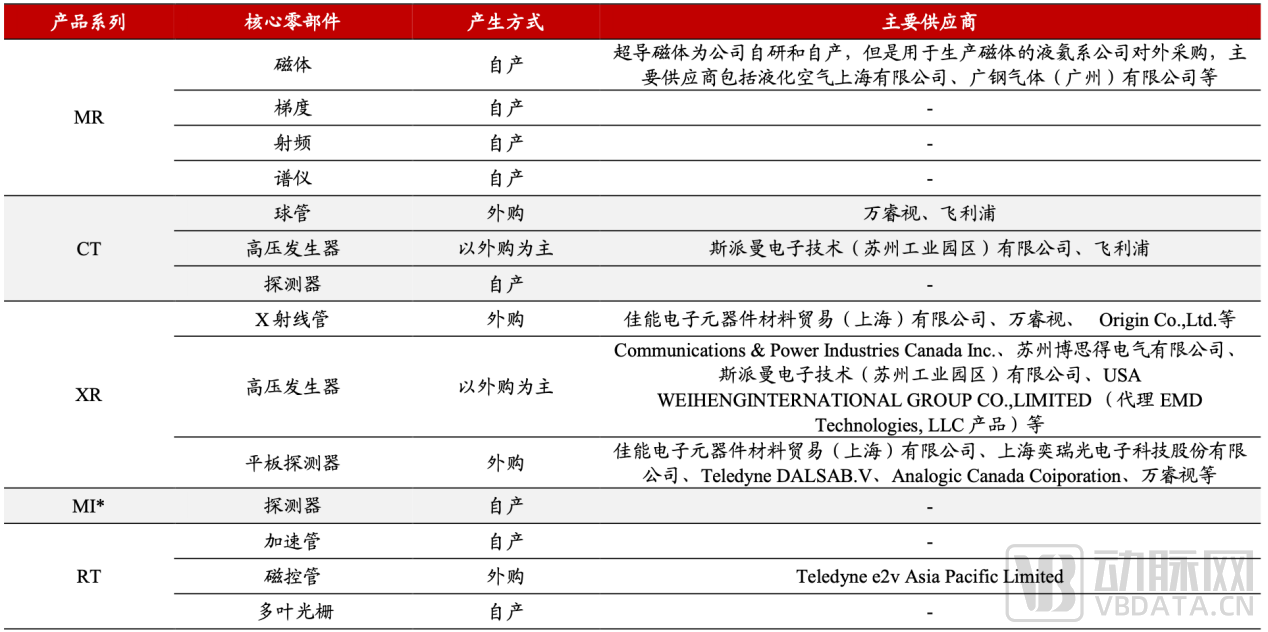
Figure 1 Major Suppliers of Core Components for United Imaging Products
Data Source: Response Report to the Inquiry Letter for United Imaging’s Listing Review, Ronghui Research
As the “core” of CT scanners, the CT X-ray tube accounts for approximately 20% of the bill of materials (BOM) cost of the entire CT system. It is also a high-value consumable, typically requiring replacement every two years; however, hospitals with high outpatient volumes may need to replace it annually or even every six months. Currently, more than 95% of the CT X-ray tube market for original equipment manufacturers (OEMs) in China is dominated by Philips, Dunlee, and Varex Imaging.
(1) Dunlee as a Benchmark: It pioneered the X-ray tube replacement market in 1998 and was acquired by Philips in 2001. As a major OEM X-ray tube supplier for Chinese CT manufacturers, China has become the fastest-growing region for Philips Dunlee’s global revenue.
(2) Varex Imaging: Formerly the Image Components Business (ICB) of Varian, it was spun off and listed independently in 2017. In 2021, Varex produced over 27,000 X-ray tubes, with its Wuxi facility achieving an annual encapsulation capacity of 3,000 units. In Q4 2021, the Asia-Pacific region became Varex’s largest revenue-generating region for the first time.
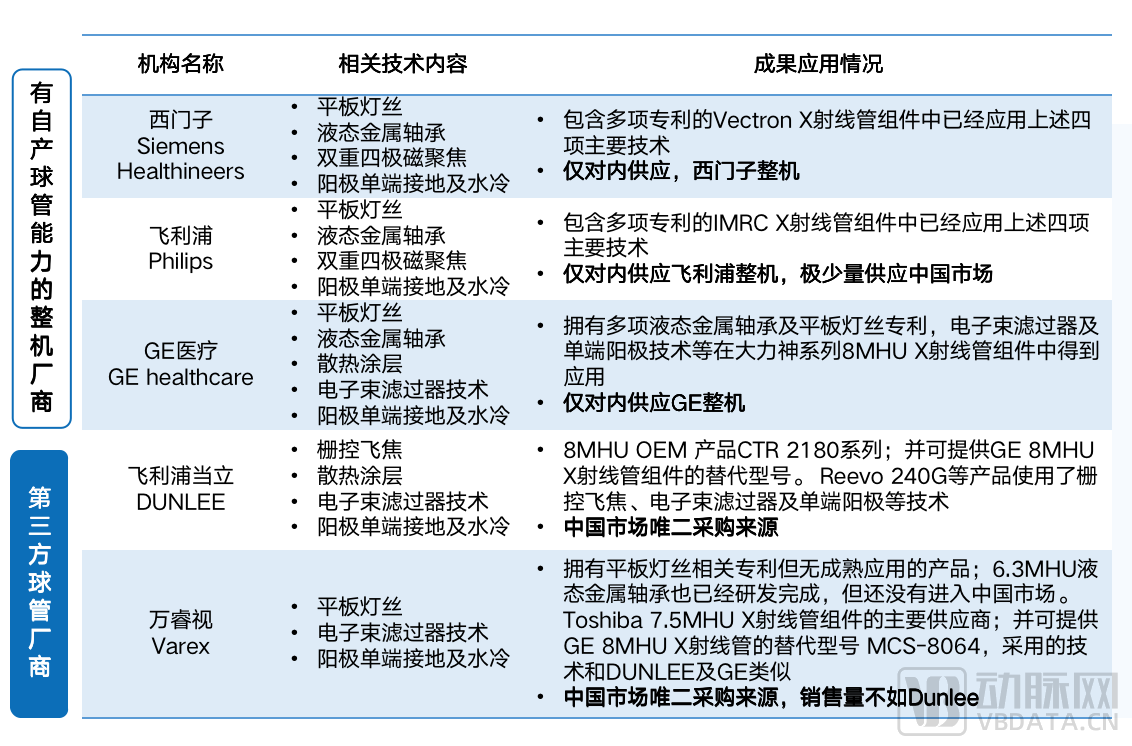
Figure 2: Imported brands such as Dunlee and Varex have long monopolized the market
Data sources: Company website, expert interviews, Ronghui Research
The Chinese government attaches great importance to addressing the bottleneck issues associated with CT X-ray tubes. Since 2011, the Ministry of Science and Technology has listed high-heat-capacity CT X-ray tubes as a key area for breakthroughs in high-end products. In October 2016, the Ministry of Industry and Information Technology (MIIT), the National Development and Reform Commission (NDRC), the Ministry of Science and Technology (MOST), the Ministry of Commerce (MOFCOM), the National Health and Family Planning Commission (NHFPC), and the China Food and Drug Administration (CFDA) jointly issued the "Guidelines for the Development Plan of the Pharmaceutical Industry during the 13th Five-Year Plan Period." In the section on "Medical Devices—Medical Imaging Equipment," the guidelines explicitly emphasized the priority development of CT X-ray tubes. In May 2017, the Ministry of Science and Technology clearly stated in the "Special Plan for Scientific and Technological Innovation in Medical Devices during the 13th Five-Year Plan Period" that key breakthroughs should be achieved in CT X-ray tube manufacturing technologies. In December 2021, ten ministries and commissions, including MIIT, the National Health Commission (NHC), NDRC, and MOST, issued the "14th Five-Year Plan for the Development of the Medical Equipment Industry," which proposed strengthening industrial foundational capabilities and focusing on the research and development of key components such as high-power CT X-ray tubes, vacuum high-temperature bearings for CT X-ray tubes, and large-capacity rotating anodes. Various ministries and commissions have supported the implementation of CT X-ray tube projects through multiple channels, guiding the independent development of core CT X-ray tube technologies from the perspectives of product R&D, localization, and industrialization.
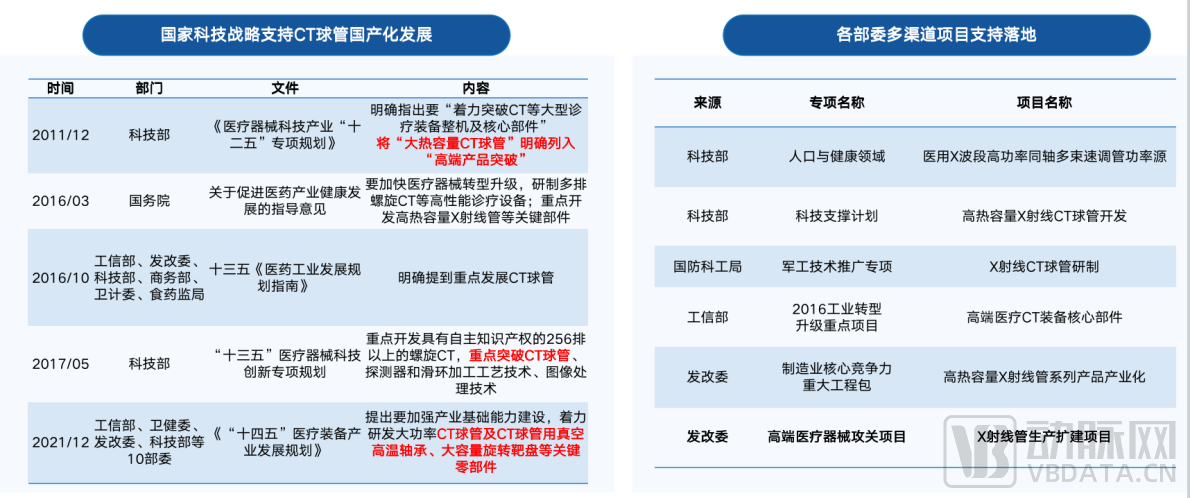
Figure 3: The Significance of Achieving Independent Control over Core Components of CT Equipment
Data Sources: Official websites of the State Council, the Ministry of Industry and Information Technology, and the Ministry of Science and Technology; Ronghui Research
CT X-ray tubes are high-value consumables (registered as Class II medical devices). The warranty period for typical imported products is generally 200,000 seconds or one year. On average, hospitals need to replace one CT X-ray tube every 12–18 months. The maintenance and replacement costs for CT X-ray tubes are also substantial; the typical winning bid price for hospital procurement of a CT X-ray tube with a 5 MHU heat capacity ranges from RMB 400,000 to RMB 800,000.
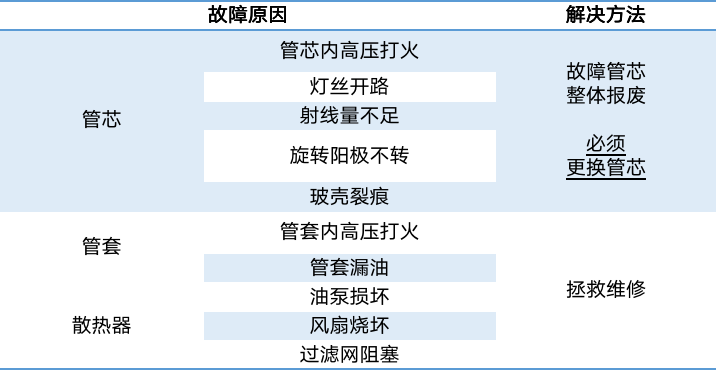
Figure 4 Overview of X-ray Tube Failure Maintenance Causes
Data Source: CNKI, Ronghui Research
According to calculations, the domestic CT tube market capacity in China exceeded 30,000 units per year in 2025. The market is primarily divided into two segments: OEM for complete systems and after-sales maintenance.
(1) Complete CT System OEM Market: This refers to new equipment supplied to complete CT system manufacturers. The primary purchasers are domestic Chinese CT manufacturers, while potential purchasers include foreign CT manufacturers producing in China. Serving the OEM market tests an X-ray tube manufacturer’s product stability, customized design capabilities, and adaptability improvement capabilities. It is estimated that in 2025, domestic Chinese CT manufacturers will require approximately 6,500 X-ray tubes for production, while foreign CT manufacturers producing in China will require approximately 6,000 X-ray tubes.
(2) After-sales maintenance market: This refers to providing CT tube repair and replacement services for the installed base of hospital equipment, targeting third-party maintenance companies. This market places greater emphasis on the tube manufacturers' service capabilities, response speed, and product longevity. It is estimated that the demand for CT tube repairs in China's installed base will reach approximately 18,000 units in 2025.
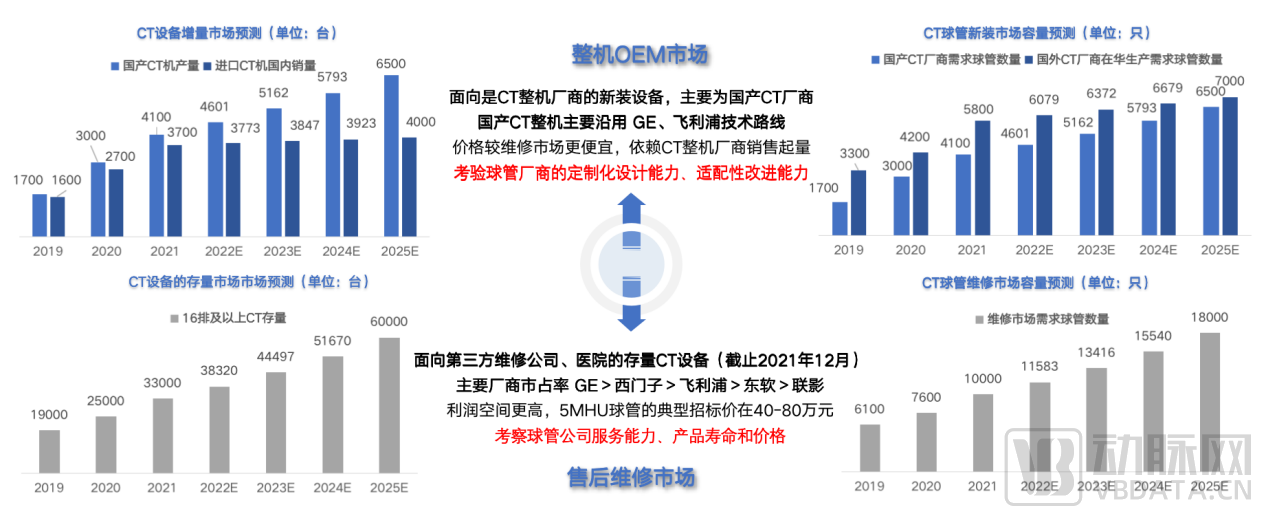
Figure 5. Estimation of CT X-ray Tube Market Size
Data Source: Expert Interviews, Ronghui Research
Based on the heat capacity specifications of CT X-ray tubes, product series are categorized into 3.5 MHU, 4 MHU, 5 MHU, 6.3 MHU, 7.5 MHU, and 8 MHU. Among these, the 3.5 MHU, 5 MHU, and 8 MHU models offer broader compatibility with various CT systems and exhibit strong market demand.
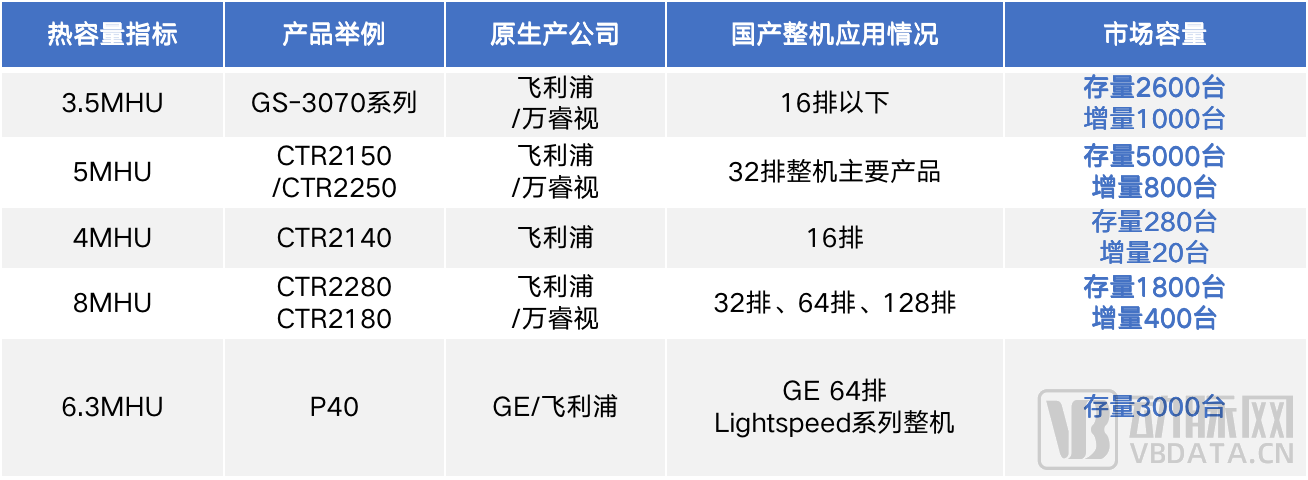
Figure 6: Market Size Estimation for the CT X-ray Tube Segment
Data Source: Expert Interviews, Ronghui Research
The principle by which an X-ray tube generates X-rays is straightforward; however, manufacturing products with stable quality and long service life is challenging. The mechanism involves heating the cathode to emit electrons, which then strike the anode target at high velocity to produce X-rays. This entire process subjects the X-ray tube to conditions of high vacuum, high voltage, intense heat, and high rotational speed:
(1) High vacuum: The vacuum level should be maintained below 133.322×10⁻⁷ Pa (10⁻⁷ mmHg) to ensure proper heating of the filament and the velocity of electrons flying toward the anode;
(2) High voltage: High voltage is required for electron generation;
(3) High heat: Electron emission requires heating the cathode, resulting in high filament temperatures. During operation, over 99% of the energy consumed by the X-ray tube is converted into heat, while less than 1% is converted into X-rays. A significant amount of heat radiates outward, causing the X-ray tube to operate under high-temperature conditions. Heat capacity and heat dissipation rate are critical technical indicators; the greater the heat capacity and the higher the heat dissipation efficiency, the better the performance of the X-ray tube.
(4) High speed: The anode target disk rotates at high speed, requiring bearings to drive the high-speed rotation.
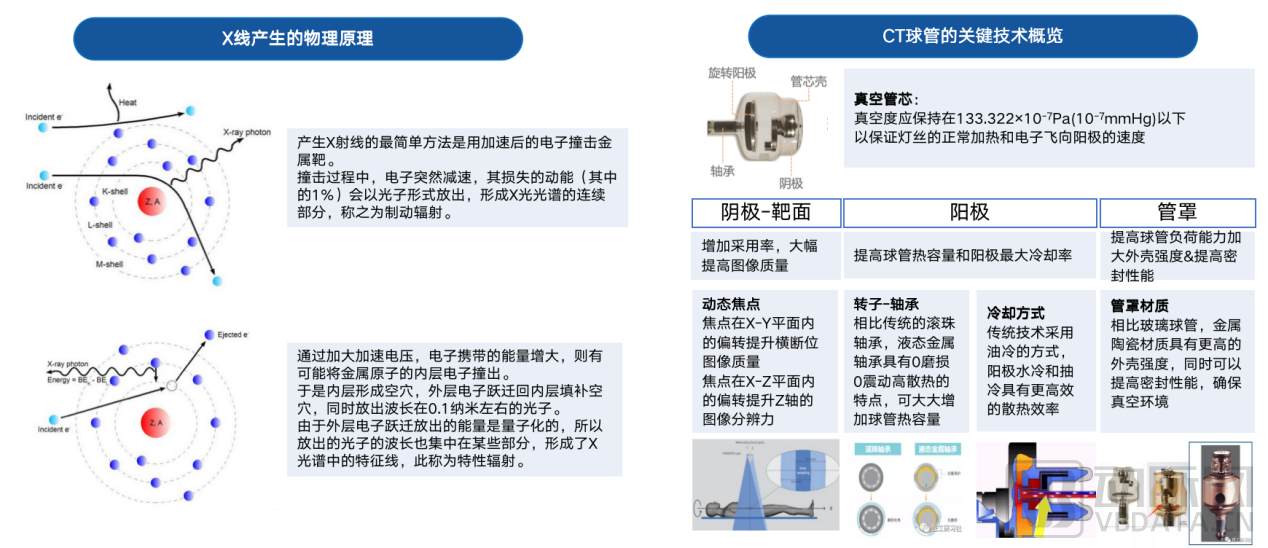
Figure 7 Working Principle and Key Technologies of CT X-ray Tubes
Data sources: CNKI, expert interviews, Ronghui Research
The service life of CT X-ray tubes is the metric of greatest concern to users. However, in high-vacuum CT X-ray tubes manufactured with precision, even minute variations in individual components can lead to failures. CT X-ray tubes encompass multiple technical domains, including beam optics, mechanical mechanics, electromagnetics, vacuum technology, specialized materials, kinematics, and heat exchange. They impose stringent requirements on manufacturing processes, foundational infrastructure, and process equipment, resulting in high barriers to design and production that necessitate extensive long-term accumulation and expertise. Furthermore, the complexity of manufacturing processes, coupled with a low degree of automation, makes it exceptionally challenging to achieve consistent product quality and stable service life in mass production.
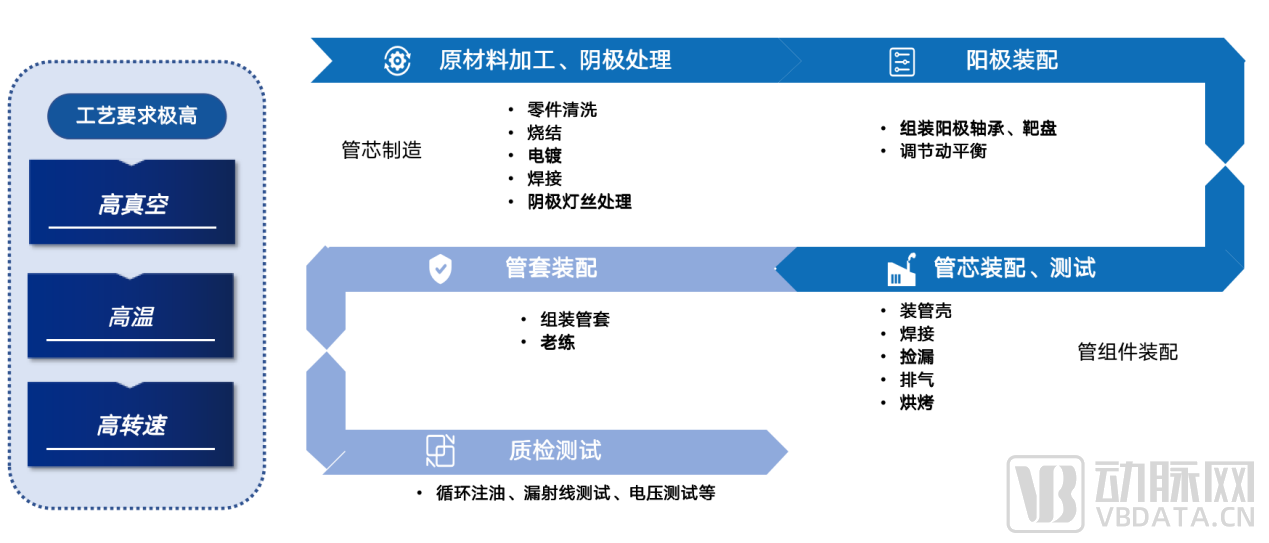
Figure 8. Production Process of CT X-ray Tubes
Data Sources: CNKI, Expert Interviews, Ronghui Research
The Time Has Come, the Momentum Is Built. As a Disruptor in China’s CT X-ray Tube Industry, Kunshan Yiyuan Medical Technology Co., Ltd. (Medical Source) Has Pioneered the Mass Production and Large-Scale Application of High-Heat-Capacity CT X-ray Tubes, with Hundreds of Units Installed to Date. Recently, a distinguished 5.3 MHU “Meritorious” X-ray tube produced by Kunshan Yiyuan was honorably retired after 1,191 days of service, accumulating 2.09 million scan seconds. Throughout its operational life, the tube maintained excellent performance, with image quality fully meeting hospital diagnostic and quality control requirements, earning consistent acclaim from hospital leadership at all levels. This achievement sets a new benchmark for domestically produced CT X-ray tubes, essentially reaching the “ceiling” for ball-bearing CT X-ray tubes. It is rare even among foreign brands’ comparable ball-bearing CT X-ray tubes to exceed 2 million scan seconds.

Figure 9. Kunshan Yiyuan Sets New Benchmark for Domestically Produced CT X-ray Tubes
Kunshan Yiyuan Medical Technology Co., Ltd. boasts a multidisciplinary R&D, technical, and production team, bringing together expertise in electro-vacuum technology, simulation science, mechatronics, electronic engineering, mechanical design and manufacturing, electrical automation, and materials science. The majority of its core members have previously held positions in the R&D, process engineering, and production departments of CT X-ray tubes at major international medical device corporations. The company currently operates China’s largest CT X-ray tube production center, featuring over 10,000 square meters of R&D and production lines for X-ray tube inserts and assemblies. It is equipped with professional Class 10,000 cleanrooms for tube insert assembly, with an designed annual production capacity exceeding 7,000 units.
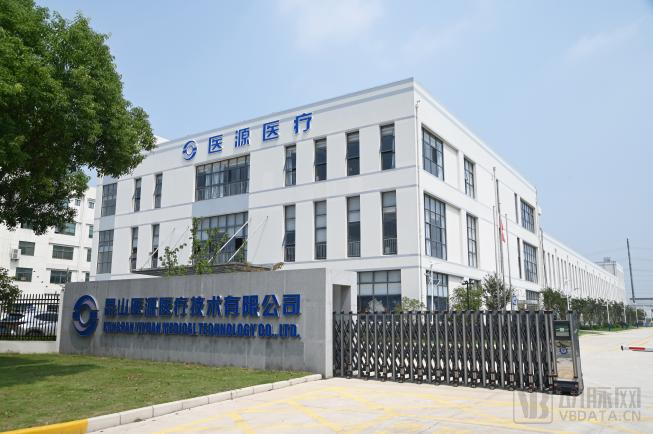
Figure 10 Medical Source boasts China's largest X-ray tube production center
In terms of technical proficiency, product lifespan, user reputation, and market share, Kunshan Yiyuan holds significant advantages in China and is gradually breaking the foreign monopoly on CT X-ray tubes. Beyond making a name for itself in the repair market, with over 500 CT X-ray tube units deployed across more than 300 hospitals, the company has also taken the lead in the complete CT system market. It has completed registration for system integration with multiple CT manufacturers; two of these partnerships have finalized registration and are progressively initiating production. It is expected that CT systems featuring Chinese “chips” will be launched to the market this year. Through collaboration between Medical Source and its partners, China’s journey toward self-reliance and controllability in CT equipment has reached a new milestone!
In July 2023, the company completed a Series B financing round exceeding RMB 100 million, led by Longma Peak Capital, with participation from Jiangsu High-Tech Investment and existing shareholder Sunshine Ronghui Capital. With this capital support, the company will enter a new phase of development, continuing to lead industry advancement in large-scale mass production, integration into OEM customers’ supply chains, and R&D reserves for cutting-edge technologies. Through diligent and unwavering efforts, we are committed to removing the most significant obstacle on the critical path toward achieving self-reliance and controllability in China’s CT equipment sector, thereby providing greater “core” support for building a leading nation in healthcare.