

Johnson & Johnson Invests in 50 Medical Innovators Over Three Years: Practicing Long-Term Vision with Strategic Open Innovation

Johnson & Johnson Innovation
Venture Capital Firms
Global multinational healthcare giants have reached a consensus,Great ideas do not only come from within.Beyond the formidable barriers they have spent a century building, an increasing number of disruptive innovations are emerging. Consequently, industry giants are once again carefully reassessing their R&D investments while continuously increasing their attention to and strategic investments in early-stage medical innovation enterprises.
Active corporate venture capitalists in the life and health industry currently include Medtronic, Pfizer Ventures, S.R.One (GSK’s independent corporate healthcare venture fund), Lilly Asia Ventures, and Johnson & Johnson Development Corporation (JJDC), all of whom are continuously sourcing innovative resources worldwide.Founded in 1973, JJDC is not only the longest-operating corporate venture capital (CVC) firm among them, but has also achieved remarkable results over the past three years.
It is often said that reviewing the past helps us understand the new, and this holds true for investment as well. Johnson & Johnson’s first venture capital investment dates back to the 1960s, but it was not until 1973 that JJDC (Johnson & Johnson Development Corporation) was officially established, marking its 50th anniversary this year. Over the past three years, JJDC has remained active in the healthcare investment market. By looking behind the scenes of its capital operations, VCBeat has analyzed its investment layout in the healthcare sector, revealing an investment logic that is well worth attention.
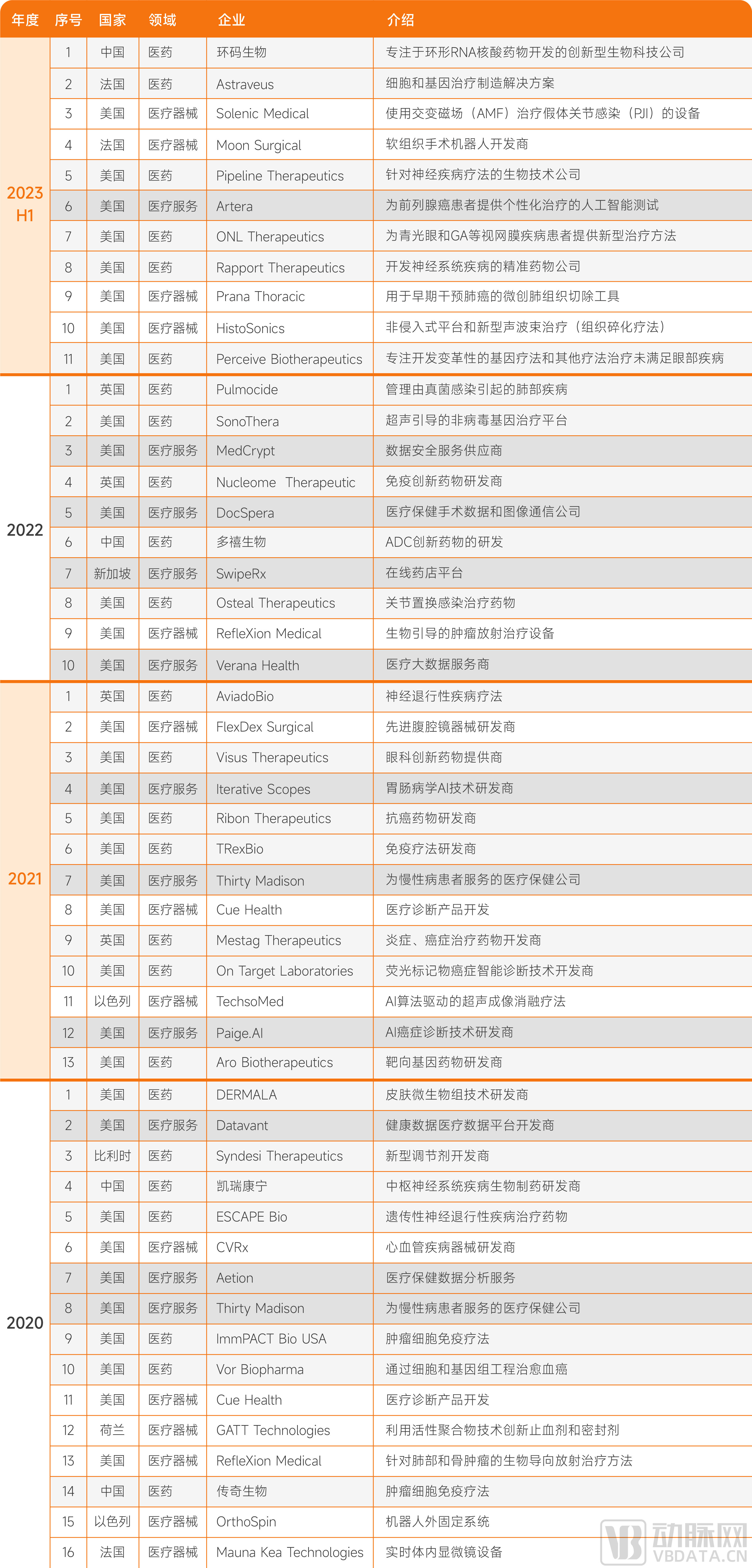
JDCC Investment Project Inventory, 2020–H1 2023
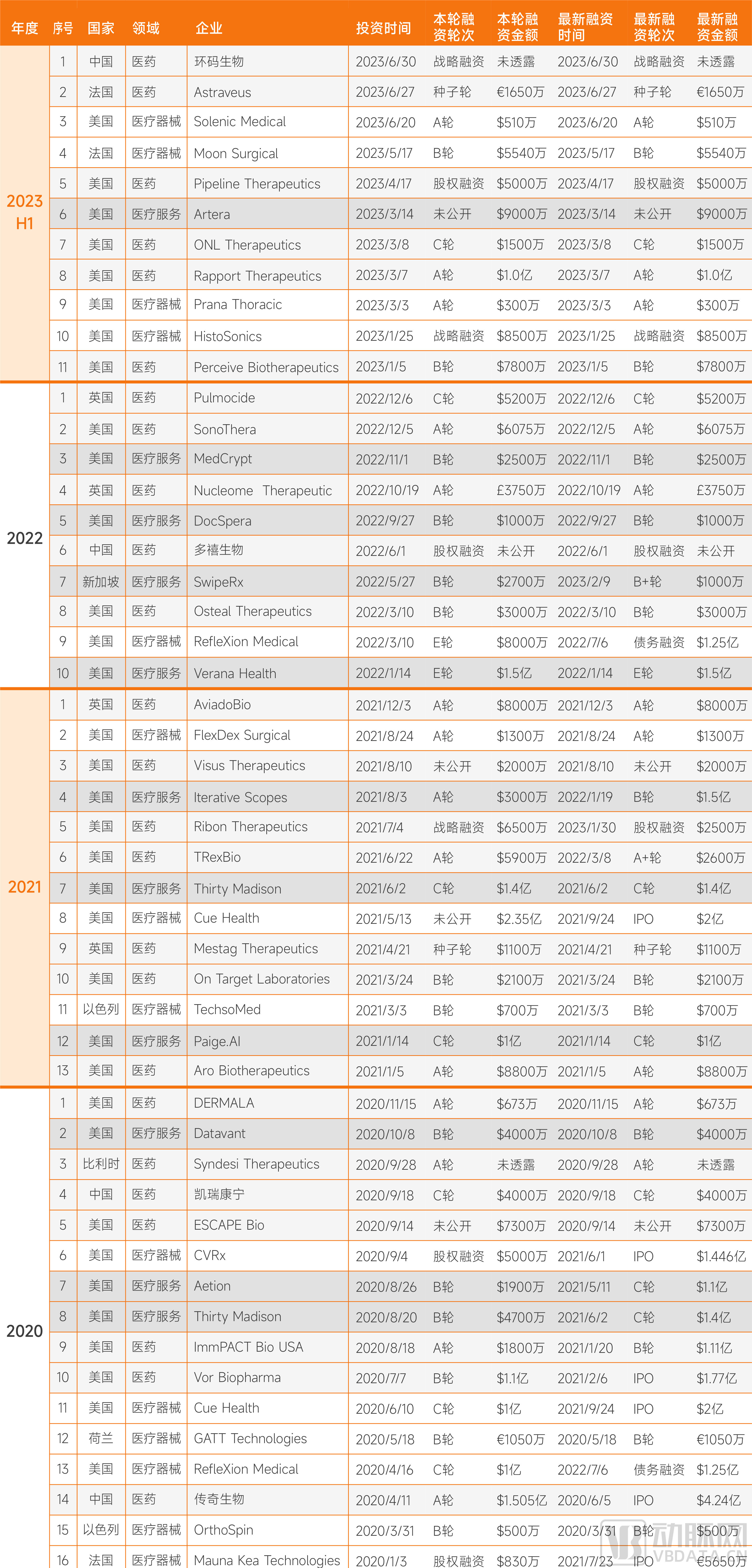
2020–H1 2023: Overview of JDCC Investment Project Financing
Data Cutoff Period: January 1, 2020 to June 30, 2023
Investment data are compiled from the VCBeat Orange Database and publicly available sources.
H1 2023 Investment Volume Surpasses Full-Year 2022, Poised to Hit Three-Year High
Over the past three and a half years, JJDC has invested in approximately 50 companies, with the highest number of investments occurring in 2020, totaling 16 companies. Notably, in the first half of 2023 alone, JJDC’s global investment activity surpassed that of the entire year 2022, reaching 11 companies.
The rebound in investment volume is partly attributable to the gradual dissipation of the pandemic, which has enabled companies to carry out investment and M&A activities smoothly, and partly to Johnson & Johnson’s strategic rebranding initiative in 2022.
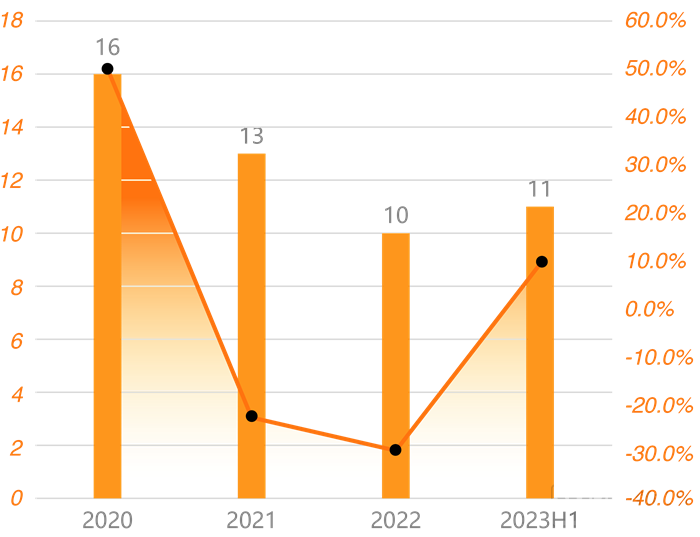
JJDC: Number of Investment Projects and Growth Rate
VCBeat Graphic
In March 2022, Johnson & Johnson announced that its medical devices business (Johnson & Johnson Medical Devices) was officially renamed globally as“Johnson & Johnson MedTech”, with business segments covering surgery, orthopedics, ophthalmology, and cardiovascular and specialized solutions.
While diversification is an inevitable path for expansion among large multinational pharmaceutical companies, how should Johnson & Johnson refocus and streamline its operations in the face of intensifying competition and rising costs within a complex global business environment? This represents a critical strategic decision following its diversification efforts, and insights into the answer may be gleaned from its 2022 annual report and 2023 investment allocations.
According to Johnson & Johnson’s annual report released in February, ophthalmology is one of the few sub-sectors within its MedTech segment that maintained positive growth across the board, serving as a key driver of performance.In line with this trend, JJDC led investments in two innovative ophthalmology companies in the first half of 2023 alone, whereas it had invested in only one ophthalmology company over the preceding three years.
In terms of R&D investment, Johnson & Johnson’s full-year R&D spending in 2022 decreased by 0.8% year-on-year. At the time of its renaming, Johnson & Johnson also laid off nearly 350 employees from its surgical robotics business. In contrast, JJDC continuously participated in two rounds of financing totaling nearly $100 million for Moon Surgical, a French collaborative surgical robotics manufacturer, in 2023.
For multinational giants with a keen eye on the broader landscape and deep pockets, R&D investment remains an imperative,However, the ability to identify innovations scattered across the globe is also a crucial external manifestation of compensating for corporate innovation capabilities. Meanwhile, increasing investment has become a key strategy for Johnson & Johnson to refocus its industry development direction following its rebranding, layoffs, and divestiture of certain business units.
The majority of invested projects are concentrated in Series A and B rounds, with most located in Europe and the United States.
Over the past three years, JJDC’s investments in 50 projects have been concentrated primarily in the seed round through Series A and B rounds, accounting for 58% of the total. Series C rounds accounted for 14%, post-Series C rounds for 24%, and undisclosed financing rounds for 8%.
It is evident that JJDC’s investments are predominantly directed toward Series A and B companies that already possess relatively mature product pipelines, have gradually commenced business operations, and have established a certain user base.
At this stage, companies have relatively clear profit models and well-defined investment objectives, which are aimed at facilitating their rapid growth. For instance, in 2021, JJDC led the Series A financing round for FlexDex Surgical. The company already has a multi-degree-of-freedom handheld robotic platform approved for market launch, and the purpose of the financing is to develop next-generation advanced laparoscopic instruments with robotic capabilities.
Of course, JJDC does not rule out investing in mid- to late-stage companies. Debi Watson, Vice President of JJDC, mentioned in an interview that JJDC maintains a long-term investment horizon, aiming to support companies over time until they reach a significant milestone—such as an initial public offering (IPO) or acquisition.
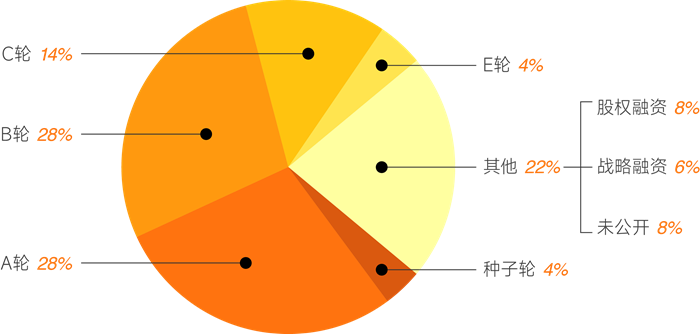
JJDC: Number and Percentage of Financing Rounds
VCBeat Graphics
Statistics show that 88% of the projects invested in by JJDC are concentrated in Europe and the United States, while more than half of the investments outside these regions are in China. This clearly demonstrates Johnson & Johnson’s significant emphasis on the Chinese healthcare market, as well as the growing global recognition of the rapid development of China’s healthcare industry in recent years.
Furthermore, JLABS@Shanghai, Johnson & Johnson’s innovation incubator, is the first open innovation platform officially recognized by the Shanghai Municipal Government. Johnson & Johnson has further advanced its localization strategy in China, exemplified by an all-Chinese board of directors for its China region and the establishment of large-scale, high-end supply chain and manufacturing bases in cities such as Beijing, Shanghai, Suzhou, Xi’an, and Guangzhou.
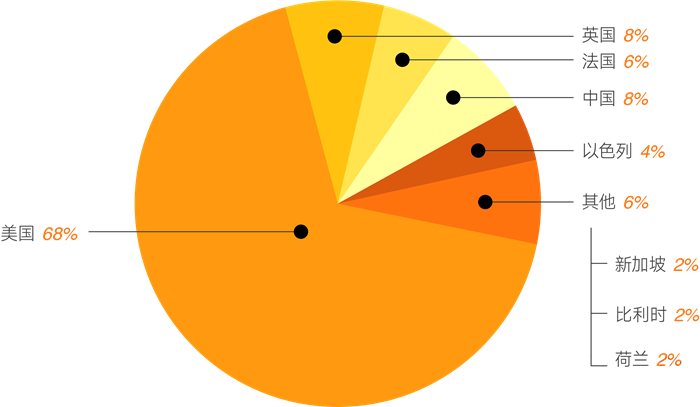
Number and Percentage of Countries in JJDC’s Investment Portfolio
VCBeat Graphic
Heavy Bets on the Pharmaceutical Sector: Oncology, Neurological Drugs, and Gene Therapies Emerge as Investment Hotspots
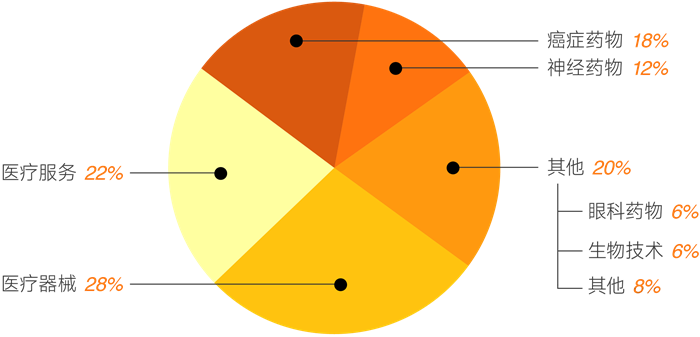
JJDC’s investment portfolio spans three major sectors: pharmaceuticals, medical devices, and healthcare services, comprising 24 pharmaceutical projects, 14 medical device projects, and 11 healthcare service projects.The project covers a wide range of sub-sectors, including immunotherapy and cell therapy, antibody drugs, the gene sector, targeted therapy, big data, neurological diseases, nucleic acid therapy, artificial intelligence, digital health, and healthcare.
VCBeat Graphic
In the pharmaceutical sector, where JJDC has been most active, it has invested in 14 companies solely within the fields of oncology and neuroscience drugs. Furthermore, JJDC continues to increase its investments in niche segments such as ophthalmic drugs, rare diseases, and innovative biotechnologies.
This investment strategy is also closely tied to Johnson & Johnson’s performance across its entire pharmaceutical segment. According to the 2022 annual report,Johnson & Johnson’s pharmaceutical business accounts for the largest share of sales among its three major business segments.. In the pharmaceutical business, four major therapeutic areas—immunology, oncology, neuroscience, and infectious diseases—serve as the core pillars. Notably, oncology products achieved a 9.9% growth in 2022, contributing nearly $16 billion in revenue.
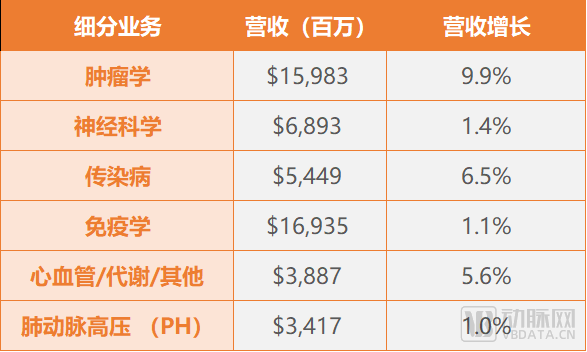
Johnson & Johnson’s 2022 Pharmaceutical Segment Revenue and Its Growth Rate
Source: Johnson & Johnson 2022 Annual Report
Great ideas and disruptive innovations can emerge from anywhere in the world. However, for entrepreneurs, starting a business is inherently a process of creating something out of nothing—progressing from 0 to 1, then from 1 to 100, and finally from 100 to N. At each stage, entrepreneurs face distinct challenges and requirements.
As the world’s most comprehensive healthcare enterprise with a broad global business footprint, what services and value can Johnson & Johnson provide to its portfolio companies across different stages and sectors?
Before answering this question, we must first revisit the corporate structure of Johnson & Johnson Innovation. In addition to its venture capital arm, JJDC,Johnson & Johnson Innovation also encompasses various entities, including the JNJ Innovation Center, JLABS (focused on corporate incubation), and Business Development. These units maintain distinct roles while collaborating closely throughout the entire investment lifecycle.
Innovation Hub: Centered on innovation zones and resident experts, providing one-stop entrepreneurial services for founders.
Johnson & Johnson Innovation, established in 2013, aims to identify early-stage innovations and forge new partnerships centered around the world’s leading innovation hubs, thereby investing in and accelerating the development of these innovations to address unmet patient needs.
Currently, Johnson & Johnson is inBoston, San Francisco, London, and ShanghaiThere are a total of four regional innovation centers. Leveraging Johnson & Johnson’s global scale, cross-sector advantages, and multidisciplinary expertise, these centers employ scientific solutions and flexible collaboration models. Experts based within the centers provide specialized knowledge and funding resources to scientists, entrepreneurs, and companies focused on early-stage innovation opportunities.
JLABS: An Innovation Incubator with No Strings Attached, Having Incubated Over 800 Projects Worldwide
Long before the establishment of its innovation centers, Johnson & Johnson had already embraced the concept of collaborative innovation. In 2004, Melinda Richter founded Prescience International, a company providing services to firms in the life sciences sector, which served as the early prototype for JLABS. In 2012, Johnson & Johnson’s JLABS was officially established, and Prescience was integrated into the Johnson & Johnson portfolio.
As of now, Johnson & Johnson has established 13 JLABS locations worldwide, including in Shanghai, San Diego, San Francisco, Boston, New York, and Washington, D.C.JLABS’ core mission is to provide these startups with the necessary laboratory equipment, infrastructure, and mentorship and training, enabling their early-stage innovative ideas to move from paper to the lab and ultimately reach the global market.
Moreover, JLABS adopts a "no strings attached" residency model,Innovative companies can enjoy comprehensive incubation services provided by Johnson & Johnson, including infrastructure support, product development, technical guidance, financing, and industry resource matchmaking, while maintaining independent development directions, retaining intellectual property rights, and without any obligation to sell their technologies to Johnson & Johnson in the future.
As of publicly available data through 2022, JLABS has successfully incubated 651 startups, including 439 pharmaceutical companies, 142 medical device companies, and 70 healthcare consumer products companies, with 13 locations worldwide.
Business Development (BD): Building an Open and Collaborative Ecosystem to Achieve “1+1>2”
The Business Development (BD) department accelerates innovation by building strategic partnerships, combining Johnson & Johnson’s resources, technology, and investment capital to become an entrepreneurial engine that drives growth and enhances customer proximity.
On June 1, 2022, Duoxi Bio announced a collaboration agreement with Janssen Pharmaceuticals, a subsidiary of Johnson & Johnson, to jointly develop up to five new antibody-drug conjugate (ADC) drugs. Under this partnership, Janssen Pharmaceuticals will provide the antibodies, while Duoxi Bio will contribute its ADC technology platform. JJDC also made an equity investment in Duoxi Bio.
Venture capital firms act as co-pilots, partnering with entrepreneurs on their journey. Johnson & Johnson accelerates innovation and fosters mutual growth by collaborating with innovators, startups, scientists, and academic research institutions from various regions through early-stage R&D partnerships, strategic venture capital investments, and corporate incubation programs.
However, Debi Watson also noted that while the healthcare sector will always present significant investment and fundraising opportunities, investors are becoming increasingly cautious about deploying capital as the market tightens. Consequently, innovators will face higher barriers in proving that their companies are worthy of investment.
Since the beginning of 2023, Johnson & Johnson and Eli Lilly have been engaged in a tug-of-war for the top spot in market capitalization among U.S. healthcare companies.
In July 2023, Johnson & Johnson reclaimed the top spot among global healthcare companies with a market capitalization of $442.3 billion. Previously, in May, Eli Lilly’s market cap had surged to $414.5 billion, surpassing Johnson & Johnson for the first time to become the most valuable company in the sector.Eli Lilly inOn August 8, the stock closed up 17%, surpassing Johnson & Johnson once again to become the world’s most valuable publicly listed pharmaceutical company.
In the future,It is foreseeable that the fierce rivalry between these two giants will continue, which precisely confirms that in the capital market, no one can remain invincible forever.However, from a developmental perspective, Johnson & Johnson has actually maintained its prominent position for 136 years, with JJDC operating for 50 years. The company once ranked first in market capitalization among U.S.-listed healthcare enterprises for 15 consecutive years. This achievement is also attributable to its forward-looking strategy that has been consistently implemented throughout its history.
“If you wait to invest, it may be too late.”Debi Watson once said.
The winter chill has yet to abate in both the global pharmaceutical and medical device markets. As interest rates rise and inflation intensifies, market contraction is deepening further, triggering profound industry upheaval. In the wake of layoffs and entanglement in compensation lawsuits, Johnson & Johnson appears to be facing a new round of severe tests.
“By working alongside global innovators through its service model, Johnson & Johnson is always able to grasp industry trends in real time and ahead of the curve,” Debi Watson also revealed in an interview.“The application of artificial intelligence and data science in clinical trial design and patient selection may be the next potential hotspot.”
On July 20, Johnson & Johnson announced its financial results for the first half of 2023, reporting total revenue of $50.276 billion, a 6% year-over-year increase. Notably, its MedTech segment generated $7.79 billion in revenue, representing a 12.9% growth compared to the same period last year. This performance has propelled Johnson & Johnson back to the top spot as the world’s largest medical device company after a seven-year hiatus. Amidst the undercurrents of an era in flux, one cannot help but wonder: what future achievements will Johnson & Johnson deliver beneath this upward trajectory?
Finally, we have curated a list of 10 typical innovative enterprises invested in by JJDC over the past three years. By analyzing these companies, we explore which emerging technologies and sectors are worth pursuing in the future industry landscape, and what insights we can draw from them.
HistoSonics: Focused on Non-Invasive Ultrasound Tumor Ablation, an Innovative Alternative to Surgical Oncology
HistoSonics, founded in 2009, is a company that develops non-invasive platforms and novel acoustic beam therapy (histotripsy).
Currently, the company has developed Edison, a non-invasive sonic wave therapeutic robot platform capable of disrupting tissue at the subcellular level.Edison is also the first ultrasound surgical platform for non-invasive, non-ionizing, and non-thermal ablation guided by real-time imaging.
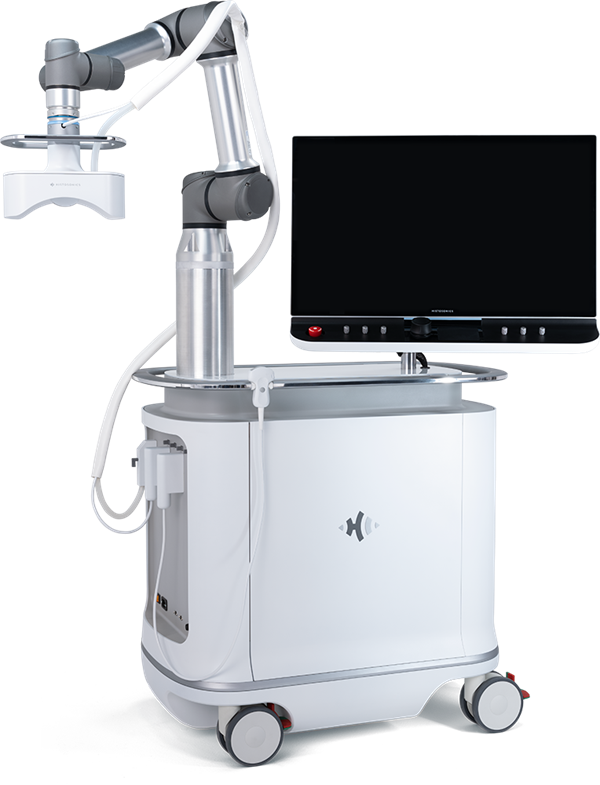
Image source: HistoSonics official website
Edison leverages the cavitation effect of ultrasound, employing pulsed sound waves to induce “bubble clouds” only a few millimeters in size from gases naturally present in target tissues. These bubble clouds form and collapse within microseconds, generating sufficiently strong mechanical forces (with pressures exceeding -25 MPa) to disrupt target tissues at the cellular and subcellular levels in a non-invasive and non-thermal manner; the disrupted tissue is subsequently absorbed by the body or excreted via urine.
In June 2023, HistoSonics announced that the first renal patient in its Phase I prospective, multicenter study had been treated using the Edison Platform, marking the world’s first surgical procedure to treat a renal tumor with histotripsy.Edison is currently awaiting FDA review for the indication of ablating liver tissue. The CAIN trial is expected to support future expansion of the indications to include ablation of kidney tissue.
RefleXion Medical: The World’s First Biology-Guided Radiotherapy Device, Revolutionizing the Management of Cancer Cell Biological Mobility
RefleXion, founded in 2009, is dedicated to the research and development of biology-guided radiotherapy (BgRT), now renamed Scintix. The company developed the world’s first biology-guided radiotherapy system, the RefleXion X1, which was granted Breakthrough Device designation by the U.S. FDA in 2021.
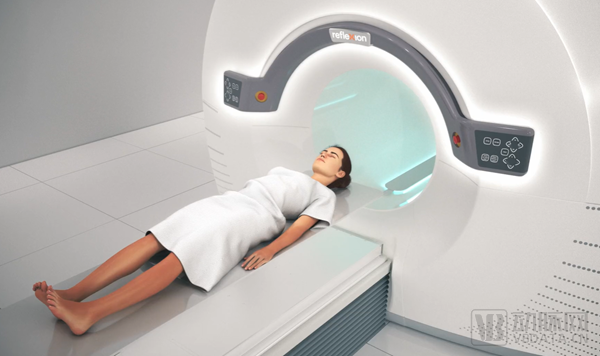
Image source: RefleXion Medical official website
In February 2023, RefleXion received formal FDA approval to begin promoting its Scintix biology-guided radiotherapy in the United States.
Scintix therapy precisely targets radiation to the tumor site by leveraging biological signals emitted by the tumor, thereby minimizing impact on surrounding healthy tissues. As a novel treatment for lung or bone tumors in patients with primary and metastatic cancers, Scintix overcomes the potential effects of conventional radiotherapy on adjacent healthy tissues and its limitations in managing complex conditions, such as metastatic cancer.
Prior to treatment, patients receive an immediate injection of a radiopharmaceutical that interacts with cancer cells to generate signals or emissions. The RefleXion X1 integrates positron emission tomography (PET) with a linear accelerator (LINAC) to track the movement of multiple tumors in real time, maintaining efficacy even during patient respiration, digestion, and motion, while minimizing damage to surrounding anatomical structures.
The RefleXion X1 has also received FDA approval for stereotactic body radiation therapy (SBRT), stereotactic radiosurgery (SRS), and intensity-modulated radiation therapy (IMRT) of solid tumors in any part of the body.
Moon Surgical:Raising Nearly $100 Million in a Year, This Surgical Collaboration Robot Secures Both FDA and CE Approvals Within Four Months
Moon Surgical is a France-based medical technology startup. Its developed Maestro system is a bedside surgical collaborative robot designed to provide soft-tissue surgical support for surgeons.
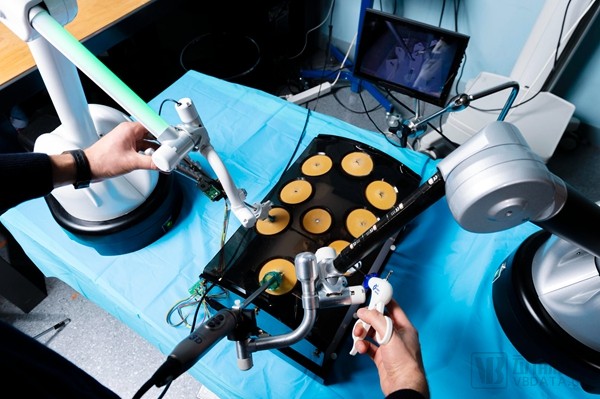
Image source: Moon Surgical official website
Compared with surgical robots such as the da Vinci system, Maestro enables physicians to achieve greater flexibility and control while ensuring they receive the highly valued “force feedback.” Furthermore,Maestro offers lower overall costs and integrates seamlessly with conventional thoracoscopic and laparoscopic surgical instruments, eliminating the need for multi-million-dollar equipment investments and dedicated operating rooms.
Moon Surgical has also partnered with NVIDIA’s AI platform to equip Maestro with intraoperative camera tracking software. Powered by this intelligent system, Maestro’s two robotic arms can learn and autonomously record the lead surgeon’s preferences, automatically follow the surgical instruments in use, and track the surgeon’s movements as well as the operating room environment. This enables the system to automatically adjust the positioning of both robotic arms to their optimal configuration before the surgery begins.
As of the time it received CE certification, Moon Surgical had successfully performed 50 Maestro-assisted laparoscopic surgeries in Europe. According to Anne Osdoit, CEO of Moon Surgical, the company has established a commercial marketing presence in the United States and plans to open a manufacturing facility in France.The company expects to officially launch Maestro in the U.S. market in 2024.
FlexDex Surgical:$500 Price Tag: All-Mechanical Handheld Robotic Platform Changes the Game in Minimally Invasive Surgery
Surgical robots have become a “standard benchmark of capability” in both China’s Grade A tertiary hospitals and top-tier medical institutions worldwide. However, their high equipment prices and surgical costs remain unaffordable for the vast majority of physicians and patients. Therefore, reducing the cost of surgical robot equipment and further lowering treatment expenses has become the key breakthrough point for the large-scale adoption of surgical robots.
FlexDex Surgical is an innovative company developing a low-cost, multi-degree-of-freedom handheld robotic platform. FlexDex’s handheld robotic platform resembles a small, dexterous mechanical claw that can be worn on the surgeon’s hand, precisely mimicking the movements of the wrist.
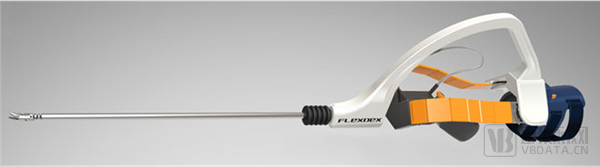
Image source: FlexDex Surgical official website
The device is connected to the surgeon’s wrist via a three-axis gimbal. Once attached, it transfers the movements of the surgeon’s hand to the instrument tip through a series of mechanical components. Leveraging the 360-degree rotation capability of the Infinity Handle, surgeons can achieve the advantages of traditional robotic surgery—such as enhanced precision, flexibility, intuitive control, and ergonomic benefits—simply by flexing their wrists.
By integrating with existing minimally invasive surgical instruments in hospitals, FlexDex’s handheld robotic platform reduces capital investment and is suitable for a variety of procedures, including inguinal and ventral hernia repair, foregut surgery, bariatric surgery, partial nephrectomy, prostatectomy, and hysterectomy.
Notably, as the device contains no electronic or computer components, it is classified by the FDA as a Class I medical device, enabling expedited approval and clinical trials.FlexDex Surgical’s second-generation product, the AXIUS 8mm needle driver, received U.S. FDA clearance in June 2023.
XWPharma:Velisibe, which has received FDA orphan drug designation, has passed Phase II clinical trials and requires only one Phase III clinical trial for approval.
Depression, epilepsy, amyotrophic lateral sclerosis (ALS), and other neurodegenerative disorders afflict a vast number of patients with central nervous system (CNS) diseases worldwide. According to data released by the World Health Organization (WHO) in 2020, the global number of individuals with depression exceeded 264 million; in stark contrast, the number of newly approved drugs for CNS disorders remains exceedingly low.
Karyoconing Bioengineering (Wuhan) Co., Ltd. is a pharmaceutical R&D company focused on the research and development of drugs for the treatment of central nervous system disorders.The company currently has three drug pipelines under development, namely:
Velisibe is a GABAB receptor agonist used to treat sleep disorders associated with narcolepsy and neurodegenerative diseases; XW10508 is a clinical candidate compound that exerts bidirectional modulatory effects through NMDA receptor antagonism and AMPA receptor activation, and is intended for the treatment of major depressive disorder and chronic pain conditions; as well as drugs for the treatment of neurodegenerative diseases such as epilepsy.
Among them,Velcibex sustained-release granules is a Best-in-Class innovative drug with global intellectual property rights, developed by Karyon for the treatment of narcolepsy. It has received Orphan Drug designation from the U.S. FDA. This designation grants approved orphan drugs seven years of market exclusivity, exemption from prescription drug user fees, and other tax incentives.
In 2022, Karyopharm Therapeutics successfully held an End-of-Phase 2 (EOP2) meeting with the U.S. Food and Drug Administration (FDA) for vericiguat extended-release granules.
At the meeting, the FDA approved the overall design of the Phase III clinical trial for Kerui Kangning’s vericiguat sustained-release granules and confirmed that, for its New Drug Application (NDA), Kerui Kangning would only need to provide data from one pivotal Phase III registration study demonstrating efficacy and safety. This stands in contrast to conventional innovative drugs, which typically require completion of two or more Phase III clinical trials prior to NDA submission.
This has significantly shortened the clinical development timeline for vericiguat, accelerated its market launch, and created favorable opportunities for rapid market expansion following the new drug application for vericiguat granules.
In addition, in 2022, CareRenewal also obtained the approval from China's NMPA for the research and development project of Velicibine Granules as a narcotic drug and psychotropic substance (Approval No. TYL2021-346).
SonoThera: “Microbubble” Delivery Reshapes the Gene Therapy Paradigm, Enabling Greater Capacity and More Comprehensive Payloads
SonoThera is a biotechnology company dedicated to treating the root causes of human diseases through gene therapy. The company is developing an ultrasound-guided, non-viral gene therapy platform and treatment modality, aiming to provide patients with next-generation safe and effective gene medicines.
The key step in gene therapy is how to effectively deliver genes to target tissues or cells via delivery vectors.
The key lies in the use of safe and effective gene delivery vectors, such as viral and non-viral vectors.
The traditional approach utilizes viral vectors for delivery. However, viral vectors are complex and costly, have limited loading capacity, and result in short-term expression. Furthermore, because genes delivered by viruses can be expressed long-term within cells, they may cause severe toxic side effects.
SonoThera employs non-viral vectors. The company’s delivery platform is based on the biophysical process of sonoporation, which involves loading nucleic acids intended for gene therapy into microbubbles and injecting them into the bloodstream. When the microbubbles are ruptured by ultrasound, the released energy creates small pores in the cell membrane, thereby facilitating the delivery of gene therapies.
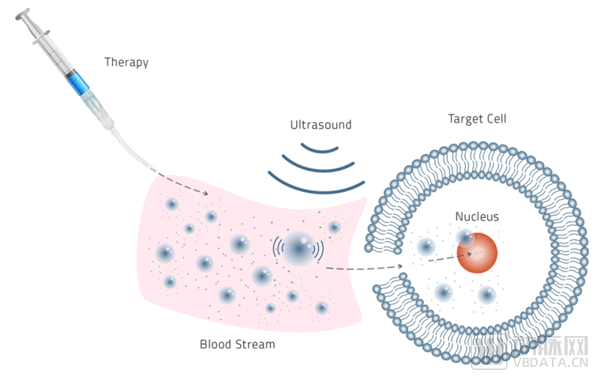
Image source: SonoThera official website
Based on ultrasound equipment and a proprietary acoustic profiling system, microbubbles can be directed to target sites to achieve precise drug delivery. Furthermore, the microscopic pores formed in the cell membrane are transient and will seal automatically.
SonoThera’s technological advantages include payload diversification, enabling the delivery of various nucleic acid formats; a loading capacity that far exceeds that of viral vectors; targeted delivery to specific organs for precise targeting; the ability to expand the patient population eligible for gene therapy; and the use of microbubble-mediated contrast agent delivery, which is already widely used in clinical practice and has demonstrated a strong safety profile.
SonoThera Secures $60.75 Million in Series A FundingIn addition to JJDC, the investors include lead investor ARCH Venture Partners, as well as internationally renowned companies such as Illumina and Eli Lilly.SonoThera is currently developing a gene therapy platform focused on specific organs, with the goal of initiating Phase I clinical trials in 2025.
TRexBio:Backed by Investments from Johnson & Johnson, Eli Lilly, and Pfizer: Can Treg Cell Therapy Become the Next Major Trend?
TRex Bio, founded in 2018, is a U.S. biotechnology company dedicated to decoding the immunobiology of human tissues to create revolutionary therapies.
TRex Bio is dedicated to regulatory T cell (Treg) therapies. As the “suppressors” of the immune system, Tregs play a crucial role in the negative regulation of immune responses and the maintenance of autoimmune homeostasis. Following the resolution of the “war” between immune cells and harmful agents, Tregs signal the cessation of attack, thereby modulating overall immune homeostasis and preventing autoimmune diseases.
TRex Bio leverages its proprietary Deep Biology platform to identify targets for oncology and autoimmune diseases.The platform integrates high-resolution sequencing of human tissues, cutting-edge computational biology tools, and scalable translational biology analysis systems into an optimized workflow to develop therapies for diseases such as cancer, organ fibrosis, autoimmunity, and inflammation.
Currently, Deep Biology has identified more than 20 tissue-centric novel targets.
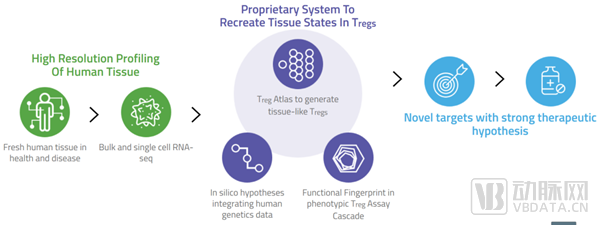
Image source: TRex Bio official website
Leveraging Breakthrough Platform Development Capabilities,In January 2023, TRex Bio announced a multi-year research collaboration and global exclusive licensing agreement with Eli Lilly and Company to develop novel therapies for immune-mediated diseases. Under the terms of the agreement, TRex Bio will receive an upfront payment of $55 million and is eligible to receive more than $1.1 billion in development, regulatory, and commercial milestones.
Rapport Therapeutics: JJDC and Third Rock Join Forces to Launch Venture, Raising $100 Million to Develop Precision-Targeted Neurological Drugs
Rapport Therapeutics is a neuroscience-focused biotechnology company conceived and created in collaboration between J&J Innovation and Third Rock Ventures,The primary foundational medications are also clinical epilepsy drugs developed by Janssen, a subsidiary of Johnson & Johnson.
In neurology, many currently available drugs exert their therapeutic effects by blocking or enhancing receptor-associated proteins (RAPs); however, RAPs are widely distributed throughout the human brain and central nervous system. Consequently, conventional targeting of RAPs limits the efficacy of neurological medications and may even raise safety concerns.
In response, Rapport Therapeutics’ precision medicine development strategy leverages genomics, protein science, and brain imaging technologies to identify novel RAPs and enable the precise development of neuromedicines. This approach offers unprecedented precision in targeting receptors within specific neuroanatomical regions, grounded in the pathophysiology of neurological disorders.

Image source: Rapport Therapeutics official website
Currently, Rapport Therapeutics’ lead program is undergoing Phase 1 clinical trials for the treatment of drug-resistant epilepsy. Although the specific RAP targeted by this program has not yet been disclosed, company CEO Abraham Ceesay revealed in a public interview that it focuses on the hippocampus, a region of the brain that serves as the origin site for many epileptic seizures.
Verana Health: Raises $150 Million in Series E Funding to Deliver Digital Health Services Leveraging Data from 90 Million Patients
Verana Health is a developer of life sciences innovation platforms that leverage regulatory-grade specialized databases., it connects the dots between patient care and clinical research by deriving insights from unfiltered healthcare data.
Verana Health has been exclusively commissioned by the American Academy of Ophthalmology, the American Urological Association, and the American Academy of Neurology to manage Qdata, a high-quality real-world data (RWD) asset sourced from more than 20,000 healthcare providers and 70 electronic health record (EHR) systems.
For healthcare companies, Qdata helps unlock high-quality research insights across the entire drug and medical device development lifecycle—from clinical trial site and subject identification to post-market evidence generation and opportunity analysis.
Verana Health primarily offers two products and services: Verana Practice Insights and the Axon Registry.
Verana Practice Insights provides a comprehensive view of practice trends across the United States and also offers a “Trial Link” service, enabling physicians to identify patients in their own practices who may be suitable for clinical trials. The Axon Registry tracks treatment efficacy for conditions such as multiple sclerosis, migraine, and epilepsy, delivering value to the healthcare ecosystem.
This $150 million Series E financing round will be used to advance its life sciences product and service strategy across the drug lifecycle, and to expand its data coverage through medical associations and strategic partnerships.
Thirty Madison: Over 750,000 Active Users, Pioneering an Expert-Level Care Model for Chronic Disease Management
Thirty Madison is a company dedicated to providing healthcare for patients with chronic conditions. Leveraging a proven care model, the company extends high-quality healthcare services to a broader patient population and delivers more personalized care, ultimately enhancing patient experience and outcomes.
Currently, Thirty Madison owns four direct-to-consumer brands,Including Keeps for male pattern hair loss (with a patient medication adherence rate of 92%), Evens for gastrointestinal disorders (77% of patients reported improved migraine severity), Cove for migraines, and Picnic for allergies. The company currently serves over 750,000 active patients, and its revenue has grown fivefold since 2020.
In 2022, Thirty Madison announced its merger with Nurx, a women-centric digital healthcare company, to jointly create a leading virtual specialty care platform.Furthermore, Thirty Madison has opened its first brick-and-mortar hair transplant clinic, driving digital healthcare companies toward physical storefronts.
References:
1. Incubating Nearly 700 Startups with a Total Transaction Volume Exceeding $50 Billion: How Did JLABS by Johnson & Johnson Create a Miracle in Medical Industry Transformation Over a Decade? - VCBeat
2. Incubating Startups with No Strings Attached: Why Is Johnson & Johnson So Bold?! - Johnson & Johnson China
3. How Johnson & Johnson Innovation lasted 5 decades-The Global Corporate Venturing (GCV) Leadership Society