

VacV Biotherapeutics Unveils Breakthrough Oncolytic Virus Platform After Two Decades of Research, Files for IPO

VacV Biotherapeutics
Cancer Immunotherapy Researcher
In 2021, Delytact® was launched in Japan, sparking a surge of interest in oncolytic viruses. According to the VCBeat Orange Database, investor enthusiasm for the oncolytic virus sector rebounded in 2021, with total financing reaching $795 million for the year. Notably, Vcanbio completed a $200 million Series D financing round; BinHui Biotherapeutics secured RMB 300 million in its Series B round; Yinghui Medicine closed two rounds of Pre-A financing totaling tens of millions of RMB; and ImmVirX raised $25 million in its Series A financing.
Until 2023, the oncolytic virus sector saw continuous investment and financing activity: TILT secured $10.7 million and €22 million in funding;CG Oncology Completes $220 Million in Financing.But after two years, no blockbuster products have emerged, and the potential of oncolytic viruses remains to be realized.
Oncolytic Virus (OV): A class of natural or recombinant viruses capable of selectively infecting and killing tumor cells without damaging normal cells.
According to the "Shanghai Expert Consensus on the Clinical Application of Oncolytic Virus Therapy for Malignant Tumors (2021)," compared with traditional immunotherapy, oncolytic viruses offer advantages such as high targeting specificity, mild adverse reactions, multiple mechanisms of tumor cell killing, and a low propensity for drug resistance. Multiple clinical studies have demonstrated that oncolytic viruses can provide clinical benefits to patients with various types and stages of tumors, including those with metastatic and incurable disease.
As our understanding of gene structure and function deepens, oncolytic viruses (OVs) continue to evolve. Next-generation OVs must be capable of efficiently modulating the tumor microenvironment and eliminating primary, metastatic, or recurrent tumor cells through tumor-specific immunity. Meanwhile, extensive research efforts are dedicated to optimizing OV attenuation strategies and enhancing their anti-tumor immune activity.A New Generation of Oncolytic Virus Drugs Is Poised to Emerge, Poised to Become the Next Frontier in Cancer Immunotherapy.
For three consecutive years, the American Association for Cancer Research (AACR) Annual Meeting has identified oncolytic viruses, immune checkpoint inhibitors (CPIs), CAR-T therapy, and tumor neoantigen/tumor vaccines as the most promising approaches in cancer immunotherapy. Overall, CPIs demonstrate efficacy in only approximately 25% of cancer patients. While CAR-T therapy has shown significant efficacy in certain hematologic malignancies, it exhibits limited effectiveness against solid tumors. After years of subdued exploration, tumor neoantigen therapies have recently demonstrated improved clinical responses; however, the enrichment and activity of vaccine-induced specific T cells within tumor tissues remain constrained.
Preclinical and early-phase clinical studies have demonstrated that oncolytic viruses offer a potential strategy to enhance the efficacy of these immunotherapies—sensitizing tumor types that previously responded poorly to immune checkpoint inhibitors, thereby converting “cold” tumors into “hot” ones—and exhibit favorable synergistic effects when used in combination with chemotherapy, radiotherapy, and immunotherapy.
Specifically, the antitumor effects of oncolytic viruses are primarily categorized into three major mechanisms:
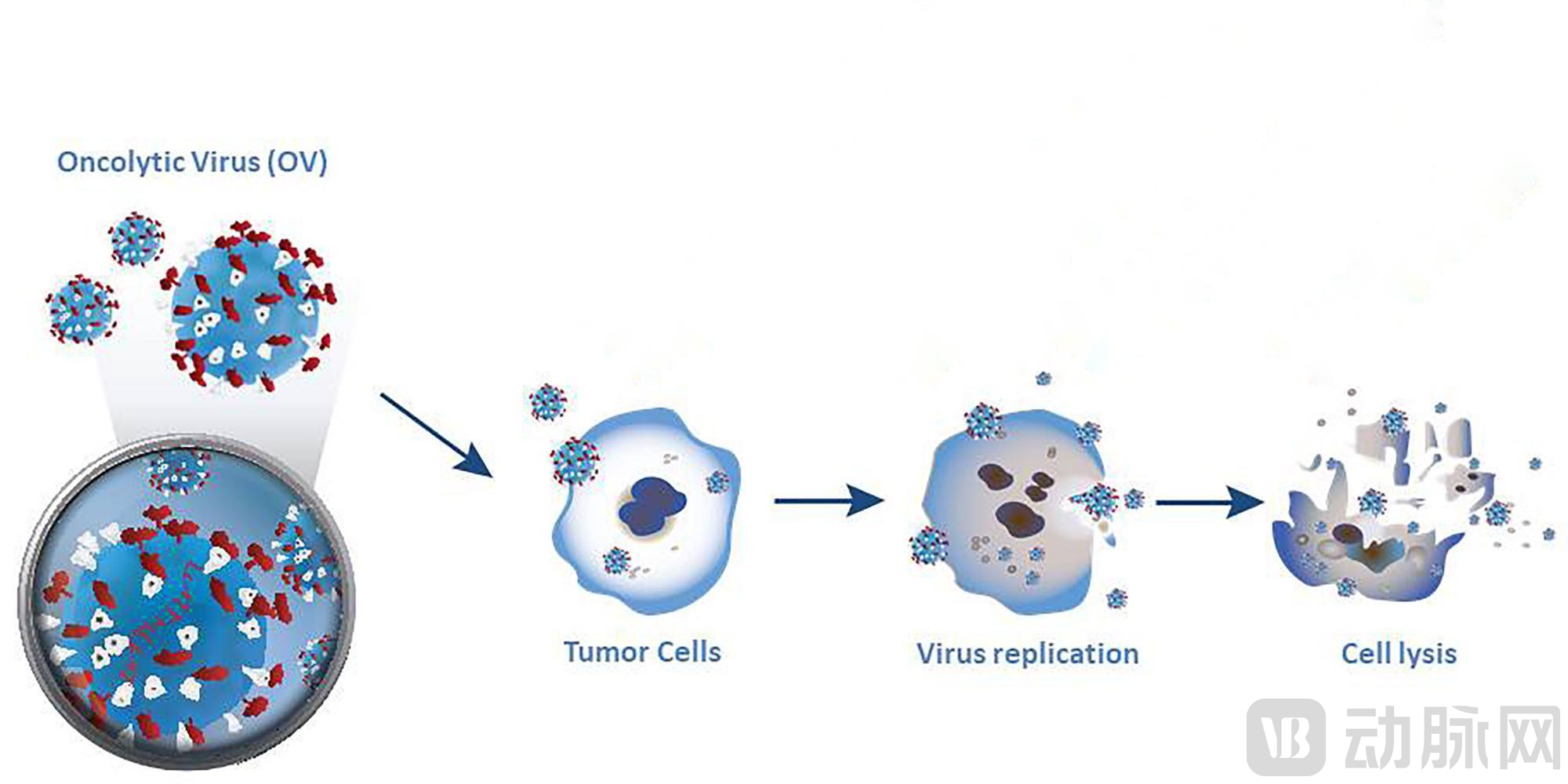
Mechanism of Oncolytic Virus-Mediated Tumor Cell Lysis
Direct Cytotoxic Mechanism
Oncolytic viruses can replicate within tumor cells, lyse them, and release progeny virions to infect neighboring cells, thereby inducing tumor cell death.
Activating Anti-Tumor Immune Mechanisms
Oncolytic viruses possess mechanisms that activate anti-tumor immunity, encompassing both innate and adaptive immune responses. Viral lysis of cells stimulates the secretion of various cytokines, promoting the activation of the innate immune system, such as by expanding the number and cytotoxic activity of natural killer (NK) cells, and polarizing M2 macrophages—which typically promote tumor progression—into phenotypes capable of killing tumor cells with lost MHC class I expression. Meanwhile, the lysis of diverse tumor cells releases tumor-associated antigens and neoantigens, thereby activating tumor-specific T cells to kill tumor cells and inducing antibody-dependent cellular cytotoxicity (ADCC) mediated by tumor-specific antibodies.
Disruption of the Tumor Vasculature
Some oncolytic viruses can infect and kill endothelial and stromal cells within the tumor microenvironment. These two cell types play crucial roles in tumor development and metastasis. Furthermore, genetically modified oncolytic viruses can be engineered to express factors that inhibit tumor angiogenesis.
Preclinical and clinical studies have demonstrated that oncolytic viruses exhibit a high safety profile in humans, with adverse effects primarily consisting of fever, local injection-site reactions, and flu-like symptoms. Oncolytic viruses induce an “in situ” vaccination effect and tumor-specific immune responses, promoting T-cell infiltration into the tumor immune microenvironment. Consequently, they can be combined with or used as an adjuvant to most antitumor therapies, including radiotherapy and chemotherapy, immunotherapy, targeted therapy, and surgical tumor resection.
Currently, oncolytic viruses have undergone multiple iterations, progressing from first-generation wild-type strains to second-generation genetically modified strains and third-generation gene-edited strains. Although significant advances have been made in the attenuation of next-generation viral strains, limited therapeutic efficacy remains a major challenge.
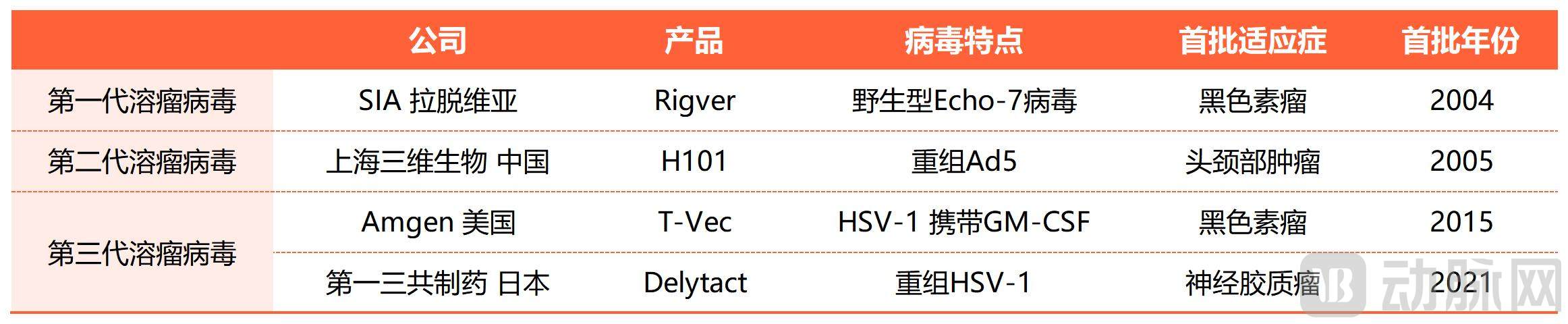
Marketed Oncolytic Virus Products
To enhance therapeutic efficacy while ensuring safety, next-generation oncolytic viruses urgently need to address the following issues:
1- Further enhance the intrinsic oncolytic efficacy of OV
2-Reduce the premature and rapid clearance of viruses by autoimmunity
3. Multi-route Administration and High-efficiency Systemic Administration (Intravenous Injection)
4-Enhance the dissemination of oncolytic viruses to distant tumor tissues in vivo
5-Enhance the anti-tumor immune response and anticancer efficacy of oncolytic viruses by targeting the specificity of different tumor microenvironments, thereby accelerating their clinical application in cancer therapy
6-Identify superior animal evaluation models for assessing oncolytic virus (OV) therapeutic efficacy
Addressing the aforementioned core issues requires a long-term, systematic foundation in the molecular biology, molecular oncology, and molecular immunology of viruses; consequently, there are currently few novel oncolytic viruses with next-generation characteristics available globally.VacV Biotherapeutics has developed a next-generation oncolytic virus (OV) platform featuring high specificity, efficient systemic delivery, and potent dissemination capabilities, holding promise for overcoming current OV bottlenecks.
VacV Biotherapeutics was established in London, UK, in 2022, and is dedicated to developing next-generation cancer immunotherapies for refractory tumors.VacV Biotherapeutics was established through the commercialization of 24 years of research on oncolytic virus applications by its founder, Professor Wang Yaohe. In the same year, it completed a multi-million-dollar angel financing round exclusively led by Proxima Ventures.
Professor Wang Yaohe is the Chair Professor of Oncolytic Cell and Gene Therapy at University College London, Director of the Laboratory of Oncolytic Virus Immunotherapy, a member of the editorial boards of several international journals, and a peer reviewer for various research grants. He has previously served as Director of the “National International Joint Research Center for Cell and Gene Therapy” at Zhengzhou University, and as Executive Director and Chief Scientist of the China-UK Centre for Molecular Oncology.
Professor Wang Yaohe has made several original discoveries in the field of oncolytic viruses, such as identifying the genetic structural defects that result in weak replicative capacity and rapid in vivo clearance of first- and second-generation oncolytic adenoviruses, and has developed highly efficient and safe third-generation oncolytic adenoviruses.BIOTTT001, a Class I novel drug developed based on this adenoviral vector, has been successfully translated into clinical practice and has demonstrated efficacy in the treatment of patients with recurrent glioma and unresectable diffuse intrinsic pontine glioma.
Co-founder and Chair of the Scientific Advisory Board, Prof. Nicholas Lemoine, is a Foreign Member of the Chinese Academy of Engineering, a Fellow of the Academy of Medical Sciences (UK), a Member of the Division of the Chinese Academy of Medical Sciences, a gene therapy scientist, and a pioneer in molecular pathology. He served as Editor-in-Chief of the international journal GENE THERAPY for 20 years and currently serves as Director of the National Institute for Health and Care Research Clinical Research Network and Director of the Barts Cancer Institute at Queen Mary University of London.
VacV Biotherapeutics also boasts a Scientific Advisory Board composed of GMP virus production experts, molecular biologists, clinical oncologists, and translational scientists specializing in oncolytic virus products from prestigious research institutions such as the Institute of Cancer Research (UK), King’s College London, and the Royal College of Physicians. The company has established a long-term close collaboration with Professor Wang Yaohe’s team and has led or participated in more than 10 oncolytic virus (OV) clinical trials.
The company has established a comprehensive global patent protection system, with three core patents granted in multiple countries. Its series of research achievements have also been published in top-tier international journals with high impact factors. Meanwhile, the team has developed the world’s first transgenic golden hamster models, providing unique animal models for evaluating oncolytic viruses and developing novel cancer immunotherapies.
VacV Biotherapeutics’ R&D team is focused on addressing the core bottlenecks of oncolytic viruses, namely enhancing efficacy while ensuring safety, and has now developed a next-generation VacV technology platform. This vector platform, composed of optimized vaccinia virus, features potent immune-inducing capacity and systemic dissemination capability, offering the following key advantages:
High Safety Profile
The highly safe and effective vaccinia virus Lister strain was selected, with the viral genes TK and N1L deleted to ensure high safety and minimize the toxicity of the viral product during intravenous administration.
Highly Efficient Systemic Delivery Capability
VacV’s proprietary patented intravenous administration method enables low-dose viruses to reach tumor sites, enhancing the dissemination capability of viral products. By increasing the production of enveloped virions (EEV) that resist host antibodies and complement, it infects distantly disseminated or metastatic tumor cells, significantly improving the efficacy of viral infection and oncolysis.
Diversification of administration routes enables the selection of more effective delivery methods at different time points in clinical practice, based on tumor location and characteristics, particularly for the effective treatment of advanced tumors with metastasis and dissemination.
Significant Therapeutic Efficacy
The selected vaccinia virus exhibits broad infectivity toward tumor cells, high specificity, and targeted tropism, with a gene cargo capacity of up to 25 kbp. The selected promoter ensures stable expression of the delivered therapeutic genes, enabling the expression of immunomodulatory genes that act as immune adjuvants to further enhance antitumor efficacy. Meanwhile, it significantly potentiates the antitumor effects of immune checkpoint inhibitors, markedly improving therapeutic outcomes and preventing cancer recurrence.
In preclinical trials, intraperitoneal administration of VacV001 enabled 80% of pancreatic cancer animal models to survive for more than 300 days.Thanks to the remarkable efficacy of this product in treating pancreatic cancer, the “king of cancers” with no available therapeutic options, Professor Wang Yaohe’s team was awardedThe UK government’s MRC has provided £3.48 million in funding to accelerate the clinical development of VacV001.
Leveraging its proprietary OV platform, VacV Biotherapeutics has assembled an experienced R&D team, a clinical trial team, and a pharmacodynamic evaluation system, and has developed a portfolio of differentiated oncolytic virus products.
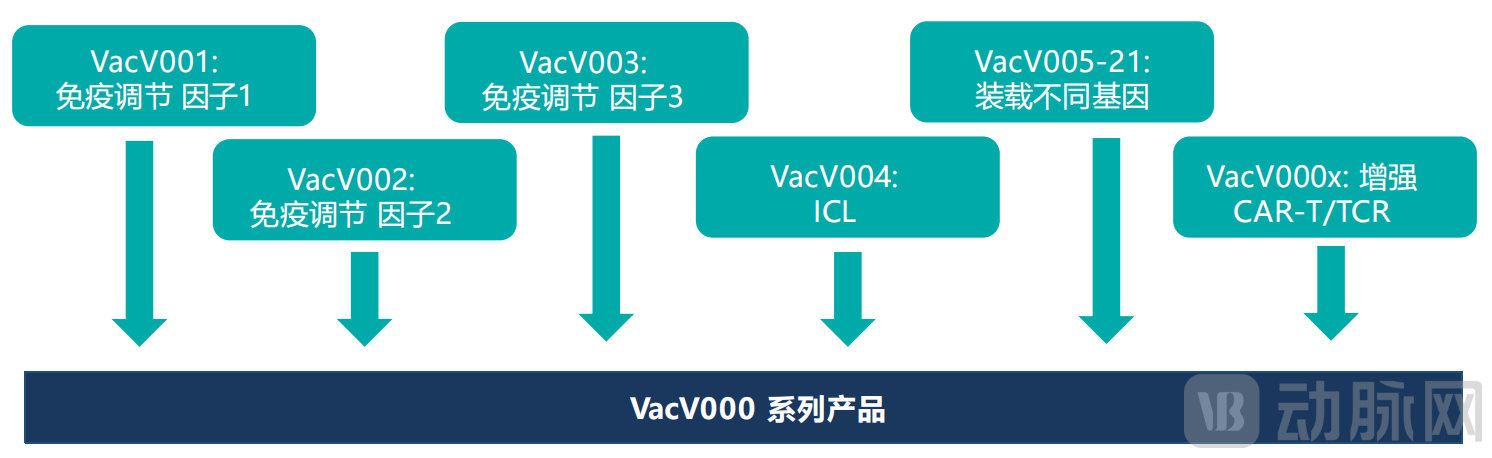
VacV Biotherapeutics VacV000 Series Product Pipeline Layout
Six product pipelines in the VacV000 series have been launched, with indications including pancreatic ductal adenocarcinoma, glioblastoma, and metastatic colorectal cancer. Among these, two pipelines targeting pancreatic cancer and metastatic colorectal cancer are poised to enter clinical trials.VacV001 has commenced GMP manufacturing, with plans to file an IND application in the UK next year.
VacV Biotherapeutics possesses virus-producing packaging cell lines and manufacturing processes that comply with EU GMP standards, and has established an experienced commercial management team in both the UK and China. The company’s executive team brings extensive management and business development (BD) experience from major pharmaceutical and biotech companies such as GSK, Abbott, Antisoma, and Daiichi Sankyo, ensuring the efficient and high-quality advancement of VacV Biotherapeutics’ product pipeline.
According to Sullivan’s latest research report, the global market for oncolytic virus therapeutics continues to experience rapid growth, with the total market size projected to reach USD 6.79 billion by 2025 and USD 24.79 billion by 2030. In addition to biotechnology companies, numerous multinational corporations (MNCs) have also established a presence in this field, including Merck, Amgen, Boehringer Ingelheim, Astellas Pharma, and MedImmune LLC.
Over the past decade, immune system activation therapies have revolutionized the field of cancer treatment. However, their limited indications, narrow beneficiary population, and demanding administration requirements fall far short of meeting broad clinical needs.Therefore, there is an urgent need in the field of cancer treatment for regimens with superior immune-inducing mechanisms that can enhance the efficacy of approved immunotherapies, thereby addressing a significant gap in market demand.
OV is positioned to address this vast market for direct therapy and synergistic combination treatments, demonstrating strong potential to fully realize this approach.
Since November 2022, CG Oncology in the United States has completed $220 million in financing within eight months, driven by its impressive Phase II clinical data for oncolytic virus therapy and its ongoing Phase III clinical trials. Its product is expected to receive U.S. regulatory approval for market launch by the end of 2024. NovelThe market launch of oncolytic virus products, particularly for indications addressing critical and urgent clinical needs, is expected to renew attention on oncolytic viruses and bolster industry confidence.
“After years of accumulation and exploration, the breakthrough point in the field of oncolytic viruses and the next wave of enthusiasm should arrive soon.”Professor Wang Yaohe stated, “The development of oncolytic viruses involves complex systems, including the virus itself, the host immune system, and the tumor microenvironment. Systematic accumulation of basic research and concerted industry efforts are essential to truly develop safe and effective oncolytic virus products, unlock the potential of OV, and provide patients with more effective treatment options.”
Professor Wang Yaohe has been on this path for 24 years. In the future, Professor Wang hopes to collaborate with partners across various fields to build VacV Biotherapeutics into a globally competitive cancer immunotherapy company focused on the development of novel oncolytic virus drugs.