

From National Center for Nanoscience to Clinic: JunQuan ZhiYao Achieves Precision Drug Delivery Using DNA Nanomaterials
In 1982, Nadrian Seeman first proposed the idea of using DNA as a structural material to construct nanoscale objects and arrays;
In the mid-1990s, Nadrian Seeman’s research group designed and synthesized DNA molecules with specific base-pairing properties;
In 2006, California Institute of Technology researcher Paul Rothemund introduced the concept of DNA origami;
In 2017, scientists at Harvard University’s Wyss Institute reported the development of “DNA nanorobots.”
Nanodrug delivery carriers assembled from DNA nanomaterials can deliver various antitumor drugs or gene therapy agents, holding immense potential for biological and medical applications. Despite the exciting innovations in DNA nano-drug delivery technology, the technical achievements accumulated over the past four decades remain confined to laboratories.
Because a series of questions regarding DNA nanocarrier drug delivery technology remain to be answered:How should one understand the pharmacology involved in DNA nanocarrier drug delivery technology? How can DNA nanostructures be engineered to achieve high-efficiency drug loading? In light of established drug-loading methodologies, how can DNA nanotechnology break from previous paradigms?
Beijing Junquan Zhiyao Biotechnology Co., Ltd. (hereinafter referred to as “Junquan Zhiyao”), founded by Dr. Nie Guangjun, a leading scientist in the field of DNA nanotechnology, commenced operations in 2021. The company is dedicated to the research and development of diagnostic and therapeutic products based on DNA nanocarrier technology. Leveraging scientific achievements from the National Center for Nanoscience and Technology, Junquan Zhiyao conducts R&D in multiple areas, including drug development and in vitro diagnostics (IVD).
Today, Junquan Zhiyao is addressing the aforementioned questions by clarifying the historical trajectory of DNA nanocarrier drug delivery technology and integrating technological advancements with product development.
As a common biomolecule and the fundamental genetic material of diverse organisms, DNA serves to store genetic information. Owing to its high-precision base pairing and excellent controllability, DNA holds significant potential for nanofabrication applications.
Based on classic Watson-Crick base pairing techniques, researchers can design DNA sequences to automatically form desired nanostructures under specific conditions. Today, DNA materials have evolved from the application of natural DNA structures to artificially assembled DNA constructs, such as aptamers, origami, tetrahedrons, nanotubes, hydrogels, dendrimers, and various DNA-based nanoparticles.These materials exhibit biocompatibility, structural diversity, and virtually no cytotoxicity.
A team of scientists led by researchers Nie Guangjun and Li Suping from the National Center for Nanoscience and Technology of China has constructed an autonomous DNA nanorobot using DNA origami technology, programming it to transport payloads for targeted application in tumor therapy.
Previously, scientists both domestically and internationally have conducted extensive research and experiments on drug delivery using DNA nanomaterials, such as studies on the delivery of small-molecule drugs and nucleic acid-based therapeutics via DNA nanocarriers.In a paper published in the top international journal Nature Biotechnology, the team led by Nie Guangjun and Li Suping achieved, for the first time globally, the precise delivery of biological macromolecules in animals using DNA nanomaterials, enabling them to exert their functions.
Specifically, the team led by Nie Guangjun and Li Suping used a tumor-bearing mouse model to demonstrate that intravenously injected DNA nanorobots can specifically deliver thrombin to tumor-associated blood vessels, inducing intravascular thrombosis, which leads to tumor necrosis and inhibits tumor growth. The nanorobots were proven to be safe and immunologically inert in the human body.
This experiment has opened a pathway for the practical medical application of DNA nanocarriers. Junquan Zhiyao’s technology originated from this breakthrough.
According to Shi Quanwei, CEO of Junquan Zhiyao, using DNA nanostructures to build drug delivery platforms offers two major advantages:First, DNA nanomaterials are programmable materials that can be fabricated into various carrier structures through software programming. Second, they enable the design and precise positioning of biomedical functional molecules encapsulated on the carriers, thereby facilitating combination therapy by conjugating with antigens, adjuvants, and other agents.
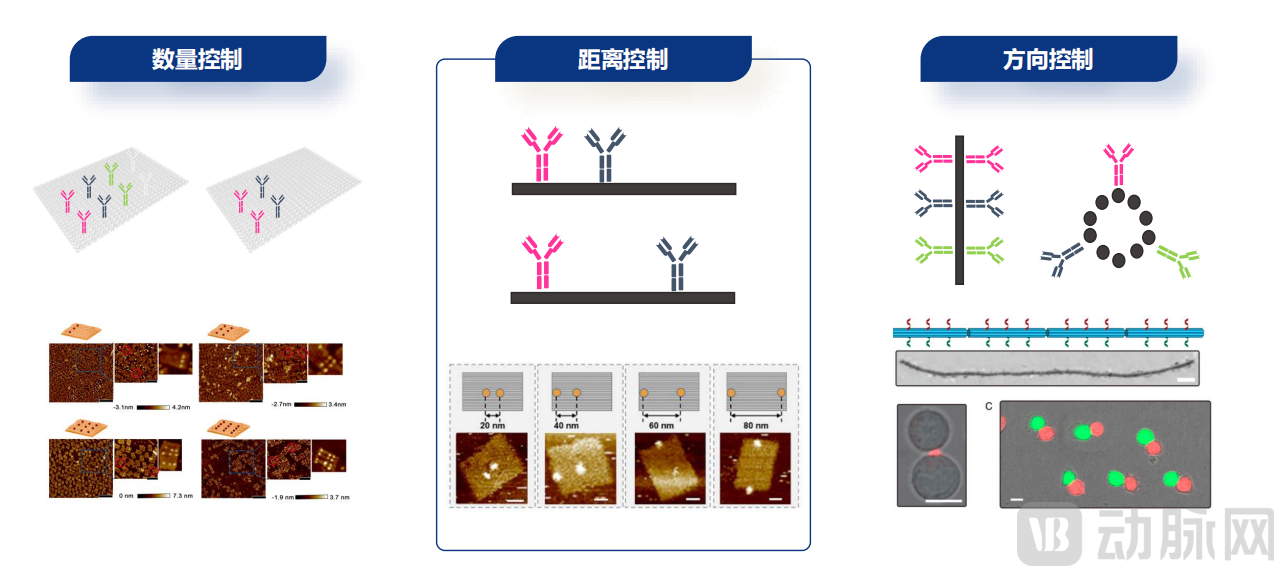
Precise design and production of DNA nanomaterials can be achieved by optimizing various parameters.
In 2018, following its publication in a top-tier journal, this technology was named one of the “Top Ten Scientific Advances in China for 2018” and was selected by The Scientist as one of the year’s top technological advances.The translation of scientific research achievements has become imperative. At the first Beijing Matchmaking Conference for Outstanding Achievements Funded by the National Natural Science Foundation of China,Junquan ZhiyaoSuccessfully integrated with Natong Technology Group, it was established in response to this emerging need.
How to Implement Cutting-Edge Technologies? The First Step Is to Build a Team.
Startups spun out of scientific research achievements are typically led by university researchers who focus on academic pursuits but lack corresponding experience in industrial translation, commercial operations, and marketing. From its inception, Junquan Zhiyao prioritized specialized division of labor within its team, structuring it into two distinct components.
Researchers at the National Center for Nanoscience and Technology are an integral part of Junquan Zhiyao, providing it with scientific research support.
Founder Nie Guangjun is a world-leading scientist in the field of nanomedicine, who has long been dedicated to researching intelligent nanomedicines for sensing and regulating the tumor microenvironment. He has published more than 200 papers in domestic and international academic journals such as Nature Biotechnology and Science Translational Medicine, and has filed 50 invention patents related to nanomedicines.
In the specific work of the research team, Researcher Li Suping is responsible for improving DNA nanocarrier technology. She is the leader of the Chinese Academy of Sciences’ Interdisciplinary Innovation Team and was previously selected as a top young talent under the National “Ten Thousand Talents Program.” Based on his prior research background, Researcher Zhao Xiao recognizes the promising applications of nanomaterials in vaccine design and research, and thus conducts vaccine-related research focused on DNA nanomaterials. Associate Researcher Zhao Ruifang, in addition to overseeing the functional development of DNA carriers, is also exploring various new application scenarios for DNA nanomaterials.
On the other hand, Junquan Zhiyao has assembled a core team of professionals with both industry and academic backgrounds to oversee translational efforts.
“Since DNA nanomaterials, as a product category, had not been developed domestically prior to our efforts, there were no established references for their preparation techniques, quality control, or quality standards. Therefore, this work must be undertaken by industry professionals. This approach ensures that products with future translational value can rapidly advance from the laboratory stage to successful commercialization.”
CEO Shi Quanwei holds a Master’s degree in Biomedical Engineering from Beihang University and a Ph.D. in Physical Chemistry from the National Center for Nanoscience and Technology. With nearly 15 years of R&D experience in the biopharmaceutical industry, he has extensive expertise in preclinical project management and the translation of scientific achievements into practical applications, having successfully advanced products to clinical trials. Vice President Chen Linjie graduated from Peking Union Medical College and has dedicated over a decade to biopharmaceutical R&D, business development, and corporate operations. Other core team members hail from pharmaceutical companies and bring more than ten years of industrial experience in production, pilot-scale process development, and quality system establishment.
In addition to the clearly defined division of labor within the Junquan Zhiyao team, members from both groups frequently collaborate closely. CEO Shi Quanwei added, “The research team at the National Center for Nanoscience and Technology serves as our innovation engine. Moreover, the company can participate in and jointly develop certain aspects of this research, thereby ensuring a continuous stream of innovative capabilities.”
Following the formation of the team, Junquan Zhiyao has reached a pivotal stage in productization. Currently, leveraging DNA nanocarrier technology, Junquan Zhiyao is developing corresponding products focused on three major application scenarios: drug delivery, biomimetic vaccines, and IVD diagnostics.
1Second-Generation DNA Nanocarriers Facilitate Drug Delivery; Core Pipeline Poised for IIT Application
The DNA nanocarrier platform developed by Junquanzhiyao can deliver various functional molecules, including proteins, nucleic acids, and small molecules. Furthermore, this platform enables precise targeting of specific tissues or cells through modification with peptides, antibodies, aptamers, and other molecules, thereby achieving targeted delivery and effective therapeutic outcomes.
Building on the first-generation thrombin nanorobots in its product pipeline, Junquan ZhiyaoBy optimizing the preparation process and nanocarriers, we upgraded and developed the second-generation thrombin nanorobots to reduce drug development risks and industrialization risks.The second-generation thrombin robot is more sophisticated, with a therapeutic mechanism based on tumor vascular occlusion and tumor immunotherapy.
The core pipeline NR01 has completed part of its in vivo animal studies. Experimental data indicate that the candidate drug successfully achieved combined embolization and immunotherapy, demonstrating favorable anti-tumor efficacy and safety. Junquanzhiyao expects to complete the Investigator-Initiated Trial (IIT) application for this pipeline this year.
Furthermore, Junquan Zhiyao has also established a research and development pipeline for siRNA drug delivery.Currently, the mainstream GalNAc and LNP delivery methods dominating the market primarily target liver diseases. There is a gap in extrahepatic delivery technologies within the current field of oligonucleotide therapeutics, and there is an urgent need to develop targeted delivery technologies for extrahepatic organs and tissues. The size, shape, and surface modifications (charge, targeting molecules) of nanocarriers can influence the tissue distribution of siRNA in vivo. Among these, DNA nanocarriers offer precise control over size and morphology, allow for precise functionalization, and exhibit high biocompatibility. They enable the design of specialized targeted carriers for delivering therapeutic agents to specific organs and tissues, making them promising candidates for efficient siRNA delivery.
Research data from Junquan Zhiyao indicates that,Its DNA nanocarriers can successfully deliver siRNA to target cells, exerting a knockdown effect on the target genes. Subsequently, Junquan Zhiyao will conduct validation studies in animal models for the relevant pipeline, completing evaluations of efficacy, pharmacokinetics, and safety.
2Advancing the Development of Biomimetic Nanovaccines to Enhance Vaccine Immunogenicity
DNA nanotechnology can also be applied to the development of preventive and therapeutic vaccines. Traditional vaccines consist of partial components of pathogens or attenuated/inactivated pathogens, which activate the human immune system to produce antibodies against the pathogens. However, existing vaccine technologies still face challenges such as weak immune responses and poor adjuvant efficacy. Biomimetic vaccines aim to simulate biological mechanisms by utilizing specific nanomaterials, liposomes, proteins, nucleic acids, and other components to carry pathogen antigens or related constituents, thereby improving vaccine performance. DNA nanotechnology enables precise and controllable simulation of virus-induced immune responses, facilitating the development of biomimetic nanovaccines.
Junquanzhiyao’s RBD vaccine, developed based on DNA nanotechnology, is in the proof-of-concept stage, with its technology and results recognized by China National Biotec Group. Research data indicate that,After three immunizations, the DNA nanocarrier-based RBD vaccine was able to stimulate mice to produce antibody titers more than ten times higher than those induced by the RBD monomer, demonstrating the feasibility of using DNA nanotechnology for vaccine development.
3For IVD testing, enhancing the precision control capability of assays
Junquanzhiyao also leverages DNA nanotechnology for the development of in vitro diagnostic reagents. MHC tetramer-based assays are considered the gold standard for clinical analysis and research of T-cell immune responses. However, due to insufficient binding affinity, pMHC tetramers perform poorly in detecting antigen-specific CD4+ T cells, low-affinity αβ T cells, and rare γδ T cells. DNA origami technology enables precise control over the number, position, and orientation of pMHC monomers, thereby enhancing detection sensitivity.
Junquanzhiyao’s DNA nanotechnology-based companion diagnostic kit for specific T cells has completed proof of concept. This kit can be widely applied in companion diagnostics for T cell immunotherapy, with itsSensitivity increased by over 100%。
Junquan Zhiyao has initially completed the establishment of its various platforms and has entered the application development phase. Guided by clinical needs, Junquan Zhiyao aims to co-create an innovation engine for the industry through independent R&D and extensive collaborative research with pharmaceutical companies and healthcare institutions.
Reference Article:
1、Suping Li, Qiao Jiang. A DNA nanorobot functions as a cancer therapeutic in response to a molecular trigger in vivo. Nature Biotechnology. 36, pages258–264 (2018).
2、Wenjuan Ma, Yuxi Zhan. The biological applications of DNA nanomaterials: current challenges and future directions. Signal Transduction and Targeted Therapy. 351 (2021).
3、Anastasiya N. Shishparenok. DNA-Based Nanomaterials as Drug Delivery Platforms for Increasing the Effect of Drugs in Tumors. Cancers 2023, 15, 2151.