

MicroKN Medical: Powering Global Expansion of Chinese Medical Devices with 8 Years of Expertise and Thousands of Projects Served
Driven by the wave of independent innovation and domestic substitution, China’s medical device industry has experienced rapid development. According to “Current Status and Trends of China’s Medical Device Industry Development” published by Roland Berger, an international management consulting firm, the market size of China’s medical device industry is projected to reach RMB 958.2 billion in 2022, with a compound annual growth rate (CAGR) of approximately 17.5% over the past seven years, making it the second-largest market globally after the United States.
Amid the rapid growth of the medical device sector, the market is imposing higher requirements on the safety, efficacy, and lifecycle management of domestically produced medical devices. Meanwhile, national authorities are strengthening regulatory oversight of the industry, thereby driving substantial demand for medical device Contract Research Organizations (CROs). Medical device CROs offer a comprehensive range of services covering the entire product lifecycle, including research and development, testing, animal studies, clinical trials or clinical evaluation via equivalent devices, quality system management, regulatory submission, and post-market iterative product development.
As industrial policies continue to be adjusted and the “Belt and Road” Initiative is implemented, China’s influence in the global medical device sector is steadily rising. The world’s reliance on China’s medical device supply chain is increasing, accelerating the export of Chinese medical devices and spurring demand for overseas contract research organization (CRO) services in the medical device industry.
Weike Medical Technology Service Co., Ltd. (hereinafter referred to as “Weike Medical”) was established in 2015. As a high-tech enterprise in Shanghai, it has many years of experience in laws, regulations, and procedures related to medical devices both domestically and internationally, and can provide enterprises with domestic and international registration services.
Medical device companies in their growth and development stage often can only allocate limited resources to the R&D of core products, making it difficult to assemble a complete team to support product iteration from R&D through post-market phases. To achieve overseas market access, they need to “let professionals handle professional tasks.”
As a professional third-party regulatory services provider, Weike Medical is well-versed in certification processes and proficient in regulatory requirements, with a focus on clinical evaluation and registration submissions. Its specific services include: consulting for EU CE certification of medical devices (MDR, IVDR), clinical evaluation, ISO 13485 medical device quality management system certification consulting, US FDA registration (including 510(k), QSR 820, etc.), domestic NMPA registration (clinical trial CRO services, product registration certificates, manufacturing licenses, import registration), UK UKCA registration, Australian TGA registration, and product testing and corrective actions.
As Chinese-made medical devices expand into overseas markets, Weike Medical can develop customized solutions tailored to different overseas markets, addressing the clinical trials, testing, and registration needs of various enterprises at different development stages and for different products, thereby helping companies achieve comprehensive compliance and mitigate risks. Should any issues arise during the international expansion process, Weike Medical will dispatch authorized representatives to handle follow-up matters, including coordination of product liability insurance and public liability insurance.
When importers seek registration in China, Weike Medical will fully leverage its “home-field” advantage to help them complete testing and inspection, as well as registration submissions, in accordance with China’s policies, regulations, and medical device approval system.
Following the successful product certification, Weike Medical will also continue to monitor regulatory policies on behalf of enterprises and provide timely updates on the latest developments.
Medical device CRO services cover the entire lifecycle of devices, from R&D to post-market iterative development. In the “broad and comprehensive” CRO sector, why has Weike Medical specifically chosen to focus on clinical evaluation and regulatory submission?
He Changfu, founder of Weike Medical Technology Service (Shanghai) Co., Ltd., explained, “As a third-party technical service provider, our primary focus is to address the most critical needs of enterprises. Given that we are not yet fully prepared to offer production and design outsourcing services for all types of companies, we have chosen to concentrate on clinical evaluation and regulatory submission at this stage.”
Prior to founding Weike Medical, He Changfu worked at two major third-party certification bodies, SGS and TÜV, accumulating over a decade of experience in regulatory consulting services for medical devices.
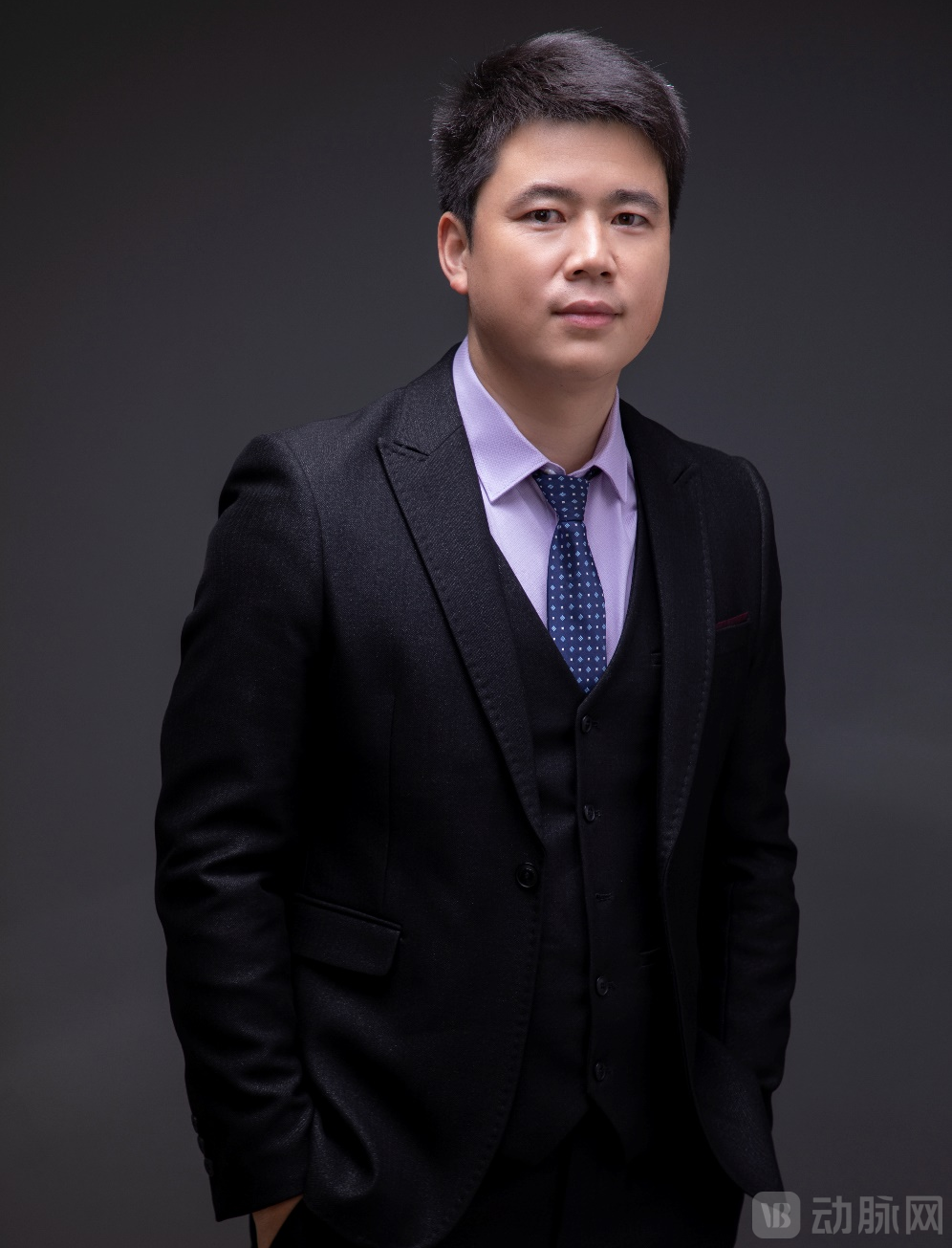
He Changfu, Founder of Weike Medical
At its inception, Weike Medical’s team consisted of only two members. After navigating multiple rounds of business expansion and overcoming challenges in team integration and management, eight years of hands-on experience have shaped Weike Medical into a 50-strong team primarily focused on business development and technical expertise. Most team members bring prior experience from internationally renowned third-party certification bodies, possessing extensive technical expertise in medical device registration submissions, quality management, and testing remediation.
Throughout its years of development, Weike Medical has established strategic partnerships with other authoritative third-party testing institutions and third-party animal experimentation centers in China, boasting successful case studies with over a thousand enterprises, including Double Medical, Bloomage Biotechnology, Shengguang Group, Xinwei Medical, Rich Surgical Instruments, Woodpecker Medical, and Wondfo.Thousands of Service Items, accumulating extensive project experience and industry client resources.
Weike Medical’s core business in project undertakings primarily focuses on implantable devices, such as orthopedic instruments including bone plates, interbody fusion cages, and joint prostheses, as well as other innovative or high-market-impact products like high-frequency electrosurgical units, endoscopes, staplers, and electroencephalogram (EEG) machines.
Meanwhile, during the COVID-19 outbreak, driven by the growing market demand for COVID-19 testing kits, Weike Medical expanded its business operations by providing services to in vitro diagnostic (IVD) product manufacturers and conducting clinical trials for certain products in Europe, thereby helping many domestic COVID-19 test kit manufacturers gain access to the European market.
Which direction will Weike Medical Technology take in the future? According to data from the National Medical Products Administration,In 2022, the number of approved domestic Class III medical device registrations reached 5,692, representing a 23.8% increase compared to 2021.From scratch to innovation, the increasing approval of domestically produced high-risk medical devices is accelerating the path of domestic substitution, which signifies a rise in both the demand for and quality of third-party technical services. In light of this trend, Weike Medical will place greater emphasis on services for high-risk medical devices in the future. Regarding market expansion, Weike Medical will extend its reach from major markets such as Europe and the United States to emerging markets including South America and the Middle East.
In recent years, with the accelerating pace of centralized procurement of high-value medical consumables in China's healthcare market, the global expansion of domestically produced medical devices has become a prevailing trend. According to data from the General Administration of Customs of China, the total value of China's medical device exports reached RMB 444.179 billion from January to November 2022, with the full-year export value projected to reach RMB 478.5 billion.
Why Are Chinese-Made Medical Devices Choosing to “Go Global”?
First, the globalization of medical devices has become a trend and a common growth path for overseas giants such as Medtronic, Johnson & Johnson, and Danaher. International expansion can unlock growth potential and mitigate risks associated with reliance on a single market. Second, since 2020, volume-based procurement (VBP), dominated by the “national centralized procurement + provincial alliance” model, has been widely implemented. This has exerted significant cost-containment pressure on the domestic medical device market, whereas product prices in overseas markets have remained generally stable. Finally, the overseas market offers substantial opportunities, with the global medical device market exceeding $451.7 billion—approximately five times the size of the Chinese market. Chinese medical device companies can adopt a flexible strategy when expanding abroad: targeting developed markets for growth while retaining developing countries as a defensive stronghold.
However, as Chinese medical device manufacturers expand globally and seize emerging opportunities, they also face significant challenges. He Changfu has gained profound insights into this reality through his more than ten years of professional experience.
The first challenge for Chinese-made medical devices going global lies inChanges in Local Policies and Regulations. Regulatory requirements across different overseas markets are not mutually recognized, and each country has its own regulatory authorities for medical products. Adapting to local policies and regulations while securing product registration certificates constitutes the first major hurdle.
The second major challenge isLack of Localized Execution StrategyDomestic companies are unfamiliar with the operational systems and models of foreign enterprises and hospitals, and lack overseas channels. Coupled with issues such as mismatched overseas clinical resources and language barriers, many domestic firms struggle to build brand recognition, hindering their global expansion. Meanwhile, developed markets possess strong local production, R&D, and service capabilities, granting them significant pricing power. Consequently, many Chinese products enter these developed markets through original equipment manufacturing (OEM) arrangements.
The third challenge isDomestic brands may face unfair business practices in overseas marketsThis June, Xiaomi was accused by India's Enforcement Directorate of illegally transferring funds abroad and allegedly violating the Foreign Exchange Management Act, resulting in a fine of 4.8 billion. Foreign enterprises such as Apple, Google, and Amazon have also received hefty fines in India for various violations. In the healthcare sector, Chinese companies have similarly faced rejections and fines when expanding overseas.
He Changfu affirmed the international competitiveness of domestically produced medical devices, stating, “In recent years, China’s medical device industry has developed rapidly, with some products already at the international forefront and their global competitiveness growing stronger. However, Chinese brands still face numerous challenges in expanding overseas, so we must continue to increase R&D investment to support the launch of innovative products.”