

HanNing Medical Technologies Files IPO Prospectus as an Upstream Innovator in Medical Aesthetics and Surgical Materials Based on Bioactive Hydrogels
On August 8, at the 6th (2023) China Medical Device Innovation and Entrepreneurship Competition, Han Ning Medical Technology Co., Ltd. (hereinafter referred to as “Han Ning Medical”) competed against more than 40 innovative projects from across China with its self-developed “Injectable Submucosal Lifting Gel for the Digestive Tract Based on a Medical Hydrogel Technology Platform,” ultimately winning the Second Prize in the Minimally Invasive Surgical Devices category of the Central China Regional Competition.
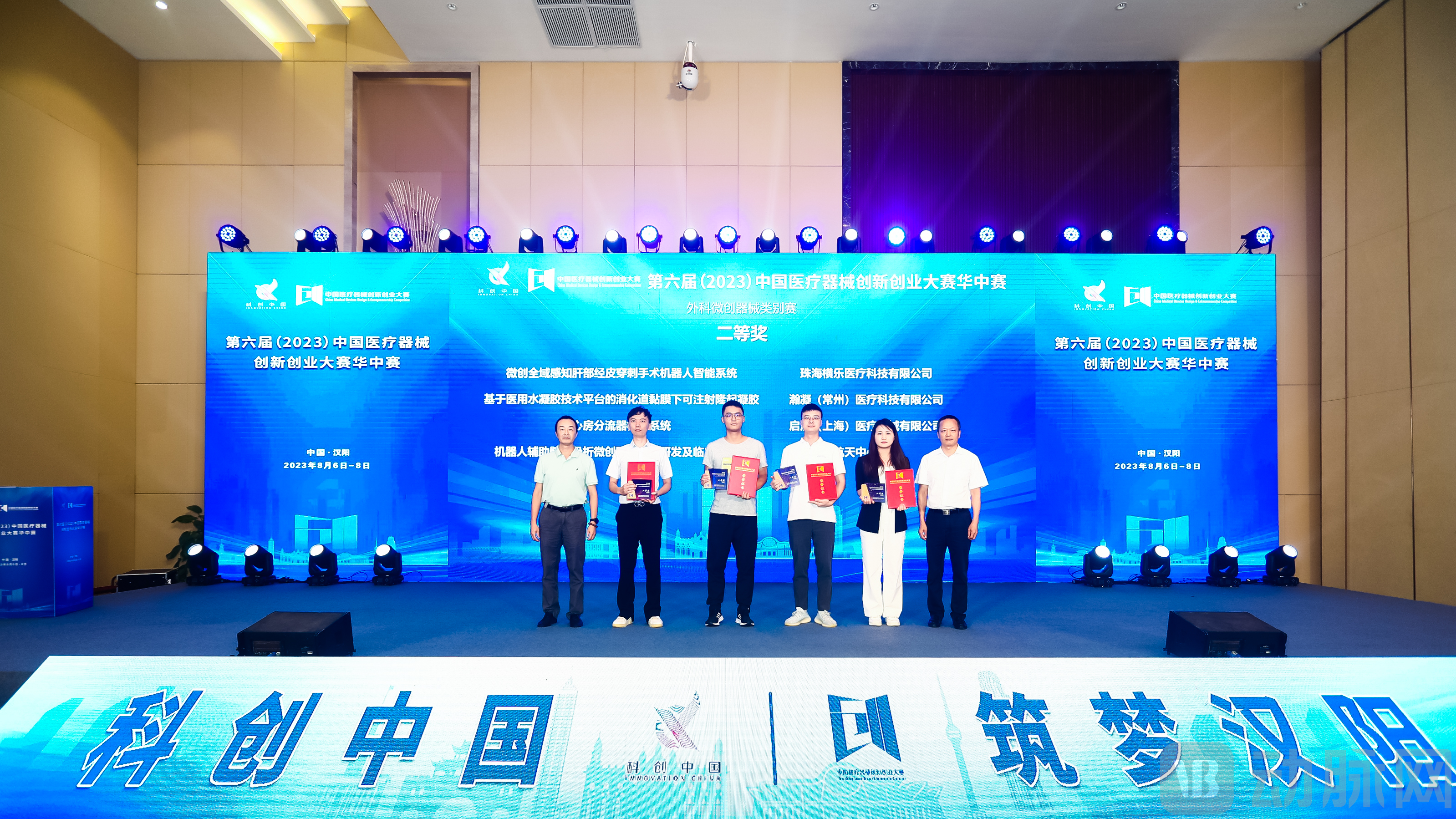
HanNing Medical Award Ceremony
Han Ning Medical, established in June 2022, specializes in the development and commercialization of innovative medical devices based on regenerative biomaterials. With a focus on clinical applications, the company conducts multi-site R&D across the fields of medical aesthetics and surgical regeneration. It has successfully developed hydrogel biomaterials such as biomimetic extracellular matrix, cross-linked recombinant collagen, and biological tissue adhesives. On this occasion, VCBeat conducted an exclusive interview with Professor Chi Bo, founder of Han Ning Medical, to discuss the company’s growth and insights into hydrogel technologies.
As a hydrophilic polymeric material with a network structure, hydrogels are moist and soft, moldable in nature, and possess physical properties similar to those of biological tissues. With excellent biocompatibility and the capacity to incorporate various materials, they are highly suitable for human tissue repair and organ regeneration.
Currently, the clinical application of hydrogels is expanding rapidly. Their preparation and application involve multiple disciplines, yet most cutting-edge technologies remain in the research phase. Professor Chi Bo stated, “This is because numerous challenges must be overcome before hydrogels can be applied clinically. For instance, ensuring the safety of material sources—particularly during mass production—and minimizing batch-to-batch variability to guarantee product stability constitute significant obstacles to the clinical application of hydrogels.”
After years of technological breakthroughs and research commercialization, HanNing Medical has successfully established a leading domestic medical-grade hydrogel technology platform. Leveraging this platform, the company has developed multiple hydrogel raw materials and products. In addition to the “injectable submucosal lifting gel for the gastrointestinal tract based on the medical-grade hydrogel technology platform” mentioned at the beginning, its portfolio includes hydrogel biomaterials such as biomimetic extracellular matrix and cross-linked recombinant collagen.
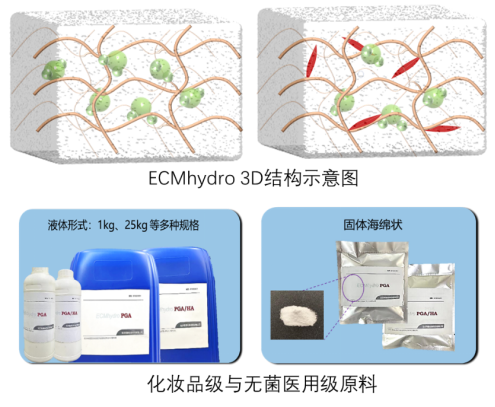
Among these, the ECMhydro series of biomimetic extracellular matrix materials is an innovative material developed by HanNing Medical.This series of materials is a biomimetic extracellular matrix (ECM) regenerative raw material, constructed from polysaccharides and polyamino acids into a unique three-dimensional structure that recruits endogenous cells to promote tissue repair and regeneration. It closely addresses the three critical aspects of tissue regeneration—cellular response, scaffold regulation, and functional reconstruction—and can be applied to the regeneration and functional restoration of complex tissues such as skin, cartilage, blood vessels, and the heart, thereby achieving active repair.
Product strength is the outward manifestation of a team’s R&D capabilities. Professor Chi Bo, founder of Hannin Medical, is a professor at the State Key Laboratory of Materials-Oriented Chemical Engineering, Nanjing Tech University; a director of the Plastic and Aesthetic Surgery Equipment Committee under the China Association for Medical Devices Industry; and a member of the Expert Committee of the Chinese Gerontological Society and Chinese Association of Gerontology and Geriatrics. He has been honored with numerous awards, including the First Prize for Technological Invention of Jiangsu Province and the First Prize for Technological Invention from the China Petroleum and Chemical Industry Federation.
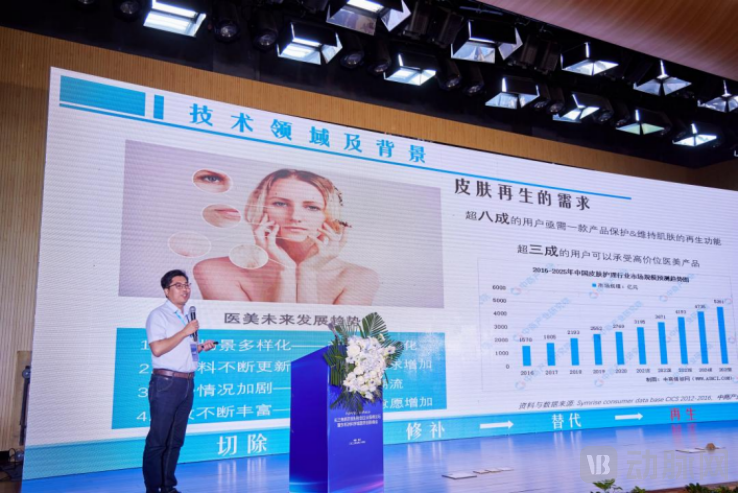
Professor Chi Bo, Founder of Hannin Medical
Leveraging the scientific, technological, and talent advantages of the State Key Laboratories at Nanjing Tech University and Nanjing University, Haning Medical has assembled a multidisciplinary R&D team with expertise in biomaterials, polymer chemistry, organic chemistry, biochemistry, and tissue engineering. This has formed a dynamic entrepreneurial force of nearly 20 members, primarily comprising university professors, corporate executives, medical device project managers, and R&D professionals. To ensure that research outcomes are effectively translated into clinical applications, the company has also engaged several renowned department heads from top-tier (Grade A tertiary) hospitals as R&D consultants.
Leveraging breakthroughs in foundational raw material technologies, the company has established two product lines: surgical and medical aesthetics. It separately possessesMedical Aesthetics-Related Products——Biomimetic Extracellular Matrix;Surgical Products— Injectable polyp mucosal elevation gel (ESD surgery gel) and biodegradable tissue adhesive.
Biomimetic Extracellular Matrix: An Innovative Material with Superior Water-Locking, Moisturizing, and Regenerative Repair Properties for Use in Cosmetics, Medical Aesthetic Skin Boosters, and Dermal Filler Development
The extracellular matrix (ECM) is a complex, dynamic network structure composed of macromolecules secreted by cells into the extracellular space. It consists of various biomolecules, including proteins, polysaccharides, and other extracellular molecules. The ECM plays a crucial role in maintaining the health of tissues and organs, modulating inflammatory and immune responses, facilitating tissue regeneration and repair, and influencing aging. Consequently, it is leveraged in cutting-edge regenerative medicine for complex wound healing and anti-aging applications.
Conventional extraction techniques struggle to achieve scalable production of extracellular matrix (ECM), suffer from poor batch-to-batch consistency, and fail to fully recapitulate the biological properties of native ECM. Furthermore, matrix materials derived from animal, prokaryotic, and eukaryotic sources are limited in availability, exhibit inadequate functional fidelity, and pose concerns regarding immunogenicity and safety, thereby severely restricting their clinical application.
Hanning Biotech’s self-developed biomimetic extracellular matrix is primarily applied in the medical aesthetics field, offering benefits such as skin condition regulation, comprehensive deep hydration, and endogenous anti-aging. By innovatively cross-linking peptides and polysaccharides through 3D construction technology to form a 3D structure, it replicates the architecture and function of the natural extracellular matrix. This material mimics the human physiological environment, demonstrating high safety and excellent biocompatibility, while recruiting endogenous cells to promote tissue repair and regeneration. Compared with similar products, this biomimetic extracellular matrix raw material offers advantages including non-immunogenicity, high batch-to-batch stability, high bioactivity without the need for added biological factors, proprietary manufacturing processes, and high cost-effectiveness.
Currently, the company has successfully commercialized cosmetic-grade and sterile medical-grade raw materials, and is deepening its product development in the medical aesthetics sector.
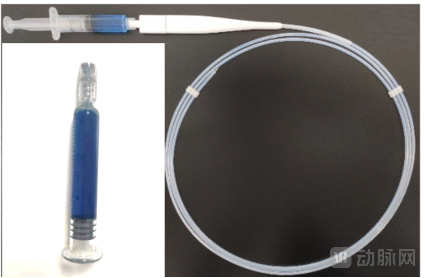
ESD Procedure Gel: Filling the Gap for Specialized Gels in ESD Procedures, Providing a Thick and Long-Lasting Submucosal Cushion
Endoscopic Submucosal Dissection (ESD) and most Endoscopic Mucosal Resection (EMR) procedures require submucosal injection to separate the lesion from the muscularis propria, which is crucial for complete mucosal resection and for preventing complications such as bleeding and perforation. An ideal injection solution should provide a thick and persistent submucosal cushion, maintain the elevation of the lesion, and not interfere with the preservation of tissue specimens.
Traditional mucosal injection materials are mostly composite materials, including physiological saline, glycerol fructose, hydroxyethyl starch and other polymer solutions or emulsions. However, due to their own properties, these injections will quickly diffuse under the mucosa, requiring multiple injections to achieve and maintain the lifting height under the mucosa.
On one hand, repeated injections tend to prolong the procedure time, exposing patients to potential risks such as bleeding and perforation; on the other hand, these lifting agents can dissipate due to gastrointestinal peristalsis, leading to a reduction in submucosal elevation height and shrinkage of the marked margins, thereby compromising the physician’s ability to perform complete resection.
Hanning Medical’s self-developed “Injectable Submucosal Lifting Gel for the Gastrointestinal Tract Based on a Medical Hydrogel Technology Platform,” also known as bionic surgical gel, exhibits shear-thinning behavior within the syringe, allowing it to be injected like a fluid into the surgical site. Upon reaching the target area, it forms a jelly-like gel that supports the tissue and creates a submucosal protective cushion, thereby preventing organ perforation during electrosurgical resection.
Secondly, due to the semi-solid material properties of the surgical gel, intraoperative fluid dripping is avoided, enabling sustained and precise targeting of lesion tissue and providing ample time for mucosal dissection. Furthermore, the gel exhibits excellent biocompatibility and metabolizability, ensuring no additional harm or discomfort to the patient during surgery. It enhances surgical efficiency, shortens operative time, reduces bleeding, perforation, and other complications, thereby guaranteeing surgical quality.
Biodegradable Tissue Adhesive: A Bioadhesive with Instant High Bonding Strength Under Wet Physiological Conditions
Hanning Bio's self-developed biodegradable tissue adhesive is suitable for sealing surgical incisions, including the closure of puncture wounds from minimally invasive interventional procedures, wound closure after complete debridement, and spray application on wound surfaces post-debridement. It provides effective sealing and hemostasis for oozing blood from organ and tissue wounds.
According to Professor Chi Bo, the currently available tissue sealants on the market mainly consist of chemically synthesized adhesives and biological glues. The former are primarily based on n-butyl α-cyanoacrylate, which can cause a burning sensation at the wound site upon application, and these chemical agents are non-biodegradable in the body. The latter, such as fibrin glue, suffer from drawbacks including immunogenicity and relatively low adhesive strength.
Compared to the aforementioned two categories of products, HanNing Bio’s biodegradable tissue adhesive is a bioadhesive prepared through macromolecular assembly and biosynthesis, based on the mechanism of moist wound healing. It exhibits antibacterial properties and wet adhesion capabilities under moist physiological conditions, promotes cell proliferation, and facilitates integration at the interface between biological tissues and bone. Additionally, it helps reduce scar formation in wounds.
Hanning Biotech's degradable biological tissue adhesive requires no cold-chain transportation or frozen storage, features mild storage conditions, and is suitable for a wide range of applications.
Looking back on the journey, Professor Chi Bo, like many entrepreneurs, has also fallen into “pitfalls.”
He told VCBeat that the predecessor business of Hanning Medical once spanned daily cosmetics and medical devices. However, cultivating end-consumer (C-side) awareness of products and corporate brands requires prolonged market education, which undoubtedly becomes a protracted “tug-of-war” for startups and innovative products that aim to hit the ground running. In contrast, B-side buyers possess professional expertise and a deeper understanding of technological products, thereby eliminating the need for extensive market education. In June 2022, the company decisively discontinued its daily cosmetics line and redirected its focus to the research and development of raw materials and products for medical hydrogels. This strategic pivot gave rise to what is now known as Hanning Medical.
Unburdened, Han Ning Medical now moves with greater agility, achieving steadier progress and accelerated growth.
Professor Chi Bo told VCBeat that the company chose to establish its presence at the Changzhou Institute of Advanced Technology, Nanjing University, for two main reasons. On one hand, Changzhou is China’s largest production base for endoscopes and minimally invasive surgical consumables, as well as a hub for medical aesthetics companies. This allows Haning Medical to engage in deep collaboration with related enterprises, achieving direct market access “in one step” and securing customers from the source. On the other hand, the region boasts an abundance of talent, providing a continuous stream of innovative vitality for the company’s long-term development.
It is reported that Hannin Medical has entered into collaborations with multiple downstream medical institutions and hospitals. The company has launched a new round of financing to deepen technology development, advance the registration of existing products, and complete its product pipeline; it will also construct its own manufacturing facility to provide robust support for subsequent mass production.