

Roche's Strategic Bets Pay Off: 4 Portfolio Companies Go Public and One Acquired for $1.85 Billion
Roche Venture Fund
Roche Venture Fund
Roche’s annual report disclosed that its sales grew by 2% in 2021, with revenue increasing by 1% in 2022. For over 120 years since its founding, Roche has remained dedicated to the development of pharmaceuticals, diagnostic equipment, and related products. As the corporate venture capital arm of Roche, the Roche Venture Fund places biotechnology at the core of its investment strategy, serving as a key window for Roche’s capital initiatives.
VCBeat has reviewed Roche’s venture capital investment activities over the past five years, aiming to uncover the key to Roche’s composure amid industry turbulence. (The investment data is compiled from the Artery Orange database, with data current as of August 8, 2023.)
18 Projects in 5 Years: Why Has Roche’s Investment Activity Slowed Sharply in Recent Years?
Roche Venture Fund, established in 2002, is an evergreen fund with CHF 750 million in capital, approximately 40% of which has been invested to date. Over the past two decades, Roche Venture Fund has invested in more than 60 companies worldwide.
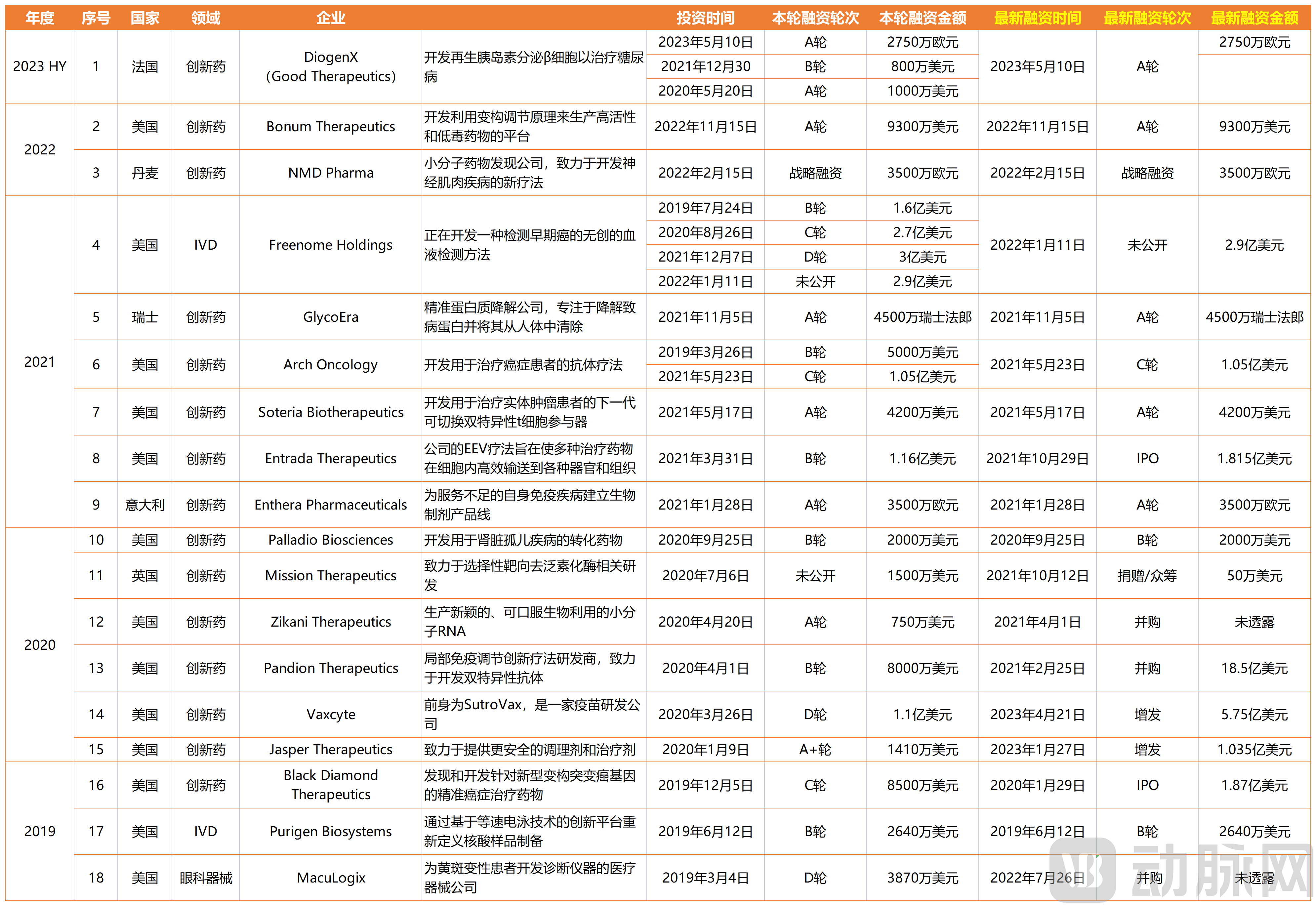
Roche Venture Fund Investment Activities (2019–2023 H1)
Data Source: VCBeat Orange Database
Graphic: VCBeat
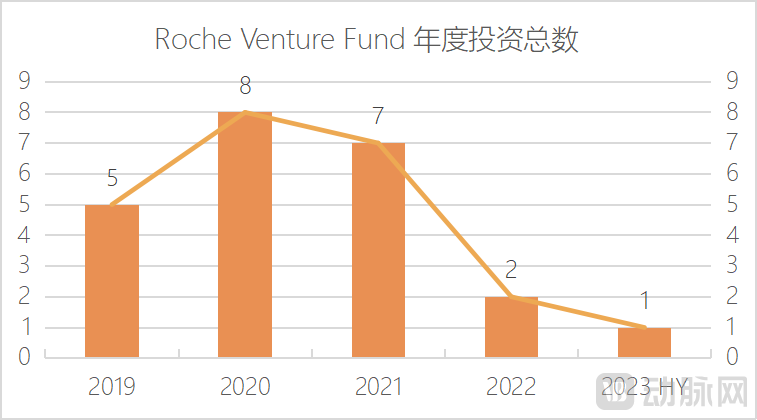
1Only one investment was made in the first half of 2023, marking the lowest investment amount in nearly five years.
From 2019 to the first half of 2023 (1H 2023), Roche invested in a total of 18 companies and participated in 23 financing rounds. Between 2019 and 2020, Roche’s investment activities increased, with the number of investment deals in 2020 accounting for approximately 34.8% of the total over the past five years.After 2020, Roche gradually reduced the number of investment transactions globally, with only one investment deal in H1 2023.
 Data Source: VCBeat Orange Database
Graphic: VCBeat
The trend in Roche’s investment volume aligns with the trajectory of the pandemic. Roche’s core business segments comprise its Pharmaceuticals and Diagnostics divisions.In the early stages of the pandemic, as infection rates rose, global demand for viral testing surged, driving a sharp increase in Roche’s diagnostics business, which offset the decline in its pharmaceutical sales.After 2021, the pandemic entered a normalized phase. In its 2022 annual report, Roche disclosed that revenue from its Core Diagnostics business, driven primarily by immunoassay products, increased by 7% year-on-year, more than offsetting the impact of the continued decline in demand for COVID-19 testing in the second half of the year.
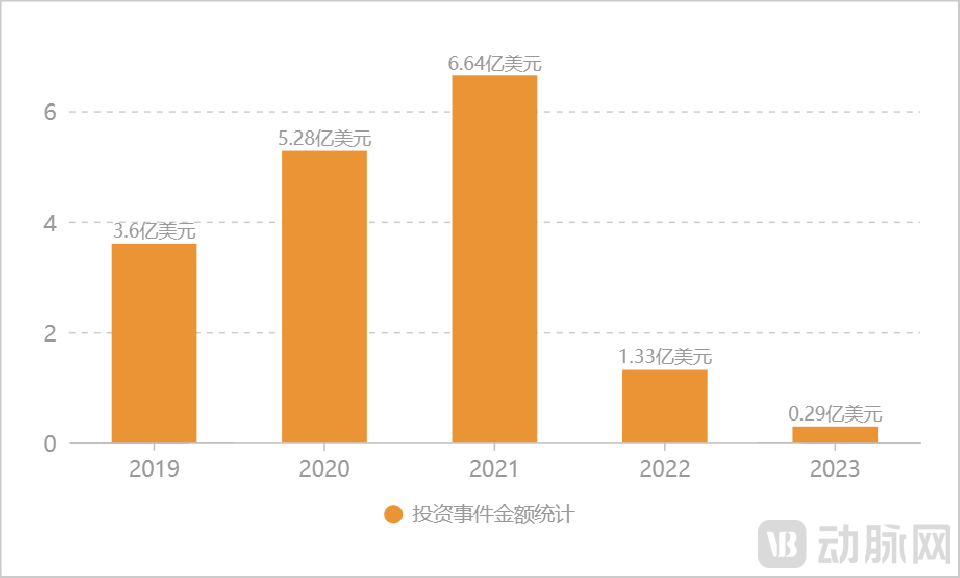
Corresponding to the changes in the number of investments made by Roche is the fluctuation in investment amounts.In 2021, Roche’s investment volume reached its highest level in the past five years, with seven deals totaling $664 million, averaging $95 million per round.After 2021, Roche’s investment amount decreased sharply as the number of investments declined. Notably, although Roche’s total investment amounted to only $133 million in 2022, the average investment per round remained on par with that of 2020, at approximately $66 million.
 Data Source: Arterial Orange Database
Graphic: VCBeat
Focusing on the long-term dynamics of industry changes, the reduction in investment activities and amounts may represent an appropriate strategic adjustment for Roche.Deloitte’s annual analysis of 20 leading global pharmaceutical companies indicated that both the number and value of mergers and acquisitions (M&A) declined in the first half of 2022. The figures dropped from 205 deals worth $130 billion in the first half of 2021 to just 112 deals valued at $55 billion in the first half of 2022. Furthermore, while returns on drug R&D investment have reverted to pre-pandemic levels, the average expected return on R&D investment fell from 6.8% in 2021 to 1.2% in 2022. Roche primarily focuses its investments on the life sciences sector; the significant decline in projected R&D returns across the global pharmaceutical industry may have influenced the changes in Roche’s investment amounts.
2Early-stage, multi-round investment participation; 4 companies listed, 4 acquired
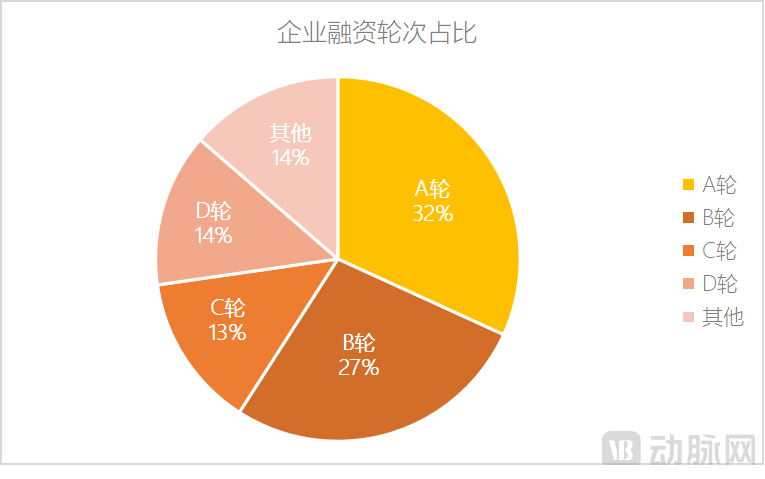
Roche’s venture capital fund typically participates in financing at the early stages of projects. In the life sciences sector, Roche tends to invest in preclinical companies, while in the diagnostics field, it seeks portfolio companies with 12–18 months of R&D progress.Over the past five years, Roche’s investment activities have been concentrated in Series A and Series B rounds, with Series A investments accounting for approximately 32% and Series B investments for approximately 27%.
In addition, Roche typically co-invests in companies alongside five to six other participants.Co-investors in Roche’s investment projects include prominent institutional investors such as SR One, Apple Tree Partners, Pfizer Venture Investments, 5AM Ventures, and Lilly Ventures.
 Data Source: VCBeat Orange Database
Graphic: VCBeat
For Roche, investment also signifies active and long-term engagement.Among the 18 investment projects included in the statistics, Roche has made continued investments in eight companies: Bonum Therapeutics, Freenome Holdings, Arch Oncology, Entrada Therapeutics, Mission Therapeutics, Pandion Therapeutics, Vaxcyte, and Purigen Biosystems.
On the one hand, through long-term engagement, Roche can bring more cooperation opportunities and business expansion space to portfolio companies. Invested enterprises typically benefit from Roche’s reputation and brand influence, while also receiving value-added services such as management expertise, business support, and network resources in the fields of pharmaceuticals and diagnostics. Furthermore, Roche can provide necessary reserve capital when portfolio companies require subsequent financing, thereby enabling them to secure a stable source of funding to meet both daily operational needs and capital requirements for business expansion.
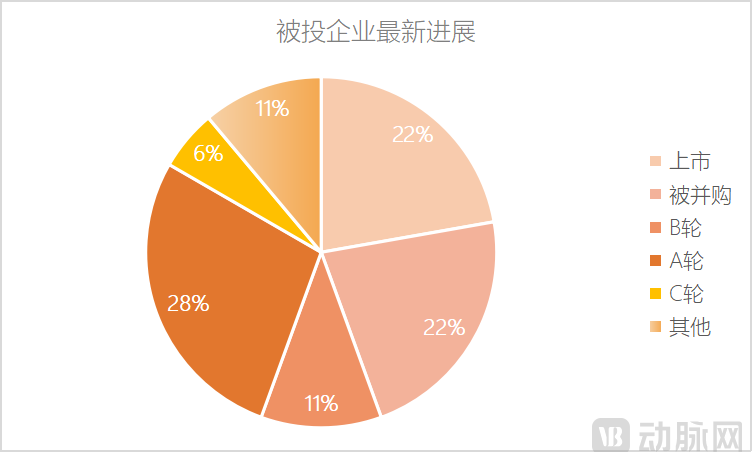
On the other hand, Roche also expects its portfolio companies to generate financial returns and create financial value.Among the companies invested in by Roche Venture Fund over the past five years, four innovative drug developers have successfully gone public, and four have been acquired, with listed and acquired projects accounting for 44% of the total portfolio. Notably, Pandion Therapeutics was acquired by Merck & Co. for $1.85 billion; Roche had participated in the company’s Series B financing round.When the stock prices of companies invested in by Roche rise, the value of Roche’s equity holdings also increases, thereby generating capital gains. Furthermore, Roche can realize capital gains when its portfolio companies undergo initial public offerings (IPOs), mergers and acquisitions (M&A), or private equity transactions.
Data Source: VCBeat Orange Database
Graphic: VCBeat
It is worth noting that Roche’s long-term strategy does not seek returns through small-scale initial investments, but rather by gradually accumulating expertise in this emerging technology field and closely tracking its development.
3Investment projects are concentrated in Europe and the United States, with 83% in the pharmaceutical sector.
 Data Source: Artery Orange Database
Graphic: VCBeat
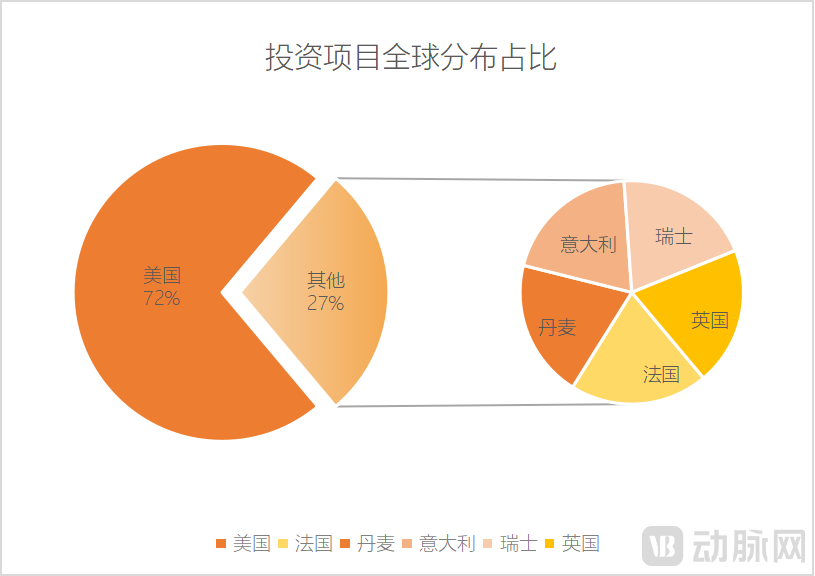
From 2019 to the first half of 2023, all 18 projects invested in by Roche were companies based in Europe and the United States. Among them, 13 were U.S. companies, accounting for approximately 72% of the total, while 5 were European companies, representing about 27%.
Why Has Switzerland-Based Roche Favored U.S. Life Sciences Companies in Recent Years? Prior to 2022, U.S. companies accounted for 66.7% of Roche’s total investments. According to McKinsey data, from January 2020 to January 2021, the average stock price growth of European and U.S. biotechnology companies was more than twice that of the S&P 500 Index. At that time, U.S. biotechnology firms still led in terms of investment activity.
 Data Source: VCBeat Orange Database
Graphic: VCBeat
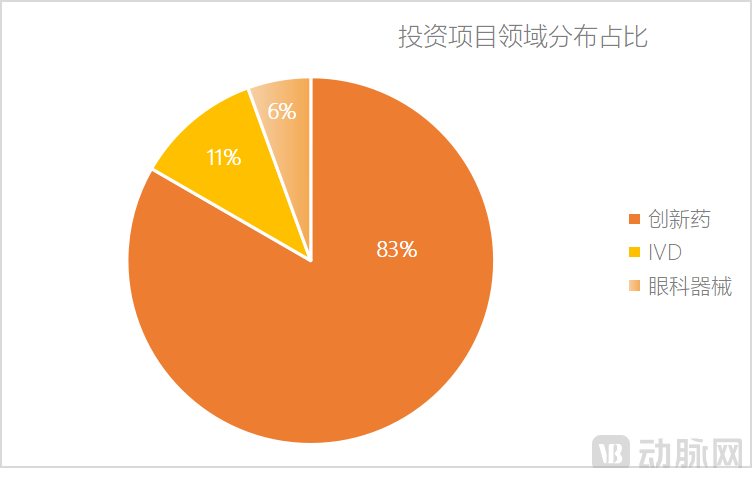
Furthermore, the Roche Venture Fund tends to invest in early-stage life sciences companies in the pharmaceutical and diagnostics sectors. The Roche investment portfolio covers multiple disciplines, including oncology, immunology, neuroscience, ophthalmology, and infectious diseases.Over the past five years, Roche’s investment portfolio has included 15 innovative drug projects, three in vitro diagnostic (IVD) projects, and one ophthalmic device project.The pharmaceutical sector encompasses subfields such as protein therapeutics, small-molecule inhibitors, antibody therapies, and RNA-targeted gene therapy.
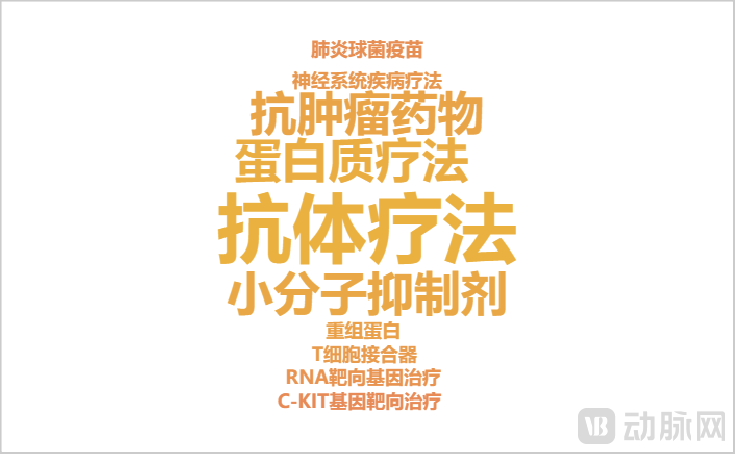 Subsectors of Investment Enterprises in the Pharmaceutical Sector
Data Source: VCBeat Orange Database
Graphic: VCBeat
The pharmaceutical sector accounts for 83% of Roche’s total investment projects, aligning with the company’s tradition of drug innovation.Roche boasts one of the most robust drug development pipelines in the industry, with 30 Phase III projects and multiple products under regulatory review. Although Roche’s total group sales declined in the first half of 2023 due to the impact of the COVID-19 pandemic, its Pharmaceuticals division achieved an 8% year-on-year growth in sales at constant exchange rates (CER), driven by increased sales of drugs such as Vabysmo, Ocrevus, Hemlibra, Evrysdi, Phesgo, and Tecentriq.
Roche's Successful Bet
VCBeat has compiled a list of seven companies invested in by Roche’s venture capital fund over the past five years. These companies have either gone public after several rounds of financing or been acquired by biopharmaceutical companies attracted to their distinctive product pipelines.

What Is the Context-Dependent Therapy Acquired by Roche for $250 Million?
Bonum Therapeutics (hereinafter referred to as “Bonum”), formerly known as Good Therapeutics, was founded in 2016 and is a developer of protein therapeutics. Bonum leverages the principles of allosteric modulation to develop drugs with high potency and reduced toxicity.Between 2020 and 2021, Roche participated in Good Therapeutics’ Series A and B financing rounds, and acquired the company in August 2022 for an upfront payment of $250 million plus potential milestone payments.
Thirty years ago, the cytokines IL-2 and IFN-α received FDA approval. Although these therapies are effective for some cancer patients, their use is limited by toxicity. Cytokines that act solely in a targeted and modulatory manner have the potential to enhance antitumor immune responses while reducing systemic toxicity.
Bonum is focused on developing a context-dependent therapy. This approach integrates sensor and therapeutic components that target specific biomarkers. Upon binding to its target, the molecule undergoes a reversible conformational change, becoming activated and delivering potent activity exclusively at the site of need. Context-dependent therapies are designed to achieve systemic therapeutic effects through localized administration, thereby enhancing the efficacy of cancer treatment while reducing toxicity.
Bonum’s lead pipeline asset—the PD-1-regulated IL-2 program—is designed to provide effective IL-2 stimulation to T cells without causing the systemic toxicity associated with IL-2 therapy. The PD-1-regulated IL-12 is engineered to circulate in an inactive form; upon binding to PD-1 on tumor-reactive T cells, it undergoes a conformational change that exposes active IL-12, enabling cis-signaling. In addition to selectively delivering IL-12, the PD-1-regulated IL-12 can also functionally block PD-1/PD-L1 signaling.
Previously, Roche became a major player in the checkpoint inhibitor field thanks to its blockbuster PD-L1 drug, Tecentriq. Through this acquisition, Roche will obtain the rights to Good Therapeutics’ (Bonum) PD-1-modulated IL-2 program, as well as exclusive rights to the technology for developing PD-1-modulated IL-2 receptor agonist therapies.
In the interview,Roche has indicated that PD-1-modulated IL-2 could become a new pillar of its checkpoint inhibitor-based therapies, helping to target a broader patient population. Roche will focus on leveraging this platform to design conditionally active therapeutics, exploring cancer targets beyond PD-1-modulated IL-2, as well as applications in autoimmune diseases, metabolic disorders, and pain management.
On November 15, 2022, Bonum secured another $93 million in Series A financing, with participation from Rivervest Venture Partners, Roche Venture Fund, Digitalis Ventures, 3x5 Partners, Codon Capital, and Vivo Capital.
In its report Cancer Facts & Figures 2020, the American Cancer Society pointed out that cancer claims nearly 2,000 lives every day in the United States alone. Although there is currently no simple cure for cancer, early detection can facilitate cancer treatment.
Freenome is a biotechnology company based in San Francisco, United States, developing next-generation blood tests for early cancer detection. Since its founding in 2014, Freenome has had a clear vision: to build a multidisciplinary team with expertise in computational biology and machine learning technologies to detect cancer at its earliest and most treatable stages.
Freenome leverages its multi-omics platform to develop blood tests for early cancer detection. This platform integrates expertise in biological and computational sciences, enabling the identification of the body’s earliest warning signals by detecting both tumor-derived and non-tumor-derived signals through routine blood draws. By conducting a comprehensive analysis of blood across multiple biological layers, this holistic approach allows Freenome to detect the earliest signs of cancer.
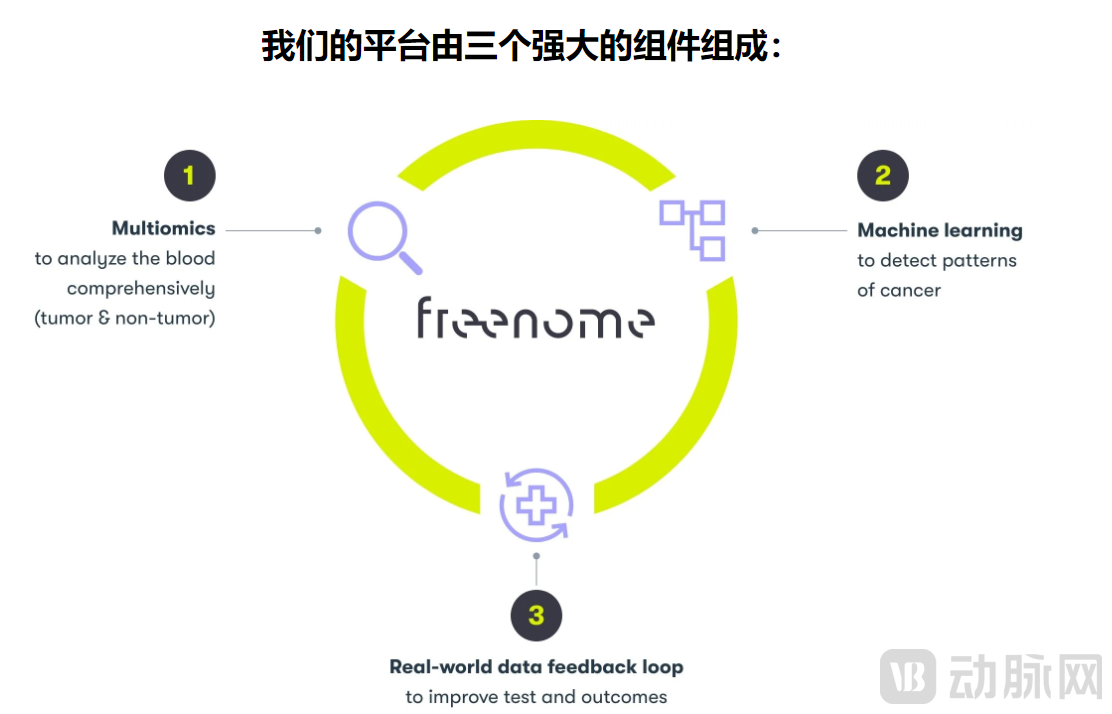
Freenome Blood Testing Platform
Freenome’s first blood test under development targets colorectal cancer (CRC), the second leading cause of cancer-related deaths in the United States. Freenome aims to detect colorectal cancer at its earliest stages by developing an easy-to-use blood test. Currently, Freenome’s CRC blood test is being validated through the PREEMPT CRC clinical study, a pivotal registration trial in its final stage. The study is expected to enroll approximately 25,000 participants and is poised to become the largest registration study in the U.S. for a CRC screening test in asymptomatic, average-risk adults.
In 2021, Freenome partnered with medical technology giant Siemens, with researchers from both companies aiming to identify potential new targets for blood tests that could ultimately be combined with mammography and other diagnostic imaging techniques to improve early detection of breast cancer.Since Freenome’s inception, Roche has continuously participated in its Series B, C, and D funding rounds. To date, Freenome has raised over $1.1 billion in total financing, with approximately $350 million coming from Roche.In January 2022, Roche provided $290 million in funding to Freenome as the sole investor in a new financing round.
During an interview at the J.P. Morgan Healthcare Conference, Mike Nolan, CEO of Freenome, stated, “Roche possesses mid-stage assets and expertise in oncology. Therefore, this is an excellent opportunity for us. We have strengthened our multi-omics platform to drive early detection of colorectal cancer (CRC) and advanced adenomas as our initial application, leveraging the same platform to bring the next cancer type to market.”
Entrada Therapeutics (hereinafter referred to as “Entrada”), founded in 2016 and headquartered in Boston’s Seaport District, is a private biotechnology company dedicated to transforming the treatment of devastating diseases through intracellular biologics.As early as 2018, Roche participated in Entrada’s Series A financing round. In March 2021, Entrada completed a $116 million Series B financing round. The Series B round was led by Wellington Management Company, with Roche, as an existing investor, participating again in this round.
Approximately 75% of disease-causing targets are located within cells. Intracellular therapies aim to correct intracellular dysfunctions that cause disease, addressing targets at the DNA, RNA, or protein levels. To achieve this, therapeutic agents must first cross the cell membrane and then escape the cell’s transport and sorting vesicles to reach and bind to their intended targets. Small molecules can penetrate cell membranes but are often rapidly cleared by the body before reaching target tissues, potentially leading to off-target effects. These limitations typically necessitate high drug doses in clinical treatment and may compromise drug efficacy.
Entrada’s proprietary endosomal escape vehicle (EEV) platform consists of cyclic peptides that are chemically conjugated to a variety of specific and active biologic therapeutics. The EEV platform enables efficient intracellular delivery of diverse therapeutic agents to various organs and tissues, thereby improving the therapeutic index. Entrada’s novel therapies are designed to address challenges associated with current treatment modalities and to engage targets previously considered inaccessible and undruggable.
The initial focus of the EEV platform is to treat a rare and fatal mitochondrial disease. This condition is caused by mutations in genes encoding intracellular enzymes, and there are currently no approved therapies available. Entrada will leverage its Series A financing to advance human clinical trials for its lead program. Furthermore, the company plans to expand its pipeline for rare, monogenic diseases by identifying and developing additional intracellular enzyme replacement therapies.
Through the EEV platform, Entrada has built a portfolio of multiple EEV therapeutic candidate drugs. The broad potential therapeutic index observed in preclinical studies indicates that EEV candidate therapeutics can target different organs and tissues. Compared to similar dosage regimens of unconjugated therapeutics, EEV candidate therapeutics exhibit 50-fold higher intracellular target exposure. Since the EEV platform facilitates the cellular uptake of proprietary therapeutic candidates ranging in size from 1 kDa to 600 kDa, it holds potential utility across multiple modalities. Furthermore, EEV candidate therapeutics may support various routes of administration, including intravenous, intramuscular, subcutaneous, and intrathecal injection.
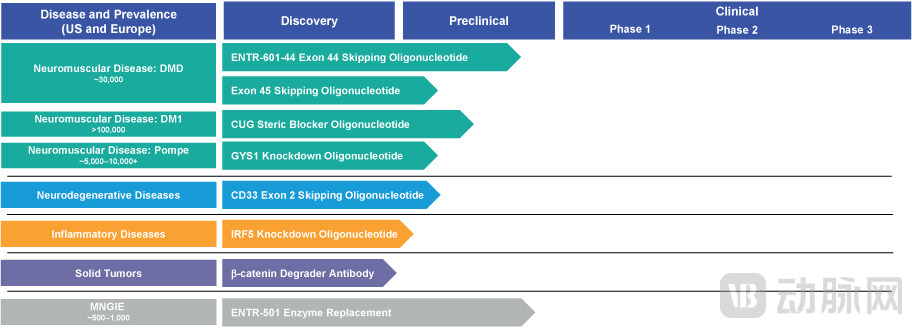
Entrada Pipeline
In October of the same year it completed its Series B financing, Entrada announced the completion of its initial public offering (IPO) and listed on the Nasdaq under the ticker symbol “NASDAQ: TRDA.” Entrada raised $182 million through the IPO and currently has a market capitalization of $480 million.
Merck Acquires Pandion for $1.85 Billion, Competing with Amgen, Eli Lilly, and Roche
In February 2021, Merck & Co. entered into a definitive agreement with Pandion Therapeutics (NASDAQ: PAND, hereinafter referred to as “Pandion”), under which Merck would acquire Pandion through a subsidiary for $60 per share in cash, representing a total equity value of approximately $1.85 billion.
Pandion is a clinical-stage biotechnology company founded in Massachusetts, United States, in 2017. Pandion is advancing a pipeline of precision immunomodulators targeting key immune control nodes. By integrating network-based concepts of the immune system with protein engineering, the company has developed the TALON drug design and discovery platform.
The company’s lead candidate, PT101, is an engineered IL-2 mutant fused to a protein scaffold, designed to selectively activate and expand regulatory T cells for the treatment of ulcerative colitis and other autoimmune diseases. The PT101 program has completed Phase 1a clinical trials, achieving its primary endpoints of safety and tolerability. The company’s pipeline also includes a PD-1 agonist for various autoimmune diseases.
In 2018, Pandion completed a $58 million Series A financing round. The founding investors that provided the initial seed funding—Polaris Partners, Versant Ventures, and Roche Venture Fund—co-led the Series A round. In April 2020, Roche participated again in Pandion’s Series B financing round, which raised up to $80 million.Three months after its Series B financing round, Pandion went public with an initial public offering (IPO) of 7.5 million ordinary shares, priced at $18 per share, for expected total proceeds of $135 million.
Merck’s $1.85 billion acquisition of Pandion is aimed at competing with Amgen, Eli Lilly, and Roche. The deal will give Merck control over a portfolio of immunomodulators that serve as key competitors to the IL-2 drugs currently under development by Amgen, Eli Lilly, and Roche.Eli Lilly previously held a leading position in the IL-2 therapy field with LY3471851, developed in collaboration with Nektar Therapeutics; this drug is currently undergoing Phase 2 trials for systemic lupus erythematosus and ulcerative colitis. Amgen’s efavaleukin alfa (formerly known as AMG592) and Roche’s RG7835 are in Phase 1 development.
Dr. Dean Y. Li, President of Merck Research Laboratories, stated, “This acquisition builds on Merck’s strategy to identify and secure candidates with differentiated and potentially foundational characteristics.”
The main types of pneumococcal disease are pneumonia (lung infection), bacteremia (bloodstream infection), and meningitis (infection of the tissues surrounding the brain and spinal cord). According to data from the American Thoracic Society, pneumonia is the leading cause of death in children under five years old worldwide, accounting for 16% of all deaths in this age group. Pneumonia is also the most common cause of unplanned hospitalizations in the United States. Although bacteremia and meningitis are less common than pneumonia, they tend to be more severe, with mortality rates reaching as high as 60% among the elderly. Currently, there are over 90 prevalent pneumococcal strains, approximately one-third of which are known to be pathogenic.
The global pneumococcal vaccine market has experienced rapid growth over the past two decades, with a value exceeding USD 8 billion. According to a report by Mordor Intelligence, the global pneumococcal vaccine market size is projected to grow from USD 8.46 billion in 2023 to USD 10.71 billion in 2028, representing a compound annual growth rate (CAGR) of 4.83% during the forecast period (2023–2028).
Vaxcyte is a next-generation vaccine company with a product portfolio that includes pneumococcal conjugate vaccines. The company is dedicated to improving global health by developing high-quality, novel vaccines that prevent or treat some of the world’s most common and deadly infectious diseases. Vaxcyte’s cell-free protein synthesis platform comprises the XpressCF platform, exclusively licensed from Sutro Biopharma, along with proprietary technologies. This platform enables the design and production of protein carriers and antigens, which are critical components of vaccines. Vaxcyte’s ability to specify antigen (including polysaccharide) attachment sites on protein carriers represents an improvement over the random conjugation characteristic of traditional vaccine technologies.
Currently, the standard-of-care vaccines for pneumococcal disease include Merck’s Pneumovax 23 and Pfizer’s Prevnar 13. Pneumovax 23 is a polysaccharide vaccine that protects against 23 pneumococcal serotypes but is not considered effective in preventing pneumonia. It provides only short-term protection against bacteremia in adults and is ineffective in children under two years of age. Prevnar 13 is a pneumococcal conjugate vaccine (PCV) that protects against 13 pneumococcal serotypes. It exhibits significantly better immunogenicity, can prevent pneumonia, and is suitable for both adults and infants.
Vaxcyte’s lead clinical candidate, VAX-24, is a 24-valent pneumococcal conjugate vaccine that has been granted Breakthrough Therapy Designation by the FDA for the prevention of invasive pneumococcal disease in adults. Additionally, Vaxcyte’s pipeline includes a broader-spectrum PCV candidate, VAX-31, as well as preclinical programs targeting Group A Streptococcus, periodontitis, and Shigella.
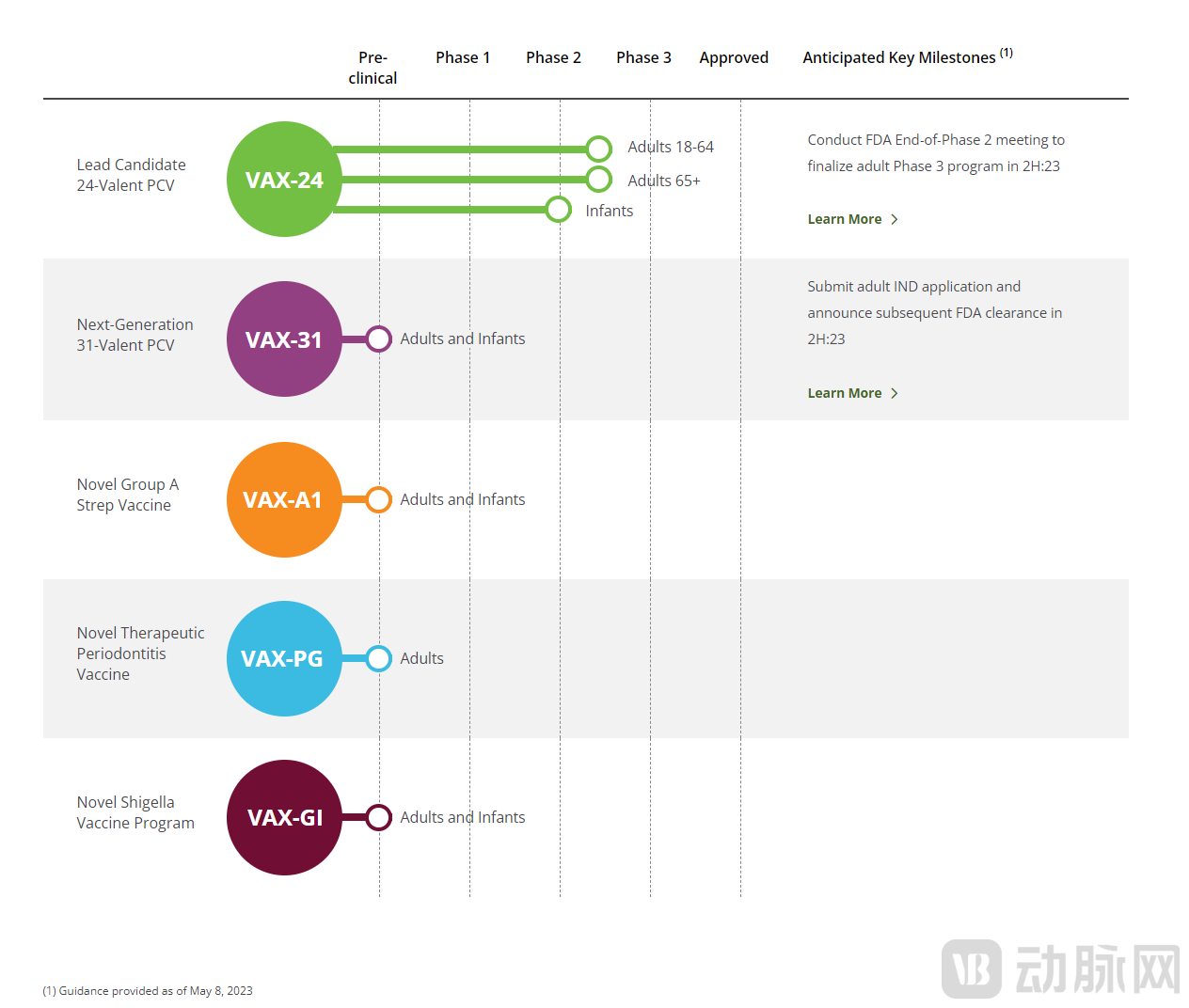
Vaxcyte's Pipeline and Products
In June 2020, Vaxcyte completed its initial public offering (IPO), with an issue price of $16 per share and total proceeds of $287.5 million.In its Series A, B, C, and D financing rounds, Vaxcyte also received support from leading investors such as Pivotal bioVenture Partners, Frazier Healthcare Partners, Abingworth, Longitude Capital, and Roche Venture Fund.Roche participated in every previous round of financing.

Jasper Therapeutics (“Jasper”) was founded by Stanford University Professor Judith Shizuru and Dr. Susan Prohaska, an immunology and stem cell scientist and drug developer trained at Stanford University, with the goal of making curative hematopoietic stem cell transplantation and gene therapies accessible to more patients.
Stem cell transplantation is one of the most widely used cell therapies, with the potential to cure a variety of diseases, including cancer, genetic disorders, and autoimmune diseases. Stem cell transplants can be either allogeneic or autologous, depending on the source of the new stem cells used for transplantation. Jasper’s portfolio encompasses both allogeneic and autologous approaches, and its novel mRNA-based stem cell transplantation platform aims to address the limitations of current grafts and unlock the full potential of stem cells, thereby expanding the number of patients who can benefit from allogeneic and autologous gene-edited hematopoietic stem cell therapies.
Jasper has obtained global rights to Briquilimab (formerly JSP191) from Amgen, which originally discovered JSP191 (formerly AMG191), and has secured rights to translational science and materials from Stanford University. The lead candidate, Briquilimab, is a monoclonal antibody based on an allogeneic approach that is administered to patients via infusion to block specific survival signals on stem cells.
Currently, briquilimab is being evaluated in an open-label Phase 1/2 clinical trial in two cohorts of patients with severe combined immunodeficiency (SCID). Five of the first six enrolled SCID patients developed naïve T cells, with levels expected to provide improved immune function within two years post-transplantation. Jasper’s drug development pipeline also includes multiple candidate products designed to enhance hematopoietic stem cell therapy.
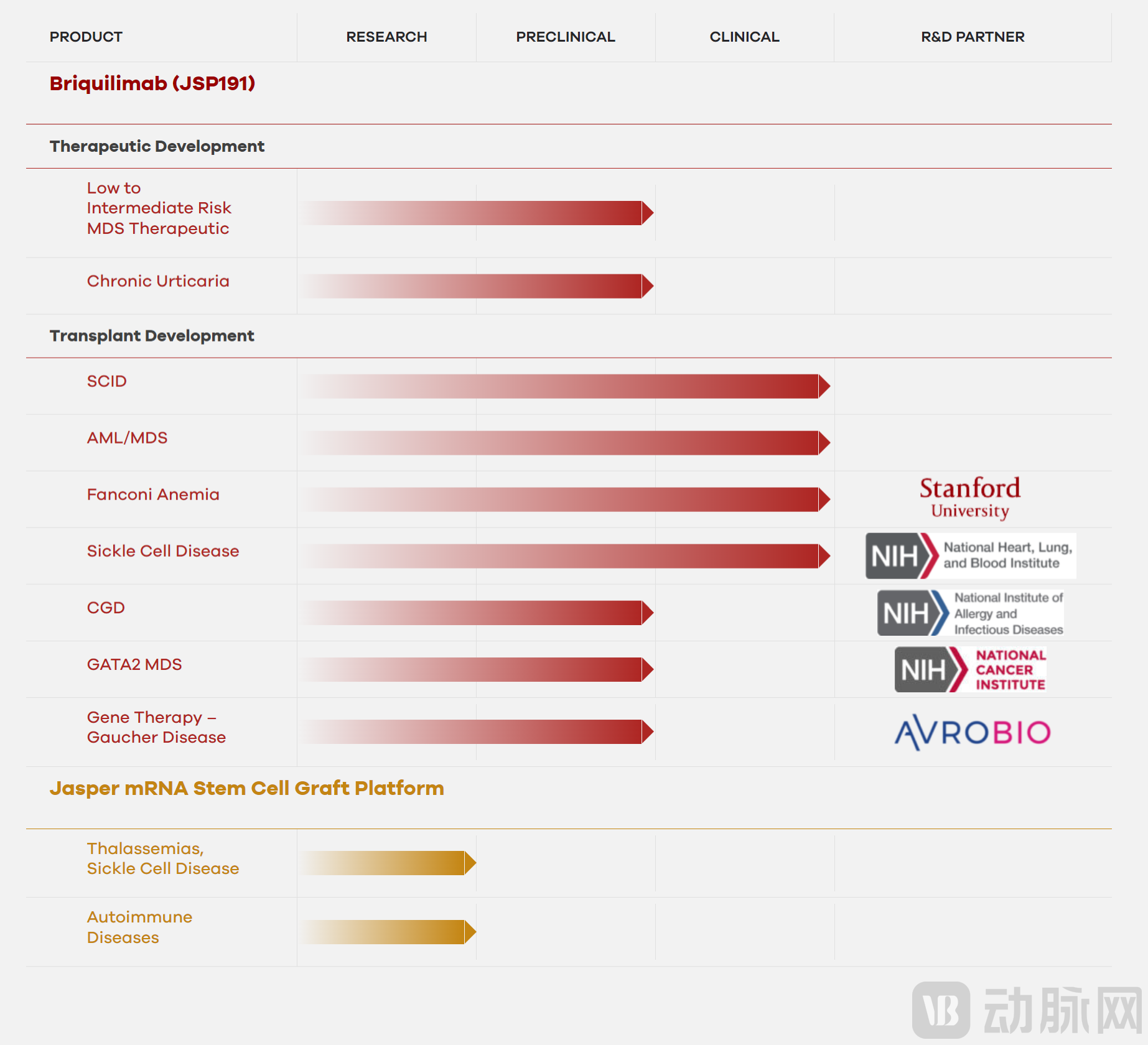
Jasper’s Drug Development Pipeline
As a global leader in biopharmaceuticals, Roche continues to drive advancements in biotechnology and monoclonal antibody therapies.Roche has long achieved remarkable success in its monoclonal antibody business. The company developed Rituximab, the world’s first monoclonal antibody drug, as well as Trastuzumab, a medication used to treat HER2-positive tumors such as breast and gastric cancers.In December 2019, Jasper completed a $50 million Series A financing round. Abingworth LLP and Qiming Venture Partners USA served as the lead investors.In the additional investment round of Series A, Roche led the funding with a total amount reaching $14.1 million.
In September 2021, Jasper went public through a reverse SPAC merger with Amplitude Healthcare Acquisition Corp (NASDAQ: AMHC), in a deal valued at $100 million. The merged entity was renamed Jasper Therapeutics Inc., trading under the ticker symbol “JSPR.” The transaction also included an additional $100 million in PIPE financing, bringing Jasper’s current market capitalization to $165 million.

In December 2019, Black Diamond Therapeutics completed an $85 million Series C financing round led by Boxer Capital.Existing investors Versant Ventures, New Enterprise Associates, RA Capital Management, Nextech Invest, Invus, Perceptive Advisors, City Hill Ventures, and Roche Venture Fund participated in this round of financing.
Black Diamond Therapeutics (hereinafter referred to as “Black Diamond”) is a precision oncology company dedicated to developing targeted cancer therapies for patients with genetically driven cancers. Its proprietary technology platform, the MAP Platform (Mutant Allosteric Pharmacology Platform), analyzes population-level genomic sequencing data to identify oncogenic mutations that drive cancers across multiple tumor types.
The MAP platform is built on three core pillars: First, the MAP platform’s algorithms rank mutations with potential oncogenicity using genetic and proteomic features. By comprehensively analyzing population-level gene sequencing data, it identifies oncogenic mutations among hundreds of unique alterations within a single gene. Second, the oncogenicity of identified mutations is validated through cellular and tumor models, elucidating how these mutations drive protein conformational changes. This enables the MAP platform to group subsets of mutations into mutation families based on similar protein structures and shared selective features. Third, the MAP platform leverages these common features to identify candidate products designed to selectively inhibit specific mutation families.
Leveraging its MAP platform, Black Diamond is developing a series of oral, potent, and selective candidate drugs known as MasterKey inhibitors. Its lead program, BDTX-1535, is designed as a potent, selective, brain-penetrant, and irreversible MasterKey inhibitor targeting EGFR mutations expressed in glioblastoma multiforme (GBM) and intrinsic and acquired resistant EGFR mutations expressed in non-small cell lung cancer (NSCLC).
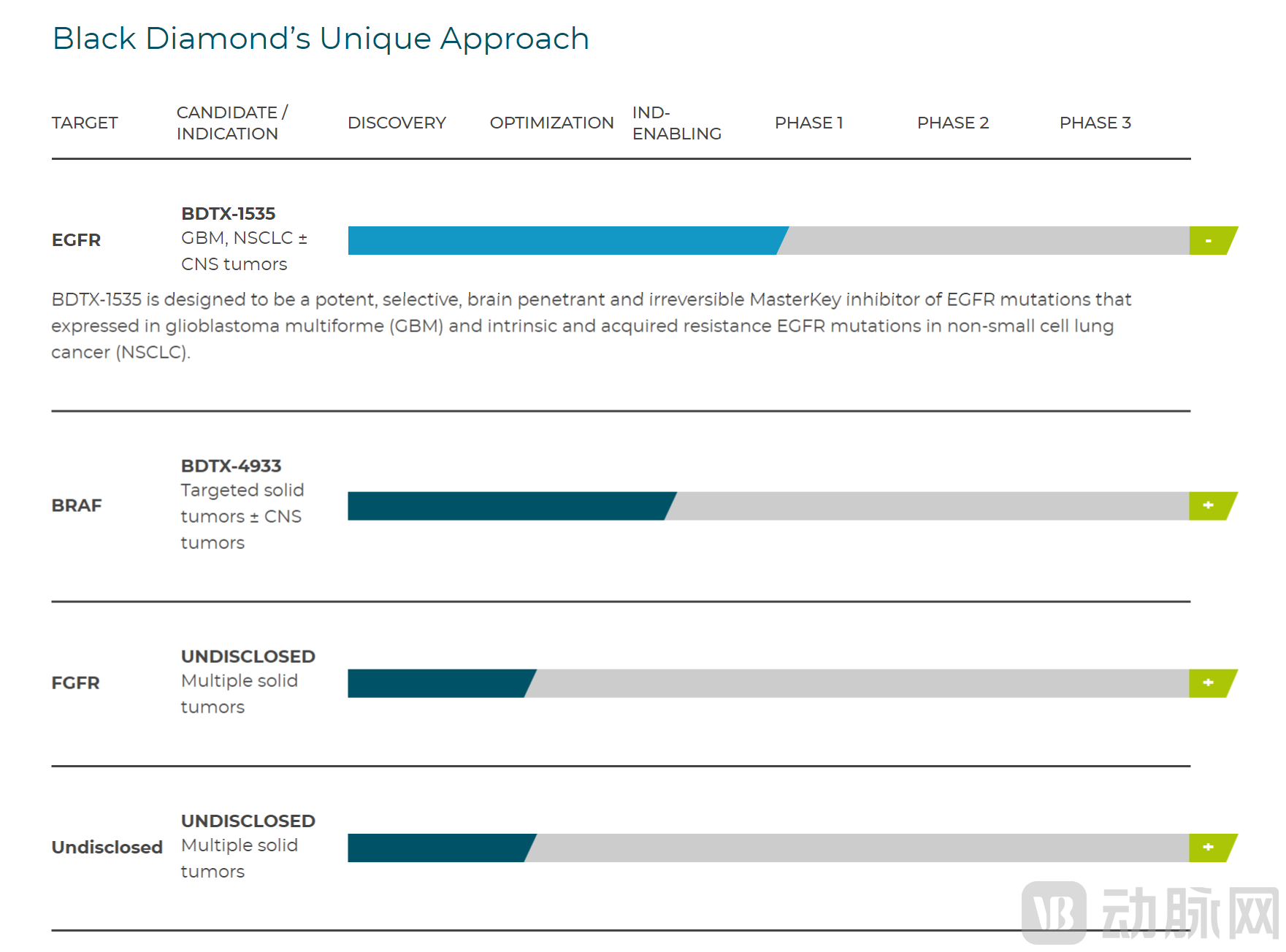
Black Diamond’s Pipeline Portfolio
In February 2020, Black Diamond (NASDAQ: BDTX) completed its initial public offering, with gross proceeds of approximately $231.3 million before deducting underwriting discounts and commissions and other offering expenses. In June 2023, Black Diamond announced initial dose-escalation data from its lead program, BDTX-1535, demonstrating antitumor activity in patients with non-small cell lung cancer (NSCLC) harboring various EGFR mutations. Following the release of these preliminary Phase I clinical study results, the stock price of Black Diamond Therapeutics surged by 82.88%.
In Closing—Roche wrote in the opening of its 2020 annual report: “Innovation finds its meaning when it benefits others.”
As Roche brings financial support and collaborative opportunities to its portfolio companies, we hope that startups deeply engaged in R&D will ultimately deliver the benefits of technological innovation to patients worldwide, after acquiring the expertise and capabilities necessary for development and innovation.
Reference Article:
1、Roche Annual Report 2022.
2、Roche HY 2023 results.
3、Deloitte. Seize the digital momentumMeasuring the return from pharmaceutical innovation 2022.
4、Julian Birkinshaw , Ivanka Visnjic , and Simon Best. Responding to a Potentially Disruptive Technology : HOW BIG PHARMA EMBRACED BIOTECHNOLOGY. California Management Review. 2018, Vol. 60(4) 74-100.