

Hidden Opportunities Beneath the Surface: Exploring Emerging Segments in China's Trillion-Yuan Pediatric Healthcare Market Driven by 300 Million Children
Recently, many parents have expressed strong resonance with a chart titled “8 Standards for the New-Style Filial Child,” sharing it widely with captions such as, “If only my ‘little monster’ met one more of these criteria, I could cut my work year by half.”
Reportedly, the “Eight Major Standards for New-Style Filial Piety” are as follows:No growth hormone injections, no eyeglasses, no orthodontic treatment, no rhinitis, stress-free parenting for academic performance, no allergies, and no smartphone useandNot Overly Obese. Generally, meeting four or more criteria basically qualifies one as a “new-type filial son.”
A closer look reveals that, apart from “learning without burdening mothers” and “not using mobile phones,” the other six items are all related to personal health. Further analysis clearly highlights two major trends:First, parents today place exceptional importance on their children's health issues and demonstrate a strong willingness to pay; second, pediatric health problems are exhibiting characteristics of diversification and prevalence., taking orthodontic treatment as an example, clinical statistics indicate that the prevalence of malocclusion among Chinese children in the mixed dentition stage is 72.92%. Regarding myopia, according to data released by the National Health Commission in 2021, the overall myopia rate among Chinese children and adolescents was 52.7%, with rates of 35.6% for primary school students and 71.1% for junior high school students.
Under the sustained stimulus of such a high prevalence rate, coupled with China’s current pediatric population of nearly 300 million, the coverage of pediatric medical services is expanding at an accelerated pace, thereby continuously unlocking market potential.The most typical example is the successful “ignition” of development in the dental and ophthalmology sectors., in recent years, a number of related startups have successively completed financing rounds, while the secondary market has also seen growing momentum, with the overall market size long approaching the trillion-yuan mark. However, as the industry gradually moves into deeper waters,The development of the dentistry and ophthalmology sectors has gradually matured, making explosive growth opportunities unlikely in the future.。
So, in the vast pediatric healthcare sector, beyond dentistry and ophthalmology, what new opportunities can we identify? Or rather, which hidden niches within pediatric healthcare are currently awaiting exploration? To address this, VCBeat has conducted an in-depth analysis.
Outpatient Appointments “Snap Up in Seconds”: Youngest Patient Just 4 Years Old, Child Mental Health Issues Imminent
Zhang Xiaoming is a psychiatrist. The pediatric psychiatry ward at Beijing Huilongguan Hospital, where she works, was only established in 2013. When it first began seeing patients, the majority were aged 14 to 18, but now children around the age of 10 are quite common, with the youngest patient diagnosed with depression being just 4 years old. As it is currently summer vacation, Zhang Xiaoming is extremely busy. She stated, “Appointments for the Pediatric Psychology Clinic Are Snapped Up Within Seconds, the ward has a designated capacity of 20 beds, but it is currently housing 25 children, with more than ten others waiting outside for available beds.”
This is not an isolated case. In fact, major pediatric psychological clinics in Beijing, Shanghai, Guangzhou, and Shenzhen are currently almost overwhelmed with patients. The key factor behind this phenomenon is the rapid growth in demand for children’s mental health services in China in recent years. Taking depression as an example, according to the Report on National Mental Health Development in China (2019–2020) released by the Institute of Psychology, Chinese Academy of Sciences in 2021,The detection rate of depression among primary school students in China is nearly 10%, while that among adolescents is 24.6%., with their proportions having increased significantly compared to ten years ago.
However, depression is only one of the many mental health issues affecting children.The other two major categories are autism spectrum disorder and attention-deficit/hyperactivity disorder.. Let’s begin with autism, also known as autistic disorder, which is a representative condition of pervasive developmental disorders. According to statistics from the “2021 Blue Book on the Rehabilitation Industry for Children with Developmental Disorders,” the prevalence of autism in China has been increasing year by year. Currently, there are nearly 3 million children with autism spectrum disorder in China, which means thatApproximately 1 in 100 children in China is affected by autism.。
Additionally, since the hallmark symptoms of autism involve difficulties in communication, more severe casesPatients generally present with speech disorders, and most require speech rehabilitation in the later stages.. According to data from the Second National Census on Persons with Disabilities, the prevalence of speech disorders among Chinese adolescents and children was 17% at age 2, 4%-7.5% at age 3, and 3%-6% at age 6. Given China’s large population base, the number of children with language disorders is substantial. This has consequently given rise to a new industry.
The final common psychosexual disorder in children is ADHD. ADHD, short for Attention-Deficit/Hyperactivity Disorder, is a neurodevelopmental disorder that commonly occurs during childhood. According to official data, the prevalence of ADHD among children and adolescents in China is approximately 6.3%, which translates to an estimated 23 million affected individuals based on population proportions.
It is precisely for this reason that children's mental health issues are currently receiving widespread attention across the industry. Not only have a large number of startups been established, but many of them have also completed financing rounds. According to incomplete statistics from the VCBeat Orange Database,Since 2022, a total of 17 companies in China’s children’s mental health sector have successively completed financing rounds., among which seven focus on adolescent depression, five on autism, three on ADHD, and two on speech rehabilitation.
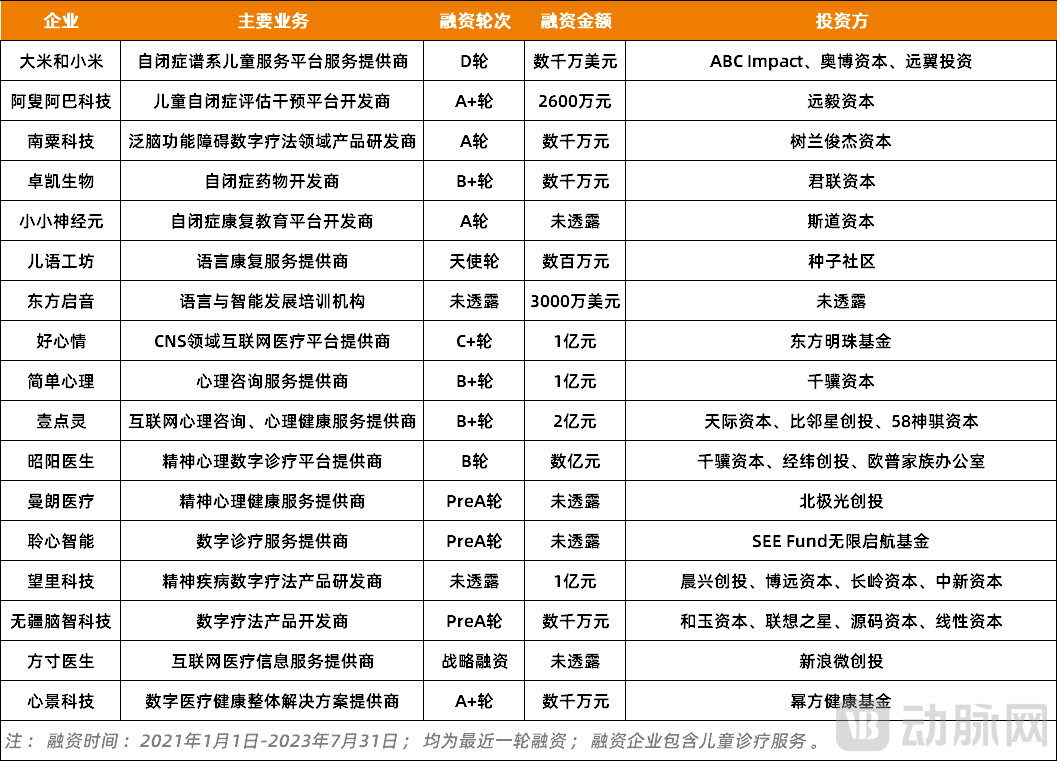 Figure 1. Companies in the field of children's mental health that received financing in the past two years (Source: VCBeat)
Through an analysis of this batch of funded companies, VCBeat found that, apart from Zhuokai Biotechnology, which belongs to the biopharmaceutical sector, the others are basically internet healthcare or digital therapeutics companies. ItsPrimarily leveraging cutting-edge technologies such as the Internet and AI, and operating within the framework of evidence-based medicine large models, we adopt an online-plus-offline model to deliver comprehensive psychological services for pediatric patients, covering the entire continuum from diagnosis and treatment to rehabilitation.。
Companies that have secured financing through Series DDami and XiaomiAs an example, Dami and Xiaomi, one of the earliest service platforms in China dedicated to the rehabilitation of children with autism and pervasive developmental disorders, has developed the RICE rehabilitation intervention system with complete independent intellectual property rights. It provides integrated services for children with autism spectrum and developmental disorders, including rehabilitation intervention, inclusive support, home-based guidance, parent training, and popular science consultation. Other typical representatives includeWujiang Brain Intelligence Technology, as a digital therapeutics company, its first product to enter clinical practice is an AI-based functional game designed for the precise treatment of attention deficits and hyperactivity disorder in children.
Liu Aona, Chairman of Manlang Medical, stated in an interview with VCBeat, “Although medications for related mental disorders have demonstrated favorable therapeutic efficacy in recent years, and no serious adverse events have been observed,”But for children, thisNot only will there be certain side effects, but it may also affect development.“By comparison, an integrated MDT diagnosis and treatment model, supplemented by digital diagnostic, therapeutic, and intervention tools to enhance efficiency and patient engagement, may well be the optimal solution.”
Undeniably, the rapid growth in market demand in recent years, coupled with the integration of multiple innovative technologies, has advanced the development of the children’s mental health field by 10 to 20 years. However, due to its late start, the industry remains in its early stages and continues to face numerous urgent challenges.
The most typical example is low social awareness.. According to professionals, due to insufficient awareness of the disease among many parents, the consultation rate for children with ADHD in China is currently less than 10%. Furthermore, only one-third of diagnosed patients receive standardized treatment. For pediatric psychological disorders that require early intervention, this undoubtedly causes them to miss the optimal window for treatment, thereby leading to worsening psychological issues.
In addition, there areThe mental health industry currently lacks standards, particularly in the areas of diagnosis and treatment.. Taking diagnosis as an example, current practices primarily rely on questionnaires or tests, which are highly subjective and unsuitable for children lacking the capacity to make choices. Furthermore, at the treatment level, there is a lack of relatively mature and standardized protocols, leading to inconsistent therapeutic outcomes. This has indirectly hindered the potential for explosive market growth.
The final point is insufficient supply-side capacity.Currently, there is a relative scarcity of professional psychological counselors, as well as specialized teams and institutions, leading to a somewhat disordered industry landscape. This situation can easily dampen patients’ initiative to seek psychotherapy. Furthermore, the mental health sector currently lacks effective market channels and remains relatively closed, with service access primarily driven by user referrals.
Therefore, effectively addressing these issues has also become a development opportunity for the current children's mental health industry.
Parents Strive to Raise “Tall, Rich, and Handsome” Sons and “Fair, Wealthy, and Beautiful” Daughters: The Pediatric Posture Correction Market Holds Great Promise
Having discussed children's mental health, we now turn our focus to the market for pediatric postural correction, which primarily includesHeight Increase、Weight LossandScoliosis. According to incomplete statistics from the VCBeat database, seven related startups have successfully completed financing rounds in the past two years.
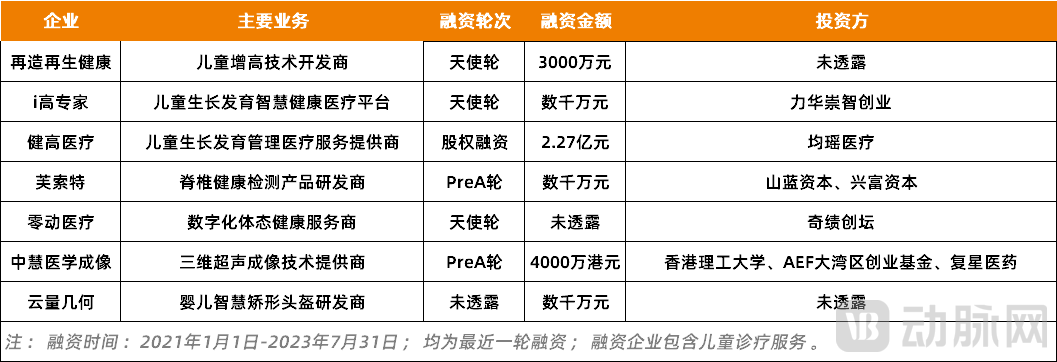 Figure 2. Companies in the pediatric physical correction sector that received financing in the past two years (Data source: VCBeat)
First, focus on the market for height enhancement in children.. From the perspective of rigid demand, data from the Pediatric Branch of the Chinese Medical Association indicate that the prevalence of short stature among children in China is approximately 3%. Based on calculations, the prevalent population of children with short stature in China amounted to approximately 6.14 million in 2020. However, for the vast majority of parents, seeking height enhancement for their children is not solely for “treating a disease”; a significant proportion are simply pursuing greater height.
Ms. Qiao, a Beijing resident, inOver the past two years, more than 100,000 yuan has been spent on increasing the child’s height, primarily for growth hormone injections and bone age suppression therapy.In response, she stated, “Whether in academic performance or height, a child should not feel inferior, as height is an important factor to consider for their healthy growth, future marriage prospects, and employment.”
However, direct injection of growth hormone is not the only method for height enhancement, and this approach has certain limitations. For instance, some children are resistant to injections. Furthermore, the treatment process is relatively cumbersome and complex, requiring subcutaneous injections on a weekly or even daily basis, which carries potential risks of missed or interrupted doses. Moreover, the overall cost is relatively high. According to the product inserts and winning bid prices for different formulations of growth hormone, the annual treatment cost is approximately RMB 22,000 for lyophilized powder injections, RMB 44,000 for liquid injections, and RMB 194,000 for long-acting injections.
In this regard, having already completed two rounds of financing in succession this year,Rebirth Regenerative HealthA new solution has been proposed, successfully launching an innovative children's height-growth product, Angaosu. According to co-founder Season Liu, the product is now available in mini-capsule form, with a volume approximately one-quarter that of standard adult capsules, making it safe, child-friendly, and easy to swallow. Additionally, offline clinics that support children's height growth through a combination of "scientific training and nutritional planning" have gained significant favor among parents.
Having discussed height, we now turn to the issue of childhood obesity.Obesity Is Considered the Leading Threat to Children's Health, on the one hand, due to its prevalence, as indicated by the Report on the Nutritional and Chronic Disease Status of Chinese Residents (2020),In China, the prevalence of overweight and obesity among children and adolescents aged 6 to 17 years is as high as 19%, while that among children under 6 years of age is 10.4%.; on the other hand, it is due to the significant physical harm it causes in children, primarily referring to varying degrees of damage to the cardiovascular, endocrine, and respiratory systems resulting from obesity, as well as its tendency to predispose children to adverse psychological issues such as low self-esteem, anxiety, depression, and poor self-evaluation.
Based on current market conditions, the treatment of childhood obesity primarily involves three approaches, namelyDietary Therapy,Exercise TherapyandPharmacotherapyDietary and exercise therapies are similar to the aforementioned height-increasing interventions, primarily relying on standardized training regimens combined with a balanced diet, while leveraging digital tools to enhance scientific rigor and efficiency. Although pharmacological therapy has demonstrated significant efficacy in recent years, it is currently not indicated for children, akin to psychotropic medications. Taking semaglutide, which has gained widespread popularity this year, as an example, it is approved only for glycemic control in adults with type 2 diabetes; its safety and efficacy in children and adolescents under 18 years of age remain to be established.
The final niche segment in pediatric postural correction to be mentioned is scoliosis.. Scoliosis is a three-dimensional deformity of the spine, characterized by alignment abnormalities in the coronal, sagittal, and axial planes. In lay terms, it refers to a deformity caused by the spine deviating from its normal midline, accompanied by spinal rotation. According to statistics from the National Health Commission,The number of primary and secondary school students in China with scoliosis has currently exceeded 5 million, and is increasing at a rate of approximately 300,000 per year.。
Fusote is one of the representative companies in this field. At the beginning of this year, Fusote successfully completed its Pre-A round of financing, andRecently Successfully Facilitated FDA Approval for the World’s First 3D Spinal Measurement Device. It is reported that this product is a novel screening method characterized by high sensitivity, accuracy, and safety. As the world’s first radiation-free device for direct measurement of spinal Cobb angle and Angle of Trunk Rotation (ATR), it effectively addresses the irreversible adverse effects of traditional X-ray examinations on adolescent growth and development.
Beyond detection, Fusote has also made significant strides in treatment. It has innovatively designed a set of metaverse-based rehabilitation exercises and plans to launch a smart brace this year. According to the company’s head, the brace integrates data with Fusote’s spinal detection system, automatically adjusting support strength and angle based on the patient’s spinal growth. A single purchase covers the entire treatment journey.
Overall, the market demand for pediatric postural correction is enormous.This is undoubtedly driven in part by the persistently high prevalence rates in recent years, as well as by some parents’ extreme pursuit of their children becoming “tall, rich, and handsome” or “fair, rich, and beautiful.”, but whether it is height enhancement, weight loss, or scoliosis treatment, these are currently all emerging fields with many pressing issues to be resolved. The main challenge lies in how to maximize therapeutic efficacy while ensuring the safety of children. In this context, cutting-edge technologies such as AI, brain-computer interfaces, and the metaverse may offer a breakthrough.
The Forgotten “Ears”: Another High-Potential Market in Pediatric Healthcare
Over the past few years, both dentistry and ophthalmology have emerged as hot sectors fiercely competed for by capital markets. Not only have hundreds of companies secured financing, but the secondary market has also been highly active, with several companies successfully going public. However, the greater the hype around these two sectors, the more it highlights the desolation of their “peer”—the hearing care sector.
In fact, the hearing care sector shares many similarities with ophthalmology and dentistry. For instance, their core products are primarily medical devices; their market models are largely consistent; and all three sectors are supported by a substantial patient base. Furthermore, they all operate within the broader historical context of transitioning from overseas monopoly to domestic substitution.
However, from the perspective of investors, there are four main reasons why it failed to emerge as a leader:First, the key consumer groups have not been identified., nor has it used products of varying tiers to precisely segment its customer base;Second, insufficient product competitiveness, no product has yet gained widespread market recognition;3. Inadequate service support, mainly reflected in the shortage of relevant talent and the inadequacy of service models;Fourth, market channels have not yet established sound mechanisms., nor have any industry leaders emerged, resulting in relatively high overall distribution costs.
But just as with ophthalmology and dentistry, the pediatric hearing market is undoubtedly a promising entry point. According to data released by China’s health authorities,There are approximately 2 million children with hearing impairment in China, including about 800,000 children under the age of 7. The overall incidence of neonatal hearing loss is close to 1%, with more than 30,000 newborns with hearing impairment added each year.. Coupled with the penetration of emerging technologies such as the internet and artificial intelligence, the hearing care sector is also witnessing renewed vitality, with a number of startups successfully securing financing in succession.
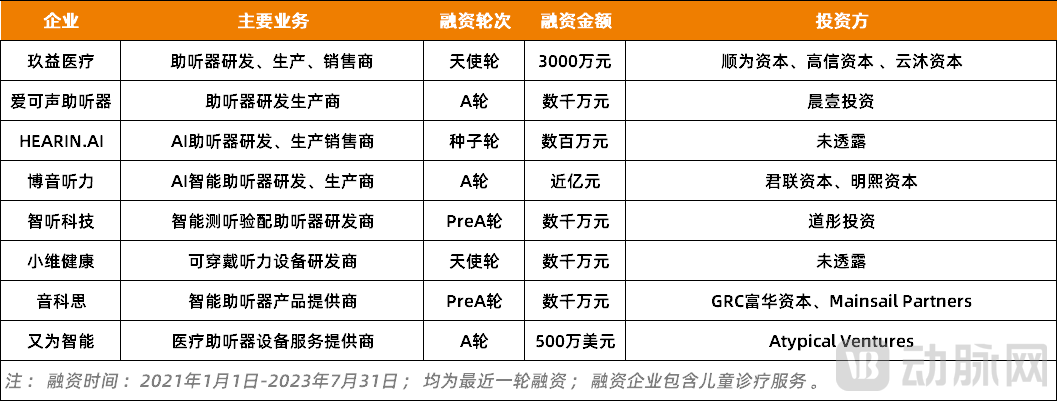 Figure 3. Companies in the pediatric hearing aid sector that received financing in the past two years (Source: VCBeat)
Having just completed its Series A financing,BOIN HearingFor example, it has leveraged AI technology to develop a speech enhancement algorithm. Designed based on a composite scientific framework incorporating speech signals and auditory characteristics, this algorithm modifies articulation patterns to compensate for hearing loss in patients, thereby making speech easier to understand. In the critical area of hearing aid fitting, BOIN Hearing Technology fully capitalizes on its advantage of having hundreds of service audiologists. By deeply learning from hearing fitting experiences and optimizing automatic fitting algorithms, it achieves a higher one-click fitting success rate.
However, hearing aids are not the only potential market in pediatric otology; ear shape correction also deserves attention.. According to data from China's Birth Defects Monitoring Center, the incidence of birth defects in China has remained persistently high over the past decade, among whichCongenital Microtia: Second Only to Cleft Lip and Palate, with One “Little-Ear Angel” in Every 7,000 People. It is reported that congenital microtia is a significant type of external and middle ear malformation, classified as a congenital structural birth defect. It presents at birth with either the absence of the ear or a partially formed auricle, exhibiting a peanut-like, sausage-like, or leaf-like shape.
Based on current market rates, the cost for correcting infant ear deformities typically ranges from approximately 10,000 to 15,000 RMB. The exact cost varies depending on the severity of the deformity. In mild cases, correction can be achieved by fitting an orthotic device to reposition the ear while the cartilage is still pliable and undeveloped. However, more severe deformities may require surgical intervention, which incurs higher costs.
But even so,Ear Correction Remains a Niche Sector, even more niche than hearing aids, with few related startups. Existing products rely primarily on imports, and coupled with insufficient clinical education and low societal awareness, the overall service penetration rate in the industry remains extremely low.
A top-tier investor remarked in an interview that, after several years of rapid development, the dental and ophthalmology sectors are unlikely to see explosive growth opportunities in the future. In contrast, the otology sector holds considerable promise, given the substantial and tangible market demand and the absence of dominant domestic brands in this niche, indicating significant potential for future development.
Entering a Golden Decade: What Lies Ahead for the Pediatric Healthcare Market?
In the view of many industry professionals,2020–2030: The “Golden Decade” for Pediatric Healthcare, the underlying logic behind this includes not only the rapid growth in market demand within relevant niche sectors but also a significant increase in market awareness, a greater willingness among parents to pay for their children's health, and the deep integration of cutting-edge technologies—represented by 5G, AI, and the internet—with pediatric healthcare service scenarios.
However, as the industry rapidly develops, issues related to the advancement of pediatric healthcare have gradually become more prominent, such asMore Stringent Safety Considerations, given that children generally have weaker immune systems and their subsequent growth and development must be taken into account, safety should be prioritized as the core indicator in treatment.
Under safety,The next issue to address is therapeutic efficacy.Unlike adults, children are largely unable to accurately perceive and articulate their health conditions to physicians. Coupled with a widespread fear of pain, this results in low cooperation during medical visits. Consequently, there is a need for intelligent and precise diagnostic equipment to assist in the clinical process, while also ensuring a certain level of comfort during treatment, thereby placing higher demands on the overall medical experience.
Then comesService AccessibilityIn recent years, with the rapid development of the socio-economy and the extended influence of the “era of competitive parenting,” an increasing number of parents have become consciously aware of their children’s health issues. However, the proportion of such awareness remains low at the current stage. Coupled with the inadequacy of primary pediatric medical services, particularly the lack of screening capabilities, many pediatric patients consequently miss the optimal window for treatment.
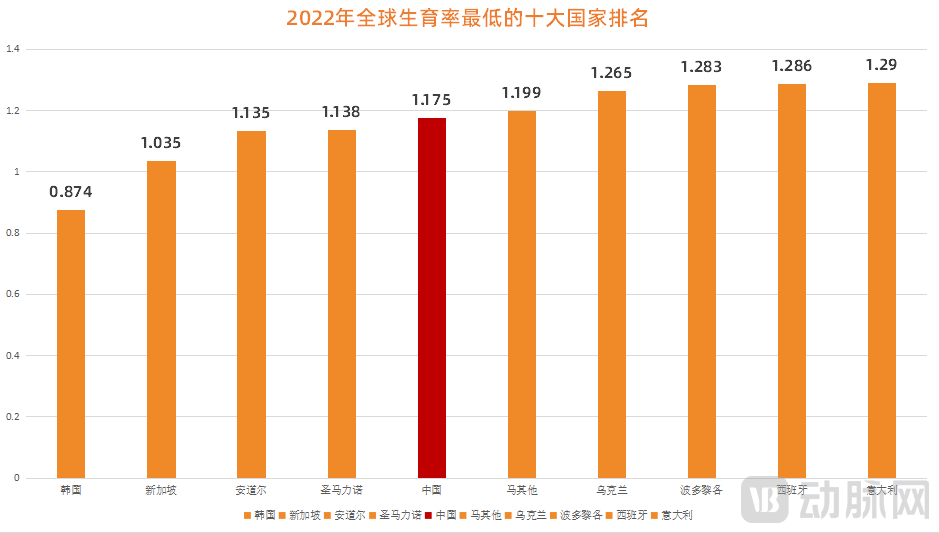
Figure 4. Top 10 Countries with the Lowest Fertility Rates Worldwide in 2022 (Data Source: World Population Prospects 2022)
Finally,Sustainable DevelopmentQuestion, according to the "World Population Prospects 2022" report released by the United Nations,China's Fertility Rate Ranks Fifth Lowest in the World, standing at 1.175%. Against the backdrop of negative population growth, the wave of kindergarten closures is intensifying. According to the "2022 Statistical Bulletin on National Education Development," the number of kindergartens in China decreased by 5,610 in 2022, a decline of 1.90%. ThisThis implies that competition in the future pediatric healthcare industry will become increasingly fierce, making it crucial to engage early, build brand influence, and establish a full-chain pediatric medical service system.。
Recently, two articles have attracted widespread attention in the industry. One is“Can a Monthly Salary of 30,000 Yuan Fail to Cover Your Child’s Summer Vacation?”, one is“Spending 50,000–60,000 Yuan in 40 Days: Parents’ Summer ‘Cash-Burning’ Battle Is Not Over Yet”, although the “cash burn” mentioned in the article is not limited to pediatric healthcare, pediatric medical expenditures account for at least 75% of the total, primarily due to the high unit cost, which often runs into tens or even hundreds of thousands of yuan. Behind this “high consumption” lies the vast potential of the pediatric healthcare market, and within such a large market, there are still hidden niches waiting to be explored.