6th SJTU-Weining Health Intelligent Healthcare Challenge Continues Registration with Prospectus Filed


Register Now to Learn More
Competition Background
The SJTU-Winning Health Smart Healthcare Challenge is a large-scale technical scenario competition guided by the Shanghai Computer Society, hosted by the Department of Computer Science and Engineering at Shanghai Jiao Tong University, co-organized by Winning Health and the SJTU-Winning Health Joint Laboratory, and co-supported by the Internet Medical Specialty Branch of the Shanghai Medical Association, Sir Run Run Shaw Hospital affiliated with Zhejiang University School of Medicine and the Zhejiang Provincial Engineering Technology Research Center for Cognitive Healthcare, and the National Institute of Health and Medical Big Data (Shenzhen).
ChatGPTIts emergence has rapidly attracted widespread social attention and discussion, breaking down the complex barriers of human-computer interaction and opening up new avenues for the development of artificial intelligence. It has undoubtedly become"Spark in the AI Era", which will have a profound impact on the development paths of AI across various fields.
The Shanghai Jiao Tong University–Winning Health Smart Healthcare Challenge is an annual Medical + AI competition. The contest aims to build a high-level national platform for technological innovation in AI application, bringing together top industry experts and resources to jointly explore greater possibilities for the implementation of AI technologies in the healthcare sector. The 6th Shanghai Jiao Tong University–Winning Health Smart Healthcare Challenge features the theme “Chasing Light · Vision"with the theme 'A Single Spark Can Start a Prairie Fire,' we hope to harness the 'spark' of ChatGPT to catch up and surpass, jointly exploring and developing technologies that approach artificial general intelligence. By examining the path to high-quality development in healthcare from an AI perspective, let the light of this spark illuminate the road ahead."
Event Schedule
June 1 Registration Open |
June 1–August 31 Centralized Registration Phase |
September 30 Topic Abstract Deadline |
October 31 Submission Deadline |
November 1–November 13 Preliminary Review of Entries |
November 15 Finalist Notification |
November 25 On-Site Finals |
Track Setup
This year's track is divided into "University Group" and "Comprehensive Group”。
【University Group】
Exclusively for university and college students (with the exception of faculty advisors, all team members must be full-time students).
【Integrated Group】
Open to all social entities, including research institutes, startups, and hospitals (students from colleges and universities are also eligible to participate).
* The same work cannot be submitted to multiple tracks;
* Each contestant may only register for one track and one competition topic direction;
* Teams that have participated in previous editions may not submit the same work again (works from previous editions that did not reach the finals may be optimized and resubmitted; works that reached the finals in previous editions may not be optimized and resubmitted);
* Participants from the Comprehensive Group or Professional Group in previous editions are not eligible to compete in the University Division of this edition;
* Each participating team must have at least one faculty advisor or team leader, with no more than five members.
Bonus Structure
>>>>
Bonus pool up to 200,000+
This competition offers a wide range of awards,In addition to sharing the prize pool, winners can,Greater opportunity to receive support provided by the Organizing CommitteeGreen Channel for Onboarding: Join Winning Health for Employment or Internship! And as long as complete and compliant entries are submitted within the specified period, all participants will receive exquisite souvenirs!
Competition Description
I. University Group
1. Applications of Knowledge Graphs in the Healthcare Sector
2. Multi-Source Data Fusion and Application in the Healthcare Sector
3. Applications of Virtual/Augmented Reality in Smart Healthcare
4. Crowd Intelligence Computing and Federated Learning Technologies for Smart Healthcare
5. Contactless diagnosis and treatment technologies in the healthcare sector (e.g., online medical consultations, video consultation systems)
6. Applications of Big Data Analytics in Healthcare
7. Deep Neural Network Model Training and Dataset Management in the Healthcare Sector
8. Runtime Support Technologies for the Intelligentization of Hospital Information Systems
9. IoT Device-Based Intelligent Health Management Technology
10. Real-Time Analysis Technology for Medical Videos Based on Edge Computing
11. Application of Blockchain Technology in the Healthcare Sector
12. Applications of Graph Neural Networks in Drug Discovery and Development
13. Key Technologies for Privacy-Preserving Smart Healthcare
14. Diagnostic and Therapeutic Technologies Based on Explainable Artificial Intelligence Models
15. Causal Inference-Based Analysis of Health Factors and Pharmacotherapy Regimens
16. Health Risk Prediction Based on Big Data Technology
17. Research on Defense Techniques Against Parameter Stealing Attacks on Medical AI Models
18. Research on 3D Lesion Reconstruction Based on CT Medical Images
19. Research on Medical Data Storage and Compression Technologies
20. Research on Intelligent Medical Consultation Interaction Based on NLP
21. Research on Generative AI-Assisted Diagnosis and Treatment
22. Applications of GPT Technology in the Medical Field
23. Research on the Application of GPT Technology in Self-Health Management
24. GPT-Based Intelligent Health Consultation Assistant
25. Research on the Application of Large Language Models in Regional and Personalized Healthcare
26. Research on Data Sharing and Exchange Solutions for Medical Data
27. Research on AI Large Model Training Schemes Based on Medical Data Sharing
28. Efficient Execution Technology for Multimodal Medical Models
29. Research on Multimodal EEG Analysis and Diagnostic Solutions
30. Application of Small Object Detection in the Field of Medical Image Analysis
II. Comprehensive Group
1. Specialization
(1) Application of Artificial Intelligence Technology in Early Warning for Critical Clinical Diseases
[Background] Effective monitoring and early warning for critically ill patients facilitate proactive risk assessment of disease progression, enabling timely intervention and improving patient survival rates.
【Objective】To construct patient cohort study data for one or more typical critical illnesses, design and build predictive models for critical care using AI technologies, uncover hidden correlations between patient data and disease progression, thereby assisting clinical decision-making. The model outcomes will be validated, and the validation performance will be provided.
[Data] Participants may conduct research using public datasets tailored to typical application scenarios in the medical field.
(2) Application of Artificial Intelligence Technology in Rehabilitation Nursing and Health Care
[Background] Hospital nurses face a heavy workload, particularly in rehabilitation nursing and health care. AI-powered robots designed for various scenarios can effectively assist nurses with daily tasks such as treatment and caregiving, thereby reducing their workload and improving the quality of nursing care.
【Objective】To develop intelligent robots using AI technology for one or more typical nursing care scenarios, such as smart bedside robots that integrate IoT technology to assist with intravenous infusion and vital sign monitoring; dietary assistance robots and mobility assistance robots for paralyzed patients; supervisory robots for automated detection and early warning of patient vital signs; caregiving robots for disabled patients; and rehabilitation training robots, thereby assisting in rehabilitative nursing and health care. The robot models are to be validated, and the validation results provided.
[Data] Participants may select typical application scenarios in the medical field and conduct research using publicly available datasets.
(3) Application of Artificial Intelligence Technology in Self-Management of Chronic Diseases
[Background] The rehabilitation process for chronic diseases is extremely lengthy. Leveraging artificial intelligence can assist in the formulation and implementation of plans for key aspects such as dietary and lifestyle management, exercise regulation, medication adherence, and complication monitoring, thereby improving patients' behavioral compliance and accelerating the recovery process.
[Objective] To construct a knowledge base and artificial intelligence algorithm models for a representative chronic disease, enabling the automatic updating, interpretation, and feedback of patient health-related data. This aims to empower patients with sufficient information during daily health management and allow them to receive alerts and recommendations from assistive tools, thereby facilitating rational self-management decisions.
[Data] Participants may conduct research using public datasets tailored to specific application scenarios in the medical field.
(4) Research and Application of Multimodal Algorithms Based on Medical Imaging
[Background] During clinical diagnosis, physicians typically utilize multimodal data, such as images and reports, and often adopt an interactive approach. For multimodal medical imaging question answering or content generation, further research is desired in this field to explore artificial intelligence models suitable for multimodal applications.
【Objective】 To develop artificial intelligence models and related applications based on multimodal data for specific medical imaging scenarios.
[Data] Participants may conduct research by applying public datasets to typical image processing application scenarios in the medical field.
(5) High-throughput video analysis technology for rapid retrieval of medical images
[Background] Medical image retrieval currently relies primarily on manual annotation of textual labels, with matching images retrieved based on these labels. If the search query involves information not covered by the labels, relevant content within the images cannot be retrieved, even if it is present. In recent years, the rapid advancement of high-throughput video analysis technologies has made it possible to query unannotated or inaccurately annotated content across large volumes of medical images on demand.
【Objective】To implement a retrieval system that takes multiple video files as its data source and one or more image recognition models as input, and outputs the filenames of videos containing the recognized images along with the temporal positions of these images within the respective videos. The system should achieve the highest possible processing speed under identical hardware conditions.
[Data] Participants may conduct research using public datasets, targeting typical image processing application scenarios in the medical field.
(6) Applications of Large Language Models in Healthcare Scenarios
[Background] With the advent of ChatGPT and the release of various open-source large language models, artificial intelligence-powered large language models have offered numerous potential applications in the healthcare sector.
[Objective] To design various healthcare informatics application scenarios based on existing large language models.
[Data] Participants may conduct research using public datasets tailored to specific application scenarios in the medical field.
(7) Automatic Matching Technology for Clinical Terminology Based on Medical Encyclopedia Knowledge
[Background] Traditional techniques address the matching and alignment of clinical terms by calculating edit distances between phrases, using word vectors, and other methods. However, these approaches fail to incorporate background knowledge of medical terminology, often leading to matching errors. Terms with high lexical similarity may have different meanings (e.g., “leukemia” vs. “sepsis,” “hemocoagulase” vs. “thrombin”), while terms with low lexical similarity may be synonymous (e.g., “ALS” vs. “amyotrophic lateral sclerosis,” “Kawasaki disease” vs. “mucocutaneous lymph node syndrome”).
【Objective】This task requires participants to leverage publicly available medical encyclopedia data and employ techniques such as knowledge graphs and knowledge embedding to develop a medical terminology matching algorithm, thereby addressing the challenge of identifying intensional similarity in terminology matching through the embedding of medical encyclopedia knowledge.
[Data] Participants may independently collect relevant knowledge data from sources such as Wikipedia, Baidu Baike, and Xunyi Wenyao.
(8) Zero False-Positive Automatic Correction Technology for Medical Record Texts Based on Natural Language Processing
[Background] Electronic medical record (EMR) texts are textual descriptions of patients' conditions by physicians, typically entered manually into EMR systems. Errors such as typos, omissions, and incorrect punctuation are inevitable. These errors pose potential risks for subsequent interpretation and data analysis.
[Objective] Participants are required to leverage provided clinical case text data from real-world scenarios to identify high-quality training datasets that meet specific criteria through algorithmic processing. Based on these datasets, participants should design automated correction methods for clinical case texts using artificial intelligence and natural language processing algorithms. This scenario aims to maintain a certain detection rate while keeping the false positive rate within an extremely low range.
[Data] The organizing committee provides no less than 100,000 characters of unlabeled corpus for participants to clean and use for training.
(9) Artificial Intelligence-Based Endoscopic Virtual Reality
[Background] Three-dimensional surgical navigation provides a non-contact, highly realistic evaluation method for preoperative assessment and surgical planning. Due to limitations in acquisition equipment and technical conditions, current preoperative 3D imaging is restricted to specific orientations and domains. Providing real-time, efficient, and convenient 3D imaging and virtual reality technologies for diverse 3D input data, such as medical images and endoscopic videos, will significantly reduce the potential risks of surgery for clinicians and improve efficiency.
[Objective] To construct three-dimensional models from video or medical image data using deep learning-based methods.
[Data] Participants may conduct research on typical image processing application scenarios in the medical field by utilizing public datasets.
(10) Deep Learning Model Acceleration Techniques for Medical Image Processing
[Background] In recent years, image processing in the medical field has been rapidly adopted and applied, increasingly becoming an important auxiliary diagnostic tool for physicians in applications such as cancer screening. To improve the accuracy of deep learning, researchers typically employ complex deep neural networks; however, this compromises the throughput and response time of AI services, necessitating model acceleration.
[Objective] To optimize the compression model, reduce computational time, and improve service throughput, thereby supporting more AI service processes under the same hardware conditions.
[Data] Participants may conduct research by applying public datasets to typical image processing application scenarios in the medical field.
(11) Feature extraction techniques for disease diagnosis and treatment information, and efficient matching and search technologies for massive datasets
[Background] Searching for diseases and their diagnostic and treatment information enables the retrieval of management strategies from previous similar cases. Furthermore, by analyzing multiple episodes of care for these cases, the effectiveness of prior interventions can be assessed, thereby serving as auxiliary clinical decision support for physicians managing current cases. To achieve this, accurate feature extraction of diagnostic and therapeutic information and efficient search technologies are required.
【Objective】To perform feature extraction on diseases and their diagnostic and treatment information, and to implement efficient and accurate search algorithms based on these features.
[Data] Participants may use publicly available internet datasets.
(12) Blockchain-based technologies or applications for medical information protection and sharing
[Background] Healthcare data is classified as private information; however, it holds significant value for scientific research and should be shared within reasonable limits for research applications. Meanwhile, in specific scenarios, such as insurance operations, there is a need to access relevant information including medical records.
【Objective】How to leverage technologies such as blockchain to achieve data privacy protection, while simultaneously enabling information sharing and data provenance through technical means, is an important research direction. This topic may focus on several research points within the aforementioned areas, such as throughput issues in medical blockchains, data sharing mechanisms, and data provenance mechanisms; or it may provide solutions for specific application scenarios.
[Data] Participants may use publicly available internet datasets.
(13) Application and Optimization of 5G Technology in the Medical Field
[Background] This topic explores the application and optimization of 5G in the healthcare sector, such as high-speed remote interconnection of medical devices and high-speed mobile connectivity in scenarios like emergency ambulances. Research content includes, but is not limited to, data/image compression and encrypted transmission technologies suitable for healthcare and 5G, adaptive data transmission technologies that ensure Quality of Service (QoS), as well as 5G application scenarios and solutions.
【Objective】To provide support for the application of 5G in the field of smart healthcare.
[Data] Participants may use publicly available internet datasets.
(14) Hardware Deployment and Optimization Technologies for Domestic Medical Algorithms
[Background] With the rising tide of domestication of software and hardware, achieving localization in the medical sector—a field critical to public health and safety—has become particularly important. While some progress has been made in the domestication of software algorithms, the medical industry still relies heavily on non-domestic hardware. How to effectively deploy medical algorithms on domestically produced hardware is an urgent issue that needs to be addressed.
【Objective】To design deployment methods for domestically produced hardware and optimize the performance of deployed applications.
[Data] Participants may use publicly available internet datasets and freely select appropriate medical algorithms and domestically produced hardware.
(15) Deployment and Optimization Technologies for Multimodal Medical Algorithms
[Background] With advancements in medical informatics, various types of medical big data have emerged in the healthcare industry. Multimodal deep neural networks can thoroughly analyze and integrate this medical big data, thereby improving the accuracy of medical diagnoses. Consequently, multimodal neural network-based health diagnostic technologies have garnered widespread attention. However, multimodal models often entail greater computational loads and hardware requirements. Efficiently deploying multimodal medical algorithms in hospital settings, particularly on intelligent medical embedded devices, remains a significant challenge.
【Objective】To design a system architecture for multimodal medical algorithms and develop efficient deployment tools.
[Data] Participants may use publicly available internet datasets and independently select appropriate medical multimodal algorithms and hardware for deployment.
(16) Health Management Technology Based on Multimodal Neural Networks
[Background] In recent years, in addition to disease diagnosis, AI technology has been widely applied to health management in daily life. It is becoming increasingly important to collect and analyze various medical and health data from users’ daily lives to provide corresponding health management recommendations.
【Objective】To design a multimodal deep neural network for various medical data to guide health management.
[Data] Participants may use publicly available internet datasets.
(17) Application of Artificial Intelligence Technology in Report Interpretation
[Background] In daily life, each medical visit generates laboratory and diagnostic test reports, while each health screening produces a health examination report. These reports typically contain only raw data indicating elevated or reduced values alongside medical descriptions, which are often difficult for non-medical professionals to interpret in terms of clinical significance. Consequently, individuals frequently need to return to the hospital or seek assistance from healthcare professionals, a process that is not only time-consuming but also prone to causing anxiety.
【Objective】To provide intelligent interpretation of medical reports, thereby enhancing their readability for the general public.
[Data] Participants may use publicly available internet datasets.
(18) Clinical Note Organization Based on Large Language Models
[Background] In medical practice and medical education, a large volume of textual documentation is generated during each encounter. Assisting physicians or medical students in organizing structured clinical notes can reduce their time costs, allowing them to devote more time to their core professional duties.
【Objective】To intelligently organize medical text materials and improve the work efficiency of doctors or medical students.
[Data] Participants may use publicly available internet datasets.
(19) User Experience Optimization for Internet Healthcare Platforms
[Background] Internet healthcare platforms represent a new form of medical service delivery, offering users more convenient and efficient healthcare solutions. However, user experience on these platforms still faces certain challenges, such as unfriendly interfaces and cumbersome operations. This study aims to explore strategies for optimizing the user experience of internet healthcare platforms, thereby enhancing user satisfaction and overall usability.
[Objective] To research and explore optimization strategies for user experience on internet healthcare platforms, provide feasible technical and design recommendations, and support the development of internet healthcare platforms.
[Data] Participants may use publicly available internet datasets.
(20) Applying Segment Anything to the Field of Medical Imaging
[Background] The emergence of the latest Segment Anything (SAM) model once sparked rumors within the field that “computer vision is obsolete.” Due to the differences between natural images and medical images, direct transfer has been proven to yield unsatisfactory results. Although some studies have applied SAM to the medical field, there is still a long way to go.
[Objective] To explore how the current Segment Anything Model (SAM) can be leveraged in the medical field, what insights can be drawn from SAM’s design, and what more refined optimizations are required for medical applications. Small-scale, high-precision experiments can be used to validate the proposed approach.
[Data] Participants may use publicly available medical imaging datasets, etc.
(21) Intelligent Drug Recommendation Based on Large Language Models
[Background] Medications are a crucial component of healthcare services, and the efficacy of medication use can directly impact patients' health and quality of life. However, due to factors such as individual patient variability, complex disease conditions, and drug side effects, medication selection is often a complex and cumbersome process. It requires physicians to make comprehensive assessments and judgments based on each patient's specific circumstances, a process that is not only time-consuming but also prone to errors.
[Objective] To achieve rapid and accurate drug recommendations based on multiple indicators, including the patient’s condition, physical status, and medication history. This approach is expected to significantly reduce the time required for medication administration, lower the rate of medication errors, improve the quality of medical services, and realize the goal of personalized healthcare.
[Data] Participants may use publicly available internet datasets.
(22) Intelligent Disease Risk Assessment Based on Large Language Models
[Background] Due to unhealthy lifestyles and environmental pollution, the risk of disease is increasing, posing a significant threat to physical health. Predicting disease risk and enabling early detection facilitate timely medical intervention and management, thereby improving the effectiveness of disease prevention and treatment.
[Objective] To predict the probability and risk of future disease onset by analyzing multiple factors, including patients' vital signs, clinical conditions, and family medical history, thereby providing more precise disease risk predictions and preventive recommendations to achieve early detection and effective control of diseases.
[Data] Participants may use publicly available internet datasets.
2. General Directions
(1) Application of artificial intelligence technology in medical scenarios such as clinical practice, public health, chronic disease management, and rehabilitation;
(2) Application of Digital Technologies in the Prevention and Control of the COVID-19 Pandemic;
(3) Blockchain-based technologies or applications for the protection and sharing of medical information;
(4) Applications of cutting-edge technologies such as 5G, automation and robotics, hardware devices, digital twins, virtual reality, and Web3 in the healthcare sector;
(5) Interdisciplinary research and applications integrating humanities, social sciences, economics, and management with big data and artificial intelligence across various healthcare scenarios.
*Topic selection is not limited to the aforementioned areas; applications of technology related to healthcare, such as smart healthcare and internet hospitals, are also welcome.
Submission Requirements
Submission of works is divided into two phases:Submission of Topic AbstractandSubmission of Competition Entries。
01
A summary of the selected topic must be submitted:
1) Research Topic: Objectives, Background, and Significance
2) Topic Selection and Design Rationale
3) Proposed Core Technologies
02
Submission Requirements:
1) Submission of the work shall include the following three documents:
Presentation Slides, Source Code, Documentation
2) Use a unified template
(Please download from "Competition Official Website - Submission Requirements")
03
Expert Selection Criteria:
* On October 31, 2023, after the deadline for contestants to submit their entries, the expert review panel conducted comprehensive scoring based on the submitted materials using a “dual evaluation per team” approach. The scoring criteria included:Research Background and Objectives, Research Innovations, Research Achievements, Application Prospects, Market Promotion。
The list of teams shortlisted for the finals will be announced after November 15, 2023.
* On November 25, 2023, the final defense session was held, during which participating teams presented their projects through on-site PPT presentations and DEMO demonstrations, with comprehensive evaluations conducted by an expert review panel.
Finals Evaluation Criteria:Commercial value, innovativeness, application prospects, functional completeness, market strategy, product coverage, etc.。
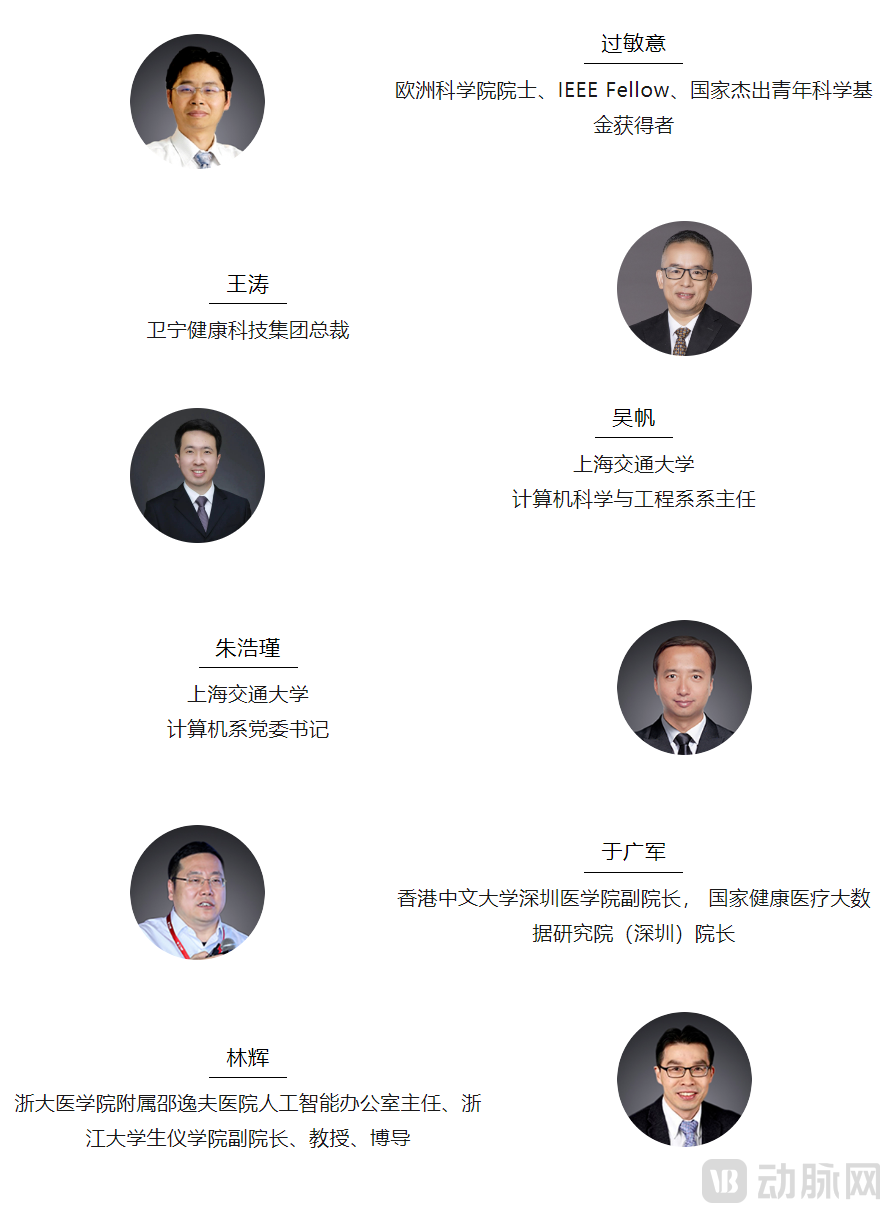
Review Committee Member