

GV Doubles Down on Healthcare: 41 Investments in 18 Months Highlight Strategic Focus Amid IPO Filing

GV
Google's Investment Fund
According to VCBeat’s “Global Healthcare Industry Capital Report for H1 2023,” a total of 1,570 financing deals occurred in the global healthcare industry in the first half of 2023, a year-on-year decrease of 18; the total financing amount reached $30.2 billion (approximately RMB 218.65 billion), ranking third highest in history.
According to the VCBeat industry database, in the ranking of the most active investors in the global healthcare sector for the first half of 2023 (2023H1), Qiming Venture Partners and CITIC Securities were the most active institutions, each making 16 investments. Google Ventures (GV) followed closely behind, participating in 15 financing deals.
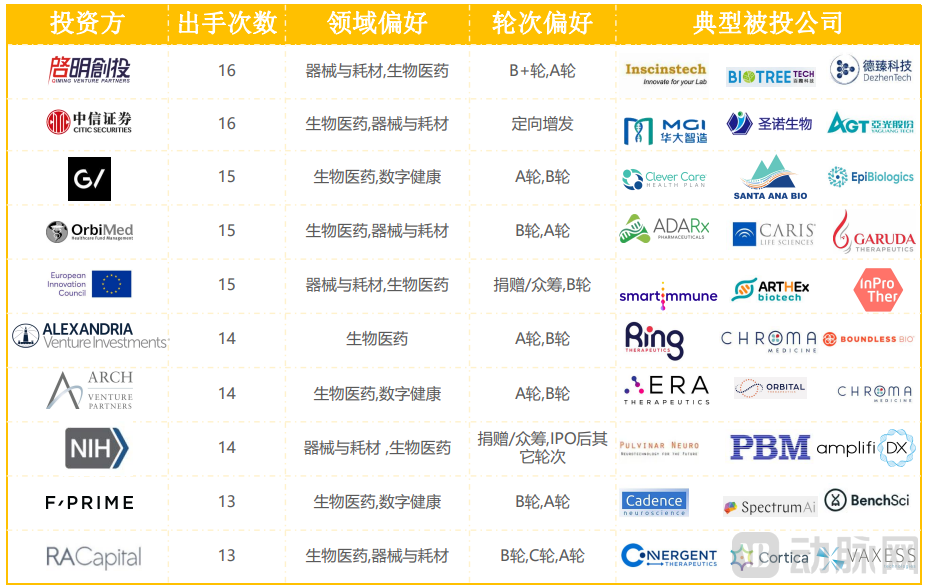
Top 10 Most Active Investment Institutions in the Global Healthcare Industry, H1 2023
Data source: Artery Orange
In March 2009, GV was established under the name Google Ventures, co-founded by Google’s co-founders Larry Page and Sergey Brin. In its early days, GV was not well-regarded by entrepreneurs, who questioned whether its true purpose was to help Google acquire data. However, it soon proved them wrong: within less than six months of its founding, GV had become the most active venture capital fund in the United States.
This article will review GV’s investments from 2022 to the first half of 2023, examining how this globally most active investment firm has positioned itself in the healthcare sector.
From 2022 to the first half of 2023, GV participated in a total of 41 financing rounds. VCBeat will analyze the investment logic behind GV from the perspectives of investment stages and regions, investment sectors, and investment trends in recent years.
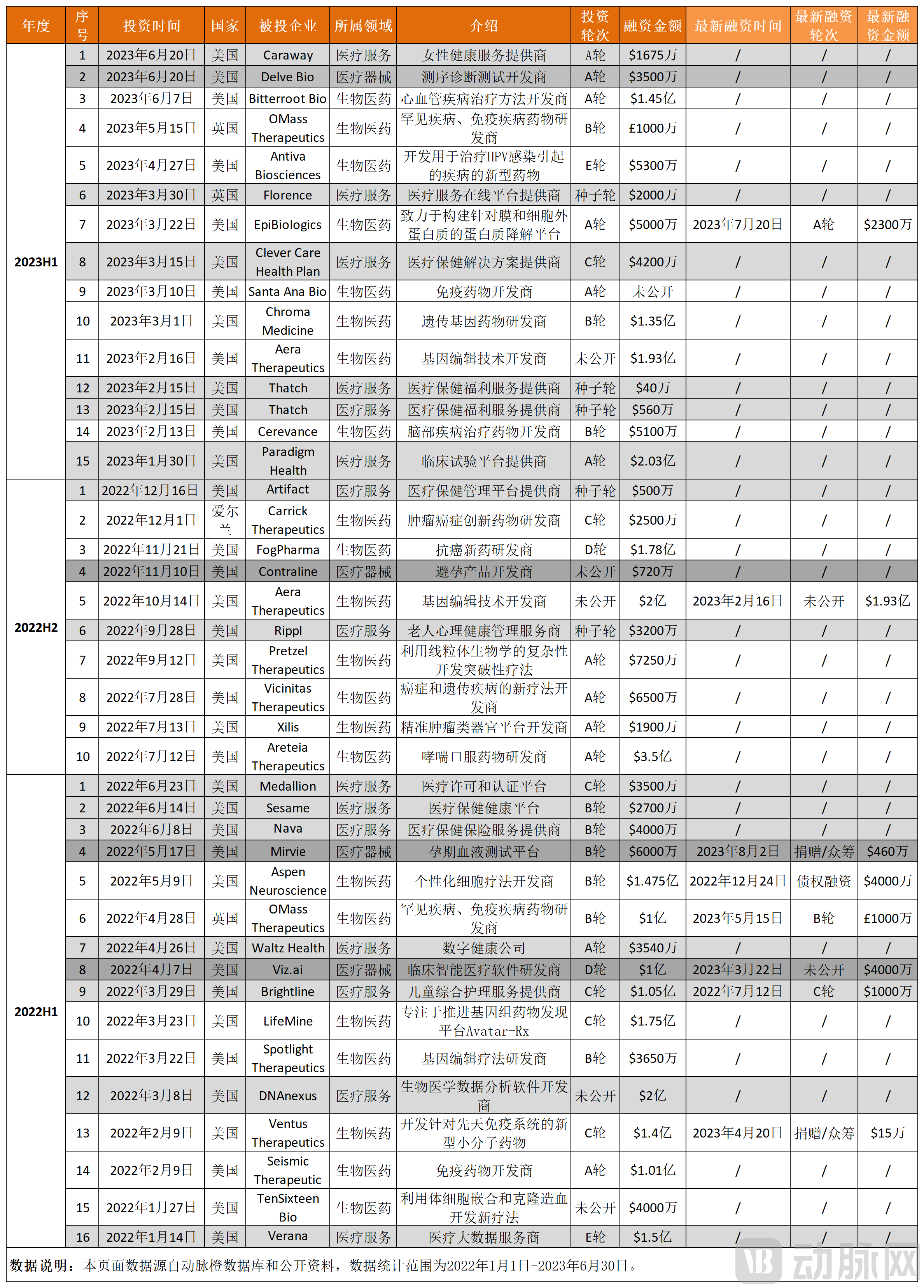 2022–H1 2023 GV Investment Review Data Source: VCBeat
● Approximately 63% are concentrated at Series B and earlier stages, with 90% located in the United States.
In recent years, guided by industry trends and policies from various local governments, investment institutions have increasingly focused on early-stage and small-scale investments, delving deeper into the early stages of healthcare. GV is no exception. According to GV’s investment data,Its investments are primarily concentrated in the seed, Series A, and Series B rounds., accounting for 12%, 29%, and 22%, respectively. The number of investments in Series C and later rounds gradually decreased, collectively accounting for 37% along with undisclosed rounds.
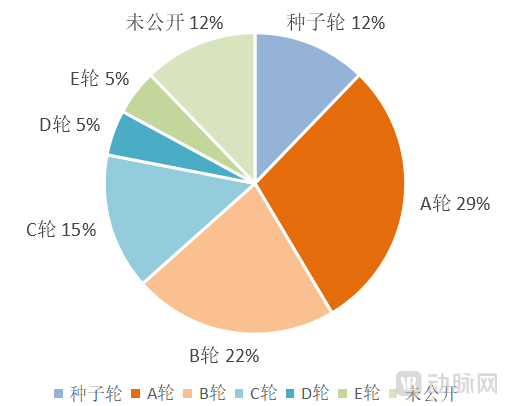
Distribution of GV Investment Rounds
Series A focuses on the product, Series B on data, Series C on revenue, and an IPO on profitability. Companies at the Series A and Series B financing stages have achieved initial success in product development and market expansion, with relatively clear business models. GV’s investment strategy favors Series B and earlier stages; its aim is not merely to generate returns from investing in startups, but rather to help these innovative early-stage companies accelerate their growth, launch new businesses, and expand into new domains. This investment trend aligns with Google’s investment philosophy—Supporting Innovation, Not Expanding Google。
Of the 41 projects invested in by GV, eight have already advanced to the next round of financing.Among them, Aera Therapeutics, a gene-editing technology development company formally established on February 16, 2023, is the only enterprise to have received two investments from GV within just four months, with GV leading both rounds and involving an amount close to 400 million.
From the perspective of regional distribution,Over 90% of GV’s investments over the past year and a half have been concentrated in the United States., followed by the United Kingdom, where it also invested in a company in Ireland. Looking at other global investment institutions, more than 60% of investments by Switzerland-based Roche and the United States’ Johnson & Johnson Strategic Investments are concentrated in the United States; many Chinese investment firms also favor investing in U.S. companies.
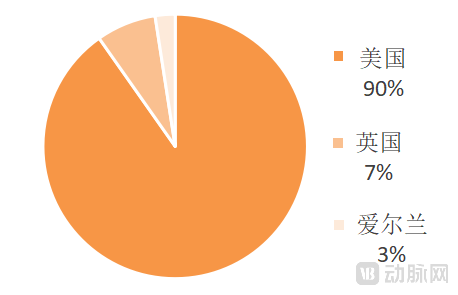
GV Investment Geographic Distribution
Why Does the United States Attract Global Investors? As the world’s largest economy and the biggest healthcare consumer market, the U.S. ranks at the forefront of medical research and technological advancement. Furthermore, the U.S. is a major participant in global capital markets; with a stock market history spanning over 200 years, it currently boasts the world’s largest equity market, offering investors a more mature and favorable environment. It is therefore no surprise that investment institutions favor the U.S.
GV’s development in China has been relatively slow, primarily due to the investment environment in China and Google’s limitations in the country.
● Diversifying across multiple sectors, with a heavy bet on the biopharmaceutical industry
GV’s investment portfolio spans a wide range of sectors, primarily including biopharmaceuticals, healthcare services, and medical devices.Biopharmaceuticals account for the highest proportion at 54%, with pharmaceuticals and biotechnology representing 54.5% and 45.5%, respectively., the project’s sub-sectors cover oncology drugs, asthma medications, immunotherapy drugs, neurological disorder treatments, cardiovascular disease drugs, gene therapy, cell therapy, and other biotechnologies. An analysis of these sub-sectors reveals that, in addition to investing in common disease drug R&D and biotechnology projects, GV has increased its investments in innovative niche areas such as asthma treatments, mitochondrial therapy, therapies leveraging somatic chimerism, and tumor organoid platforms.
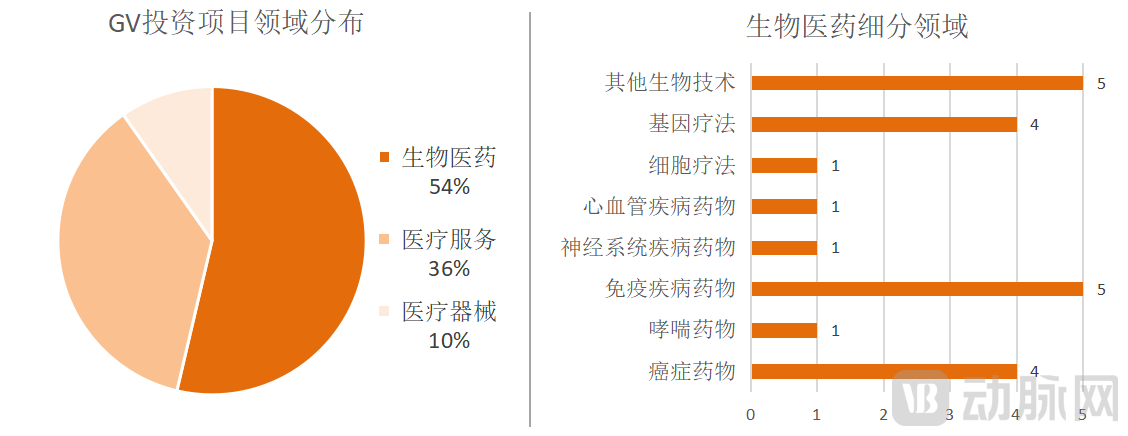 GV Investment Project Sector
On a semi-annual basis, GV’s investments in H1 2022, H2 2022, and H1 2023 were primarily focused on biopharmaceutical companies, with a comparable number of deals—approximately seven—in each period. According to data from VCBeat Institute, global financing in the biopharmaceutical sector has been impressive in recent years, significantly outperforming other subsectors in terms of both the number and value of financing events in H1 2022, the full year 2022, and H1 2023. This indicates that GV’s investment portfolio distribution aligns closely with that of most global institutional investors.
● The annual number of investments showed an upward trend, with 2021 as the turning point
From 2018 to 2021, the number of healthcare investments made by GV each year showed an upward trend, with an average annual growth rate of 57.4%. The number of investment deals hit a record high in 2021, before declining to 27 in 2022. What is the logic behind this?
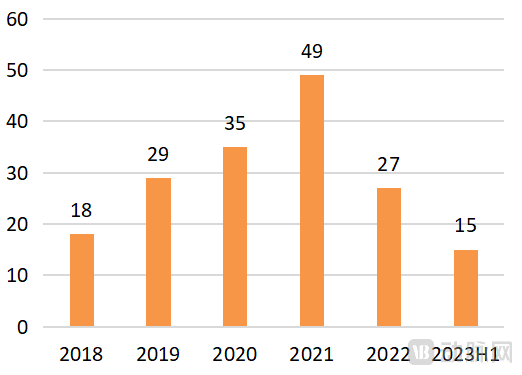
Number of GV Medical Investment Projects, 2018–H1 2023
Internally, in 2021, Google reported not only its consistently impressive revenue figures but also incurred losses of nearly $5.3 billion in non-core businesses such as healthcare.The reasons can be attributed to three main factors: First, in 2015, Google restructured into Alphabet, creating a new organizational structure that allowed its various businesses to operate relatively independently. However, there was significant overlap among its three healthcare business lines—Google Health, Verily, and Calico. Second, in 2018, Google Health underwent restructuring, but difficulties in commercialization led to continuous losses over the next three years, resulting in the dissolution of Google Health in 2021. Third, privacy concerns surrounding patients’ clinical data have eroded public trust.
Under these influences, Google’s own outbound investments decreased by approximately half compared to 2020, with its parent company Alphabet channeling the majority of its investment plans through three subsidiaries: GV, Gradient Ventures, and CapitalG.
Looking at the global market, in 2021, there were a total of 3,591 financing events in the global healthcare industry, with the total financing amount reaching a record high of $127.1 billion, a year-on-year increase of 70%.. Considering multiple factors, on the one hand, the catalytic effect of the COVID-19 pandemic on the influx of capital into healthcare continues to take effect; on the other hand, with the progressive advancement of epidemic prevention and control measures and the resumption of work and production, as well as deepened understanding among the government, industry, and the public regarding vaccines, online healthcare, and other fields since the outbreak, investor enthusiasm for the healthcare industry remains undiminished.
In the first half of 2023, GV invested in a total of 15 projects. However, its most recent investment to date was made on September 12, 2023, leaving a gap of more than two months without new investments. Its investment activity in the second half of the year remains to be closely monitored.
In 1996, the world’s top-ranked search engine was named “BackRub (web crawler),” which was Google’s original name.
In 1998, founders Larry Page and Sergey Brin renamed their business and technology Google. The name "Google" is a play on the mathematical term "googol," which refers to the number 1 followed by 100 zeros, reflecting their mission to organize the vast amount of information available on the web.
In 2015, to circumvent antitrust scrutiny and facilitate business expansion, the company was renamed Alphabet, with Google becoming its subsidiary. Former Google divisions, including Google X, GV, and Nest, also became subsidiaries of Alphabet on par with Google.
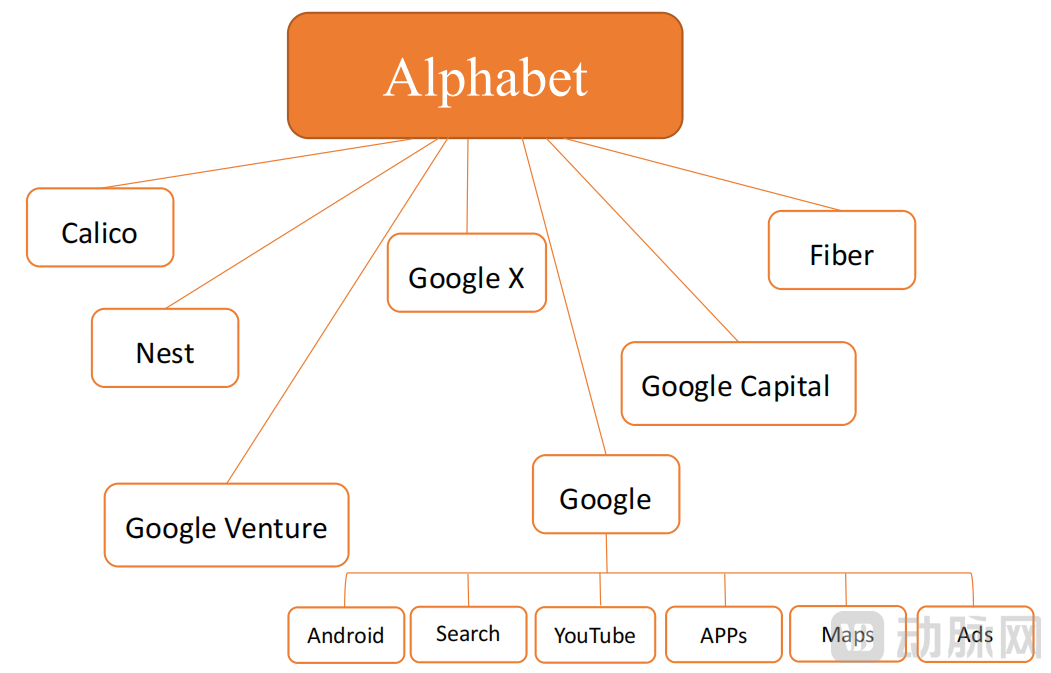
Alphabet Architecture
It is not uncommon for companies to change their names. Typically, the two primary reasons for mature companies to rebrand are the expansion of core business operations and the reshaping of brand image. Beyond Google, many well-known enterprises have undergone name changes. For instance, Apple Computer Inc. changed its name to Apple Inc., signaling an expansion of its product lines beyond computers. Facebook rebranded as Meta, demonstrating its commitment to developing the “Metaverse.” Amazon was originally named “Cadabra,” with the name change symbolizing the company’s ambition to become the world’s largest commercial empire, akin to the Amazon River.
Having been established for over two decades, Alphabet has reached a total market capitalization of $1.65 trillion. In addition to providing a suite of internet services, it has continuously leveraged its capital to make cross-sector investments, becoming one of the most active corporate investors in the primary market. Besides GV, Alphabet operates two other investment funds, and Google itself also participates in select investments. Consequently, Alphabet has four investment entities: Google Capital, Gradient Ventures, Google, and Google Ventures.
●Google Capital
Google Capital, launched in 2014 and later renamed Capital G, is a late-stage growth capital fund backed by Google.
Unlike GV, which prefers to invest in startups,Capital G primarily focuses on investing in companies with relatively mature technologies and a solid development foundation.. Many of the companies Capital G has invested in across other sectors have already gone public. Among them, Lyft (NASDAQ: LYFT), often referred to as the “Uber of the U.S.,” has a market capitalization of nearly $4 billion; cybersecurity firm CrowdStrike (NASDAQ: CRWD) has a market cap exceeding $38 billion; and online short-term rental platform Airbnb (NASDAQ: ABNB) boasts a market capitalization of over $85 billion.
In the healthcare sector, Capital G has made relatively few investments. Two representative portfolio companies are Oscar Health, an online health insurance service provider, and Strive Health, a remote kidney care services provider. Capital G invested in each of these companies twice, with each financing round exceeding $100 million.
●Gradient Ventures
AI permeates Alphabet’s search engine, cloud computing, autonomous driving, healthcare, and other business segments, making it a strategically critical domain for the company. To “stimulate innovation in the field of artificial intelligence,” Alphabet established the investment fund Gradient Ventures in 2017, focusing on investments in AI-focused startups.
However, Gradient Ventures is not merely a traditional venture capital firm. Startups backed by Gradient Ventures gain access to funding, resources, and AI training provided by Google, as well as the extensive trove of training data accumulated by Google to train their own AI systems.
Gradient Ventures has also made relatively few investments in the healthcare sector. According to incomplete statistics from VCBeat, since its inception, Gradient Ventures has participated in 13 investment deals in the healthcare sector, with the majority of the invested companies being early-stage startups.
Google was among the earliest entities to engage in early-stage investment. Like GV, its investment portfolio is quite diverse. In addition to making investments, Google has been actively acquiring AI startups in recent years. For Google, innovation can stem not only from internal teams but also from acquiring external startups—a strategy that could be described as “spending without restraint.”
In the healthcare sector, Google acquired the AI company DeepMind for $400 million in 2014. Operating independently under Alphabet, DeepMind focused on researching AI applications in healthcare. This April, Google announced that it would integrate DeepMind into its internal operations, merging it with the Google Brain AI team to form Google DeepMind. In July, the combined entity jointly launched a “medical version of ChatGPT.”
Meanwhile, leveraging the advantages of Google’s big data and AI capabilities, Alphabet has subsidiaries within its group that focus primarily on the healthcare sector. Among them, Calico is dedicated to researching aging and age-related diseases, while Verily (formerly the Google X Life Sciences division) is committed to utilizing big data to improve healthcare.
●Google Ventures
GV, or Google Ventures, is Alphabet’s most well-resourced and prolific investment fund, focusing on life sciences, consumer sectors, and frontier technologies. Structured differently from other corporate venture capital arms, GV enjoys distinct advantages in the venture capital landscape.
GV is backed by Google, the global database and cloud computing giant. Big data technology holds significant application value in both the technical and business aspects of the healthcare sector, and companies invested in by GV can gain access to Google’s data resources or other technical support within a certain scope.
From the perspective of funding sources, GV’s capital is entirely derived from Alphabet as a single entity, with no multiple fund-of-funds structures. At the time of the company’s founding, GV’s former CEO Bill Maris also proposed two conditions:First, GV operates as an independent department, with its investment decisions free from Google’s constraints; second, GV does not make investments based on Google’s strategic interests.。
Unlike some domestic investment firms whose investments are closely tied to their corporate business and strategy, Alphabet maintains a more lenient stance on GV’s return on investment, granting GV greater autonomy. This allows GV to make more independent investment decisions with higher degrees of freedom and flexibility. In other words, GV’s investments do not necessarily yield direct benefits for Alphabet; its portfolio companies may even become Alphabet’s competitors. Furthermore, GV is free to sell its equity stakes to any enterprise or individual, including Alphabet’s competitors.
Under this philosophy, GV has evolved into one of the most active investment firms globally, managing over $8 billion in assets and maintaining 400 active portfolio companies across North America and Europe.
Some portfolio companies backed by GV have gone public, while others have been acquired by Google or other corporations. Next, VCBeat will select ten companies from GV’s investment portfolio between 2022 and the first half of 2023 to analyze which emerging medical technologies GV favors.
1. Caraway: Focused on women's health, providing mental, physical, and reproductive healthcare services
Caraway, founded in 2022 and headquartered in New York, is a company focused on providingPsychological, Physical, and Reproductive Health Care Servicesa startup targeting individuals aged 18–29, with a primary focus on women. Its physical health services cover common conditions such as headaches, acne, allergies, urinary tract infections, and the common cold; its reproductive health services include birth control, contraception, and early prenatal care.
The company’s care team comprises gynecologists, psychiatrists, psychologists, family physicians, adolescent specialists, health consultants, and clinicians. Users can consult with doctors via the app, by phone, or in person. Caraway provides psychological counseling, physical examinations, and prescription medications as needed, tailored to each user’s individual circumstances.
Currently, Caraway operates on a membership model. New users can enjoy a free 30-day trial after registering on the app. Upon expiration, they may choose to subscribe to either a monthly or annual plan, priced at $45 per month or $270 per year, respectively.
2. Antiva Biosciences: Preventing Cervical Cancer, ABI-2280 Has Entered Phase I Clinical Trials
Antiva Biosciences, founded in 2012, is a biopharmaceutical company based in South San Francisco, California. It develops novel therapeutics for precancerous lesions caused by human papillomavirus (HPV) infection, aiming to prevent their progression to invasive cancer. HPV infection is the primary cause of cervical cancer; the virus enters the basal cell layer through microscopic breaches on the cervical surface, undergoes extensive replication, and infects cervical cells, ultimately leading to cervical cancer.
Antiva’s lead candidate, ABI-2280, is a prodrug of an acyclic nucleotide phosphonate with potent antiviral activity, primarily indicated for high-grade squamous intraepithelial lesion (HSIL, CIN2–CIN3) of the cervix.It works by directly blocking HPV replication and inducing apoptosis in HPV-infected lesions, while sparing normal cells.ABI-2280 is currently undergoing Phase I clinical trials.. Meanwhile, the Antiva team is also investigating the therapeutic efficacy of ABI-2280 for the treatment of HPV infection in women.
3. Aera Therapeutics: Founded by Feng Zhang and backed by GV with two rounds of investment, developing gene therapies based on a novel delivery platform
On February 16, 2023, Aera Therapeutics announced its emergence from “stealth mode” and its official establishment, marking the seventh biotechnology company founded by Feng Zhang.
Aera has launched a novel delivery platform—protein nanoparticles (PNPs)—that leverages endogenous human proteins to address the limitations of current delivery technologies and enable the development of a broader range of gene therapies.This platform leverages proteins naturally produced within the human body; therefore, compared with exogenous viruses or materials, it carries a lower risk of inducing immune rejection.Its core technology is derived from the SEND system, which was introduced in a 2021 paper published in Science by Feng Zhang. The acronym SEND stands for “Selective Endogenous eNcapsidation for cellular Delivery.”
Behind this company lies a “star-studded” lineup: its founder is Professor Feng Zhang, a “CRISPR pioneer”; its Chair of the Board is Dr. John Maraganore, the founding CEO of Alnylam, a leader in RNAi therapeutics; and its Chief Executive Officer is Dr. Akin Akinc, who spent nearly two decades at Alnylam. Moreover, Aera had already secured $200 million in funding led by GV and Arch back in 2022, when it was still operating “under the radar.”
4. FogPharma: Raises $178 Million in Series D Funding; One Novel Anti-Cancer Drug Enters Clinical Trials
FogPharma was founded in 2015 by Dr. Gregory Verdine, a Harvard University scientist, entrepreneur, and investor. FogPharma focuses on developing its proprietary ultra-stabilized α-helical peptide drugs (Helicon peptides). Its core technology stems from a novel technology developed by Professor Verdine at Harvard University—cell-penetrating miniproteins (CPMPs). CPMPs can be regarded as a hybrid of small-molecule drugs and biologics, combining the potent target-binding affinity of biologics with the cell-penetrating ability of small molecules.
More than 20% of cancer patients exhibit abnormal dysregulation of the Wnt/β-catenin signaling pathway.FOG-001 is the first peptide drug based on CPMP technology that targets the Wnt/β-catenin signaling pathway. It can precisely and selectively disrupt the interaction between β-catenin and the transcription factor TCF, thereby eliminating the signal transmission driven by mutations in the Wnt pathway that can lead to cancer.Preclinical studies have confirmed that FOG-001 can inhibit tumor growth and reduce tumor size in a β-catenin-dependent manner.
FOG-001 is currently undergoing Phase I/II clinical trials. On June 5, 2023, Fog Pharma announced that the first patient had been dosed in the Phase I/II clinical trial of FOG-001 for patients with advanced solid tumors.
In addition to FOG-001, FogPharma has five other investigational programs targeting validated cancer targets, including Pan-TEAD, NRAS (ON), Pan-KRAS (ON), ERG, and Cyclin E1. Among these, the Pan-TEAD-targeting drug has entered the proof-of-concept (POC) validation stage, while the remaining four candidates are in the iterative optimization phase.
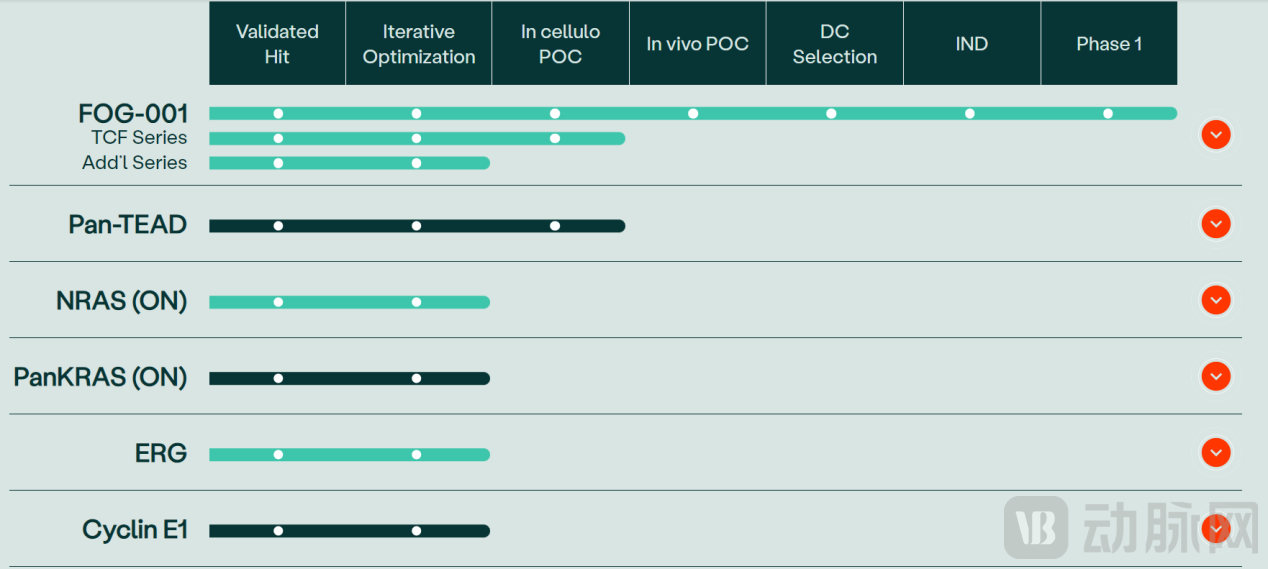 FogPharma's Pipeline in Development
5. Pretzel Therapeutics: Building a Mitochondrial Regulation Platform Based on Gene Editing Technology
Mitochondria are the “powerhouses” of cells, playing crucial roles in energy production, metabolism, and apoptosis. They contain their own genetic material—mitochondrial DNA (mtDNA)—which is independent of nuclear DNA. Mutations in mtDNA can lead to mitochondrial dysfunction, resulting in diseases such as neuromuscular disorders, metabolic diseases, and cancer. For years, scientists have been attempting to edit mtDNA; for instance, mitochondria-targeted programmable nucleases can alter mtDNA heteroplasmy. Pretzel Therapeutics is one of the companies active in this field.
Currently, Pretzel has established a mitochondrial regulation platform, primarily comprising three components: mitochondrial genome correction, genomic expression regulation, and mitochondrial quality control.
Mitochondrial Genome Correction: mtDNA mutations can lead to disease. However, due to the unique characteristics of mtDNA, traditional CRISPR-Cas9 technology cannot be used for mitochondrial genome editing. Pretzel uses adeno-associated virus (AAV) to deliver mitochondria-targeted zinc finger nucleases (mtZFNs) to correct mtDNA mutations, thereby treating rare genetic diseases.
Genomic Expression Regulation: mtDNA expresses information through replication, transcription, and translation. Pretzel is developing small-molecule drugs that target proteases involved in these processes to modulate mtDNA expression, with the potential to treat rare genetic disorders, metabolic diseases, tumors, and neurodegenerative diseases caused by mitochondrial mutations.
Mitochondrial Quality Control: Mitochondria have an intrinsic quality control system that maintains organelle health and homeostasis. Pretzel employs small molecules to target proteases within the mitochondria that are responsible for maintaining mitochondrial function, thereby achieving quality control of mitochondria. This approach can be used to treat rare genetic disorders, cancer, metabolic diseases, and age-related diseases associated with mitochondrial dysfunction.
6. Areteia Therapeutics: Raises $350 Million in Series A Funding, Focused on Developing Oral Medications for Eosinophilic Asthma
Areteia Therapeutics is a company spun off from Knopp Biosciences in 2022. The latter developed a small-molecule drug discovery platform targeting epilepsy and neuropathic pain, with a focus on the research and development of innovative therapies for neurological disorders. In 2019, dexpramipexole, an innovative oral drug developed by Knopp, received FDA orphan drug designation and FDA approval for the treatment of hypereosinophilic syndrome (HES).Following the spin-off, Areteia will primarily focus on investigating the clinical efficacy of dexpramipexole in the treatment of eosinophilic asthma.。
Eosinophilic asthma is the most common type of asthma, characterized by elevated eosinophil counts in the complete blood count or in sputum samples obtained after nebulization-induced expectoration.Dexpramipexole treats asthma and other eosinophil-associated diseases by inhibiting the maturation of eosinophils in the bone marrow, thereby reducing eosinophil levels in the blood and tissues.. Asthma is primarily managed with inhaled therapies; some patients also receive biologic injections for treatment. Dexpramipexole, an oral small-molecule drug, can serve as an adjunct to inhaled therapy or as a substitute for biologic injections.
Phase II clinical trial results for dexpramipexole demonstrated a reduction in eosinophil counts and significant improvement in lung function among asthma patients receiving oral dexpramipexole. Currently, dexpramipexole is undergoing Phase III clinical trials for the treatment of eosinophilic asthma.
7. Mirvie: Liquid Biopsy for Detecting Pregnancy Complications, One of the Top 10 Breakthrough Technologies Endorsed by Bill Gates
Liquid biopsy enables disease diagnosis by sampling cerebrospinal fluid, saliva, pleural effusion, blood, ascites, urine, and other bodily fluids, and is primarily used for early cancer detection.
Founded in 2018, Mirvie has developed a non-invasive diagnostic platform for pregnant women—the Mirvie RNA Platform—based on machine learning and liquid biopsy technologies.The platform detects pregnancy complications, such as preterm birth, preeclampsia (a type of hypertensive disorder in pregnancy), and gestational diabetes, in advance by measuring cell-free RNA (cfRNA) transcripts in maternal blood through blood testing., thereby enabling the early implementation of proactive and effective interventions to maximize the reduction of incidence rates, delay disease progression, prolong gestational age, and improve maternal and fetal outcomes.
In 2019, Mirvie’s blood test technology was named by Bill Gates as one of the ten breakthrough technologies for humanity. In 2022, the Mirvie RNA platform received FDA Breakthrough Device Designation due to its significant efficacy in predicting preeclampsia.
8. Aspen Neuroscience: Autologous Neuron Replacement Therapy, ANPD001 Has Entered Clinical Trials
Aspen Neuroscience is a biotechnology company focused on personalized cell therapies. It has developed a platform for creating and optimizing induced pluripotent stem cell (iPSC)-derived cell therapies, encompassing in-house bioinformatics, manufacturing, and quality control.
Aspen’s autologous cell approach begins with the patient’s own skin cells, which are reprogrammed into induced pluripotent stem cells (iPSCs) and subsequently differentiated into dopamine neuron progenitor cells (DANPCs). These DANPCs are then surgically transplanted into the patient to replace cells lost or damaged due to the disease.. Prior to implanting these cells, Aspen employs quality control assays to assess their potential viability.
ANPD001 is Aspen’s lead investigational autologous neuron replacement therapy for the treatment of Parkinson’s disease. On August 5, 2023, Aspen announced that the FDA had approved ANPD001 to enter clinical trials. Meanwhile, Aspen is developing ANPD002, a gene-corrected autologous neuron therapy targeting genetic variants associated with increased risk of Parkinson’s disease, which is currently in the research and development stage. In the future, Aspen plans to expand from autologous neuron replacement for Parkinson’s disease to neuron replacement across the entire brain and other organs.
 Aspen's Pipeline in Development
9. Viz.ai: Focused on developing AI medical imaging software, already used by over 1,400 hospitals
Viz.ai is an AI healthcare software company founded in 2016 and headquartered in San Francisco, United States. The company’s flagship products are the VizLVO and VizCTP platforms, both of which have received FDA approval and are commercially available in the U.S. Currently, more than 1,400 hospitals and healthcare institutions worldwide use Viz.ai’s products.
The VizLVO (also known as Viz ContaCT) platform leverages AI algorithms to analyze CT neuroimaging, detect stroke-related indicators, and determine whether a patient has a large vessel occlusion (LVO) within six minutes after scanning. Users can now access the VizLVO platform via PCs and mobile devices. In September 2020,The U.S. Centers for Medicare & Medicaid Services (CMS) has included VizLVO software in the New Technology Add-on Payment (NTAP) program,Patients who meet the NTAP criteria and use VizLVO can receive additional reimbursement of up to $1,040, making it the first AI software included in the NTAP.
The VizCTP platform utilizes high-speed imaging technology to automatically analyze cerebral CT perfusion images within minutes of acquisition, generating parametric perfusion color maps and calculating CT perfusion parameters, which can be viewed by physicians or other authorized personnel directly within the software. According to the Viz.ai website, AI-reconstructed images exhibit a 50% reduction in motion artifacts compared to traditional images.
Viz.ai also offers a range of AI-powered medical products. For instance, Viz ICH, which uses AI to automatically detect suspected intracranial hemorrhage on CT scans, received FDA approval in 2020. Viz PE leverages deep learning to automatically detect clots on CT scans, identifying suspected central and segmental pulmonary embolism within two minutes.
10. LifeMine: Backed by GV and GSK, with a database of approximately 80,000 fungal genomes
LifeMine possesses a genomic discovery platform, Avatar-Rx, which mines genomically encoded small molecules (GEMs) from biological space to discover and develop genomically encoded small-molecule drugs targeting undruggable targets across multiple disease areas.
In this Series C financing round, LifeMine raised $175 million. In addition to participation from investment firms such as GV and Arch, GlaxoSmithKline (GSK) also joined the round. Subsequently, GSK will leverage the Avatar-Rx platform to identify novel small-molecule lead compounds targeting up to three human targets, addressing a variety of diseases.
The Avatar-Rx platform seamlessly integrates high-throughput microbiology, data science, AI, genome engineering, and automation technologies. The Avatar-Rx platform first searches fungal organisms for novel genetically encoded metabolites (GEMs) with predefined targets and biological functions, then leverages synthetic biology to reshape the drug molecules of discovered GEMs within months. It further employs cheminformatics-assisted drug optimization combined with state-of-the-art chemical synthesis and biotransformation to rapidly advance new candidates through preclinical discovery and clinical development.Currently, the Avatar-Rx platform has a database of approximately 80,000 fully sequenced fungal genomes.。
References:
1. Losing $5.3 Billion in a Year: How Google Stumbled in the Healthcare Sector - VCBeat
2. "Global Healthcare Industry Capital Report for 2021/2022/H1 2023" - VCBeat