

Shandong Emerges as a Powerhouse in Medical Innovation with Over 100 Companies Securing Funding in Five Years

shinevia
High-end Medical Equipment Developer
Grand Financial Investment
Healthcare Investment Institutions
Bloomage Biotech
Developer of bioactive substance products, producer of hyaluronic acid raw materials
Shandong Is Forging a Powerhouse Team in Medical Entrepreneurship and Innovation.
This story begins with a report card—statistics from the VCBeat Orange Database show that medical innovation enterprises in Shandong Province have frequently secured financing this year. Companies including Aikeda, Shinevia, WEGO, Rongzhi Biology, Standard Group, Jianxin Medical, Qingdao Pangu Robotics, and Zhongjing Medicine have raised funds, with a total of 18 financing events recorded.
In terms of the number of financing events, Shandong is the province with the most financing activities for medical innovation enterprises in northern China, excluding Beijing and Jiangsu. Notably, Shandong has maintained this leading position for five consecutive years, during which a total of 112 innovative companies secured financing.
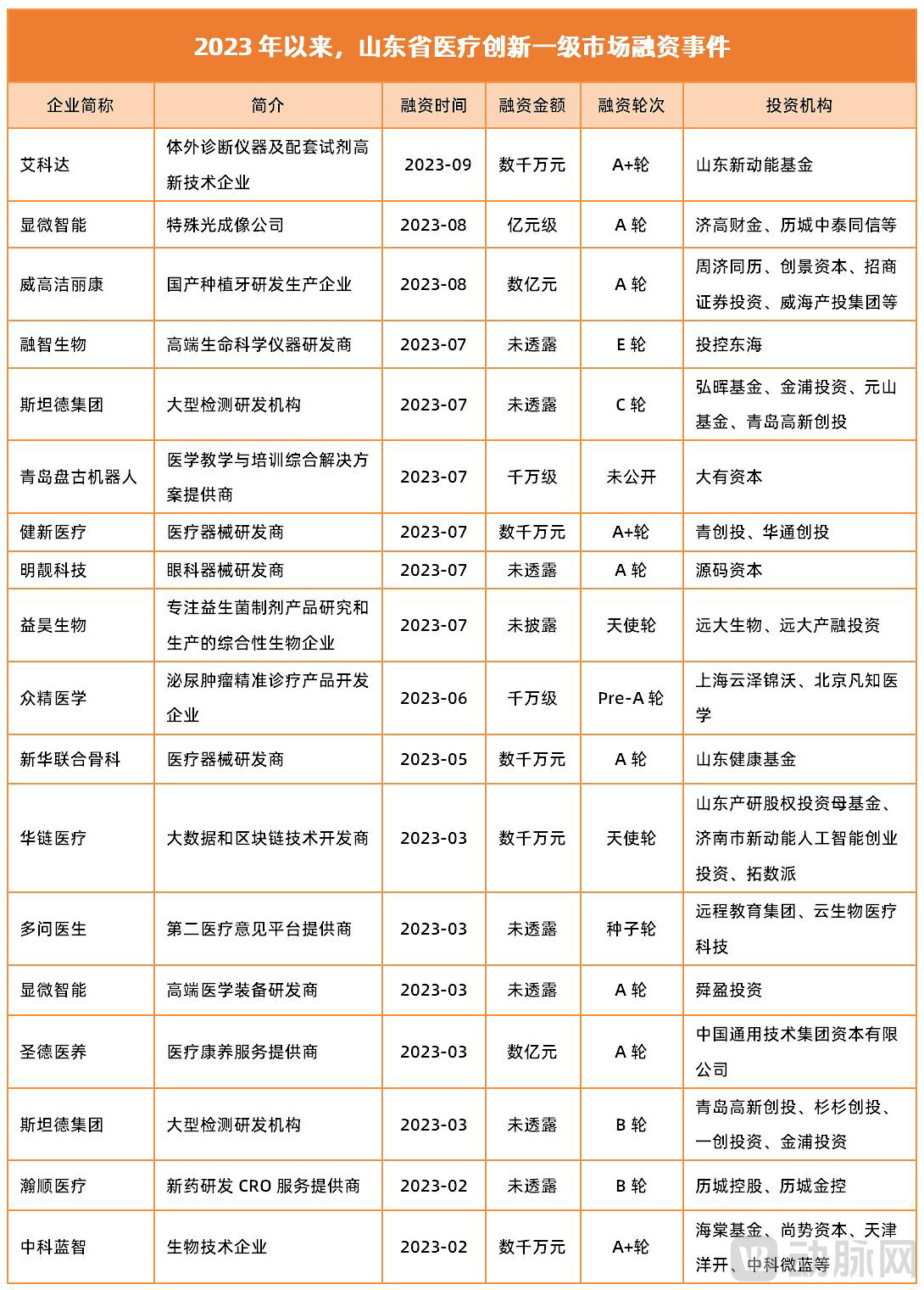
(Data source: Dongmaicheng Database, Tianyancha; Graphic by VCBeat)
Meanwhile, a host of companies including Keyuan Pharmaceutical, Bainuo Medicine, Shangbo Medicine, Dijia Pharmaceutical, Saikesaisi Biology, and Boyuan Pharmaceutical have successively launched initial public offerings (IPOs) or are striving to go public.
Moreover, in the “2022 Top 100 Chinese Pharmaceutical Companies – Five Major Series Rankings” released by Menet in mid-year, a total of 260 pharmaceutical companies across China were listed, with Shandong accounting for 25 of them, representing nearly one-tenth of the total.
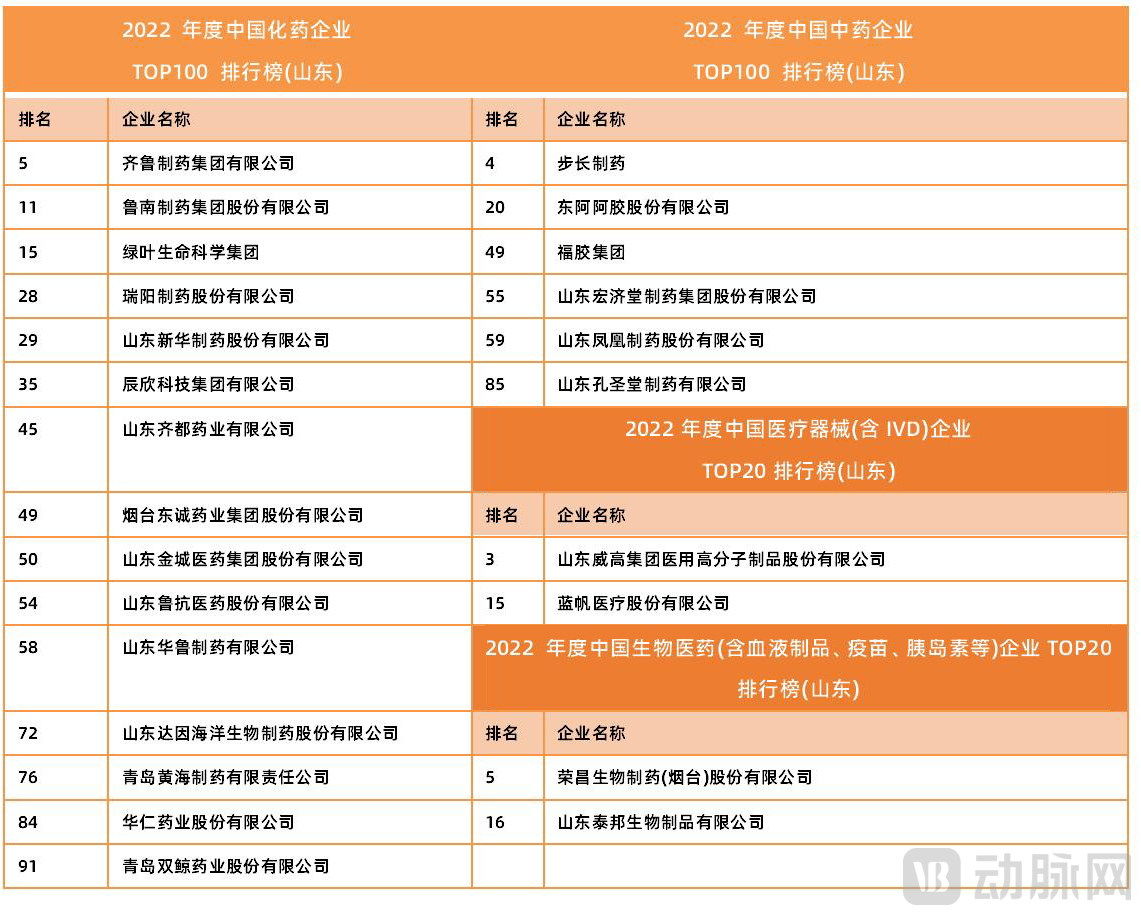
(Data source: Menet; Chart by VCBeat)
“In the public perception, Shandong is a major province in traditional pharmaceutical and chemical industries, with long-standing strengths in both chemical drugs and traditional Chinese medicine. However, in reality,”In recent years, Shandong has continuously promoted pharmaceutical innovation, achieving significant breakthroughs in both biologics and innovative medical devices, and forming a trend of clustered development.“A post-investment partner at a well-known Chinese VC firm told VCBeat.”
Undoubtedly, transitioning from a traditional powerhouse in pharmaceuticals and chemical engineering to covering the entire medical innovation industry chain, Shandong is unveiling a new era of medical innovation.
In China's pharmaceutical landscape, Shandong has long been a nationally renowned hub for pharmaceuticals and chemical engineering.
According to data released by Lightning News, under the Shandong Radio and Television Station, in 2022, pharmaceutical industrial enterprises above designated size in Shandong Province achieved operating revenues of RMB 349.59 billion and total profits of RMB 50.48 billion, accounting for 3.2% and 11.3% of the province’s total industrial figures, respectively, ranking among the top nationwide.
“Shandong is home to numerous research institutes and institutions of higher learning, which is one of the key reasons for its long-standing achievements in the biomedical field, particularly in the pharmaceutical industry.”the aforementioned post-investment partner at the VC firm stated.
From a provincial perspective, Shandong is home to medical and pharmaceutical institutions and universities such as Shandong First Medical University, Shandong Academy of Pharmaceutical Sciences, Shandong University of Traditional Chinese Medicine, Shandong Xiehe University, Qilu Medical University, and Shandong Drug and Food Vocational College. Meanwhile, various prefecture-level cities also host numerous medical colleges, including Weifang Medical University, Binzhou Medical University, Jining Medical University, and Heze Medical College.
In addition, comprehensive and industrial universities such as Shandong University and Qilu University of Technology have provided a steady stream of talent for the industrialization of Shandong’s pharmaceutical industry.
The dense network of research institutes and universities has provided significant impetus to the development of Shandong’s pharmaceutical industry. Taking the Shandong Academy of Pharmaceutical Sciences as an example, it played a key role in the rise of Shandong’s hyaluronic acid raw material industry, which now dominates the global market. In the early 1990s, Guo Xueping’s team at the Shandong Academy of Pharmaceutical Sciences undertook China’s national key scientific and technological projects during the Eighth and Ninth Five-Year Plan periods. After two years of countless experiments, they successfully mastered the microbial fermentation technology for producing transparent hyaluronic acid in 1992, filling a technological gap in China.
Since then, the hyaluronic acid industry has risen in Shandong, giving rise to companies such as Freda, Bloomage Biotech, Focus Biochemistry, Fufeng Group, Dongchen Biotechnology, and Anhua Biotechnology. The combined global market share of hyaluronic acid raw materials sold by these enterprises exceeds 70%, effectively “monopolizing” the entire market.
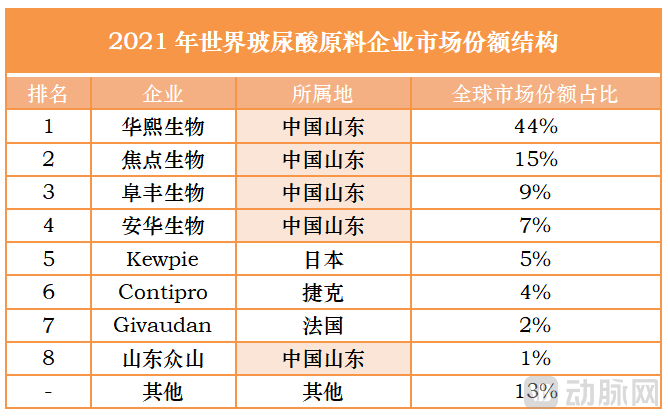
(Data source: Frost & Sullivan; graphic by VCBeat)
Furthermore,As a major industrial province, Shandong has long ranked among the top five provinces in China in terms of total industrial output value and industrial value added, providing significant support for its pharmaceutical industry.According to statistics, among the 41 major industrial categories classified by the United Nations, Shandong Province is the only province in China that possesses all 41 categories. Its robust pharmaceutical and chemical industry capabilities have made its chemical drug enterprises renowned nationwide.
This transformation stemmed from the continued deepening of healthcare reforms after 2015. At that time, encouraging innovation became a key direction of the reform. Policies such as accelerating the review and approval of innovative drugs, promoting international mutual recognition of clinical trial results, and implementing negotiations and dynamic adjustments for the National Reimbursement Drug List all ushered in a period of rapid development for innovative drugs and medical devices. In contrast, traditional chemical pharmaceutical companies saw significant impacts on both their profits and stock prices.
In the face of the great wave of medical innovation, after accumulating decades of advantages in the pharmaceutical industry,Shandong, a major province for traditional chemical drugs, has also begun to strategically position itself in the fields of biologics and innovative medical devices.
For example,The “Revitalization of Shandong Pharmaceuticals” Initiative Vigorously Implemented in Shandong Province in Recent Years, with the aim of accelerating Shandong’s transition from a “major pharmaceutical province” to a “powerhouse pharmaceutical province.” How is this achieved? Shandong’s approach involves coordinated efforts among departments including drug administration, development and reform, industry and information technology, finance, and science and technology, providing enterprises with full-lifecycle services in areas such as policy, approval, projects, and funding.
Taking approval as an example, Shandong has established a robust “three-channel” approval mechanism—comprising innovative, expedited, and routine pathways—while strengthening guidance throughout the entire process and providing one-on-one assistance. The review and approval timelines for Class II medical devices across the province have been reduced to 30 and 5 working days, respectively.
“During the registration and approval phase, we prioritized registration inspections and sample testing under strict standards. Meanwhile, we guided enterprises to actively adapt to new national policies on new drug approval, promptly supplement and improve clinical trial data, and secure support from the Center for Drug Evaluation (CDE) of the National Medical Products Administration, thereby further accelerating the market launch of their products,” said Cao Sen, Director of the Drug Registration Division of the Shandong Provincial Medical Products Administration, in an interview with the media.
The effects are evident.From January to June this year, 93 new biomedical products were approved for market launch in Shandong Province, representing a 43.1% year-on-year increase compared with 2022 and maintaining the province’s position among the top performers nationwide.Among them, from January 2021 to August 2023, seven Class 1 innovative drugs have been successively launched in Shandong Province, including blockbuster products such as Telitacicept developed by RemeGen and Iruplinalkib Tablets developed by Qilu Pharmaceutical.
In addition, Shandong has launched three major initiatives—“Pharmaceutical and Medical Device Innovation,” “Traditional Chinese Medicine Breakthroughs,” and “Beauty Shandong”—to achieve breakthroughs in various sub-sectors of medical innovation.
It is not difficult to see that Shandong has been making continuous progress on the long journey of medical innovation and has achieved notable success.
As previously mentioned, Shandong has been continuously accumulating strength in the field of medical innovation, bringing a cohort of elite medical innovation and entrepreneurship teams to the forefront. This has attracted numerous VC/PE firms to conduct due diligence and actively make investments.
According to the VCBeat database, Shandong has ranked first among provinces in northern China for the number of financing events involving medical innovation enterprises for five consecutive years, excluding Beijing and Jiangsu.
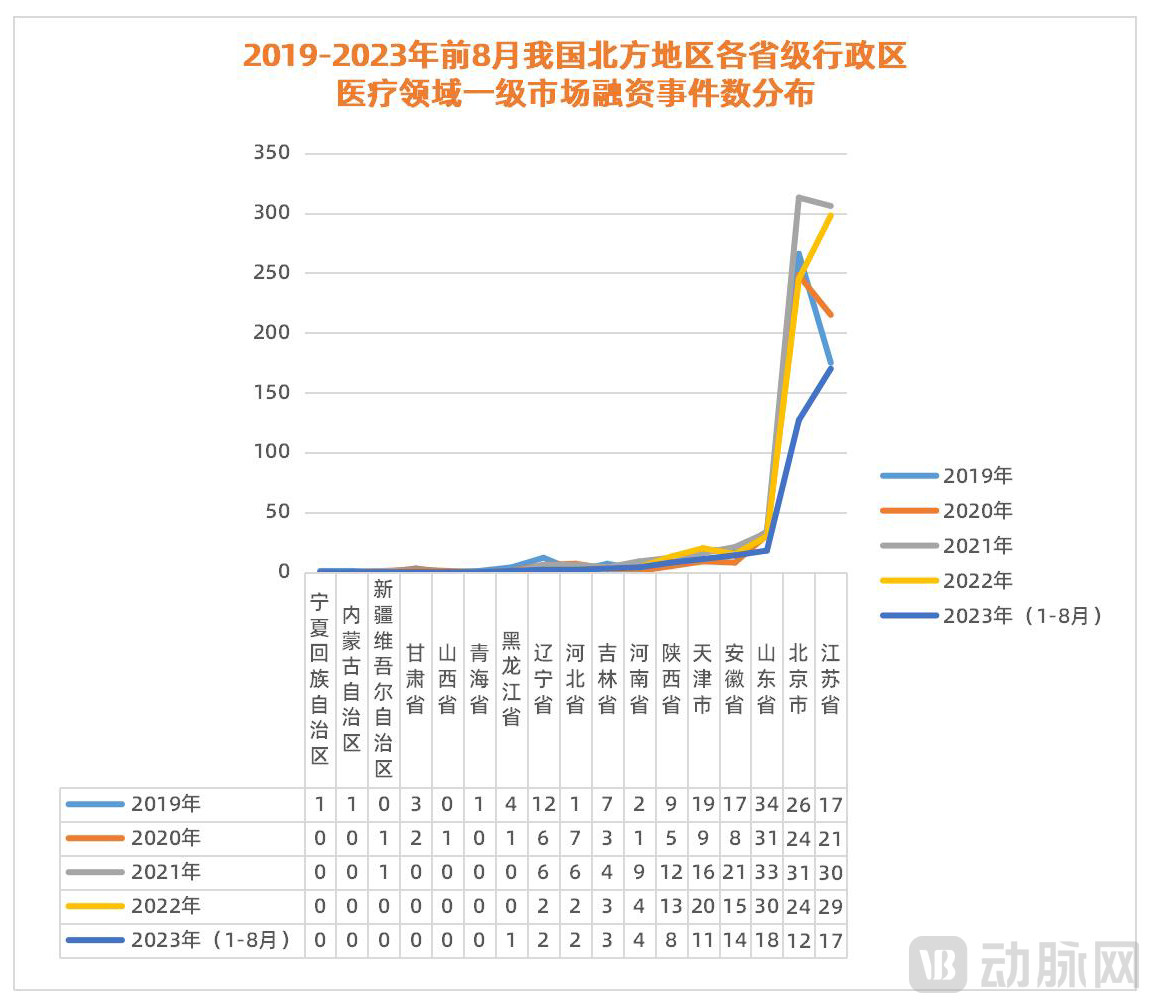
(Data source: Arterial Orange Database; Chart by VCBeat)
This year alone, more than 20 investment institutions, including Honghui Fund, Jinpu Investment, Licheng Financial Holdings, Shanshan Venture Capital, Shangshi Capital, Shunying Investment, and Source Code Capital, have made substantial financial commitments.
Following the announcement of the financing news, emerging medical enterprises such as Rongzhi Biotech, Standard Group, Qingdao Pangu Robotics, Jianxin Medical, Mingliang Technology, Zhongjing Medicine, Xinhua United Orthopedics, Hualian Medical, and Duowen Doctor have attracted industry attention. These companies are generally in the early stages of financing but have achieved significant breakthroughs in their respective niche sectors.
Having secured the seed roundConsult Your Doctor MoreTaking this enterprise as an example, it operates in the currently hottest field of large language models (LLMs). In terms of business operations, Duo Wen Yisheng has developed a vertical application for second medical opinions built upon LLMs such as GPT. The platform intelligently collects initial consultation documents through natural dialogue and OCR with low rejection rates. After structuring the data, it interfaces with various LLM APIs, including ChatGPT, to generate online second opinion reports overseen by physicians. These reports include treatment plans, risk predictions, patient education and health guidance, as well as referral recommendations, thereby providing personalized cost-control alternatives or plan upgrades.
For example, those that have completed Pre-A round financingZhongjing Medical, it is accelerating the R&D, clinical trials, regulatory submissions, and market promotion of products such as non-invasive in vitro diagnostic kits for urothelial carcinoma using urine samples. Currently, through years of research on urothelial carcinoma, the expert team at Zhongjing Medicine has gradually developed a multi-gene methylation-based risk assessment scheme for urothelial carcinoma occurrence, grounded in epigenetic research data. Preliminary clinical performance testing has demonstrated that this scheme achieves an auxiliary diagnostic efficacy for urothelial carcinoma with a sensitivity of 90% and a specificity of 81.8%.
Looking at those that have secured Series A financingXinhua United OrthopedicsPositioned as a developer of high-value orthopedic consumables, the company’s product portfolio primarily includes hip joint, knee joint, and spinal products, 3D-printed bone implants, and specialized orthopedic instruments. Holding independent intellectual property rights, it has obtained 16 Class III medical device registration certificates. Its self-manufactured joint products have been listed on procurement platforms in over 30 provinces and municipalities and have entered leading core hospitals. The company operates two major production bases in Zibo and Xi’an.
that completed its Series A+ financing this yearJianxin MedicalQingdao Jianxin Medical Technology Co., Ltd. is accelerating the development of an integrated minimally invasive surgical diagnosis and treatment system to achieve a closed-loop clinical application in the field of minimally invasive surgery. It is reported that Jianxin Medical has pioneered an intelligent dual-engine dynamic hybrid energy surgical system suitable for various clinical scenarios. This system has been successfully approved as a special project under the National Key R&D Program of the Ministry of Science and Technology and has entered the NMPA priority review channel, with NMPA registration and market launch expected by mid-2024. Additionally, Jianxin Medical’s fully original, internationally first dual-probe 3D ultrasound system, which simultaneously addresses both “temporal precision” and “positional precision,” has completed its prototype and is about to enter registration testing.
“Medical startups in Shandong generally demonstrate strong innovation capabilities, particularly in the field of innovative medical devices, where they have delivered many pleasant surprises in recent years,” said Liu Dan, an investor who has conducted extensive due diligence on companies in Shandong. “Many investors prioritize visiting Shandong after reviewing projects in the Yangtze River Delta region.”
In addition to the intensive due diligence conducted by VC/PE firms, Shandong Province is also building a larger investment ecosystem for medical innovation.The latest news is that at the “2023 International Conference on Pharmaceutical Innovation and Development” held this July, Yantai City promoted the Yantai Biopharmaceutical and Health Industry Development Fund of Funds, with a scale of RMB 10 billion, and invested RMB 840 million in one go to take equity stakes in eight sub-funds, namely CICC Capital, CITIC Medical Fund, Huagai Capital, GTJA Investment, Zhouji Tongli Asset Management, Langzi Hana Asset Management, Fenxiang Investment, and Shifeng Xinhui.
Shortly thereafter, at the 2023 Biopharmaceutical Industry Investment and Financing Conference held in Yantai, the Yantai Municipal State-owned Assets Supervision and Administration Commission, Shandong Caixin Company, and Guofeng Group signed a capital increase agreement. Meanwhile, Guofeng Group entered into cooperation agreements for the first batch of sub-funds, with a total scale of RMB 7.4 billion, with nine enterprises including CICC Capital, CITIC Medical, and Huagai Capital. This clearly demonstrates the rapid pace at which Shandong is mobilizing its venture capital resources.
But that’s not all. Beyond the “standard practice” of government bodies across China pooling funds to establish fund-of-funds,Listed healthcare companies in Shandong are also actively partnering with the government to launch cooperative funds and establish corporate venture capital (CVC) arms.(Corporate Venture Capital), thereby fostering tighter synergy within the local healthcare industry.
For instance, this June, Bloomage Biotech and Fuyuan Investment jointly established China’s first synthetic biology fund, the “Fuyuan Synthetic Biology Fund.” Furthermore, Bloomage Biotech officially launched its Corporate Venture Capital (CVC) strategy to identify a second growth curve and uncover new market opportunities through external investments.
From the intensive due diligence and investments by renowned VC/PE firms, to cooperation funds involving local government guidance funds, listed companies, and governments, and further to corporate venture capital (CVC), Shandong’s venture capital ecosystem is becoming increasingly diverse.
And this is becoming fertile ground for the growth of Shandong’s elite teams in medical entrepreneurship and innovation.
From a global perspective,The development of any industry is inseparable from a region that possesses industrial cluster advantages and deep collaborative capabilities.For example, Silicon Valley to semiconductors.
To stimulate the cluster effect of the pharmaceutical industry,In recent years, Shandong has been driving industrial upgrading by accelerating the strategy of “building supply chains and forming industrial clusters.”
How should this be understood? It involves establishing a flagship enterprise locally to attract a cluster of related projects, ultimately creating synergistic momentum that drives the development of the entire industrial chain. Building on this foundation, various prefecture-level cities have leveraged their local characteristics to amplify industrial advantages, initially forming an industrial development pattern characterized by “comprehensive layout and multi-point growth” in cities such as Jinan, Qingdao, Yantai, Weihai, Zibo, and Linyi.
withJinan, the Provincial CapitalAs an example, Jinan has long maintained a leading position in the field of chemical pharmaceuticals. As the world’s largest production base for cephalosporins and China’s largest production base for oral cephalosporin drugs, it has established a comprehensive industrial chain spanning R&D to production, covering pharmaceutical intermediates, active pharmaceutical ingredients (APIs), and generic drugs, with Qilu Pharmaceutical as the industry leader.
Leveraging its accumulated strengths in the pharmaceutical sector, Jinan has significantly increased its investment in biologics in recent years, continuously improving its industrial chain. Breakthroughs have been achieved in areas such as antibody drugs and protein/peptide therapeutics, with Qilu Pharmaceutical and Zhuxuan Pharma serving as key representatives. In the field of traditional Chinese medicine (TCM), Jinan is accelerating digital transformation to promote the cultivation of TCM medicinal materials, TCM trading, and the inheritance of distinctive TCM advantages and specialties, with Shandong Bianque Traditional Chinese Medicine Health Industry Group as a leading enterprise.
To date, the biopharmaceutical industry has become one of Jinan's four leading pillar industries, with 16 biopharmaceutical parks established.
For example,Qingdao, benefiting from its accumulated industrial foundation, Qingdao is now home to multiple listed companies in the pharmaceutical and biotechnology sectors, including Haier Biomedical, Yingkang Life, Vland Biotech, Haitai New Light, Hailir Group, Huaren Pharmaceutical, and Baiyang Pharma. In addition, a number of key projects with total investments exceeding RMB 40 billion, such as Weigao Medical, Langu Pharmaceutical, and Ruili Biotech, are currently under implementation.
It is evident that Qingdao has gathered numerous large-scale biopharmaceutical enterprises, giving it the advantage of attracting more companies to establish industrial chains and clusters. For instance, the Qingdao High-Tech Zone has cumulatively introduced over 150 R&D and industrialization projects from companies such as AstraZeneca and Sinopharm Group. It has established 10 provincial-level or higher innovation platforms (R&D centers), either completed or under construction. The zone hosts half of Qingdao’s “chain-leading” enterprises in the biopharmaceutical and medical device industries, as well as one-third of the industry’s operating entities. In 2022, the revenue scale of the biopharmaceutical and medical device industries in the Qingdao High-Tech Zone exceeded RMB 8 billion, with a growth rate of 28%, making it a significant driver of economic growth.
In addition to the effective integration of resources within the region, local enterprises in Qingdao have also made significant breakthroughs in integrating innovative medical resources. Taking Yingkang Life, a Qingdao-based innovative enterprise, as an example, the company has continuously strengthened its disciplinary development by establishing a Thoracic Oncology Professional Committee. Through enhanced resource integration, it has improved accessibility to high-quality medical resources. On one hand, the company focuses on industry-leading resource platforms to connect with more expert resources, creating a high-level multidisciplinary team (MDT) model for tumor diagnosis and treatment. On the other hand, it integrates resources across genetics, traditional Chinese medicine (TCM), nutrition, supply chain, and commercial insurance to provide patients with diversified rehabilitation services, including health monitoring, disease progression management, TCM consultations, nutritional support, home care, and postoperative insurance.
See AlsoWeihaiAs a leading prefecture-level city in Shandong’s economy, Weihai’s pharmaceutical and healthcare industry chain encompasses 2,000 products across ten major categories, including medical devices, chemical active pharmaceutical ingredients (APIs) and formulations, pediatric medicines, and traditional Chinese medicine (TCM). Particularly in the field of medical devices, Weihai has achieved national and even global renown: among the 15 major sub-sectors of the global medical device market, Weihai-branded products are present in 11. Its coronary stents, hemodialysis equipment, dental implants, and synthetic bone grafts are exported to more than 60 countries and regions across Europe, Southeast Asia, Africa, and the Middle East.
Similarly, adhering to the strategy of building supply chains to foster industrial clusters, the Weihai High-Tech Industrial Development Zone has positioned WEGO Group as the “lead goose,” attracting numerous technology-based small and medium-sized enterprises (SMEs) to integrate into its supply chain and thereby promoting the clustered development of the industry. Currently, in the vicinity of the park where WEGO Group is located, there are more than 40 medical innovation enterprises, including Baixin Medical, Huamai Medical, Runlin Materials, Tianchen Biotechnology, and Newpu Biotechnology, covering eight major series of high-end medical devices such as medical polymer materials and diagnostic reagents.
Finally, look atYantaiCentered on the strategy of “building chains to form clusters and creating an ecosystem,” Yantai is developing a vertical, full-industry-chain ecosystem focused on niche sectors such as innovative drugs, rehabilitation aids, medical aesthetics products, and traditional Chinese medicine. Currently, Yantai is home to a number of industry-leading enterprises, including Luye Pharma, RemeGen, CSPC Baike, and Dongcheng Pharmaceutical, and has seen the emergence of a series of innovative products such as Endostar, Jinyouli, Taiai, and Ruixintuo, thereby establishing distinct industrial characteristics in the field of innovative drugs.
Next, Yantai will continue to deepen its exploration of frontier medical technologies, focusing on six major innovation tracks: medical isotopes and radiopharmaceuticals, innovative biologics, cell and gene therapy, high-end medical devices and rehabilitation aids, marine biomedicine, and the general health industry.
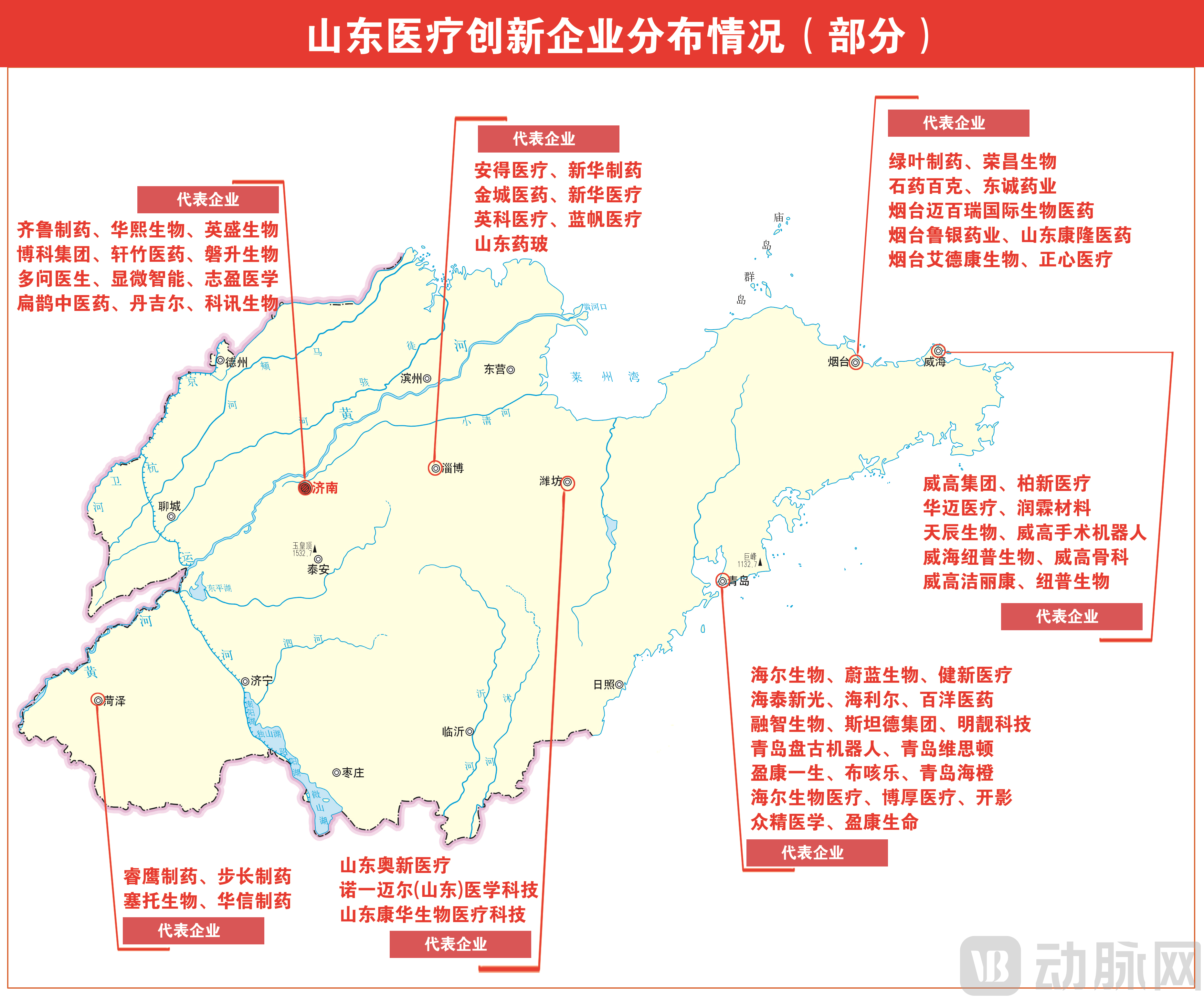
(Map source: National Geographic Information Public Service Platform; graphic by VCBeat)
From the development logic of various prefecture-level cities, it can be seen thatStrengthening and expanding chain-leading enterprises and industry leaders, using them as a “pivot” to drive and foster the collaborative development of more enterprises, thereby accelerating the upgrading of the entire industry, is Shandong’s industrial strategy.As a result, an increasing number of medical innovation and entrepreneurship ventures have emerged.
Currently, not only in Shandong but across China, extensive strategic layouts are being implemented around the biopharmaceutical industry. The growth potential of this sector is set to expand further, unveiling new and vast opportunities.
In this process, Shandong’s medical entrepreneurs, having accumulated strength over time for a breakthrough, are bound to become among the most prominent pioneers in the great wave of innovation of our era.