

Shulan Medical's 'Stem Cell Split' Strategy: From a Single Hospital to a Diversified, Tech-Driven Healthcare Group
Founded in 2013, Shulan Medical Group has evolved into a technology-driven healthcare conglomerate integrating health and medical services, medical research, and medical education. The group operates medical institutions including Shulan (Hangzhou) Hospital, Shulan (Anji) Hospital, and Shulan (Quzhou) Hospital, and maintains deep collaborative partnerships with healthcare organizations in Fujian, Chongqing, Henan, Shandong, and other regions.
As the first large-scale, international-standard, tertiary general hospital under the Shulan Healthcare Group, Shulan (Hangzhou) Hospital achieved Joint Commission International (JCI) accreditation in 2017. In 2021, it passed the evaluation for Grade A Tertiary Hospitals during the fourth cycle in Zhejiang Province. Owing to its expertise in diagnosing and treating difficult, complex, and critical conditions, the hospital has become one of the regional centers for the management of such cases.
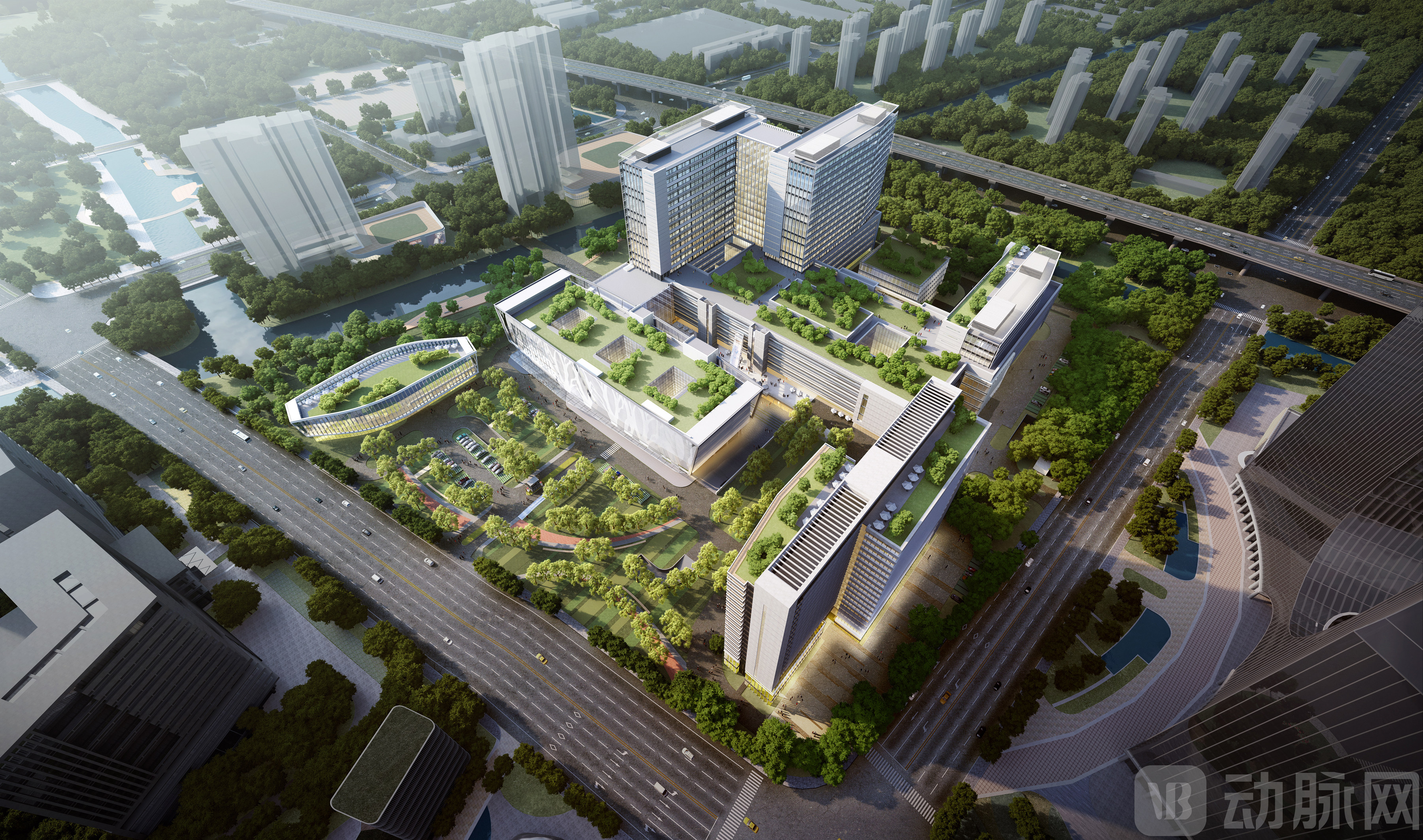
Shulan Healthcare Group, with Hangzhou as its starting point for realizing its vision, has upheld and deeply pursued the mission of “exploring the essence of life and safeguarding human health” over the past decade, achieving phased results. Meanwhile, its exploration into private healthcare provision has never ceased.
Original Aspiration: Uniting Hearts and Minds, Born for Medicine
The founding of Shulan Healthcare is inextricably linked to national macroeconomic policies.
Following the new healthcare reforms, the national government has continuously sent signals encouraging private participation in healthcare delivery, swiftly triggering a wave of change across the medical industry. Zhejiang, a province with a robust private economy, took the lead in introducing regulatory measures for physicians’ multi-site practice and issued documents such as the “Implementation Measures for Physicians’ Multi-Site Practice in Zhejiang Province.”
Thus, as the wave of private healthcare investment swept across China, a long-held idea resurfaced in Zheng Jie’s mind. Memories from his formative years—of doctors and nurses rushing on the front lines to save lives—had always inspired him with a single aspiration: to leverage digital information technology to make a meaningful contribution to healthcare professionals.
At this point, the idea crystallized into a more concrete goal: to pool social resources and professional medical expertise to jointly establish a general hospital.
During the preparatory phase of Shulan Healthcare, the founding team, led by Zheng Jie, engaged in intense debates over the question, “What characteristics should this hospital possess?” The team proposed various concepts but ultimately reached a consensus on building a hospital that would standardize medical practices and enhance care quality through high-quality standards, leverage digital technologies to alleviate the workload of medical staff, and ensure that every individual has access to their own complete electronic health record. This vision marked the inception of Shulan’s healthcare philosophy of “Three Highs, Four Modernizations, and Three Satisfactions.”
Guided by this original intention, Shulan Healthcare has fully integrated digital technologies into the operational management of its medical institutions since its inception. Meanwhile, it initiated the Shulan Public Welfare Foundation to provide targeted assistance to organ transplant patients facing temporary financial hardships. These measures aim not only to enhance patients’ healthcare experience but also to alleviate the burden on medical staff.
Why It Exists: Inclusive Yet Professionally Pure
Shulan (Hangzhou) Hospital is the flagship benchmark hospital of Shulan Medical Group and served as the core of all the group’s operations during its first five years.
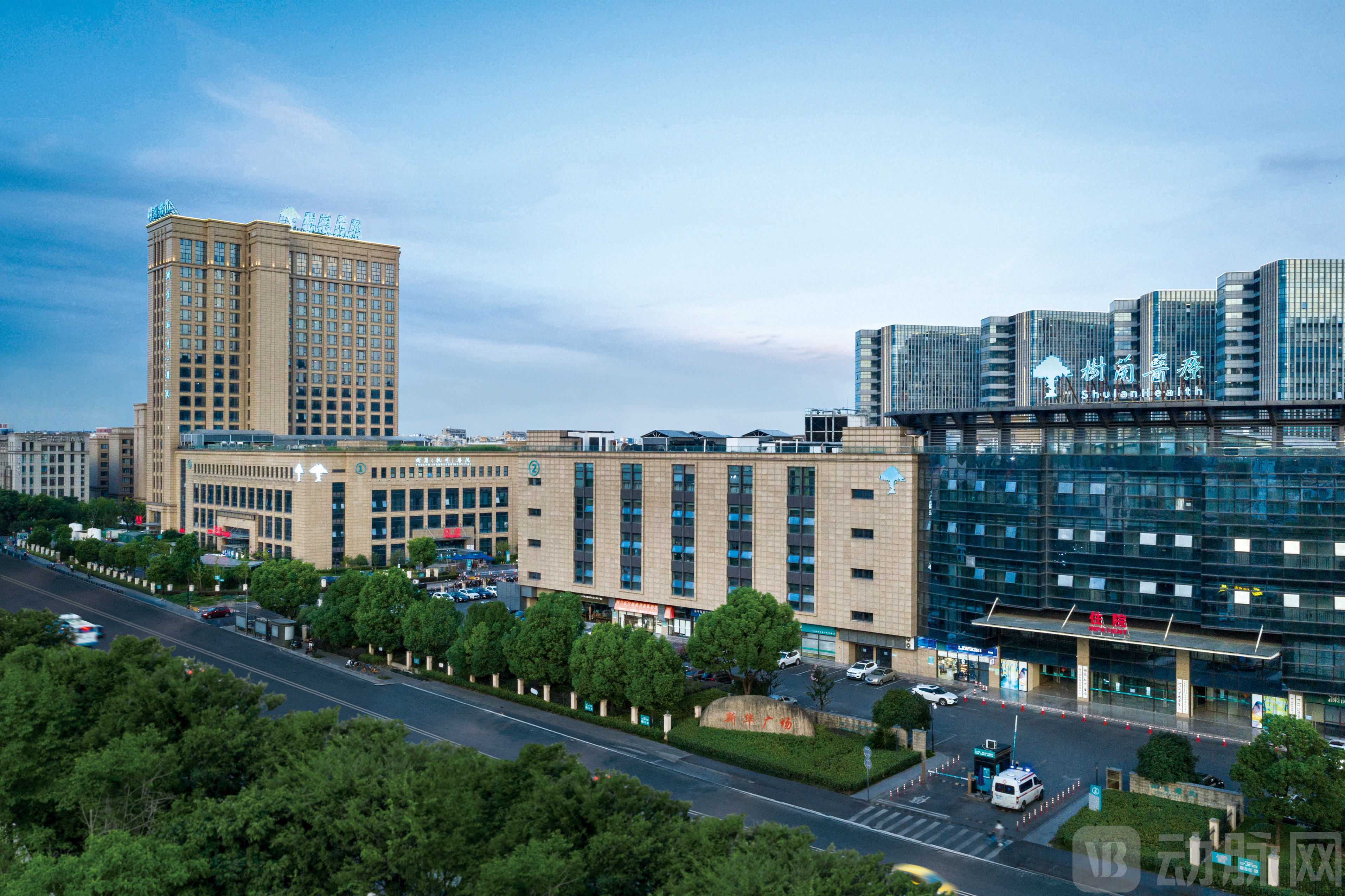
After extensive research, Shulan Medical has drawn a conclusion based on two dimensions: digital information technology and the advancement of medical specialties. A hospital established through social forces must not only ensure medical safety and quality but also promote the development of medical specialties and discipline construction, while safeguarding its normal operations and growth. This is a topic worthy of in-depth discussion and study.
Guided by this principle, Shulan Healthcare has established a senior executive-led operational management system responsible for exploring, building, operating, and executing its healthcare business models. The hospital director responsibility system stipulates that the hospital director holds full authority over daily clinical practices and medical safety. Furthermore, the establishment of an Academic Committee brings together numerous renowned experts and scholars from the healthcare industry to lead the long-term development of Shulan Healthcare’s key disciplines and research systems.
Meanwhile, aligning with the development trends of digital information technology, Shulan Healthcare has introduced the “business unit group” model commonly seen in internet companies. This approach divides the entire group into distinct business modules that operate independently in terms of professional development while providing mutual support at the foundational level. This structure not only ensures medical professionalism and independence, thereby enhancing disciplinary advancement and healthcare quality, but also enables medical staff to focus purely on clinical practice, while granting operational management teams sufficient decision-making autonomy to ensure the group’s sustained profitability.
At this point, Shulan Medical has established a relatively comprehensive development model. Having addressed the challenges related to team building and operations, the next priority is to define its development strategy: How exactly should one effectively manage and operate a general hospital with over a thousand beds and thousands of employees?
To this end, the founding team led by Zheng Jie proposed a development strategy of “stem cell division.” This approach involves first mobilizing the entire group’s resources to build a high-level Grade A tertiary general hospital, and then using this institution as the core to differentiate and establish various specialized hospitals tailored to local conditions. These subsequent institutions may vary in size and scope, ranging from general to specialty care, while incorporating regional characteristics. The core of this strategy is “focus”—a commitment both to the medical field and to Shulan’s own development.
Practice has proven this approach to be successful. In 2016, Shulan (Hangzhou) Hospital was named one of the “Top Ten Quality Private Hospitals in Zhejiang Province.” In 2019, it received the highest ratings from the Chinese Non-Government Medical Institutions Association, achieving an AAA credit rating and a five-star capability evaluation. In 2021, according to surveys conducted by independent third-party market research firms, the overall patient satisfaction rate exceeded 98%. Also in 2021, Shulan (Hangzhou) Hospital officially passed the accreditation for Grade A Tertiary hospitals in Zhejiang Province.
While establishing the first “stem cell” hospital, collaboration among the Group’s various business units has become closer and its structure more robust. In recent years, leveraging the experience and resources of Shulan (Hangzhou) Hospital, Shulan (Anji) Hospital and Shulan (Quzhou) Hospital have successively commenced operations. Without exception, these new hospitals have adopted the same organizational structure and operational model, emerging as newly differentiated entities bearing a distinct “Shulan” imprint.
What’s the Difference: Differentiated Development and Humanistic Thought
Since the inception of Shulan Medical Group, the founding team’s vision has been “pursuing differentiated development and serving as a complement to the public healthcare system,” a principle that has remained unwavering throughout the group’s growth and expansion.
During the initial operational phase of Shulan (Hangzhou) Hospital, a specialized department—the User Service Center—was established. Staffed by multiple senior professional nurses, this center primarily provides patients with one-stop consultation and triage services. These services range from coordinating appointment registrations and bed assignments to providing directional guidance and copying medical records. This “whole-person, whole-process” service model aligns closely with the “one-stop diagnostic and treatment service” model later proposed by the National Health Commission of China.
Treat patients with warmth, and even more so toward employees. After witnessing the selfless dedication of healthcare professionals who give without regard for personal gain, the founding team of Shulan Medical aspired to build high-standard medical health management institutions within the Shulan system. This approach aims not only to provide high-quality medical services to the public but also to ensure that healthcare professionals have clear career development paths and receive targeted support.
Under this objective, Shulan Medical Group has explored a "dual-circulation" system for talent development that emphasizes both internal cultivation and external engagement. Internally, Shulan has established a multi-dimensional in-house training framework featuring cross-cutting structures at the "national-provincial-municipal" levels and within "in-hospital and out-of-hospital" settings, promoting medical practice through research and integrating medical care with education. Building on this foundation, Shulan Medical not only hosts a National Standardized Residency Training Base but also operates a professional title evaluation system accredited by the Zhejiang Provincial Department of Human Resources and Social Security and the Zhejiang Provincial Health Commission.
In terms of its business model, Shulan Medical has pursued bold innovations by leveraging external hospital trusteeship arrangements to export expertise in hospital management, as well as medical talent and technology, to its partners. Taking a partner hospital in Fujian Province as an example, the deployment of medical and hospital management experts from Shulan Medical enabled comprehensive reforms of patient care pathways and internal administrative processes, leading to the hospital’s acquisition of Joint Commission International (JCI) accreditation in 2017. Patient behavior shifted markedly, from “local residents preferring to seek care elsewhere” to “an increasing number of patients choosing to receive treatment locally.” Similarly, at another partner hospital in Shandong Province operating under a trusteeship model, Shulan Medical has successively dispatched multiple teams of experts to provide on-site support since the collaboration began. To date, the hospital has seen significant increases in annual inpatient admissions, outpatient visits, and the proportion of Level III and IV surgeries.
In addition to its deep commitment to healthcare services, Shulan Medical has identified the life sciences industry as another key strategic sector. Compared with the public healthcare system, the institutional and operational advantages of private healthcare providers are clearly evident in this arena. By organizing events such as the Life Science and Technology Conference and SATOL Science TALKs, Shulan Medical seeks to uncover new technologies, products, and innovative approaches that address clinical needs, while encouraging physician-led innovation and providing corresponding resource support. In this sector, Shulan Medical is no longer confined to any single hospital entity; instead, it leverages these initiatives as connectors to link with the world’s most cutting-edge life science technologies.
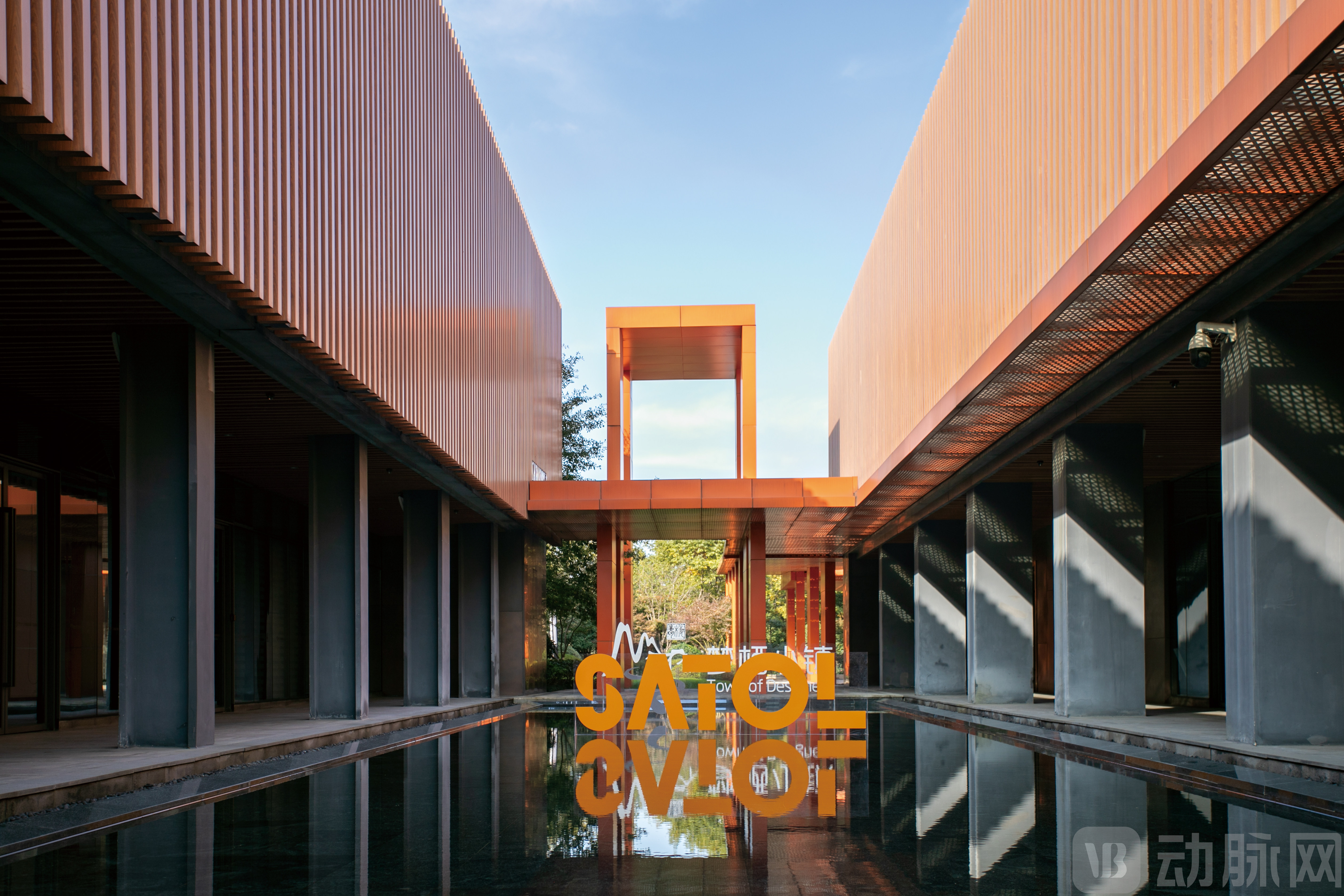
As a valuable complement to public hospitals, Shulan Medical has infused the entire group with a distinctively Shulan-branded philosophy of humanistic care, following the analysis and review of numerous cases.
Within every hospital under the Shulan Medical Group, there is a “leisure space” that stands in contrast to the typical clinical setting: the “Medical Space.” This open-concept area serves as an ideal venue for healthcare professionals to host salons and exchange ideas, while offering patients a sanctuary within the hospital to find respite from pain and nurture emotional well-being.
This space has not only become one of the most heavily utilized areas at Shulan (Hangzhou) Hospital, but has also earned unanimous acclaim from the medical team. At Shulan, “MediSpace” embodies more than just a deep understanding of patient and provider needs and an unwavering commitment to medical humanism; it also reflects the dynamic interplay and integration of internet-centric and healthcare-focused mindsets within the founding team.
If the "Medical Space" represents a detailed embodiment of Shulan Healthcare’s humanistic foundation, then the “1+X” differentiation strategy constitutes a more macro-level layout, serving as one of the concrete manifestations of Shulan Healthcare’s “Stem Cell Strategy.” As the flagship benchmark, Shulan (Hangzhou) Hospital pursues comprehensive development centered on its four ace transplantation departments, disciplinary construction, and scientific research. Shulan (Anji) Hospital focuses on geriatrics and health-and-wellness service management. Shulan (Quzhou) Hospital specializes in oncology; as part of Shulan Healthcare’s strategic expansion of its medical network, it is poised to develop into a regional medical center. Responding to national calls, Shulan (Boao) Hospital, established in the Hainan Lecheng Pilot Zone, provides high-quality medical services primarily featuring imported innovative drugs and medical devices.
Meanwhile, Shulan Healthcare is actively advancing its internet-based digitalization efforts, striving to build a research-oriented technology-driven medical group. Guided by the philosophy of “leveraging information technology to reduce the burden on healthcare professionals,” Shulan Healthcare has consistently pursued the independent design and development of cloud-native hospital information systems, thereby strengthening its core competitiveness in digital healthcare. Building on this foundation, Shulan Healthcare’s “1+X” model has expanded into a digital healthcare platform that leverages physical hospitals as anchors to provide online channels for accessing medical care, including online consultation services and preventive health services, thereby meeting the public’s everyday basic healthcare needs.
Where to Go: Inheritance and Exploration
For Shulan, each stage of business development has its own focus while remaining mutually cohesive. Although its affiliated hospitals and various business lines may differ in regional positioning and areas of clinical excellence, their ultimate goal is consistent: to explore ecological balance and closed-loop systems within the framework of privately run healthcare, striving to ensure physical and mental well-being for all.
When we view Shulan Healthcare through this lens, it becomes evident that despite its numerous innovations, all of them stem from the inheritance of the medical spirit—integrity, ethics, care, attentiveness, and compassion.
How far Shulan Healthcare must travel along this path and when it will reach its destination may not have a clear timeline in the short term. What is certain, however, is that Shulan Healthcare will remain steadfast in its commitment to “Safeguarding Health, Putting Life First” as it continues on the journey of medical heritage and innovation.