

Shanghai Sixth People's Hospital's Dr. Zhang Rui: Pelvic Floor Health Emerges as a Key Growth Area in the Booming Women's Health Sector
In recent years, the women's health sector has emerged as a standout field, attracting significant capital inflows.
From the perspective of China’s secondary market, a large number of companies in the women’s health sector have pursued initial public offerings (IPOs). Companies such as Medlander, Giant Biogene, and Jinbo Bio have successfully listed. The fervor for IPOs in the secondary market has further spilled over into the primary market. Numerous domestic and international investment institutions have entered the women’s health sector, with many companies securing new rounds of financing.
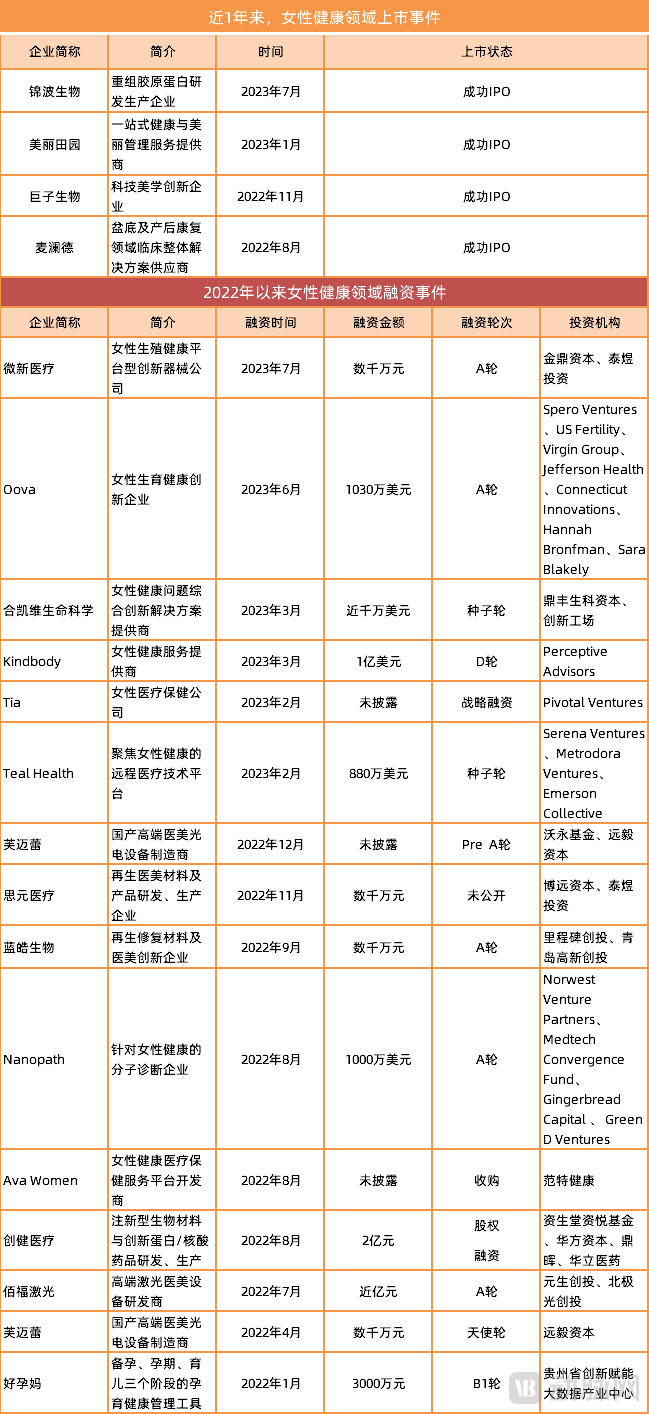
With the continuous influx of capital, attention to the women’s health sector is further intensifying. The third report in the “Life Sciences Business Development Series,” jointly released by Baker McKenzie and Informa Pharma Intelligence in 2022, also pointed out that women’s health/femtech will witness substantial growth and investment over the next five to ten years.
There is undoubtedly greater attention being paid to the needs of women at different life stages—adolescence, reproductive years, menopause, and old age—that were previously overlooked or outside the focus of public attention.
However, the problem still exists.
Although investors and entrepreneurs have increasingly recognized the future market potential in addressing women’s health issues, the field still faces unique challenges, including insufficient research and inadequate funding.
Amid the current influx of capital and entrepreneurs, and with growing attention to women’s health, what clinical challenges remain outside the purview of industry practitioners? How can academia, industry, and research institutions collaborate more effectively to address these issues? And what are the potential directions for future development?
VCBeat InterviewedZhang Rui, Associate Chief Physician, Department of Obstetrics and Gynecology, Shanghai Sixth People's Hospital Affiliated to Shanghai Jiao Tong University, attempt to respond to the above questions.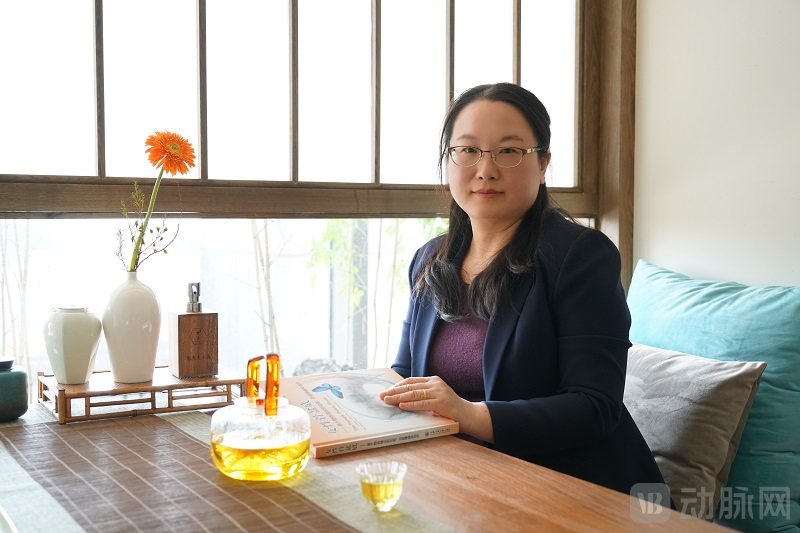
Associate Chief Physician, Department of Obstetrics and Gynecology, Shanghai Sixth People’s Hospital; Master of Medicine. With 18 years of clinical experience in obstetrics and gynecology, her primary research focuses on the etiology, clinical prevention, and treatment of female pelvic floor dysfunction. She served as the lead translator and editor for the book *The Female Pelvic Floor: Function, Dysfunction, and Treatment Based on the Integral Theory*.
The development potential of the women's health sector is unquestionable.
From a global market perspective, according to statistics from FemTech Analytics (FTA), a strategic analysis firm in the field of women's health, the global FemTech (female technology, aimed at addressing women's health issues) market size was $40.2 billion in 2020 and is projected to reach $75.1 billion by 2025, with an average compound annual growth rate of 13.3%.
The development of the Chinese market has been even more rapid. According to the "Research Forecast on Market Consumption Scale of China's Internet Female Health Management Industry in 2021 and Analysis of Suggestions for Future Market Development," from 2013 to 2019, the market size of internet female health management grew from 510 million yuan to 19.02 billion yuan, with a compound annual growth rate (CAGR) of 82.8%. From 2019 to 2024, the scale of China's internet female health management market is projected to continue growing at a CAGR of 19.7%, reaching 46.65 billion yuan by 2024.
Behind a global market valued at tens of billions of dollars, the rise and development of the women’s health sector has undergone a long and protracted process.
Although the term “Femtech” is said to have been coined around 2013, it only gained traction as a buzzword overseas after 2016. From a global market perspective, the development of the women’s health sector began around 2010. Taking the United States as an example, since 2011, funding for U.S. women’s health companies has accounted for only 5% of total digital health investments. Even in 2019, when this share peaked, it reached just 11%. In China, driven by the growth of mobile internet, the launch of period-tracking apps such as Dayima and Meiyou in 2012 and 2013 marked the gradual entry of women’s health management into the mobile internet era. Subsequently, the women’s health sector has seen new waves of development.
From the perspective of clinical medicine, developments in the field of women's health appear somewhat different.
After graduating in 1994, Dr. Zhang Rui studied under Professor Luo Laimin, Director of the Department of Obstetrics and Gynecology at Shanghai Jiao Tong University Affiliated Sixth People’s Hospital. Dr. Zhang has long been engaged in research on the etiology, clinical prevention, and treatment of female pelvic floor dysfunction. He has witnessed firsthand the evolution of clinical research directions in women’s health. At that time, his research on postpartum stress urinary incontinence was among the earliest domestic studies exploring female pelvic floor dysfunction.
Since joining the Department of Obstetrics and Gynecology at Shanghai Sixth People’s Hospital, affiliated with Shanghai Jiao Tong University, in 2005, she has primarily focused on two areas: female pelvic floor reconstructive surgery and the diagnosis and treatment of gynecologic oncology. Over her 18 years of clinical practice, she has performed more than 1,000 female pelvic floor surgeries and managed a large volume of outpatient cases. She is undoubtedly well-positioned to speak to the developments and changes in the clinical medicine of women’s health.
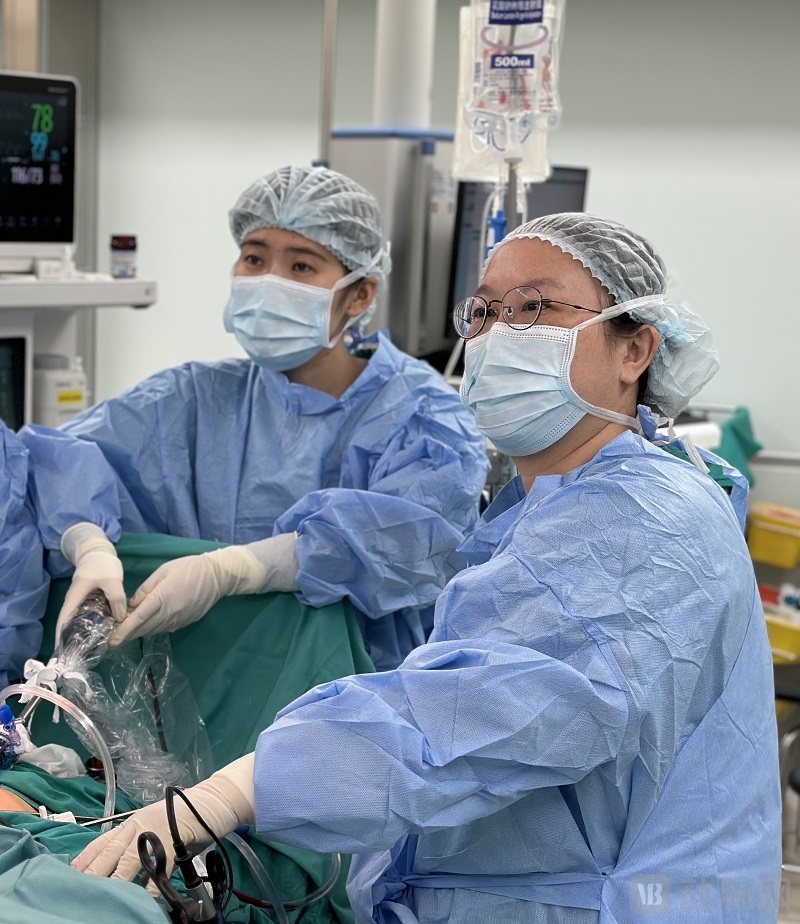
Dr. Zhang Rui is in surgery.
“Women’s reproductive health issues can be categorized into two types. One type pertains to pregnancy- and gestation-related concerns, such as genetic testing and prenatal diagnosis, with the primary goals of reducing the incidence of congenital anomalies in newborns and improving survival rates for both mothers and neonates. The other type involves non-pregnancy-related issues,” added Dr. Zhang Rui. “In the field of gynecology, we mainly face two broad categories of diseases. One category comprises oncological conditions that directly threaten women’s life and health, potentially leading to loss of fertility or even death. The other category includes pelvic floor disorders that compromise women’s quality of life. With economic development, there is growing attention being paid to pelvic floor disorders that affect quality of life.”
The advancement of clinical medicine and the growing emphasis on women’s health continue to drive the expansion of the women’s health market. However, in Dr. Zhang Rui’s view, the surge of practitioners flocking to the women’s health sector is attributable to the following factors:
First, China has a large female population, which in itself signifies enormous demand.According to China's Seventh National Population Census, the country's total population was 1.41178 billion (1,411.78 million), with a female population of 688.44 million, accounting for 48.76%.
Secondly, the complex anatomy of the female body means that women may face various health issues throughout their lives, from childhood to adolescence, and from their reproductive years to old age.On one hand, compared with men, the longer average life expectancy of women in China means they may face greater impacts from degenerative diseases; on the other hand, women’s health encompasses not only reproductive health but also other aspects, including mental health.
As women achieve greater economic independence and play increasingly vital roles in society and the family, attention to women’s health has moved steadily into the spotlight. It is evident thatDisease screening, diagnosis, treatment, and rehabilitation within women’s health each represent distinct sub-sectors brimming with endless possibilities.Together, they constitute and drive the explosive growth of the women’s health market.
So, what are the core clinical challenges currently facing the field of women's health?
Historically, both the general public and the clinical medical community have focused predominantly on oncological diseases that pose severe threats to human life and health. With the increasing standardization, normalization, and precision of cancer treatment, it has become routine to leverage genetic testing to deliver targeted, personalized therapeutic regimens. Consequently, the field of oncology has witnessed rapid advancements in treatment outcomes.
The same applies to the treatment of oncological diseases in gynecology.
However, in addition to oncological diseases that pose a serious threat to women’s life and health, there are also pelvic floor disorders that affect women’s quality of life. “Non-fatal conditions still require treatment; patients have the right to pursue a higher quality of life. For instance, although uterine prolapse is not life-threatening, it can significantly impair a patient’s quality of life,” noted Dr. Zhang Rui. In reality, these two categories of diseases cannot be strictly delineated. For example, some patients undergoing cervical cancer surgery may experience postoperative complications such as dysuria, necessitating pelvic floor therapy.
Female Pelvic Floor Dysfunction: A Common Yet Highly Concealed Issue
In the book *The Female Pelvic Floor: Function, Dysfunction, and Management According to the Integral Theory*, authored by Peter Petros (Australia), with Professor Lai-Min Luo serving as the lead translator and Dr. Rui Zhang as the assistant lead translator, it is stated that “while urinary incontinence is perhaps the most familiar form of pelvic floor dysfunction, pelvic organ prolapse, fecal incontinence, and pelvic pain also afflict many women.” Female pelvic floor dysfunction encompasses a multifaceted range of issues, including urinary incontinence, urinary frequency, nocturia, bowel dysfunction, abnormal bladder emptying, chronic pelvic pain, and other conditions such as interstitial cystitis and vulvodynia.
It is worth noting that the “Integral Theory” of the female pelvic floor was first proposed in 1990 by Professor Peter Petros, an Australian urogynecologist, and Professor Ulf Ulmsten from Sweden. The first English edition of the book was published in 2004.When the second English edition was published in November 2006, Professor Luo Laimin introduced it and led its translation, with the final publication released in September 2007. The book’s “Integral Theory” has also guided clinical diagnosis and treatment by physicians specializing in pelvic floor disorders, ultimately transforming the previous clinical paradigm that relied exclusively on surgical excision or mesh reconstruction.During the translation of this book, Professor Luo Laimin, Dr. Zhang Rui, and others repeatedly invited the author to China for academic exchanges, thereby promoting the synchronized development of China’s pelvic floor specialty with its international counterparts.
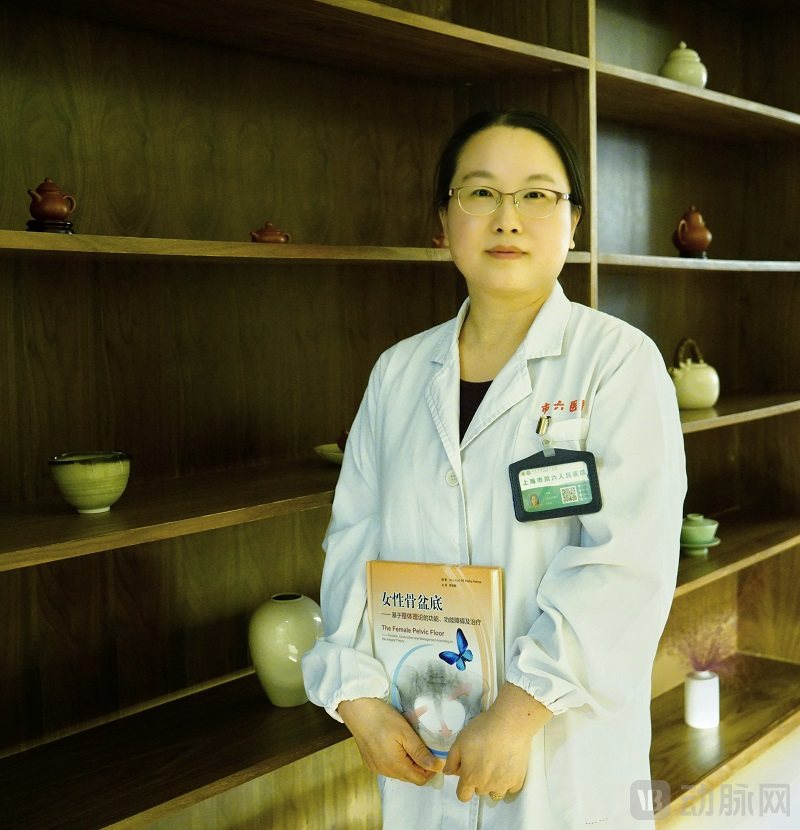
Dr. Zhang Rui, as the assistant lead translator, undertook the primary translation and compilation work for this book.
Among the myriad and complex disorders of pelvic floor dysfunction,Dr. Zhang Rui pointed out that the two main categories of diseases faced by patients are pelvic organ prolapse and urinary incontinence.
From the Perspective of Pelvic Organ ProlapseCurrently, there is no significant difference in the prevalence of this condition between patients in China and those abroad. Pelvic organ prolapse primarily affects middle-aged and elderly women, with surgical intervention being the mainstay of treatment. In the early stages, patients often experience symptoms such as urinary frequency and urgency, leading most to seek consultation in urology or nephrology departments. However, patients with lower levels of education are less likely to seek medical care and have fewer avenues for receiving treatment. The current prevalence of pelvic organ prolapse is approximately 10%–15%, yet the treatment rate stands at only 7%.
Regarding Urinary IncontinenceCompared with foreign countries, the prevalence of urinary incontinence among women in China is higher. Urinary incontinence typically includes stress urinary incontinence, urge urinary incontinence, and mixed urinary incontinence, with stress urinary incontinence being the predominant type among Chinese patients. More than 30% of pregnant and postpartum women in China face stress urinary incontinence. “On one hand, the pelvic floor ligaments and fascia of Chinese women are relatively weaker; on the other hand, inadequate control of fetal weight places a significant burden on the female pelvic floor due to excessive fetal weight. Additionally, the influence of progesterone and lack of exercise during the postpartum breastfeeding period may further contribute to urinary incontinence.” Although there are numerous patients, only 10% seek clinical diagnosis and treatment due to stigma associated with the condition.
of particular public concernPostpartum Rehabilitation Field, in the past, the public focus was on the safety of newborns and mothers. After years of popular science education and the awakening of women's health awareness, people have begun to recognize the importance of postpartum rehabilitation. However, Dr. Zhang Rui mentioned that,To avoid issues such as postpartum urinary incontinence, sexual dysfunction, vaginal laxity, and pelvic pain, it is necessary to further advance rehabilitation efforts by initiating pelvic floor rehabilitation training during the perinatal period.However, the current implementation of this concept faces significant challenges.
She added, “Postpartum rehabilitation requires assessment. Some patients may develop hypertonicity of the pelvic floor muscles, a condition characterized by excessive muscle tension resulting from fatigue, spasms, and inadequate relaxation after contraction. Assessment typically involves electromyography (EMG) combined with digital examination and patient-reported symptoms to evaluate pelvic floor muscle tone and formulate an effective treatment plan.” Women’s unique endocrine cycles may also predispose them to urinary incontinence during the perimenopausal period, affecting their work and daily life. With the accelerating arrival of an aging society, older adults are more susceptible to conditions such as pelvic organ prolapse. She once encountered a 94-year-old woman who was unable to urinate or defecate; normal function was restored only after surgical intervention.
“Currently, on the one hand, there is a trend toward younger onset of cancer, so regular screening and health check-ups are recommended for women. On the other hand, especially for women of childbearing age, it is advisable to seek medical attention promptly if they experience changes in menstruation or vaginal discharge, abdominal pain, or other related symptoms.“Dr. Zhang Rui pointed out that while women are paying more attention to their own health issues, clinicians also need to make certain changes to better build barriers for health prevention and control. Stress urinary incontinence, a type of pelvic floor dysfunction, often refers to urine leakage under conditions such as coughing, which increases abdominal pressure. However, the public frequently attributes nocturia, frequent urination, and abnormal secretions to urinary incontinence. There have been cases where patients who believed they had urinary incontinence were actually diagnosed with cervical cancer after consultation. Doctors also need to further engage with communities to promote disease awareness and improve patient understanding.”
To better support the diagnosis and treatment of diseases, Dr. Zhang Rui’s team is currently conducting multiple clinical research projects.Such as the research and development of original medical surgical instruments; theoretically seeking more cost-effective solutions for tumor gene testing; creating mobile devices for home use to help patients with conditions like pelvic floor hypertonicity achieve rehabilitation; collaborating on the development of platforms for physician training and patient education, among other initiatives.
In fact, it is also due to the long-term exploration in the field of pelvic floor.Prof. Luo Laimin and Dr. Zhang Rui’s team had previously been awarded the Second Prize of the National Science and Technology Progress Award., which is also a national-level award received by the pelvic floor specialty.
Historically, clinical management of pelvic floor disorders primarily relied on traditional surgical excision or indiscriminate mesh-based reconstruction. This paradigm began to shift with the publication of the English edition of *The Female Pelvic Floor: Function, Dysfunction and Management According to the Integral Theory* in October 2004. In late 2005, the establishment of the Female Pelvic Floor Subspecialty Group under the Obstetrics and Gynecology Branch of the Chinese Medical Association accelerated both basic and clinical research. The release of the Chinese translation of this book in 2007 further enabled clinicians to develop personalized, holistic treatment plans tailored to each patient’s specific anatomical defects and functional impairments of the pelvic floor.
Advances in medical theory and the development of minimally invasive surgery have further promoted the widespread adoption of treatments for pelvic floor dysfunction.
But at the same time,Dr. Zhang Rui pointed out that clinical practice still faces certain challenges—
One is the shortage of talent.She noted that the number of outstanding physicians specializing in pelvic floor disorders is comparable to the number of cardiac surgeons.
The second issue concerns the materials required for pelvic floor reconstruction.Initially, autologous tissue was predominantly used for reconstruction. In 2004, a leading global medical company introduced surgical mesh to replace part of the autologous tissue in reconstructive procedures, thereby advancing the treatment of patients with severe pelvic organ prolapse. However, this approach has been associated with certain complications. Currently, there is an urgent need to address the material requirements for pelvic floor reconstruction.
The third issue is surgical visualization.In the current field of pelvic floor dysfunction, the existence of over 200 surgical procedures hinders effective surgical visualization, thereby further increasing operative risks for junior physicians and creating a vicious cycle that exacerbates talent shortages.
Fourth, there is a lack of a unified patient database.On the one hand, the lack of a unified patient database makes it difficult to track patients’ postoperative status; on the other hand, physicians often work in silos during treatment, with limited opportunities for academic exchange. This frequently leads to suboptimal therapeutic outcomes and hinders the overall development of the pelvic floor specialty.
We are also witnessing ongoing exploration and experimentation across the industry. For instance, systematic training programs that integrate theoretical knowledge with practical skills for young physicians, led by Dr. Zhang Rui’s team and the Pelvic Floor Study Group, are being steadily implemented. In the realm of pelvic floor reconstruction materials, efforts are focused on minimizing surgical risks through innovative clinical treatment strategies, thereby maximizing patient benefits. Under the leadership of Peking Union Medical College Hospital, the Pelvic Floor Study Group is gradually establishing a patient database to advance disease treatment, facilitating a genuine transition from experience-based care to data-driven analysis and insights.
Obviously,Addressing the aforementioned issues requires collaborative efforts among academia, industry, and research institutions.
Achieving true women’s health remains a long and arduous journey.