Home Corvention Announces FDA Clearance of KardiaPSI™ Ultra-High-Pressure Non-Compliant Balloon Catheter for TAVR and BAV Procedures

Corvention Announces FDA Clearance of KardiaPSI™ Ultra-High-Pressure Non-Compliant Balloon Catheter for TAVR and BAV Procedures

May 13, 2026 19:31 CST Updated 19:31
Medtronic

Medical Device Manufacturer

Image

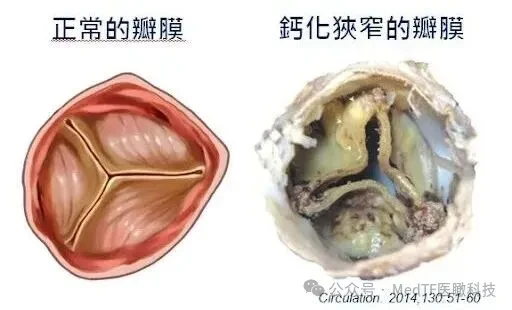
On May 11, 2026, Corvention, a U.S.-based structural heart device startup, announced that its KardiaPSI™ Balloon Catheter received FDA 510(k) clearance in the United States. Designed specifically for TAVR (Transcatheter Aortic Valve Replacement) or Balloon Aortic Valvuloplasty (BAV), the product’s core positioning is to address the most fundamental mechanical challenge in calcified valve expansion: in severely calcified anatomical structures, traditional balloons often struggle to consistently and reliably deliver sufficient force while maintaining precise control.
Image

01


KardiaPSI Product Design Features
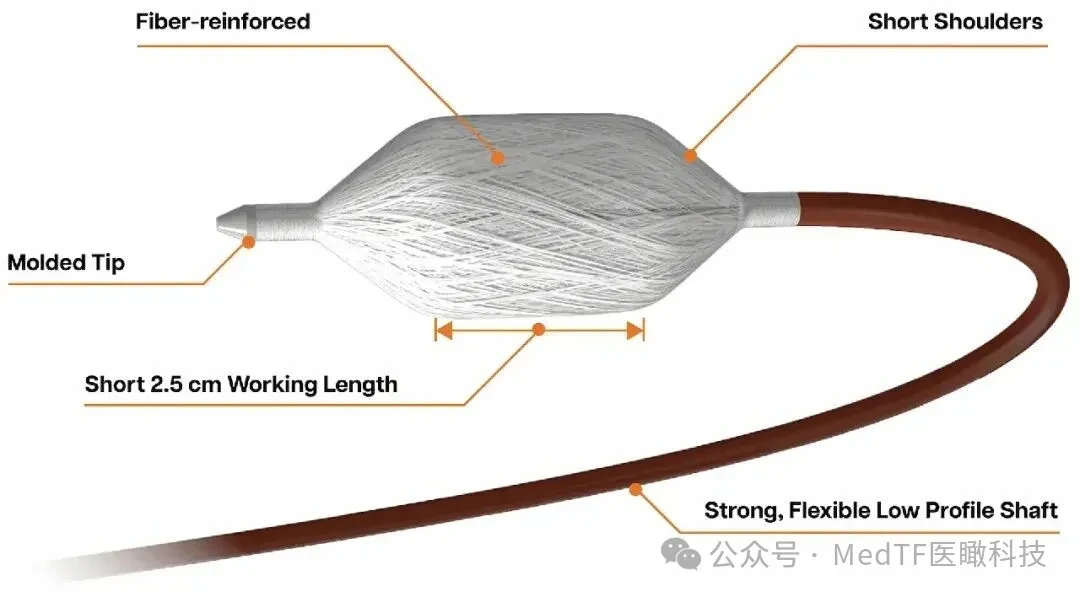
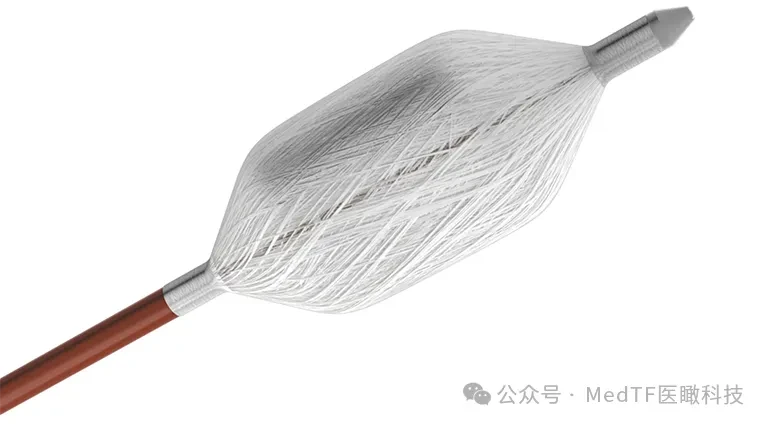
KardiaPSI is designed with a proprietary combination of multi-layer polymers and reinforcing fibers, arranged to provide extremely high non-compliant strength while maintaining a slim delivery profile.

Image


The Unique Design of KardiaPSI Brings Advantages

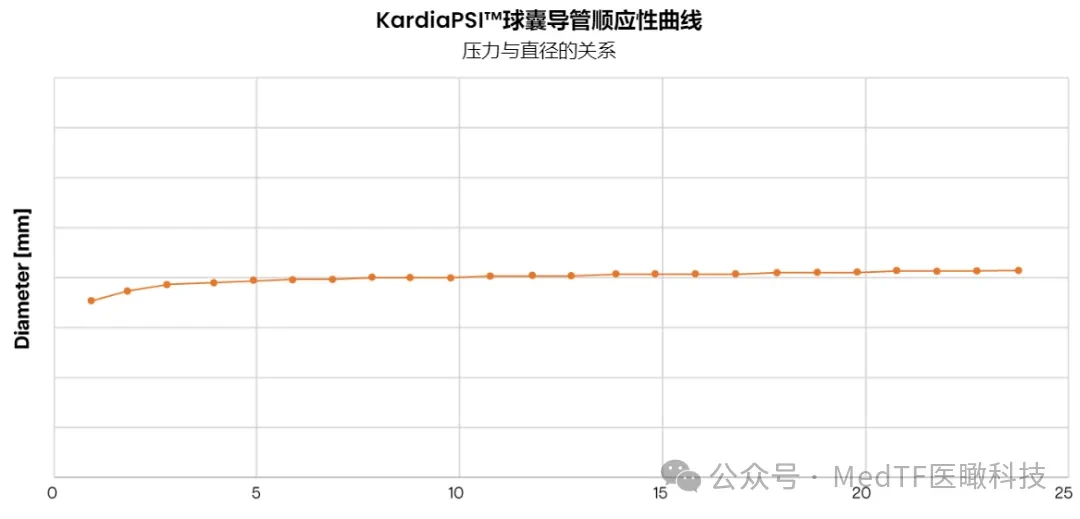
  • Ultra-high pressure performance:Carefully designed to maintain shape and integrity under the extreme pressure required to disrupt severe calcification (24 atm RBP).

Image
  • Precision Dimensions:Designed to allow doctors to "adjust" treatment millimeter by millimeter, optimizing anatomical fit while minimizing interaction with unwanted structures, with a working length of 2.5 centimeters.

  • Operational Efficiency:Rapid inflation/deflation using a single syringe/inflation device.

02


Bottleneck of TAVR Balloon Expansion Preparation Equipment
The "Good Partner" of TAVR: Non-compliant Balloon

Against the backdrop of the rapid development of TAVR, balloon preparation has clear clinical value.

Image


"Structural Bottleneck" of Traditional Balloons in Calcified Valves

Severely calcified aortic valves present extremely demanding mechanical challenges for balloon expansion:

  • Requires extremely high expansion pressure to "tear" dense calcified nodules;

  • Require the balloon to maintain shape stability under extreme pressure;

  • Precise force control is required, as vascular ring tearing is one of the most dangerous complications of this surgical procedure.

Image


KardiaPSI precisely breaks through these three mechanical bottlenecks one by one. Its 24ATM ultra-high pressure capability, fiber-reinforced structural stability, and short working length force-focusing design constitute a complete solution in principle.

03


Which TAVR Balloon Has the "Strongest Pressure"

  • Edward Life Sciences' Ascendra BalloonCatheters have long occupied a benchmark position. The product received FDA 510(k) clearance in October 2014 and is primarily used for pre-dilation of stenotic native aortic valves prior to TAVR procedures. Ascendra, as a complementary tool for Edwards’ SAPIEN series of TAVR valves, has accumulated a strong clinical usage base and physician preference through its comprehensive structural heart disease solution bundle.

  • Medtronic's Fortrex High-Pressure PTA BalloonMainly used for peripheral artery disease, and its product page does not list it as an indication for BAV.

  • Boston Scientific's Athletis Ultra High-Pressure Balloon(Maximum 40 ATM) Although the pressure parameters are excellent, it is also mainly aimed at peripheral and coronary calcified lesions, and its product description does not clearly specify BAV indications.

  • Corvention's KardiaPSIThe ultra-high pressure of 24ATM can effectively tear calcified nodules, but it may also increase the risk of severe complications such as aortic valve annulus tears, aortic dissection, and annular rupture leading to acute cardiac tamponade.


Image

Image

? Click to view more exciting content

European Heart Journal Publishes TRICENT II Study Data: Hierarchically Defined Tricuspid Regurgitation Patients Benefit from Surgery

Hengrui's Original Hypertrophic Cardiomyopathy Targeted Drug Achieves Another Phase II Clinical Success, Secures $200 Million in Financing

"Circulation" Publishes: New "Frailty Index" Discovered to Predict Outcomes After Mitral Valve Repair

Copyright and Disclaimer: MedTF aims to build an academic communication and media platform. The copyright of the information in the article belongs to the holder, and we only provide the service of transmitting information. If there is any infringement, please contact us to delete.