

Qianwan Bioport: How a Yangtze River Delta Biotech Hub Is Catalyzing the Synthetic Biology Ecosystem
Located in the southeastern corner of Hangzhou’s urban area, Xiaoshan District is a key biotechnology cluster in the city, bringing together a large number of upstream and downstream biotech enterprises. At the turn of the millennium, the opening of Hangzhou Xiaoshan International Airport established the district as Hangzhou’s important gateway to the outside world. Leveraging its unique locational advantages and solid industrial foundation, Xiaoshan has now attracted a significant pool of high-end talent from around the globe, fostering a vibrant atmosphere for innovation and entrepreneurship.
On August 29, the Qianwan Bioport, a core industrial carrier of Transfarpolis, officially opened its doors, drawing widespread attention from both the industry and investment communities. Located on the south bank of the Qiantang River, the Qianwan Bioport is planned in four phases with a total scale exceeding 1 million square meters. The phase currently inaugurated is Phase I, with a total gross floor area of 360,000 square meters, serving as a key space for industrial development in Xiaoshan District.
In accordance with the Industrial Development Plan released concurrently (hereinafter referred to as the “Plan”), this area will gradually establish a biotechnology industrial cluster centered on synthetic biology, creating China’s first “Synthetic Biology Achievement Commercialization Base.” The strategy will horizontally encompass Cell and Gene Therapy (CGT) and medical devices, while vertically focusing on the application of synthetic biology in sectors such as chemicals and agriculture. By leveraging Transfar Group’s advantages as a “chain leader,” it aims to build an integrated industrial, supply, and value chain for synthetic biology that spans “R&D–commercialization–products.”
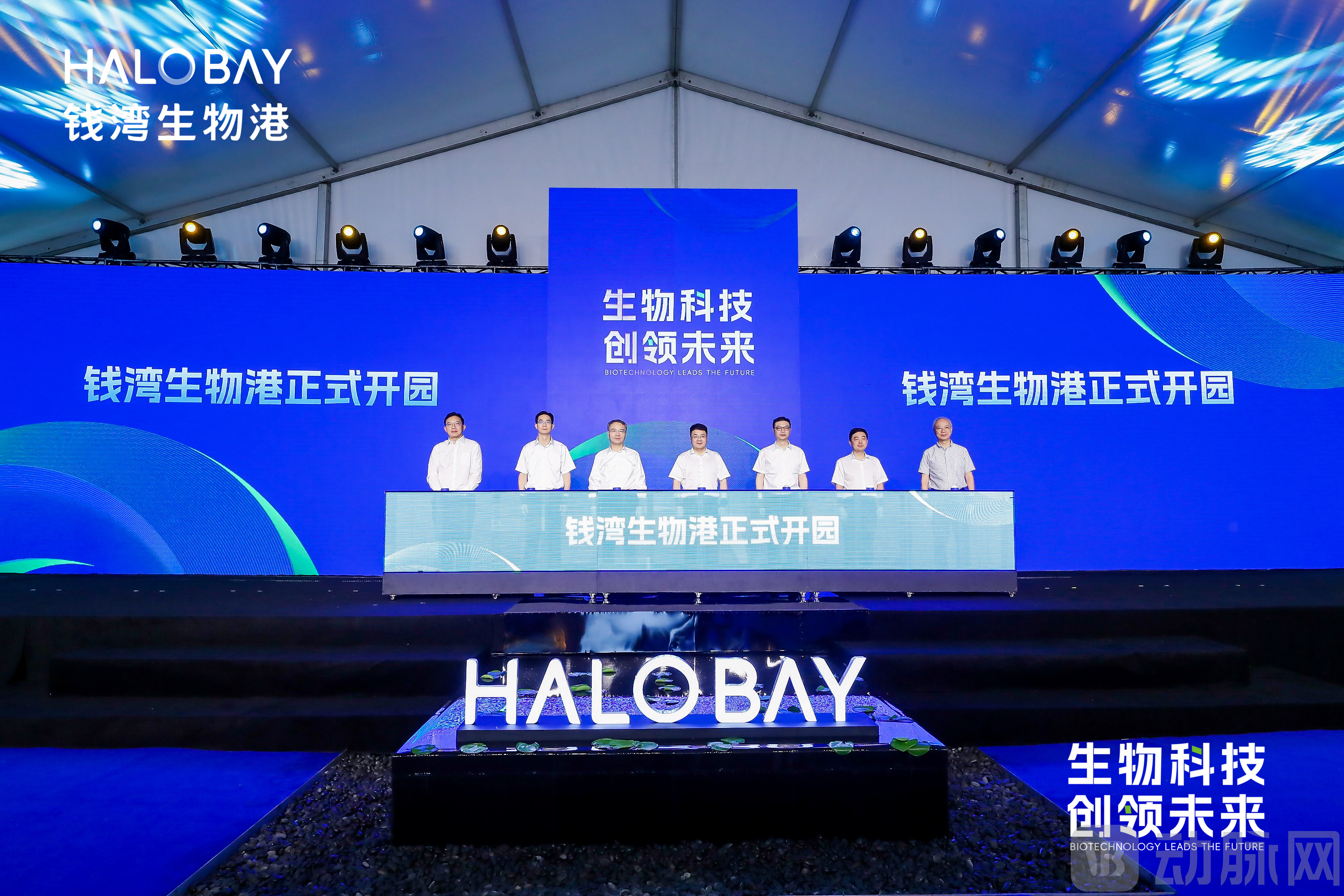
Opening Ceremony of Qianwan Bioport Image Source: Qianwan Bioport
VCBeat has learned that, according to the plan, once fully completed, Qianwan Bioport will gather 600 biotechnology companies, forming a full-product, full-cycle achievement transformation chain of “mass innovation space + incubator + accelerator + industrial park,” and attract more than 20,000 talents from the global industry chain. In the future, Qianwan Bioport will build an effective and robust collaborative framework among large, medium, and small enterprises, creating a full-product, full-cycle technological achievement transformation chain of “mass innovation space + incubator + accelerator + industrial park.”
Synthetic biology is hailed as the “Third Biotechnology Revolution.” Amid continuous advancements in frontier biotechnologies, synthetic biology is increasingly leveraged to transform production processes for a range of critical raw materials. Over the next 10–20 years, it is projected to generate $2–4 trillion in direct economic benefits, offering broad development prospects. China’s 14th Five-Year Plan for the Bioeconomy explicitly calls for supporting the development of synthetic biology, with strong backing from governments at all levels in Zhejiang Province, Hangzhou City, and Xiaoshan District. As planned, Qianwan BioPort will focus on synthetic biology while continuously driving the industrial transition from petrochemical-based to bio-based feedstocks, gradually achieving diversified deployment across application areas including biopharmaceuticals, cell and gene therapy (CGT), advanced therapies, medical aesthetics, and pet consumer products.
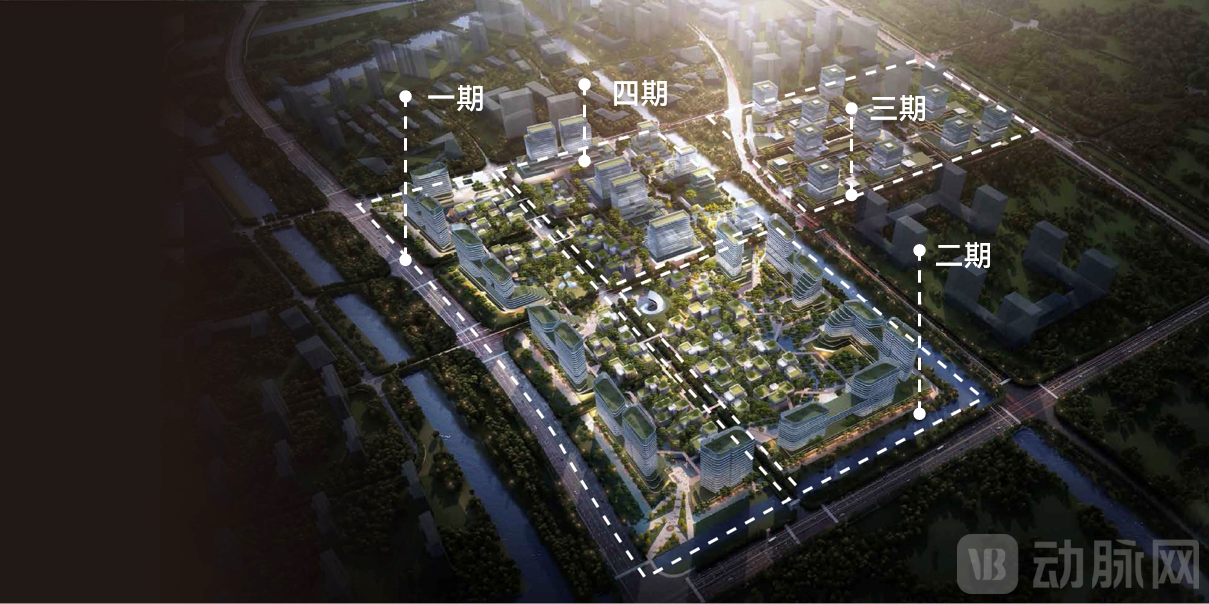
Qianwan Bioport Rendering | Image Source: Qianwan Bioport
VCBeat has learned that Transfar Group is working to connect the industrial “micro-ecosystem” to facilitate the rapid establishment of innovative enterprises within its industrial park. Transfar Group’s extensive pool of industry talent can provide specialized services to these companies, while also helping them integrate into Transfar Group’s real-economy framework in the future. In addition, Transfar Sci-Tech City previously introduced several synthetic biology companies, including Rongrui Technology and Yanjin Technology, laying a foundation for coordinated industrial development and supporting the build-up of industrialization capabilities for synthetic biology firms in the park. This value proposition is crucial for the large number of synthetic biology companies currently striving to transition from the laboratory to factory-scale production.
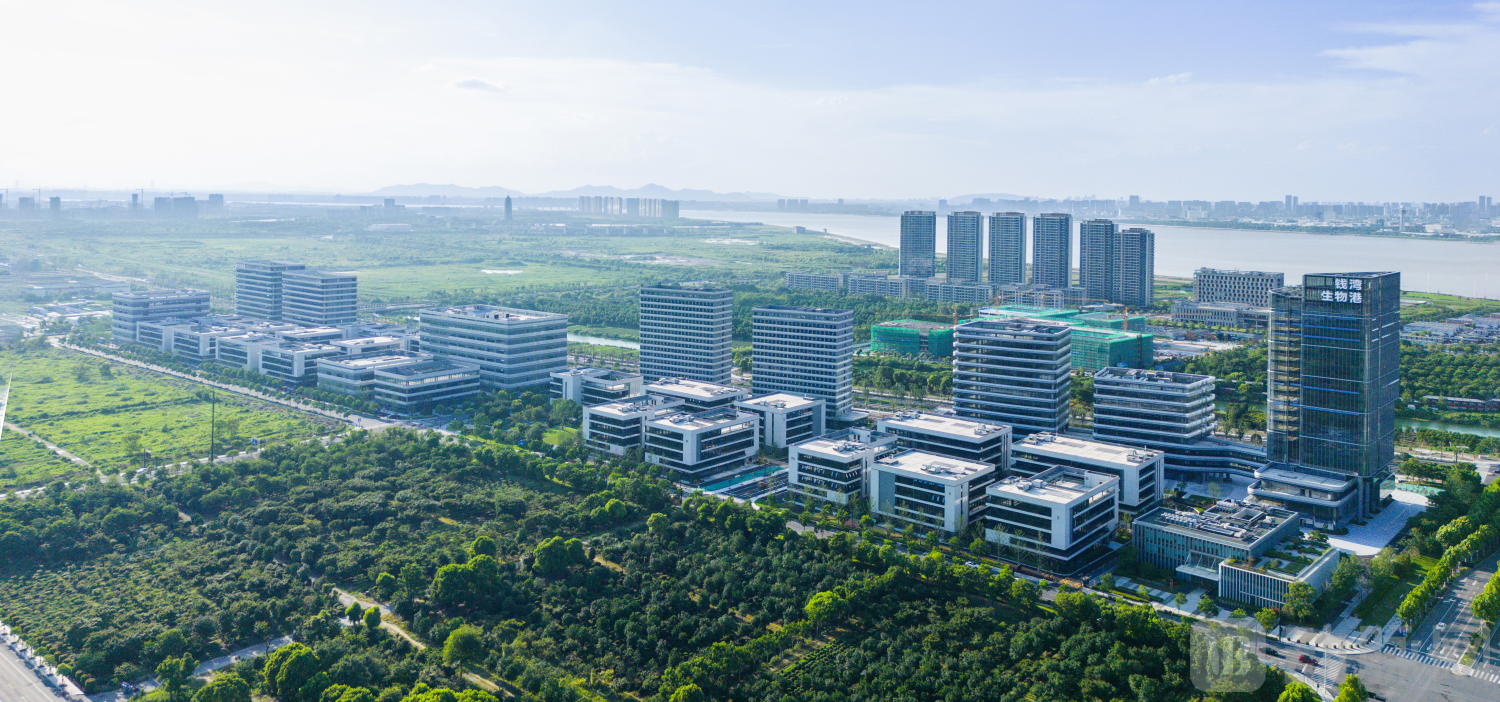
Aerial View of Qianwan Bioport – Image Source: Qianwan Bioport
At the opening ceremony of the Qianwan Bio-Port, 11 resident enterprises signed contracts in a centralized session. To date, Transfarpolis has introduced and cultivated more than 100 enterprises and institutions. Heavyweight research institutions and mature companies, such as Xianghu Laboratory, Zhejiang OSM Biology, Lingyi (Hangzhou) Biology, and Taihua Huamei (Zhejiang) Pharmaceutical, have successively settled in the area. A biotechnology industrial cluster centered on synthetic biology is taking shape, with a regional industrial agglomeration rate reaching 65%. The growth stages of resident enterprises are gradually extending from early-stage “start-up incubation” to mature “mid-tier” enterprises.
“Professionalism and Focus: Building a Cluster Platform for the Biotechnology Industry.” This statement appears on the cover page of the Qianwan Bioport Development Plan, with professionalism underpinning all industrial services provided throughout the park.
From platforms and funds to operations, nearly every node has undergone an “upgrade” by focusing on the development needs of the biotechnology industry, building upon conventional industrial services.
First is a specialized industrial development platform, comprising technical platforms and spatial carriers. In terms of technical platforms, Qianwan Bio-Port provides differentiated functional carriers tailored to the specific needs of biotechnology enterprises at the R&D incubation stage, pilot/clinical stage, and industrialization/commercialization stage. Specifically, during the R&D incubation stage, the park establishes shared laboratories, animal experimentation platforms, large-scale analytical and testing equipment, and other proof-of-concept platforms. At the pilot/clinical stage, the park integrates industrial resources to provide platforms such as synthetic biology pilot services, medical device translation services, and clinical institutions. During the critical phase of industrialization and commercialization, the park will expand M2/M3 land use, promote the establishment of customs clearance service platforms, and develop logistics and commercialization platforms.
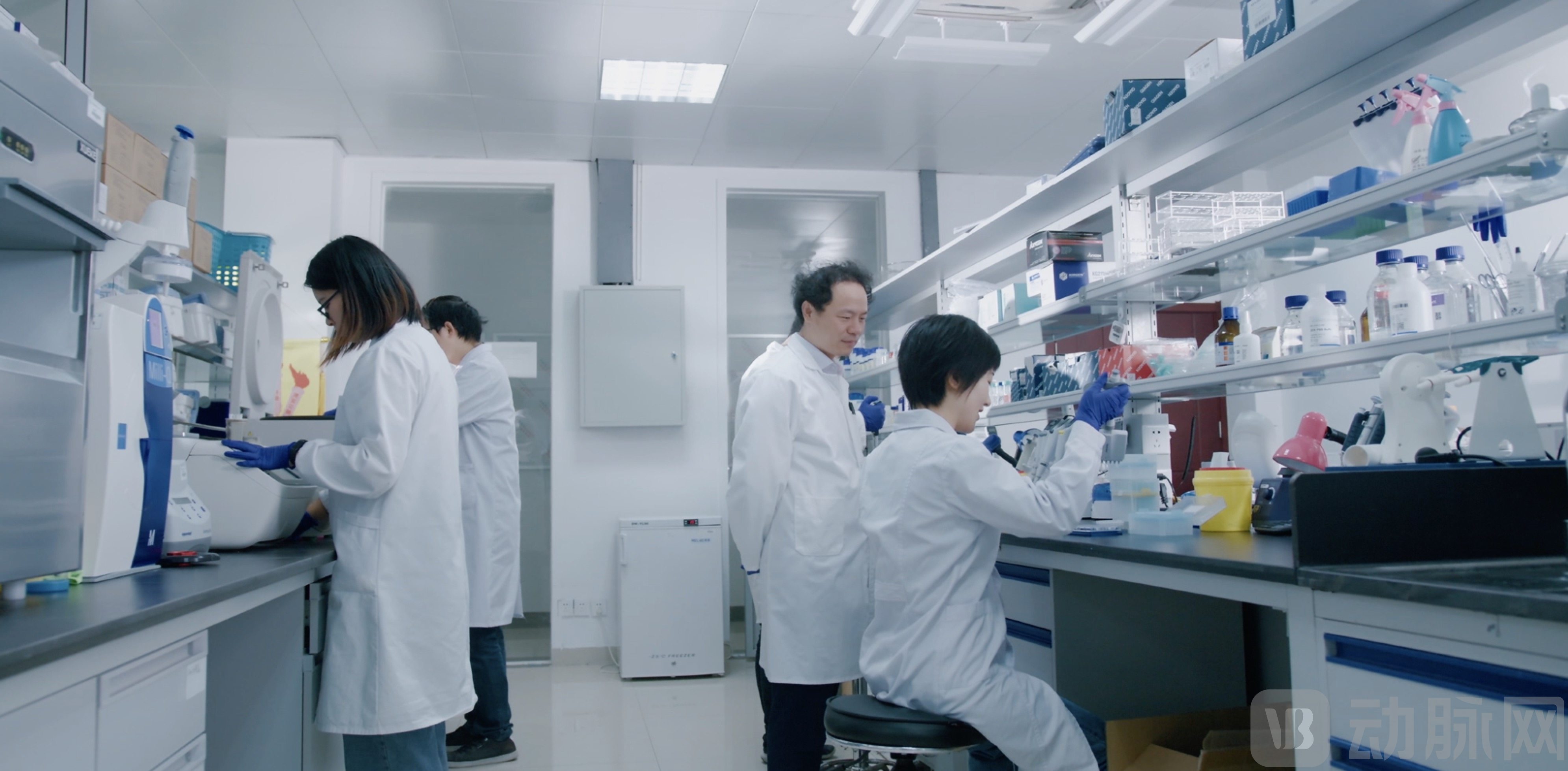
Qianwan Bioport Laboratory Image source: Qianwan Bioport
In terms of spatial infrastructure, Qianwan Bio-Port continuously enhances its specialized capacity to meet the unique requirements of the biotechnology industry. The Phase I park, already operational, is equipped with dual-circuit power supply, gas and steam utilities, and reserved facilities for wastewater and exhaust gas treatment, with floor height and load-bearing capacities configured to meet the needs of biotech enterprises. For the upcoming Phase II, III, and IV projects, Qianwan Bio-Port plans to further upgrade its infrastructure and strengthen specialized configurations for various industries, enabling resident biotechnology companies to ramp up operations rapidly.
Secondly, a specialized funding platform was established in advance. As is well known, high upfront investment, long payback periods, and elevated market risks are inherent characteristics of the biotechnology industry. However, continuous technological iteration and substantial unmet medical needs have made biotechnological innovation a key focus for venture capital. Nevertheless, investment funds tailored to biotechnological innovation require operational models distinct from those of conventional funds. Within the industrial investment services offered by Qianwan Bio-Port, the EVC (Enterprise Venture Capital) model has been introduced to catalyze a new ecosystem for the biotechnology industry and address the full-lifecycle funding needs of resident enterprises.
Specifically, the EVC model of Qianwan Bio-Port incorporates capital from diverse sources, including a cluster of third-party investment funds, the Bio-Port’s own capital investments, and the Transfarpolis Industrial Investment Fund. Among these, the investment fund cluster covers the entire corporate lifecycle from seed stage to private equity (PE), forming a comprehensive ecosystem. The Bio-Port adheres to a strategy of integrating investment attraction with project recruitment, ensuring that invested projects are established within the Bio-Port to enhance its industrial ecosystem. Meanwhile, the Transfarpolis Industrial Investment Fund is dedicated to leveraging additional social capital to co-invest in platforms or enterprises with high development potential and substantial funding requirements.
To date, Qianwan Bio-Port has established a RMB 1 billion Science and Technology City Industrial Development Fund, a RMB 3 billion CICC-Transfar Industrial Equity Investment Fund, a RMB 500 million Shengke Venture Capital Fund, and a Transfar Sci-Tech Innovation Industrial Fund with a total scale of RMB 10 billion (RMB 2 billion in the first phase), focusing on investments in biotechnology enterprises. According to the plan, over the next five years, leveraging the EVC model, it will collaborate with ecosystem funds to invest RMB 3 billion and incubate more than 100 projects.
Finally, there is specialized digital services. If the industrial platform and capital platform represent the past and present of Qianwan Bioport’s efforts to build a closed loop of specialized industrial services, then specialized digital services represent the further iteration of this closed loop. According to the plan, once completed, Qianwan Bioport’s industrial digitalization platform will serve as the foundational infrastructure for the clustered development system of the biotechnology industry. By streamlining business processes and mapping out scenarios for industrial investment promotion, industrial operational services, and community services, the platform will focus on the digitalization of industry-city facilities, automation of service applications, and visualization of data operations. Integrating next-generation information technologies such as cloud computing, big data, and the Internet of Things (IoT), it will fuse management and service scenarios across industry-city operations, thereby promoting systematic and refined development in the bioport’s management and services. Leveraging the digital platform, Qianwan Bioport’s industrial team can also identify common enterprise needs, respond to individualized enterprise demands, and enhance operational service efficiency.
Focused on biotechnology innovation and providing specialized industry services, Qianwan Bio-Port, though a newcomer to the ecosystem of biotechnology industrial parks, has already gained a clear understanding of the unmet needs in industrial innovation and translation.
On the day Qianwan Bioport opened its gates, autumn quietly arrived in Hangzhou. Although this industrial park is newly established, the surrounding area already boasts a vibrant atmosphere of daily life. As the gentle autumn breeze wafts through, small groups gather at corner convenience stores and roadside cafes, making the entrepreneurial journey seem less lonely and arduous.
Community First, Industry Second: Qianwan Bio-Port Delivers a Completely Different ExperienceBy prioritizing community development before industrial growth, Qianwan Bio-Port offers a uniquely integrated experience. Here, entrepreneurs and professionals can keep their social circles, their families’ daily lives, and their children’s education all within close proximity. Benchmarking against internationally renowned innovation hubs such as Singapore’s one-north, Qianwan Bio-Port has proactively developed high-standard supporting facilities, including the Wellington College International Hangzhou, a classic Singapore-style neighborhood center, Jingchao Primary School, Ideal Kingdom Kindergarten, The Ring Dream Center, and Science City Hospital.
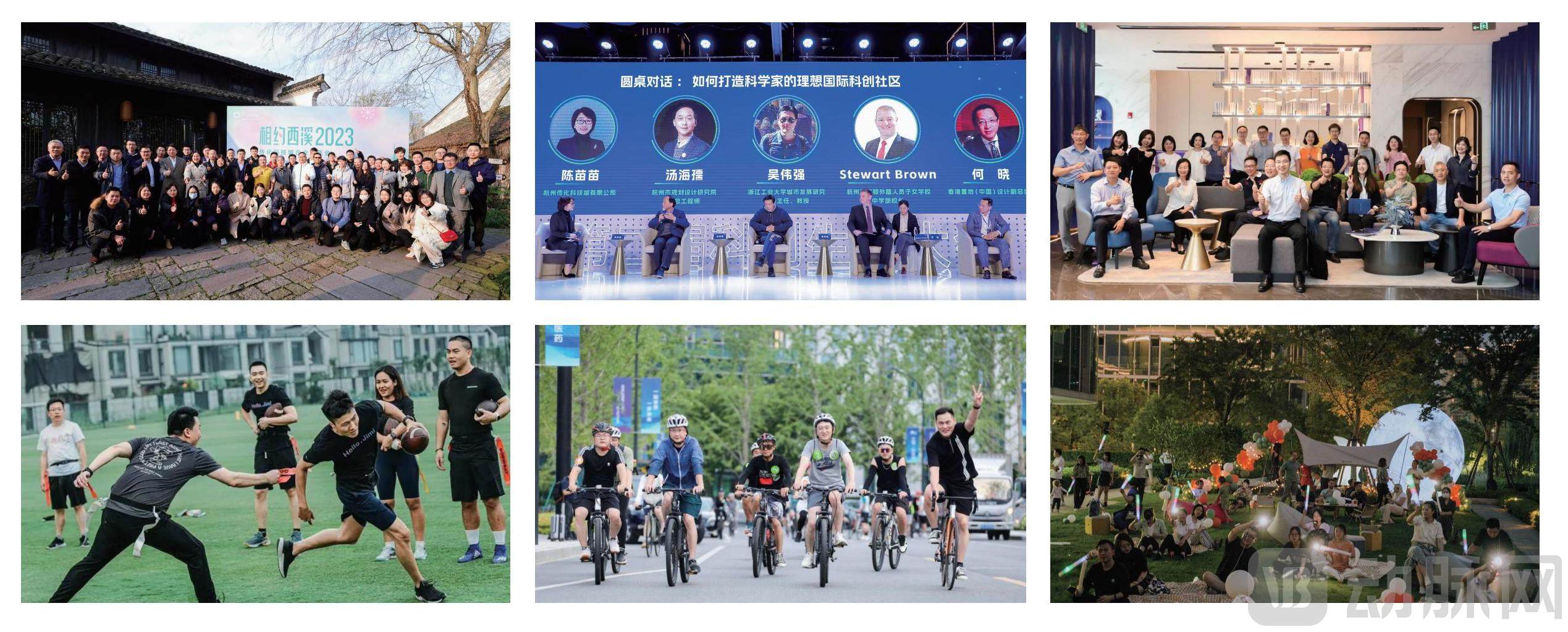
Events Organized by the Park | Image Source: Qianwan Bioport
VCBeat has noted that the Chuanhua Science and Technology City, where Qianwan Bioport is located, serves as a core hub for the Western Returned Scholars Association’s (WRSA) Overseas Returnees Town (Hangzhou • Digital Medicine). It focuses on attracting overseas talent and projects to start businesses in Hangzhou, fostering a robust environment for innovation and entrepreneurship among returnees. Young scientists who have returned to China to launch startups, such as Chao Ran from Yanjin Technology and Yang Luhan from Qihan Biology, have gathered here. The WRSA plans to approve the establishment of 10 Overseas Returnees Towns across China, aiming to concentrate on specific industries and cluster talents with overseas study experience. As carriers exploring the “new species” of industry-city integration, each city’s Overseas Returnees Town is assigned distinct industrial priorities. Hangzhou’s Overseas Returnees Town prioritizes innovative development in digital medicine, attracting returnee talents and leading enterprises from life science fields—such as information technology, synthetic biology, genomics, and microbiomics—to settle in the area.
In recent years, the biotechnology industry has become a future-oriented sector of high priority for governments across China, with the development of industrial parks proceeding at full steam. Attracting innovative biotech enterprises into these parks and providing them with end-to-end financial support, physical infrastructure, and services has become the mainstream approach to building biotech industry clusters. In this process, high-quality innovative biotech companies have become a scarce resource. How to attract target enterprises to settle in has become the primary question that major industrial parks must address in their growth strategies.
The uniqueness of Qianwan Bio-Port lies in its focused industrial direction, underpinned by professional, end-to-end services spanning from investment attraction to operations. This approach presents the park’s profile with greater distinctiveness to target enterprises, thereby enabling more effective resource allocation. Furthermore, the industry community model, which prioritizes supporting facilities, is undoubtedly better positioned to retain talent. We look forward to seeing more high-quality biotech innovation companies emerge from this park on the banks of the Qiantang River.