

Jiamuyao Medical Enters the Pan-Vascular Intervention Market with Innovative IVL Solutions Targeting a Multi-Billion-Yuan Blue Ocean
In July this year, JIA MU YAO, which is dedicated to building an energy platform offering comprehensive solutions for complex pan-vascular lesions, secured tens of millions of yuan in financing led by Hongsheng Capital and Yuansheng Venture Capital, with Haimaide Venture Capital participating as a co-investor.
And this was only two years after the company’s establishment.
Amid the broader economic climate and increasingly cautious capital deployment, why has JIA MU YAO secured investment from a host of renowned institutions?
Investment firms were forthright in their statement: “YuanSheng Capital remains bullish on JIA MU YAO’s team capabilities in productization and commercialization.” Clearly, securing financing is closely tied to the strategic sectors JIA MU YAO has entered and its overall corporate strength.
From the perspective of market segments, complex cardiovascular lesions are internationally recognized as a challenging medical issue. Whoever can better address this problem will undoubtedly gain greater "market acclaim." JIA MU YAO has not only established a presence in this field but also completed clinical trials for its vascular calcification treatment products within two years as a startup company.
And these may be just the tip of the iceberg when it comes to this company.
To better understand JIA MU YAO’s current efforts in its sector, VCBeat also interviewed Li Lifu, General Manager and Founder of JIA MU YAO, seeking to answer the question, “Why did JIA MU YAO, rather than other companies, secure this round of financing?”
Li Lifu, General Manager and Founder of JIA MU YAO
When hydroxyapatite crystals deposit in blood vessels, patients develop pathological changes characterized by vascular wall calcification. Medial arterial calcification is commonly observed in patients with diabetes and chronic renal insufficiency, whereas intimal calcification is associated with risk factors for cardiovascular disease. The most common sites of intimal calcification are the coronary arteries and peripheral arteries.
Taking coronary artery calcification as an example, it often leads to conditions such as coronary lumen stenosis and plaque rupture with hemorrhage, thereby increasing the risk of heart failure and even sudden cardiac death; meanwhile, it also limits the success rate of coronary angioplasty.
Currently, patients with vascular calcification in China are facing a relatively severe situation.
On the one hand, in terms of disease characteristics, it affects a large patient population.Among coronary artery disease patients, the annual volume of percutaneous coronary intervention (PCI) procedures currently exceeds 1.29 million and continues to grow, with a high likelihood of reaching 1.56 million by 2025. Of these patients, approximately 20%–30% present with moderate-to-severe vascular calcification. In the peripheral artery disease population, there are currently over 45 million patients with lower extremity arterial disease, among whom 40%–70% have calcified lesions. Compared with the United States, the proportion of endovascular minimally invasive treatments for lower extremity arteriosclerosis obliterans in China remains relatively low, at only about 170,000 cases per year. The market for treating vascular calcification in these patient populations is poised to exceed RMB 10 billion.
On the other hand, patients with vascular calcification diseases frequently encounter significant treatment challenges.Since conventional stenting often fails to achieve optimal wall apposition, thereby increasing the risk of restenosis, adequate pretreatment of calcified lesions prior to stent implantation has become a major focus of clinical attention.
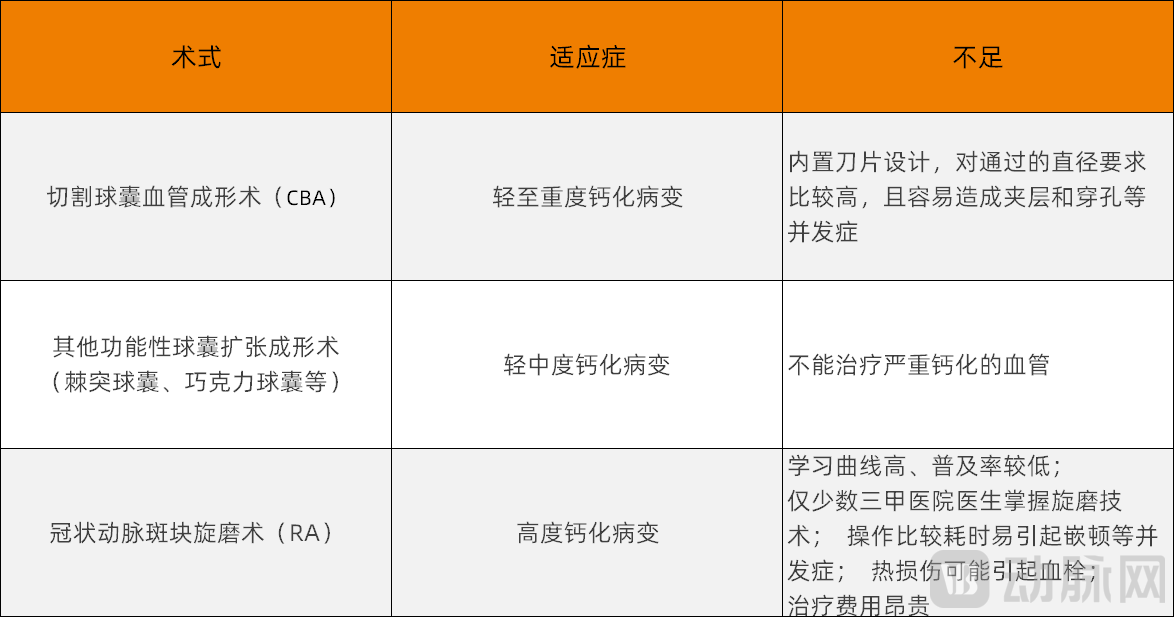
VCBeat Chart
According to Li Lifu, founder of JIA MU YAO,In the past, treatments for mild, moderate, and severe vascular calcification lesions often involved procedures such as ultra-high-pressure balloons, cutting balloons, scoring balloons, and rotational atherectomy. However, the widespread adoption of these techniques across China has been constrained by issues related to complications, indications, and health economics.For instance, ultra-high-pressure balloons are prone to causing intimal tears; cutting balloons and chocolate balloons often have poor crossability due to their larger outer diameters; and rotational atherectomy demands extensive operator experience.
Are there other options to restore vascular compliance and reestablish blood flow?
Shockwave balloon may be this potential option.Compared with other procedures and products, on the one hand, shockwave balloons do not cause damage to the vascular intima and do not affect the endothelialization process after subsequent stent implantation; on the other hand, they provide the most ideal treatment for calcified tissue, resulting in optimal stent apposition after shockwave therapy.
In principle, the working mechanism of shockwave balloons is primarily based on the "electrohydraulic effect." This can be simply understood as placing two electrodes within a conductive liquid. When a high voltage is applied between the electrodes, the liquid breaks down once the voltage reaches a certain threshold, releasing an electric arc that instantly vaporizes the fluid between the electrodes and forms air bubbles. During diffusion, these air bubbles fragment into smaller microbubbles; their subsequent collapse generates shockwaves. As physical waves, shockwaves attenuate rapidly in liquids or gases but propagate through solids with minimal energy loss, generating powerful vibrational energy capable of fracturing calcified lesions. Notably, this process does not affect soft tissues, exhibiting a selective mechanical response: rigid against hard structures and compliant against soft ones.
Intravascular lithotripsy (IVL), represented by shockwave balloons, is currently the only technology with therapeutic efficacy for deep calcified lesions.
In 2021, Li Lifu also recognized that calcified lesions accounted for a significant proportion of complex vascular diseases, yet there was a lack of safer, more effective, and faster therapeutic options specifically targeting calcified lesions in clinical practice. Drawing on his R&D experience, he keenly perceived that shockwave balloon products would likely become one of the few major standout items among endovascular intervention products in the coming years. Leveraging their capability to rapidly achieve product development and accelerate clinical progression, they established the JIA MU YAO team, with one of their R&D goals being the development of shockwave balloon products for the treatment of vascular calcification.
Shockwave balloons were not pioneered by JIA MU YAO.
Currently, the only intravascular lithotripsy product approved for market launch worldwide is from Shockwave. AndIntravascular lithotripsy is also referred to as the “terminator” of coronary artery calcified lesions in the 2021 edition of the Chinese Expert Consensus on the Diagnosis and Treatment of Coronary Artery Calcified Lesions.Shockwave’s product portfolio covers peripheral, coronary, and valvular applications. Its peripheral and coronary products received NMPA approval in 2022.
Starting basically in 2022, hospitals across China began applying shockwave balloon products to treat patients with coronary artery calcification. A comprehensive review of various reports shows that departments in top-tier (Grade 3A) hospitals, including the Department of Cardiology at Peking University First Hospital, the Department of Cardiology at Hunan Provincial People's Hospital, Xuzhou Central Hospital, and the Department of Cardiovascular Medicine at Dongzhimen Hospital of Beijing University of Chinese Medicine, have been progressively promoting the use of shockwave balloon products.
Meanwhile, a question may arise: Given that Shockwave already has mature, approved, and marketed products, what are the advantages of the shockwave balloon products developed by JIA MU YAO?
It is undeniable that JIA MU YAO is indeed an innovative company with the strength to break through in the current field of shockwave balloons. Even compared to international leading companies like Shockwave, its products currently advancing to the clinical stage have their own unique features:
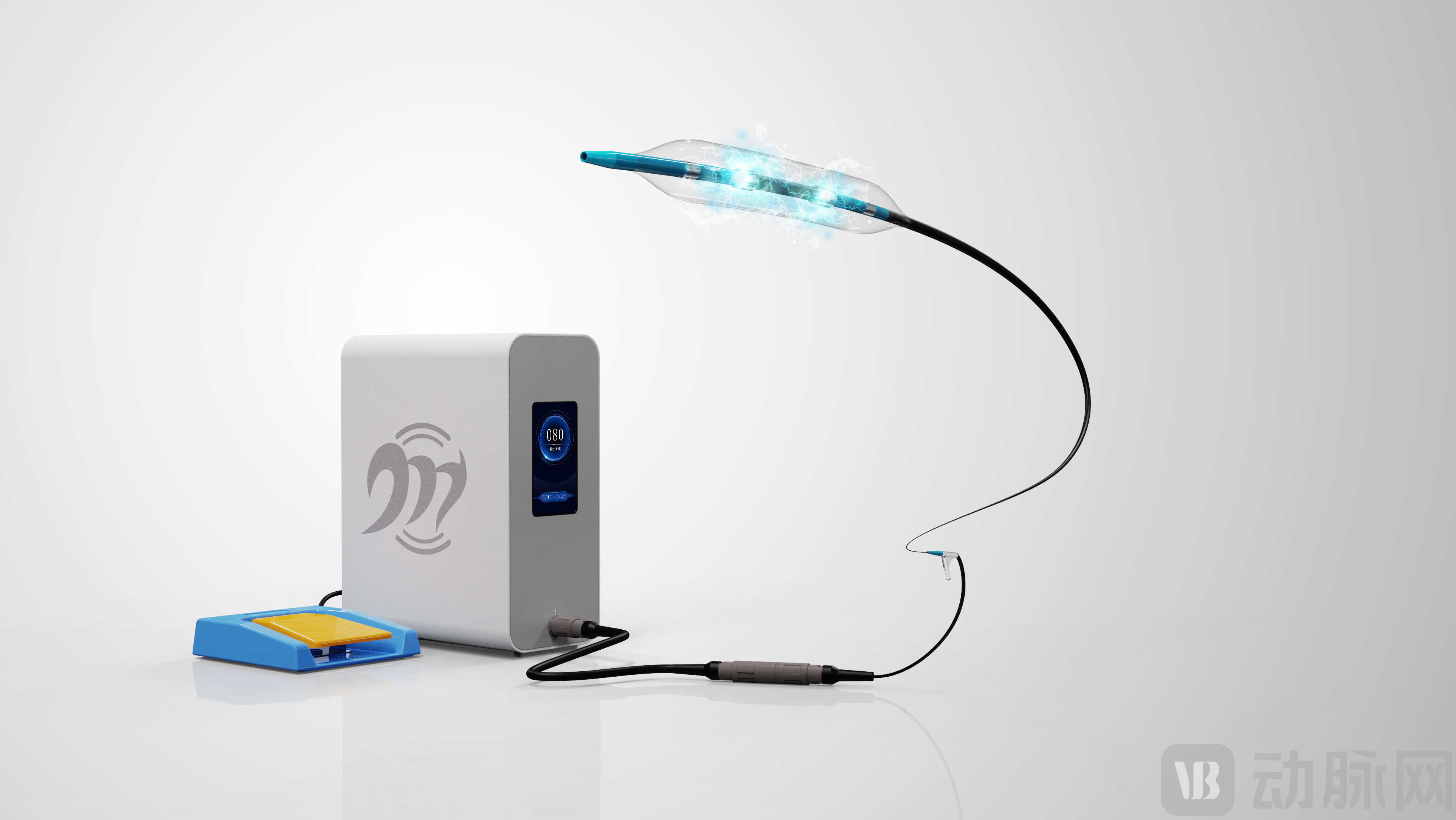
JIA MU YAO Coronary Intravascular Lithotripsy Balloon Product Schematic Diagram
On one hand, compared to the early pioneer Shockwave, the later entrant JIA MU YAO has designed its shockwave balloon products to better align with current clinical application needs.
As an early pioneer, Shockwave developed the intravascular lithotripsy (IVL) balloon, a landmark medical device. However, being a trailblazer also entails facing greater challenges, including product iteration and upgrades. According to Li Lifu, for instance, the deliverability of the Shockwave balloon is compromised compared to pre-dilation balloons due to its built-in multiple lithotripsy emitters, indicating room for improvement. Furthermore, regarding energy utilization efficiency, data from the U.S. Food and Drug Administration (FDA) website shows that an average of two catheters are used per patient in clinical practice, which indirectly suggests that the energy utilization efficiency of the catheter has not met expectations.
Li Lifu emphasized, “From the outset of the design process for our shockwave balloon, we focused on how to achieve breakthroughs in the aforementioned areas. Drawing on the team’s years of development experience,Our product outperforms current imported products in in vitro testing., and has received unanimous acclaim from a wide range of physicians in clinical feedback. In terms of energy utilization efficiency, we have also achieved significant improvements within the safety margin, as indicated by clinical feedback,Our products basically require only about half the number of applications as imported products to achieve the expected treatment results., it has also received unanimous endorsement from physicians.”
On the other hand, there is the advantage in product pricing. Compared to Shockwave’s shockwave balloon products, JIA MU YAO expects to maintain competitive pricing, thereby better meeting the treatment needs of patients in China.
It is reported that, as an imported product, Shockwave’s end-user price has approached RMB 30,000, a pricing level that is not particularly patient-friendly. Furthermore, under the current DRG/DIP payment reforms, healthcare insurance cost containment measures have become more stringent, undoubtedly posing certain obstacles to the promotion of Shockwave in the Chinese market. In contrast, following the localization of production by JIA MU YAO, its inherent pricing advantages are expected to yield stronger market performance, ultimately achieving import substitution.
Preclinical animal studies of JIA MU YAO’s products also demonstrated the absence of vascular complications such as dissection, spasm, perforation, or occlusion. Histopathological analysis further confirmed that JIA MU YAO’s coronary intravascular lithotripsy balloon causes no damage to vascular soft tissue during treatment. Currently, JIA MU YAO is collaborating with multiple Grade A tertiary hospitals to conduct clinical trials. Within just two years of its establishment, the company has completed patient enrollment for the clinical trial of its coronary intravascular lithotripsy balloon.
In fact, the shockwave balloon product is just one of JIA MU YAO's many products.JIA MU YAO aims to build a leading domestic energy platform offering comprehensive solutions for complex pan-vascular lesions. Currently, in addition to its coronary and peripheral intravascular lithotripsy balloon products being among the top tier in clinical development, several of its other innovative products are steadily advancing.
Obviously,JIA MU YAO has garnered favor from numerous investment institutions for good reason.
On the one hand, JIA MU YAO boasts a robust R&D team in the medical field.Founder Li Lifu was involved in the entire process of MicroPort’s Firehawk drug-eluting stent, from research and development (R&D) to commercialization, as well as the full R&D-to-clinical pathway for Antice Medical’s cryoablation devices for atrial fibrillation. Other R&D team members also boast over 10 years of experience in the field of interventional implants. More than half of the team consists of R&D personnel. During the first two years after JIA MU YAO’s establishment, its R&D team conducted in-depth research and analysis on equipment and consumables, rapidly finalized designs, and advanced the products to clinical trials after thorough validation.
On the other hand, JIA MU YAO adopts a “beginning with the end in mind” strategic orientation to rapidly advance its products into clinical trials.In addition to his role as an R&D professional, Li Lifu has accumulated substantial experience in marketing and operations. This has enabled JIA MU YAO to prioritize forward development of foundational technologies while actively strategizing in clinical applications and upstream-downstream collaborations. By adopting a “begin with the end in mind” commercialization strategy to accelerate its expansion, JIA MU YAO is advancing its products into clinical trials while simultaneously laying the groundwork for subsequent market expansion strategies.
Furthermore, the market in JIA MU YAO’s sector is continuing to expand.Expanded health insurance coverage, increased patient acceptance of interventional procedures, and physicians’ growing proficiency with shockwave balloons and the corresponding techniques are all driving continued market expansion.
“JIA MU YAO will continue to focus on breakthrough innovations, accelerating the R&D, clinical trials, and market launch of new products, so as to provide patients and physicians with a safer, more effective, and more convenient comprehensive solution for complex lesions,” said Li Lifu, founder of JIA MU YAO.