

Aisidekang Completes Tens-of-Millions RMB Angel Financing to Accelerate Clinical Validation and R&D of Intelligent Autism Spectrum Disorder Diagnosis and Therapy Products
VCBeat has learned that Hefei Aidekang Technology Co., Ltd. (hereinafter referred to as “Aidekang”) recently announced the completion of its tens-of-millions-level angel financing round. The round was led by Hefei Aiyi Capital, a cooperative fund of Ophthonix, with the proceeds primarily earmarked for accelerating clinical validation of its AI-assisted diagnostic products and advancing R&D in its pipeline covering early warning, digital therapeutics, and home-based companionship solutions.
Aidekang was established in April 2021. It is an outstanding incubated enterprise of the Hefei Institute of Intelligent Robots, a technology-based small and medium-sized enterprise in Anhui Province, and a key enterprise in Hefei’s biomedical industrial chain. The founding team hails from top domestic universities and leading medical rehabilitation companies, and was selected as a high-level talent team in Hefei in 2022. To date, Aidekang has applied for and been granted 8 invention patents, 2 utility model patents, 3 software copyrights, and 3 design patents. Its products were included in the 2021 Anhui Province Medical Device Research and Innovation Achievements.
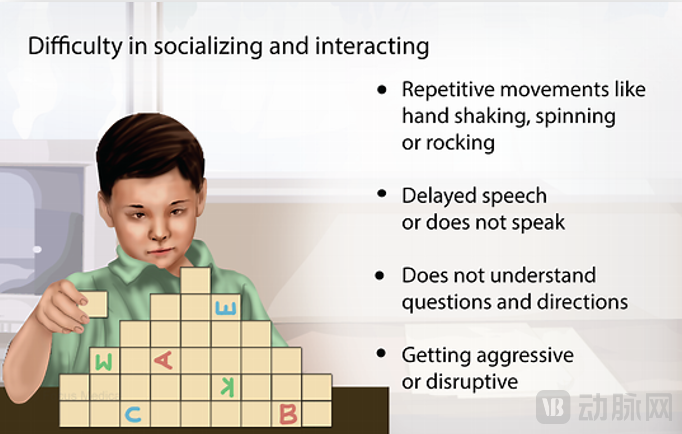
Autism is a neurodevelopmental disorder that occurs in early childhood, characterized primarily by impairments in social communication, restricted interests, and repetitive, stereotyped behaviors. It is widely recognized as having an unknown etiology and no curative medication. The World Health Organization recommends “early identification, early diagnosis, and early intervention.”
Currently, the global prevalence of autism spectrum disorder (ASD) is rising significantly. Statistics from the U.S. Centers for Disease Control and Prevention (CDC) reveal that in 2020, the prevalence of ASD among 8-year-old children in the United States surged to 2.76%, while the rate among 4-year-olds reached 2.17%. Moreover, the prevalence rates among Black, Asian, and Hispanic populations have become comparable to those among White individuals. In China, the prevalence of ASD among children is conservatively estimated at 0.7%, with the total number of individuals with ASD exceeding 10 million, including over 2.5 million preschool-aged children. This population continues to grow by nearly 100,000 individuals annually. In the United States, the economic losses attributed to ASD in terms of healthcare, special education, and reduced family productivity are projected to reach $461 billion by 2025. In China, the cost of rehabilitation and intervention for ASD amounted to 182.4 billion yuan in 2021, imposing a substantial economic burden on society and families. Since ASD was officially classified as a mental disability in 2006, the Chinese government has continuously introduced supportive policies to enhance assistance and security measures. Document No. 12 [2022] issued by the General Office of the National Health Commission explicitly outlines standards for screening and intervention services for ASD in children aged 0–6 years, further promoting the scientific rigor and standardization of ASD diagnosis and treatment services.

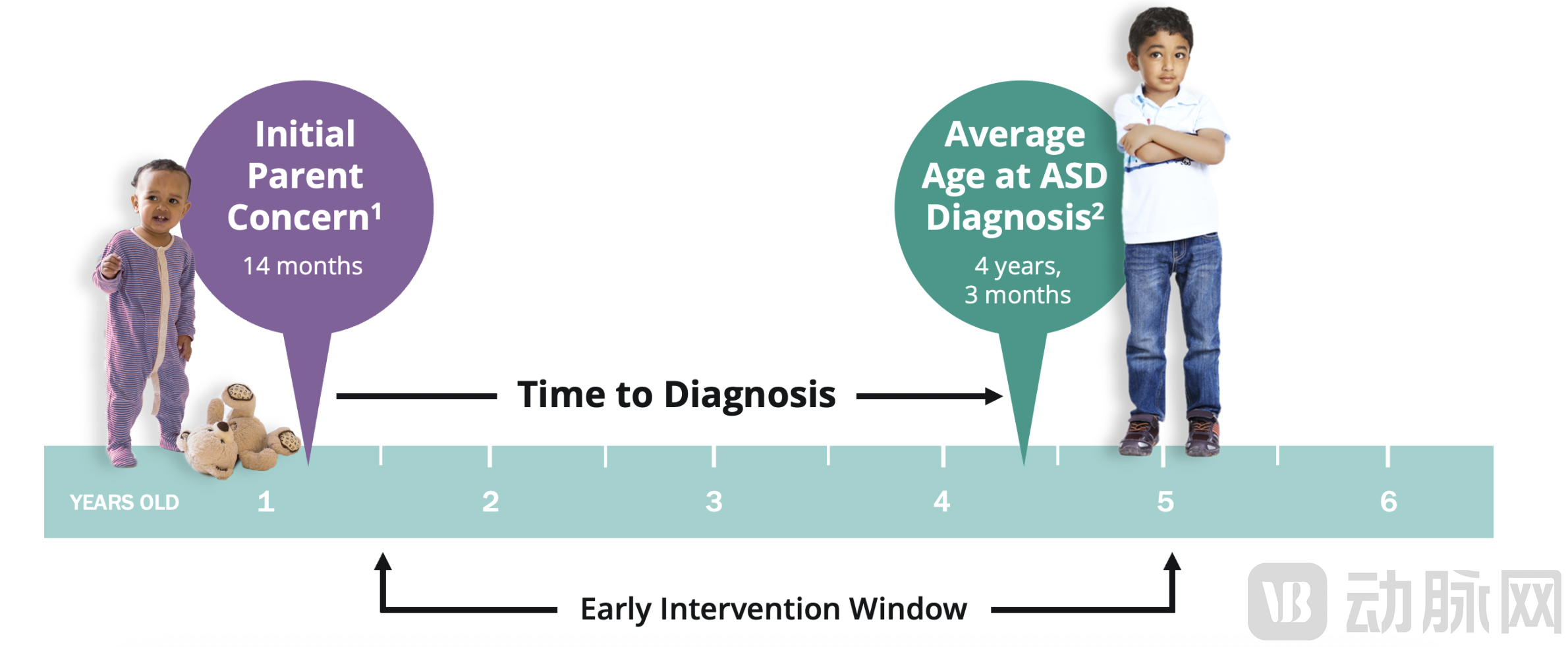
Dr. Wang Zhuo, Chairman of AidekangCurrent Challenges and Intelligent Solutions in the Pediatric Autism MarketThe current market for pediatric autism faces practical dilemmas, including a shortage of professionals, low diagnostic and treatment efficiency, lack of objective assessments, significant individual differences, and uneven distribution of service institutions. In particular, prolonged diagnostic cycles cause patients to miss the golden rehabilitation window between 1.5 and 5 years of age, thereby increasing the difficulty of later interventions.Leveraging neuroscience approaches to drive the intelligent upgrading of autism services, Aidekang has developed an intelligent auxiliary diagnosis and assessment system for pediatric autism based on brain-computer interface (BCI) technology and intelligent decision-making algorithms. This development builds upon the team’s long-term accumulation of technical advantages, including multimodal targeted biomarker induction paradigms, wearable hybrid brain-computer interfaces, and neural information decoding algorithms. Consequently, Aidekang has established the most comprehensive international system of EEG-based time-frequency domain biomarkers for pediatric autism.Furthermore, by integrating its strategically developed mobile internet-based early warning system, feedback-driven digital intervention system, and spontaneous non-invasive brain modulation system, Aidekang will form an intelligent solution covering the entire spatiotemporal process of “screening, diagnosis, assessment, treatment, and companionship.” This solution supports the validation of the efficacy of neurorehabilitation therapies and pharmacological treatments, meeting the urgent needs of medical units, special education schools, rehabilitation institutions, and home-based interventions.Upon market launch, the company’s products will assist physicians in efficiently screening suspected cases and quantitatively assessing intervention outcomes, while providing institutions and parents with diverse intelligent treatment and companionship solutions for autism.
Su Jun, Partner at Hefei Aiyi CapitalStatement: Aidekang is an innovative technology enterprise established through the commercialization of scientific and technological achievements by Professor Wang Zhuo’s team at the Hefei Institute of Intelligent Robotics. The other co-founders have accumulated extensive experience over many years in academia and leading medical rehabilitation companies, demonstrating strong complementary expertise. Leveraging a globally leading multimodal biomarker system, the project team has developed highly innovative, targeted, high-precision, and robust evoked stimulation paradigms along with neural information decoding algorithms. As such, the company stands as an innovator and pioneer in the field of intelligent, full-spectrum, spatiotemporal solutions for autism spectrum disorder (ASD). Ai Yi Capital is optimistic about Aidekang’s development prospects and is committed to providing long-term support to help the company emerge as a cutting-edge leader in the ASD sector.