

From Diabetic-Friendly Staples to T2D Remission: What’s Tangyou Baobao’s Next Move?
Since its establishment in 2020, Tangyou Baobao has maintained a pace of completing at least one round of financing nearly every year.
In August 2020, Tangyou Baobao was founded and secured seed funding; in April 2021, it completed a tens-of-millions-level angel round led by Tsinghua Pioneer Capital; in January 2022, it raised tens of millions in Series A financing, and by the end of the same year, it secured tens of millions in Series A+ financing from Xingtuo Capital.
What is its true appeal that has prompted investors to continually increase their stakes? We discussed the strategic planning of Tangyou Baobao with its founder, Zhu Shuiwang.
Public perception of Tangyou Baobao remains confined to its role as a provider of blood-sugar-control foods for diabetic patients that are “delicious without spiking blood glucose.” However,In September 2023, Tangyi Bangbang Reverse Internet Hospital Was Officially EstablishedAt the press conference, founder Zhu Shuiwang reaffirmed the company’s vision: to become China’s most trusted provider of non-pharmacological solutions for diabetes, helping 5 million patients with type 2 diabetes reverse their condition and achieve a medication-free life.
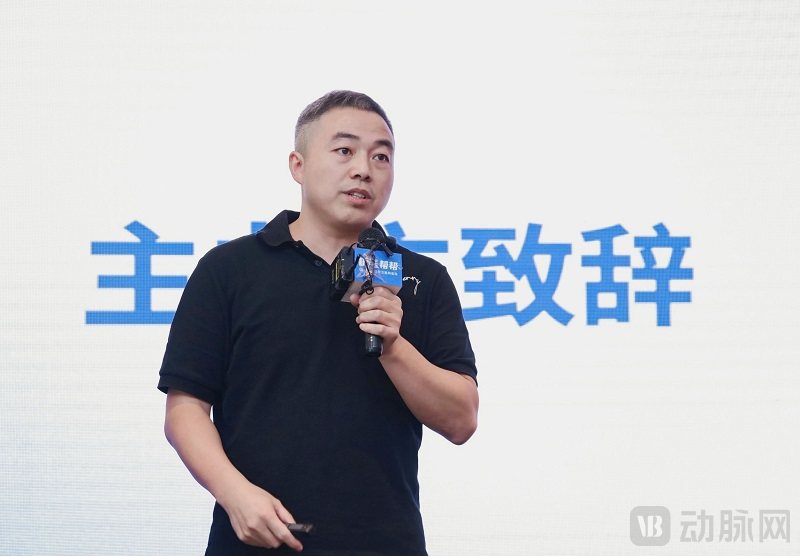
From its inception, Tangyou Baobao has been committed to serious medical care, with the ultimate goal of helping eligible patients with type 2 diabetes achieve remission and reversal through non-pharmacological interventions. Providing professional diabetic food products is merely its first step.
However, achieving remission or reversal of type 2 diabetes is easier said than done. Patient adherence remains a topic of ongoing discussion across the industry. Past cases of failed diabetes management initiatives serve as a cautionary tale for latecomers: “This path leads nowhere.”
However, Zhu Shuiwang seems to have found a new "path."
2019 was a turning point for Zhu Shuiwang.
An incident that occurred during this year became the catalyst for his founding of Tangyou Baobao. At the time, an elder in his family purchased a popular blood sugar-controlling food product on the market to better manage their glucose levels. However, the elder ultimately discarded the product simply because blood glucose measurements revealed that it failed to deliver the advertised blood sugar-control effects.
“Food items worth over 4,000 yuan were simply thrown away by her. I even asked her why she had discarded them. Although the product could still cause a rise in blood glucose levels, it would offer better glycemic control than pasta products made purely from wheat. Her response was, ‘Because it deceived me.’”
The erosion of trust among diabetes patients and the lack of blood-sugar-friendly food options for multiple elderly family members at home subtly alerted Zhu Shuiwang, a serial entrepreneur in the internet sector, to the latent demand in this area.
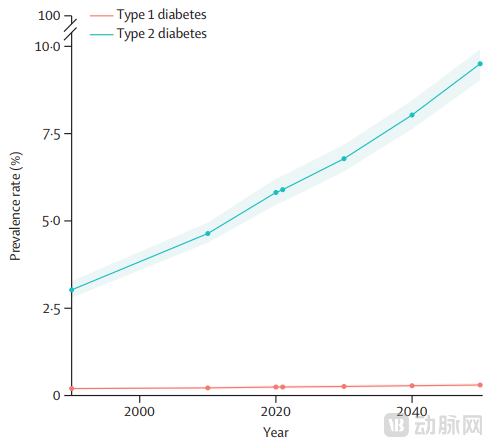
Source: The Lancet study
In June 2023, The Lancet published online the findings on diabetes from the Global Burden of Disease Study. The data revealed that in 2021, there were 529 million people with diabetes worldwide, 96% of whom had type 2 diabetes. It is projected that the global number of diabetes patients will more than double over the next 30 years, potentially reaching 1.31 billion by 2050. In China, data from the International Diabetes Federation (IDF) indicated that the number of adults with diabetes reached 140 million in 2021.
The vast patient population itself signifies a huge and urgent demand.
Zhu Shuiwang, who had no formal medical training, practically transformed himself from a layman into an “expert” on diabetes during that period. He devoured every available resource on the market, including books and videos about diabetes, as well as analytical articles and reports on non-pharmacological management of the condition. When confronted with concepts he struggled to understand, he compiled lists of questions and sought guidance from clinical experts one by one. To gain a deeper understanding of the diabetes field, Zhu even reached out to former entrepreneurs who had entered this sector, visiting them in person to learn about the industry’s pain points.
After analyzing diabetes management models both domestically and internationally, he clearly realized that the business models of foreign diabetes healthcare companies such as Livongo and Virta are viable because of the well-developed commercial insurance market abroad. However, in China, due to the immaturity of the commercial insurance sector, this model cannot be replicated. This is also the reason why most service-oriented diabetes management enterprises have failed.Zhu Shuiwang stated, “Given our national conditions and consumption habits, the reversal of type 2 diabetes should be product-oriented rather than service-oriented.”
Guided by this understanding and a keen grasp of the pain points faced by diabetic patients, Zhu Shuiwang turned his attention to staple foods, which are consumed daily by individuals with diabetes.
With the progression of time, people have long recognized the hazards associated with excessive sugar consumption. Initially, individuals attempted to replace sucrose with xylitol to reduce their intake of sucrose and free sugars, but this approach was clearly insufficient. Subsequently, low-glycemic index (GI) foods were developed in an effort to moderate blood glucose spikes through the consumption of complex carbohydrates. However, focusing solely on the glycemic index (GI value) is evidently inadequate. For instance, durian has a lower GI than watermelon, yet it contains a higher carbohydrate content. When consuming 100 grams of each, watermelon results in a more favorable glycemic load (GL) for diabetic patients compared to durian.
GL = GI value of the food × carbohydrate content (g) ÷ 100.
GL ≥ 20 is considered a high glycemic load food;
10 ≤ GL ≤ 20, indicating a medium glycemic load food;
GL ≤ 10 indicates low glycemic load foods;
Clearly, for Zhu Shuiwang, low-GI foods merely led to changes in blood glucose levels; however, patients with type 2 diabetes should pay greater attention to insulin secretion and response. Compared with consuming low-GI foods, reducing carbohydrate intake at its source is a superior approach.
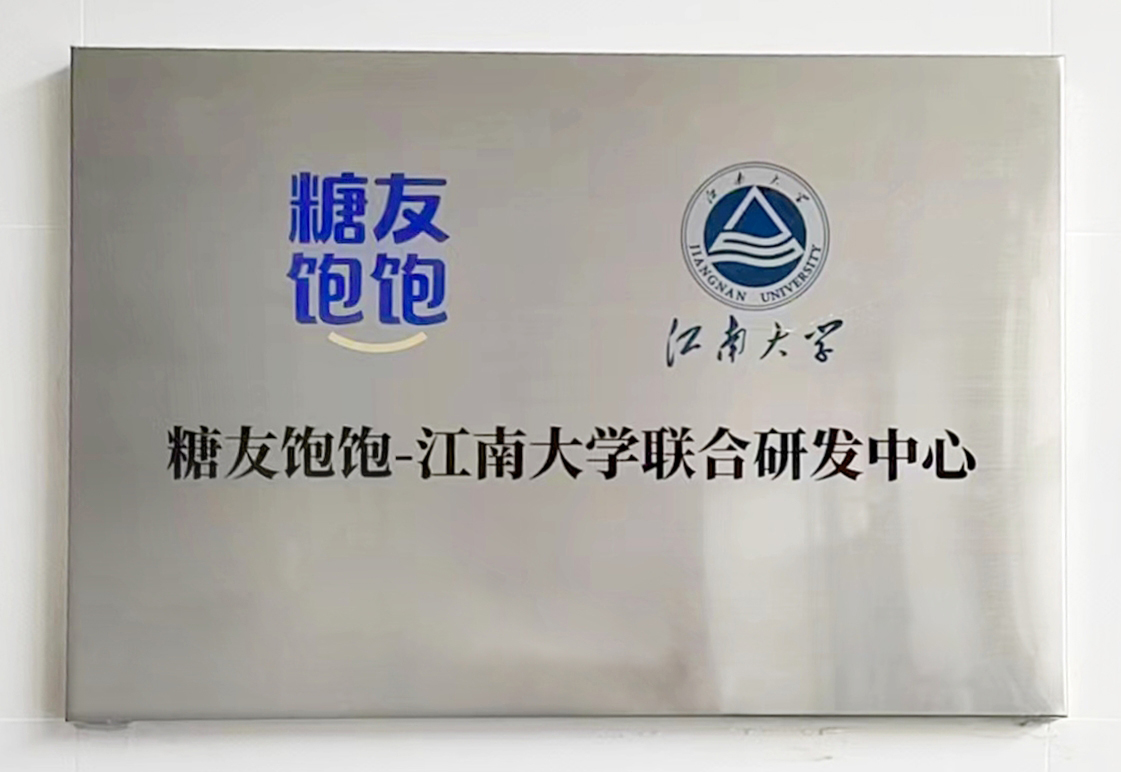
In August 2020, Tangyou Baobao was officially established, and in September of the same year, it joined hands with the School of Food Science and Technology at Jiangnan University to establish a joint research and development center, beginning to explore ways to enableⅡLow-carbohydrate foods that offer greater peace of mind for patients with type diabetes.
At its inception, Tangyou Baobao was immediately confronted with challenges in both product development and marketing.
Taking rice as an example, this refined carbohydrate accounts for a significant proportion of the Chinese diet. How to transform “rice” into a low-carbohydrate food is a major challenge that Tangyou Baobao must address.
Initially, Tangyou Baobao opted to “poach talent.” Recognizing the challenges in product research and development, many industry practitioners believed that Tangyou Baobao’s goals were unattainable. However, Tangyou Baobao chose to persevere relentlessly. “When we are convinced that something is the right thing to do, we will spare no expense to achieve it.” Many products were subsequently launched one after another, thanks to Tangyou Baobao’s unwavering commitment regardless of the costs involved.
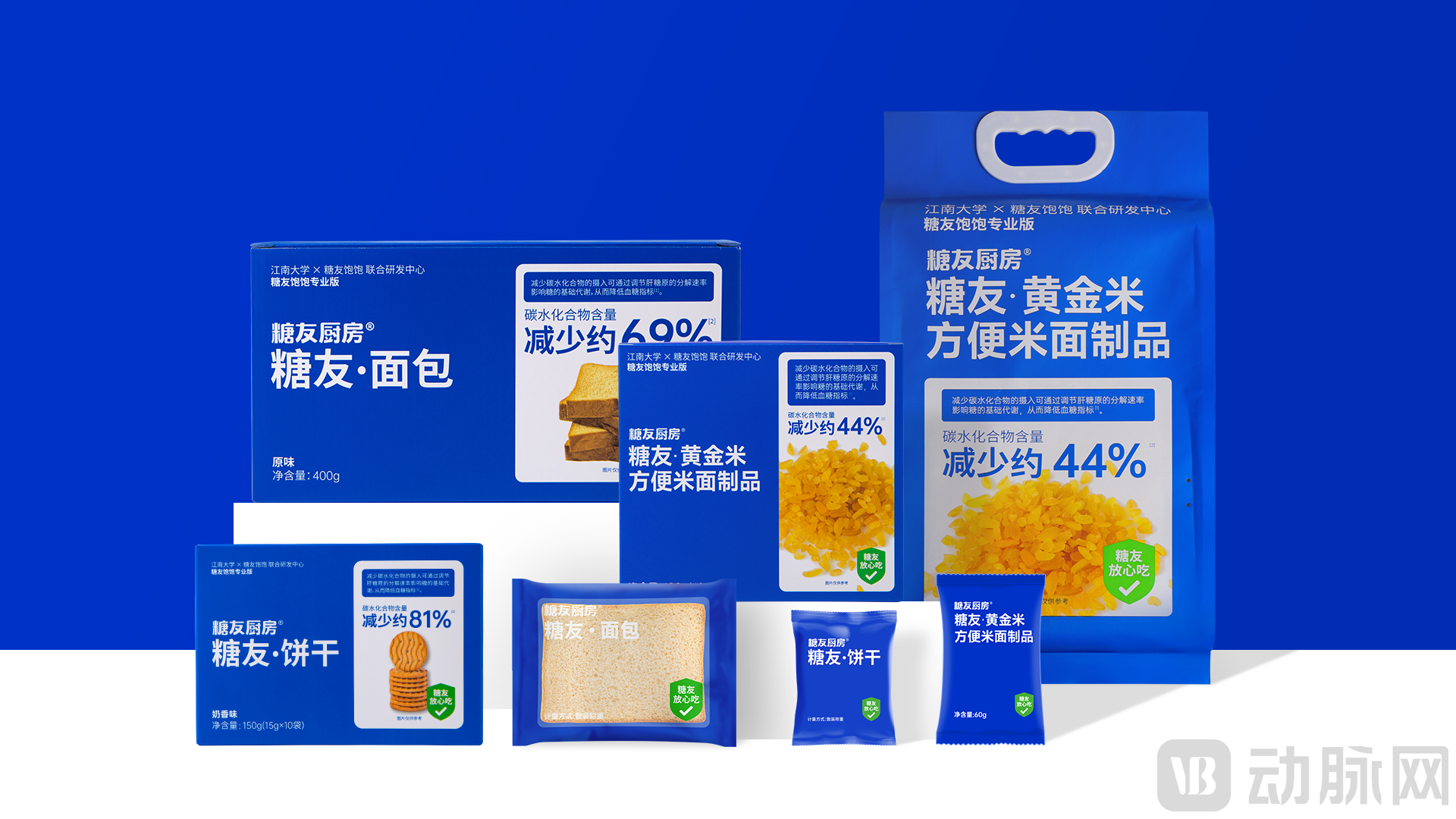
Illustrative Examples of Select Tangyou Baobao Products
To better meet the needs of patients with diabetes, Tangyou Baobao has been continuously expanding its lineup of low-carbohydrate staple foods and snacks based on patient usage scenarios, thereby achieving product upgrades and iterations. According to Zhu Shuiwang,Tangyou Baobao’s products are primarily iterated and upgraded along three dimensions: first, efficacy, ensuring that the products do not affect postprandial blood glucose levels; second, user experience, maintaining product form and texture similar to conventional rice and wheat flour to reduce psychological resistance among users; and third, gradual price optimization to make high-quality products more accessible.
To better address challenges in food research and development, Tangyou Baobao has not only partnered with the School of Food Science and Technology at Jiangnan University but also continuously collaborates with leading academician workstations and scientist workstations both domestically and internationally. Furthermore, to verify the long-term safety and efficacy of its products, Tangyou Baobao is conducting clinical trials at multiple hospitals.
Wholehearted dedication to product R&D is not only the key to successful development but also the core of effective market promotion.
In the past, many consumer product brands adopted a traffic-driven mindset in their marketing efforts, focusing on one-off transactions. However, Tangyou Baobao places greater faith in the triumph of long-termism. As Zhu Shuiwang puts it, “Rather than selling a single hit product to a million people, we aim to offer our portfolio of over 100 quality-assured products to each individual customer, enabling them to consume our related products with lasting confidence.” By delivering superior products within its niche, market promotion naturally follows suit.
By continuously recruiting top-tier R&D talent and meticulously refining its products, Tangyou Baobao launched its first product, a blood-sugar-control bread, in April 2021, achieving sales of one million bags within just two months.
In Zhu Shuiwang’s view, the product’s explosive sales reflect the long-standing, unaddressed pain points of diabetes patients, with its rapid uptake driven by word-of-mouth recommendations among people with diabetes. Subsequently, Tangyou Baobao did not rest on its laurels but continuously refined aspects such as product taste, thereby earning genuine recognition from the diabetes community.
Trust in the brand among diabetic patients has begun to take shape.
For Zhu Shuiwang, Tangyou Baobao is not merely an e-commerce company specializing in food products for individuals with diabetes, but rather a medical technology company focused on the field of diabetes. A noteworthy detail is that Tangyou Baobao established the position of Medical Director in its second year of operation, even while its food products were still under intensive research and development.
This is, to some extent, related to the strategic layout of Tangyou Baobao.
In exploring the etiology of type 2 diabetes, Zhu Shuiwang discovered that hyperglycemia is merely a manifestation of the disease, while insulin resistance is the key factor. Insulin resistance leads to higher-than-normal blood insulin levels in patients with early-stage type 2 diabetes, resulting in a state of both hyperglycemia and hyperinsulinemia. Prolonged insulin resistance causes compensatory over-secretion of insulin, which ultimately leads to the loss of pancreatic islet function over time.
Causes of insulin resistance are often considered to be associated with the PK13 pathway, inflammatory responses, and signaling pathways. At a macro level, it is strongly correlated with factors such as excessive total sugar intake and excess visceral fat.
From the perspective of the pathogenesis of type 2 diabetes, is it possible to achieve reversal in patients with this condition? The answer is affirmative. Since 1997, numerous journal articles have indicated that type 2 diabetes is preventable, treatable, and reversible (or can go into remission). In 2021, China officially released the “Chinese Expert Consensus on the Remission of Type 2 Diabetes,” which clearly defines remission (reversal), establishes diagnostic criteria, and provides recommendations for treatment protocols.
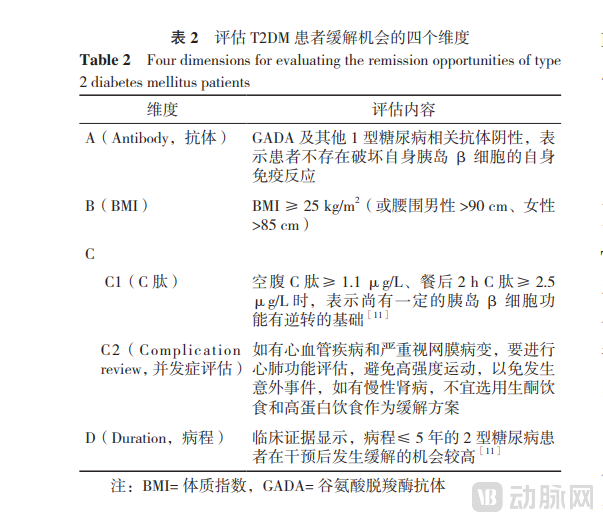
Image source: "Chinese Expert Consensus on Remission of Type 2 Diabetes"
Diabetes itself is incurable; however, effective measures can delay the onset of the disease in high-risk populations, potentially preventing it entirely throughout their lifetime. For patients already diagnosed with diabetes, these measures can postpone the development of complications, possibly avoiding them altogether. This is particularly relevant for early-stage, overweight patients with type 2 diabetes, for whom non-pharmacological interventions can restore metabolic indicators (including blood glucose) to normal levels, achieve clinical remission, and even enable some patients to discontinue antidiabetic medications. This has become an increasingly accepted fact in clinical practice.
However, companies previously engaged in diabetes patient management have often faced two core challenges in establishing their business models:
First, service-oriented diabetes management companies need to teach patients how to self-monitor their blood glucose levels. However, once patients master this skill, they often exhibit low loyalty toward these companies, making the business model difficult to sustain. Second, patient adherence remains a pervasive challenge in diabetes management. It has become a significant difficulty to achieve effective blood glucose control without conflicting with patients’ lifestyle habits.
Furthermore, for Zhu Shuiwang, the endpoint of type 2 diabetes management is achieving reversal (remission). This is a new standard that has only been clarified in recent years; consequently, the industry previously focused merely on simple patient management rather than addressing this “endpoint.”
Zhu Shuiwang has adopted a new approach centered on products, aiming for frictionless substitution while ensuring efficacy, and achieving the reversal of type 2 diabetes through an integrated model of effective products, visualized efficiency tools, and professional medical services. “Compared to similar solutions on the market that often cost tens of thousands of yuan, our goal is to help patients with type 2 diabetes effectively stabilize their blood glucose levels without medication, at a daily cost of only 100 yuan. We aim to make this affordable solution benefit more patients,” said Zhu Shuiwang.
Guided by this strategic thinking, Tangyou Baobao took its first step by developing effective products that meet the needs of diabetic patients; it then took its second step by creating an effective solution to achieve “remission” in patients with type 2 diabetes.
On one hand, Tangyou Baobao has improved patient adherence by developing low-carbohydrate food products, allowing patients to maintain their original dietary habits. Compared with traditional bread and biscuit solutions, Tangyou Baobao’s “Tangyou Kitchen” not only offers quick-consumption items such as bread and biscuits but also provides low-carbohydrate staple foods like rice and noodles, which better align with Chinese dietary preferences. Furthermore, Tangyou Baobao addresses the nutritional needs of individuals with diabetes by creating the “All-Cause Reversal” medical nutrition brand. This approach fully meets the daily dietary and nutritional requirements of diabetic patients. By integrating services into its products, the company adopts a product-oriented strategy to help patients achieve better blood glucose control. From a commercial perspective, this also ensures the sustainability of its business model.
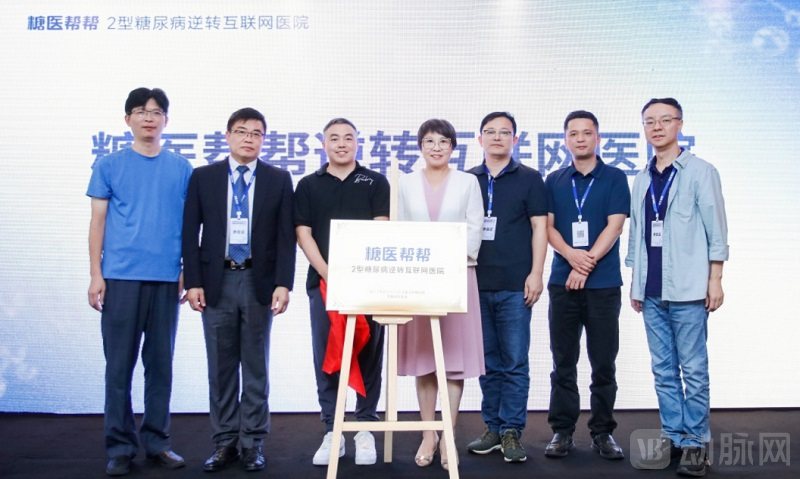
From left to right,Professor Qian Haifeng, School of Food Science and Technology, Jiangnan University,Professor Yang Nailong, the Affiliated Hospital of Qingdao University,Founder of Tangyou Baobao, Zhu Shuiwang,Professor Guo Xiaohui, Peking University First Hospital
On the other hand, through its subsidiary Tangyi Bangbang Reverse Internet Hospital, it provides effective solutions for patients with type 2 diabetes. The maturity of continuous glucose monitoring (CGM) technology has made such solutions possible. Furthermore, the substitution of CGM devices with domestically produced alternatives has further reduced the overall cost of the Tangyou Baobao comprehensive solution. Patients with type 2 diabetes who meet the reversal criteria can achieve reversal or remission within a 3- to 6-month period.In contrast to the service-fee-based business model, Tangyou Baobao has proposed its own “upgrade logic”: offering foods and nutritional supplements with greater perceived value, while anchoring the price at RMB 100 per day. This combination delivers a stronger sense of value and satisfaction to users.
In this regard, Zhu Shuiwang stated, “Routine management services, such as continuous glucose monitors (CGMs) and the ‘Three-Coach’ service model, are certainly essential components of the solution and represent fundamental industry competencies. Our approach focuses on optimization and upgrading based on these foundations.”
Zhu Shuiwang also mentioned,The biggest challenge facing this model may stem from the perceptions of doctors and patients; Tangyou Baobao needs to address the asymmetry of medical information.
In fact, awareness of “reversal” of type 2 diabetes is continuously rising in China. In May 2021, the Chinese Expert Consensus on Remission of Type 2 Diabetes was released, progressively shaping physicians’ understanding; subsequently, numerous hospitals began promoting the “reversal” of type 2 diabetes. Influenced by policies such as centralized volume-based procurement, more hospitals are exploring better approaches to help manage patients with diabetes, and “reversal” is undoubtedly one of these strategies.
Currently, Tangyou Baobao is also planning to further accelerate the development of its clinical trials and in-house blood glucose laboratory, and will release relevant data as soon as possible to enhance awareness among both physicians and patients.
For Zhu Shuiwang, the goal is clear: within the next year, Tangyou Baobao aims to help 10,000 patients with type 2 diabetes stabilize their blood sugar levels without medication; over a longer-term horizon of ten years, Tangyou Baobao hopes to help as many as 5 million patients with type 2 diabetes achieve “remission.”
The task may seem daunting, but Tang You Bao Bao appears full of confidence.