

The Digital Era of Oncology Care: Digital Therapeutics and Oncology Forum at the 2023 World Digital Therapeutics Congress Successfully Concludes

Since the onset of the COVID-19 pandemic, traditional internet-based healthcare has played a positive role in facilitating online consultations and medication delivery for patients. However, significant gaps remain in supporting continuous treatment and proactive patient management. Patient adherence to traditional digital health services and health management programs is low, resulting in suboptimal overall treatment and rehabilitation outcomes. Currently, digital therapeutics for oncology have emerged as a new direction in the development of precision oncology, demonstrating substantial application potential in early cancer screening, precise diagnosis, and the design of personalized treatment regimens.
August 25, 2023,Hosted by Beijing Danhuang Technology Co., Ltd., co-organized by Chongqing Dongmaicheng Technology Co., Ltd. and Hainan Danhuang Technology Co., Ltd., with support from the Digital Therapeutics Committee of the China Association for Medical Devices Industry, the UK Department for Business and Trade, and the Australian Trade and Investment Commission, and in strategic partnership with AstraZeneca Investment (China) Co., Ltd. and Hainan Eco-Software Parkof2023 World Digital Therapeutics ConferenceConcluded successfully at the Hilton Haikou Meilan Hotel in Haikou, Hainan.
held in the afternoonDigital Therapeutics and Oncology: The Main ForumForum, Director of the Healthcare and Life Technology Division at China RenaissanceJia Yankicked off under the auspices of , with in-depth discussions at the forum covering clinical research in drug development, optimization of treatment regimens, and practices in whole-course disease management. Distinguished attendees included professors and chief physicians from the Department of Medical Oncology at Shanghai Changzheng HospitalWang Jiejun, Director of the Phase I Clinical Trial Research Office, Peking University People's HospitalFang Yi, Deputy Director of the Shanghai Cancer InstituteLiu Peifeng, Deputy Chief Physician and Ethics Director, GCP Center, Cancer Hospital, Chinese Academy of Medical SciencesWu Dawei, Senior Vice President of Takeda Pharmaceutical Company Limited and President of Takeda ChinaShan Guohong, Chief Medical Officer for Elsevier Greater China, MD from New York University School of MedicineYao Yixin, CEO of Aikai MedicalZhu Wei。
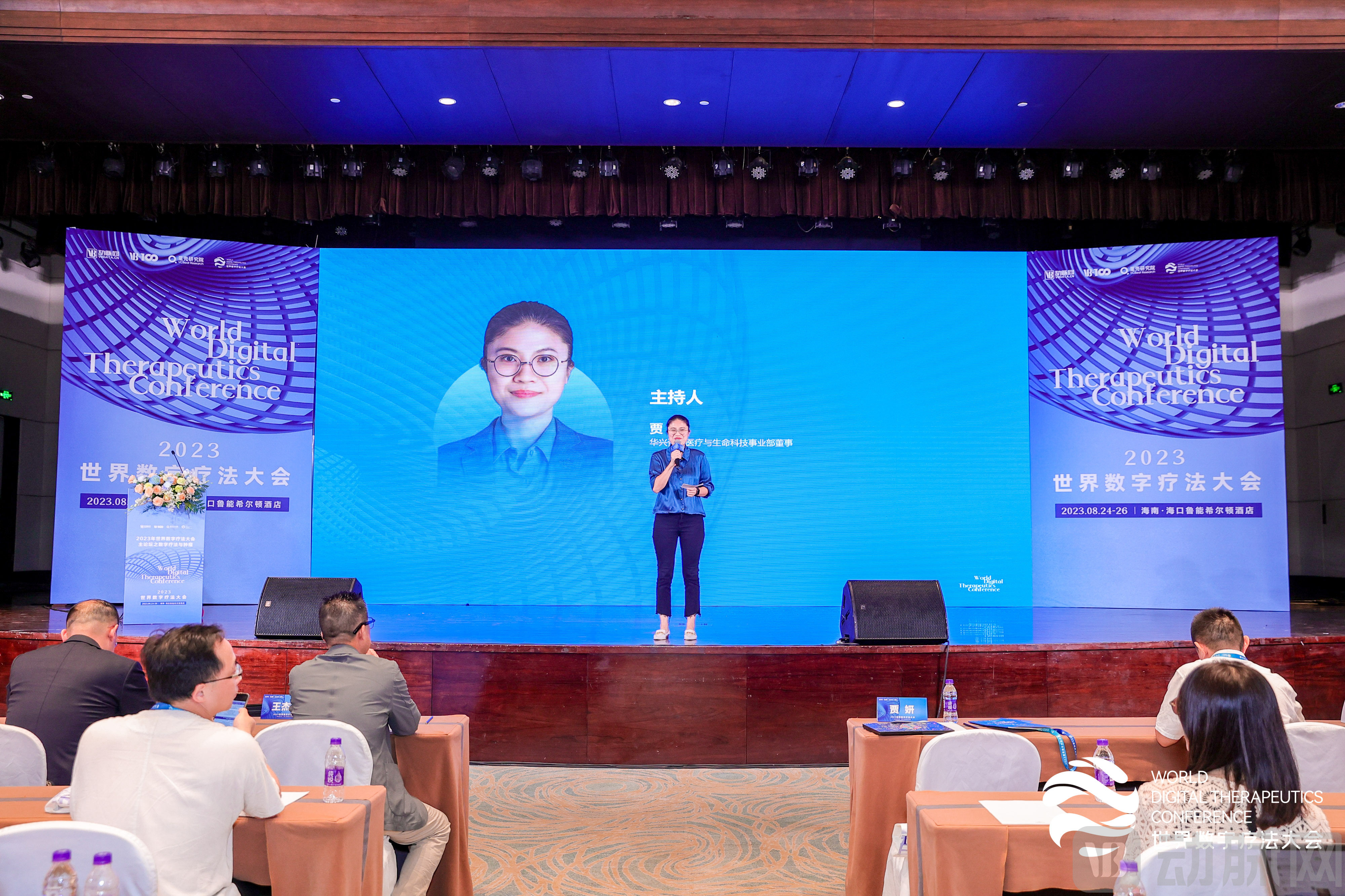
Moderator: Jia Yan | Director, Healthcare and Life Sciences Division, China Renaissance
Digital Health: A New Choice for Comprehensive Cancer Care Management
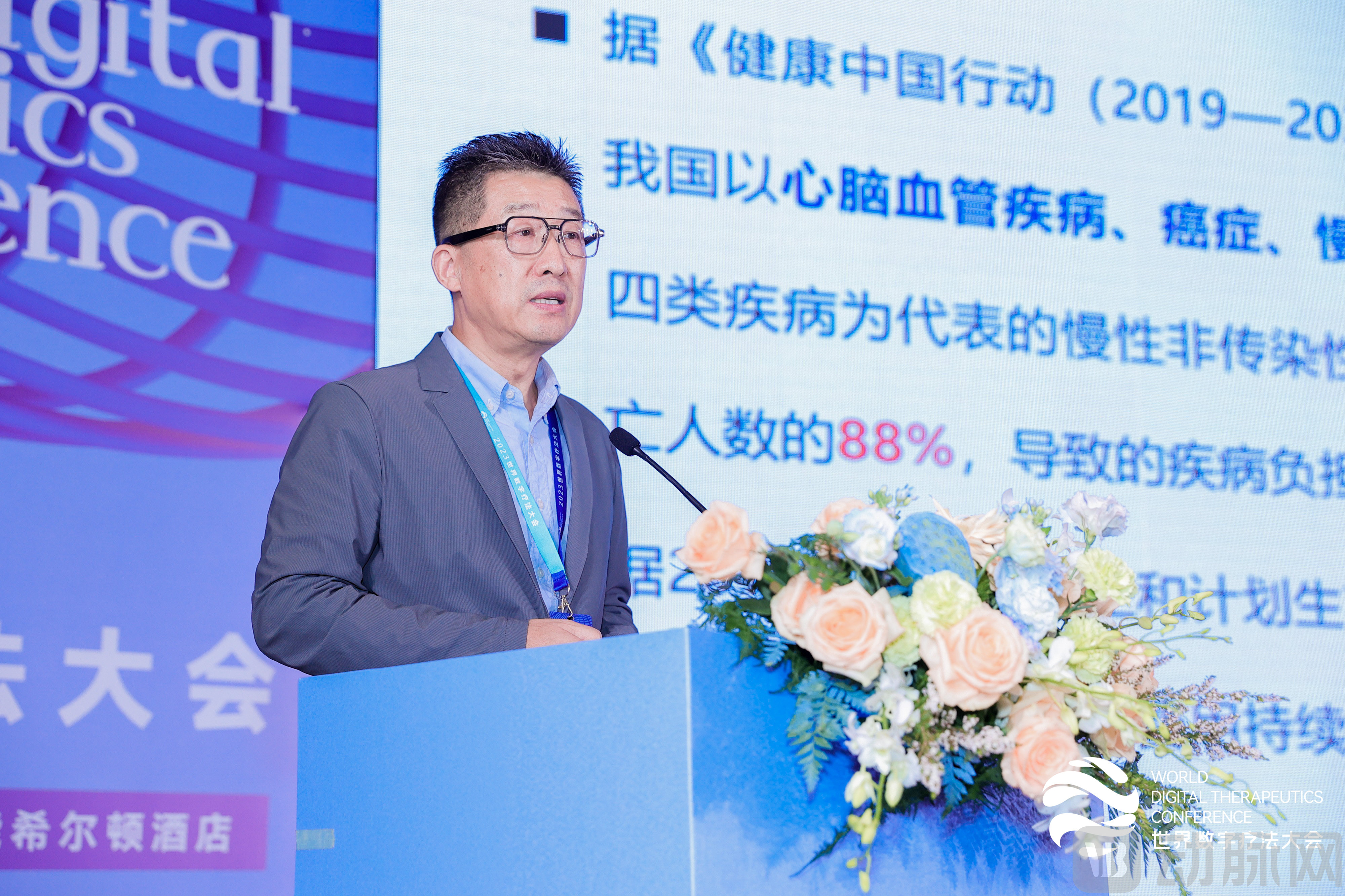
Wang Jiejun | Professor and Chief Physician, Department of Medical Oncology, Shanghai Changzheng Hospital
The surge in digital therapeutics is driven by fundamental shifts in underlying science, creating new opportunities for oncology diagnosis and treatment. Mr. Wang Jiejun shared insights on cancer management from a physician’s perspective. Who stands to benefit from the clinical adoption of digital therapeutics? There are five key stakeholders: First, patients, as a patient-centric approach improves accessibility to care, enabling better access to high-quality medical resources. Second, the government, which can promote these solutions at low cost and scale them to primary care settings. Third, healthcare institutions, where effective remote doctor-patient interactions can enhance operational efficiency, patient satisfaction, and doctor-patient engagement. Fourth, pharmaceutical and medical device companies, as digital therapeutics can leverage real-world data feedback from drugs, devices, and software to support real-world evidence studies and disease management, thereby informing pipeline R&D and product upgrades. Fifth, payers/insurers, as the data-driven precision of digital therapeutics enables patient monitoring and rational medication use, while also providing rapid decision-making capabilities to optimize treatment plans, aligning well with insurers’ cost-containment objectives.
Innovative R&D and Challenges in Therapeutic Drugs for Autoimmune Diseases
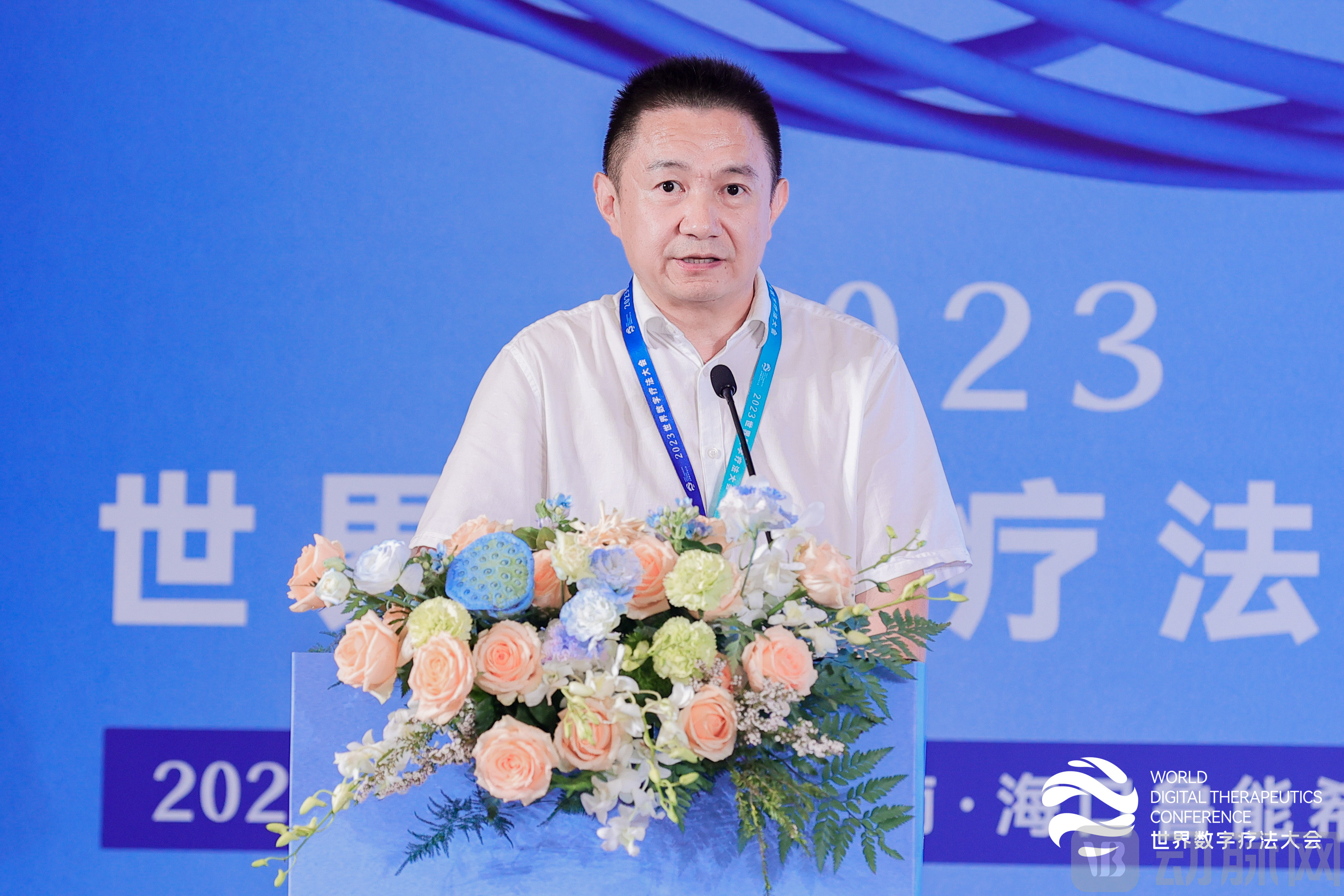
Fang Yi | Director, Phase I Clinical Trial Research Center, Peking University People's Hospital
Professor Fang Yi pointed out that data collection and R&D support based on digital therapeutics still require in-depth exploration, as hospitals, digital therapeutics companies, and Internet-plus hospitals are currently relying on conventional medical services. At the event, he elaborated on treatment methods and regimens for autoimmune diseases. Clinical trials have found that new drugs can sustainably treat autoimmune conditions such as rheumatoid arthritis by increasing regulatory T cells and decreasing effector T cells. This confirms that restoring the balance of immune cells can fundamentally cure autoimmune diseases, thereby changing the long-term reliance on medication. He recommended leveraging big data from digital healthcare to conduct multicenter studies with expanded sample sizes to verify efficacy, and to explore the potential of traditional Chinese medicine in modulating immunity.
Antitumor Nucleic Acid Nanodrugs
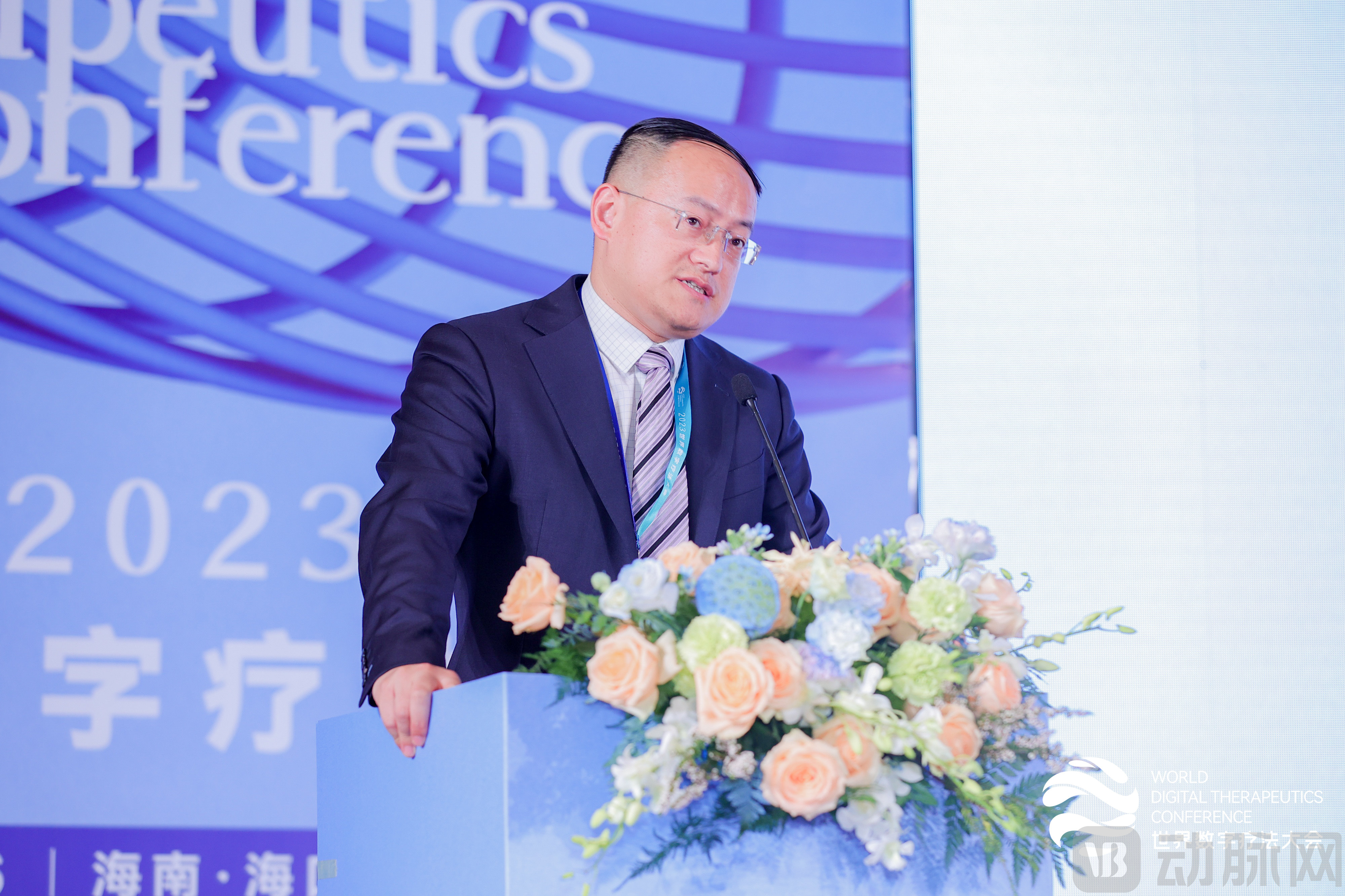
Liu Peifeng | Deputy Director, Shanghai Cancer Institute
Nucleic acid therapeutics have garnered increasing attention in the wake of the COVID-19 pandemic. Unlike small-molecule drugs and antibody-based therapies, they offer high precision and controllability, along with convenient development and target-binding design. Liu Peifeng pointed out that carrier-mediated delivery represents a bottleneck in the development of nucleic acid therapeutics, and effective delivery is fundamental to achieving high therapeutic efficacy. He emphasized that their distinction from small-molecule and macromolecular drugs lies in their precise controllability and the ease of development and target-specific design. Leveraging the advantages of precise nucleic acid assembly, multi-level controllability, and simplified design, Liu Peifeng’s team has constructed an integrated, highly efficient delivery system for nucleic acid therapeutics by combining carriers and drugs. This approach is primarily characterized by: (1) achieving high drug loading efficiency through the natural flexibility of nucleic acids and precise base pairing; (2) enabling efficient delivery via the interaction between bases and phenylboronic acid; and (3) realizing synergistic therapy through hybrid assembly with conventional drugs. This strategy can deliver any type of nucleic acid-based drug, providing a new approach for the effective treatment of tumors using nucleic acid therapeutics.
Application of Digital Technology in Clinical Studies of Novel Oncology Drugs
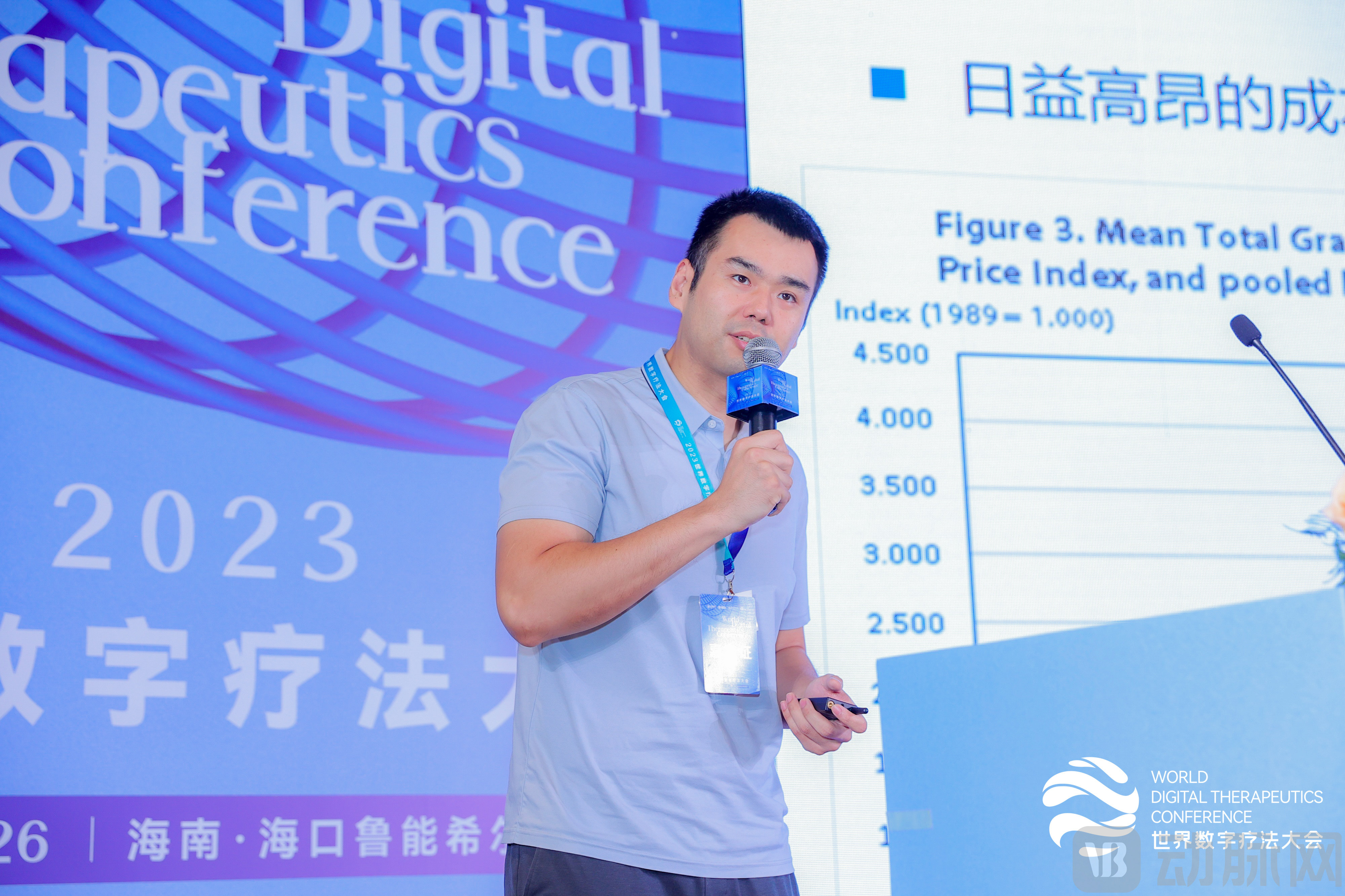
Wu Dawei | Associate Chief Physician, GCP Center, National Cancer Center/Cancer Hospital, Chinese Academy of Medical Sciences; Ethics Director
From the perspective of frontline researchers, Mr. Wu Dawei shared insights on the practical implementation of digital technologies in oncology clinical research, particularly in clinical trials of new drugs. He pointed out that the application of digital technologies in oncology clinical research is currently characterized by a lack of fully digital infrastructure, with hybrid models being predominantly adopted. The key elements of digitalization in oncology clinical research focus on intelligent patient recruitment, electronic data capture, and remote medication/subject management. Finally, regarding the challenges of applying digital technologies in oncology clinical research, he highlighted several critical issues, including patients’ preference for in-person visits, limited acceptance of new technologies, the allocation of responsibilities, authority, and benefits among sponsors and research centers, patient privacy and data security, and cost-effectiveness ratios.
Digital Therapeutics Innovation Brings Disruptive Solutions

Guohong Shan | Senior Vice President, Global, Takeda Pharmaceutical Company Limited; President, Takeda China
Mr. Shan Guohong introduced that in recent years, Takeda China has actively embraced the digitalization trend in the pharmaceutical and healthcare sector, continuously exploring innovative technological solutions to accelerate patient benefits. A highly representative initiative in this regard is the launch of myPKFiT, the first and only recombinant Factor VIII (FVIII) dosing guidance software approved for market entry by the National Medical Products Administration (NMPA) in China. Meanwhile, Takeda China is committed to leveraging its open innovation incubation platform, TakedaSpark, to collaborate with local innovation partners in developing digital health solutions, exploring high-value innovative medical approaches and scalable implementation scenarios. When discussing recommendations and visions for the digital ecosystem, he emphasized the need to address the challenge of “digital silos,” accelerate registration and approval processes, and provide greater support for market access and commercialization of digital therapeutics. Finally, he called for improving the medical security system for digital therapeutics and expanding the range of disease areas covered under the “digital therapeutics + commercial insurance” model.
Lessons from AI in Quality Control for Oncology Treatment
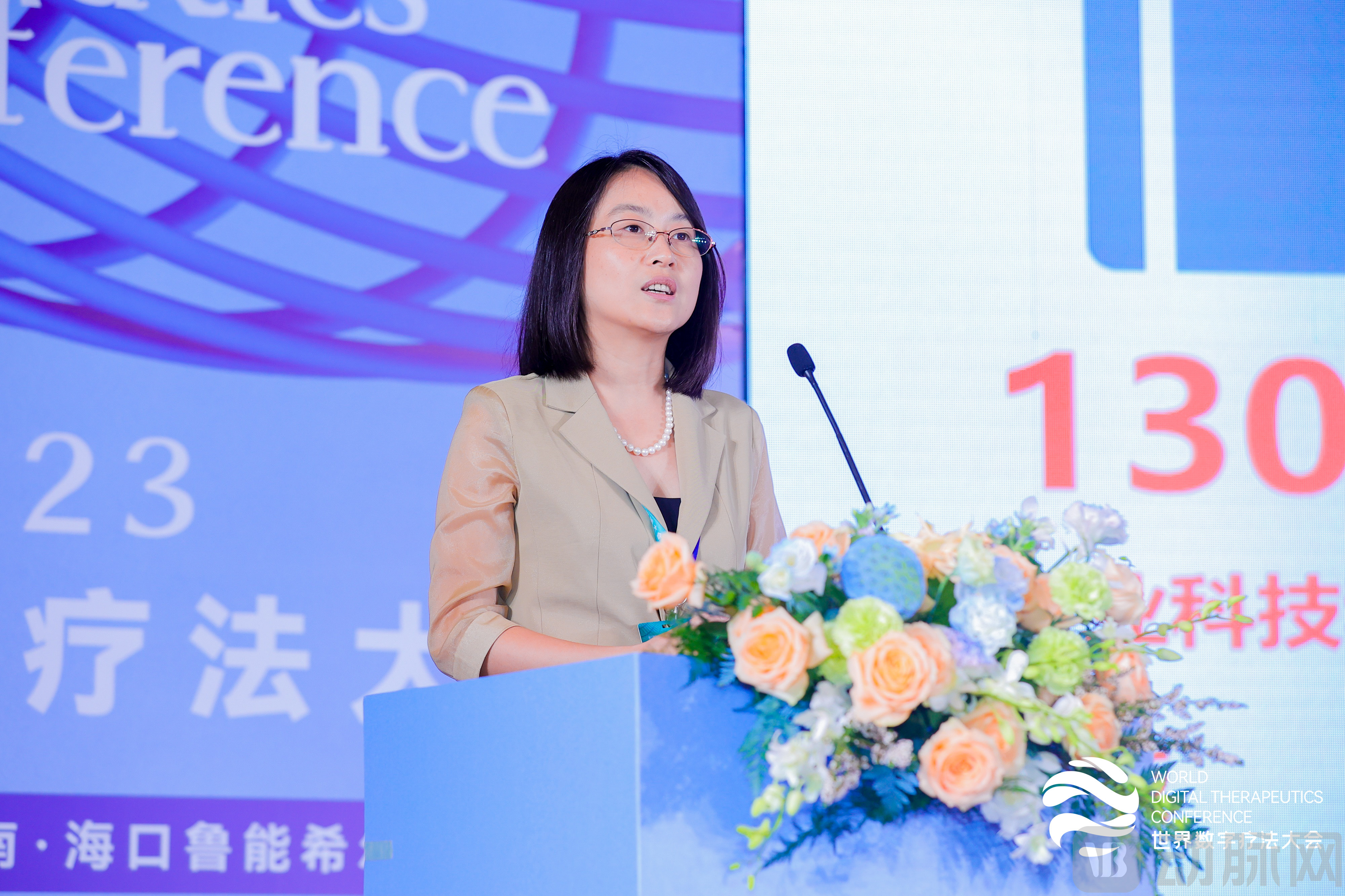
Yao Yixin | Chief Medical Officer, Elsevier Greater China; PhD, New York University School of Medicine
Ms. Yao Yixin introduced that the hospital is currently responding to healthcare insurance reforms by establishing clinical care pathways and embedding data analytics to demonstrate treatment efficacy. Artificial intelligence (AI) can play a role in various stages of oncology diagnosis and treatment, such as assisting in the development of early warning systems and integrating medical record data. Furthermore, AI-assisted electronic medical records (EMRs) are crucial throughout the entire diagnostic and therapeutic process, helping to achieve standardization and integrate medical histories with laboratory test results. In the realm of medical education, digitalization has also transformed teaching models, with students now learning through new methods such as pre-study, simulation-based training, and interactive teaching platforms.
Evidence-Based Practice Sharing of AI Large Model-Driven Digital Therapeutics for Oncology
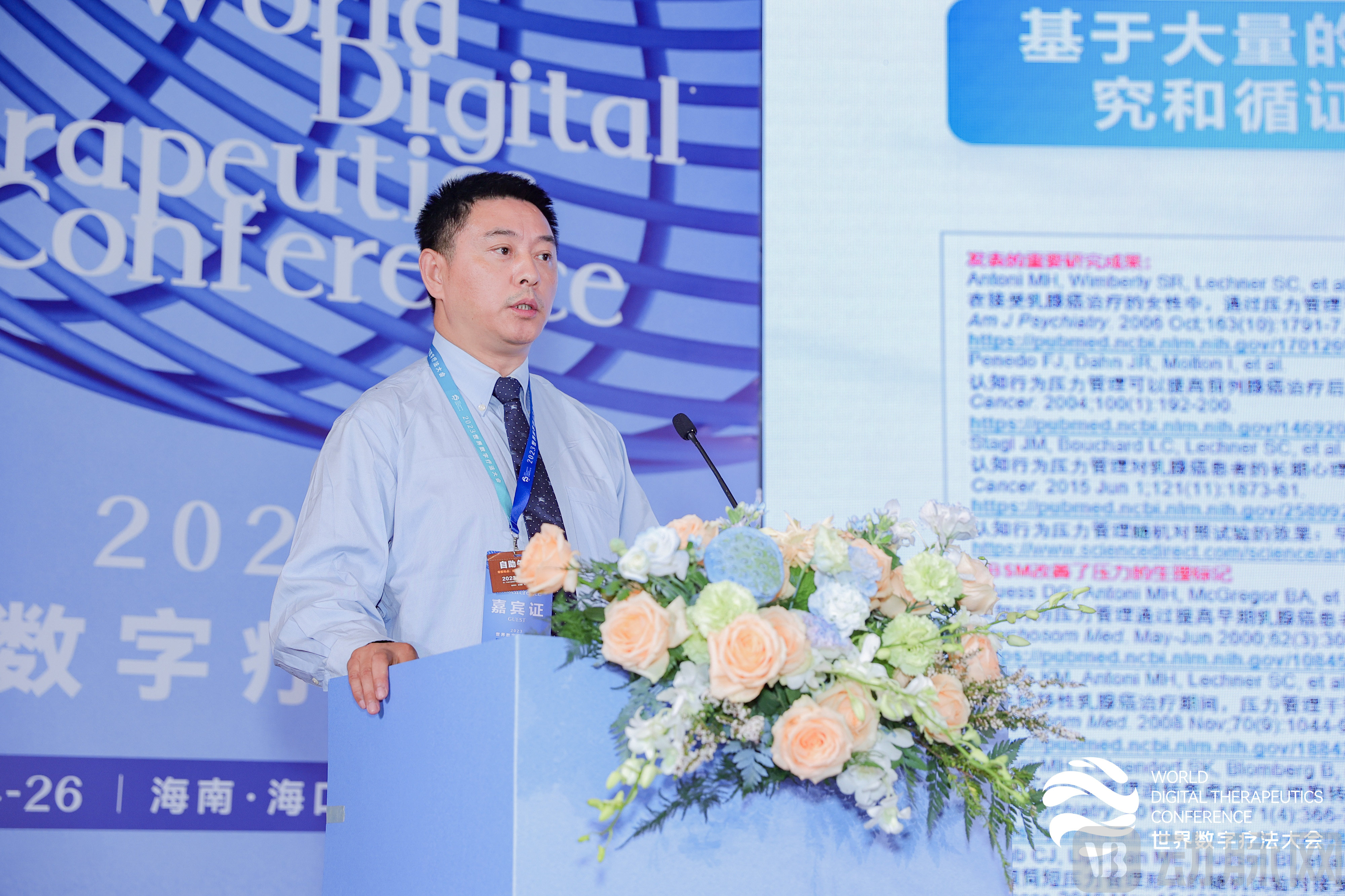
Zhu Wei | CEO of Aikai Medical
When discussing the product design of Aikai Medical, Mr. Zhu Wei emphasized three key aspects: extensive scientific research and evidence-based validation, an evidence-based knowledge system for cognitive behavioral interventions, and evidence-based treatment protocols. He illustrated these points using “Yueran Space,” the company’s first digital therapeutic for cancer-related stress relief, as a case study. The product was developed based on the following principles: First, it is grounded in proven cognitive behavioral therapy (CBT) designed by internationally renowned experts. Second, it effectively addresses cognitive restructuring and behavioral change throughout the intervention process. Third, it employs various AI algorithms to provide timely interventions and dynamically adjust the algorithms. Fourth, it enables real-time diagnosis and analysis, tracks treatment progress through digital phenotyping, and collects user feedback.
Conference Time:August 24–26, 2023
Venue:China · Hainan Province · Haikou City · Hilton Haikou Meilan
Hosted by:Beijing Danhuang Technology Co., Ltd. (VB100, VCBeat, VCBeat)
Organizer:Chongqing VCBeat Orange Technology Co., Ltd., Hainan Egg Yolk Technology Co., Ltd.
Supporting Organizations:China Medical Device Industry Association Digital Therapeutics Committee, UK Department for Business and Trade, Austrade
Strategic Cooperation:AstraZeneca Investment (China) Co., Ltd., Hainan Ecological Software Park
Supporting Organizations:Changling Capital, Danlu Capital, China Renaissance Capital, Maibo Capital, STOB Capital, Yuanhe Origin
Partners:Hainan Free Trade Port Haikou Fuxing City Internet Information Industrial Park, Xuzhishi Technology, Bingpian Technology, Hejia Jiannao, Hengrui Medicine, NetRain, Nansu Technology, Shangyi Information Technology, Weiyun Artificial Intelligence, Xiezi Incubator, Zheng'an Health, Zhilan Health
Media Partners:Medical and Investment Communities,Meibo Healthcare, Bioon, Wanyi Medical, Yao Fangzhou, Pharma Linker, Fanyishengkang, Bio Valley, Quick Doctor Consultation, E-Drug Manager, Baijing Chuhai, Peptide TIMEDOO, Qingsong Club, Wind, Precision Home BiomedLink, Huihui Yaoka, Shushuyuan, MagKe Network, Siqi Circle, GeekNet, Xiaojudeng Network, Finet.com, Zhiyi News, CHC Medical Media