

Successful Launch of the 'Digital Therapeutics in Brain Science and Cognitive Neuroscience' Forum at the 2023 World Digital Therapeutics Congress
In recent yearsThe cross-disciplinary integration of digital therapeutics with brain science and cognitive neuroscience has created new opportunities for the precise diagnosis and treatment of neurological disorders. Cognitive training and intervention methods based on digital technologies such as virtual reality and brain-computer interfaces are continually emerging, and their efficacy in treating neurological conditions—including sleep disorders, attention-deficit/hyperactivity disorder (ADHD) in children, autism spectrum disorder (ASD) in children, Parkinson’s disease, and depression—has been thoroughly validated.
To delve into and exchange the latest exploratory achievements in brain science, cognitive neuroscience, and digital therapeutics,On August 25, 2023, byHosted by Beijing Danhuang Technology Co., Ltd., organized by Chongqing Dongmaicheng Technology Co., Ltd. and Hainan Danhuang Technology Co., Ltd., with support from the Digital Therapeutics Professional Committee of the China Association for Medical Device Industry, the UK Department for Business and Trade, and the Australian Trade and Investment Commission, and strategic partnership with AstraZeneca Investment (China) Co., Ltd. and Hainan Eco-Software ParkCooperativeThe main forum on “Digital Therapeutics, Brain Science, and Cognitive Neuroscience” held at the 2023 World Digital Therapeutics Conference was successfully convened at the Hilton Haikou Luneng Hotel in Haikou, Hainan.
The conference is being held atFan Fangfang, Investment Partner, Medical Business Division, Guoke Longhui, the event kicked off under the auspices of . The first guest to deliver a presentation wasJiang Tianzi, Director of the Brain Network Group Research Center at the Institute of Automation, Chinese Academy of Sciences, and Foreign Member of the Academia Europaea, he presented a talk titled “Connectome Atlas-Guided Precision Diagnosis and Treatment of Brain Disorders.” Professor Jiang Tianzi explained that brain atlas construction involves parcellating the brain into structurally and functionally distinct regions, representing an interdisciplinary field at the intersection of information science and neuroscience. The connectome atlas integrates fine-grained brain parcellation with brain connectivity maps, yielding a novel in vivo brain atlas characterized by more refined regional delineations and subregional anatomical and functional connectivity patterns. The connectome atlas plays two major roles in the precision diagnosis and treatment of brain disorders: first, it facilitates the discovery of objective, quantitative biomarkers for early diagnosis; second, it helps identify precise therapeutic targets. In future developments, it will be possible to integrate information across different spatiotemporal scales to construct cross-scale, multimodal connectome atlases, thereby promotingDeep Integration Among “Brain Science, Brain Disorders, and Brain-Computer Integration” Research

(Fan Fangfang, Investment Partner of the Medical Business Division at Guoke Longhui)
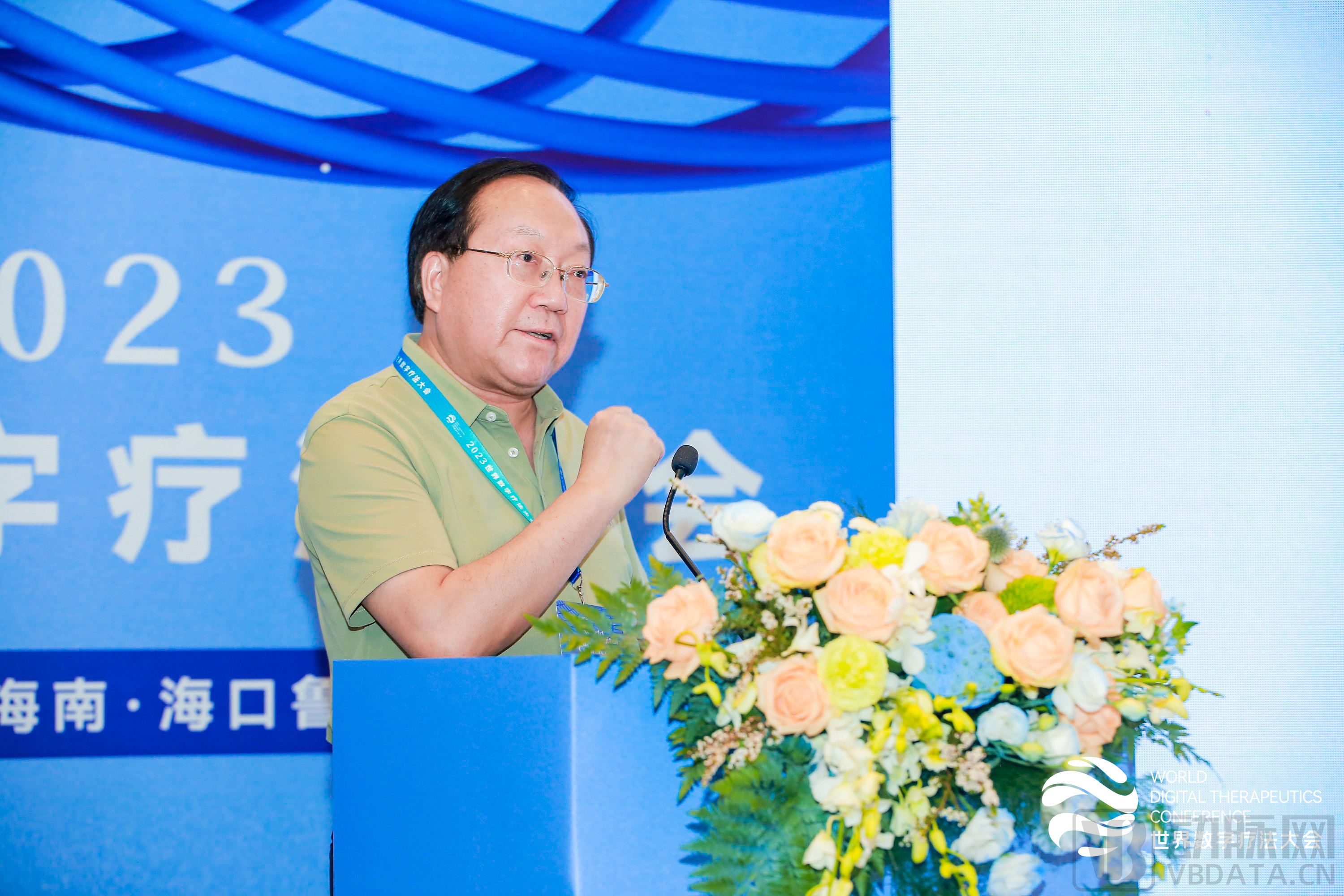
(Director of the Brainnetome Center at the Institute of Automation, Chinese Academy of Sciences; Foreign Member of Academia Europaea: Tianzi Jiang)
Next isProfessor Zhang Mingjun, Tenured Professor and Doctoral Supervisor at Tsinghua UniversityProfessor Zhang Mingjun delivered a presentation titled “From Minimally Invasive Brain-Computer Interfaces to Nonlinear Neural Dynamics Modeling and Neuromodulation,” focusing on brain-computer interface (BCI) technology. He shared his ongoing research into digital diagnostic and therapeutic technologies based on flexible BCIs and nonlinear neural dynamics. The primary objective is to achieve direct interaction with the brain through minimally invasive, closed-loop modulation by leveraging micro/nanotechnology and neural dynamics theory. To date, his team has completed the development of a high-throughput bidirectional interaction system, ranging from minimally invasive flexible electrodes to chips and miniature wireless transmission systems, and has experimentally validated this system in rats, zebrafish, marmosets, and humans.
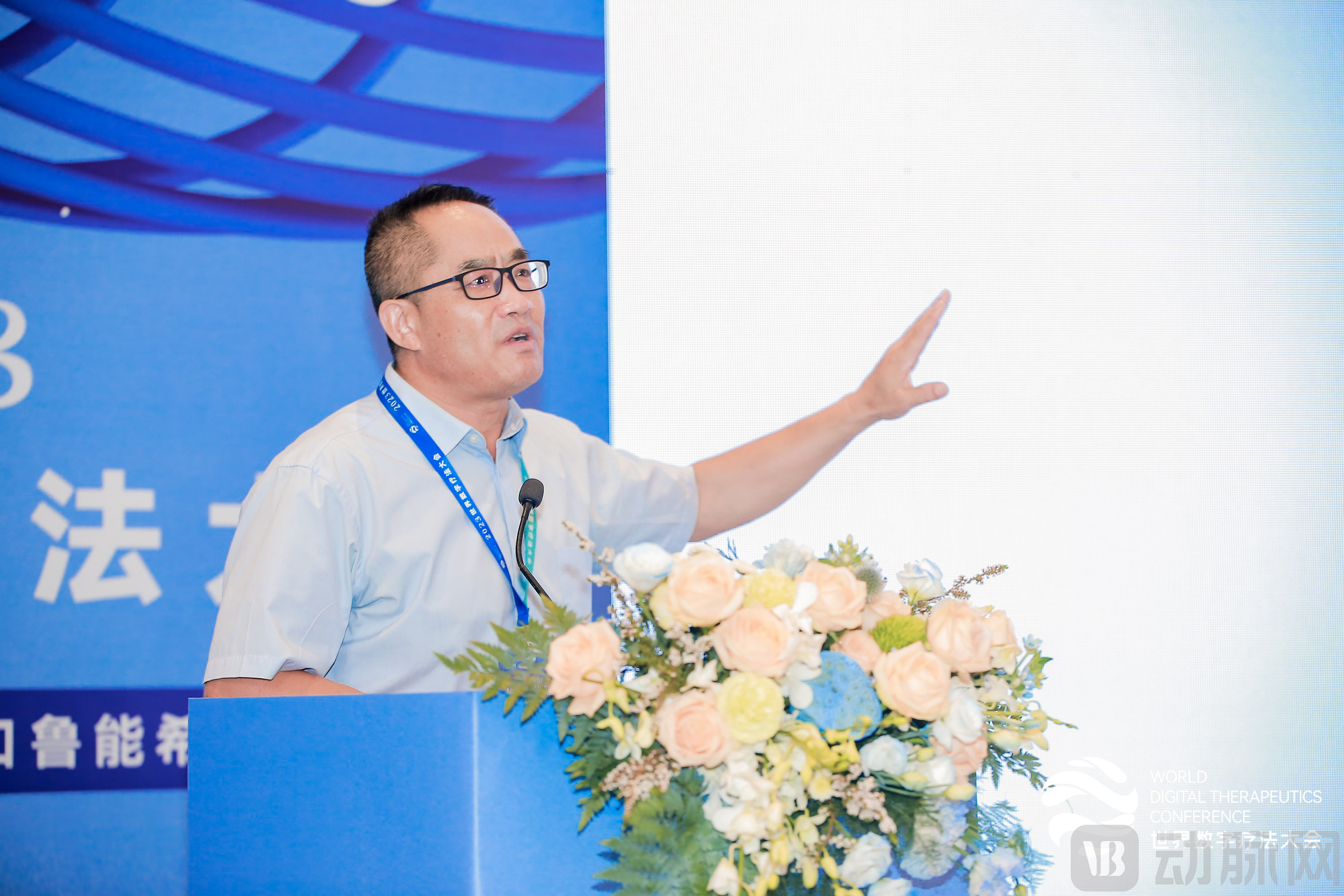
(Tenured Professor and Doctoral Supervisor at Tsinghua University, Zhang Mingjun)
Subsequently,Professor Xue Gui, State Key Laboratory of Cognitive Neuroscience and Learning, Beijing Normal UniversityUnpacking “Digital Diagnosis and Treatment of Neuropsychiatric Disorders Based on Cognitive Neuroscience”In simple terms, cognitive neuroscience not only reveals the main structures and components underlying the brain’s complex neuropsychiatric activities but also elucidates the structural and functional neural network bases in the brain that correspond to these complex psychological structures. Building on this foundation, Professor Xue Gui proposes adopting a “gene–brain–behavior” big-data model. This approach involves comprehensive cognitive ability testing of the human brain, scanning of brain structural and functional data, and gene sequencing. By leveraging techniques from cognitive neurogenetics, it aims to identify cognitive functional modules and their neural underpinnings, thereby laying the groundwork for digital diagnosis and treatment grounded in cognitive neuroscience. The future trend in non-pharmacological management of neuropsychiatric disorders will involve precise subtyping of complex conditions through big-data and multimodal research, implementing integrated multi-modal therapeutic strategies, and conducting real-world studies to develop treatments with greater practical feasibility and ecological validity.
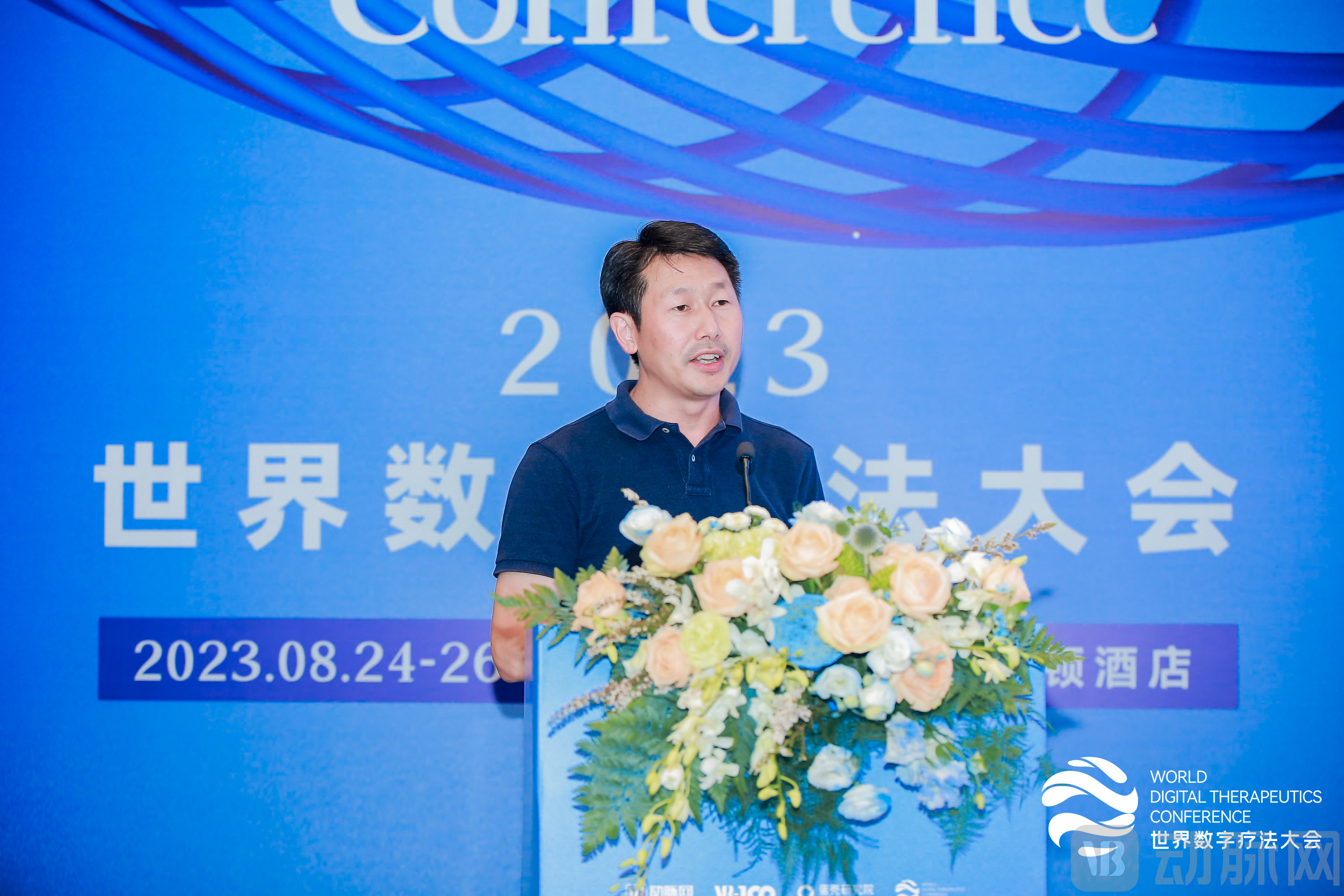
(Professor Xue Gui, State Key Laboratory of Cognitive Neuroscience and Learning, Beijing Normal University)
In the speech titled “Innovative Applications of Modern Integrative Chinese and Western Medicine Digital Therapy and Future Trends of Digital Hospitals,”Yan Weiqi, Professor at Zhejiang University and Dean of the Hangzhou Medical College Institute of Life Sciences and Health Technology InnovationDigital therapeutics in digital hospitals are primarily software-driven, evidence-based intervention programs that have been scientifically validated for the treatment, management, or prevention of diseases. Their ultimate value lies in their efficiency, precision, low resource consumption, safety, and personalization. Digital hospitals can enable comprehensive management across the entire disease course and the full life cycle, significantly enhancing survival-oriented diagnostic and therapeutic efficiency. In the future, we will continue to establish a Digital Therapeutics Innovation Research Center and a Digital Therapeutics Professional Committee, and will compile, review, and publish Practical Applications and Clinical Guidelines of Modern Digital Medicine.

(Professor Yan Weiqi, Zhejiang University; Dean, Hangzhou Medical College Institute of Life and Health Science and Technology Innovation)
byHe Xingzhi, Associate Research Fellow in Professor Ma Huan’s Research Group at Zhejiang UniversityThe presentation titled “From Information Transmission to Emotional Cognition: Digital Analysis and Application of the Biological Brain” was delivered. He Xingzhi pointed out that emotion and cognition are characteristic mental activities of higher animals, and their impairments constitute important clinical manifestations of numerous brain disorders, such as depression. Currently, therapeutic options for emotional and cognitive impairments are limited and often yield suboptimal outcomes, primarily due to a lack of fundamental research into their pathogenic mechanisms. Electroencephalographic (EEG) abnormalities are highly prevalent in many neuropsychiatric disorders characterized by impaired cognitive functions. Therefore, modulating brain network plasticity may offer new avenues for treating psychiatric conditions associated with cognitive deficits. Continuous breakthroughs in neuroscience technologies have enabled multidimensional investigations of brain function, while further advancements in brain–computer interaction have given rise to brain–computer intelligent systems, including brain–computer cognitive enhancement and brain-controlled-brain interfaces. In this process, functional decoding of neural network information serves as the foundation and key to achieving effective brain–computer interaction.
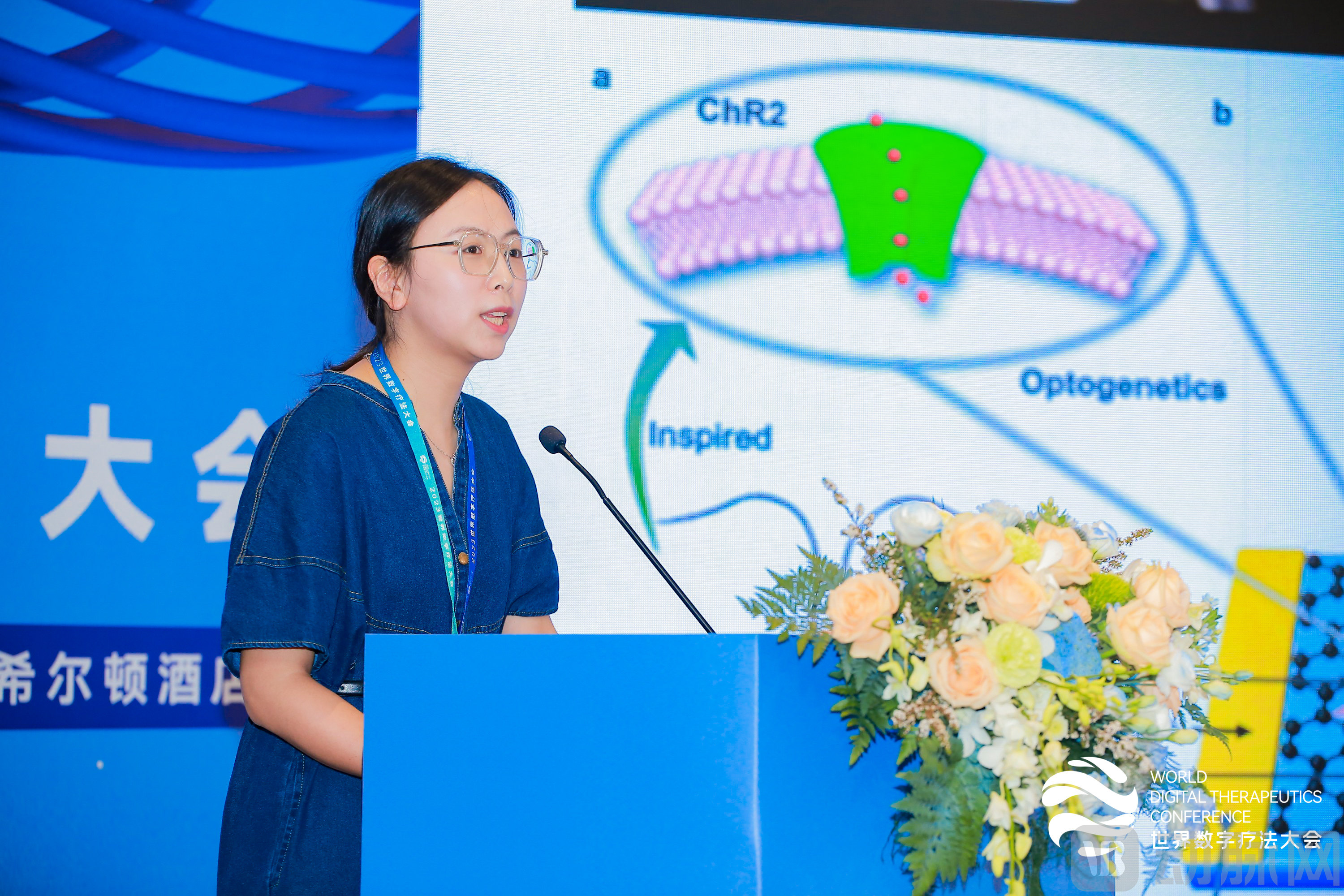
(He Xingzhi, Associate Researcher, Ma Huan’s Research Group, Zhejiang University)
Subsequently,Zhang Rong, Co-founder of the Autism Research Center at Peking University Health Science Center and Executive Vice Chairman of the Beijing Neuroscience SocietyIn her presentation titled “Construction and Application of an Integrated Innovation Platform for Intelligent Diagnostic Subtyping and Precision Treatment of Autism Spectrum Disorder,” she explained that, at present, due to the complex etiology, lack of biomarkers, and phenotypic heterogeneity, the diagnosis of autism spectrum disorder (ASD) relies solely on rating scales and clinicians’ subjective experience, leading to widespread misdiagnosis, missed diagnoses, and delayed diagnoses among affected children. Emerging technologies under investigation leverage magnetic resonance imaging (MRI) to extract structural and functional network feature profiles in children with ASD to assist clinical diagnosis. Following diagnosis, children are stratified into social subtypes, with a focus on identifying the aloof and passive subtypes. These patients then receive transcutaneous acupoint electrical stimulation (TAES), a technique evolved from traditional acupuncture principles, which activates endogenous oxytocin and arginine vasopressin systems to improve social and sensory functioning and alleviate anxiety. Finally, she expressed hope that related products would be commercialized soon to facilitate rehabilitation for children with ASD and alleviate family burden.
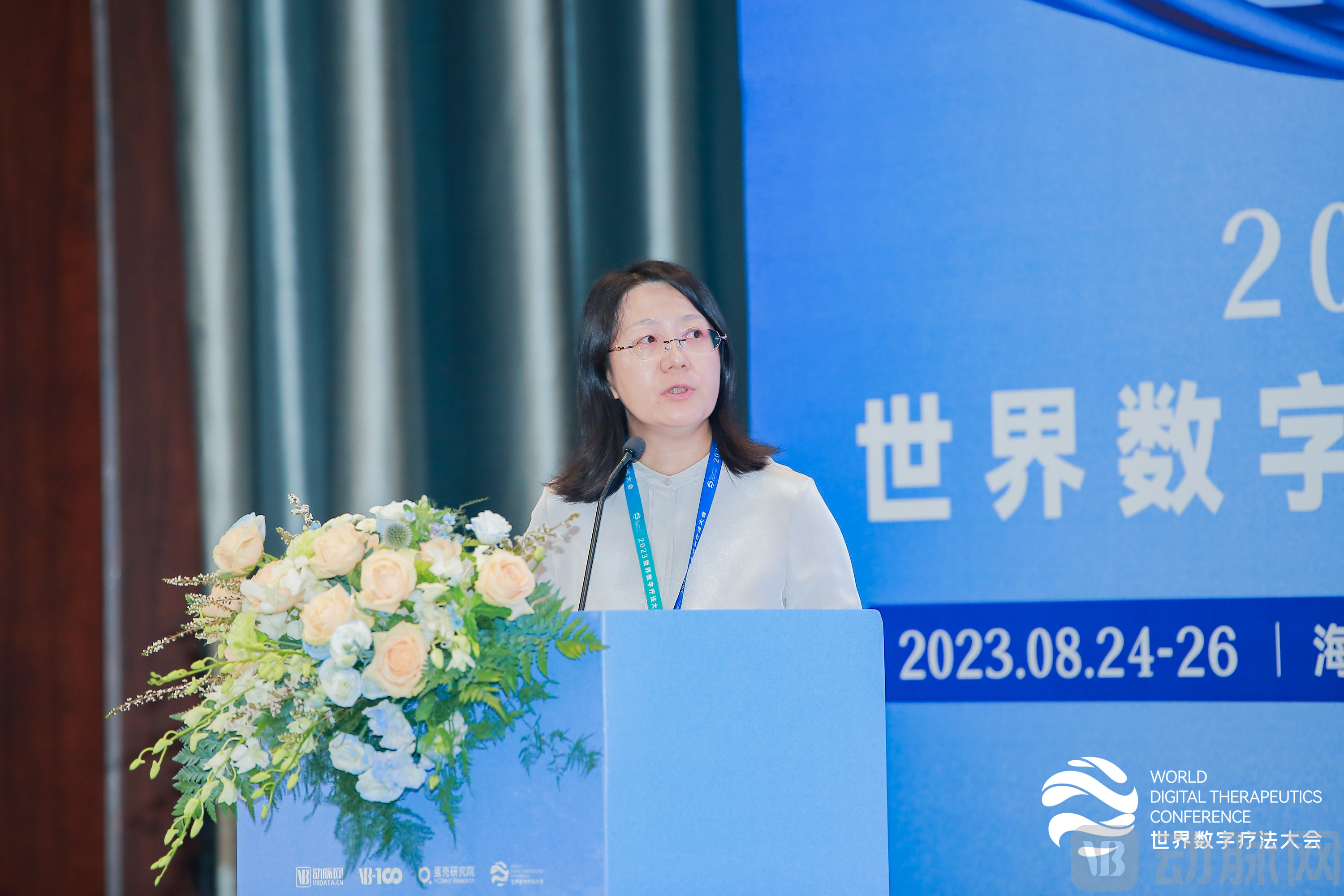
(Co-founder of the Autism Research Center at Peking University Health Science Center, and Executive Vice Chairman of the Beijing Neuroscience Society, Zhang Rong)
ByFellow of the American Psychological Association, Fellow of the Hong Kong Psychological Society, Professor at The Education University of Hong Kong, and Chief Scientist at Xiamen Hejia Brain Health, Dr. Chen ZhixuanIn the presentation “Rapid Cognitive Screening and Training: Empirical Research and Community Applications,” it was pointed out that current research focuses onIndividuals with Mild Cognitive Impairment (MCI) can benefit from early therapeutic intervention, which may mitigate disease progression to a certain extent. Based on this concept, Hejia Jiannao has launched China’s first self-service screening software for MCI, establishing a complete cycle encompassing four dimensions: screening, assessment, diagnosis, and training. By utilizing various scales, the software enables rapid, low-cost, and broad-scale identification of high-risk populations. Subsequent diagnosis and detailed assessments can then be conducted in hospitals, significantly reducing treatment costs for both patients and healthcare institutions. Currently, this project has been implemented as part of the National Key R&D Program “Brain Science and Brain-Like Research” under the Science and Technology Innovation 2030 initiative, specifically within the sub-project titled “Community Cohort Study on Healthy Aging and Dementia in China: Construction of the Southern Community Cohort and Screening and Early Cognitive Intervention for High-Risk Populations of Alzheimer’s Disease.” The project has been officially signed and launched in Hainan Province.

(Fellow of the American Psychological Association, Fellow of the Hong Kong Psychological Society, Professor at The Education University of Hong Kong, and Chief Scientist at Xiamen Hejia Brain Health, Chen Zhixuan)
Xiamen Hejia Brain HealthDedicated to advancing digital health technologies, we provide digital medical products covering the entire course of dementia care, along with comprehensive solutions for its prevention and management. Our digital therapeutics are spearheaded by a world-class team of brain scientists who have achieved significant research breakthroughs in cognitive rehabilitation and have received numerous national and provincial/ministerial-level awards for scientific and technological progress.In 2023, the company was successfully selected for the “Hainan Province Digital Therapeutics Pilot Project for Cognitive Rehabilitation in the Elderly,” and has carried out cognitive screening and intervention in multiple pilot cities and counties across Hainan, contributing to Hainan’s development as a global innovation hub for digital therapeutics.
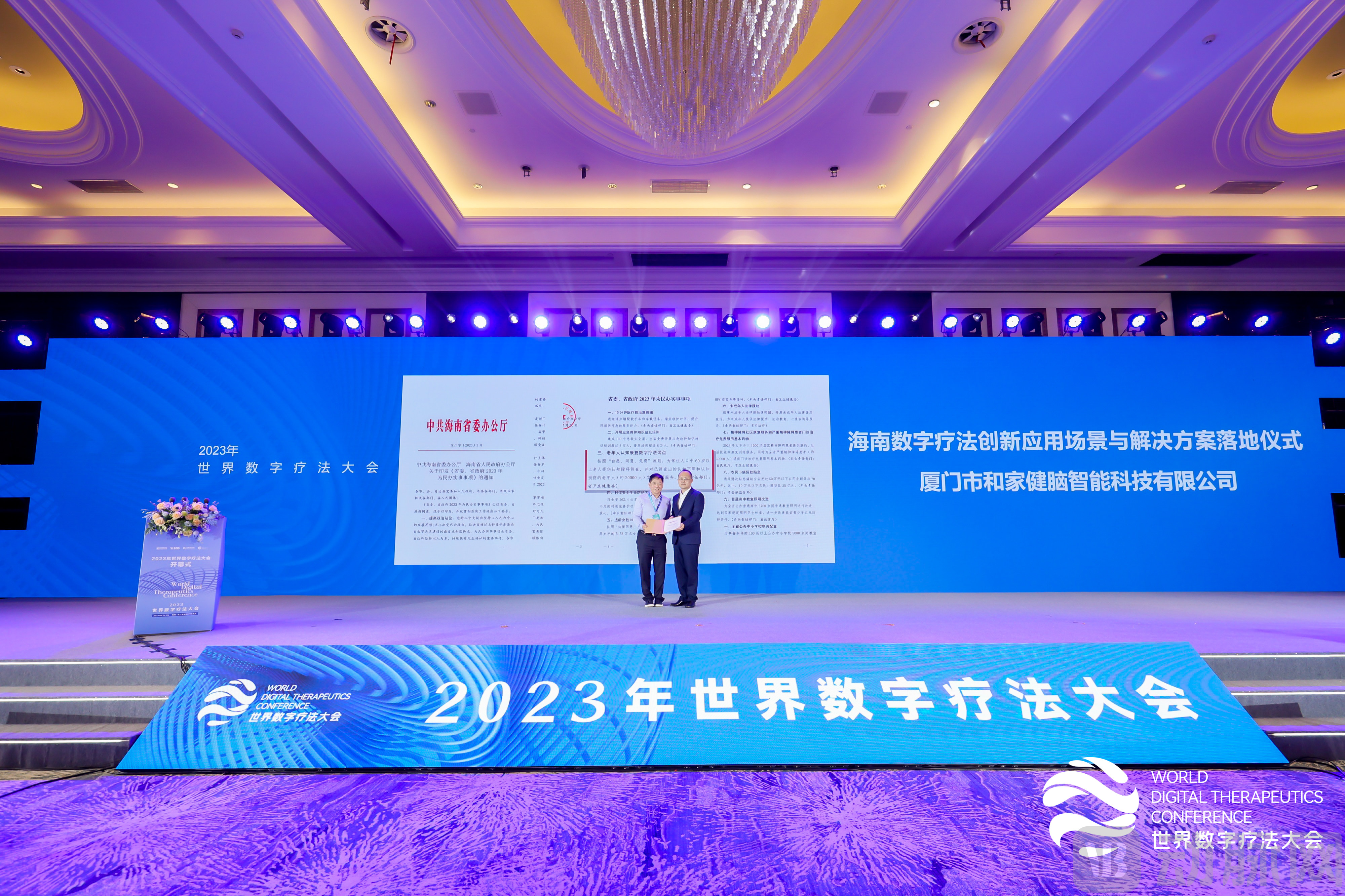
(Signing Ceremony for the Implementation of Hejia Jiannao’s Innovative Digital Therapeutics Application Scenarios and Solutions in Hainan)
John, USA· John Krakauer, Professor of Neurology, Neuroscience, and Physical Medicine and Rehabilitation at Johns Hopkins University School of Medicinebrought the 《In his presentation titled “Digital Neurotherapeutics: A New Approach to Impairment Reduction,” Professor John Krakauer argued that appropriate exercise is an effective strategy for combating aging across all physiological systems. Exercise can simultaneously modulate multiple bodily systems, thereby recalibrating overall physical function to a higher level. This approach also provides a model-based intervention well-suited to addressing complex system issues in the management of chronic neurological conditions, such as stroke. It is foreseeable that treatment centers integrating digital neurotherapeutic technologies will emerge in more offline settings, representing a future trend in the care of patients with neurological disorders.
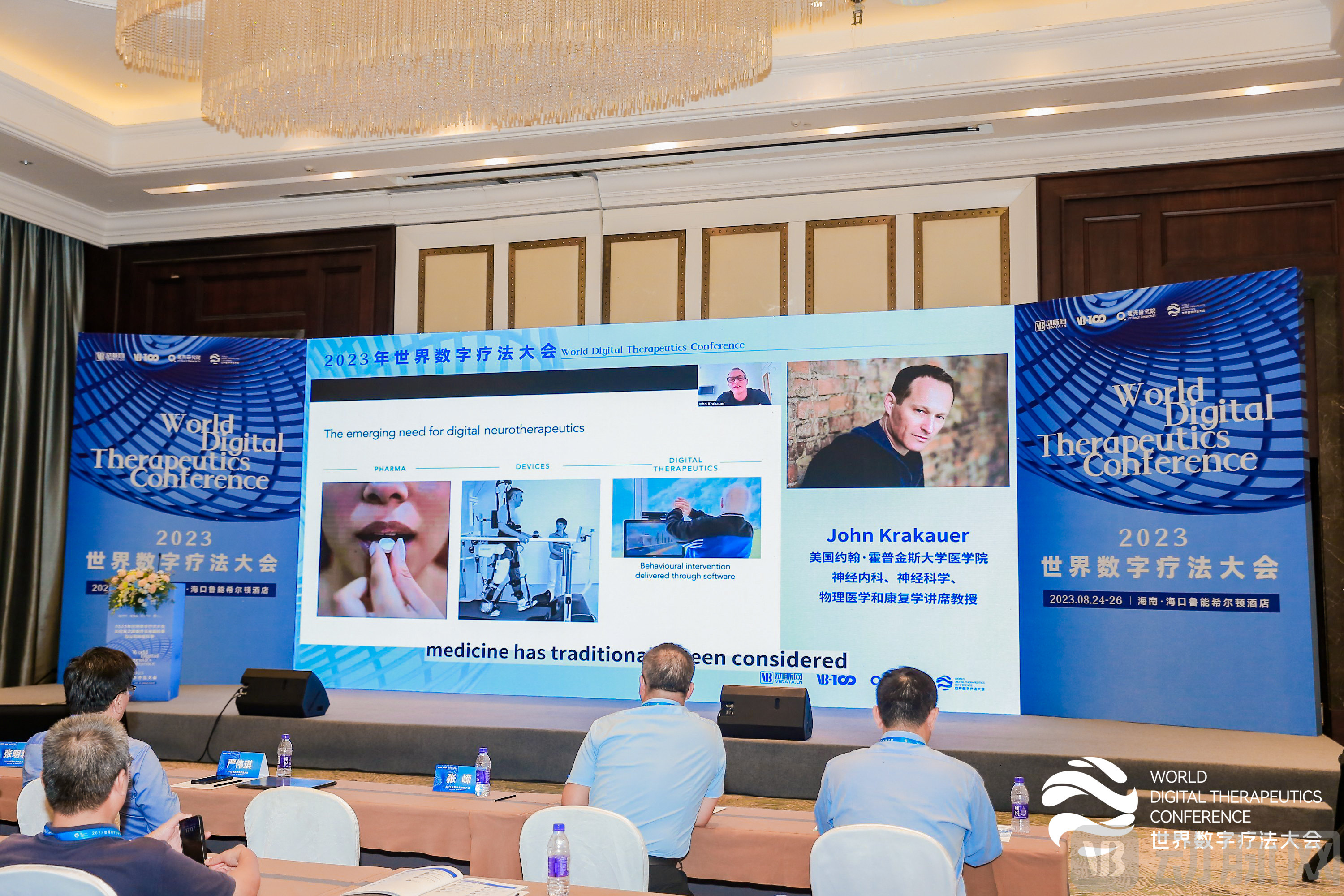
(Chair Professor of Neurology, Neuroscience, and Physical Medicine and Rehabilitation, Johns Hopkins University School of Medicine, USA
John Krakauer)
At the conclusion of the forum,Dallas Sleep Health Group, USACOO Wu ShaohuiandCao Qun, Chairman and General Manager of Xinjing TechnologyThe two speakers each delivered presentations on the topic of sleep, titled “Digitalized International Sleep Center andSharing on “Digital Chronic Disease Management for OSAS” and “Innovative Practices in Digital Mental Health”。Dr. Wu Shaohui pointed out that sleep health issues are becoming increasingly widespread in society and can lead to a series of other chronic diseases. However, since ventilators cannot be sold in public medical institutions in China and there is a lack of guidance from professional doctors, ventilator therapyObstructive Sleep Apnea (OSA) still faces many practical challenges in implementation and management. In the future, we aim to establish a model where ventilators are integrated into chronic disease management, with active participation from hospitals, physicians, and care managers. We will strengthen the training of specialized physicians, technicians, and care managers, and align with the Healthy China 2030 initiative by actively promoting awareness of comprehensive sleep health and advancing educational outreach.
Mr. Qun CaothenShared Xinjing's Best-Selling Products—Virtual Reality Psychological Rehabilitation System: This product integrates traditional music therapy, hypnotherapy, and a range of other psychological interventions, leveraging modern virtual reality and biofeedback technologies to provide patients with a safe and effective solution. For the management of such chronic conditions, initial diagnostic assessments can be conducted in hospitals, while subsequent treatment can be performed at home based on patient preference. Wearable consumer devices transmit real-time feedback and training reports to the backend system of internet hospitals, enabling physicians to make online diagnostic adjustments and refine treatment plans, thereby establishing a complete closed-loop care model.
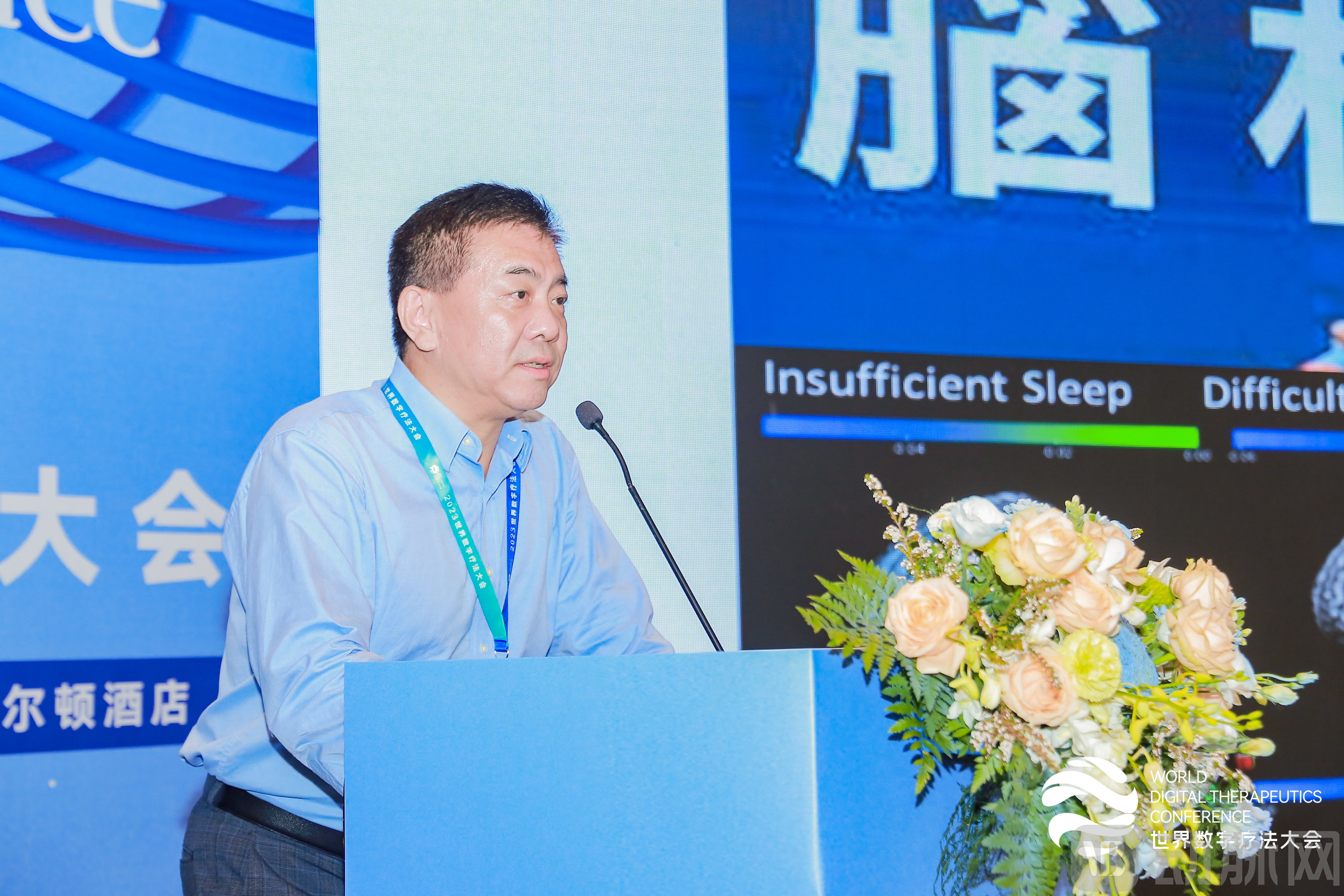
(Wu Shaohui, COO of Dallas Sleep Health Group, USA)
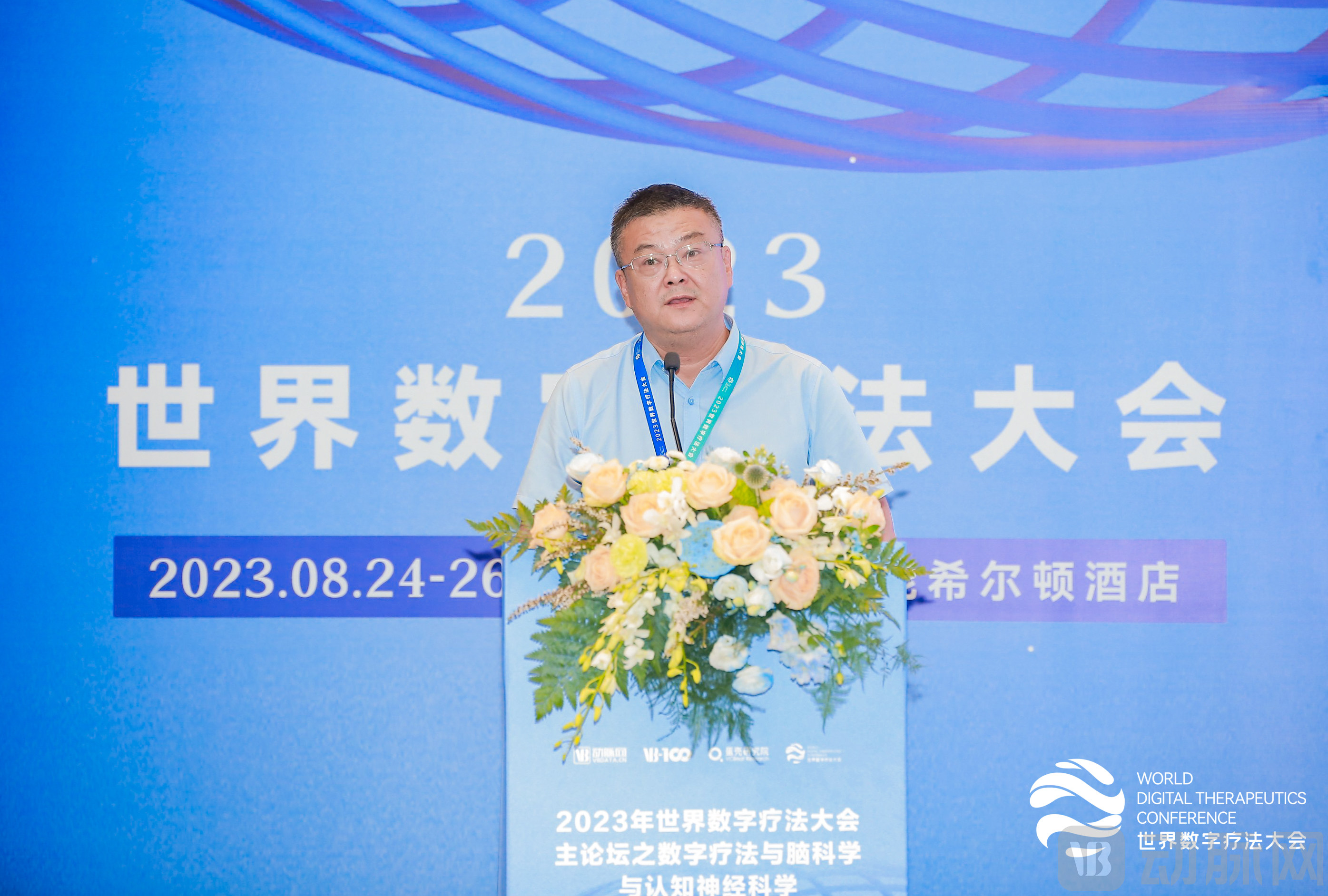
(Cao Qun, Chairman and General Manager of Xinjing Technology)
Conference Time:August 24–26, 2023
Venue:China · Hainan Province · Haikou City · Hilton Haikou Meilan
Organizer:Beijing Danhuang Technology Co., Ltd. (VB100, VCBeat, VCBeat Research Institute)
Organizer:Chongqing VCBeat Orange Technology Co., Ltd., Hainan Egg Yolk Technology Co., Ltd.
Supporting Organizations:Digital Therapeutics Professional Committee of the China Medical Device Industry Association, UK Department for Business and Trade, Austrade
Strategic Cooperation:AstraZeneca Investment (China) Co., Ltd., Hainan Eco-Software Park
Supporting Organizations:Changling Capital, Danlu Capital, China Renaissance Capital, Maibo Capital, SDAO Capital, Yuanhe Origin
Partners:Hainan Free Trade Port Haikou Fuxing City Internet Information Industrial Park, Xuzhishi Technology, Bingpian Technology, Hejia Jiannao, Hengrui Medicine, NetRain, Nansu Technology, Shangyi Information Technology, Weiyun Artificial Intelligence, Xiezi Incubator, Zheng'an Health, Zhilan Health
Media Partners:the medical community, the investment community,Meibo Healthcare, Bioon, Wanyi Medical, Yaofangzhou, Pharma Linker, Fanyishengkang, Bio Valley, Ask a Doctor Quickly, E-Drug Manager, Baijing Outbound, Peptide TIMEDOO, Qingsong Club, Wind, Precision Home BiomedLink, Huihui Yaoka, Shushuyuan, Magnesium Guest Network, Siqi Circle, GeekNet, Xiaojudeng Network, Finet.com, Zhiyi News, CHC Medical Media