

How Women Leaders Are Reshaping the Biopharmaceutical Industry: Innovation, Inclusion, and Impact
Over the past decade, the biopharmaceutical industry has launched a wave of initiatives to promote diversity, equity, and inclusion.
Encouragingly, we are indeed seeing a growing number of women entering this field and driving the advancement of cutting-edge technologies. However, in certain respects, little progress has been made toward these goals: women remain significantly underrepresented in senior leadership roles within the biopharmaceutical industry, and recent data indicate that change is proceeding at a slow pace.
Women’s issues have also received limited discussion within China’s biopharmaceutical sector. VCBeat New Medicine interviewed several female CEOs and senior executives in the industry last year and this year. These women embody professionalism, passion, focus, and openness, and possess nuanced empathetic abilities. At the same time, they face challenges stemming from gender disparities in the industry. Some have been questioned by investors about having too many women in their companies, while others have observed that although the number of female managers is increasing in this male-dominated field,Yet gender-based stratification barriers persist.。
At this juncture of the current industry downturn, female entrepreneurs generally face greater challenges, as they likely have access to fewer social resources to rely on in steering their enterprises through difficulties and ensuring survival.
More than one female CEO has told VCBeat New Medicine that she hopes female entrepreneurs and executives in China will unite,Establish a women's community.
Moreover, we believe that discussing gender issues in the biopharmaceutical industry is not merely a reiteration of sociological discourse,Diversity within management teams, including gender diversity, is itself an advantage for businesses and industries, enriching communication and fostering creativity.. A study has found that companies with more diverse management teams raise more IPO capital.
Recently, the industry media outlet Endpoints published a report titled “Meet 20 Women Reshaping Biopharma.” Their contributions to the industry are inspiring: they have built their own communities and organizations, and co-founded companies alongside other female leaders. Likewise, they are advancing some of the most cutting-edge science in the field, such as identifying new applications for mRNA, addressing the greatest challenges facing cell therapy, exploring new frontiers in diagnostics and decentralized clinical trials, and revitalizing underserved areas including antibiotics and women’s health.
Their contributions to medicine and the future of women are immeasurable.
VCBeat selected five highly representative female leaders from among them,By sharing their stories, we aim to inspire women working in the biopharmaceutical industry. Some have contributed their talent and expertise to the development of blockbuster drugs, while others have been striving to usher in a new era of cancer treatment. From their experiences, you can witness the mutual support among friends, the encouragement between mothers and daughters, the care and assistance offered to young women, and a profound sense of responsibility for advancing medical science.
Certainly, not only female practitioners,How they work, find their career direction, and discover their inner passion offers inspiration to all professionals in the biopharmaceutical industry.
Yvonne Greenstreet
(Alnylam CEO )

Image source: Endpoints
In January 2022, Yvonne Greenstreet faced the greatest challenge of her career: succeeding the retiring John Maraganore as Chief Executive Officer of Alnylam, thereby becoming one of the few Black women to lead a pharmaceutical company.
According to an analysis by the industry media BioCentury,Among the 68 biopharmaceutical companies with a market capitalization of at least $5 billion on the Nasdaq or the New York Stock Exchange, Greenstreet will become the sixth female leader.
The other five are Zai Lab’s Chairwoman and CEO, Dr. Ying Du; Vertex Pharmaceuticals’ CEO and President, Reshma Kewalramani; United Therapeutics’ Chairwoman and CEO, Martine Rothblatt; Halozyme Therapeutics’ CEO and President, Helen Torley; and GSK’s CEO, Emma Walmsley.
There are even fewer Black individuals running pharmaceutical companies. The most prominent example is Kenneth Frazier, who served as CEO of Merck for ten years before retiring in June 2021.
Before accepting this appointment, Greenstreet consulted two women she deeply respects—her mother and her daughter.
Greenstreet’s mother established a literacy organization in Ghana. When Greenstreet called to ask whether she should accept the job offer, her mother expressed her support without hesitation.
Greenstreet’s daughter, a student at the University of California, San Francisco School of Medicine, had a similar reaction. “Mom, if you think you can do it, please accept the job,” Greenstreet recalled her daughter saying.“You can’t imagine what it means to young women like me to see you in this role.””
Before assuming the role of CEO at Alnylam, Greenstreet held leadership positions at GSK and Pfizer. She joined GSK in 1992 and eventually rose to the position of Senior Vice President and Head of Strategy. In 2010, Greenstreet left GSK and spent three years at Pfizer, serving as Senior Vice President and Head of Drug Development. Subsequently, she founded Highgate LLC, providing consulting services to life sciences companies.
In 2016, Greenstreet joined Alnylam as Chief Operating Officer, and in 2020, he succeeded Barry Greene as President, also becoming the successor to Maraganore’s CEO position.
In fact, back in 2016, when Maraganore was dining at Sorellina, an Italian restaurant in Copley Square, and invited Greenstreet to serve as Chief Operating Officer, he already viewed her as a potential successor at Alnylam.
“She is a medical scientist, so she understands the importance of patients to our industry. She is also a clear-thinking and bold strategist who truly knows how to push the frontiers of medicine,” commented Maraganore.
Today, Alnylam has more than 2,000 employees across 23 countries and regions. Greenstreet hopes that Alnylam’s new therapies will benefit tens of thousands, or even millions, of patients in the coming years.
At the same time, she will continue to advance diversity, equity, and inclusion at Alnylam. She stated that, in addition to fostering an environment where employees feel empowered to speak openly, the company has made more coordinated efforts in gathering feedback and refining policies.
As a Black woman, 59-year-old Greenstreet is a rarity in an industry where the vast majority of senior executives are white men.
After decades of development, diversity in leadership remains rare in the biopharmaceutical industry. Greenstreet hopes her appointment will provide support and empowerment to underrepresented groups in this field.
“Bringing together people from diverse backgrounds, experiences, and perspectives truly enriches communication and creativity.“Clearly, diversity extends beyond gender and race; it encompasses sexual orientation, religious beliefs, and even life experiences.”
““There is no doubt that we are underrepresented in senior leadership positions, whether viewed through the lens of gender or race. When I look back on my early career, I did not see many people like me. Thirty years later, while the situation has improved, it certainly has not reached the level we need. Therefore, there is still much work to be done in the biopharmaceutical sector,” said Greenstreet.
Elizabeth Laws (Vice President, Sanofi; Global Head of Immunology and Inflammation)
Marcie Ruddy (CMO, Tectonic Therapeutic, a GPCR-targeted therapy company)

Left: Elizabeth Laws, Right: Marcie Ruddy, Image source: Endpoints
Elizabeth Laws and Marcie Ruddy bonded over the blockbuster drug Dupixent.
Dupixent is the first and only monoclonal antibody approved globally for the treatment of moderate-to-severe atopic dermatitis in adults, capable of addressing type 2 inflammatory diseases through its mechanism of action. This drug was jointly developed by Sanofi and Regeneron and received marketing approval in 2017.
When Dupixent was first approved for the treatment of atopic dermatitis, its status as a blockbuster drug was far from certain.
Elizabeth Laws and Marcie Ruddy, who work at Sanofi and Regeneron respectively, have become two key scientists.They rapidly built Dupixent into a product portfolio covering multiple indications, guiding the drug’s development with successful clinical experience.
According to Sanofi and Regeneron, more than 600,000 patients have been treated with Dupixent to date, and its sales are projected to reach approximately $11 billion this year.
But before Dupixent became a blockbuster drug, two female scientists were tasked with determining which other conditions, beyond atopic dermatitis and asthma, could be treated with Dupixent. Dupixent modulates immune responses associated with type 2 inflammation by blocking the cytokines IL-4 and IL-13. To identify potential future indications, Laws and Ruddy surveyed the entire disease landscape to find conditions linked to type 2 inflammation.
Laws stated, “We have taken some very bold initiatives to secure genuine alignment from our management team on our perspective, which is commendable for both parties.” Part of their clinical development strategy lies inWhen they were fully confident in the science, they advanced the drug directly into Phase III clinical trials.“This is how we surpassed our competitors.”
This strategy has accelerated the approval process for Dupixent. Currently, Dupixent’s indication for prurigo nodularis was approved by the FDA in 2022, while the FDA decision on its application for chronic spontaneous urticaria is expected in October this year.
However, in the dozens of Dupixent clinical trials conducted to date, both Ruddy and Laws have highlighted its breakthrough success in chronic obstructive pulmonary disease (COPD).
Despite the vast market, there have been no major breakthroughs in the treatment of chronic obstructive pulmonary disease (COPD) for approximately 50 years. If Dupixent secures approval again, it could prompt Sanofi and Regeneron to raise their sales forecasts for the drug once more. Sanofi CEO Paul Hudson has increased last year’s peak sales projection to €13 billion, describing this figure as the “end point” excluding COPD.
Laws has remained with Sanofi to date, serving as Vice President and Head of Global Program Development for Immunology & Inflammation (I&I), where he continues to focus on the development of Dupixent; meanwhile, Ruddy worked at Regeneron from 2016 to 2021 before joining Tectonic Therapeutic, a startup dedicated to discovering novel GPCR-targeted therapies, as Chief Medical Officer.
Both Laws and Ruddy regard the development of Dupixent as a highlight of their careers, yet both harbor broader and longer-term professional ambitions. Laws expressed her aspiration to assume a strong leadership position with greater exposure to a wider pipeline, while Ruddy left Regeneron to join Boston’s biotechnology community, gaining experience in leading and building the startup Tectonic.
The two recently shared breakfast, exchanging ideas on Dupixent’s mechanism of action and their pathways to growing into leadership roles.They all feel a responsibility to help advance gender equality and diversity for women in the industry, especially given their current significant roles in recruitment and promotion.
“This is the mission of us all,” said Ruddy. “When you reach a certain level, you have an obligation to help others.”
Jennifer Brogdon
(Head of Cell and Gene Therapy, Immuno-Oncology, and Hematology at the Novartis Institutes for BioMedical Research)
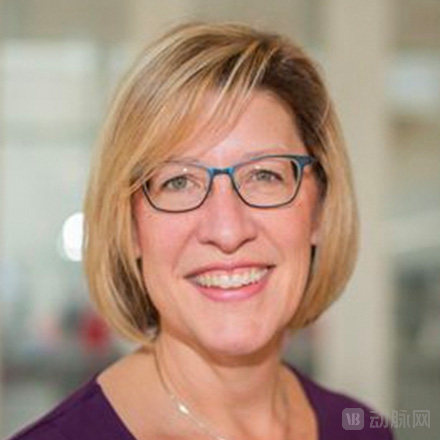
Image source: Endpoints
At Novartis, JJennifer Brogdon and her team are working on the development of T-Charge, the next-generation CAR-T therapy.. The T-Charge technology platform employs a rapid CAR-T cell manufacturing process that completes production within two days while preserving the stem-like characteristics of T cells.
Jennifer Brogdon plays a pivotal leadership role in this CAR-T project. “She is truly the driving force behind all of our CAR-T research efforts,” said Glenn Dranoff, Global Head of Immuno-Oncology at NIBR. “Her leadership, inspiration, and technical expertise make her indispensable to the entire endeavor here.”
The energy driving the advancement of the CAR-T project is closely tied to Jennifer Brogdon’s friend, who passed away from cancer.
Prior to joining Novartis in 2004, Jennifer Brogdon earned her Ph.D. in Immunology from Duke University and conducted postdoctoral research at Yale University.
During her first eight years at Novartis, she shared an office with Kelly-Ann Sheppard, a scientist in her forties. They had adjacent desks and knew each other very well. In 2012, Brogdon was transferred to the oncology division to support the CAR-T project in collaboration with the University of Pennsylvania. This partnership led to the development of Novartis’s lymphoma treatment, Kymriah, which generated over $500 million in sales last year.
Over the years, Brogdon has encountered many patients with advanced-stage cancer, drawing motivation from them to continue searching for new treatments. But nothing could have prepared her for the devastating news that arrived suddenly at the end of 2013: her friend and colleague, Kelly-Ann Sheppard, had been diagnosed with stage IV glioblastoma.
Brogdon knew that Stage IV might be too late, but this still urged her team to advance research on CAR-T therapy for solid tumors such as glioblastoma. “Kelly is even unlikely to respond to these treatments,” Brogdon said, “but this is my motivation to continue developing new drugs. There are still many people suffering, and many celebrities have died from glioblastoma, so I must give it a try.”
Despite all efforts, Kelly passed away in 2015. Since then, Brogdon has continued to strive to expand the application of CAR-T therapy to other types of cancer. “Kelly has always been my inspiration and driving force to keep moving forward. I hope we can learn something that will pave the way for other patients.”
In the long fight against cancer, such passion and commitment are essential. When asked about his views on the current state of the CAR-T field, Brogdon added, “I am optimistic about the breakthroughs that will begin to emerge in the field of solid tumors, as we have already started to see some early research findings published.。”
On how female scientists can navigate challenges in the male-dominated pharmaceutical industry, Brogdon offered her advice: “For most women, it is essential to clearly identify the expertise and capabilities you can bring to this field and to maintain confidence at all times. Meanwhile, always remain aware of the sources of these strengths and professional knowledge., using it as a starting point for proposing new ideas, challenges, and opportunities, thereby helping to drive or influence others.”
Michelle Longmire
(CEO of Medable, a clinical research cloud platform company)

Image source: Endpoints
Michelle Longmire, a former practicing physician, conducted research on systemic sclerosis at Stanford University. However, as this is a rare disease, she frequently encountered difficulties in recruiting study participants. This experience led her to recognize that decentralizing and digitizing the management of clinical trials could accelerate drug development and save patients’ lives.
It was also during this research that Longmire conceived the idea of founding Medable, a cloud-based platform for clinical research. “I realized that decentralized clinical trials could be enabled through science and technology, and at Stanford University, I was surrounded by many people starting their own ventures,” Longmire recalled. “I believed it was crucial to establish a company dedicated to advancing decentralized clinical trials, so I embarked on this entrepreneurial journey. However, I had no idea just how difficult it would actually be; I simply believed that such a company should exist.”
In 2015, Longmire co-founded Medable with three other partners, dedicated to transforming traditional clinical trials into decentralized clinical trials, becoming the only woman among the four founders.But it was not until the outbreak of the COVID-19 pandemic in 2020 that Medable began to take off.
When the pandemic erupted, thousands of onsite clinical trials were underway globally, facing the risk of disruption due to the outbreak. Remote management emerged as a solution to keep these trials running, suddenly making Medable indispensable. The race among multinational corporations (MNCs) to develop COVID-19 vaccines and therapies further intensified the urgent demand for Medable’s technology. Today, Medable’s clientele includes pharmaceutical giants such as AstraZeneca, and the company raised over $300 million in venture capital in 2021 to fuel its continued growth and development.
Longmire stated, “Developing a therapy takes approximately 12 years and can cost as much as $2.6 billion.” She pointed out that Medable’s value to the drug development process extends far beyond the surge in demand seen during the COVID-19 pandemic, as it reduces the time and money required to bring drugs to market, frees up resources, and enables more substantial progress toward new drug R&D goals. “Imagine fast-forwarding ten years: if Medable’s presence leads to a 50% increase in effective therapies for diseases, this would mean fewer people worldwide suffering from illness. That is the value we are creating.”
To date, women remain underrepresented in the biomedical and pharmaceutical sectors. When asked what could change this situation, Longmire stated, “In my view, when you see a woman with whom you subconsciously strongly identify, that ‘I can do this’ mindset suddenly becomes very real, tangible, and credible. For instance, when I was young, there were few female physicians; today, however, women account for more than 50% of medical school enrollments.”
“I believe that,“The more tangible changes we see among senior leaders—such as CEOs, founders, and executive teams—the more women will realize that they, too, can achieve such positions.”“Longmire said.”
Rachel Humphrey
(Founder and CEO of Normunity, a tumor immunotherapy company)

Image source: Endpoints
Rachel Humphrey’s first summer job was in the laboratory of renowned dermatologist Bijan Safai at the Sloan Kettering Institute for Cancer Research, where she processed skin biopsies. She used a cryostat to section frozen tissue into thin slices and stained them to enable histopathological examination under a microscope.
In the mid-1970s, clinics saw a surge of male patients diagnosed with Kaposi's sarcoma, a rare form of skin cancer. In the early stages of the AIDS epidemic, researchers had not yet identified the viral disease that was spreading, weakening people's immune systems and leading to cancer in some individuals.
“I had no idea what I was doing at the time,” said Humphrey. But it was her first encounter with the intricate connection between the immune system and cancer. From that point on, she embarked on a career as an immuno-oncology specialist.
After completing her medical degree at Case Western Reserve University School of Medicine and her residency at Johns Hopkins University, Humphrey began her career at major pharmaceutical companies. She initially worked at Bayer, where she led the development of the kinase inhibitor Nexavar.
It was also at Bayer that she first encountered MDX-010, the pioneering antibody drug from Medarex that later became Yervoy. Humphrey recognized the therapeutic potential of MDX-010, but Bayer declined to pursue the collaboration. Consequently, Humphrey left Bayer and joined Bristol Myers Squibb (BMS), which was then considering a potential transaction with Medarex.
“This was not an easy task,” Humphrey recalled of the deal, “because at that time, only a very small fraction of people believed in the therapeutic potential of immunotherapy.”
It took 18 months for BMS and Medarex to formally finalize their transaction. When BMS signed the agreement in November 2004, Humphrey’s team had already designed the complete Phase I and II clinical trials. She subsequently led the drug’s development. Living up to expectations, the drug was approved in 2011 as the world’s first approved immune checkpoint inhibitor, thereby ushering in a new era in cancer treatment.
Following the launch of Yervoy, Humphrey made the transition from big pharma to biotech, joining the nascent Mirati Therapeutics as Chief Medical Officer. She later briefly returned to a large pharmaceutical company before becoming Chief Marketing Officer at CytomX Therapeutics, a position she held for four and a half years.
Now, Humphrey has become the CEO of Normunity, a company co-founded by Professor Lieping Chen of Yale University. The company aims to develop antibody drugs to achieve immune normalization, thereby countering cancer’s evasion of the immune system and treating “cold tumors” that are inaccessible to current immunotherapies. Lieping Chen was the first to discover PD-L1, paving the way for PD-1/PD-L1 immunotherapy to become a cornerstone of cancer treatment. Humphrey splits her time between her home in Boston and New Haven, Connecticut, where Professor Chen’s laboratory at Yale is located; she travels there every Tuesday.
Humphrey said she has been pursuing what she calls a “new world without a doubt.”I enjoy exploring territories that others have not ventured into, dare not enter, or do not believe in; small biotech companies are an ideal place to achieve this goal.Their existence is dedicated to posing and solving novel problems.”
As a seasoned biopharmaceutical executive, Humphrey places great emphasis on mentoring young women. She cited a recent example in which a CEO, an MIT alumna who had launched her own startup, invited her to brunch with six other young professional women. The conversation was so engaging that they completely lost track of time. “The brunch had long ended; by the time we left, the sun had already set,” Humphrey remarked.
“When you have a clear mental image of what female CEOs look like, you can easily visualize them."She later added,"Smart, talented, success-driven, passionate, and capable women who know how to bring new drugs to patients and deliver value to stakeholders.”
Reference Article:
Special report 2023: Meet 20 women reshaping biopharma,Endpoints News