

AstraZeneca-CICC Health Innovation Fund: Expanding the Ecosystem Through 15 Strategic Investments in Biotech, Diagnostics, MedTech, and Digital Health

AZ-CICC Fund
Equity Investment Firms
A review of the history of the biopharmaceutical industry shows that the emergence of new concepts and technologies has continuously provided novel approaches for addressing human diseases, while also significantly driving the robust growth of the pharmaceutical sector.
Over the past decade, follow-on innovation in the healthcare and medical industry has run its course, with source innovation emerging as the focal point of venture capital and private equity markets in the new era.
To identify source-innovation enterprises with high growth potential, investment institutions are increasingly moving toward specialization. Among them, the AstraZeneca CICC Industry Fund may serve as a model for the new era.
Within less than three years since its establishment, the AstraZeneca CICC Industry Investment Fund has invested in 15 projects. Aligned with AstraZeneca’s strategy in the Chinese market, the company is committed to building an innovative healthcare ecosystem. As a key component of this ecosystem, the AstraZeneca CICC Industry Investment Fund embodies AstraZeneca’s aspirations to accelerate the optimization and integration of medical resources in China, introduce overseas innovations, and incubate local innovations, thereby providing sustained momentum for the continuous emergence of new technologies and methodologies.
Over the past two years, 15 projects have been invested in, with an innovative investment landscape gradually unfolding.
On November 6, 2019, AstraZeneca and CICC Capital announced the joint establishment of a global healthcare industry fund. This fund is the first and largest healthcare industry fund raised by AstraZeneca globally, and also marks AstraZeneca’s inaugural practice in China of integrating industry with finance.
Leveraging AstraZeneca’s global industrial strengths and CICC Capital’s extensive expertise in capital operations, the AstraZeneca CICC Industrial Fund focuses on investment sectors including biopharmaceuticals, medical devices, diagnostic services, and digital health. Committed to integrating industrial and financial resources, the fund provides dual empowerment from R&D to commercialization for enterprises and investment partners, jointly fostering innovative development in China’s healthcare industry.
To fulfill this mission, AstraZeneca and CICC Capital have joined forces to establish a joint team for fund management. The team comprises seasoned investment professionals with deep expertise in the healthcare industry and extensive familiarity with domestic and international capital markets, as well as scientific experts in the biopharmaceutical field. This structure enables the team to fully leverage CICC’s investment management experience in capital operations, industry research, and project exits, while also actively harnessing AstraZeneca’s strengths in the healthcare sector to focus on addressing patients’ urgent unmet health needs.
VCBeat has mapped out the investment portfolio of the AstraZeneca CICC Industry Fund in the healthcare sector, aiming to uncover the fund’s preferences and commonalities in its investment projects and strategies behind these 15 healthcare companies.
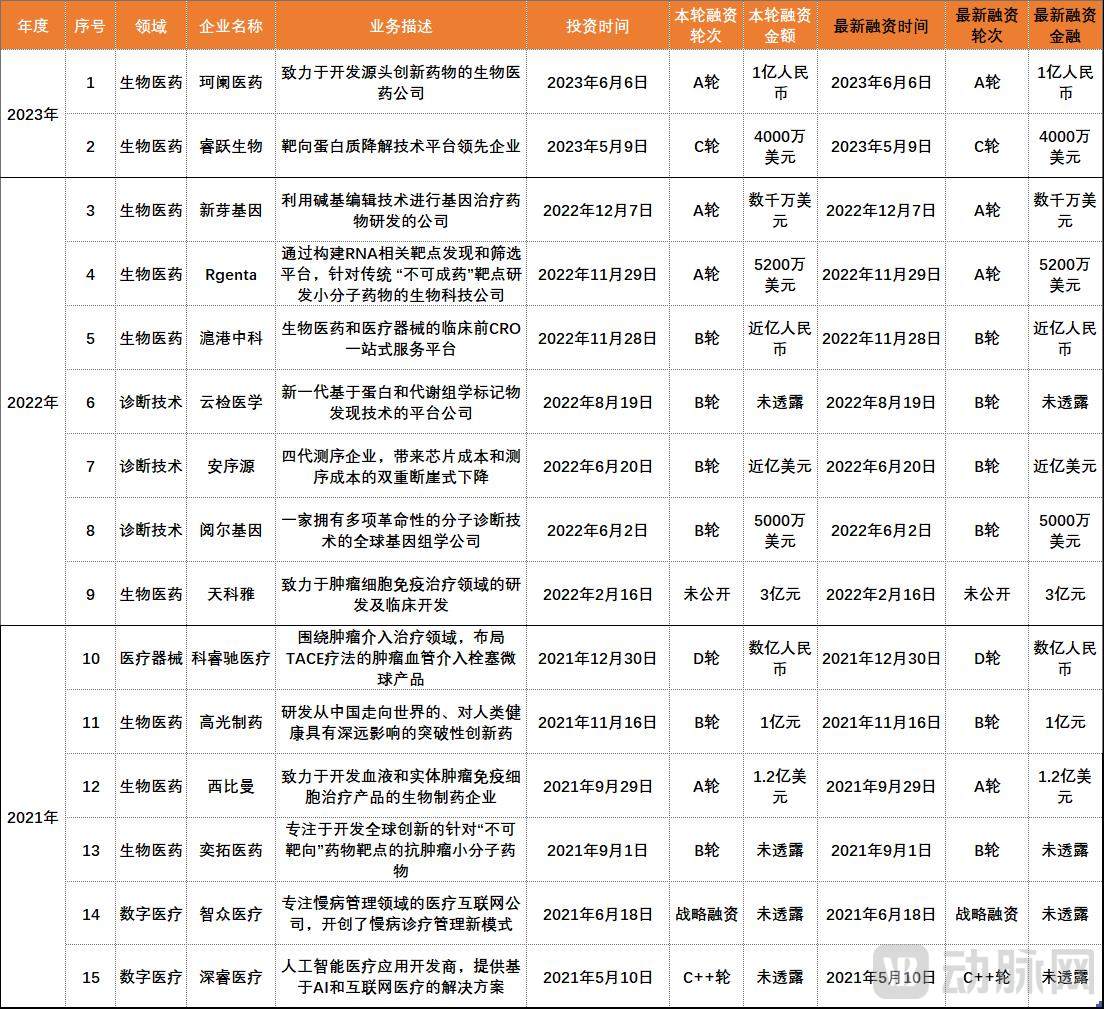
Inventory of Projects Invested by the AstraZeneca-CICC Industrial Fund
Since completing its filing in 2020, the AstraZeneca CICC Industrial Fund has invested in 15 innovative healthcare companies within less than three years, including Kelan Pharmaceutical, Ruiyue Biologics, Xinya Gene, Rgenta, Hugang Zhongke, Yunjian Medicine, Anxuyuan, Yueer Gene, Tiankeya, KeraChi Medical, Gaoguang Pharmaceutical, CytoNiche, Yituo Pharma, Zhizhong Medical, and Deepwise Medical. These investments span multiple subsectors, such as biopharmaceuticals, medical devices, diagnostic technologies, and digital health.
As can be seen from the table above, the timing of the fund’s investments largely aligns with the most recent financing rounds of the portfolio companies, which is also attributable to the fund’s relatively short establishment period.
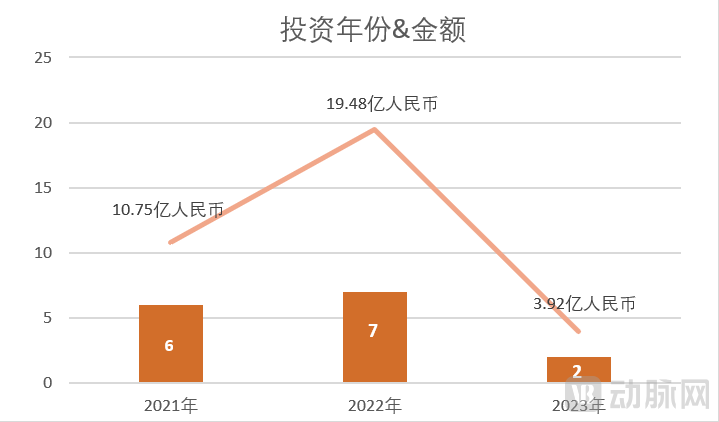
Number and Amount of Annual Investment Projects
An analysis of the fund’s investment volume reveals that it made a peak of seven investments in 2022, primarily concentrated in the biopharmaceutical and diagnostic technology sectors. In 2023, however, the fund’s investment pace slowed, with only two deals completed in the first half of the year as of press time.
On one hand, the decline in the number of investments aligns with the broader economic environment and industry adjustment trends. On the other hand, although the number of investment deals has decreased, the average investment amount per project has not changed significantly. This demonstrates that during the industry adjustment cycle, while funds are exercising caution, truly innovative projects still have opportunities to secure substantial financing.
Furthermore, we note that the three diagnostic technology companies invested in by this fund all reached Series B financing in 2022. These enterprises are maturing and have achieved partial success in the commercialization and industrial application of their diagnostic technologies.
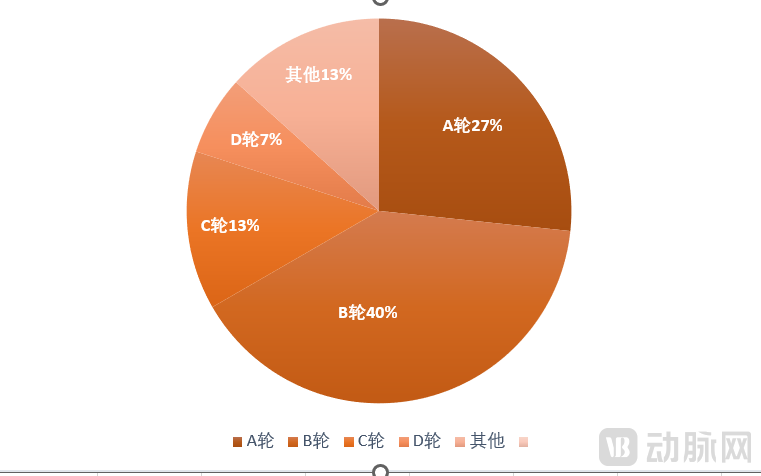
Financing Rounds and Proportions
In terms of investment rounds, the projects funded by the venture capital firm are predominantly concentrated in Series A and Series B, accounting for 67% of the total; Series C accounts for 13%, post-Series C accounts for 7%, and undisclosed rounds account for 13%.
This also aligns with the fund’s investment strategy, which focuses on innovative technologies and therapies. Companies in this segment are generally young, possess cutting-edge technologies, achieve rapid growth in a short period, and have attracted interest from multiple renowned investment institutions. For instance, Gaoguang Pharmaceutical completed three rounds of financing within a single year in 2021; several other projects, including Yueer Genomics, Yituo Pharma, and Keraiche Medical, have also secured investments from well-known firms such as Hillhouse Capital, Sequoia China, and Matrix Partners China.
The development model for such enterprises is also relatively clear, with the investment objective being to facilitate their rapid growth, accelerate the industrialization and commercialization of innovative technologies, and deliver more advanced therapies to the industry and patients.
Closely integrated with its core business, with a focus on advanced therapies in the field of oncology
In terms of sectors, the 15 projects invested in by the AstraZeneca CICC Industry Fund primarily cover biopharmaceuticals, medical devices, diagnostic technologies, and digital health. The pharmaceutical sector is a key focus area, with the fund having invested in nine innovative pharmaceutical R&D enterprises. Additionally, the portfolio includes one medical device company, three diagnostic technology companies, and two digital health companies.
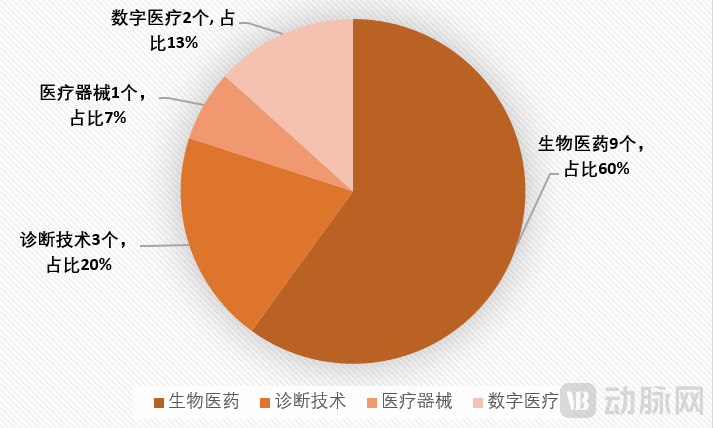
Distribution of Investment Sectors
The fund’s investment portfolio spans a wide range of subsectors, including gene editing, protein degradation technologies, cell therapies, and innovative RNA-based small-molecule drugs, as well as preclinical CROs and AI-driven healthcare. Its key therapeutic focus areas include oncology, metabolic diseases, rare diseases, and chronic conditions.
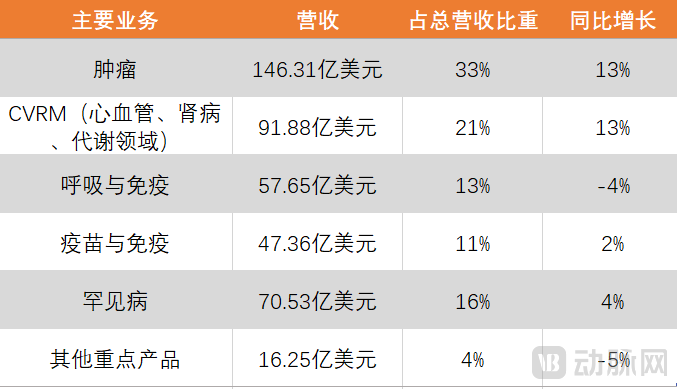
AstraZeneca: Revenue Share and Growth in Key Business Areas, 2022
The choice of investment areas is also closely tied to AstraZeneca’s business layout. According to AstraZeneca’s 2022 annual report, the oncology segment was its largest revenue source, with sales reaching $14.631 billion, accounting for 33% of total revenue and representing a 13% year-on-year increase.
AstraZeneca also focuses on the cardiovascular, renal, and metabolic (CVRM) sectors. Driven by the strong growth of dapagliflozin, AstraZeneca’s sales in the CVRM segment increased by 13% year-over-year in 2022, reaching $9.188 billion and accounting for 21% of total revenue. Additionally, AstraZeneca places significant emphasis on respiratory and immunology, vaccines and immunotherapy, and rare diseases.
Focusing on Innovation and Collaboration to Drive the Continuous Expansion of an Innovative Health Ecosystem
As a distinctive player in the wave of medical innovation, AstraZeneca has been deeply cultivating the healthcare innovation market since its entry into China in 1993. In terms of R&D innovation, AstraZeneca invests approximately $10 billion globally each year in research and development. In 2021, the company’s fourth global R&D center was officially established in Shanghai, further building a healthcare innovation ecosystem matrix in the Chinese market.
After several years of development, the innovative “troika” comprising the China Center for Intelligent Healthcare Innovation (CCiC), the International Life Science Innovation Park (iCampus), and the AstraZeneca CICC Medical Industry Fund has taken shape. A nationally coordinated life science innovation ecosystem network has also begun to emerge.
As one of the “three pillars” of AstraZeneca’s commercial innovation and a key component of its innovative health ecosystem, the AstraZeneca CICC Industry Fund plays a pivotal role by leveraging capital to connect with the industry. It helps local innovators make the critical leap from “technical success” to “commercial success,” thereby further upgrading and expanding the pharmaceutical innovation ecosystem. It is reported that the AstraZeneca CICC Industry Fund has already completed fundraising for its regional funds in Hangzhou and Wuxi.
Aligned with the strategic planning of AstraZeneca’s innovation ecosystem, the fund has also integrated AstraZeneca’s own business layout to establish strategic partnerships with its portfolio companies.
For instance, Genetron Health is a technology-innovation-driven global genomics company that possesses multiple revolutionary molecular diagnostic technologies. These technologies can reduce sequencing costs across all NGS platforms by more than 98% and increase the sensitivity of qPCR, Sanger sequencing, and nanopore sequencing by over 100-fold. In June 2022, the Fund completed its investment in Genetron Health. Prior to this, the Fund had already collaborated with Genetron Health at the R&D level. Furthermore, CloudDx Medicine has partnered with AstraZeneca to conduct exploratory research in the fields of proteomics and metabolomics, while CytoMed Therapeutics has engaged in global collaboration with AstraZeneca on CAR-T-related drug development, among other initiatives.
It can also be described as another form of investment-enabled empowerment. Leveraging AstraZeneca’s deep industry insights and global resources, the Fund can provide multi-dimensional support to its portfolio companies. For non-pharmaceutical enterprises such as Deepwise Medical, the Fund can facilitate tripartite collaborations with AstraZeneca and its medical departments by tapping into AstraZeneca’s network in China. This helps support the in-hospital implementation of the companies’ projects and provides access to expert resources and scientific advice for application scenarios.
Leveraging AstraZeneca’s industrial resources and innovation ecosystem, the fund’s empowerment capabilities span the entire industry value chain—from R&D and clinical development to commercialization—while also providing financial support such as investment and financing, secondary market advisory, and IPO planning. This represents a truly comprehensive, end-to-end acceleration framework grounded in real-world needs.
Targeting Real Science: What Innovative Capabilities Do 15 Companies Possess?
Having cultivated the Chinese market for 30 years, AstraZeneca has remained committed to ensuring that patients in China have simultaneous access to world-class innovative medicines. The establishment of the AstraZeneca CICC Industry Fund aims to further unlock Chinese innovation, enabling patients worldwide to benefit from new drugs developed in China.
In the final section of this article, we review the 15 medical innovation enterprises invested in by the AstraZeneca CICC Industrial Fund since its establishment. By continuously deepening its expertise and exploration in emerging technologies and fields, the AstraZeneca CICC Medical Industry Fund helps drive a steady stream of Chinese innovations onto the global stage.
Kelun Pharmaceutical: Focusing on First-in-Class Novel Disease Targets to Develop International Innovative Drugs for Major Diseases
Kelun Biopharma, established in 2021, is a biopharmaceutical company dedicated to the development of source-innovative drugs. The company focuses on identifying novel First-in-class disease targets, leveraging expertise in disease biology, medicinal chemistry, and clinical translational medicine to conduct innovative R&D for major diseases, including metabolic disorders (such as hyperlipidemia, obesity, diabetes, atherosclerosis, and NASH) and cancer.
Metabolic diseases and cancer are major health challenges affecting humanity. Since its inception, Kelan Pharma has been committed to building a R&D pipeline characterized by differentiated innovation. By focusing on novel targets, assembling a team with original scientific research capabilities, and establishing an independent, innovative R&D platform, the company demonstrates its potential for developing innovative drugs at the source of research and development.
Currently, Kelan Pharma has established a robust R&D pipeline, with multiple projects focusing on first-in-class targets for original innovation. Among these, two representative projects are approaching the Preclinical Candidate (PCC) selection stage.
Ruiyue Biologics: Drug Design Goes Beyond Functional Site Inhibition to Achieve Regulation of “Hard-to-Target” Enzymes and Proteins
Ruiyue Biologics is dedicated to developing first-in-class new chemical entities (NCEs) for the treatment of diseases that currently lack effective therapies. Leveraging recent advances in protein degradation technology, the company is developing its proprietary platform: Ubiquitin-Mediated Small Molecule-Induced Target Elimination (uSMITE).
Compared with traditional protein inhibitors, one of the greatest advantages of protein degradation technology is its ability to target undruggable targets or mutant proteins, as well as traditionally untargetable targets such as transcription factors and scaffold proteins. Rayue Biotechnology’s uSMITE platform enables drug design paradigms to transcend functional site inhibition, making it possible to modulate “hard-to-target” enzymes and proteins. Furthermore, the company is expanding the functionalities of the ubiquitin-proteasome system within uSMITE by developing a series of novel E3 ubiquitin ligase ligands, thereby significantly enriching the toolkit available for degrader design.
Based on over two decades of research and key discoveries in the ubiquitin enzyme system, the founder of Ruiyue Biopharma has demonstrated that this foundational technology can rapidly generate a large number of highly potent, selective, and bioavailable compounds. Moreover, the entire process is more cost-effective compared to traditional drug discovery methods. The company’s most advanced pipeline candidate, a first-in-class global broad-spectrum anti-cancer TRK protein degrader, has received approval from the China Food and Drug Administration (CFDA) to initiate clinical trials for the treatment of advanced solid tumors.
Notably, both AstraZeneca and CICC Capital place significant emphasis on PROTAC technology and have increased their investments in this field. The investment in Ruiyue Bio represents one of AstraZeneca’s initiatives to further strengthen its innovative industrial ecosystem.
Xinya Gene: The first in vivo base editing product to enter the clinical stage, with its Pre-IND submission accepted by the FDA
Xinya Gene was established in July 2020. Leveraging its TAM base editing technology platform, the company is dedicated to developing gene therapy drugs that address significant unmet clinical needs. The indication for the company’s first product is Duchenne Muscular Dystrophy (DMD) caused by a series of genetic mutations.
Among rare genetic diseases, Duchenne muscular dystrophy (DMD) is an X-linked rare disorder that predominantly affects male newborns, while females are typically carriers and rarely develop the disease. Patients usually begin to exhibit symptoms between the ages of 3 and 5, including delayed motor development, abnormal gait, difficulty standing, and a tendency to fall easily. Without effective treatment, patients often become wheelchair-dependent by the age of 11–12, and most die before the age of 20 due to cardiopulmonary failure. Due to the small patient population and high research and development costs, few pharmaceutical companies engage in the development of therapies for this condition, or progress is slow; existing medications on the market are classified as “orphan drugs.” With the emergence of gene-editing technologies, there is now new hope for the treatment of DMD.
It is understood that, globally, no in vivo base editing drugs for other indications have yet entered clinical trials. As one of the earliest companies to develop in vivo base editing therapeutics, NewGene has established a comprehensive evaluation system for both in vitro and in vivo assessment of base editing drugs and is developing a series of products targeting Duchenne Muscular Dystrophy (DMD). In April this year, NewGene announced that its first base editing product, GEN6050, had submitted a pre-IND application to the FDA, which was accepted.
Rgenta: The Biotech That Best Understands Multinational Pharma, with Investment and Collaboration from Firms Backed by Multiple Pharmaceutical Companies
Rgenta is dedicated to developing innovative small-molecule drugs that target RNA. Its integrated discovery platform analyzes large-scale multi-omics data, including human genomics and transcriptomics, to identify regulatory sites within RNA amenable to selective modulation by small molecules. This enables the rapid screening of RNA-targeting small-molecule drug candidates, thereby modulating downstream protein expression or altering protein function. Currently, Rgenta is developing a portfolio of oral small-molecule therapeutics targeting RNA for the treatment of cancer and neurological disorders.
Rgenta boasts a world-class team of computational biologists, chemists, and genomics experts, drawing significant attention from the capital markets. As RNA-focused biotech companies garner increasing interest, establishing collaborations with pharmaceutical firms has become an essential imperative for these startups. Leveraging its strong industrial heritage, Rgenta has emerged as the biotech firm with the deepest understanding of multinational pharmaceutical companies.
Currently, Rgenta has established collaborations with multiple multinational pharmaceutical companies. Disclosed partnerships include the development of neurological indications with Lundbeck, the Danish pharmaceutical giant. Furthermore, Rgenta has attracted attention from several investment institutions backed by major pharmaceutical companies, including the AstraZeneca CICC Medical Industry Fund, Lilly Asia Ventures, and the Boehringer Ingelheim Venture Fund, among others, paving the way for potential future collaborations.
Shanghai-Hong Kong Zhongke: A Full-Process, Integrated Preclinical CRO for Innovative Drugs and Medical Devices, Empowering China’s Pharmaceutical Innovation to Go Global
Shanghai-Hong Kong Zhongke specializes in outsourced preclinical research and evaluation services for biopharmaceuticals and medical devices (“preclinical CRO”). The company provides a one-stop service platform encompassing safety assessment studies, pharmacological and efficacy studies, and pharmacokinetic studies. It has established preclinical research and evaluation laboratories in three locations: Hong Kong Science Park, Pingshan District of Shenzhen, Guangdong Province, and Suzhou Industrial Park, Suzhou, Jiangsu Province. Shanghai-Hong Kong Zhongke is actively developing its supply chain, with established bases for experimental beagles in Hunan and for the breeding and scientific research of non-human primates in Guangxi.
Driven by innovative drugs, China's pharmaceutical industry has developed rapidly. Over the past five years, the number of initial clinical trial applications for innovative drugs has increased tenfold, with a large number of domestically produced innovative drugs entering clinical development. Preclinical research and safety evaluation services have provided a crucial foundation for this progress. However, preclinical safety evaluation services face significant entry barriers, as they can only be conducted in specialized Good Laboratory Practice (GLP) laboratories. Obtaining various qualifications and certifications is difficult and time-consuming, making senior professional teams with extensive experience a scarce resource in the preclinical CRO industry.
Shanghai-Hong Kong Zhongke possesses end-to-end, integrated pharmaceutical R&D service capabilities and technical platforms, along with a comprehensive, senior business team in this field. Its core members include senior scientists with many years of specialized toxicology research, pharmacologists, immunology researchers, laboratory animal technology experts, pathologists certified by the American College of Veterinary Pathologists, and senior scientists with extensive industry experience in quality management, facility construction and management, and other related fields.
Yunjian Medical: Exploring the Chinese Path of “AI + Multi-Omics Testing” and Collaborating with AstraZeneca on Multiple Occasions
Yunjian Medicine is a next-generation platform company based on protein and metabolomics biomarker discovery technologies. Since its establishment in 2015, the company has built a unique analysis platform driven by medical hypotheses, based on mass spectrometry proteomics and big data, which shortens the cycle of discovering disease biomarkers using traditional methods. It also adapts corresponding clinical diagnostic platforms according to the characteristics of the biomarkers, achieving a closed-loop path for rapid productization.
Currently, the company is rapidly advancing the registration and commercialization of IVD/LDT products in China, the United States, Japan, and other regions, focusing on women’s and prenatal health, pediatric rare disease testing, precision cancer diagnosis and recurrence monitoring, and innovative testing for metabolic diseases.
Although mass spectrometry platforms have been successfully commercialized in overseas research fields for many years, their application in China’s clinical diagnostics sector is largely confined to traditional biomarkers, and market penetration remains constrained by complex pre-analytical workflows. Yunjian Medical’s platform technology innovation stems from the R&D team with a background at Stanford University School of Medicine, leveraging over 19 years of accumulated expertise. Building on its extensive experience in omics data and disease modeling, Yunjian Medical has established a “Mass Spectrometry Proteomics and Big Data-Driven Development Platform,” dedicated to exploring and implementing a Chinese approach to “Artificial Intelligence + Multi-Omics Testing.”
In August last year, Yunjian Medicine announced an exploratory research collaboration with AstraZeneca in the fields of proteomics and metabolomics, including but not limited to the detection of common innovative drug targets in drug development based on mass spectrometry-targeted technology. Yunjian Medicine will provide AstraZeneca with mass spectrometry-driven companion diagnostic tests for innovative drug development, helping to accurately identify more effective patient populations and optimize clinical trial protocols. Previously, Yunjian Medicine’s U.S. R&D team had also collaborated multiple times with AstraZeneca’s global translational medicine team.
Anxuyuan: Autonomous and Controllable Ultra-Low-Cost Chip Technology—Lower Sequencing Costs, Longer Read Lengths, Higher Accuracy, and Faster Detection
Anxuyuan was founded in 2016 by a team of serial entrepreneurs from Silicon Valley, executives from multinational corporations, senior engineers, and scientists. With R&D centers in the United States and China, the company’s expertise spans biochip development, nanotechnology, microfluidics, biotechnology, bioinformatics, big data, and artificial intelligence. It has consistently attracted attention and investment from top-tier global venture capital firms.
Due to the technical barriers and cost constraints of highly integrated platforms, the global penetration rate of high-throughput sequencing technology remains low. The widespread adoption and broader accessibility of sequencing technologies require the emergence of sequencing platforms that are simultaneously miniaturized, low-cost, high-precision, and high-efficiency.
To achieve lower sequencing costs, longer read lengths, higher accuracy, and faster detection, Anxuyuan has developed a nanoscale Bio-CMOS chip leveraging large-scale integrated circuits and microfluidics technology. This chip has been successfully deployed in Anxuyuan’s fourth-generation sequencers. The high-throughput capability of the single chip, featuring millions of channels, has led to a dramatic cliff-like reduction in both chip and sequencing costs. Furthermore, Anxuyuan’s proprietary microfluidic Bio-CMOS chip technology offers strong scalability for applications, with technological extensions into the field of multi-omics testing.
Yueer Genomics: Achieves a 98% Reduction in Sequencing Costs and a 100-Fold Increase in Sensitivity; Proprietary Technologies Repeatedly Licensed to International Sequencing Giants
Yueer Gene was established in October 2019 through the merger of China’s CarrierGene and the U.S.-based NuProbe, focusing on genetic testing for infertility and oncology. Its core team comprises tenured professors from Harvard University and Rice University, as well as senior executives from leading companies in the genetics industry, including Illumina, Thermo Fisher, WuXi AppTec, and Daan Gene.
The company has developed multiple revolutionary underlying molecular detection technologies and collaborated with renowned institutions such as the MD Anderson Cancer Center, Microsoft Research, and Shanghai Pulmonary Hospital. It has published nearly 10 research findings in top-tier international journals, including the Nature series, with a cumulative impact factor exceeding 120.
Yuer Genomics is a rare domestic player in the gene industry whose patented technologies have been licensed by leading international sequencing companies, which are required to pay licensing fees. In the field of oncology testing, Yuer Genomics’ newly developed liquid biopsy products, based on its proprietary BDA and QASeq technologies, have demonstrated excellent clinical performance. The company has established collaborations with over 300 hospitals and obtained CE marking for in vitro diagnostic reagents in the European Union. Meanwhile, Yuer Genomics has also built close collaborative and development partnerships with internationally leading technology companies such as BioNano and C2i Genomics.
By leveraging innovative molecular diagnostic technologies, Genetron Health can reduce sequencing costs across all NGS platforms by more than 98% and increase the sensitivity of qPCR, Sanger, and nanopore sequencing by over 100-fold.
Tiankeya: Building Four Pioneering Technology Platforms to Address the Four Major Pain Points in Solid Tumor Cell Therapy Development
Tiankeya was founded in 2016 with the mission of “innovation driven by patients,” dedicated to research and development as well as clinical development in the field of tumor cell immunotherapy.
The cell therapy sector is intensely competitive, yet the treatment of solid tumors remains a formidable challenge. Solid tumors account for over 90% of all cancer cases, and replicating the success of CAR-T therapy in hematologic malignancies within the realm of solid tumors has become a major industry trend. Addressing the four key pain points in solid tumor cell-based drug development, Tiankeya has established four unique platforms spanning from target discovery to cell manufacturing. These include the TRUST platform, an AI-driven high-throughput single-cell screening system designed to tackle TCR screening challenges; the CHECK-T platform, developed to counteract the immunosuppressive tumor microenvironment; the TURBO-T platform, aimed at resolving tumor heterogeneity issues; and the NK platform, engineered to ensure efficient transfection and expansion of NK cells, thereby fully leveraging their advantages as off-the-shelf, universal cell therapies.
Currently, the company’s TCR-T therapy loaded with anti-PD-1 antibodies for the treatment of advanced cervical cancer has entered clinical trials. This is the first approved TCR-T clinical trial for cervical cancer in China and the first approved global clinical trial of HPV-targeted TCR-T therapy loaded with anti-PD-1 antibodies.
Keruichi Medical: Resolving Bottleneck Challenges in Embolization and Drug-Eluting Microspheres, with a Fully Established Industrial Ecosystem
Koruichi Medical, established in late 2015, is a platform company dedicated to the research and development, manufacturing, and sales of medical devices in the field of interventional oncology. The company focuses on tumor vascular intervention, adopting a strategy led by Transarterial Chemoembolization (TACE) therapy with layout segmented by cancer types. Its product portfolio encompasses three major segments: tumor vascular intervention, minimally invasive energy-based tumor intervention, and vascular access intervention. Currently, Koruichi Medical has achieved a comprehensive solution in the TACE field and obtained 15 Class III medical device registration certificates.
The company’s team comprises clinicians and medical device R&D professionals. Driven by “therapy insights” and leveraging the BEST R&D system, we seamlessly bridge technical engineering language with clinical needs. We are committed to developing and manufacturing minimally invasive interventional medical devices for cancer treatment that are better suited to the Chinese population, thereby alleviating suffering and extending lives for more patients.
On March 15, 2023, the new generation of embolic microspheres independently developed by Keruichi Medical received approval from the National Medical Products Administration (NMPA) for market launch. This is the first microsphere product in China to be validated through pre-market randomized controlled trial (RCT) clinical studies. The product not only resolves the critical technological bottlenecks in patent-protected embolic and drug-eluting microspheres, achieving 100% domestic patent coverage, but also creatively develops a new generation of “biomimetic core-shell structure” embolic microspheres and completes their industrialization, effectively filling the gap in domestically produced technologies and products for transarterial chemoembolization (TACE) in interventional tumor therapy. Currently, Keruichi has established a complete industrial ecosystem chain and achieved product registration approval as well as large-scale mass production.
Gaoguang Pharmaceutical: $950 Million! TYK2/JAK1 Inhibitor Makes a Strong Global Debut
Gaoguang Pharmaceuticals, established in 2017 and headquartered in Hangzhou, is an innovative drug development company rooted in China with a global outlook, driven by independent research and development. Its R&D team comprises numerous drug discovery scientists with over two decades of experience at multinational pharmaceutical companies, as well as experts in clinical development and regulatory submissions for innovative drugs in both China and the United States.
Gaoguang Pharmaceuticals is dedicated to the research and development of novel small-molecule drugs for the treatment of autoimmune and inflammatory diseases, as well as neurodegenerative disorders. The company’s lead program, a dual TYK2/JAK1 inhibitor, is a platform-based initiative that has secured patent grants in more than ten countries, holds global rights, and spans multiple therapeutic areas.
On March 22, 2023, Biohaven announced a collaboration agreement with Aura Biosciences to acquire the global rights (excluding Greater China) to TLL-041, a JAK1/TYK2 inhibitor developed by Aura Biosciences. Under the terms of the agreement, Biohaven will make an upfront payment of $20 million (in cash and stock), up to $950 million in milestone payments, and tiered, variable royalty payments on sales. Biohaven plans to initiate Phase I clinical trials in 2023, with both parties collaborating globally on clinical development.
TLL-041 is a highly selective, brain-penetrant JAK1/TYK2 inhibitor with potential applications in central nervous system inflammatory diseases such as Parkinson’s disease, Alzheimer’s disease, and multiple sclerosis. TLL-041 was invented by Dr. Liang Congxin, founder of HighLight Pharma. Dr. Liang is also the inventor of several approved new drugs, including sunitinib and ensartinib, as well as other novel drug candidates currently in the marketing application phase or Phase III clinical trials, such as TLL-018.
Cibiman: Breaking the Cycle of Hypercompetition in CAR-T, Going Global with High Standards to Build a Worldwide Biopharmaceutical Ecosystem
Cibiomab was the first Chinese innovative biopharmaceutical company to list on NASDAQ, officially announcing the initiation of privatization at the end of 2019. In February 2021, Cibiomab successfully completed its privatization and delisted from the U.S. stock market. As a well-established cell therapy enterprise in China, Cibiomab strives to develop Best-in-Class products in the field of cellular therapies for hematologic malignancies and solid tumors.
Cytopeutics operates three major cell technology platforms, with all cell therapy manufacturing facilities designed and managed in accordance with Good Manufacturing Practice (GMP) standards in both China and the United States. Currently, the company’s GMP-compliant facilities in China comprise 12 independent cell therapy production lines, while its U.S. GMP facilities include 5 independent cell therapy production lines.
Leveraging its robust capabilities in R&D, innovation, and manufacturing, Cytovance Biologics has achieved continued success in international markets. In May 2023, Cytovance Biologics announced an exclusive global collaboration with Janssen to develop, manufacture, and commercialize next-generation novel CAR-T cell therapy products for the treatment of B-cell malignancies: C-CAR039 (targeting CD19/CD20) and C-CAR066 (targeting CD20).
Under the terms of the agreement, Janssen will obtain exclusive rights to develop two CAR-T cell therapy products, C-CAR039 and C-CAR066, outside of China, as well as a right of first refusal for their development within China. Cellular Biomedicine Group will receive an upfront payment of $245 million. Upon achieving certain predefined milestones in clinical development, regulatory submissions, commercialization, and sales, Cellular Biomedicine Group will also be eligible for multiple milestone payments. Following commercialization, Cellular Biomedicine Group will further receive royalties based on Janssen’s net sales.
This deep collaboration with Johnson & Johnson is a key component of CytoMed’s strategy to build a global biopharmaceutical ecosystem, underscoring the company’s long-term growth potential.
Yituo Pharma: Protein Liquid-Liquid Phase Separation Technology Platform, Providing a New Perspective for the Development of “Undruggable” Targets
Yituo Pharma was founded in October 2018 and co-established by Dr. Zhu Jidong, a former professor at the Chinese Academy of Sciences. The company’s core team members hail from multinational pharmaceutical companies such as Novartis, AbbVie, and Sanofi. Yituo Pharma has independently developed a globally leading protein liquid-liquid phase separation technology platform, providing new perspectives and strategies for drug development, particularly for targets previously considered “undruggable.”
Dr. Zhu Jidong and his team have dedicated many years to this field, publishing significant research findings in top-tier international journals such as Cell and Cell Research. They elucidated a novel strategy for modulating drug target function by targeting protein liquid-liquid phase separation (LLPS) with small-molecule drugs, thereby opening new avenues for developing small-molecule therapeutics against “undruggable” proteins. In the article “Drug Startups Coalesce around Condensates,” published in Nature Biotechnology in February 2021, Yituo was highlighted and introduced as one of the global pioneers among biopharmaceutical companies focused on the development of drugs targeting protein liquid-liquid phase separation.
The remaining core members of Yituo Pharma hail from multinational pharmaceutical companies such as Novartis, AbbVie, Sanofi, and AstraZeneca, forming a young team with an average of over 10 years of experience in drug R&D. Having collaborated for many years, the team possesses extensive expertise in the development of “first-in-class” small-molecule drugs. Leveraging its globally leading platform for protein liquid-liquid phase separation technology, Yituo has rapidly built multiple R&D pipelines, one of which has advanced to clinical trials, offering new therapeutic solutions for cancer treatment.
ZhiZhong Medical: A One-Stop, Standardized Integrated Management Platform for Chronic Disease Diagnosis and Treatment, Pioneering a New Model of Chronic Disease Care Management
Shanghai Zhizhong Medical Technology Co., Ltd. is a healthcare internet company specializing in chronic disease management. By providing healthcare institutions at all levels with an integrated solution comprising a “patient management platform + data management system + medical testing devices,” the company has pioneered a new model for chronic disease diagnosis, treatment, and management. It is committed to building China’s largest one-stop, standardized comprehensive management platform for chronic disease care, leveraging the Internet of Things (IoT) and big data technologies.
Currently, the main projects that Zhizhong Medical is involved in include: the “MMC” Standardized Metabolic Disease Management Center project, the Diabetic Retinopathy Prevention and Control Center project, and the Smart Hypertension Diagnosis and Treatment Center project. Among these, driven by leading experts, Zhizhong Medical, and its partners, nearly 800 hospitals across China have signed up to join the “MMC” project, with close to 400 hospitals successfully launched and operational. In the next six months, “MMC” will be established in more than 1,000 hospitals nationwide.
Meanwhile, Zhizhong Medical has partnered with Omron Healthcare (China) to integrate strengths across team collaboration, medical device integration, sharing of medical resources, in-hospital operational promotion, and home-based data collection and management. Through this mutual integration and complementary approach, they have actively explored and established a standardized, replicable management system in the field of chronic disease care. Currently, the two companies have also reached further intentions for cooperation in other medical fields.
Deepwise Medical: Secured Six NMPA Class III Certifications, Leading the Innovation in AI Applications
Deepwise Healthcare, founded in 2017, is dedicated to providing healthcare institutions with AI- and internet-based medical solutions through breakthrough artificial intelligence “deep learning” technologies and independently developed core algorithms. Deepwise’s products are deployed across more than 30 provinces and municipalities in China, delivering AI services to thousands of medical institutions. These services encompass a full spectrum of AI-enabled capabilities, including AI-assisted diagnosis, intelligent screening, clinical decision support, patient services, medical big data governance, scientific research, physician training, and capacity building.
Currently, Deepwise Medical has led and participated in 7 key R&D programs of the Ministry of Science and Technology, 14 projects funded by the National Natural Science Foundation of China, and more than 30 provincial and municipal research projects. These initiatives cover multiple research areas, including medical image processing, the construction and application of knowledge systems for healthcare big data, and related digital therapeutics.
With the widespread adoption and application of new technologies, the field of medical imaging is gradually overcoming challenges and breaking through bottlenecks, empowered by technological advancements. Application scenarios are expanding beyond single diagnostic and therapeutic uses to a broader range of settings. As these scenarios continue to broaden, traditional healthcare is rapidly advancing into the era of smart healthcare. To date, Deepwise Healthcare has established a portfolio of intelligent medical equipment products covering multiple organs and diagnostic and therapeutic areas. Through dual innovations in technology and business models, the company has swiftly deployed its products in clinical settings, accumulating six Class III medical device registrations from the National Medical Products Administration (NMPA), thereby expanding the application of artificial intelligence into new frontiers.
AstraZeneca maintains a long-term positive outlook on the application prospects of artificial intelligence in the pharmaceutical sector. The company will further empower Deepwise Healthcare across multiple dimensions, from capital investment to commercialization, fully unlocking Deepwise’s core technological potential. By supporting local innovation with a global perspective, AstraZeneca aims to drive the development of China’s healthcare industry.