

Navigating the Future of Healthcare in a New Market Landscape: Insights from the 2023 Warburg Pincus Healthcare Summit
As new technologies and therapies continue to emerge, advancing technological capabilities are integrating into the healthcare system at an unprecedented pace.
Meanwhile, the global healthcare industry is facing challenges such as population aging, economic cycle adjustments, and upgrading medical demands. How to seize the opportunities of the times and address the challenges brought by new technologies is an urgent question that all participants in the healthcare industry need to answer.
Where is the future of the healthcare industry headed in the face of today’s challenging environment? On September 6, at2023 Warburg Pincus Healthcare SummitLeading academic experts, top pharmaceutical companies, technological innovators, and investors from China and abroad convened to analyze industry hotspots from multiple perspectives, including policy direction, technological frontiers, capital insights, industrial innovation, and market demand. The event aimed to jointly explore future development trends in the healthcare industry and drive innovation and transformation within the sector.
The summit features four themed sessions, coveringChina's Pharmaceutical Industry: Overseas Expansion and Internationalization Strategy,Generative AI and Artificial Intelligence in Healthcare,Transformation and Upgrading of the Consumer Healthcare Industry,Industrial Investment Empowers Healthcare Enterprisesand other cutting-edge areas, facilitating in-depth sharing and exchange of insights across four key dimensions.
As global expansion becomes a bellwether for pharmaceutical companies, as artificial intelligence integrates into every niche of healthcare, as therapeutic needs evolve into broader health and wellness demands, and as market investment logic faces new challenges, a profound grasp of the value of technology and innovation remains the unchanging underlying logic in this era of transformation. This is precisely the purpose and significance behind Warburg Pincus hosting this summit.
The PE Era of Healthcare Investment Has Arrived
In recent years, the innovation capabilities of China’s domestic medical technology industry have made significant strides. A clear trend is that follow-on innovation in the healthcare sector is nearing its end, with original innovation taking its place as the focal point in the new era of Chinese venture capital and investment.
Correspondingly, the window of opportunity for innovation is gradually narrowing, reflecting not only the acceleration of medical technological advancements but also the intensifying competition within the industry.
In response, Fred Hassan, Partner at Warburg Pincus and former Chairman of Solvay Pharmaceuticals and Bausch + Lomb, stated that as innovation accelerates, with shortening innovation cycles and rising innovation costs, the life sciences sector requires sustained innovation more than any other field. Today, China has become a major contributor to global biological science research. Continued efforts in life sciences, bolstered by entrepreneurial spirit and the infusion of high-quality capital, are transforming China into a global powerhouse in life sciences.
Innovation and global expansion emerged as key themes at the summit. Several leading domestic medical technology companies have begun to establish their presence in overseas markets, achieving remarkable results and sharing their internationalization experiences. Meanwhile, many healthcare enterprises regard clinical value as the paramount benefit of innovation, making close collaboration with clinical practice the most significant source of innovative advancements.
China’s medical technology sector holds immense potential for innovation. As companies build their capacity to develop global markets, they will expand their operational space, overcome uncertainties, and collectively reshape the external environment, thereby achieving a true breakthrough in the industry.
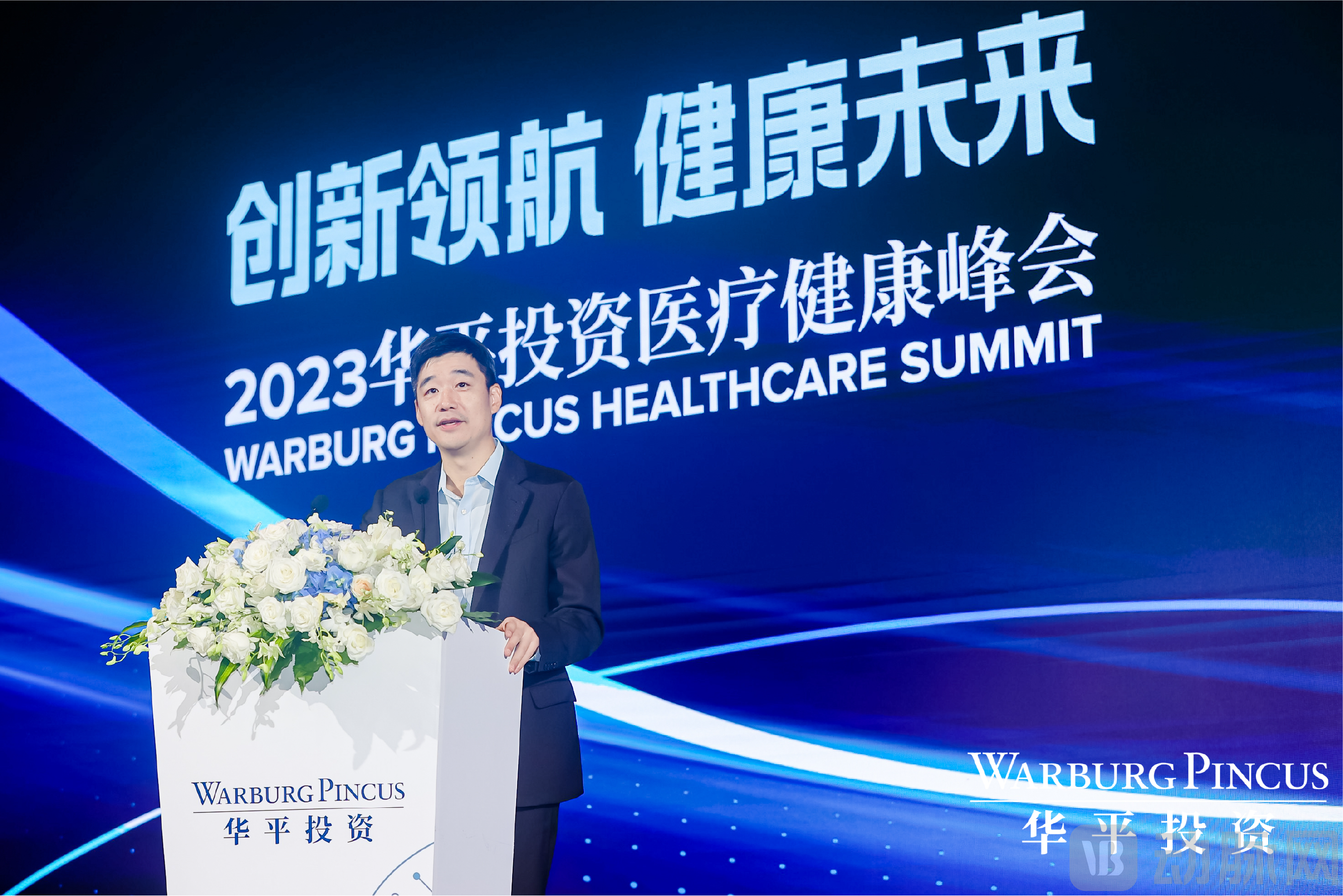
Fang Min, Managing Partner of Warburg Pincus China and Head of Healthcare
Fang Min, Managing Partner of Warburg Pincus China and Head of the Healthcare Sector, stated,China is a major engine of global GDP growth,At this stage, asset prices are significantly lower than those in other major economies, indicating substantial growth potential. Meanwhile, population aging, the upgrading of healthcare consumption, and the continuous advancement of medical innovationChina's healthcare market presents structural opportunities.The Golden Age of PE Investment in China Has Arrived.
As the largest and most active investment firm in China’s healthcare sector, Warburg Pincus will adopt a strategy of facilitating industry consolidation among platform companies and supporting the spin-offs and acquisitions of multinational corporations. With the goals of maximizing shareholder value and delivering post-investment value creation, Warburg Pincus aims to serve as a long-term growth partner for entrepreneurs, comprehensively empowering its portfolio companies and driving high-quality development in China’s healthcare industry.
Chinese Healthcare Companies Accelerate Global Expansion: How to Achieve Success in Overseas Markets?
As “innovation” has become an instinct embedded in the DNA of growth, and as “domestic substitution” is gradually being realized across key niche sectors, expanding overseas operations and achieving internationalization have clearly emerged as the new mission for local medical enterprises in the new era.
On the world map of the fiercely competitive medical industry, Chinese enterprises are increasingly visible in more and more high grounds of international competition, signaling that the strength of China’s medical companies is gradually gaining recognition in overseas markets.
Nevertheless, it is undeniable that the journey of Chinese pharmaceutical companies going global still faces numerous challenges. “Going global” inherently presents difficulties in market access and commercialization, compounded by the fact that most domestic companies lack relevant experience. Meanwhile, the industry also grapples with practical dilemmas such as slow data collection, failures in international clinical trials, and unexpected lukewarm reception in overseas markets.
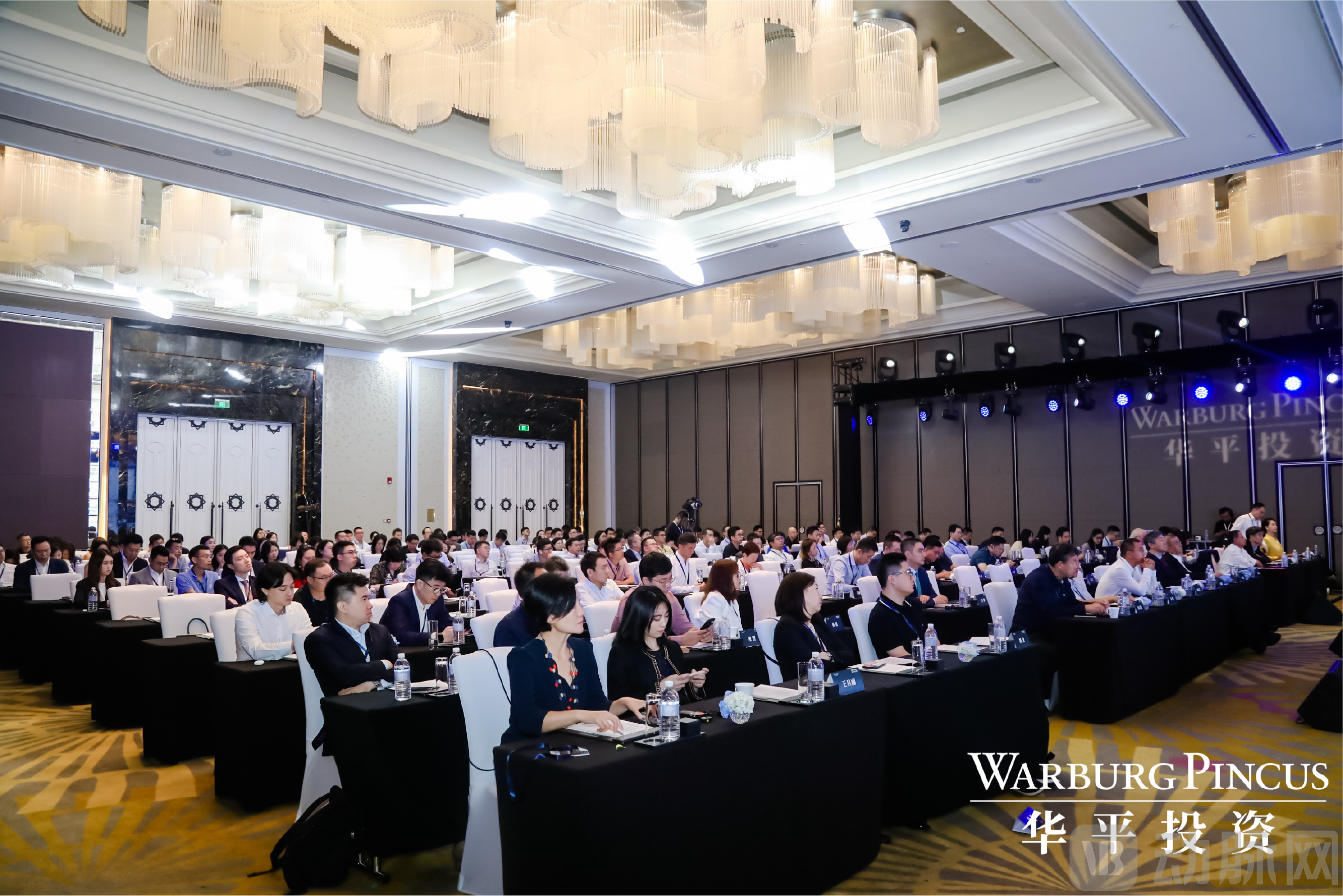
Summit Venue
At the summit, Li Jin, Chairman of HitGen Chengdu, stated that international expansion must firstImportanceRisks of Single-Technology Approaches, the technical platform can be expanded around the needs of core businesses. Secondly,Optimize BD Layout, including market promotion, project management, and strategic partnerships, while also requiring an in-depth understanding of specialized issues such as local industrial policies and human resources policies.
Yang Dajun, Chairman of Ascentage Pharma, also stated,The global pharmaceutical industry focuses on two core aspects: genuine innovation and clinical needs.Over the next 5–10 years, China’s aging population and the sustained growth in healthcare demand will strongly support innovation in the biopharmaceutical industry. China’s biopharmaceutical sector has the potential and opportunity to cultivate true innovation-focused leaders that can secure a place in international competition.
Chinese healthcare enterprises must not only expand globally but also establish a solid foothold. In today’s world, where global supply chains remain fragile,Global CDMO and Supply Chain Capabilities Have Become an Indispensable Foothold for Enterprises Expanding Overseas.
Riku Rautsola, former CEO and President of CordenPharma and Senior Advisor at Warburg Pincus, stated that Chinese pharmaceutical companies possess significant advantages in expertise and talent. He predicts that by 2035, China will surpass the United States in pharmaceutical innovation. In the future, as Chinese pharmaceutical companies further enhance their manufacturing capabilities, raw material supply chains, ability to obtain approvals from the FDA and other regulatory authorities, and establish overseas branches, China is poised to become one of the world’s largest bases for contract development and manufacturing organizations (CDMOs).
Yao Chengzhi, Chairman of Menovo Pharmaceutical, stated that China has substantial demand for both innovative drugs and generic medications. As the global industrial chain implements the "China Plus" strategy, how to correctly understand, effectively implement, and successfully integrate this strategy will present our greatest opportunities and challenges. Breakthrough advances in emerging technology fields will exert an exponential impact on overall market growth.
Technology Disrupts Traditional Healthcare: Generative AI and Artificial Intelligence Unlock New Opportunities
The release of ChatGPT marked the inaugural year of the intelligence era, ushering in a new scientific paradigm.
New drug development is considered a domain where generative AI can disrupt existing paradigms. According to Feng Ren, Co-CEO and Chief Scientist at Insilico Medicine, traditional drug discovery faces challenges such as high costs, low success rates, and lengthy development cycles. These issues stem primarily from three factors: first, the difficulty in identifying robust biological targets; second, the challenge of synthesizing optimal chemical molecules; and third, the need to better design and optimize clinical trial protocols. These are precisely the critical areas where AI can make significant inroads.
The essence of drug action lies in the interactions between drug molecules and proteins. Generative AI can learn these complex physical laws, significantly accelerating this intricate and time-consuming computational process. Moreover, when confronted with large volumes of intractable data, generative AI can leverage its powerful computational capabilities to address complex high-dimensional data mapping problems.
However, the development of generative AI in healthcare also faces challenges. Generative AI is highly data-dependent, and data-related challenges are growing day by day. Ren Feng stated that,Future AI competition will shift from algorithms to data, and “generative AI + intelligent robotics laboratories” will become the standard for drug discovery.
Furthermore, as the application of generative AI in the pharmaceutical sector remains in its nascent stages, realizing the transition from analytical tools to solutions for practical problems requires concerted efforts from multiple industry stakeholders. It is imperative to strictly adhere to the serious nature of medical practice, thereby maximizing value while minimizing risks.
Hongjiang Zhang, Member of the U.S. National Academy of Engineering, stated that generative large language models will transform user interaction paradigms, enhance enterprise efficiency, reshape the platform ecosystem for software applications, and demonstrate significant value in fields such as pharmaceuticals and scientific research. The generalization of multimodal AI will become a future trend, continuously driving the establishment of autonomous agent systems and ushering in the era of true artificial general intelligence.
Consumer Healthcare Is in a Window of Opportunity, Poised to Rejuvenate and Unlock Incremental Market Growth
As population aging intensifies, socioeconomic development advances, and public health perceptions evolve, the consumer healthcare sector has entered its own golden age.
On one hand, the continuous growth of the aging population and the ongoing iteration of technology have opened up new possibilities for the traditional consumer healthcare sector. On the other hand, against the backdrop of consumption upgrading, a wave of “beauty economy” has risen to prominence, with burgeoning personalized demand in multiple scenarios such as medical aesthetics, dentistry, and hair transplantation.
In this context,How to capture new growth in the traditional consumer healthcare sector while tapping into emerging tracks has become the key to seizing market opportunities.
Wu Qinan, CEO of United Family Healthcare, stated: “For innovative therapies, an integrated healthcare system is crucial."In recent years, United Family Healthcare has developed an integrated, systematic solution spanning health management to telemedicine, and from general and specialized hospitals to rehabilitative care, in response to patients’ actual needs. This approach has not only delivered better services to patients but also effectively enhanced operational efficiency."
As the three traditional flagship specialties in consumer healthcare, medical aesthetics, dentistry, and ophthalmology have maintained rapid growth while undergoing certain nuanced changes. According to Lv Pan, Director of the China Business Unit at Sota Medical,In the medical aesthetics industry, there is a clear trend toward a younger consumer base that excels at leveraging social media for product research and shows a preference for non-surgical, minimally invasive aesthetic treatments.
Compared with surgical medical aesthetic procedures, non-surgical options mainly include injections, laser therapies, and ultrasound treatments. These procedures are minimally invasive, offer rapid results, carry lower risks, and have lower unit costs; however, their effects are short-lived, requiring repeated treatments to maintain outcomes. Consequently, they enjoy higher market acceptance and repurchase rates. Furthermore, Lü Pan noted that the current market penetration of light medical aesthetics remains insufficient, suggesting that non-invasive medical aesthetic products will sustain robust growth in the future.
In the field of ophthalmology, Hu Bei, Chairman and CEO of Zhenshiming, stated that the incidence of age-related eye diseases such as glaucoma, presbyopia, and cataracts is increasingly rising.China Needs More Companies to Address People’s Needs in Eye Health, Prevention of Eye Diseases, and Eye Care, expanding into more products related to eye health and care.
Beyond the three traditional sectors, several high-potential niches have emerged in consumer healthcare investment. Zhong Yong, Chairman of Jinxin Fertility, stated that although fertility rates are declining, the penetration rate of assisted reproductive technology (ART) continues to rise, underscoring the resilience and potential of consumer healthcare. Advancing ART requires targeted policies, as well as better integration between education and healthcare services to precisely address people’s needs and challenges related to childbearing.
Post-Investment Empowerment Becomes the Core Competitiveness of GPs, Comprehensively Supporting Enterprise Growth
In an era defined by innovation and transformation, the industry has placed entirely new demands on investors’ capabilities.
On one hand, in recent years, with the increase in direct investments by LPs, top-tier GPs have been operating at full capacity on both fundraising and investment fronts, while the survival and development space for small and medium-sized GPs has been continuously compressed. China’s primary market is gradually forming a highly distinctive set of survival rules.
On the other hand, the slowdown in the growth of the healthcare industry over the past year has led investment firms to unanimously strengthen their post-investment management, while healthcare companies have an increasing need for comprehensive, companion-style post-investment value-added services.
In this context,Investment institutions must not only enhance their investment capabilities but also possess robust fund management systems and value-added service capabilities; post-investment empowerment has become a core competency for general partners (GPs).
In this regard, Lu Shanshan, Deputy General Manager of Taiping Innovation, stated that insurance is inherently closely linked to healthcare. Commercial insurance is gradually becoming one of the key payers for high-value innovative drugs and medical devices, and there is a substantial need for insurance participation as a payer in various healthcare service scenarios. If institutions can empower portfolio companies post-investment by fostering synergistic development with our insurance company—enabling mutual empowerment—their offerings will better align with our allocation requirements.
Fang Jian, Chairman of Jintou Zhiyuan, also stated that under the new circumstances of China’s economic and industrial transformation, enterprises are facing increasing competitive pressure, making post-investment value-added services by general partners (GPs) increasingly important.The division of labor between enterprises and investment institutions is becoming increasingly refined, with institutional investors required to assume responsibilities in areas such as corporate development strategy, talent acquisition, and business transformation.Moreover, the scope of middle- and back-office functions for General Partners (GPs) is expanding, requiring them to serve not only portfolio companies but also Limited Partners (LPs).
Currently, a new round of technological and industrial revolution is advancing by leaps and bounds, and China’s healthcare industry is also taking off with the trend.
Behind the industry’s rapid ascent lies the support of every innovative enterprise and market entrant. Currently, the healthcare industry still boasts broad market prospects, with technological innovations continuously iterating and upgrading. In this era of technology-driven transformation, entrepreneurs are persistently seeking answers through their ongoing efforts.
2023 Warburg Pincus Healthcare Summit connects stakeholders across the industry, leveraging technology as a foundational force, innovation as a breakthrough point, and unmet clinical needs as the focal point to accelerate the development of a global innovative ecosystem for healthcare.