

Mayo Heart Magnetic Files IPO Prospectus: Pioneering Zero-Fluoroscopy Robotic Ablation with Clinical-Driven Innovation
2018,Professor Lu Caiyi, Chief Physician of the Department of Cardiology at the 301 Hospital, and Dr. Chen YuemengCo-foundedMayo Magnetocardiography. This innovative company, which focuses on magnetic navigation catheter ablation surgical robots, has completed five rounds of financing in the five years since its establishment. The most recent round was in August 2023, when Mayo Heart Magnetism announced the completion of a funding round led by Chuangrui Investment.A+round of financing.
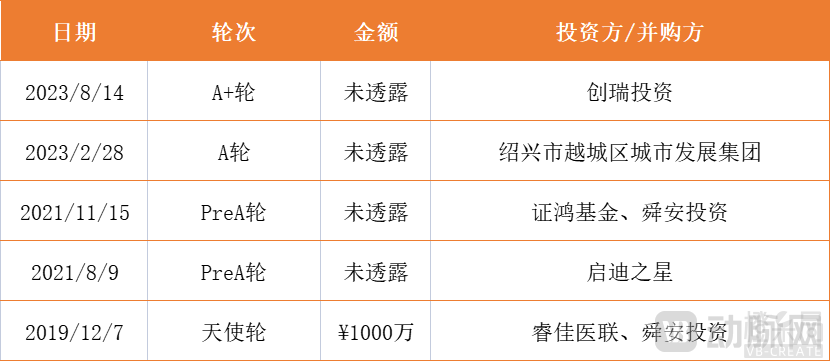 Mayo Clinic’s Magnetocardiography Financing History, Data Source: VCBeat Orange
Wang Yuqiao, Partner at Chuangrui Investment, stated: “As a leading domestic developer of auxiliary control systems for cardiac interventional procedures, Mayo Heart Magnet has independently designed and developed several flagship surgical assistance control systems that align with the industry trend toward zero-fluoroscopy green ablation. The company’s first-generation product, ‘Titian®,’ is leading in clinical trial progress within China and has been granted the National Medical Products Administration (NMPA) ‘Green Channel’ approval. The second-generation product, ‘Titian II®,’ not only comprehensively promotes zero-fluoroscopy catheter ablation but also expands its indications to include the treatment of structural heart disease, providing superior clinical solutions for more physicians and patients.”
Why Has Mayo Heart Magnetism Earned the Favor and Trust of Numerous Investment Institutions?
Faced with this issue, Lu Caiyi naturally attributed the cause toClinical Foundations, R&D Team, and Corporate DevelopmentThree key aspects. As a co-founder, establishing Mayo Cardio-Magnetic was the starting point for Lu Caiyi to innovate and translate his scientific research achievements.
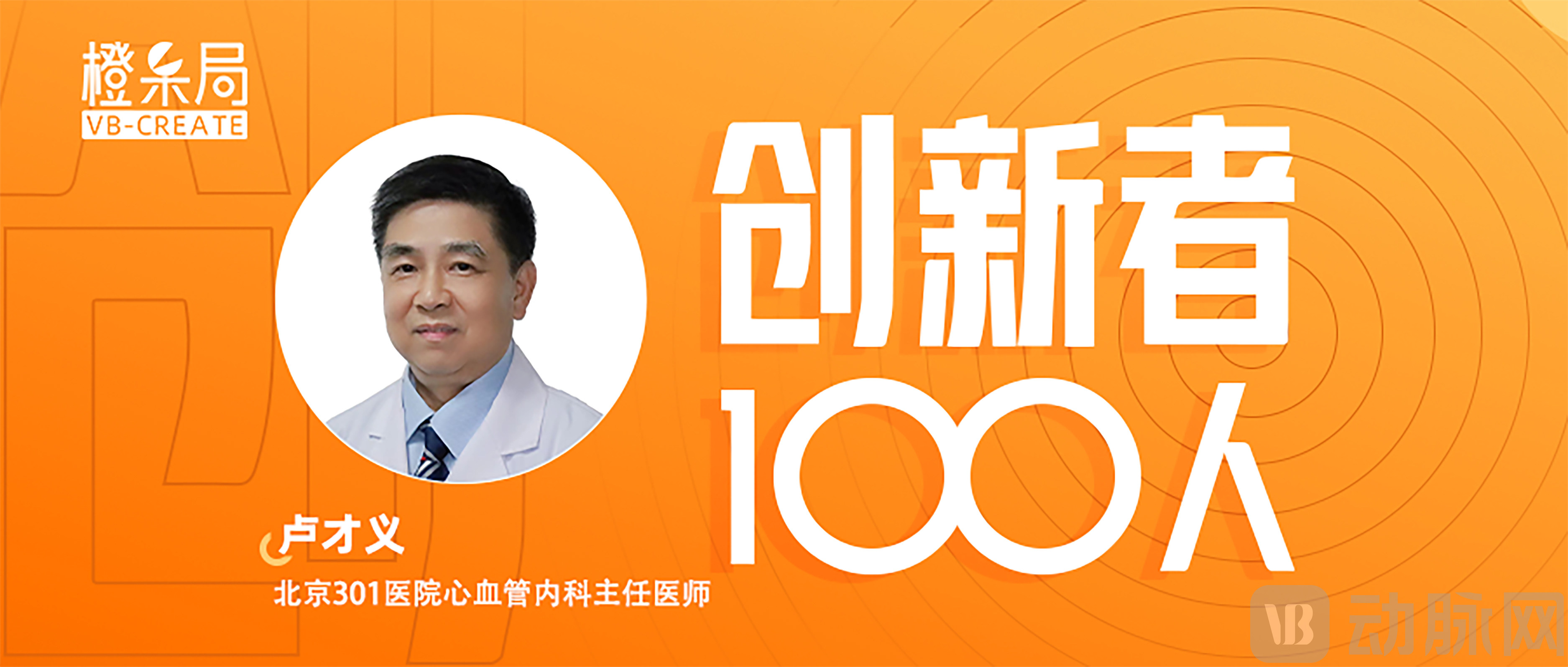
Lu Caiyi, Chief Physician of the Department of Cardiovascular Medicine at Beijing 301 Hospital and Co-founder of Mayo Heart Magnetism
In the interview, Lu Caiyi repeatedly emphasized that he had no concept of entrepreneurship; his sole intention was to unite a group of like-minded and capable partners to address genuine clinical problems. Objectively, however, Lu Caiyi has already become deeply involved in the venture.
But more often than not, entrepreneur Lu Caiyi remains an outsider to the business world.. It is not easy for doctors to start businesses, and Lu Caiyi chose the path that best suited him:Always evaluate every innovation and translation from the perspective of clinicians., in his answer, the innovative translation of scientific research achievements requires both vision and strength.
Not Waiting for Godot
Diving headfirst into the vast ocean of clinical practice, Lu Caiyi devoted the first half of his career to honing his core expertise. With over 30 years of experience in interventional procedures, he has encountered countless complex and refractory cases. As a clinician, he demonstrates profound professional depth, with particular expertise in arrhythmias, heart failure, and catheter-based curative ablation for atrial fibrillation.
But in the field of translating scientific research achievements into practical applications, Lu Caiyi seems to have missed many opportunities. “Many of our patents have already expired, and the reason is"We previously lacked a deep understanding of the concept of translating scientific research achievements into practical applications."“Lu Caiyi remarked with regret. In clinical practice, he and his team identified numerous issues requiring improvement and conducted extensive research, yet none of these efforts ultimately led to successful translation. It was only after the completion of the military reforms at Beijing’s 301 Hospital that Lu Caiyi began to realize: clinicians can also excel in translating scientific research achievements into practical applications.”
This is a new world, and with it comes the proposition laid out before him:
"How to Enter the New Jianghu and Find Allies?"We are actively seeking collaborators to find true like-minded partners..” said Lu Caiyi.
Introduced by a Tsinghua University investor, Lu Caiyi met Dr. Chen Yuemeng for the first time.
In 2014, Chen Yuemeng, who had spent over a decade developing chips and high-tech products in Silicon Valley, chose to return to China to launch his own venture, founding Hanlin Technology, a company dedicated to vital signs monitoring. With “health tracking” as its entry point, Hanlin Technology provides deep health-oriented wearable smart devices that capture human vital signs and activity data, delivering health data solutions for vertical industry sectors.
From the outset, Chen Yuemeng’s vision was to ultimately enter the medical field of precision data diagnostics by leveraging big data for health prediction. After discussions with Lu Caiyi, he discovered that Lu was also focusing on the field of smart medicine, which further solidified this conviction. Subsequently, the two began collaborating on research aimed at reducing the costs of cardiovascular surgical procedures and enhancing their safety, marking the inception of Mayo CardioMagnetic.
“We are on the same wavelength, sharing the same mindset and direction as Dr. Chen Yuemeng..” This is how Lu Caiyi evaluated the beginning of the story.
Becoming the Industry Leader
According to the latest data from the National Center for Cardiovascular Diseases, cardiovascular disease has become the leading cause of death among Chinese residents. In terms of diagnosis and treatment plans for arrhythmia, 70% of patients can manage their condition with medication, while 30% require surgical intervention. Compared to pharmacological treatment, the adoption rate of surgical therapy remains relatively low.
It takes an average of 300 interventional procedures to train an experienced interventional cardiologist, reflecting a steep learning curve. High technical and equipment requirements, along with elevated medical costs, have increasingly become critical barriers limiting the widespread adoption of arrhythmia surgeries. This is the primary reason why Mayo Heart Magnet is dedicated to developing robotic systems for cardiac interventional procedures.
Where there are pain points, there are opportunities. According to Frost & Sullivan estimates, the market size of cardiac electrophysiology devices in China grew from RMB 1.48 billion in 2015 to RMB 5.15 billion in 2020, with a compound annual growth rate (CAGR) of 28.3%. China has a large patient population with tachyarrhythmias. With the gradual penetration of electrophysiology procedures, the market size for electrophysiology devices is projected to reach RMB 21.11 billion by 2024.
Taking catheter radiofrequency ablation as an example, Professor Lu Caiyi mentioned in an interview that this procedure has become a standard treatment for arrhythmias at leading cardiac care centers in Europe, the United States, and China, with success rates reaching 80%–90%. However, its broader promotion and widespread adoption have remained relatively slow.
Benchmarking Stereotaxis, Mayo Heart Magnetism is dedicated to creating a novel cardiac automated navigation technology and developing a proprietary cardiovascular magnetic navigation platform and magnetic catheter consumables system.
To become a leader in any given field, Lu Caiyi believes that the team’s strength, cohesion, and determination are crucial.
Within the Mayo Clinic’s magnetocardiography team, one side is led by Lu CaiyiClinical Physician Team, while the other side is represented by Chen Yuemeng, with a background from the Massachusetts Institute of TechnologyCore Electromagnetic Navigation R&D TeamPhysicians are the primary drivers of clinical needs, while R&D personnel are responsible for the specific implementation. Once a project enters the R&D phase, physicians can further refine the product. Meanwhile, R&D teams must maintain close communication with clinicians at every stage of development. “This ensures the entire process is advanced efficiently,” stated Lu Caiyi.
The milestone achievements of Mayo Heart Magnetism are sufficient to validate Lu Caiyi’s statement.
As the first company in China to complete clinical enrollment trials for atrial fibrillation interventional surgical robots, Mayo Heart Magnetism'sThe first-generation product, TITIAN® Cardiac Electrophysiology Interventional Device Control System, has been approved for inclusion in the National Medical Products Administration (NMPA) Special Review Program for Innovative Medical Devices. It is expected to complete all clinical trial enrollments by the end of 2023 and submit the NMPA registration application for the cardiac electrophysiology interventional surgical robot. Meanwhile, the company’s second-generation product has completed Phase I animal studies.
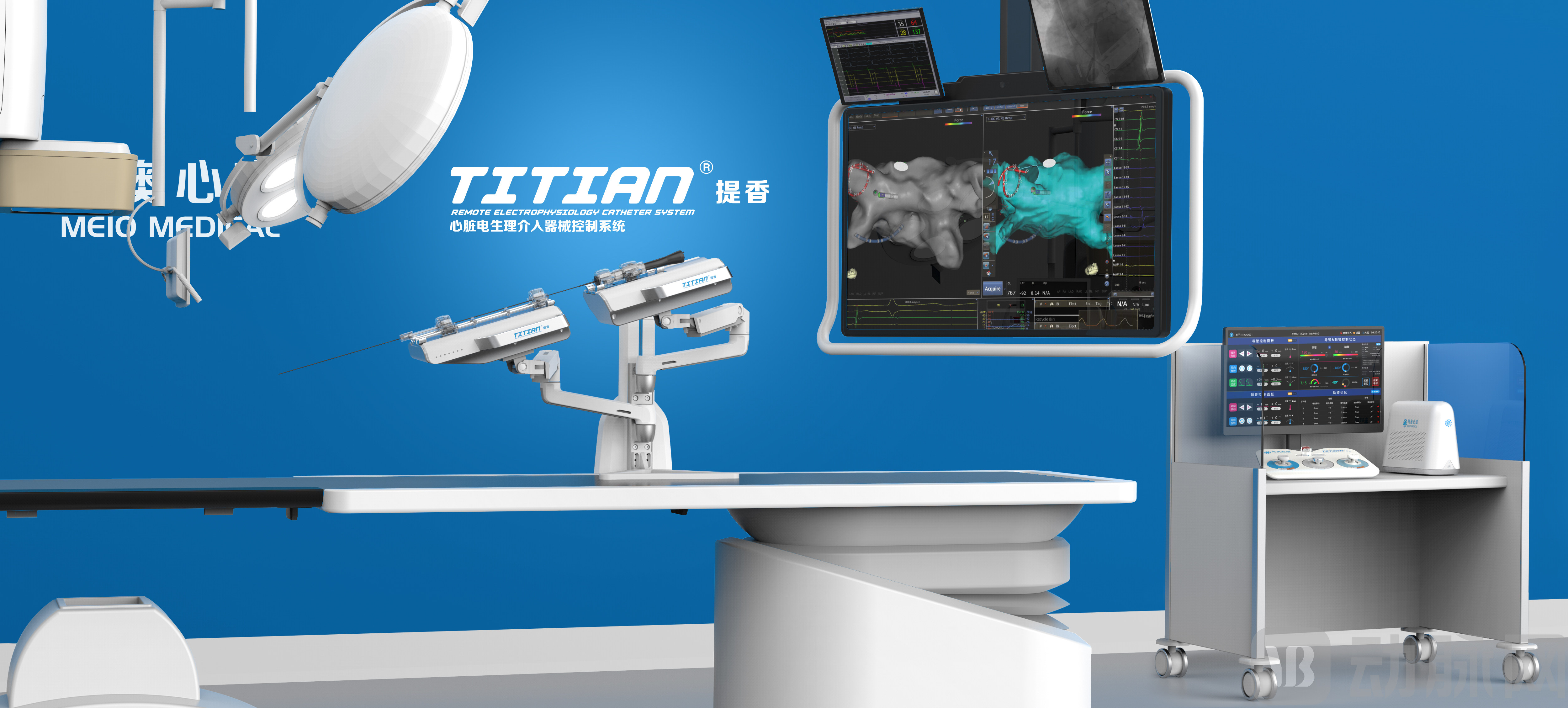
TITIAN Titian® Cardiac Electrophysiology Interventional Device Control System, image provided by the interviewee
Innovation Translation Requires Vision
“The comprehensive application of smart medicine and artificial intelligence in healthcare is only a matter of time; it is merely a question of who takes the lead.” Lu Caiyi’s assertive statement is not without merit. With the rapid development of artificial intelligence, smart medicine helps improve the efficiency and quality of medical services, enhance the utilization of medical resources, and alleviate issues such as the shortage of medical resources.
Taking medical robots as an example, as a highly integrated medical device, they can leverage technologies such as precision robotic arms and sensors to automate procedures in surgery, treatment, and rehabilitation, thereby enhancing surgical accuracy and efficiency while reducing the waste of medical resources.
“But this must by no means be simplistically defined as replacing human labor. Our true goal and direction lie in developing smarter, safer, more effective, and more cost-effective medical devices for clinical application.” To translate this vision into reality, the first requirement isThe team emphasizes top-level design., possess a profound understanding of human learning and robotic intelligent learning; secondly,Products Need to Be Integrated with Clinical Practice, addressing truly unmet clinical needs.
In Lu Caiyi’s view, Mayo Heart Magnetism has long possessed these two critical factors. This is why Mayo Heart Magnetism has been able to tackle the toughest challenges and emerge as the leader in the field of magnetic navigation catheter ablation surgical robots.