

Fishing a Needle from the Ocean: Revolutionizing Transdermal Drug Delivery with Marine Biomaterials
As the oldest multicellular animals on Earth, sponges have existed for 740 million years, appearing two geological eras before dinosaurs. This vast expanse of time has driven their evolution into a rich diversity of species, making them a focal point for scientific research due to their complex fibrous structures, unique neurotoxins, and remarkable regenerative capabilities.
In 2015,Chen MingCompleted postdoctoral research at the University of California, Santa Barbara (UCSB), and joinedCollege of Ocean and Earth Sciences, Xiamen University. He earned his bachelor’s and master’s degrees from the School of Pharmaceutical Sciences at Peking University and his Ph.D. from the Faculty of Biological Sciences and Pharmacy at Friedrich Schiller University Jena in Germany. For him, who has long been engaged in research on pharmaceutics and dermal drug delivery,A Magical Crossover and Turning Point。
Profile of Professor Chen Ming


Chen Ming, Ph.D., Professor at Xiamen University. Xiamen City Introduced Talent (BCategory), Fujian Province Introduced Talent (BCategory), Fujian Province’s “Hundred Talents Program” for attracting high-level professionals. Engaged in the research and development, as well as industrial translation, of marine biomedical materials, nanocarrier drug delivery systems, and transdermal drug delivery systems.
Due to work-related reasons, Chen Ming metProf. Wang Dexiang. Professor Wang, a native of Fujian Province, earned his bachelor’s, master’s, and doctoral degrees all from Xiamen University, forging an indissoluble bond with the ocean early on. He has achieved remarkable accomplishments in the field of sponge animal research.Achieved breakthroughs in artificial sexual reproduction and large-scale artificial suspension culture technologies for sponges, providing valuable materials for the R&D teams focused on bioactive products and marine drugs.
During a conversation with Professor Wang, Chen Ming accidentally learned that there are over 20,000 species of sponges worldwide, and sponge spicules, which constitute the skeletal framework of sponges, serve as a crucial basis for their classification. Having long been engaged in research on transdermal drug delivery, Chen Ming was particularly sensitive to the word “spicule.” When he observed them under a microscope,Bee Sponge SpiculesAt that moment, he realized it was an excellent biomedical material.
I. Sponge Spicules: A Material, a Product, and a Platform
Transdermal Drug Delivery (Skin Drug Delivery) is the third major route of drug administration, following oral and injectable delivery., offering many unique advantages over other routes of administration. However, the skin essentially functions as a biological membrane barrier that separates the internal environment of the human body from the external environment, making it difficult for the vast majority of drug molecules to penetrate and be absorbed through the skin. Therefore, overcoming the skin barrier to achieve safe and effective transdermal drug delivery remains highly challenging.
Microneedle technology is currently the most commonly used method for transdermal drug delivery in clinical practice.The materials used for microneedles vary, resulting in different mechanisms and effects. For instance, solid microneedles work by“Puncture First, Apply Topically After”for drug delivery, but the microchannels formed by solid microneedles on the skin typically close within 20–30 minutes, resulting in a rather limited window for effective penetration of drugs and active ingredients. Additionally, there is a certain risk of fracture within the skin, making removal difficult.
and“Puncture First, Release Later”Nanopatch microneedles, while offering higher user acceptance, maximizing drug release efficacy, and presenting a lower risk of injection-related infection, require application on flat skin surfaces. Furthermore, due to their fixed patch size, they are generally suitable for the delivery of systemic medications or vaccines.
Chen Ming's research found that the purified preparation obtained from artificially cultured fire sponges (Haliclona sp.)Sponge Spicules(sponge Haliclona sp. spicules, SHS), with sharp tips, stable properties, and high mechanical strength, exhibiting uniform morphology and consistent dimensions (approximately 120 μm in length and 7 μm in diameter), making them entirely suitable as aNovel Marine Biomedical Materials for Transdermal Drug Delivery, addressing the limitations of existing microneedle technologies and extending into various dermatology-related fields, includingSkincare Products, Medical Aesthetics, Medical Devices, Pharmaceutical Formulations, Transdermal Vaccine Formulations, and Therapeutic Drug Monitoring for Disease Diagnosis and Treatmentetc.
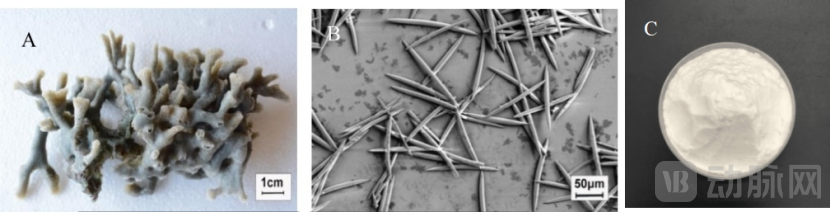
A. Haliclona sp. sponge sample; B. Scanning electron microscopy (SEM) image of purified SHS, showing a bipyramidal structure; C. Purified SHS, appearing as a powder to the naked eye (Image source: Mailin Lanrui)
Furthermore, after bee sponge spicules act on the skin, they induce immune responses in various cutaneous cells and trigger the release of a series of cytokines and immunomodulatory factors. Therefore,Bee sponge spicules can serve as a product in their own right., used for the treatment or adjunctive therapy of various skin conditions, including acne, epidermal reconstruction, facial rejuvenation, and the repair of acne pits, acne marks, and scars.
More importantly,Sponge spicules are essentially a novel microneedle platform technology that creates numerous nanoscale microchannels on the skin surface through physical micro-invasion, thereby enabling the transdermal absorption of various functional molecules.
Compared to the limitations of existing microneedle technologies, sponge spicules (SHS) exhibit several unique advantages: First, sponge spicules act only on the stratum corneum of the skin without damaging cutaneous blood vessels, thereby avoiding bleeding and infection while significantly reducing pain.
Secondly, the sponge spicules form nearly 10,000 nanochannels per square centimeter within the stratum corneum, remaining on the skin surface for 48–72 hours. This significantly enhances the duration and efficiency of transdermal absorption of active ingredients, while also being naturally shed along with corneocytes without leaving any residue.
Furthermore, bee sponge spicules are not limited by dosage, addition ratio, drug form, skin site, or even skin condition; they can be applied to skin of any size and location in forms such as gels, lotions, and creams.
Professor Chen told VCBeat:“The development of sponge spicules from bees not only provides a solution for the artificial propagation and application of sponges but also represents an innovation in transdermal drug delivery and microneedle technology.”
II. Tianxuan’s Bone Needle: The Origin of Innovation
“Are bee sponge spicules the best type of sponge spicules?”—After the initial excitement, Chen Ming’s team fell into contemplation once again.
To identify the optimal material, Chen Ming’s team conducted a comparative study on a series of sponge spicules with varying lengths, diameters, and morphologies. They discovered a correlation between skin permeability and the aspect ratio of sponge spicules following treatment, further elucidating the superiority of honeycomb sponge spicules over other types. Chen Ming stated:“Uniform in size, consistent in morphology, and stable in physicochemical properties… sponge spicules are a rare and serendipitously discovered ideal material.”
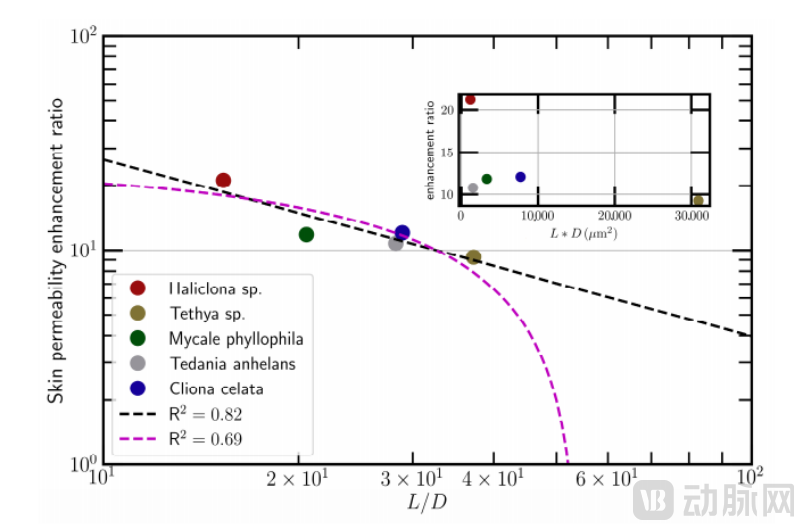
Comparison of Bee Sponge Spicules with Several Other Types of Sponge Spicules (Image source: https://encyclopedia.pub/entry/17165)
Identifying suitable microneedle materials is only the first step in Professor Chen’s scientific research; his ultimate goal is to achieve“Delivering Everything Transdermally”。
During the study of sponge spicules, Professor Chen discovered thatThe transdermal penetration-enhancing effect of sponge spicules is inversely proportional to the molecular weight of the delivered molecules.Therefore, the transdermal absorption of biomacromolecules remains highly challenging. On the other hand, poorly soluble or lipophilic drugs still struggle to penetrate into the hydrophilic viable epidermis and dermis, even when the stratum corneum barrier is compromised.
To address these challenges in transdermal delivery, Professor Chen’s team developed a system based on bee sponge spicules“One Body, Two Wings” Technology Platform。
"Yi Ti" refers to the novel dispersed microneedle platform based on bee sponge spicules., including surface modification, material coating, and structural remodeling of sponge spicules. By leveraging technologies such as laser engraving and nanomaterial integration, Professor Chen’s team has innovatively developed nearly five types of modified sponge spicules.
These technologies include a transdermal vaccine delivery system that utilizes alkylated bone needle surfaces to facilitate the adsorption and release of protein drugs, as well as medical technologies based on mesoporous layer modification of bone needles to enable synergistic drug loading and release, even in combination with photosensitizers for the treatment of cutaneous metastatic melanoma. Furthermore, bone needles integrated with low-frequency ultrasound have been developed for the delivery of heparin in the treatment of superficial varicose veins, demonstrating promising applications in disease diagnosis and therapeutic drug monitoring.
“The Two Wings” refer to the nanocarrier platform and the ionic liquid solvent platform, which can work synergistically with sponge spicules.“By adopting a dual-pronged approach, we can not only enhance drug administration efficiency but also modify the delivery methods for certain poorly soluble molecules, thereby reducing systemic side effects and achieving cutaneous delivery of nearly all functional molecules.”
Currently, Mailing Lanrui has established a patent pool for sponge spicules and their related technologies, and has filed applications for30 domestic and international patents, including 4 U.S. patents. Among them, authorized15 Invention Patents, Including 2 U.S. Patents. The “one body, two wings” platform technology has also become the foundation for Mailin Lanrui’s development.
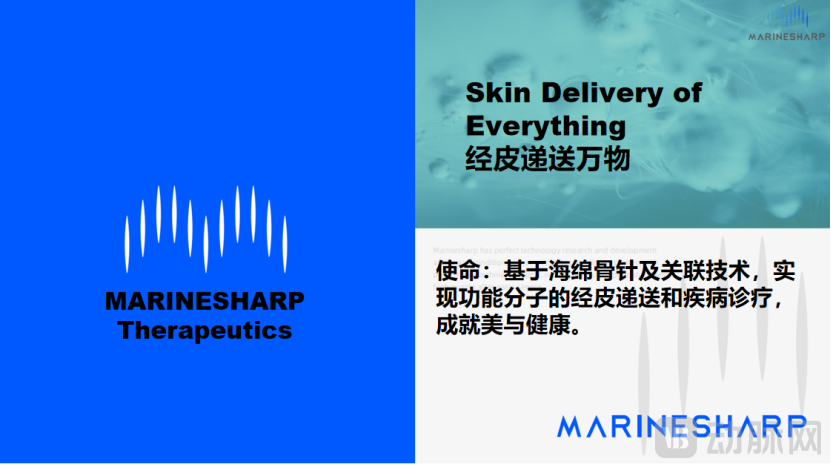
Mission of Mailin Lanrui (Image source: Mailin Lanrui)
III. “Technology Can Change the World Only When It Leaves the Lab”
Professor Wang Dexiang’s breakthroughs in sponge propagation technology have enabled Mailin Lanrui to achieve “self-sufficiency” at the raw material level. This reduces the impact of external adverse factors on sponge quality and ensures product quality from the source. Furthermore, the “One Body, Two Wings” technology platform has established a technical barrier for Mailin Lanrui that is difficult for homogeneous competitors to surpass.

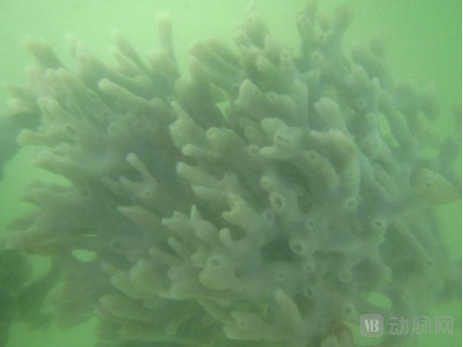
Sponge propagation base and sponges (images fromSource: Mailin Lanrui)
Upholding the original aspiration of "transdermal delivery of everything," Mailin Lanrui, based on sponge spicule technology, has achieved comprehensive benefits including skin brightening, anti-aging, anti-sensitivity, and acne treatment.Skincare Applications. Currently, Mailin Lanrui has already partnered withChinese Association of Plastics and AestheticsStrategic cooperation agreement reached, aiming to launch a series of collaborations and promotions in the fields of lifestyle beauty and medical aesthetics.
Furthermore,Mailing Lanrui is seeking business collaborations with innovative biotechnology companies and pharmaceutical enterprises., to jointly develop innovative biopharmaceutical formulations. Meanwhile,Mailin Lanrui is also set to launch its first round of financing., for market team formation, key layout of new products, product approval and declaration, etc.
The vast and boundless ocean covers more than 70% of the Earth’s surface, and marine biological resources have become an important source for seeking and discovering new raw materials for biological products. Since the entry into force of the United Nations Convention on the Law of the Sea, the development and utilization of marine biological resources have attracted significant attention from major maritime nations and powers worldwide, becoming an integral component of national maritime rights and interests.Mailin Lanrui’s research direction of “finding a needle in a haystack” not only aligns with the trends of the times but also represents an inevitable path for innovation in transdermal delivery.
Professor Chen stated, “In the future, we will continue to focus on the innovative applications and promotion of freshwater sponge spicules in the field of transdermal drug delivery, ensuring that the technological achievements of freshwater sponge spicules possess more distinct and robust competitiveness on the international stage.”
Professor Chen hopes that, with personalized support and guidance from national policies and the team’s tireless efforts, sponge spicules and their associated technologies can truly emerge from the laboratory to reach the market and the general public, driving a transformative change in marine biomaterials and transdermal drug delivery across broader fields.