

Lilly Asia Ventures Invests in Over 40 Companies Amid Industry Downturn, Highlights Early-Stage and Frontier Innovation Focus

Lilly Asia Ventures
Biopharmaceutical Investment Management Institution
As one of the earliest funds to focus on innovative pharmaceuticals in China, Lilly Asia Ventures (LAV) has always been a highly watched VC in the industry.
LAV was founded in 2008 as the venture capital arm of Eli Lilly and Company, and became an independent investment management firm in 2011.Currently manages six USD-denominated funds and five RMB-denominated funds, with total assets under management exceeding USD 5 billion in equivalent value.The team is primarily composed of over 50 professionals specializing in scientific research, clinical medicine, investment management, and operations. Headquartered in Shanghai, China, it maintains offices in Hong Kong, China, and Silicon Valley, USA.
Even more noteworthy is LAV’s long-term investment vision and management capabilities—achieving 9 IPOs in 2020 and another 13 in 2021. These accomplishments stem from its venture capital accumulation over the past decade.
At a time when the industry is entering a cyclical winter, looking back on the path traveled is essential to gaining insight into future development directions. How has Lilly Asia Ventures (LAV) honed its sharp venture capital vision to become a benchmark for investment in China’s biopharmaceutical sector? Which emerging companies has LAV invested in over the past two years? What is the underlying investment logic? To address these questions, VCBeat has compiled an overview of LAV’s investment activities over the past two years (H2 2021–H1 2023).
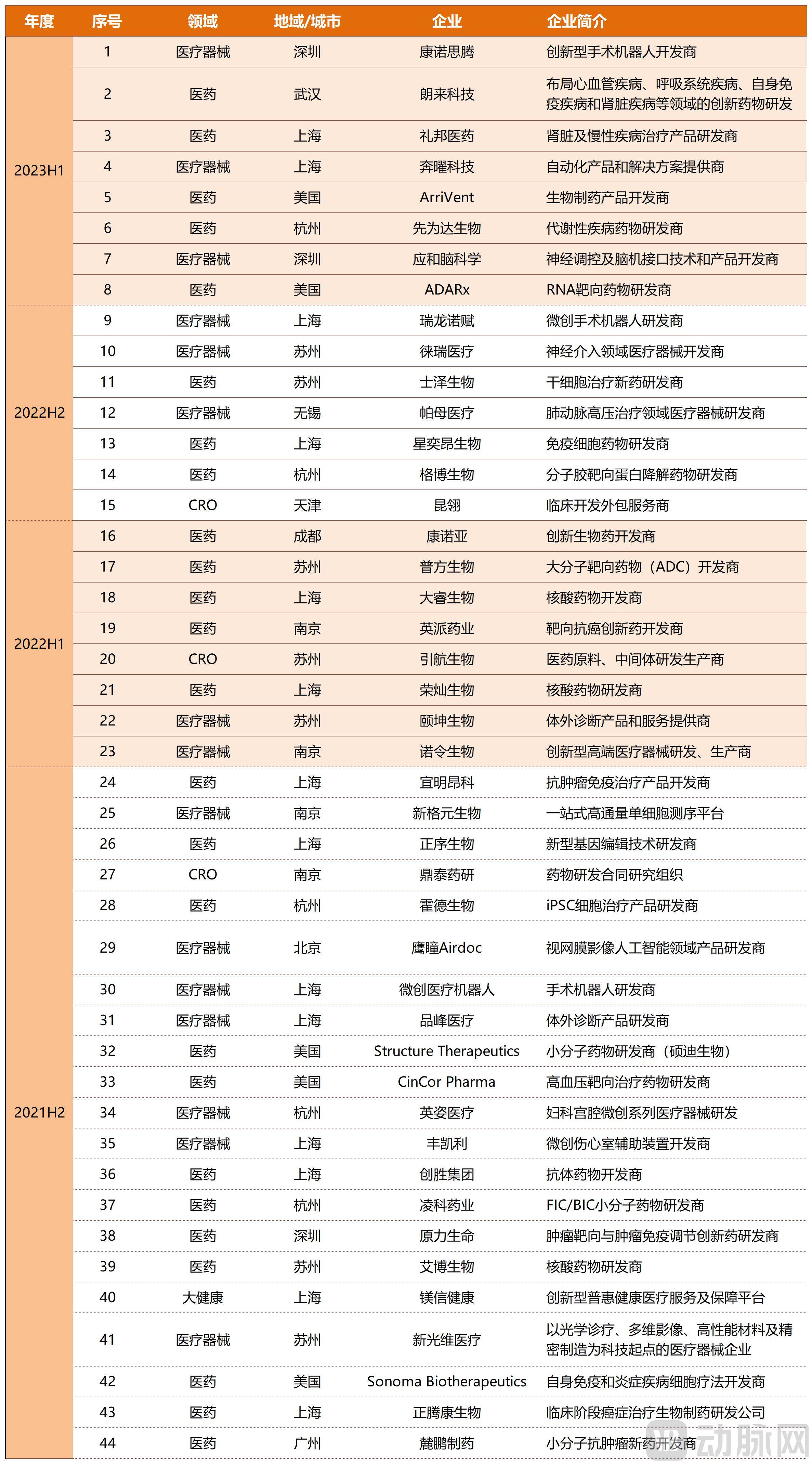
Overview of LAV Portfolio Companies (H2 2021–H2 2023) / Graphic by VCBeat
Data Source / VCBeat Orange Industry Database
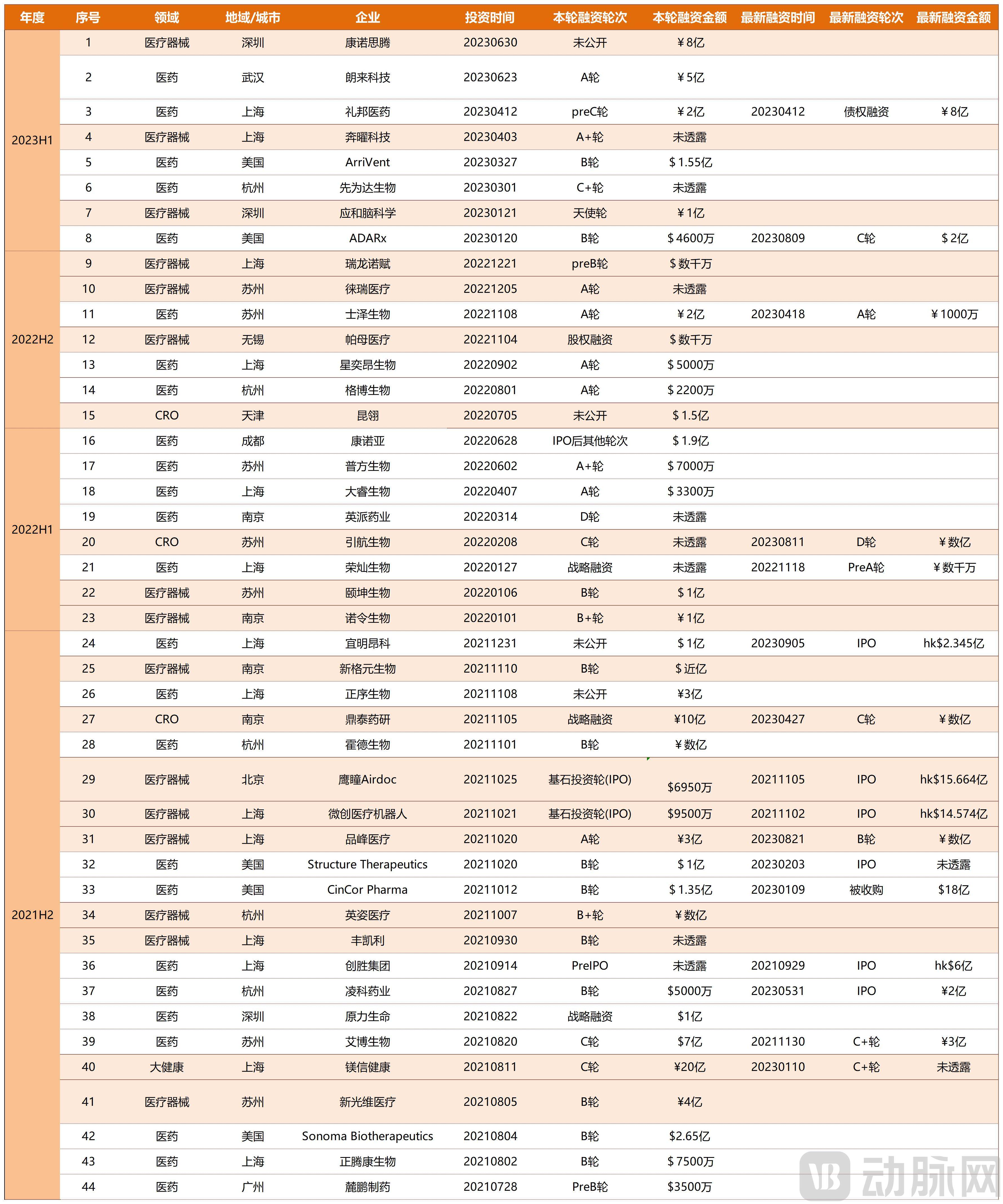
H2 2021–H2 2023 LAV Investment Portfolio / Chart by VCBeat
Data Source/VCBeat Industry Database ((Updated to 2023.09.25)
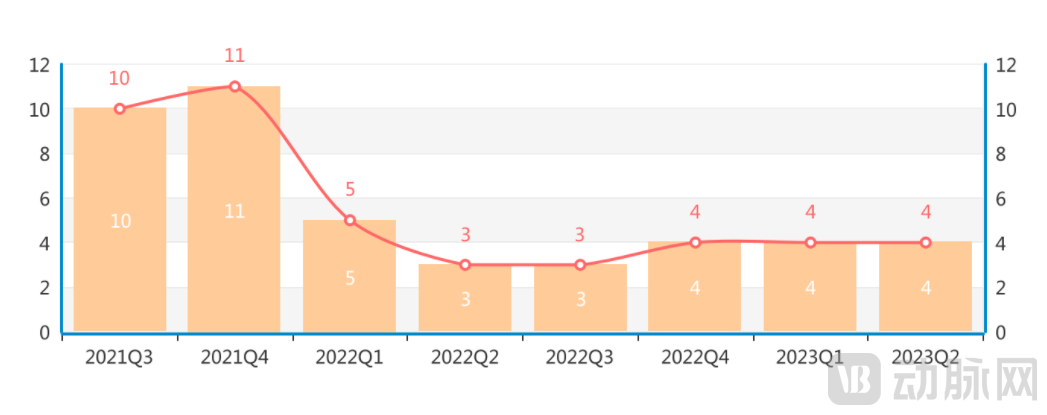
Overview of LAV Investment Deals from H2 2021 to H1 2023 / Chart by VCBeat
Over a longer timeline, Lilly Asia Ventures (LAV) experienced an investment boom from 2018 to 2021, with 36 deals in 2020 and 55 in 2021. As the industry entered a downturn in 2022, LAV’s deal count dropped to 17. In the past two years, LAV has averaged five investments per quarter. The number of investments in the first half of 2023 remained flat year on year.However, as of September 25, LAV had completed 16 investments, showing signs of a rebound.
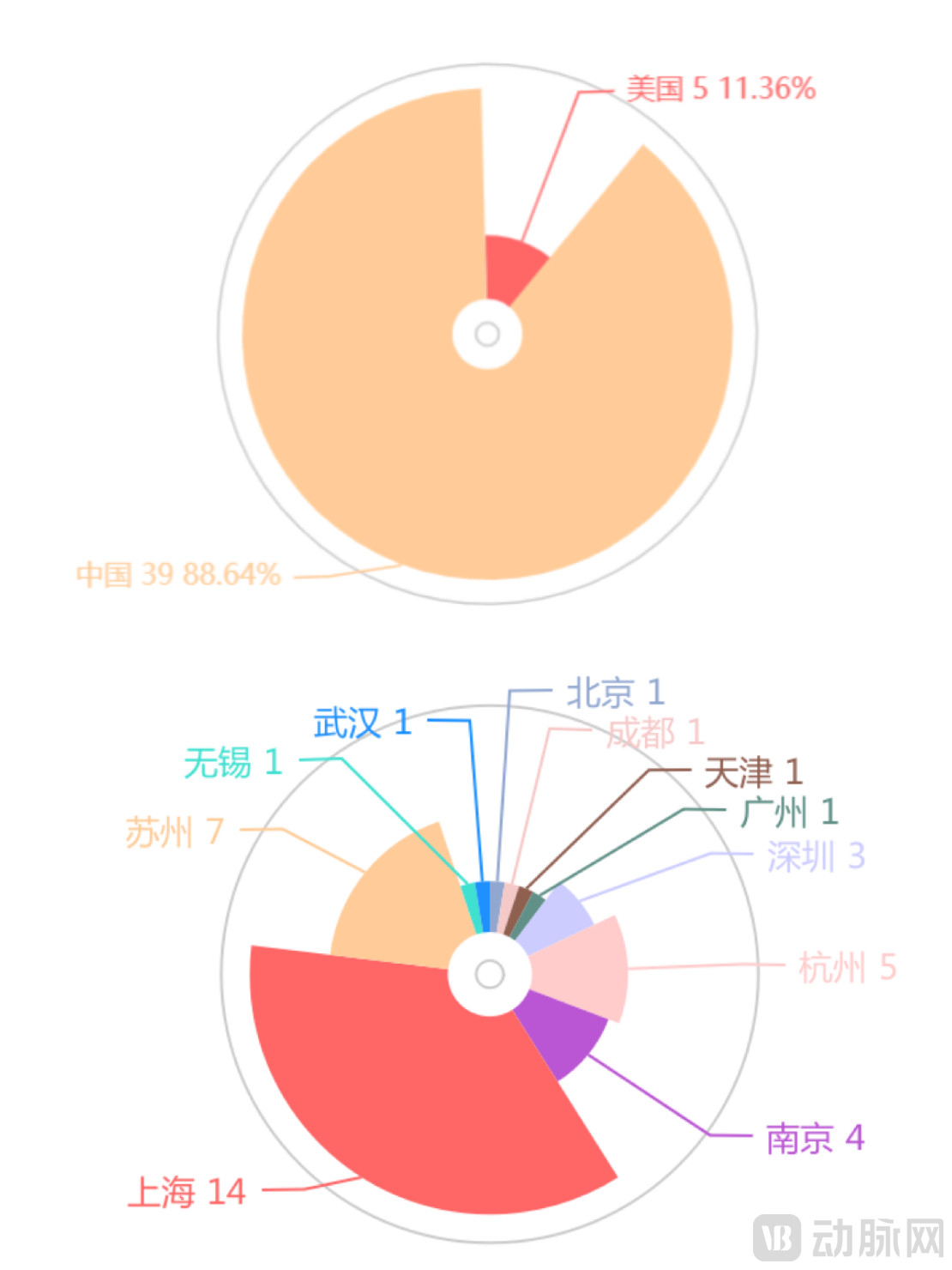
Geographic Distribution of LAV Investments / Chart by VCBeat
Over the past decade, LAV has consistently invested in China’s healthcare industry and gradually expanded its portfolio to include U.S. biotechnology companies with a China strategy.
Over the past two years, the ratio of Chinese to U.S. companies invested in by Lilly Asia Ventures (LAV) has been approximately 7:1. Chinese portfolio companies are predominantly concentrated in the Yangtze River Delta urban cluster, accounting for 79%, with Shanghai—where LAV’s headquarters is located—having the highest number at 14 companies. Additionally, there are three companies based in Shenzhen: Conatus Medical, Yinghe Brain Science, and Yuanli Life Sciences.
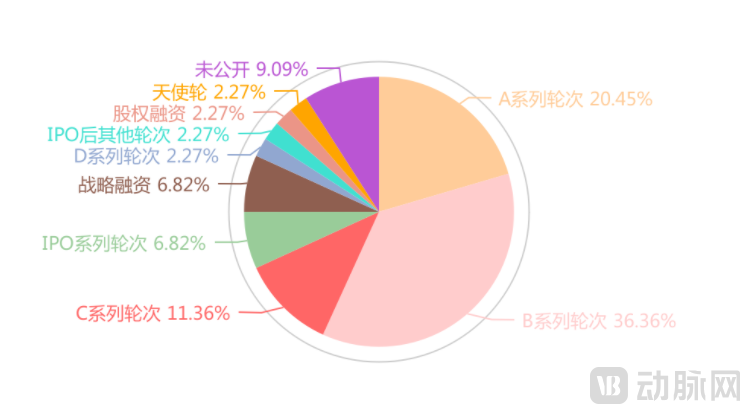
LAV Investment Round Distribution / Chart by VCBeat
In terms of investment rounds, LAV heavily focuses on early-stage rounds such as Series A and Series B, which account for 57% of its investments. Meanwhile, for companies with promising prospects, LAV also participates in later-stage rounds, including Series C, Series D, and IPO-related offerings, as seen in its investments in Airdoc and MicroPort MedBot. This demonstrates that LAV’s investment strategy remains oriented toward long-term holdings, targeting enterprises in frontier sectors poised for sustained growth over a 5- to 10-year horizon.
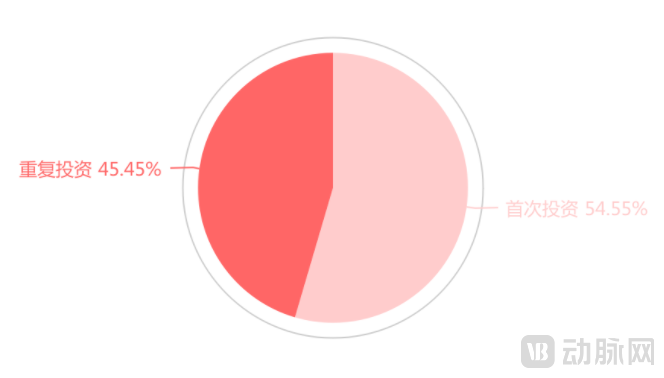
Proportion of LAV’s Repeated Investments / Chart by VCBeat
The “growth companion” investment style is also reflected in its follow-on investments. Within two years, Lilly Asia Ventures achieved a 45% repeat investment rate, with Yiming Angio and Imab Biopharma each receiving three to five rounds of financing.
From 2022 to 2023, Lilly Asia Ventures (LAV) saw five of its portfolio companies go public: RemeGen, InnoCare Pharma, ImmuneOnco, Kelun-Biotech, and Structure. Among these, InnoCare Pharma serves as a typical example of LAV’s growth-stage investment strategy, with LAV participating in its Series A round in 2016, followed by the Series B in 2017, Series C in 2019, and Series D in 2020.
Born out of Eli Lilly, Lilly Asia Ventures’ focus on the pharmaceutical sector is evident.
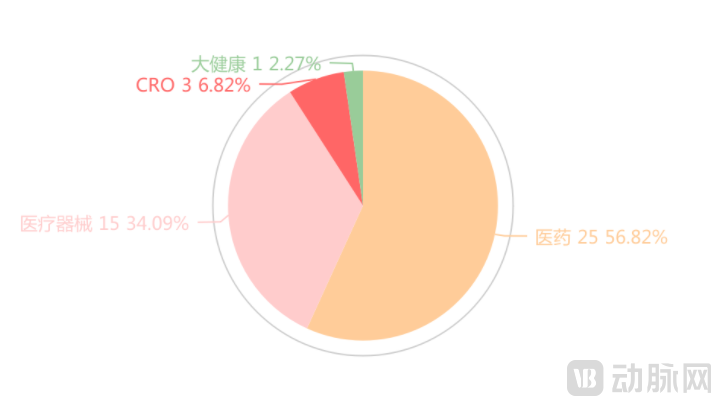
LAV Investment Sector Breakdown / Chart by VCBeat
Over a two-year period, Lilly Asia Ventures (LAV) invested in 25 pharmaceutical R&D companies, accounting for approximately 56% of its portfolio. Among these 25 investments, LAV focused on high-concentration innovative drugs, including six companies in the cell and gene therapy (CGT) sector as well as frontier areas such as molecular glues and nucleic acid therapeutics.
Beyond its investment portfolio focused on innovative drugs, LAV has also invested in three CROs. Among them, Dingtai Pharma Research and Kinlong are both globally oriented CRO companies, providing global clinical and non-clinical services as well as regulatory submission support to biopharmaceutical and medical device clients. This demonstrates that the globalization and overseas expansion of pharmaceutical and medical device companies have become a major trending topic.
In the medical device sector, LAV has invested in 16 companies, including three surgical robot developers, and has also made strategic investments in hot sectors such as brain-computer interfaces, neurointerventional procedures, and single-cell sequencing.
As China’s capacity for original medical innovation continues to advance, the investment thesis of Lilly Asia Ventures (LAV) has also evolved, shifting from deploying capital in me-better drugs that fill patent gaps in the Chinese market to placing bets on the development of best-in-class (BIC) and first-in-class (FIC) novel drugs, as well as frontier technologies with long development cycles of 5–10 years.
VCBeat has compiled a list of the eight companies invested in by Lilly Asia Ventures in the first half of 2023, offering insights into the emerging trends capturing industry attention.
1ADARx: RNA-Targeted Drug Developer That Raised Over $200 Million in Financing This Year
ADARx Pharmaceuticals, headquartered in San Diego, is developing a proprietary RNA-targeted drug platform that includes oligonucleotides for inhibition, degradation, and editing, as well as novel oligonucleotide delivery technologies. Lilly Asia Ventures (LAV) participated in multiple financing rounds, including the oversubscribed $200 million Series C on August 9, 2023, the $46 million Series B-1 on January 20, the Series B in 2021, and the Series A in 2020.
ADARx is currently focused on genetic diseases, cardiometabolic diseases, and central nervous system (CNS) disorders, with nine product candidates in development. Among these, ADX-324, an siRNA therapy for hereditary angioedema (HAE), is undergoing investigational new drug (IND)-enabling studies and completed dosing of the first patient in January.
Hereditary angioedema (HAE) is a rare genetic disorder, with prekallikrein (PKK) being one of its key contributors. Due to genetic defects that lead to elevated bradykinin levels, HAE causes painful, rapid-onset, and potentially life-threatening swelling in patients. ADX-324 is an siRNA therapy designed to reduce the production of prekallikrein (PKK) in patients. Additionally, ADARx has two other drug candidates scheduled to enter clinical trials in 2023. ADX-038, currently under development, is intended for the treatment of various complement-mediated diseases.
Leveraging its proprietary RNA-targeted delivery PLR™ platform and extensive SPE™ technology, ADARx can achieve:
RNA Editing—Precise single-base editing of individual RNA sequences for targeted therapy;
RNA Degradation and Inhibition——Utilize modified oligonucleotides to mimic natural biological processes in the human body and regulate gene expression;
Liver Delivery——GalNAc, or N-acetylgalactosamine, is a sugar molecule that recognizes and binds to the asialoglycoprotein receptor (ASGPR), which is highly expressed in the liver, thereby enabling targeted delivery of therapeutic agents to the liver;
Central Nervous System Delivery——Multiple CNS delivery technologies are currently in the development stage.
2Yinghe Brain Science: A Brain-Computer Interface Developer That Raised Over 100 Million Yuan in Angel Round
Yinghe Brain Science, spun off from Yingmai Medical in October 2022, is developing next-generation neuromodulation and brain-computer interface technologies and products guided by clinical needs.
Technical barriers in autonomous system design, electrode design, chip design, signal acquisition and decoding, algorithm development, and MRI compatibility have been overcome, establishing a universal neuromodulation platform that integrates cutting-edge technologies from around the world. Several products under development represent domestic firsts in China and are poised to enter animal and clinical trial stages.
Neuromodulation refers to a therapeutic approach that uses electrodes to stimulate nerves and regulate neural function, currently applicable in the treatment of conditions such as Parkinson’s disease, epilepsy, chronic pain, and urinary incontinence. Brain-computer interfaces (BCIs), on the other hand, are primarily applied in fields including human–computer interaction, neurally controlled prosthetics, neural prediction and emerging therapies, restoration of active memory and RAM replay, neural engineering system design, and next-generation non-invasive neurotechnologies.
The brain-computer interface (BCI) sector entered a period of rapid development from 2015 to 2020, witnessing a sharp increase in both the number and value of corporate financing transactions. This trend peaked in 2021, with a total of 39 financing deals closed and cumulative funding exceeding $1 billion. On May 26, 2023, Neuralink, Elon Musk’s BCI company, announced that it had received FDA approval to commence its first clinical trial. This marks the first time human brain implants will enter clinical research, propelling the field once again into the spotlight.
3Xianweida Biotech: Raised Over RMB 900 Million in Three Years, Candidate Drug Achieves Over 14% Weight Loss in Six Months
Xianweida Biologics was founded in 2017, focusing on the development of novel biologic drugs for metabolic diseases. The company is committed to developing first-in-class or best-in-class therapeutics with independent intellectual property rights, aiming to achieve global industrialization and commercialization of its products. Headquartered in Hangzhou, it has established a R&D and domestic regulatory affairs center in Beijing, as well as an office in Shanghai. Additionally, it has set up wholly-owned subsidiaries in Australia and the United States, responsible for overseas clinical development, international regulatory submissions, and business development (BD) activities, respectively.
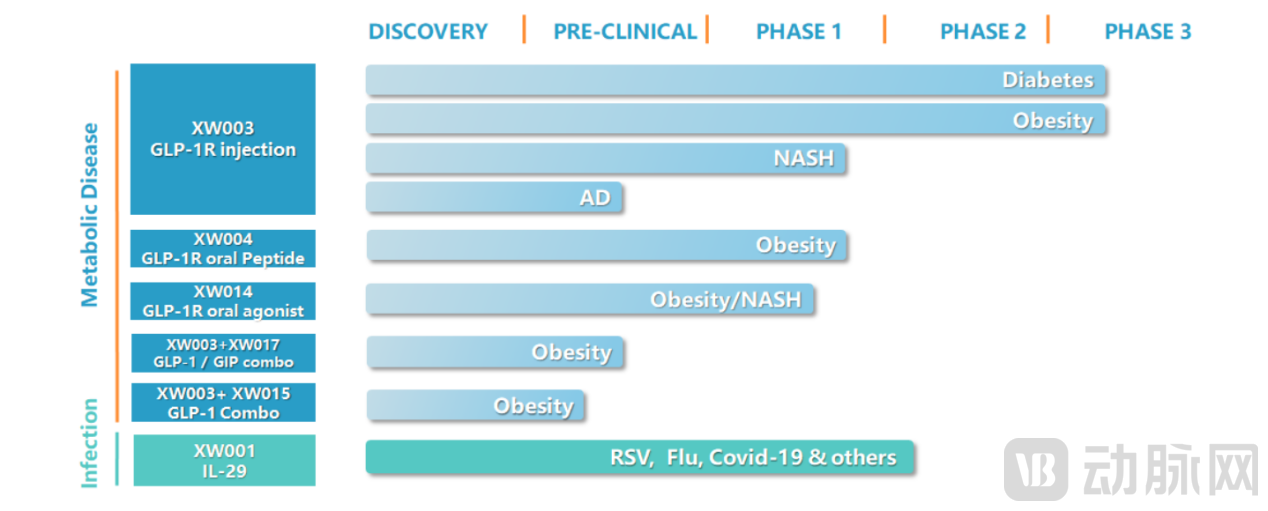
Xianweida Bio's Pipeline Layout
Image source: Xianweida official website
Among the multiple pipeline candidates, Ecnoglutide (XW003) has entered Phase II clinical trials. XW003 (Ecnoglutide) is a novel, long-acting, biased glucagon-like peptide-1 (GLP-1) receptor agonist being developed for the treatment of obesity, type 2 diabetes, and non-alcoholic steatohepatitis (NASH).
On June 24, Xianweida Biologics announced the latest clinical data at the 2023 American Diabetes Association Annual Meeting: after 26 weeks of treatment, subjects in the 1.2 mg, 1.8 mg, and 2.4 mg dosage groups achieved body weight reductions of 11.5%, 11.2%, and 14.7% from baseline, respectively. Based on a series of positive clinical study results, Xianweida initiated Phase III clinical trials in China in March.
Furthermore, XW004, the oral formulation of XW003 combined with an oral absorption enhancer, enables once-daily or even less frequent dosing and has initiated Phase I clinical trials in Australia. The novel oral small-molecule GLP-1 receptor agonist XW014 has commenced Phase I clinical trials in the United States, and XW017 is expected to enter clinical trials within the year.
It is reported that Sunwoda Biopharma’s XW003, XW014, and XW004 are all GLP-1R agonists targeting the “star” weight-loss drug target GLP-1R, sharing the same mechanism of action as Eli Lilly’s novel oral GLP-1 agonist, Orforglipron.
4ArriVent: Oncology Drug Developer Raises $155 Million in Series B Financing
ArriVent is a pharmaceutical company accelerating the global development of innovative medicines. Leveraging its extensive global resources, ArriVent identifies first-in-class drug candidates at various stages of research and development in China and other regions with vibrant biotechnology innovation. Through strategic collaborations with these innovative drug developers, ArriVent delivers high-quality therapies from around the world to address unmet clinical needs across a range of diseases.
Currently, ArriVent’s key R&D focus is oncology therapeutics. Its core product, furmonertinib, originates from Allist, an innovative biotech company previously invested in by Lilly Asia Ventures (LAV). In July 2021, Allist granted ArriVent exclusive rights to develop furmonertinib—including research and development, manufacturing, import, export, use, and sales—in all regions excluding mainland China, Taiwan, Hong Kong, and Macau, under licenses for relevant patents and proprietary technologies.
Furmonertinib is a highly brain-penetrant, highly specific EGFR kinase inhibitor indicated for the treatment of EGFR mutation-driven non-small cell lung cancer (NSCLC). EGFR mutation activation is a common early event in the development of NSCLC, occurring in approximately 15% of patients. Among these patients, 50%–60% develop central nervous system metastases. Although currently approved EGFR inhibitors demonstrate certain clinical efficacy, resistance mechanisms may emerge in patients with advanced NSCLC, underscoring the need for more effective and better-tolerated therapeutic options.
At the 2023 World Conference on Lung Cancer (WCLC), Allist and ArriVent jointly presented interim results from the Phase Ib clinical study of furmonertinib. The confirmed objective response rates (ORR) were 78.6%, 46.2%, and 38.5% in the treatment-naïve 240 mg group, the previously treated 240 mg group, and the previously treated 160 mg group, respectively; the median durations of response were 15.2 months, 13.1 months, and 9.7 months, respectively.
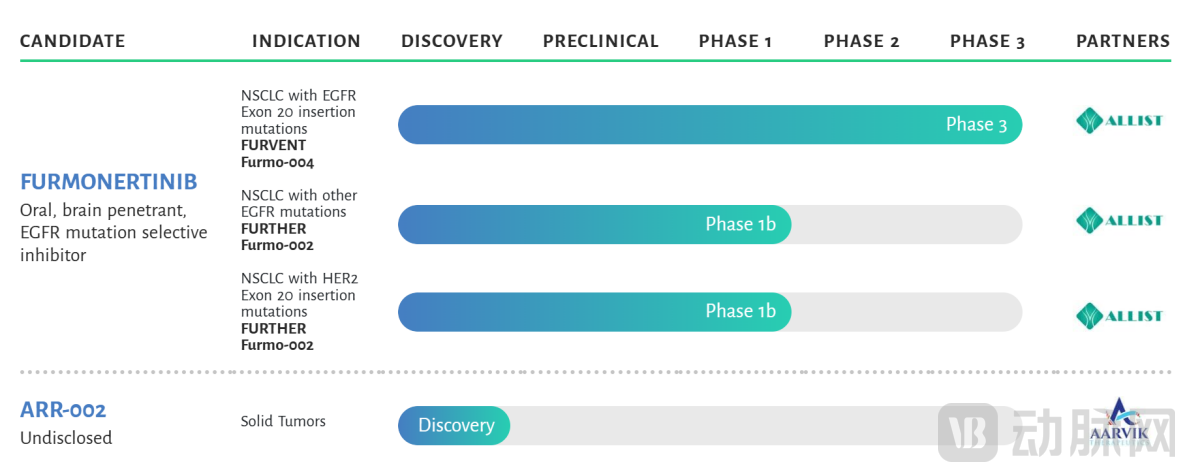
ArriVent's Pipeline Development
Image source: ArriVent official website
5Benyao Technology: Secures RMB 300 Million in Funding Within Two Years of Establishment, Providing Automated Products and Solutions for Life Sciences
Benyao Technology, established in 2021, is a technology-driven innovative company dedicated to accelerating the intelligent automation transformation in the life sciences sector. Focusing on the research and application of robotics, automation, and artificial intelligence technologies, Benyao Technology provides user-friendly and efficient automation products and solutions for various fields, including pharmaceuticals, clinical diagnostics, scientific research, and materials and chemical engineering.
Benyao Technology boasts three core technology platforms—robotics, automation, and data & cloud—and has launched a comprehensive suite of independently developed high-performance flexible robots, a diverse range of instrument modules, and user-friendly intelligent software, thereby creating automated systems that are flexibly configurable and rapidly deployable.
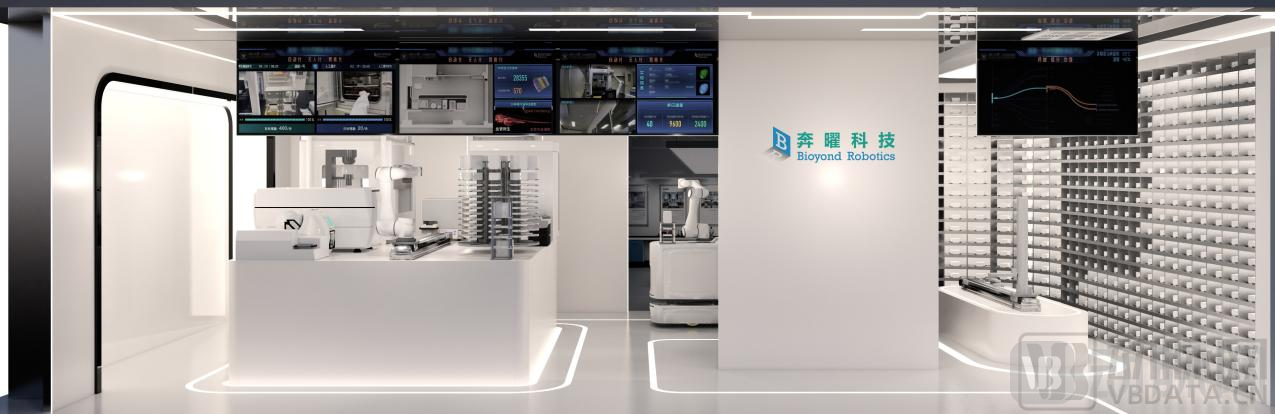
Benyao Technology: Actual Delivery Scene
Targeting diverse application scenarios in laboratories, Benyao Technology has developed the “Lab Assistant,” a desktop intelligent automation product platform. Featuring a modular design, the platform integrates self-developed robots with various instruments and equipment to enable flexible configurations and automated, unattended operation, significantly shortening R&D cycles, reducing development costs, and improving work efficiency.
Benyao Technology currently serves over 100 renowned enterprises in the life sciences sector, with its products and solutions widely applied in fields such as small-molecule drugs, biologics, cell and gene therapy, traditional Chinese medicine, synthetic biology, omics research, clinical diagnostics, and materials science.
6Libang Medicine: Co-incubated by LAV and Nephrology Experts to Develop Class 1 Drugs for Chronic Kidney Disease
Alebund Pharmaceuticals, established in Shanghai in early 2018, is a clinical-stage biopharmaceutical company co-incubated by leading figures in the field of nephrology and Lilly Asia Ventures (LAV), dedicated to the discovery and development of novel therapies for kidney diseases and their complications, as well as other chronic conditions.
Kidney disease is defined as an abnormality in kidney structure or function, which can occur suddenly, resolve, or progress to a chronic condition. Chronic kidney disease (CKD) is an umbrella term for a heterogeneous group of disorders with varying clinical manifestations, partly depending on the etiology, severity, and rate of progression. CKD poses an increasingly serious threat to global public health, with its incidence steadily rising in recent years.
In China, the latest epidemiological data show that the prevalence of chronic kidney disease (CKD) among adults is as high as 10.8%, with a total patient population of 120 million and over 1 million patients with end-stage renal disease. Meanwhile, the diagnosis rate for CKD in China is only 12.5%. The current standard of care for CKD treatment remains inadequate, and the need for new therapies has yet to be met.
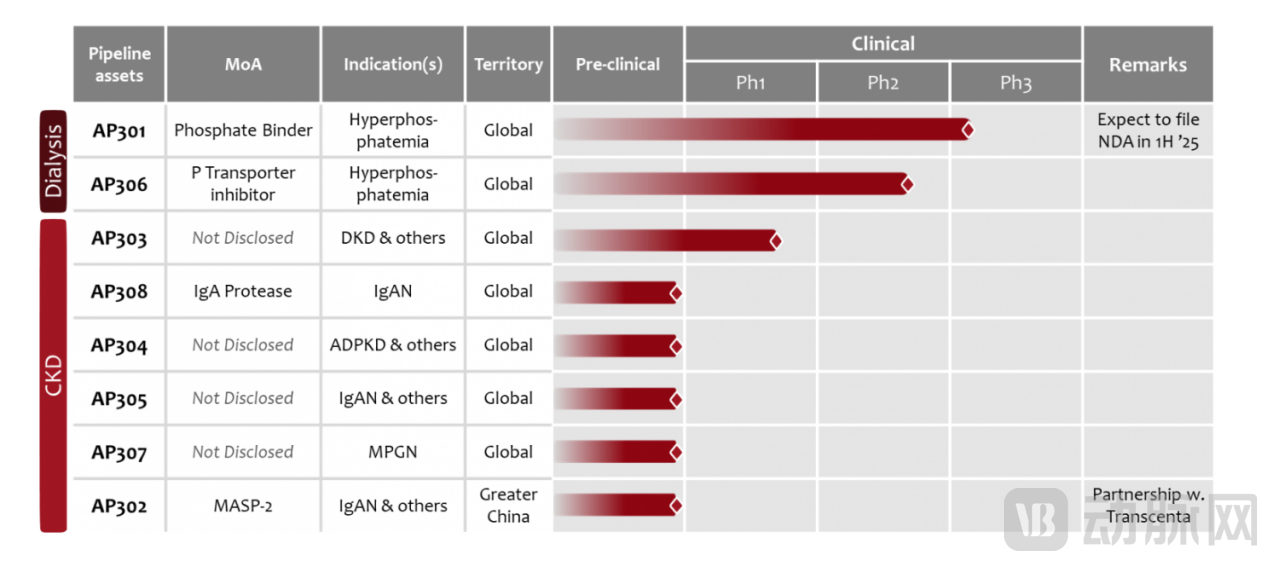
Libang Medicine's Pipeline Layout
Image source: Libang Pharma official website
Libang Medicine has established a diversified pipeline of drug candidates targeting a range of kidney diseases, including chronic kidney disease (CKD)/dialysis complications, IgA nephropathy, diabetic nephropathy, and autosomal dominant polycystic kidney disease (ADPKD). Among these, AP301, a next-generation phosphate binder for the treatment of hyperphosphatemia in dialysis patients, has been approved to conduct Phase III clinical trials in China.
Meanwhile, as its pipeline advances into late-stage clinical development, Libang Medicine has actively begun preparations for industrial commercialization. In April 2023, Libang Medicine completed a Pre-C financing round of nearly RMB 200 million. Concurrently, the company signed a credit facility agreement for an RMB 800 million syndicated loan, which will ensure the smooth construction of its small-molecule manufacturing base in Yangzhou, Jiangsu Province.
7Langlai Tech: Secures 500 Million Yuan in Series A Funding, Establishes Eight Clinical Drug Pipelines and a New Drug R&D System
Langlai Technology, founded in 2013, specializes in the research and development, manufacturing, and commercialization of innovative drugs. The company has launched multiple drug R&D programs in therapeutic areas including cardiovascular diseases, respiratory disorders, autoimmune diseases, pain management, and renal diseases. Currently, it has more than 20 projects under development, among which 8 have entered clinical stages and 4 are in the preclinical phase focused on druggability assessment.
Adhering to a dual-drive strategy that simultaneously advances its R&D pipeline and platform development, Langlai Technology has established a comprehensive new drug discovery and development system encompassing project selection and initiation, proof of concept (PoC), candidate compound screening, preclinical developability assessment, and clinical studies. Leveraging its pharmaceutical information platform and PoC capabilities, the company efficiently and precisely accelerates project initiation and concept validation. Its Clinical Medicine Center can compress the duration of Phase I clinical trials to approximately one year and reduce the timeline for initiating Phase II trials to three months, with further acceleration ongoing.
In the field of inflammation and immunology, Longlai Technology has six drug candidates in its R&D pipeline. MY004, a Class 1 new drug independently developed by the Shanghai R&D Center, is an interleukin-1 receptor-associated kinase 4 (IRAK4) inhibitor intended for clinical development in indications such as rheumatoid arthritis. It received clinical trial approval from both the NMPA and the FDA in 2021 and has currently completed Phase I clinical trials. MY009, a vascular non-inflammatory molecule-1 (VNN1) inhibitor intended for the treatment of inflammatory bowel disease (IBD), has also entered the clinical stage.
In the respiratory field, QR052, a highly selective P2X3 receptor antagonist for the treatment of chronic cough and pain, has entered Phase II clinical trials; QR060, indicated for pain and cough, has entered Phase I clinical trials; and QR056-1, a novel ROCK1/2 inhibitor for the treatment of idiopathic pulmonary fibrosis (IPF), has completed its Investigational New Drug (IND) application.
In the nephrology field, the complement factor B (CFB) inhibitor MY008 has entered Phase II clinical trials for the treatment of paroxysmal nocturnal hemoglobinuria (PNH) and IgA nephropathy. In the cardiovascular field, the angiotensin II receptor-neprilysin dual inhibitor QR12000 has entered Phase II clinical trials, primarily for the treatment of hypertension and chronic heart failure; the core compound patent for QR01019, an improved new drug for hypertension, has been granted in both China and the United States.
8Conatus: Cumulative Financing of RMB 1.2 Billion Completed; Chinese Surgical Robot Has Entered Clinical Trials
ConoTech, founded in September 2019, is dedicated to the development of innovative surgical robots and has established a multi-pipeline portfolio encompassing soft-tissue surgical robots and other major specialty surgical robots. Its founding team comprises world-leading experts in medical surgical robotics with decades of deep industry experience.
Conmed’s multi-port laparoscopic surgical robot has successfully initiated multi-center clinical trials in mainland China and has completed multiple complex, multidisciplinary procedures spanning urology and general surgery in Hong Kong, China. The company plans to seek medical device regulatory approvals in China and globally.
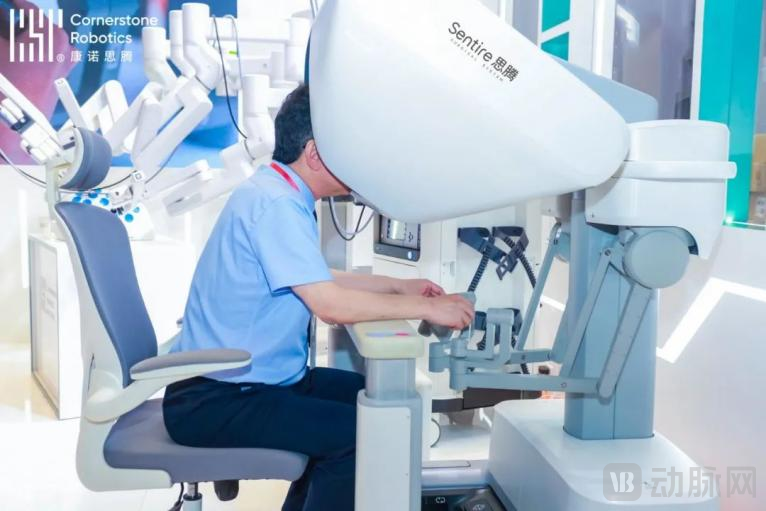
ConnoSight has established its global strategic layout across Hong Kong, Shenzhen, Beijing, and the United States, assembling a professional team of hundreds. Its talent pool spans multiple disciplines, including mechanical engineering, electrical engineering, software development, control systems, algorithms, and medical imaging. The company has achieved full independent research and development (R&D) of core technologies—such as mechanical architecture, power modules, electrical architecture, software architecture, complex algorithms, and visual imaging control—enabling end-to-end in-house development of its complete surgical robotic systems.
Meanwhile, Conmedtron has established a mass-production facility in Shenzhen to ensure high product quality, reduce manufacturing costs, and deliver cost-effective products and services, thereby enabling genuine decentralization of premium medical resources to primary healthcare settings.
Amid the winter chill, Lilly Asia Ventures (LAV) reduced the frequency of its investment activities, merely returning to 2018 levels, before experiencing a rebound in 2023. Overall,Product-oriented early-stage pharmaceutical investment remains the primary focus of LAV over the past two years,namely, the principles articulated in its investment philosophy: “people-oriented, product-focused, science-respecting, and long-term vision.”
Investing early and at the forefront has always been LAV’s investment thesis, exemplified by its early bets on Burning Rock Biotech’s NGS technology, Legend Biotech’s CAR-T therapy, and Danxi Bio’s CAR-T platform. Amid today’s market winter, LAV continues to make significant investments in ultra-frontier fields with broad potential that have not yet yielded commercialized drugs, such as Gebo Therapeutics’ molecular glue-based targeted protein degradation, ShuZe Biopharma’s novel stem cell therapies, and Huiden Biologics’ iPSC-based cell therapies.
Cutting-edge entails high risks, as well as a forward-looking pipeline of novel drugs ahead of the market.
Take the weight-loss drug market, which is experiencing explosive growth this year, as an example. As early as 2021, LAV invested in Structure Therapeutics, a developer of novel drugs for metabolic diseases. Amidst the market’s surge, LAV further invested in 2023 in Xianweida Biopharma, another Chinese developer of innovative therapies for metabolic disorders.
Not only investing early, LAV will deepen its growth-stage investments, shifting from a passive to an active approach by providing in-depth incubation.Established in 2018, Libang Medicine is an innovative drug R&D company incubated by Lilly Asia Ventures (LAV), focusing on nephrology and related chronic diseases. By collaborating with leading figures in the field of nephrology, LAV targeted kidney disease drug innovations that were still a gap in China and at the forefront globally when incubating Libang Medicine.
Not only LAV, but investing early, investing small, and investing with precision have become major trends in the VC industry. The next steps—scouting for projects at universities, commercializing laboratory research outcomes, and establishing incubators—signal that an era of deep incubation by healthcare-focused VCs is arriving.
The high risks and intense pressure of going from 0 to 1, coupled with the need for mature post-investment management teams, mean that deep incubation is posing greater challenges for VCs.
Data Source / VCBeat Orange Industry Database
Data updated to 2023.09.25
