

Jingwei Shida Secures Three New NMPA Certifications, Leading China's Confocal Laser Endomicroscopy Innovation

viestar
Precision Optical Biopsy Technology R&D and Manufacturer
In the field of medical endoscopy, domestic manufacturers have remained highly active.
Despite challenges such as import monopolies on core medical endoscope technologies, high barriers to R&D and manufacturing, and long development cycles, domestic manufacturers have continued to enrich their product portfolios through technological exploration and innovation. They have achieved breakthroughs in technologies including confocal laser endomicroscopy, reusable endoscopes, hybrid endoscopes, and capsule endoscopes, thereby expanding into new application areas and clinical scenarios. These innovative medical endoscopes are designed to meet more precise and specialized clinical needs.
As endoscopic magnification continues to improve, endoscopy has officially entered the cellular era. Confocal laser endomicroscopy (CLE), a novel endoscopic technology capable of real-time, in vivo, cellular-level observation, is widely recognized by the clinical community as the optimal technique for cellular-level imaging and a core medical device for the precise diagnosis of early-stage cancer, owing to its significant potential in tumor diagnosis.
However, developing a confocal endoscope is no simple feat. Globally, only a handful of companies have mastered this technology, and translating it into commercial products presents even greater challenges. Despite these hurdles, China has produced its first enterprise specializing in confocal cellular-level endoscopy, achieving several “firsts.”
Chinese manufacturer viestar has not only successfully developed confocal microendoscopy (BIOPSEE®Beixi®confocal laser endomicroscopy), securing the first medical device registration certificate for confocal laser endomicroscopy in China and the second worldwide. Building on this foundation, the company has continuously iterated and innovated its technology, while also achieving a series of breakthroughs in single-use electronic endoscopes with remarkable results: this year, the company’s independently developedBIOPSEE®Beixi®Ultrafine Probe-Based Confocal Laser Endomicroscope, Disposable Electronic Endoscope Image Processor, and Disposable Cholangiopancreatoscope Catheter Sequentially Approved with Three Medical Device Registration Certificates Issued by the National Medical Products Administration!
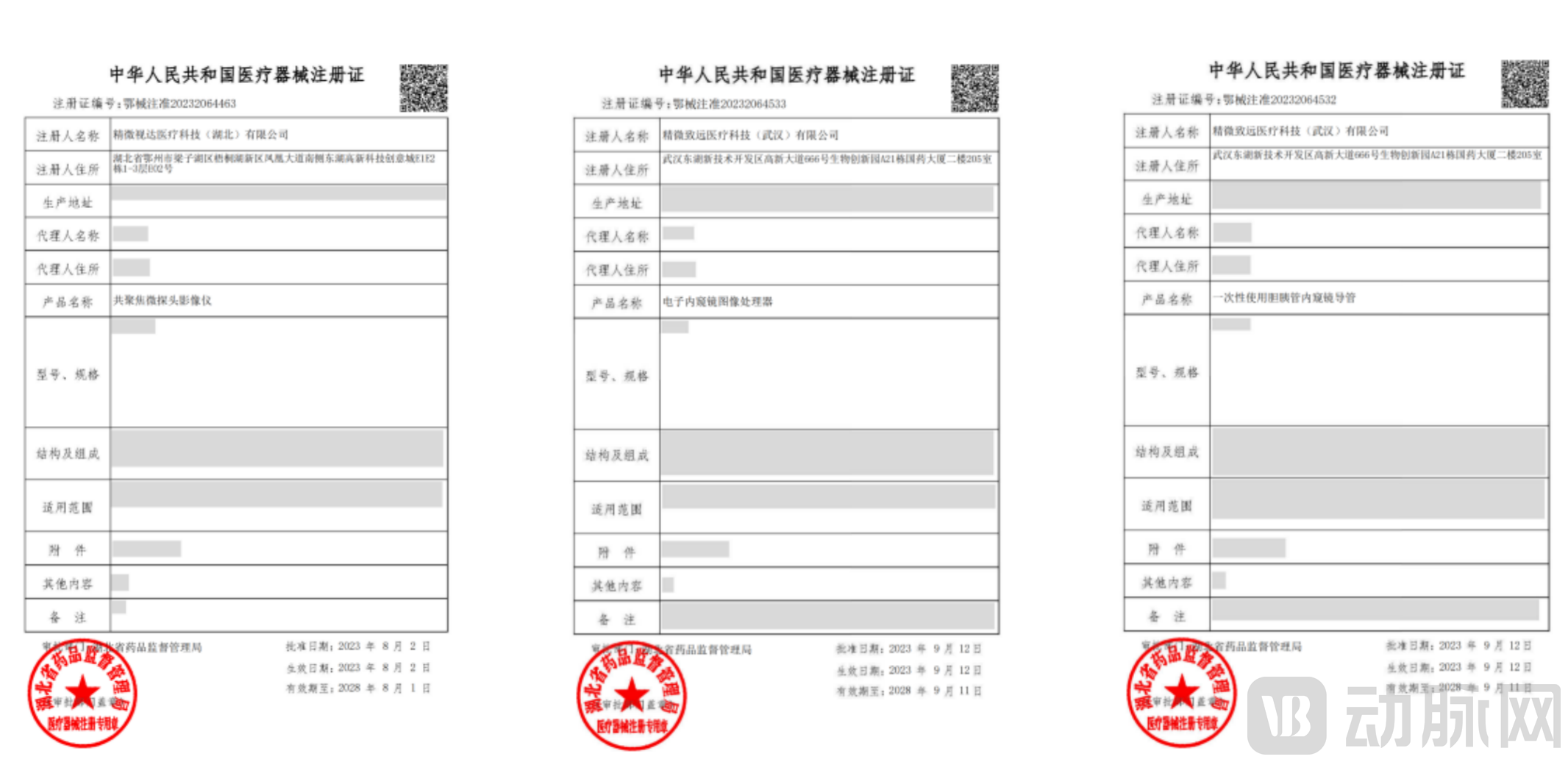
From left to right: BeiXi® Ultrafine Probe-based Confocal Laser Endomicroscopy System (pCLES), Disposable Electronic Endoscope Image Processor, and Medical Device Registration Certificate for Single-use Cholangiopancreatoscope Catheter
New Product Launch in Domestic Confocal Laser Endomicroscopy Field to Enrich Clinical Application Scenarios. As the only company in China to achieve large-scale production and widespread clinical adoption of confocal laser endoscopes, viestar has expanded its business scope from confocal laser endomicroscopy to electronic endoscopy, becoming the only enterprise globally that possesses both confocal and electronic endoscopy technologies and has successfully commercialized these technological achievements.
Lesions in the biliary, urinary, and respiratory systems are deeply situated and highly occult, with complex tumor microenvironments that make tissue biopsy challenging. Although various clinical methods are currently available to assess disease status, the diagnostic efficacy of traditional approaches for tumors in these areas remains suboptimal and requires improvement.
As a novel endoscopic technology developed over the past two decades, Confocal Laser Endomicroscopy (CLE) offers micron-level resolution and optical sectioning capabilities. By integrating advanced optical systems with proprietary algorithms, CLE achieves ultra-high resolution and an ultra-compact distal tip, delivering cellular morphology highly consistent with histopathological biopsy. In clinical diagnosis, it enables non-invasive optical biopsy and targeted precise biopsy, thereby reducing missed diagnoses, improving diagnostic accuracy, and facilitating pathological assessment.
Multiple clinical studies have demonstrated that this technology holds significant clinical value in the diagnosis and treatment of hepatobiliary and pancreatic diseases (such as idiopathic biliary and pancreatic duct strictures, pancreatic cystic lesions, and IPMN), urological diseases (including UTUC, bladder cancer, and prostate cancer), and respiratory diseases (such as pulmonary nodules, lung cancer, and interstitial lung disease). In clinical practice, confocal microprobes with a diameter of less than 1.0 mm are introduced into the body through biopsy channels to contact tissues, enabling real-time, in vivo cellular-level observation of lesions. This provides physicians with immediate evidence to determine the nature of the pathology, significantly enhancing the diagnostic efficacy of procedures such as ERCP, cholangioscopy, bronchoscopy, cystoscopy, and TURBT.
However, achieving breakthroughs in this technology is no easy feat.
The key and core technologies of confocal endoscopy involve confocal endoscope probes, laser-scanning fiber focusing technology, fiber-optic probes, and fiber bundle couplers. Before commercializing this product, companies must not only address challenges such as the lack of key technologies and core components, raw material performance issues, and cost control, but also prioritize clinical needs, drive technological innovation, and refine and deepen product development.
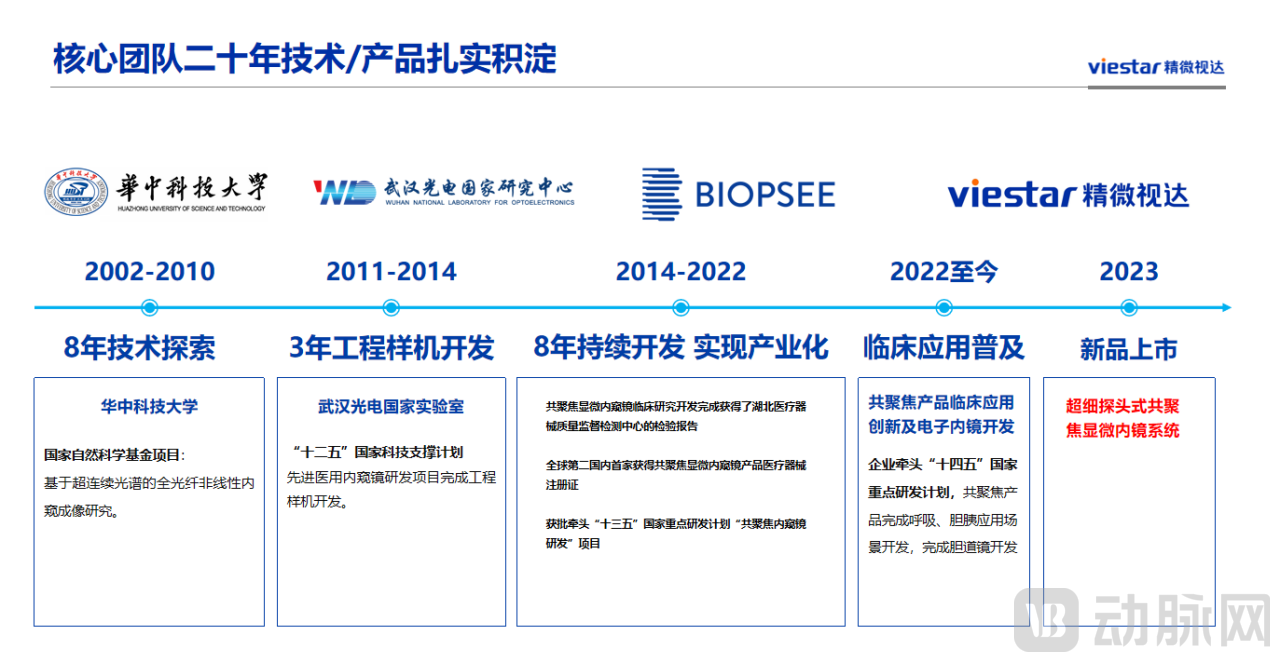
The Industrialization Journey of Confocal Microendoscopy
Although this threshold alone is enough to deter many, it does not constitute an insurmountable “barrier.” Originating from the commercialization of industrial achievements from a national-level laboratory, viestar has mastered globally leading endomicroscopic imaging technology. Through close collaboration with clinical experts, industry teams, and scientists, as well as rational design, continuous R&D, prototype submission for testing, small-batch trial production, and large-scale manufacturing, viestar has become the first in China to successfully commercialize confocal laser endomicroscopy—a technology of significant importance in cancer prevention and treatment—thereby turning the promise of confocal endomicroscopy into reality.

Beixi® Ultrafine Probe-Based Confocal Laser Endomicroscopy:
Probe diameter <1.0 mm, filling the gap in confocal technology for biliary, urological, and respiratory applications
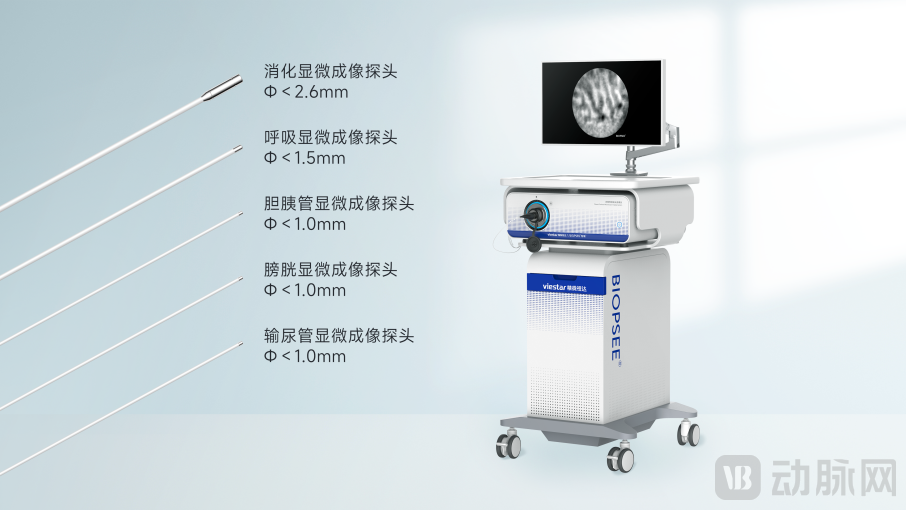
Beixi®Ultrafine Probe-Based Confocal Laser Endomicroscopy
Viestar’s recent approval and certificationBeixi®Ultrafine Probe-Based Confocal Laser EndomicroscopeCapable of accommodating probes with a diameter of <1.0 mm, cellular-level imaging can access ultra-narrow lumens such as the biliary tract, pancreatic duct, bronchi, ureters, and bladder.Comprehensive clinical coverage across digestive, biliary, urinary, and respiratory applications, helping to address pain points in the diagnosis and treatment of diseases in the fields of biliary tract, urology, and respiration.
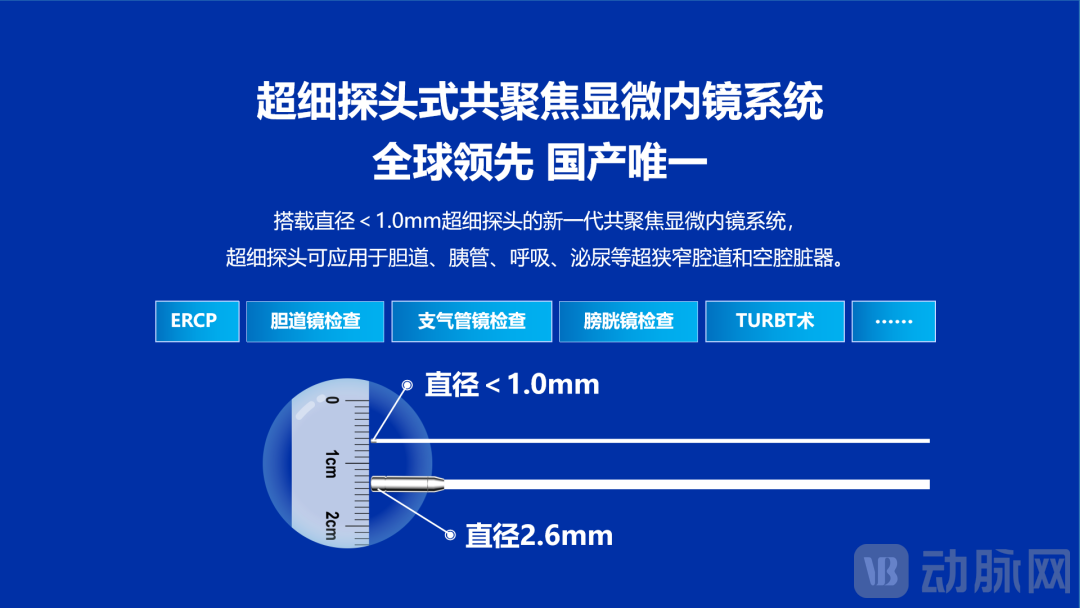
Ultra-thin Probe with Diameter < 1.0 mm
Beixi®The ultrafine probe-based confocal laser endomicroscopy has ushered in an era of visualized biopsy for the diagnosis and treatment of multidisciplinary diseases, significantly shortening patients' diagnostic cycles, improving patient prognosis, and markedly enhancing diagnostic efficacy. As the only approved domestic product, viestar effectively fills the gap in Chinese-made confocal technology in fields such as biliary, urological, and respiratory applications.
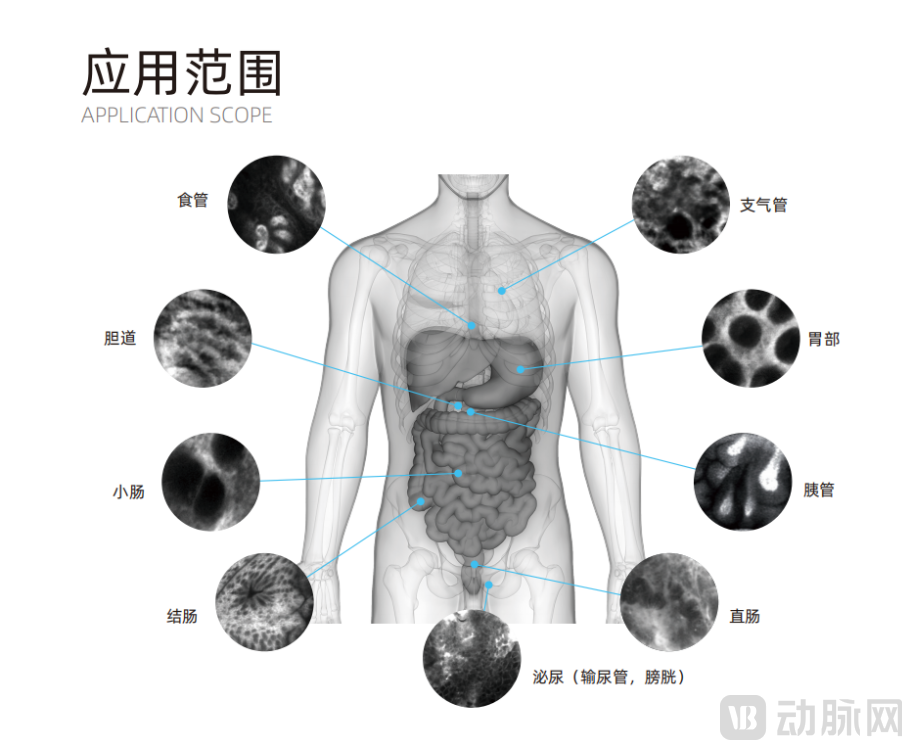
Beixi®Clinical Applications of Ultrafine Probe-Based Confocal Laser Endomicroscopy
For many years, viestar has adhered to an innovation-driven development strategy, committed to collaborative practices integrating industry, academia, research, clinical medicine, and inspection. Focusing on the precise prevention and treatment of cancer, viestar has undertaken original technological breakthroughs, promoting the transition of achievements from technical validation to clinical application and industrial commercialization. Recently, the disposable electronic endoscope image processor and the disposable cholangiopancreatoscope catheter obtained two medical device registration certificates. This accomplishment stands as a notable outcome of viestar’s collaborative model linking industry, academia, research, clinical medicine, and inspection, and marks viestar’s successful expansion into a new, fully independent R&D platform—the Electronic Endoscopy Technology Platform.
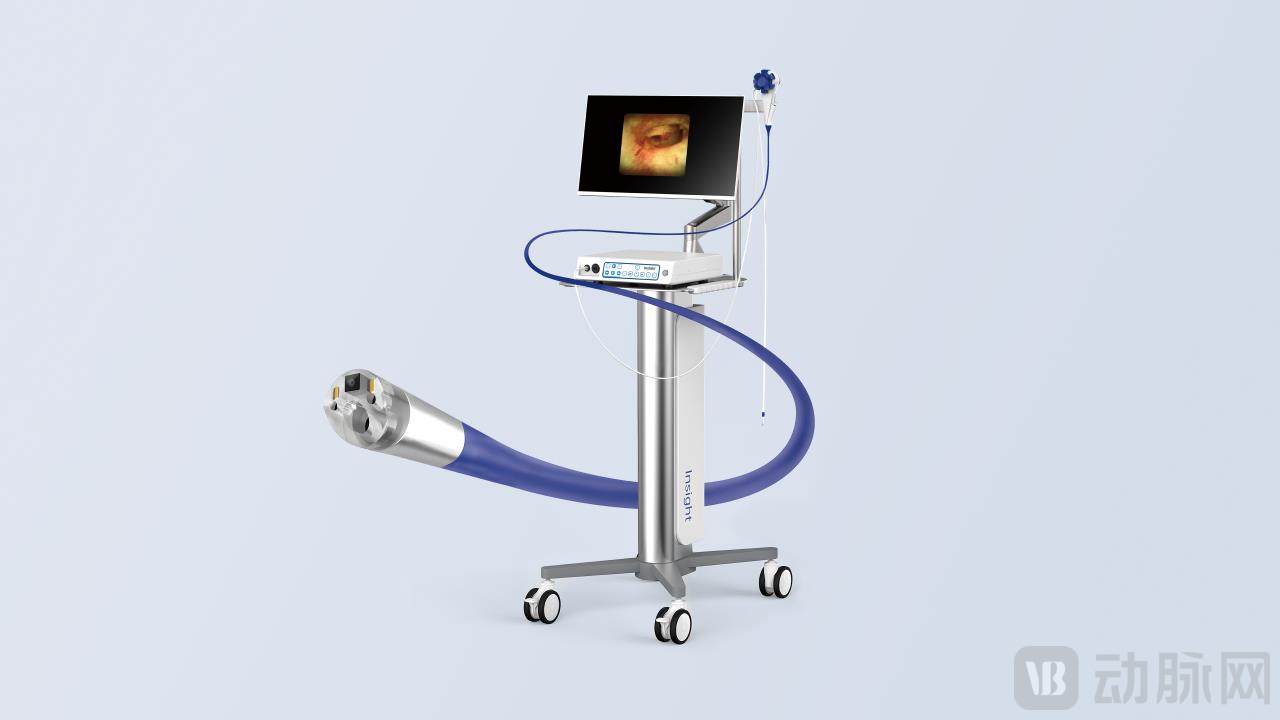
Insight™ viestar™ Direct Visualization System for Biliary and Pancreatic Imaging
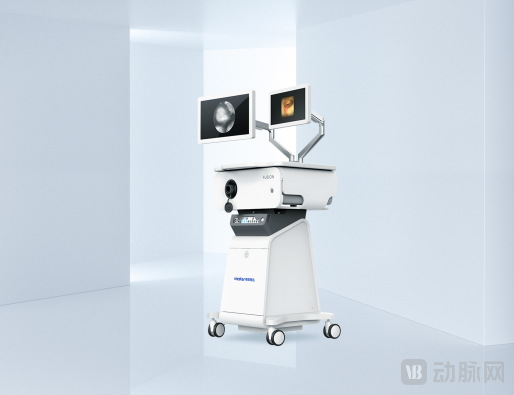
FUSION™ Discovery™ Hybrid Confocal Laser Endomicroscopy System for Biliary Tract
This product and Beixi®Integrated Development of Ultrafine Probe-Based Confocal Laser Endomicroscopy System: Exploring Biliary “Blind Spots” to Enable Cellular-Level Imaging and Real-Time Lesion Characterization Under Direct Cholangioscopic Visualization, Thereby Providing a Comprehensive Solution for Pancreatobiliary Diseases and Effectively Enhancing the Diagnostic Efficacy of ERCP
From focusing on technological innovation in confocal laser endomicroscopy for the digestive tract, it has evolved into an enterprise capable of providing integrated, multi-scenario, and multidisciplinary solutions. Relying on its self-built world’s largest large-scale manufacturing center for confocal laser endomicroscopes and through collaborations with industry, academia, research institutions, and medical practitioners, viestar has established a comprehensive product portfolio that meets the needs of diverse clinical diagnostic and therapeutic scenarios.
Currently, viestar’s confocal laser endomicroscopy products are in use at over 140 Grade A tertiary hospitals across China, and the company has collaborated with more than 20 hospitals on over 30 clinical application research projects. These achievements not only reflect industry recognition of viestar’s products but also demonstrate the innovative capabilities of viestar’s endoscopic technology.
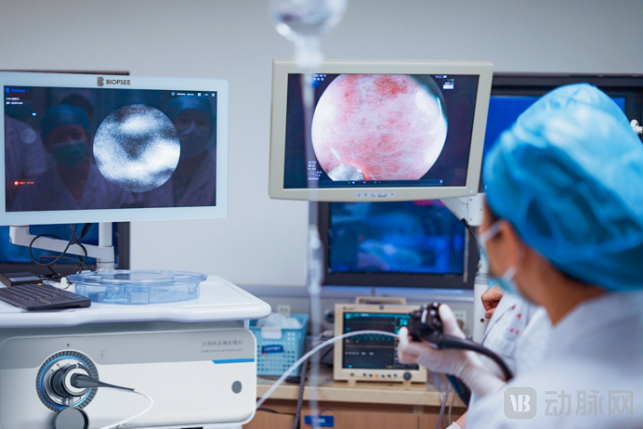
viestar’s Products and Services in Clinical Practice
For product design, meeting clinical needs is the ultimate goal.
Nowadays, it is increasingly difficult for companies to cope with fierce market competition by merely engaging in endless “involution” on certain product dimensions, such as image clarity and device size. Product R&D must not only effectively capture genuine clinical needs but also translate them into relevant solutions. Meanwhile, given the academic and sales barriers established by overseas companies, along with distributors’ balancing of interests among numerous products, domestic products need to build professional marketing teams, refine product positioning, and conduct academic education to facilitate final sales. This approach also presents a valuable opportunity to capture clinical needs, providing essential real-world clinical insights to guide product R&D and design.
The reason why viestar has been able to continuously make breakthroughs and lead the domestic confocal microscopic endoscope market is that the company values collaboration with clinical practices.
Confocal microendoscopy technology in China originated from Huazhong University of Science and Technology and the Suzhou Institute of Biomedical Engineering and Technology, Chinese Academy of Sciences. As the lead entity for a national major science and technology project and a key participant in advancing national medical strategic planning, viestar acquired the core intellectual property rights related to this technology from Huazhong University of Science and Technology through equity transactions in 2014, facilitating its industrialization and commercial translation.
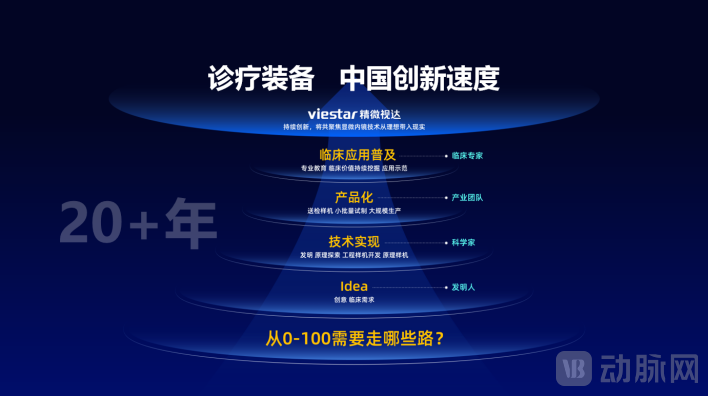
viestar Runs at the Speed of Chinese Innovation
Today, viestar is committed to its mission of continuous innovation for quality life. Centered on the goals of improving prognoses for cancer patients and reducing healthcare expenditures, viestar collaborates closely with numerous authoritative medical and research institutions in China to facilitate the implementation of innovative cancer diagnosis and treatment solutions. Furthermore, through ongoing cooperation with the Suzhou Institute of Biomedical Engineering and Technology, Chinese Academy of Sciences, viestar has successfully overcome multiple technical challenges and established key production capabilities.
Currently, the company is driving technological innovation and adoption through the integration of medicine and engineering. To better serve clinical practice with confocal laser endomicroscopy (CLE), viestar has expanded the scope of its “Clinical Research Program.” Leveraging the regulatory approval of its new product series as an opportunity, viestar has launched the industry’s first “Clinical Research Incentive Program,” calling for clinical research project proposals from hospitals across China. This program will support CLE-based clinical studies at 40 hospitals, including 30 specializing in hepatobiliary and pancreatic diseases and 10 in urology.
Confocal Laser Endomicroscopy Clinical Research Incentive Program
Event Details:
This initiative will support 40 hospitals in conducting clinical research using confocal laser endomicroscopy, with 30 hospitals focusing on the hepatobiliary and pancreatic fields and 10 on the urological field.
Eligibility Criteria:
Physicians currently employed at hospitals, medical device distributors.
Project Support:
Selected projects will receive professional clinical research support from viestar, including but not limited to financial support, technical support, and medical services support.
Recruitment Period:
From now until October 31, 2023
Results Inquiry:
viestar will notify the selected candidates via email.
Registration Method:
Scan the QR code in the image below to submit relevant information.

In recent years, national policies have promoted the development of medical endoscopes from multiple dimensions, including research and development, regulatory approval, sales, and standardized usage.
In terms of technological R&D, the National Development and Reform Commission (NDRC) has listed electronic medical endoscopes and surgical robots as priority projects for encouraged development. The Ministry of Industry and Information Technology (MIIT) has proposed focusing on overcoming technical bottlenecks in upstream core components and equipment, such as optical lenses, medical endoscopic fibers, and laparoscopic surgical robots, while establishing the goal of “having 6–8 Chinese enterprises enter the top 50 global medical device companies by 2025.” Furthermore, an analysis of the lists of imported products successively released by various regions since 2021 clearly indicates that national support for the domestic substitution of medical devices continues to intensify.
Viestar, which specializes in the research and development of confocal laser endomicroscopy systems, is undoubtedly positioned at the forefront of this industry. With its steadfast commitment to product R&D and innovation, the company is poised for even greater success in the future.
References:
"2023 Medical Endoscope Industry Research Report," VCBeat