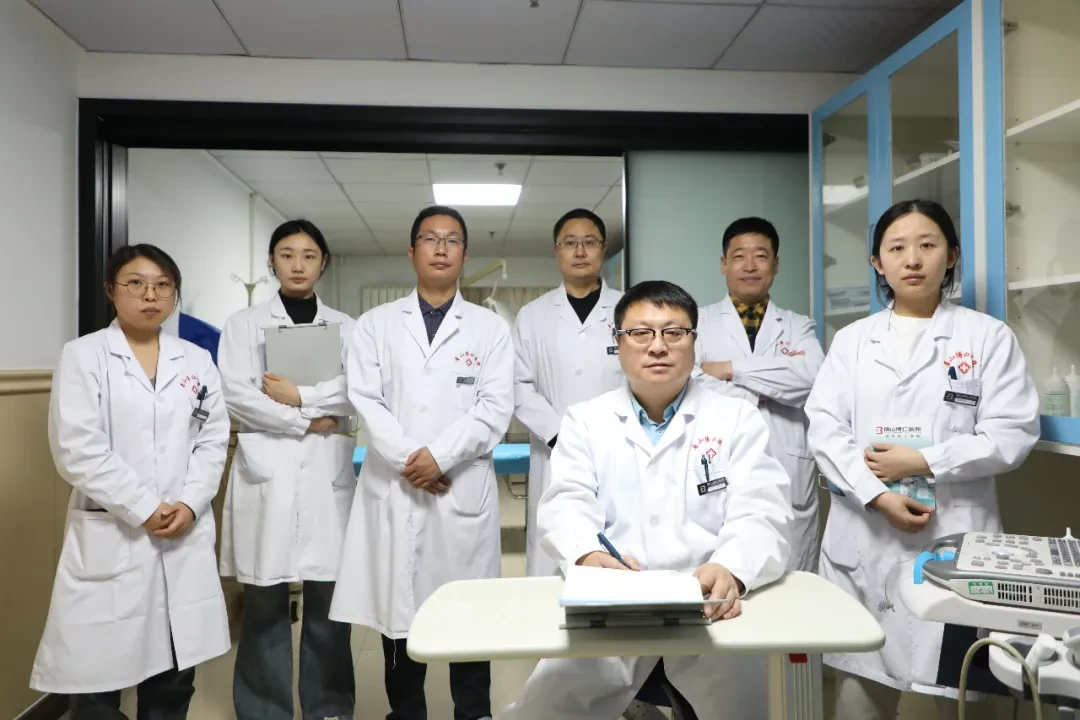
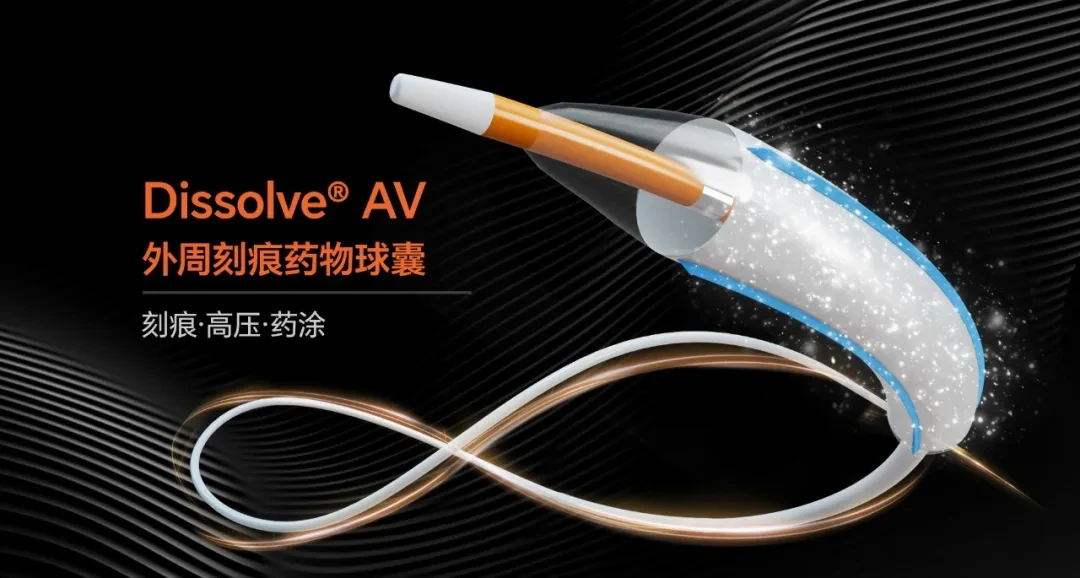
Dissolve® AV Scoring Drug-Coated Balloon for Arteriovenous Access Stenosis: A Case Series by Prof. Yin Feng’s Team

DK Medtech
Vascular Interventional Balloon Product Developer
Stenosis of autologous/artificial arteriovenous fistula (AVF/AVG) is the most common complication in hemodialysis patients. Percutaneous transluminal angioplasty (PTA) has become the primary method for maintaining dialysis access. However, the blunt and irregular tearing of the intima and part of the media by traditional balloons during PTA excessively damages the endothelial vessels, causing intense proliferation of vascular smooth muscle cells and macrophages, which rapidly leads to restenosis.
In recent years, there have been continuous explorations and clinical studies internationally on drug-coated balloons and other devices used for PTA treatment of dialysis access. DK Medtech has exclusively developed...Dissolve® AV Scoring Drug-Coated Balloon, integrating the three features of "scored", "high-pressure", and "drug-coated", is the world's first third-generation drug-coated balloon:
Directional Scoring: Uniform and regular tearing of the intima to reduce damage from blunt rupture.
High Burst Pressure: For high-resistance lesions, improving technical success rate.
Paclitaxel Coating: Effectively Inhibits Excessive Proliferation of Smooth Muscle Cells.
DK Medtech Special Release[Professor Yin Feng's Team:Dissolve® AV Scoring Drug-Coated Balloon Treatment for Access Stenosis: An Exciting Case】Case Presentation: Demonstrating the meticulous operation of each case and the clinical application of advanced equipment and instruments. From the formulation of treatment strategies for different cases, standardized intraoperative procedures and technical applications, complication prevention, to perioperative management, etc., the aim is to promote the standardization of diagnosis and treatment for vascular stenosis and occlusive diseases, strengthen technical exchange and experience sharing among doctors, with the hope of providing new ideas and methods for future diagnosis and treatment, benefiting more clinical patients.
Patient Information
Basic Information:Patient Jiang, female, 57 years old.
Chief Complaint:One year after the creation of an arteriovenous fistula in the left upper limb, the thrill of the arteriovenous fistula has weakened over the past week.
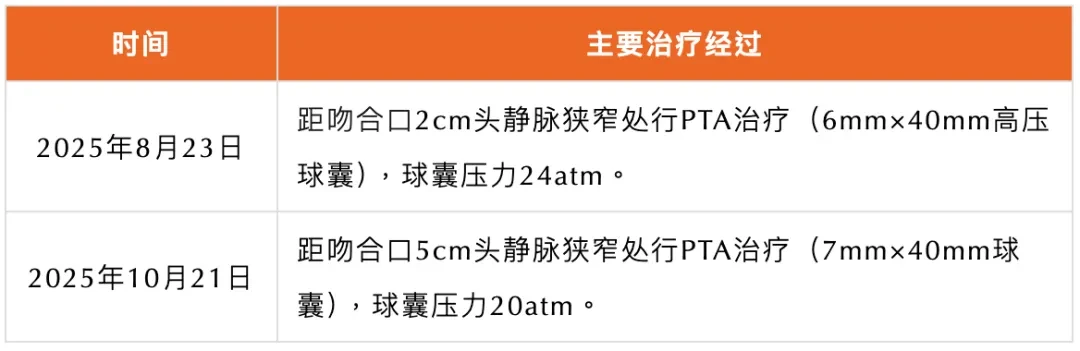
History of Present Illness:Six years ago, the patient visited "Luanzhou People's Hospital" due to fatigue. Blood creatinine was found to be over 100 umol/L, and diagnosed with "chronic renal insufficiency". The patient was given medication treatment. One year ago, the patient developed edema and visited "Luanzhou People's Hospital" again. Blood creatinine was found to be over 600 umol/L, and continued to receive drug therapy, but there was no significant change in creatinine levels. One year ago, the patient underwent an arteriovenous fistula surgery for kidney dialysis on the left upper limb at our hospital, followed by regular hemodialysis treatment after the fistula matured. On August 23, 2025, the patient underwent balloon dilation at our hospital due to stenosis of the left upper limb arteriovenous fistula. On October 21, 2025, the patient underwent another balloon dilation procedure at our hospital due to recurring stenosis of the arteriovenous fistula.
Past Medical History:A 10-year history of diabetes, with blood glucose levels reaching up to 10 mmol/L. Regular use of "Aspart Insulin 30 Injection 4u twice daily" has controlled blood glucose levels between 6-7 mmol/L. A 10-year history of hypertension, with blood pressure reaching as high as 200/110 mmHg. Regular intake of "Nifedipine Controlled-Release Tablets 30mg twice daily" has maintained blood pressure between 160-170/90-100 mmHg.
Physical Examination:A surgical incision scar approximately 3cm in length is observed on the left forearm, about 4cm from the left wrist. The arteriovenous fistula shows no redness, with normal skin temperature, and exhibits weak thrill and vascular murmur. The distal radial artery pulse is palpable.
Admission Diagnosis:
Left Forearm Arteriovenous Fistula Thrombosis
Chronic Kidney Disease Stage 5, Hemodialysis Status, Renal Anemia
Type 2 Diabetes
Grade 3 Hypertension, Very High Risk
Previous Access Therapy
Preoperative Assessment
Preoperative Analysis
The patient has been on hemodialysis for 1 year, currently using an arteriovenous fistula in the left upper limb for hemodialysis treatment. The arteriovenous fistula in the left upper limb has experienced repeated stenosis and has undergone balloon dilation multiple times in the past.
Surgical Goal
1. Main Objectives:Dilate the stenosis of the cephalic vein 5 cm away from the anastomosis of the arteriovenous fistula in the left upper limb to relieve the stenotic lesion.
2. Secondary Objectives:Application of scored drug-coated balloons for uniform and regular intimal tearing to inhibit intimal growth.
Surgical Procedure Name
Balloon Expansion of Arteriovenous Fistula in the Left Upper Limb (for Renal Dialysis).
Surgical Procedure
Preoperative:
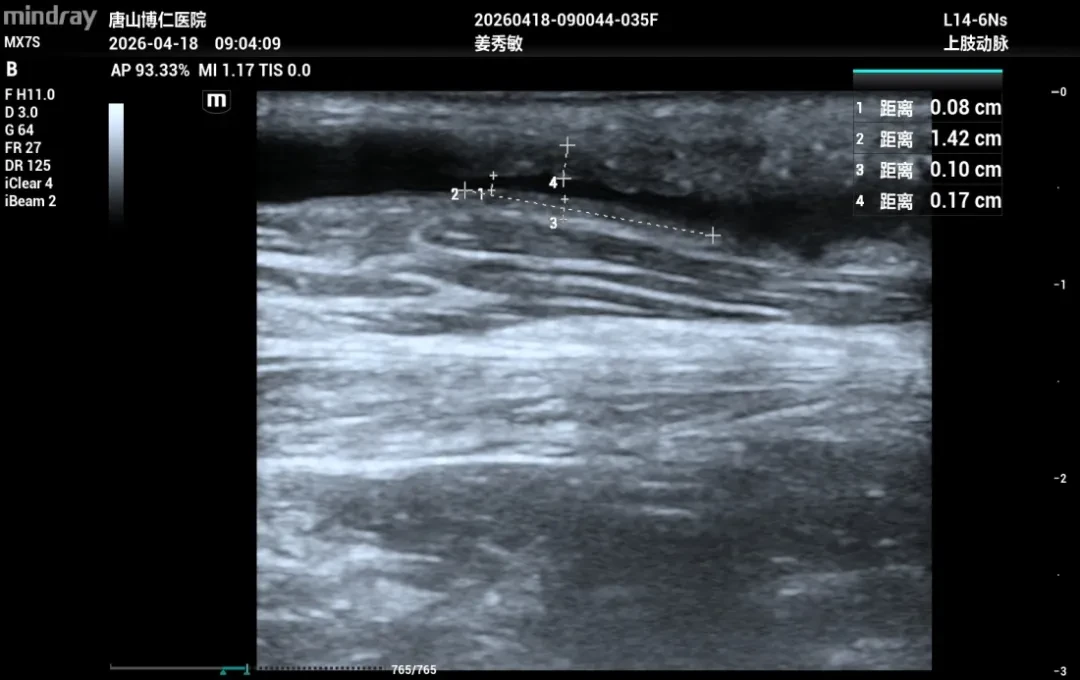
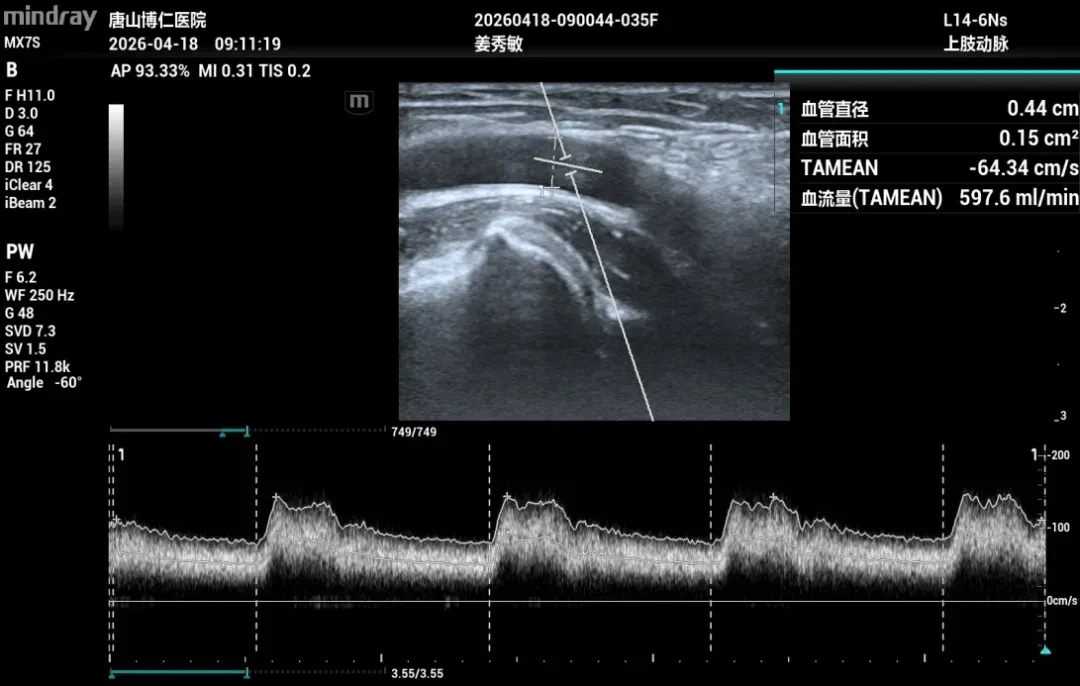
Stenosis of the cephalic vein 50mm from the anastomosis, with brachial artery flow approximately 597.6ml/min.
Intraoperative:
A 7F vascular sheath was successfully inserted through a radial artery puncture distal to the anastomosis, and 20mg of heparin was administered via the sheath. A 0.035 guidewire was placed through a stenosis located 50mm from the anastomosis in the cephalic vein, and a DK Medtech 6mm×60mm balloon was advanced along the guidewire.Dissolve®AV Notch Drug-Coated Balloon。
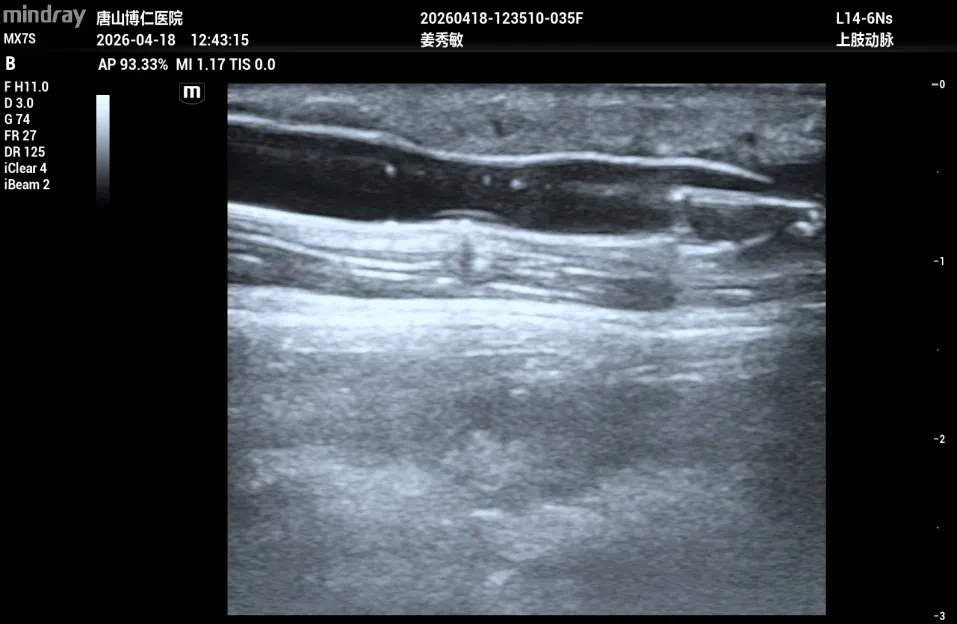
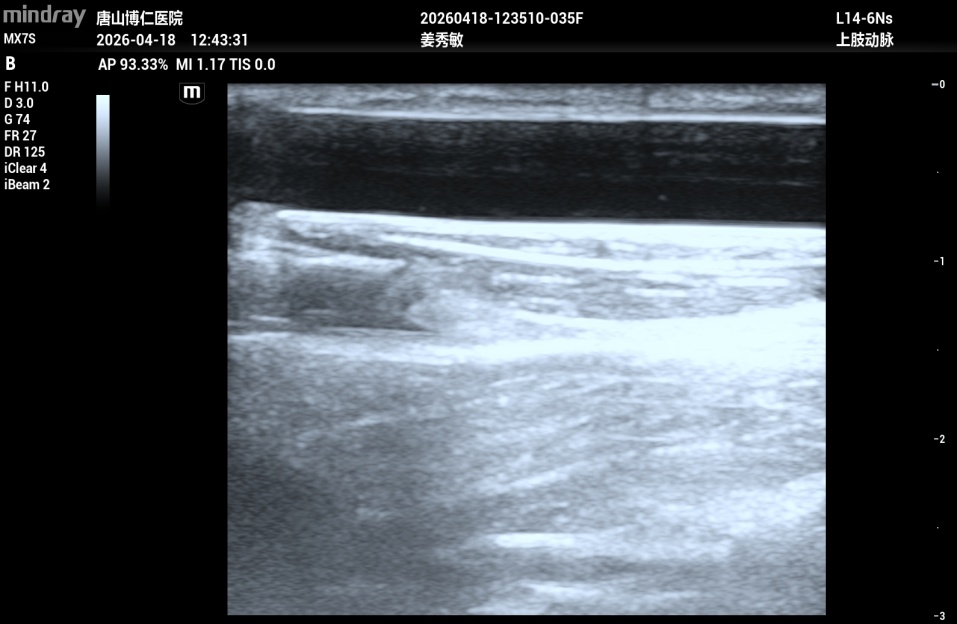
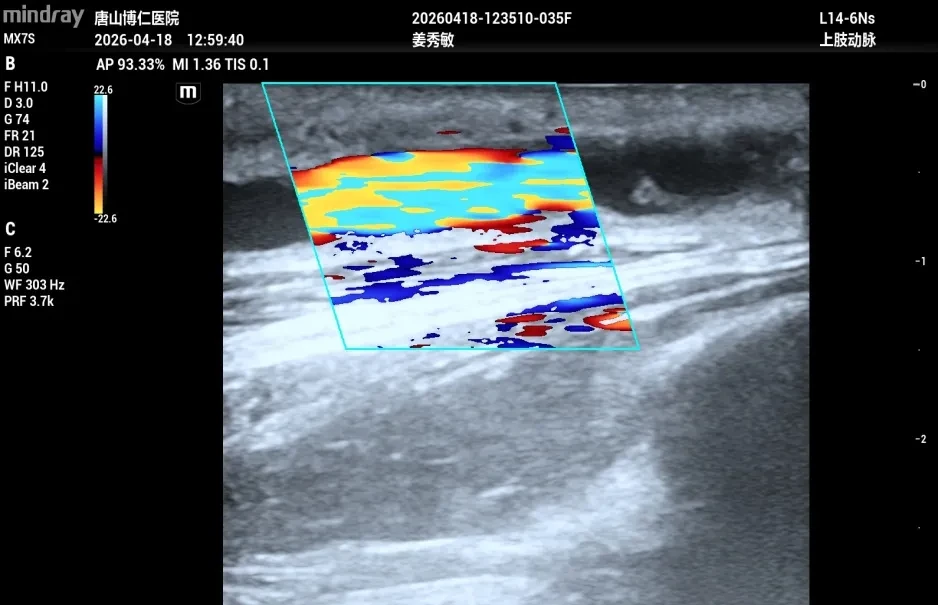
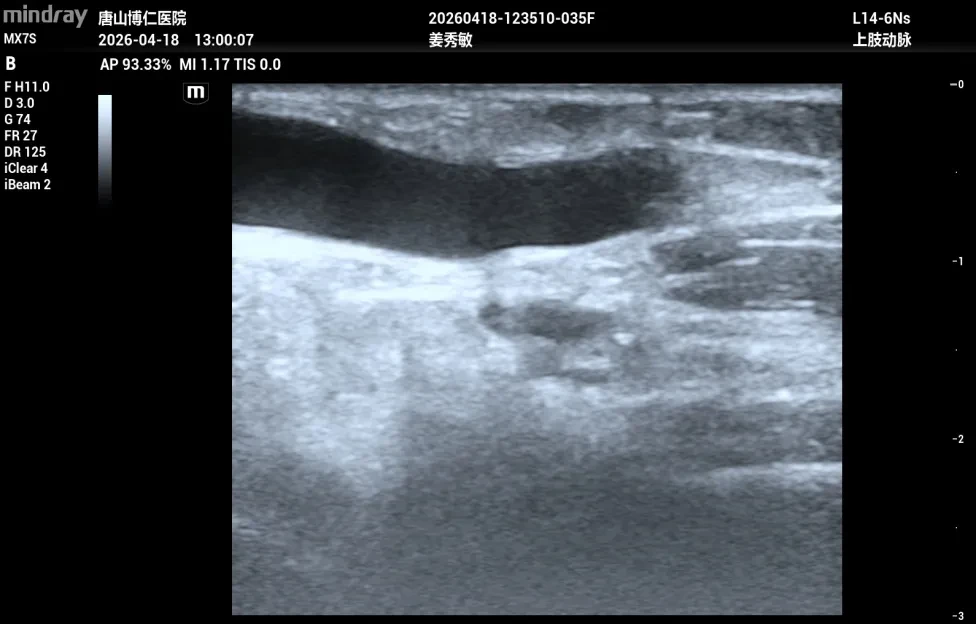
DK Medtech 6mm×60mmDissolve®AV Notch Drug-Coated BalloonThe stenosis at the 50mm cephalic vein from the anastomosis was dilated, with full coverage of the stenotic segment. The dilation was performed at 20 atm for 3 minutes, and the stenosis was resolved.
Postoperative:
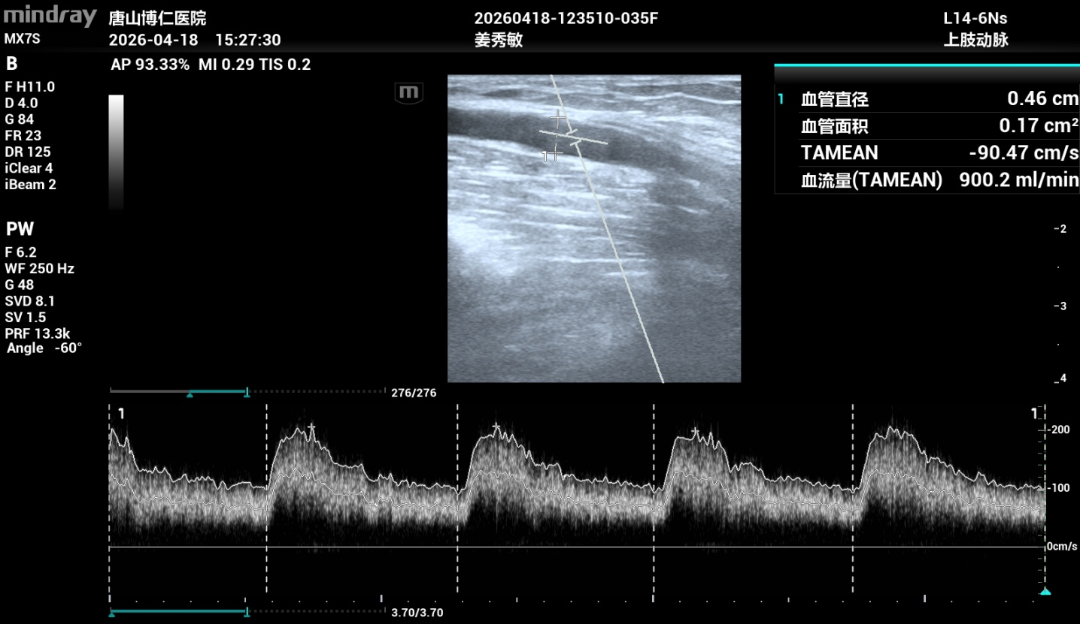
The blood flow of the brachial artery is approximately 900.2 ml/min.
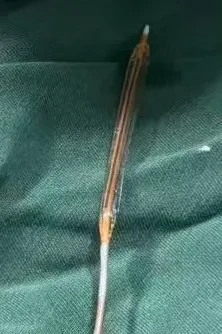
Balloon
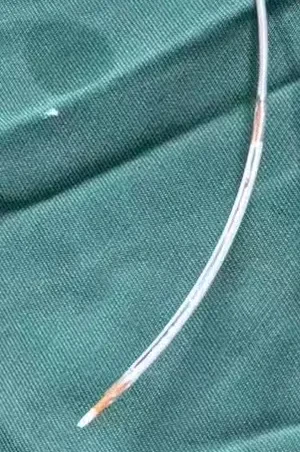
Before Use
After use
Dissolve® AV Scoring Drug-Coated Balloon,120° directional scoring elements are evenly distributed on the balloon surface. After expansion, the drug is fully loaded, the balloon has a good re-wrapping shape, no banana effect, and is safely and conveniently withdrawn from the blood vessel.
Follow-up
The patient is currently undergoing smooth hemodialysis treatment via an arteriovenous fistula in the left upper limb.
Summary
Case Characteristics:
The patient's arteriovenous fistula has thickened intima leading to stenosis, and the stenotic site has been dilated multiple times.
Preoperative Assessment Key Points:
Preoperative ultrasound was used to carefully evaluate the location of arteriovenous fistula lesions, degree of stenosis, nature of stenosis, and arteriovenous fistula flow.
Surgical Plan:
1. Select the distal radial artery puncture approach, ensuring the guidewire can smoothly pass through the stenotic lesion site; if arterial stenosis is observed during the procedure, the guidewire should also be able to enter the artery smoothly.
2. Considering the recurrent stenosis at the lesion site of the patient, who has undergone PTA multiple times in the past,Therefore, a scored drug-coated balloon was selected to inhibit intimal hyperplasia and prolong the patency time of the fistula.
3. Simple high-pressure dilation tends to cause vascular injury and intimal hyperplasia,Dissolve® AVWith scored elements, it can uniformly tear the intima, reduce vascular injury, ensure optimal lumen acquisition, and simultaneously, the scored elements reaching the media layer provide a basis for long-term drug release.
Balloon Selection/Usage Tips:
Select a balloon of appropriate size based on the internal diameter of the patient's arteriovenous fistula vessels; accurate positioning is required for the application of scored drug-coated balloons during the procedure.
Expert Introduction
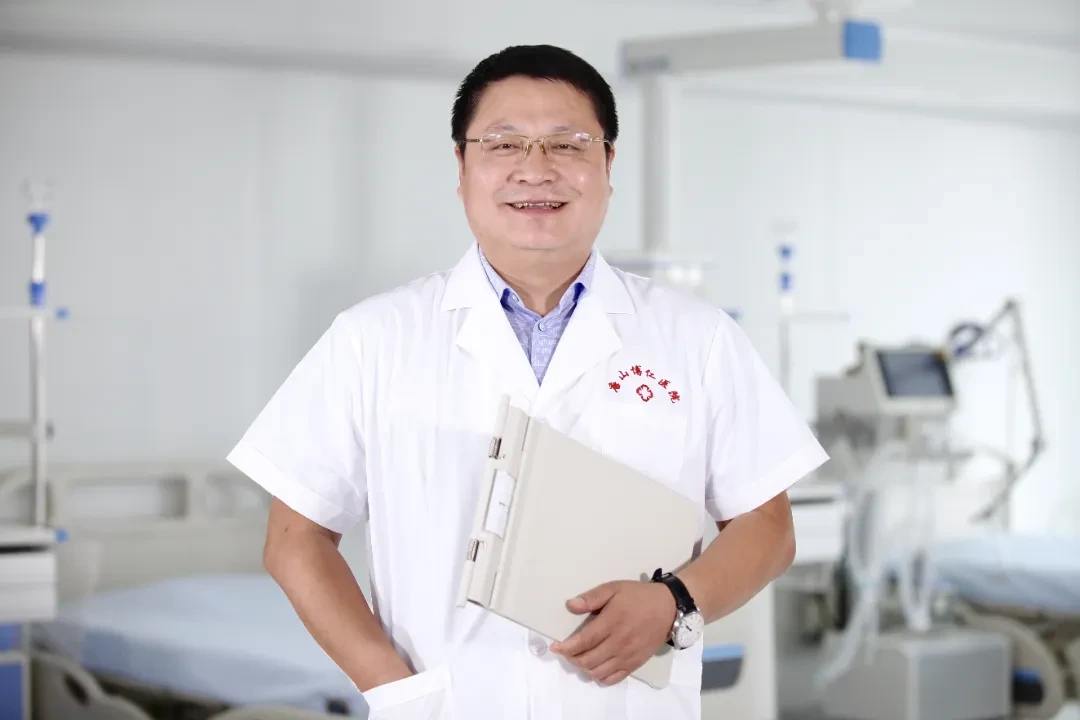
Yin Feng, Vice President of Borun Hospital
►Vice President of Tangshan Borun Hospital, General Director of Vascular Access Center and Blood Purification Center, Leader of Vascular Access Study Group, Associate Chief Physician, Former Deputy Director of the Urology Department at Tangshan North China University of Science and Technology Affiliated Hospital
►In 2017, studied vascular access interventional techniques in Beijing, Chongqing, and Taiwan, and was the first to implement PTA technology for dialysis patients' vascular access under color Doppler ultrasound and DSA guidance in the Tangshan area.
►Proficient in the establishment, maintenance, and management of complex and challenging vascular access for hemodialysis patients, as well as handling related complications.
►Member of the Youth Alliance for Hemodialysis Access of the Asia-Pacific Vascular Academic Union
►Chairman of the Renal Dialysis and Access Branch of the Hebei Province Middle-aged and Elderly Health Care Association
►Standing Committee Member of the First Committee of the Hebei Provincial Medical Association's Branch of Blood Purification and Vascular Access Physicians
►Standing Committee Member of the 4th Nephrology Professional Committee of Hebei Association of Integrated Traditional Chinese and Western Medicine
►Standing Committee Member of the Vascular Access and Interventional Nephrology Professional Committee of Hebei Province Vascular Health and Technology Association
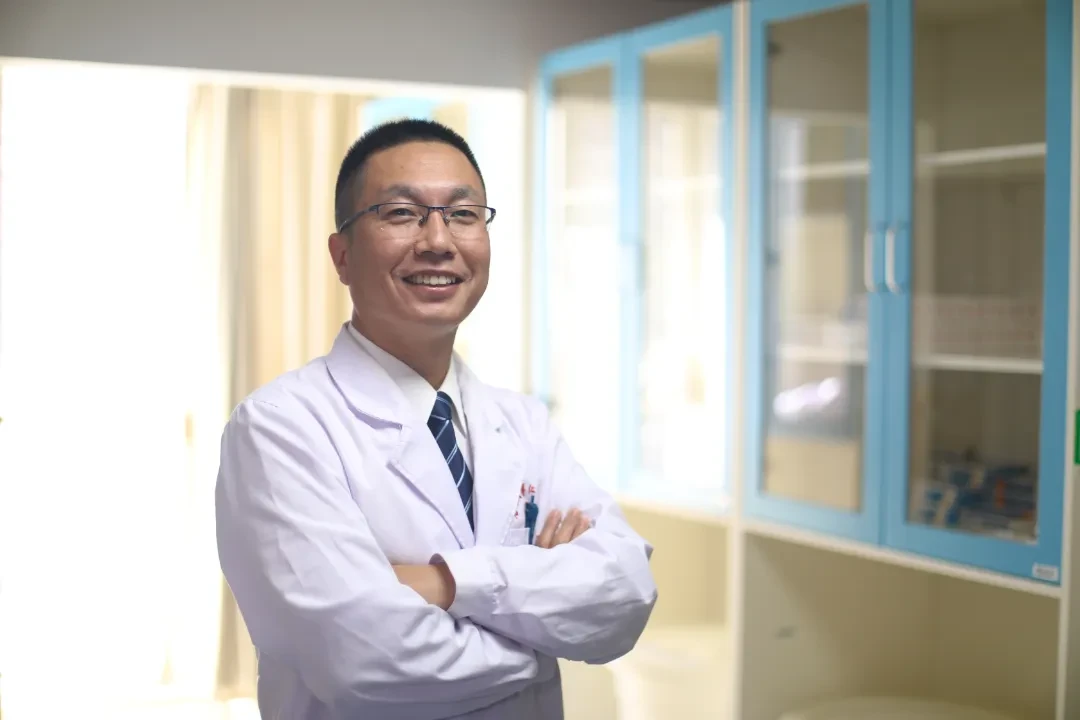
Yan Yonggang, Director of Urology
Surgeon of This Case
►Director of the Department of Urology, Tangshan Borun Hospital, Associate Chief Physician
►2000-2020 Tangshan Hongci Hospital Department of Urology (formerly Tanggang Hospital)
►Successively advanced studies at the First Hospital of Peking University and the Second Affiliated Hospital of Tianjin Medical University, published 6 professional papers, and won one first prize for teaching and research achievements in the National 12th Five-Year Plan of the Ministry of Education.
►Engaged in vascular access diagnosis and treatment for 20 years
►Proficient in the treatment of vascular access for uremic dialysis
►Proficient in personalized design of complex fistula surgery plans, recanalization of occluded arteriovenous fistulas; arteriovenous fistula bypass using artificial vessels, angioplasty under ultrasound guidance and DSA.
►Vice Chairman of the Renal Dialysis and Access Branch of the Hebei Province Middle-aged and Elderly Health Care Association
►Youth Committee Member of the Nephrology Branch, Hebei Province Vascular Health and Technology Association
►Vice Chairman of the Hemodialysis Group, Kidney Disease Branch, Tangshan Medical Association
Department Introduction
The Borun Access Team in Tangshan specializes in establishing vascular access for hemodialysis. It is the first and only professional team in Tangshan City capable of performing various complex vascular access surgeries.
Routinely perform several core surgeries including autologous arteriovenous fistula (AVF), arteriovenous graft (AVG), semi-permanent central venous catheter (TCC), vascular stent graft implantation, aneurysm resection, high-flow fistula flow-restriction surgery, thrombectomy, and ultrasound-guided and DSA-guided PTA balloon dilation. The team bravely scales technical heights, pioneering multiple vascular access technologies within the city, successfully filling regional technical gaps. Their overall diagnostic and treatment standards firmly rank among the leading ones in the province, providing precise and personalized treatment plans with cutting-edge technology for patients, and offering excellent treatment options for complex and difficult cases.
Our hospital has gathered numerous senior experts in the field of vascular access. The team is rich in clinical diagnosis and treatment experience, with solid and strong technical skills, deeply cultivating the front line of diagnosis and treatment with professional strength. The team's clinical achievements are remarkably outstanding, having successfully completed more than 20,000 vascular access surgeries cumulatively, with an annual surgery volume reaching over 2,500 cases, including more than 1,000 high-difficulty balloon expansion surgeries conducted annually on average, laying a solid foundation for diagnosis and treatment with tangible surgical outcomes. At the same time, focusing on the whole-cycle health management of vascular access for uremic patients, from precise daily follow-up visits, standardized intraoperative operations, to health science popularization education, and long-term postoperative maintenance, effectively safeguarding the "lifeline" of dialysis patients, ensuring dialysis safety with professionalism, and benefiting every patient with quality diagnosis and treatment.