

BrainWuBrain Files IPO Prospectus: Pioneering Digital Therapeutics for Cognitive Screening and Intervention Targeting Over 200 Million Individuals
Brain5 is a very young company.
As a startup founded in July 2022, it secured an angel financing round of nearly RMB 10 million in November of the same year. In the following year, 2023, Naowunao Cognitive Assessment and Training obtained FDA and NMPA certifications, respectively.. Currently, it has already achieved commercial implementation.
Amid the crowd of digital therapeutics companies, what makes BrainWuBrain so distinctive? And how has it achieved this? VCBeat seeks to uncover the answers by interviewing Dr. Zhu Yingbo, founder of BrainWuBrain, and Zhang Yan, co-founder.
Let’s first look at a set of data.
Major data from the Seventh National Population Census show that China’s total population stands at 1.41178 billion. Among them, the population aged 60 and above amounts to 264.02 million, accounting for 18.70%. Compared with the 2010 data, the degree of population aging in China has further deepened.
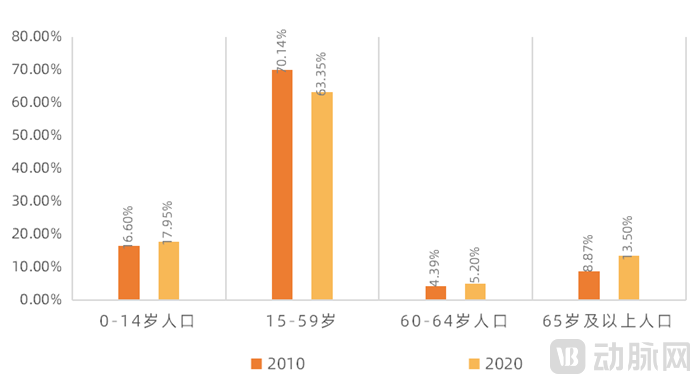
Accompanying this trend is an increase in the number of elderly patients with degenerative diseases. Taking neurodegenerative diseases as an example, individuals with subjective cognitive decline currently account for approximately 25% of the elderly population, or about 65 million people; those with mild cognitive impairment account for approximately 15%, or about 40 million people; and patients with Alzheimer’s disease account for approximately 5%, or about 10 million people.
The vast population with cognitive decline/cognitive impairment represents a significant socioeconomic burden. AndEarly screening and intervention for cognitive impairment in the elderly population hold promise for slowing disease progression to a certain extent. For the more than 200 million older adults in China, it is imperative to promptly implement early screening for cognitive function and timely post-diagnostic interventions.
Digital technologies have become the preferred choice for a large number of industry practitioners due to their effective intervention outcomes and socioeconomic benefits.
Naowunao is a technology company dedicated to providing “digital therapeutics” for neurological, psychiatric, psychological, and rehabilitative care through AI and cutting-edge research in brain science, as well as offering brain health solutions to various industries.
The ability to possess the aforementioned capabilities is closely related to the team currently assembled by Naowunao. It is reported that Naowunao has established a professional, multidisciplinary team, with 80% of its members dedicated to R&D, 10% to market development, and 10% to operational support. Among the R&D staff, half have backgrounds in medicine, neuroscience, or psychiatry/psychology, while the other half have professional experience as software developers.
Among the team members, it is perhaps necessary to mention the founder of Naowunao—
Founder Zhu Yingbo is a classically trained professional; she graduated with a degree in clinical medicine, and her doctoral research focused on brain science and psychiatry. Prior to founding Naowunao, she had been continuously launching ventures in the field of brain science for five years, earning numerous awards. Co-founder Zhang Yan graduated from Carnegie Mellon University in the United States and has previously explored the application of VR and eye-tracking interaction technologies in the design and development of medical and educational projects.In 2022, a serendipitous opportunity brought the two parties together, leading them to jointly establish a startup, thus giving birth to BrainWuBrain.
When asked why two strangers decided to become co-founders after just a brief phone conversation, Zhang Yan stated in an interview: “In my previous entrepreneurial ventures, I gained deep insights into the pain points and needs of doctors, patients, family members, and healthcare professionals, and developed products aimed at addressing these issues. However, due to my limited technical background, my earlier efforts were often constrained by a ‘hammer looking for a nail’ mindset. It was not until I met Dr. Zhu that I found someone who demonstrated precise control over industry trend analysis and commercialization pathways, with a stronger emphasis on strategic planning. Our skills proved highly complementary. Furthermore, we share the same direction for in-depth exploration, have complementary professional backgrounds and personalities, and hold aligned values. Therefore, both of us felt there was no need to wait any longer.”
Ultimately, Brainoo chose to focus its entrepreneurial efforts on leveraging digital technologies to enhance brain health. Reflecting on his years of entrepreneurship in the field of brain science, Zhu Yingbo summarized: “Based on our understanding of diseases and our analysis of the market, we have found that it is quite challenging to effectively address users’ problems through a single technological approach in the realm of brain science. What we can ultimately deliver must beComprehensive and Multimodal Solutions. The brain is plastic; we advocate “training the brain like a muscle” by implementing a series of interventions targeting cognitive functions.The product’s target audience includes patients with neurological and psychiatric disorders, as well as healthy individuals seeking to prevent cognitive decline and enhance cognitive function.”
BrainWu Brain positions itself as “providing digital solutions for the prevention and rehabilitation of brain disorders, as well as for maintaining and enhancing brain health.” It aims to integrate cutting-edge neuroscience research with hardware-software systems and digital technologies to develop products suitable for widespread public use.
In the first half of 2023, Brain55 reached two important milestones.In March, the BrainWu Cognitive Assessment System obtained registration certification from the U.S. Food and Drug Administration (FDA); in April, its Cognitive Assessment and Training System received the National Class II Medical Device Registration Certificate.
Historically, cognitive assessment has relied heavily on rating scales, requiring professional evaluators to devote considerable time and effort to conduct purely manual assessments. Similarly, cognitive training must be administered by qualified healthcare professionals. Consequently, relevant application scenarios have often been confined to hospital settings. The prevailing issue is that a large population with needs for cognitive screening and improvement resides in communities, elderly care facilities, or homes. Therefore, providing effective cognitive assessment tools and training methods for these groups has become an urgent problem to address.
Digital therapeutics products are well-positioned to address challenges such as large-scale cognitive screening and cognitive training across diverse settings.
BrainWuNao, based on internationally recognized research findings, categorizes cognition into five major cognitive domains and 27 specific cognitive functional units. It provides personalized training programs tailored to each individual’s unique cognitive functional characteristics.To enable more precise personalized recommendations, BrainWu has collaborated with the AI algorithm team at Tongji University to model and analyze big data algorithms using data collected from real-world applications. Furthermore, the commercial deployment of BrainWu allows for continuous improvement in product accuracy by leveraging richer real-world data. Extensive feedback from actual users further facilitates product upgrades and iterations, thereby meeting user needs with greater precision.
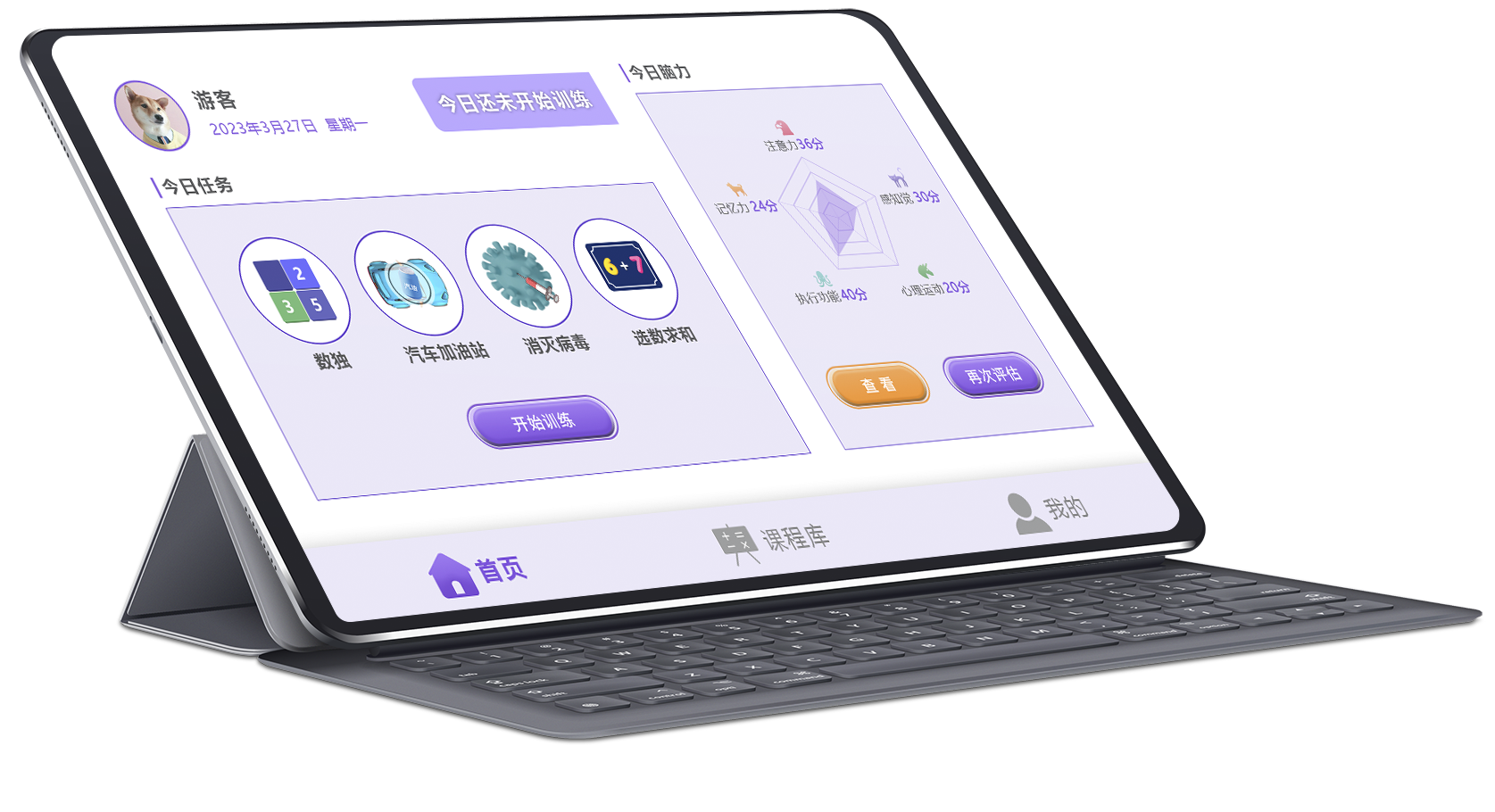
Among its various product lines, BrainWuNao has prioritized the launch of its cognitive assessment and training product precisely because it serves as a “foundational product.” Much like an electrical socket, it provides a base upon which any subsequent technical devices and management platforms can be extended. For instance, hardware devices such as virtual reality systems, eye-tracking units, and brain-computer interfaces can provide more objective and precise data for the cognitive assessment system, while also offering additional combined intervention strategies for the cognitive training system. Meanwhile, platforms such as brain health management systems and data analysis centers can be designed based on the data foundation provided by this product. The presentation format of cognitive assessment and training is highly flexible; it is compatible with various terminals such as smartphones, tablets, and computers, accommodating different application scenarios and facilitating use by individuals across varying levels of cognitive ability and age groups.
In addition to cognitive assessment training software,BrainWuNao has also launched the “VR Intelligent Rehabilitation System” and the “Eye-Tracking Cognitive Rehabilitation System” for the prevention and rehabilitation of brain diseases.Among these, the VR intelligent rehabilitation system is primarily designed for patients with existing conditions, such as vascular cognitive impairment and motor dysfunction. It leverages digital technologies to enhance rehabilitation outcomes, as well as patient engagement, adherence, and overall experience during the rehabilitation process, thereby facilitating a faster return to normal functioning. By integrating technologies such as virtual reality and eye-tracking, the two systems enable comprehensive assessment and therapeutic intervention for cognitive functions through gamified approaches.
In terms of product expansion,According to Zhu Yingbo, based on its core algorithms and software systems, Naowunao will subsequently develop products in various device forms tailored to different scenarios and disease characteristics., such as products based on brain-computer interfaces and neuromodulation, thereby meeting more personalized and targeted user needs. Meanwhile,Nao Wu Nao will also focus on brain health management, customizing the development of data management and visualization platforms for various implementation scenarios., thereby meeting the needs of B-end users. Meanwhile, it also pointed out that Naowunaowu will not neglect its layout in consumer brain health products.
Currently, BrainWuNao’s related products have been successfully deployed across multiple scenarios.
Taking the Wenzhou Cognitive Health Home in community settings as an example, the Nao Wu Nao operations team first conducted universal cognitive function screening across various communities within the subdistrict.During the universal screening process, to ensure a positive experience for elderly participants, interactive activities such as Brain Power Competitions are conducted alongside the NaoWu cognitive assessment tool to boost their engagement.Upon completion of a specified number of assessment screenings, BrainWuNao will formulate subsequent intervention plans based on the risk stratification of the assessed population.—For example, referral services are provided to high-risk groups; for low-to-moderate-risk groups, case-based interventions are delivered through the “Naowunao” product, complemented by group interventions organized in the form of activities; for healthy populations, health science popularization activities are conducted to raise awareness of brain health. According to Zhang Yan, based on current intervention data, the overall cognitive function of the low-to-moderate-risk group improved by an average of 16% before and after training.
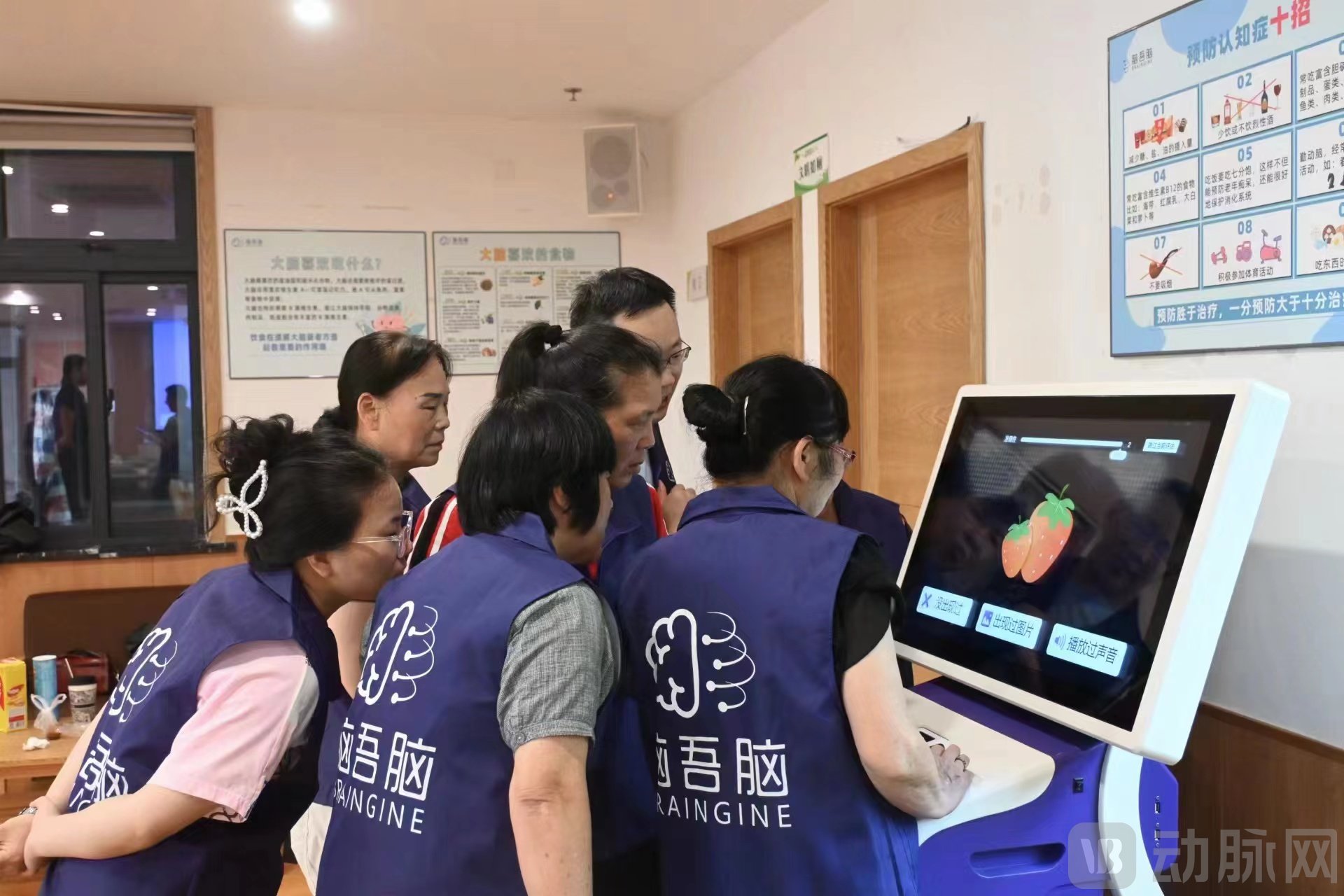
In practice, BrainWuNao offers distinct solutions for community-based implementation. For instance, its “Brain Gym” primarily delivers scientifically designed cognitive training content, providing users with preventive brain health care while also offering older adults healthier forms of entertainment. Meanwhile, BrainWuNao’s community-based psychiatric rehabilitation program targets individuals requiring home-based psychological and psychiatric rehabilitation, delivering tailored rehabilitation solutions within the community setting.
For BrainWuNao, implementing community-based projects enables the rapid accumulation of operational experience and enhancement of product quality, facilitating a deeper understanding of target users’ real-world needs at the grassroots level. Furthermore, by continuously collecting, evaluating, and training on data, the precision of its algorithms can be improved, thereby making more accurate cognitive assessments and more personalized cognitive training programs possible.
Community settings are merely one of the many scenarios where NaoWuNao has been implemented. Beyond community settings, NaoWuNao is also piloting its solutions in a variety of other environments, including hospitals, schools, insurance institutions, and government agencies.Among these, the implementation in the relatively unique school setting is actually a result of demand-driven market promotion. Many higher vocational colleges related to rehabilitation and elderly care need to introduce frontline solutions and the latest technologies to improve teaching quality, and Naowunao happens to possess this solution and technical capability.
From another dimension,In rehabilitation settings,Currently, Naowu Nao is establishing benchmarks through product trials at leading hospitals and further expanding its reach to more medical institutions and lower-tier healthcare markets.In preventive healthcare scenarios,Brain55 is currently actively establishing model communities in Shanghai, Zhejiang, and Guangdong, where it has developed mature operational processes and collected extensive intervention data. Subsequently, Brain55 will gradually expand its implementation nationwide across China.
Compared with the implementation of other digital therapeutics products, NaoWuNao places greater emphasis on operations during its deployment process.This approach also takes into account the needs of special populations. On one hand, elderly individuals and users with brain function disorders often have limited understanding of digital interventions and insufficient awareness of health management, necessitating repeated provision of popular science education. On the other hand, these users lack familiarity with using digital products and require guidance and assistance. BrainWuNao enhances service efficiency by collaborating with government departments and coordinating with sub-district offices and community organizations.
User satisfaction and recognition are also accelerating the implementation and expansion of BrainWuBrain’s business.
For Brain5, the future plan is clear and well-defined.
In terms of market expansion, Naowu Nao is currently still primarily focused on key scenarios such as communities, health and elderly care institutions, and medical facilities, refining its product offerings and establishing sales channels;And in the long runIn addition to collecting more data to enhance product efficacy, Naowunao is actively preparing a brain health management platform and expanding into more application areas. It also plans to initiate its next round of financing after completing the development of pilot sites in communities and medical institutions.
Zhu Yingbo believes that, for brain health, digital assessment and training products are merely one entry point. “Maintaining brain health involves various aspects, including lifestyle habits, diet, exercise, learning, and social interaction. Certain knowledge dissemination initiatives, rehabilitation aids, pharmaceuticals, and health supplements also contribute to brain health management.”Based on a deep understanding of brain health data in target populations, providing more tailored solutions will represent a more precise approach to brain health management in the future.Therefore, current digital therapeutics products serve merely as an entry point for understanding the needs of our target population.In the future,BrainWuNao will build a comprehensive brain health management platform based on real-world data and individual user characteristics, delivering personalized medication strategies for each patient.”
The founding team comprises a cross-disciplinary talent pool with expertise in brain science, medicine, and digital technology. As serial entrepreneurs with years of practical startup experience, they have developed substantial insights into the translational application and commercialization of brain science achievements. This enables BrainWuNao to identify development pathways better aligned with the field’s trajectory, rapidly explore corresponding business models, and continuously iterate its products, thereby effectively meeting user needs and capturing market share.
However, difficulties have always persisted.
Brain science is still in its early stages of development, with human understanding of the brain gradually deepening and related technologies remaining immature. Consequently, it is challenging to launch highly mature commercial products. Furthermore, public awareness of brain health requires further cultivation, and the use of digital technologies for brain health management remains relatively unfamiliar to most people.
“To accelerate the rapid development of the brain science industry,On the one hand, it relies on further breakthroughs in basic research and applied technologies in brain science; on the other hand, it requires continuous public education by governments, enterprises, and academic and research institutions to enhance public awareness of brain health and understanding of brain science.“We also hope to see more high-quality products that allow users to intuitively experience the benefits to their brain health,” emphasized Zhu Yingbo. He highlighted the government’s crucial role in this field, noting that its support for brain science research and related enterprises will accelerate the arrival of mature, applicable products.