

First China-Europe Healthcare Industry International Forum Successfully Concludes, Highlighting Innovation and Integration in China's Healthcare Sector
As globalization enters a new phase, issues such as economic stagnation and geopolitical conflicts are impacting the development trajectory of various industries. How can certainty be found amidst uncertainty? How can key focal points for future development be identified within the context of global industrial trends? China’s healthcare industry is attempting to answer this defining question of our time through innovation and integration.
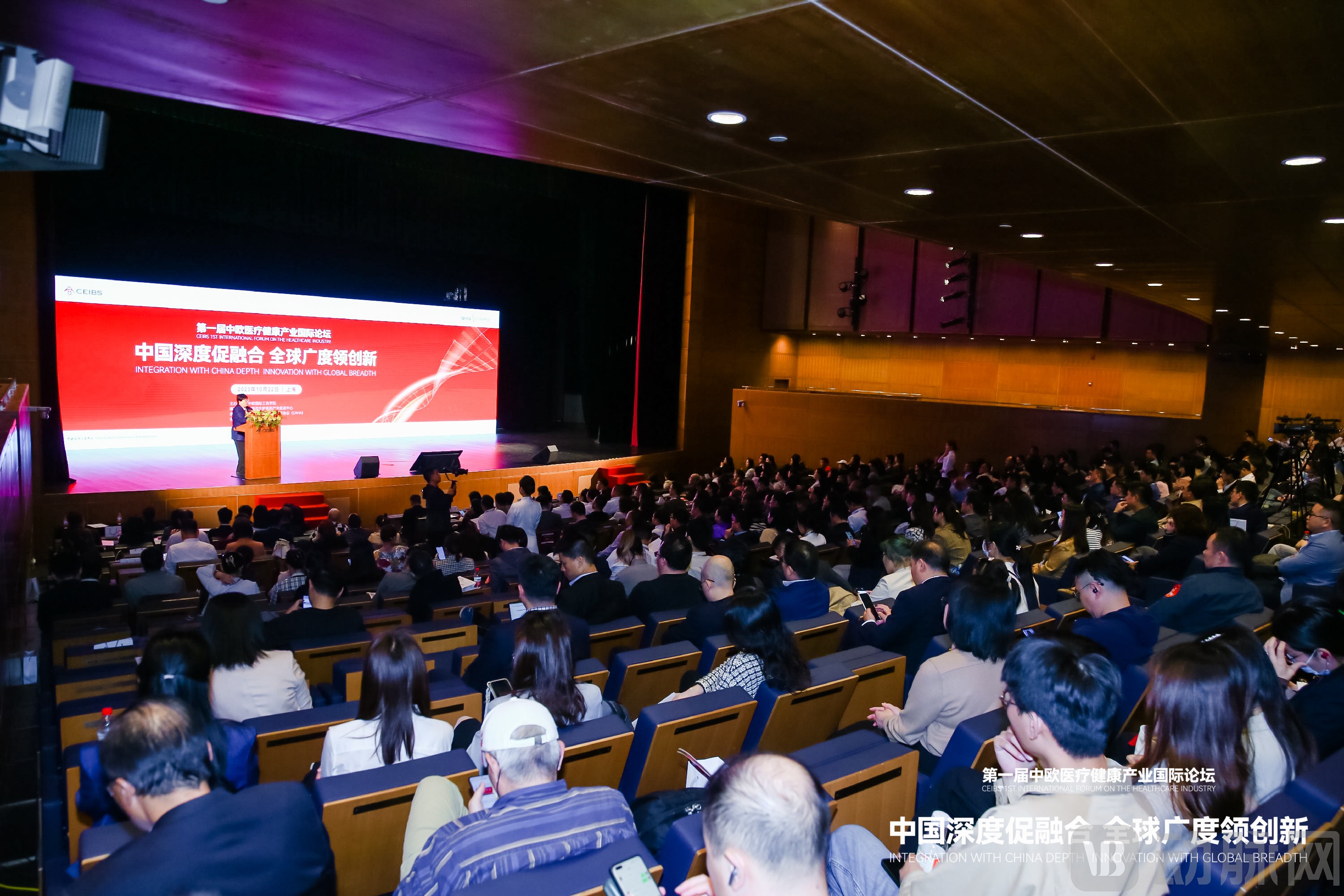
Event Site
On October 22, the inaugural CEIBS International Forum on Healthcare Industry was held in Shanghai, under the guidance of the Shanghai Biomedical Industry Promotion Center and hosted by China Europe International Business School (CEIBS). As part of the Shanghai Biomedical Industry Week activities, the forum centered on the theme “Deepening Integration in China, Leading Global Innovation.” It brought together more than 30 distinguished guests from government, industry, academia, healthcare, and research institutions to share cutting-edge research, practical case studies, and innovative insights. Leveraging the pioneering strength of China’s healthcare sector, participants explored viable pathways for global healthcare innovation and development, while jointly promoting the upgrading and high-quality growth of China’s healthcare industry.
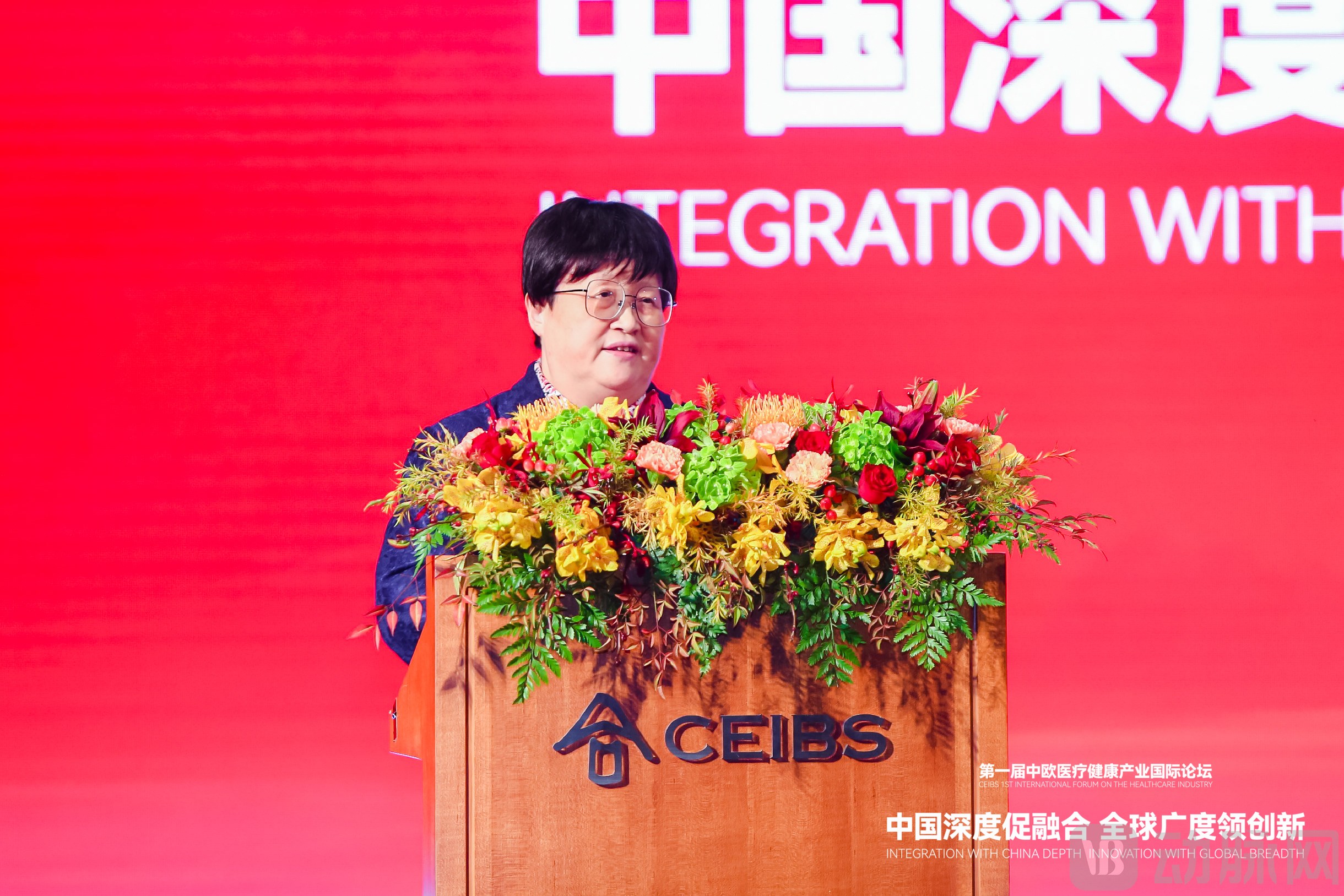
Wang Hong, Dean of China Europe International Business School (CEIBS), Professor of Management, and Hengdian Group Chair Professor of Management
Wang Hong, Dean of China Europe International Business School (CEIBS), Professor of Management, and Hengdian Group Chair Professor of Management, delivered the opening remarks. She began by extending warm congratulations on the successful convening of the 1st CEIBS International Forum on the Medical and Health Industry. She emphasized that healthcare is closely intertwined with national strategy, the vision of a community with a shared future for mankind, wealth management, and the overall quality of the nation. Health is an essential requirement for promoting comprehensive human development, a fundamental condition for economic and social progress, a significant indicator of national prosperity and strength, and a common aspiration of the general public. Under the guidance of the Healthy China Strategy, the health status of the population and the equity and accessibility of basic medical and health services have continued to improve, laying a solid health foundation for the great rejuvenation of the Chinese nation. Citing the aging of China’s society as an example, she drew upon global trends in population aging, demographic data from Shanghai, and her personal experiences to vividly elaborate on the significance of healthcare for the nation, state, society, enterprises, families, and individuals, as well as the importance of building a multi-tiered and comprehensive social security system.
China’s path to healthcare development should neither simply follow the UK model nor blindly imitate the US approach. She hopes that CEIBS alumni will continuously explore, reflect, strive for progress, and innovate, leveraging the strength of CEIBS to sustainably drive high-quality development in the healthcare industry. She calls on all entrepreneurs to pool their wisdom and efforts, harnessing the power, capabilities, and innovative spirit of the Chinese people to forge a paradigm uniquely their own.
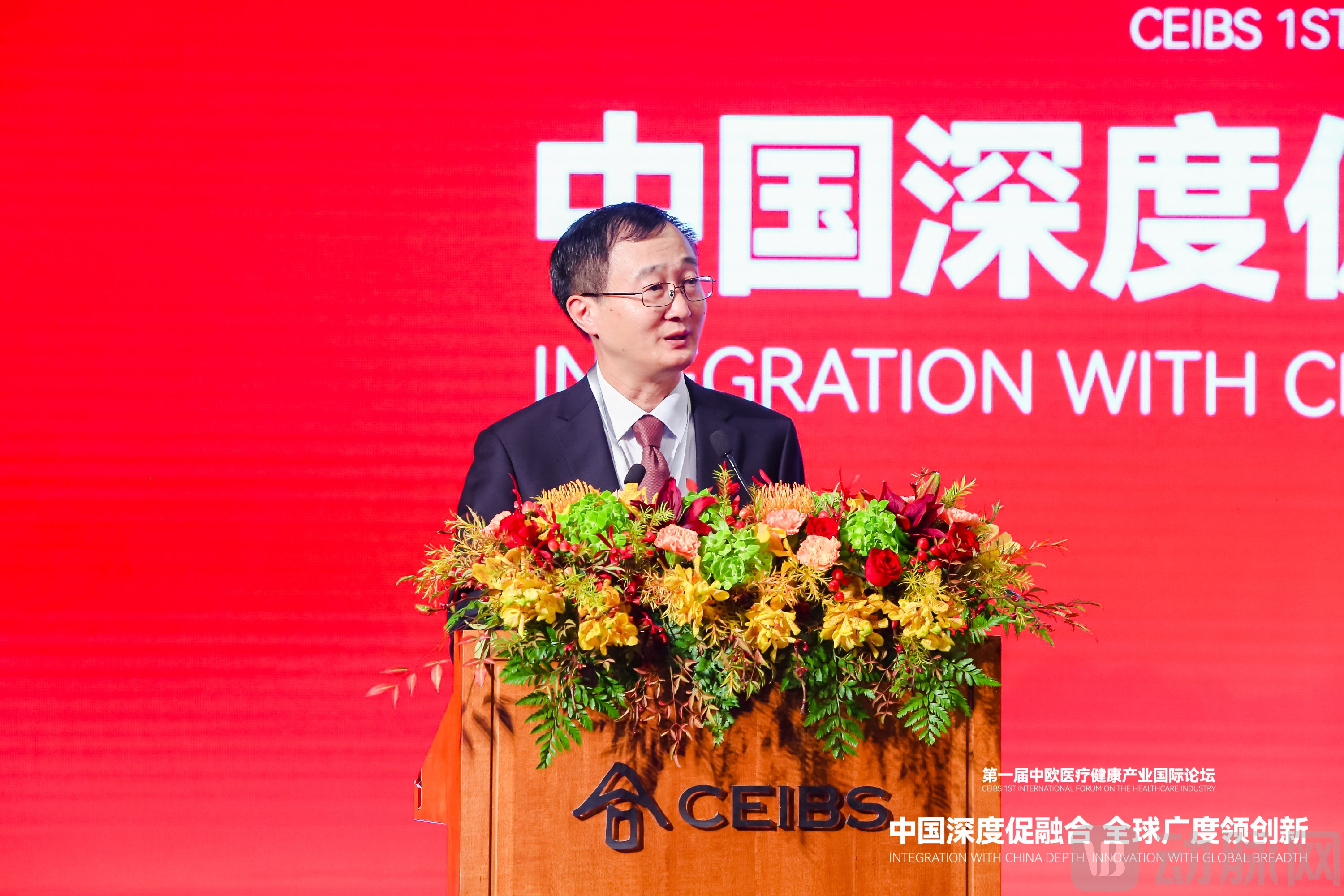
Wu Jinglei, Vice Chairman of the Shanghai Association for Science and Technology, President of the Shanghai Medical Association, and CEIBS Alumnus
Wu Jinglei, Vice Chairman of the Shanghai Association for Science and Technology, President of the Shanghai Medical Association, and CEIBS alumnus, analyzed the development of China’s healthcare industry from five perspectives in his opening remarks. First, with rising health awareness among residents and socio-economic development, disposable income and willingness to pay for health services are increasing, fueling the burgeoning health service industry. Meanwhile, technological advancements and interdisciplinary integration have provided substantial momentum for the development of healthcare services in China, with innovation, talent, and industrial chains gradually taking shape and becoming comprehensive. Third, the optimization of national policies has laid a solid foundation for the growth of the healthcare industry. Fourth, China’s medical service system is continuously improving, while the research capabilities and market translation capacities of medical teams are steadily enhancing. Fifth, China’s drug R&D has achieved a relatively leading position globally. In the future, China’s healthcare industry is well-positioned to play a significant role in the global industrial and supply chains, making greater contributions to building a global community of health for all.
Furthermore, he believes that the changing disease structure and disease spectrum require us to accelerate the integration of research and translation. The guiding role of medical insurance payment policies on the industry also needs to be strengthened urgently. Health insurance should be better integrated with the national health system, which is crucial for promoting the development of China's healthcare industry.
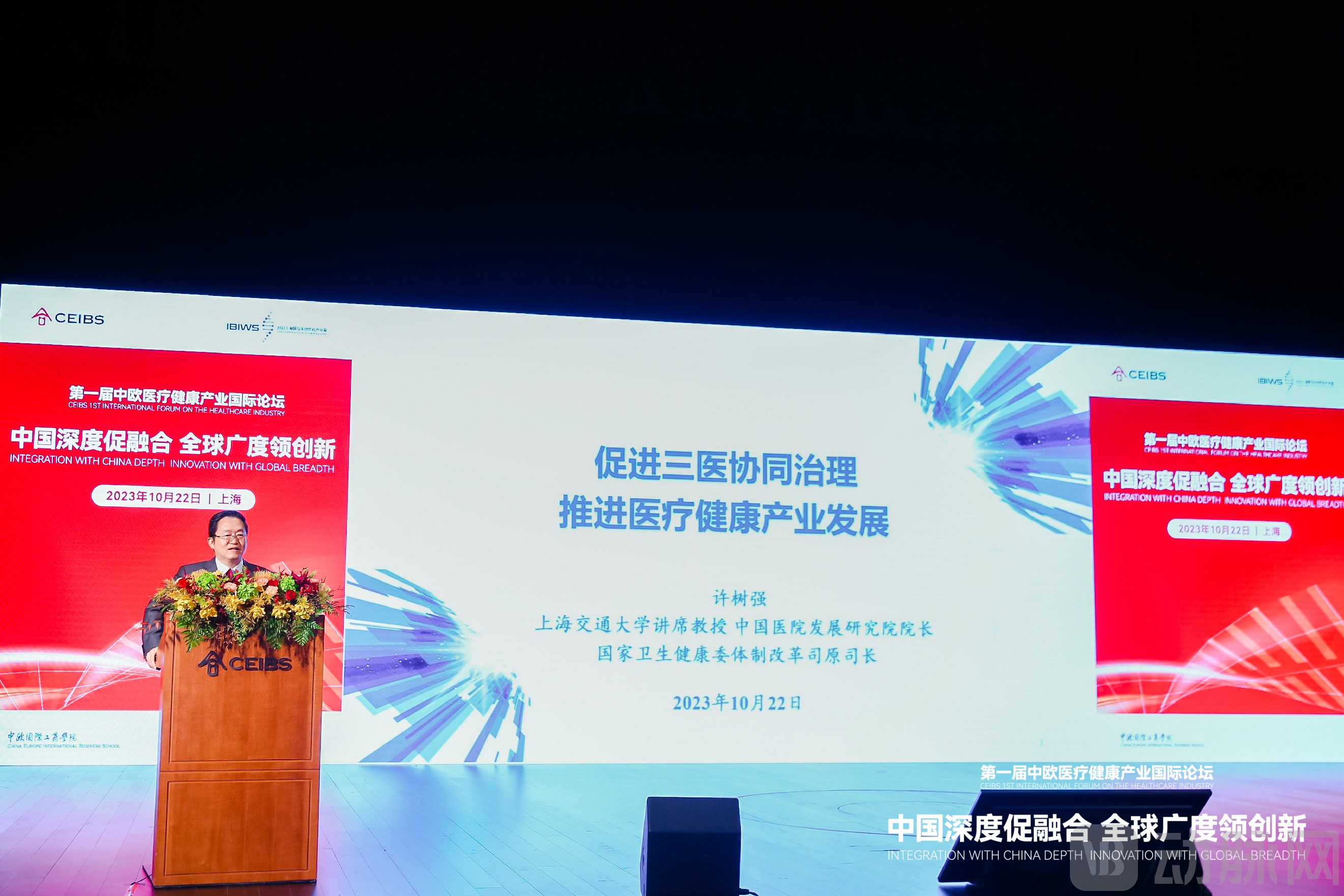
Xu Shuqiang, Chair Professor at Shanghai Jiao Tong University, Dean of the China Hospital Development Institute, and Former Director of the Department of System Reform under the National Health Commission
Xu Shuqiang, Chair Professor at Shanghai Jiao Tong University, Dean of the China Hospital Development Institute, and former Director of the Department of System Reform under the National Health Commission, delivered a keynote speech titled “Promoting Collaborative Governance of Medical Care, Health Insurance, and Pharmaceuticals to Advance the Healthcare Industry” at the opening ceremony. He briefly outlined the three developmental stages of the coordinated reform of medical care, health insurance, and pharmaceuticals (known as the “Three-Medical” linkage), and highlighted the current challenges and difficulties facing these three sectors. He proposed that deepening healthcare reform must always adhere to a people-centered approach focused on public health, strengthen mechanisms for advancing and implementing reforms, deepen public hospital reforms guided by public welfare objectives to promote high-quality development, and foster collaborative development and governance among the three sectors to enhance the public’s sense of gain.
Regarding the reform of public hospitals, he proposed accelerating the improvement of a new operational mechanism for public hospitals guided by public welfare at three levels. First, it is necessary to achieve a transition from dismantling old practices to establishing new ones, ensuring that compensation through medical service pricing is fully implemented after the elimination of markups on drugs and consumables. Second, a dynamic adjustment mechanism for medical service prices should be established, and the policy allowing medical insurance funds saved through centralized volume-based procurement of drugs and consumables to be retained by healthcare institutions should be effectively implemented. Finally, by leveraging the support of the government and third-party payers, we should deepen the public-welfare-oriented reform of public hospitals and promote their high-quality development.
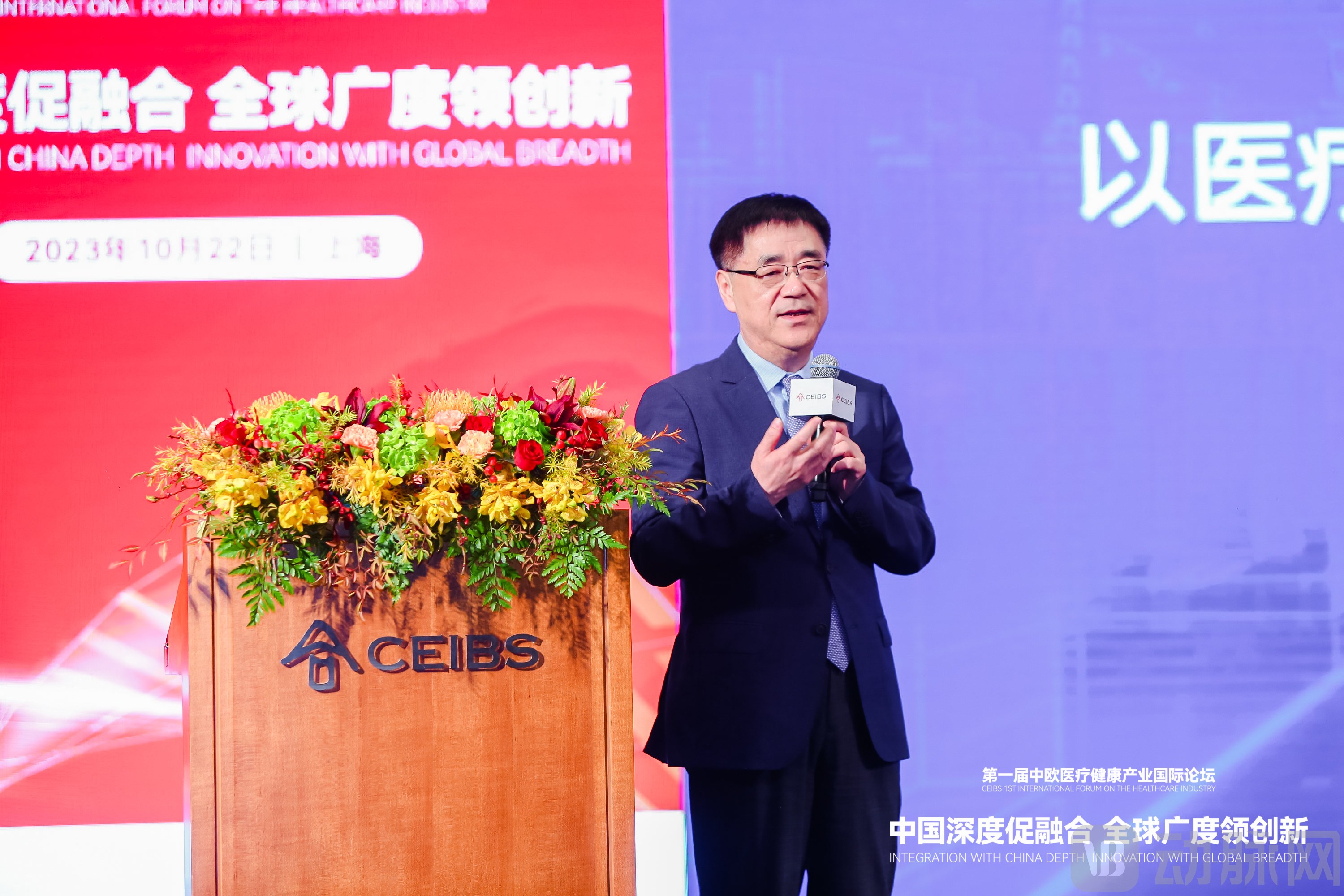
Ning Guang, Academician of the Chinese Academy of Engineering, President of Ruijin Hospital Affiliated to Shanghai Jiao Tong University School of Medicine, and CEIBS Alumnus
Ning Guang, an academician of the Chinese Academy of Engineering, President of Ruijin Hospital affiliated with Shanghai Jiao Tong University School of Medicine, and a CEIBS alumnus, delivered the keynote address titled “Perspectives on the Big Health Industry from the Viewpoint of Medical Institutions.” Using the development of Ruijin Hospital as a case study, he vividly illustrated a hospital development paradigm that leverages disciplinary strengths to achieve strategic integration, coordinated development, and innovative breakthroughs, thereby establishing a full-cycle health management system with boundless service extensions. He stated that Ruijin Hospital aims to build a future-oriented, Asia-based demonstration hospital with global influence. This vision encompasses the construction of “four hubs”: a global creator and source of new medical technologies; a national demonstration site for full-lifecycle health services; a rescue hub for public health emergencies and disasters in Shanghai; and a training center for urgently needed healthcare professionals.
“If we view health as an industry, then hospital services must be boundless and should encompass a broader scope of responsibilities,” stated Academician Ning Guang. “Hospitals should become places where humanity and nature coexist in harmony, where technology engages in dialogue with life, and where medicine integrates with health. They should serve as waystations for lifelong well-being and warm havens for patients. However, hospitals will always remain arenas where technology and disease coexist. In the future, more people will undoubtedly leverage greater innovation and novel technologies to overcome diseases. This is what a hospital is: a sanctuary for exploring the mysteries of life.”
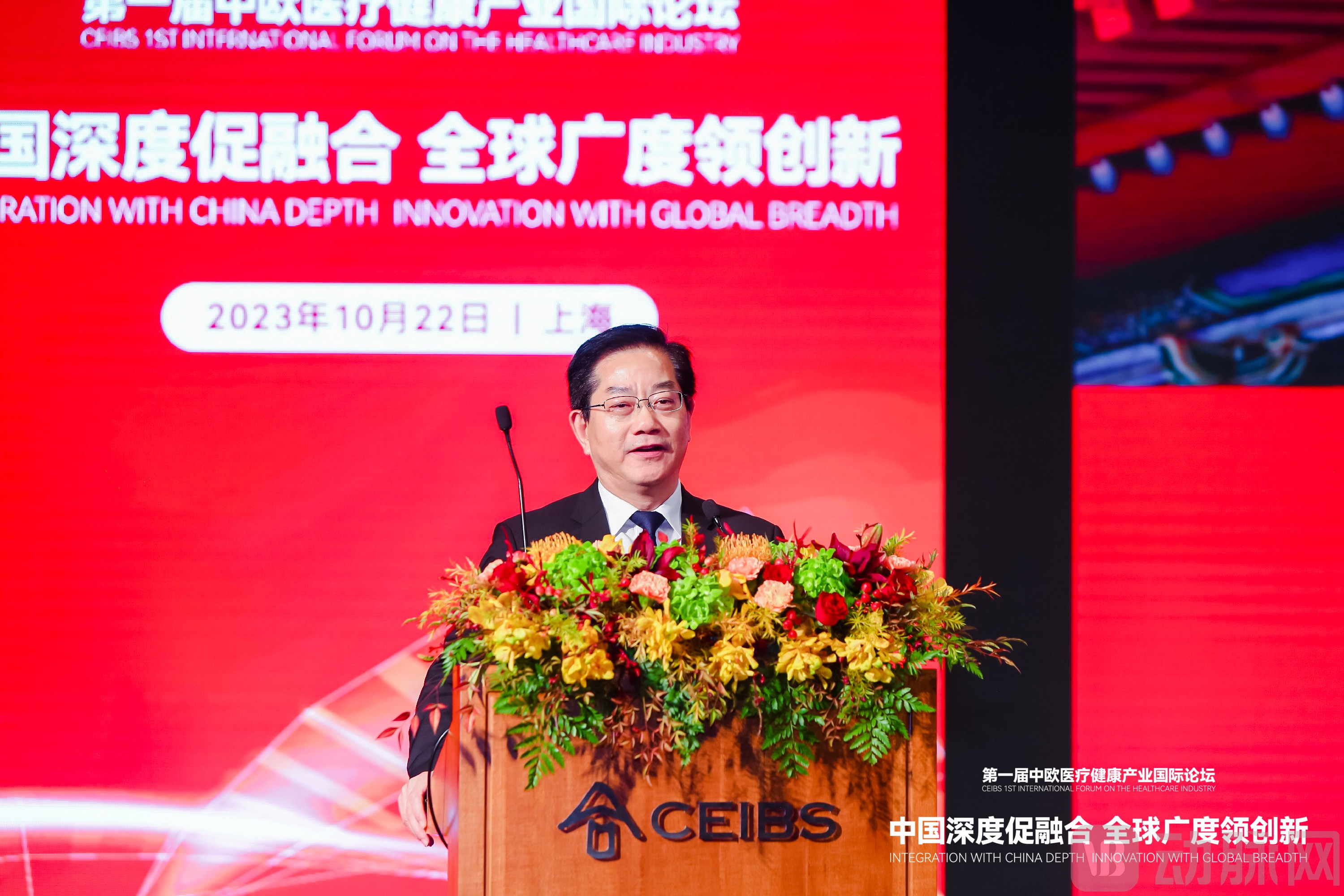
Professor Fan Xianqun, Academician of the Chinese Academy of Engineering, Vice President of Shanghai Jiao Tong University, Dean of Shanghai Jiao Tong University School of Medicine, and Academician of the International Academy of Ophthalmology
Professor Fan Xianqun, Academician of the Chinese Academy of Engineering, Vice President of Shanghai Jiao Tong University, Dean of Shanghai Jiao Tong University School of Medicine, and Fellow of the International Academy of OphthalmologyDelivering the keynote address on the theme “Clinical Needs Driving Innovation and Development in the Pharmaceutical Industry,” he began with a brief overview of the characteristics and current landscape of global drug research and development. Using examples from oncology therapy, immune cell therapy, and cellular therapy for hematologic malignancies, he vividly illustrated how clinical needs propel drug R&D and early-stage druggability assessments, as well as how evolving disease spectra reshape and advance clinical research. In this process, he emphasized the need for efficient collaboration between physicians and drug developers, asserting that clinicians should lead new drug trials, while market approval serves as a catalyst for expanding indications.
In the face of bottlenecks and dilemmas in pharmaceutical innovation translation, such as unclear pathways for the commercialization of scientific achievements, an imperfect evaluation system for these achievements, insufficient emphasis on industrialization, an unreasonable hierarchical structure of scientific talent, and inadequate positioning of enterprises as primary R&D entities, he proposed recommendations to strengthen top-level design for technological innovation, improve the balance mechanism of responsibilities, rights, and interests, reform the performance assessment system for researchers, fully leverage market guidance, build a diversified capital market, establish multi-functional intermediary service platforms, vigorously develop clinical new technology platforms, and stimulate the role of enterprises as primary innovators.。
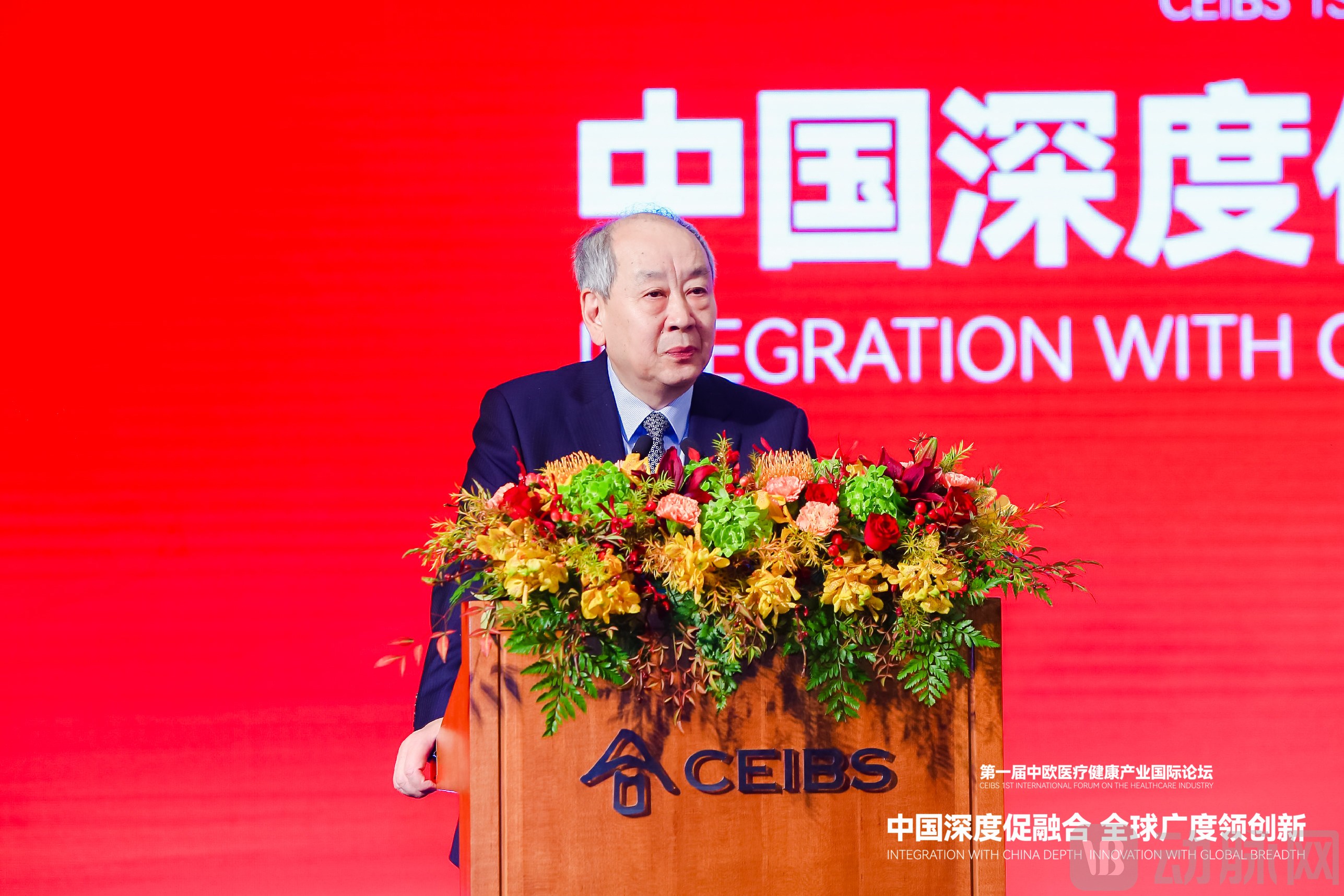
Zhang Weijiong, Vice Dean and Chinese Academic Dean of CEIBS
Zhang Weijiong, Vice Dean and Chinese Academic Dean of CEIBS, delivered the opening address. He stated that the healthcare industry is vital to everyone’s quality of life. We deeply feel the positive impact of medical advancements on human health, while also witnessing the vibrant vitality and enormous market demand within the healthcare sector. The industry is currently experiencing an unprecedented opportunity for development. However, opportunities come with challenges, such as population aging, the rising prevalence of chronic diseases, unequal distribution of medical resources, and significant pressure on healthcare financing. He pointed out that in the face of these challenges, we must work together, pooling wisdom and strength from all sectors to drive the healthcare industry toward greater efficiency and sustainability.
CEIBS alumni continue to play a proactive and leading role in China’s healthcare industry. It is hoped that the forum will provide an open and diverse platform for attendees, offering solutions to current challenges by sharing the latest scientific research findings, innovative concepts, and successful experiences, thereby jointly promoting the high-quality development of the healthcare industry.。
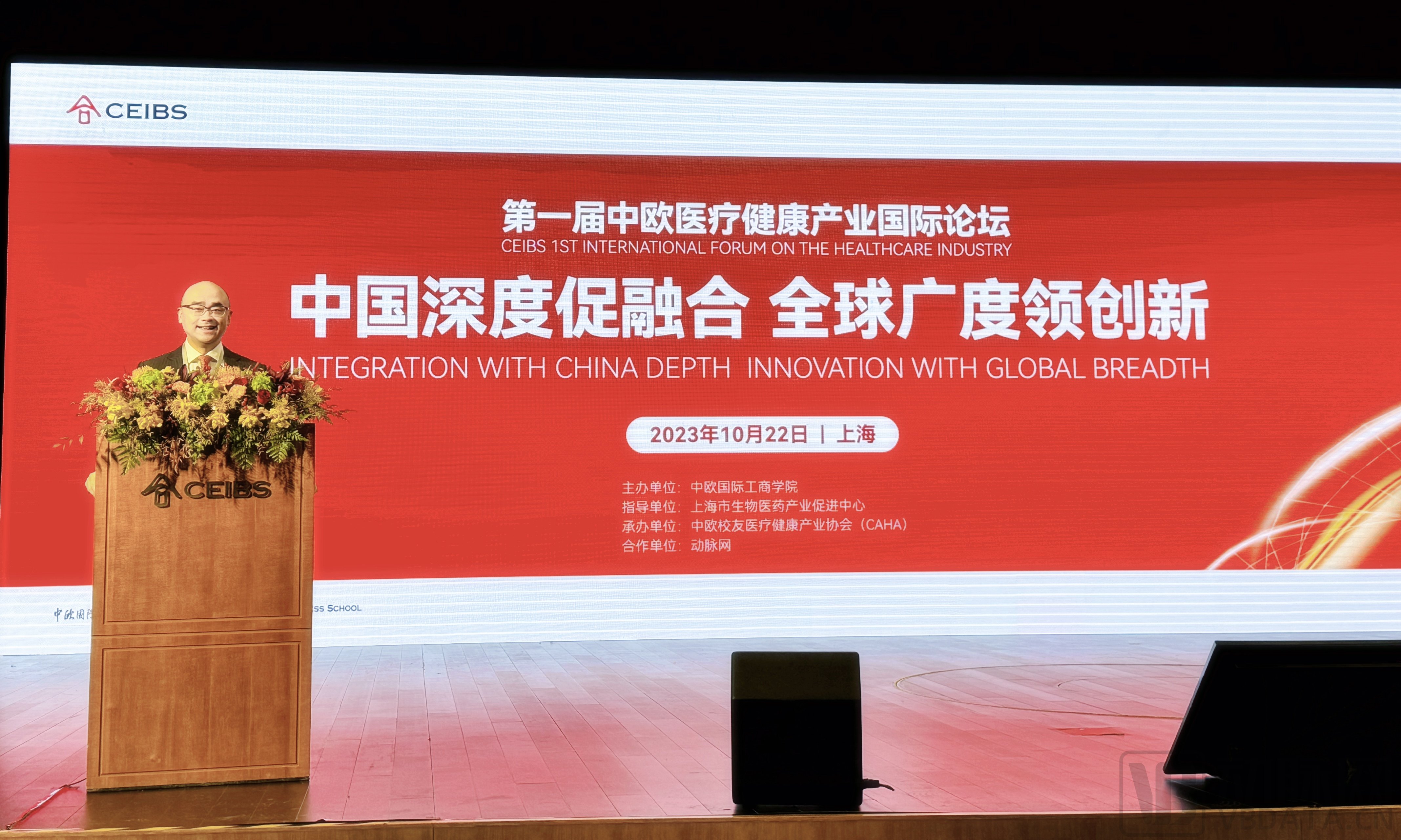
Li Yongzhong, Executive Director and Executive President of Shanghai Pharmaceuticals Group Co., Ltd., and CEIBS Alumnus
Li Yongzhong, Executive Director and Executive President of Shanghai Pharmaceuticals Holding Co., Ltd. and an alumnus of CEIBS, delivered the opening address. He stated that against the backdrop of the healthcare industry becoming a key strategic priority for nations worldwide, we must rely on a broad international perspective and assume significant historical responsibilities. By leveraging technological innovation and industrial advancement, we should accelerate the high-quality development of the industry. Furthermore, amidst the landscape of great-power competition, China is inevitably moving towards becoming a global powerhouse in health technology and industry. Recognizing the considerable gaps between Chinese pharmaceutical companies and world-class enterprises, it is essential to promote higher-level cooperation with a more open mindset. This approach aims to overcome development bottlenecks such as insufficient scale, inadequate strategic layout, limited resources, and lacking capabilities and motivation within single entities, thereby accelerating the ascent to world-class status in the healthcare sector. Looking ahead, we need to join hands to build new platforms for industry discourse and international exchange, and he called on everyone to jointly foster a more favorable international environment for global development.
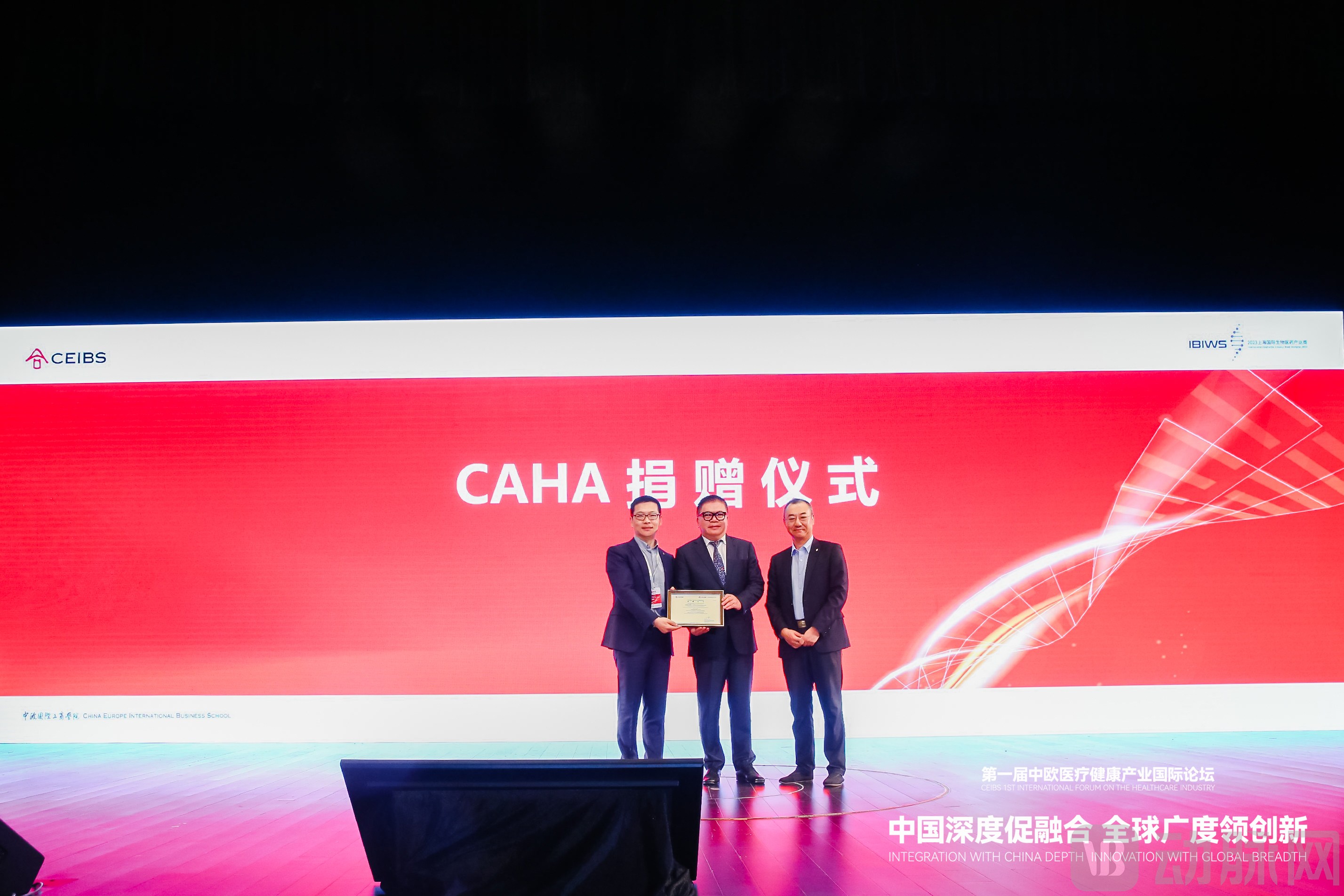
Donation Ceremony
Subsequently, the donation ceremony for CEIBS alumni in the healthcare industry was held. Liu Yongjie, Assistant to the Dean of China Europe International Business School (CEIBS), Director of the Alumni Relations and Educational Development Office, and Secretary-General of the CEIBS Education Development Foundation, presented donation certificates to Li Guoping, a CEIBS alumnus and Chairman and General Manager of Fujian Guangshengtang Pharmaceutical Co., Ltd., and Luo Nianci, a CEIBS alumnus and Dean of Shanghai Jianxian Research Institute. Luo Nianci stated that he would join hands with more CEIBS alumni to support their alma mater and promote the innovative development of the national healthcare industry with greater cohesion.
A China-Europe Perspective: Bridging Government, Industry, Academia, Research, and Healthcare to Deepen Understanding of the Medical and Health Industry Landscape
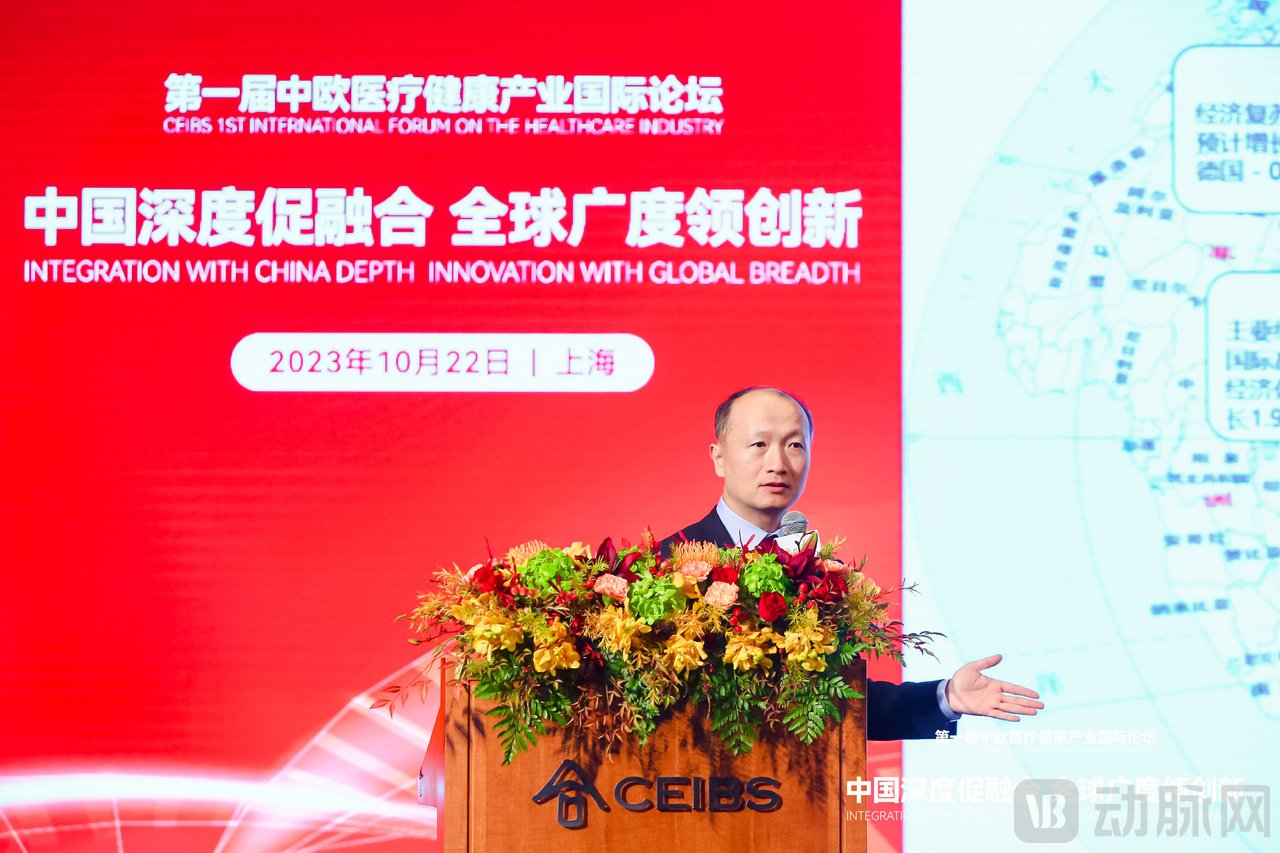
Xu Qiyu, Senior Research Fellow at the Institute of National Strategy of Tsinghua University, former Deputy Director of the Institute of Strategic Studies at the National Defense University, and Professor
Xu Qiyu, a senior fellow at the National Strategy Institute of Tsinghua University, former deputy director of the Strategic Research Institute of the National Defense University, and professor, delivered a keynote presentation titled “Geopolitics and Business in the Context of Great-Power Competition.” Adopting a global perspective, he analyzed the impact of U.S.-China rivalry, the Russia-Ukraine conflict, and Middle Eastern issues on the global economic landscape.How should we view U.S.-China relations? Professor Xu examined the fluctuations in bilateral ties by analyzing factors such as the negative influence of U.S. domestic politics, the Biden administration’s “combination punches,” and mutual visits and communications between the two countries. He stated that the next decade will be a critical period for U.S.-China competition, with technological supply chains at its core.He offered four recommendations for Chinese companies expanding overseas:1. Confidence: Discard unrealistic fantasies but maintain fundamental confidence.2. Direction: Appropriately adjust the focus of overseas deployment and expand into the “middle ground.”3. Strategy: Emphasize “medium-term” strategy, which may be more important than short- or long-term planning, and strengthen risk management capabilities.4. Public Relations: Adhere to the principle of “business is business,” enhance overseas public relations capabilities, avoid using Chinese culture as a one-size-fits-all template, and develop targeted PR strategies tailored to local characteristics.
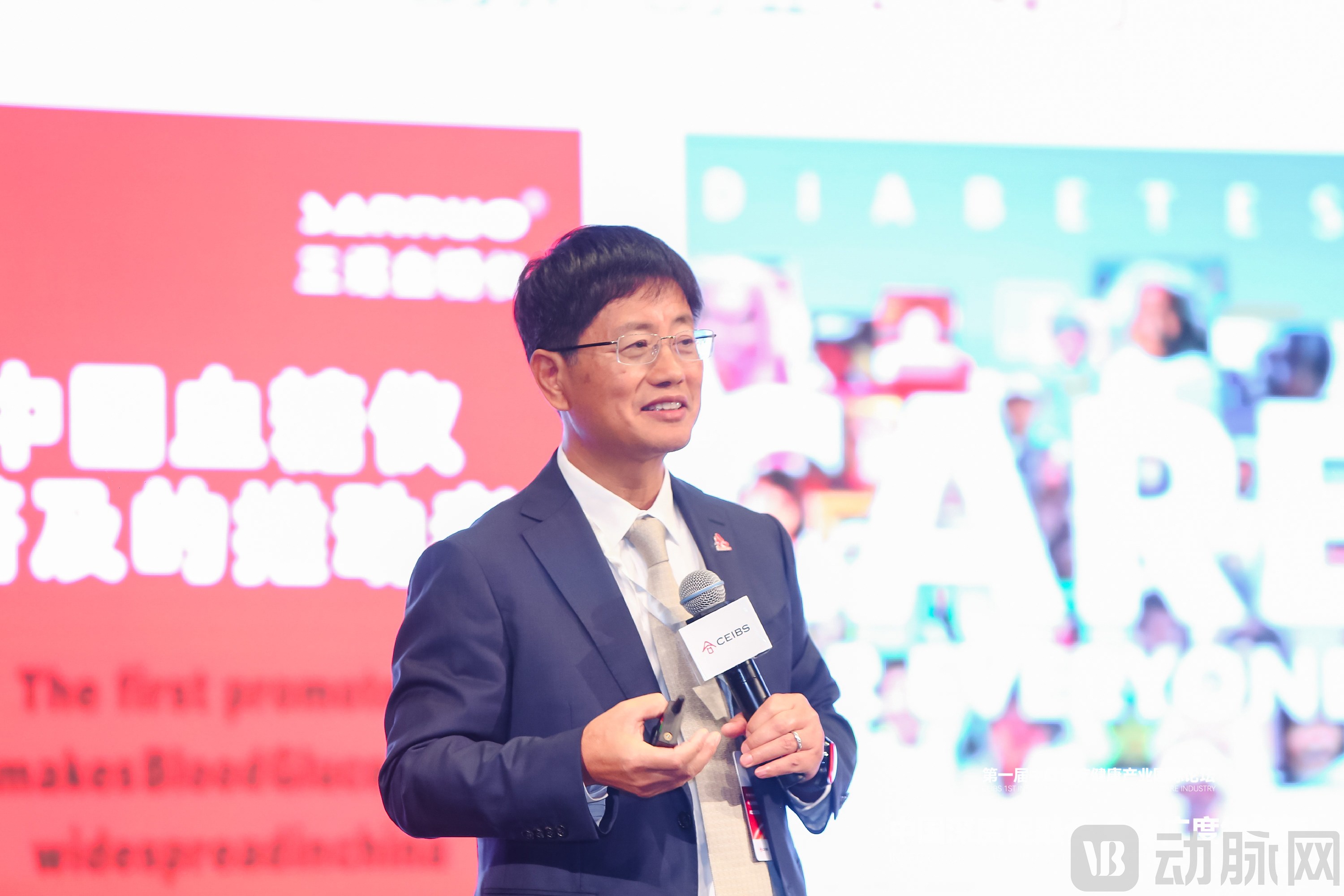
Li Shaobo, Chairman of Sinocare and CEIBS Alumnus
Li Shaobo, Chairman of Sinocare and alumnus of CEIBS, shared Sinocare’s globalization strategy and insights in his keynote speech titled “Medical Device Innovation: Rooted in China, Going Global.” Citing Sinocare’s global mergers and acquisitions as practical case studies, he highlighted successful experiences in building user-centric global market management through M&A. He argued that to address the challenges of global uncertainty, Chinese healthcare companies should focus on two key areas: first, innovation rooted in China, evolving from follow-on innovation to original innovation; second, rational global layout, replicating Chinese experience in countries along the Belt and Road Initiative. To remain optimistic amid uncertainty and uphold long-termism, companies should adhere to three principles: ensure the authenticity of accounting and business activities; invest in the future without overinvesting; and maintain strict operations to continuously improve operational efficiency and effectiveness.
He pointed out that mergers and acquisitions (M&A) carry the highest risk among all business activities, particularly in cross-border transactions. During M&A processes, it is essential to understand and respect international rules of engagement, possess rapid capital-raising capabilities, and maintain effective communication with relevant domestic authorities. Post-acquisition, companies must not neglect respecting and building trust in local cultures, establishing incentive mechanisms, setting shared goals, aligning teams and working mechanisms, and ensuring coordinated implementation of specific projects.
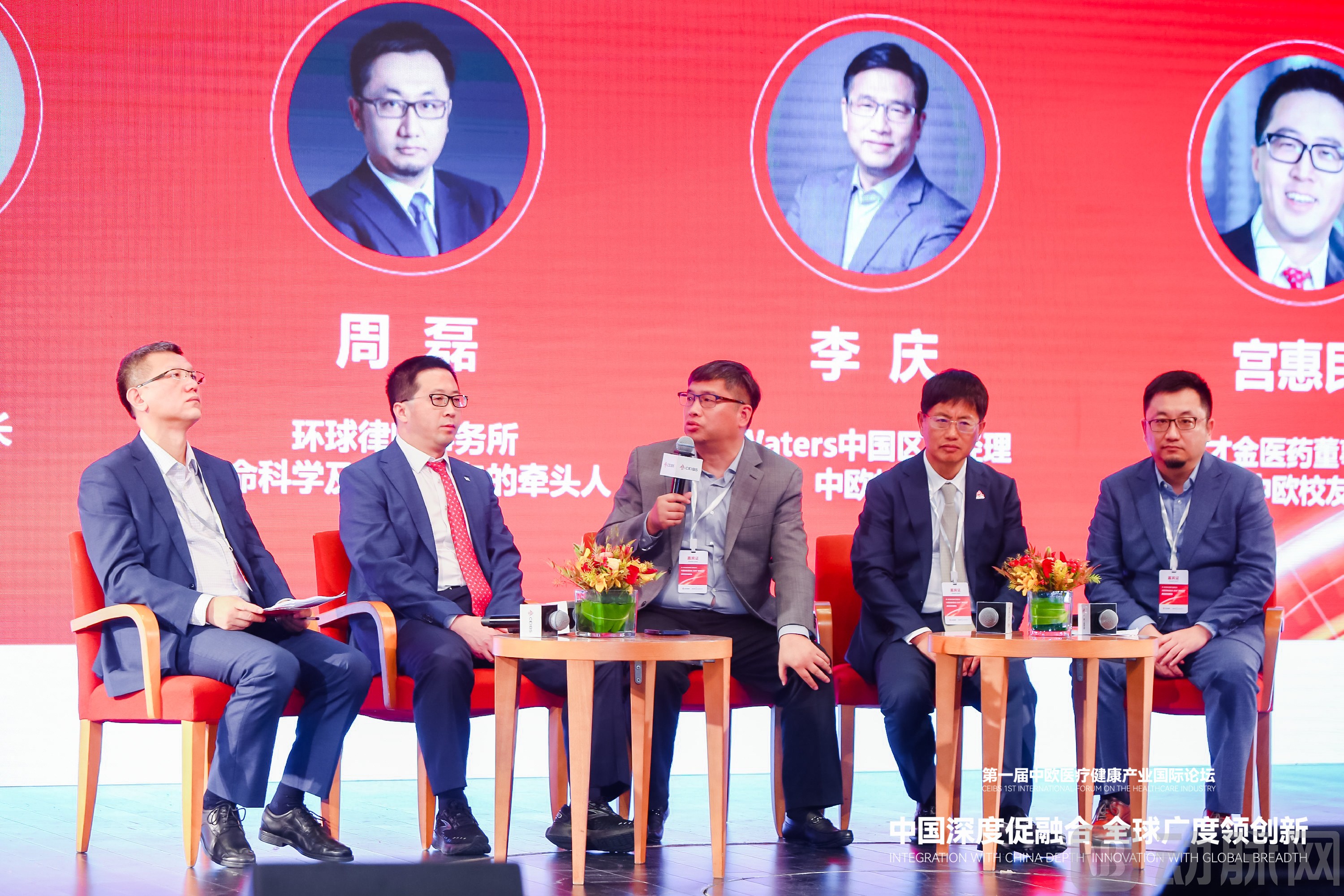
“Roundtable Dialogue: How Chinese Healthcare and Medical Enterprises Can Ride the Wave to Go Global”
During the “Pioneers Speak” roundtable discussion, moderated by Fan Yin, President of Gopher Capital and CEIBS alumnus, Li Shaobo, Chairman of Sinocare Inc. and CEIBS alumnus; Zhou Lei, Head of Life Sciences and Healthcare Practice at Global Law Office and CEIBS alumnus; Li Qing, General Manager of Waters China and CEIBS alumnus; and Gong Huimin, Chairman of Caijin Pharmaceutical and CEIBS alumnus, engaged in a vibrant dialogue on the theme “How Chinese Healthcare Companies Can Ride the Wave of Global Expansion.” The panelists unanimously agreed that going global has become an imperative for corporate development. However, companies expanding overseas must have a clear understanding of their positioning, internationalization strategies, and modes of international cooperation. Only by uniting efforts and collaborating closely can enterprises maximize risk control in their global expansion.
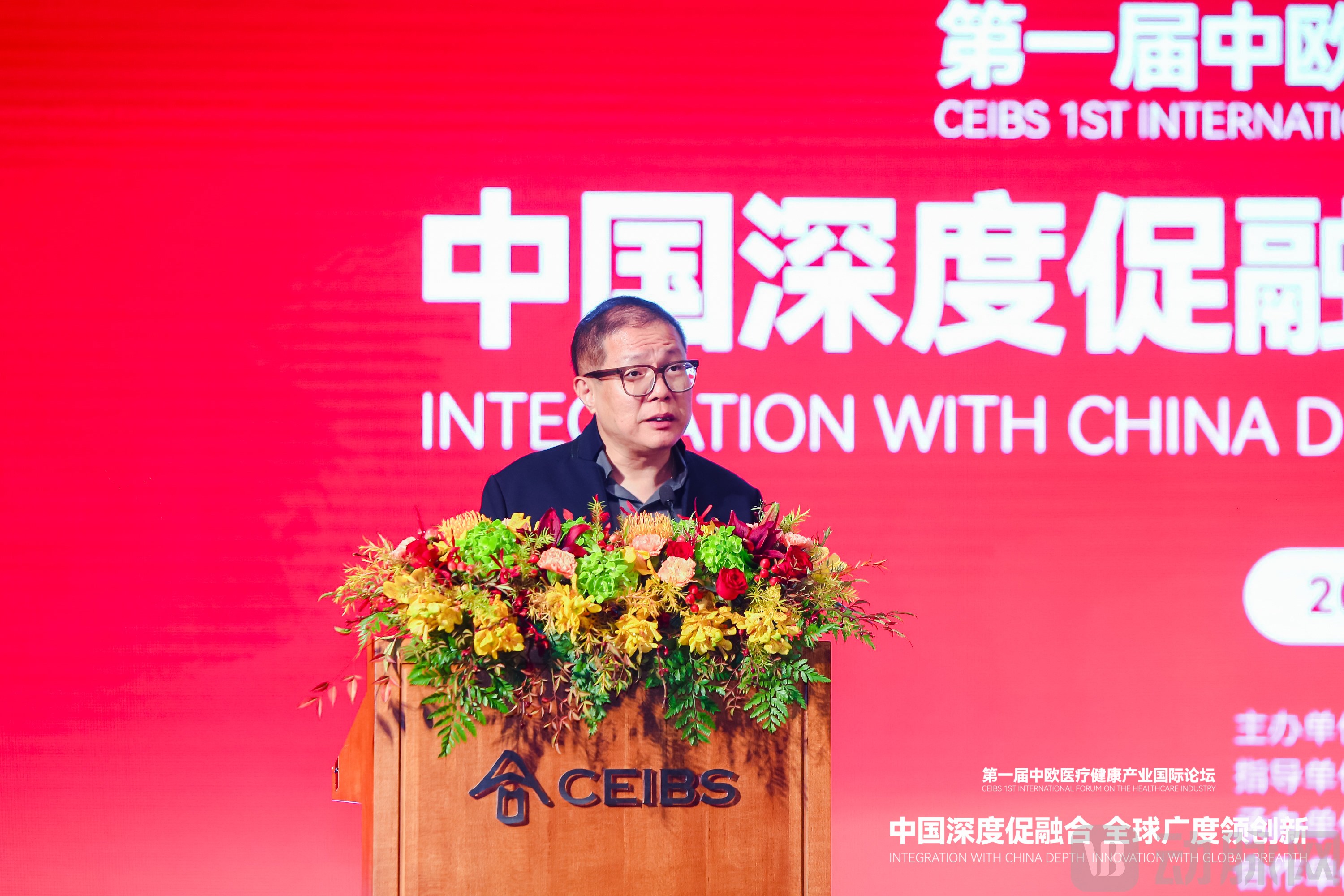
Wang Lei, Executive Vice President of AstraZeneca, President of International Business and China, and CEIBS Alumnus
During the afternoon session, Wang Lei, Executive Vice President of AstraZeneca, President of International Business and China, and CEIBS alumnus, delivered the opening remarks. He stated that as a multinational corporation, AstraZeneca bears not only the responsibility of “bringing in” global resources but also the obligation to help Chinese innovative drugs “go global” to benefit patients worldwide. Since the beginning of this year, with the support of CEIBS alumni organizations and local governments across various regions, AstraZeneca has organized multiple initiatives to assist healthcare companies in expanding overseas. Looking ahead, the company will continue to lead Chinese healthcare enterprises in their global expansion efforts. “We hope to truly establish our Chinese products in overseas markets,” said Wang Lei.
He stated that, moving forward, he would collaborate with alumni from the China-Europe healthcare industry to focus on innovation and the commercialization of research findings. The aim is to promote Chinese innovations along the “Belt and Road” initiative and across the globe, leveraging international innovation capabilities to actively lead the high-quality development of China’s healthcare industry and contribute to achieving the “Healthy China 2030” goals.
Sino-European Innovation: New Technologies at the International Frontier
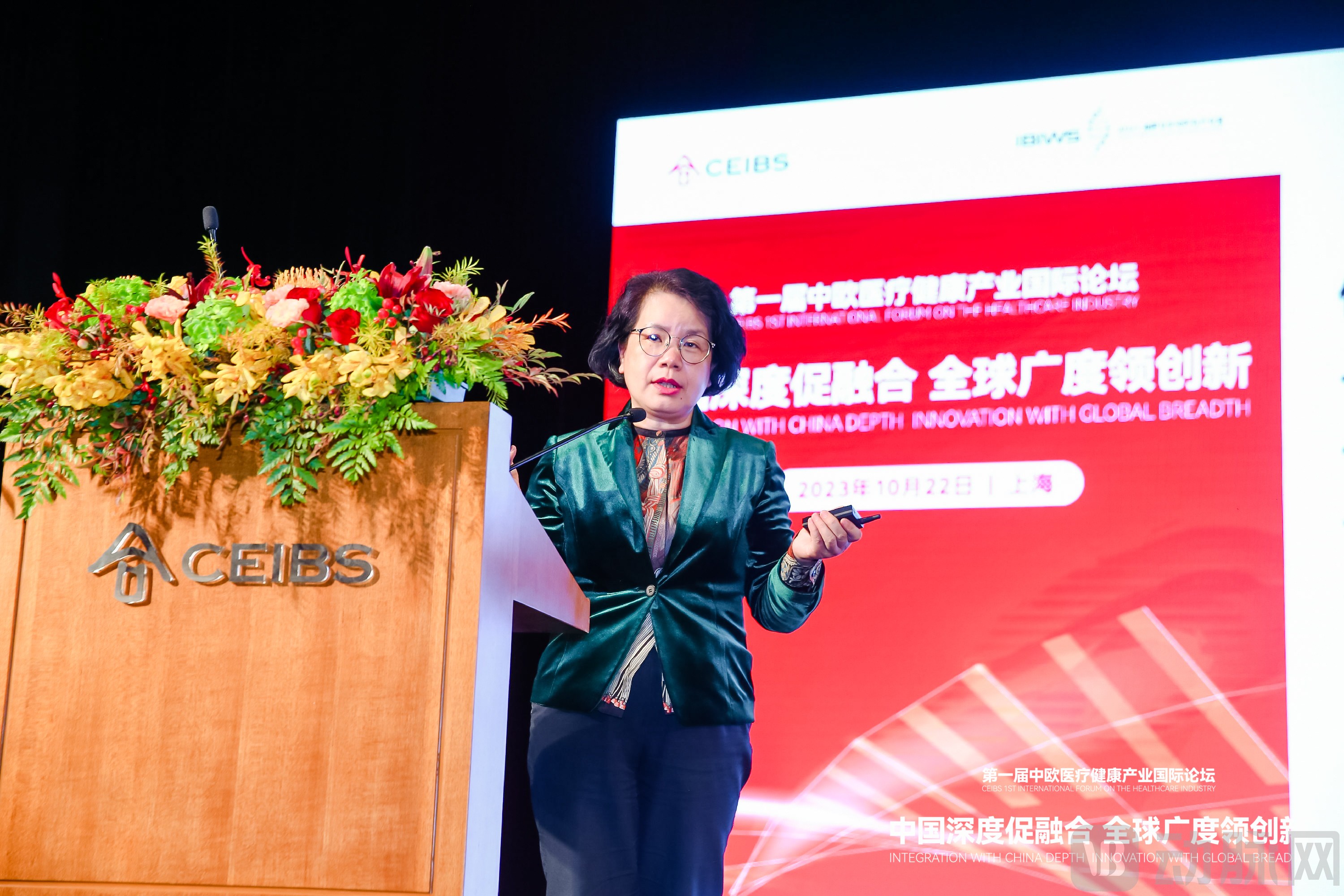
Fan Lihong, Secretary of the Party Committee of Shanghai Tenth People's Hospital and CEIBS Alumnus
Ms. Fan Lihong, Party Secretary of Shanghai Tenth People’s Hospital, delivered a keynote speech titled “Innovative Integration of Clinical Research.” She emphasized that, under the backdrop of China’s 14th Five-Year Plan, achieving high-level scientific and technological self-reliance must adhere to four orientations: toward the global scientific and technological frontier, toward the main battlefield of economic development, toward major national needs, and toward the life and health of the people. From a clinical perspective, she shared new strategies, theories, and practices in the treatment of early-stage lung cancer. Citing the AMTC technology as an example, she illustrated its application and technical pathway in the prevention and treatment of early-stage lung cancer, demonstrating how traditional open surgeries have been continuously optimized and evolved into minimally invasive and non-invasive procedures. Furthermore, she discussed the research and application of baicalein in targeting key pathways for early-stage lung cancer treatment, elaborating on how breakthroughs in pharmaceuticals and medical technologies can reduce cancer incidence and mortality rates, alleviate patients’ suffering, and underscore the significant impact of innovative integration between clinical practice and industry on clinical treatment outcomes.
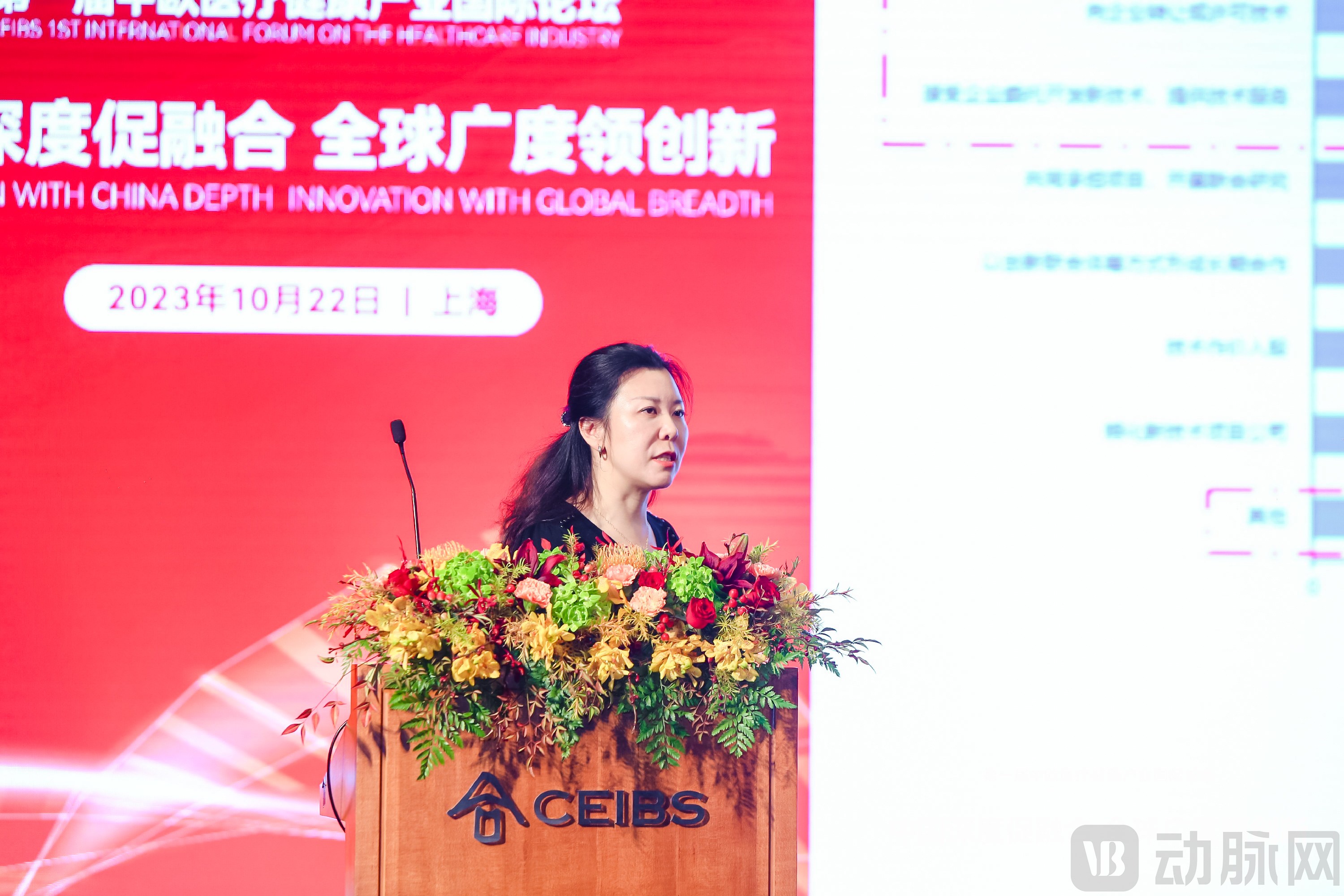
Xu Feng, Director of the Department of Academic Planning and Director of the Office of Technology Transfer at Shanghai Ninth People's Hospital, Shanghai Jiao Tong University School of Medicine
Ms. Xu Feng, Director of the Department of Discipline Planning and Director of the Office of Achievement Transformation at Shanghai Ninth People’s Hospital, Shanghai Jiao Tong University School of Medicine, shared her insights on the theme “Reflections and Explorations on the Transformation of Scientific and Technological Achievements in Medical Institutions.” She analyzed the factors considered by enterprises and physicians when seeking partners during the transformation of scientific research achievements in China from both enterprise and physician perspectives. This analysis highlighted numerous challenges in the “last mile” of achievement transformation, including intellectual property rights, technology transfer, stakeholder interests, and administrative management. Using the establishment of an ecosystem for transforming scientific and technological achievements at Shanghai Ninth People’s Hospital, Shanghai Jiao Tong University School of Medicine, as a case study, she presented the “Ninth Hospital Model,” which constructs a dual-cycle collaboration among hospitals, research institutions, and enterprises both within and outside the hospital.
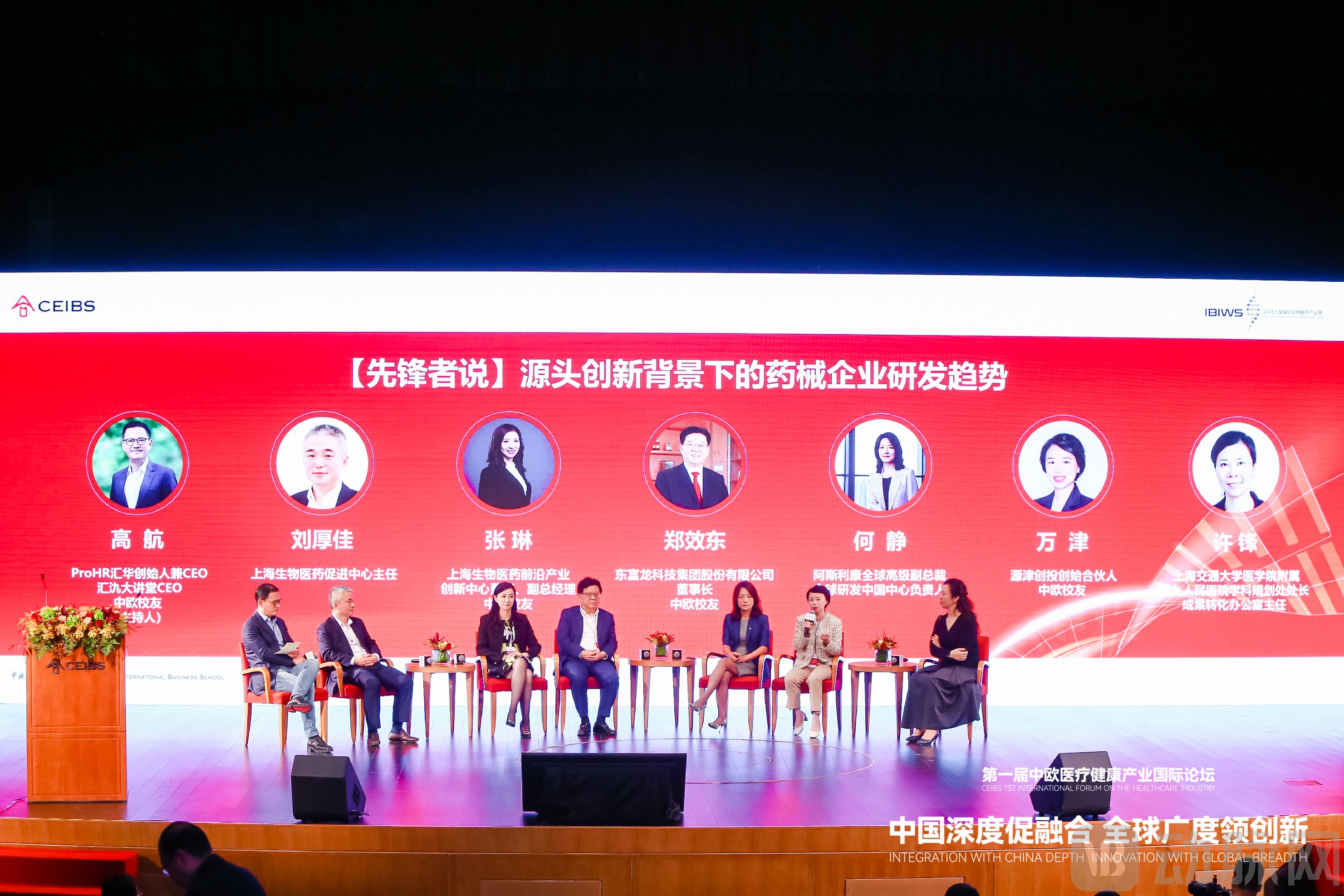
“R&D Trends for Pharmaceutical and Medical Device Companies in the Context of Source Innovation” Thematic Roundtable Discussion
Subsequently, during the “Pioneers’ Voices” roundtable discussion themed “R&D Trends for Pharmaceutical and Medical Device Companies in the Era of Source Innovation,” Gao Hang, Founder and CEO of ProHR Huihua, CEO of Huijiu Lecture Hall, and CEIBS alumnus, served as the moderator. He engaged in insightful dialogue and exchange with Liu Houjia, Director of the Shanghai Biomedical Promotion Center; Zhang Lin, Director at Shanghai Pharmaceuticals Group Co., Ltd., Director and Deputy General Manager of the Shanghai Biomedical Frontier Industry Innovation Center, and CEIBS alumnus; Zheng Xiaodong, Chairman of Tofflon Science and Technology Co., Ltd., and CEIBS alumnus; He Jing, Global Senior Vice President of AstraZeneca and Head of the R&D China Center; Wan Jin, Founding Partner of Yuanjin Venture Capital and CEIBS alumnus; and Division Chief Xu Feng. The panelists agreed that while Chinese innovative drugs have achieved phased successes globally, we must stand at a new starting point and look ahead to the next five, ten, and twenty years. By focusing on source innovation and leveraging a robust industrial chain, we can ensure that genuine innovations are successfully industrialized and implemented.
CEIBS in Action: In-Depth Case Studies and Collaborations for Corporate Development
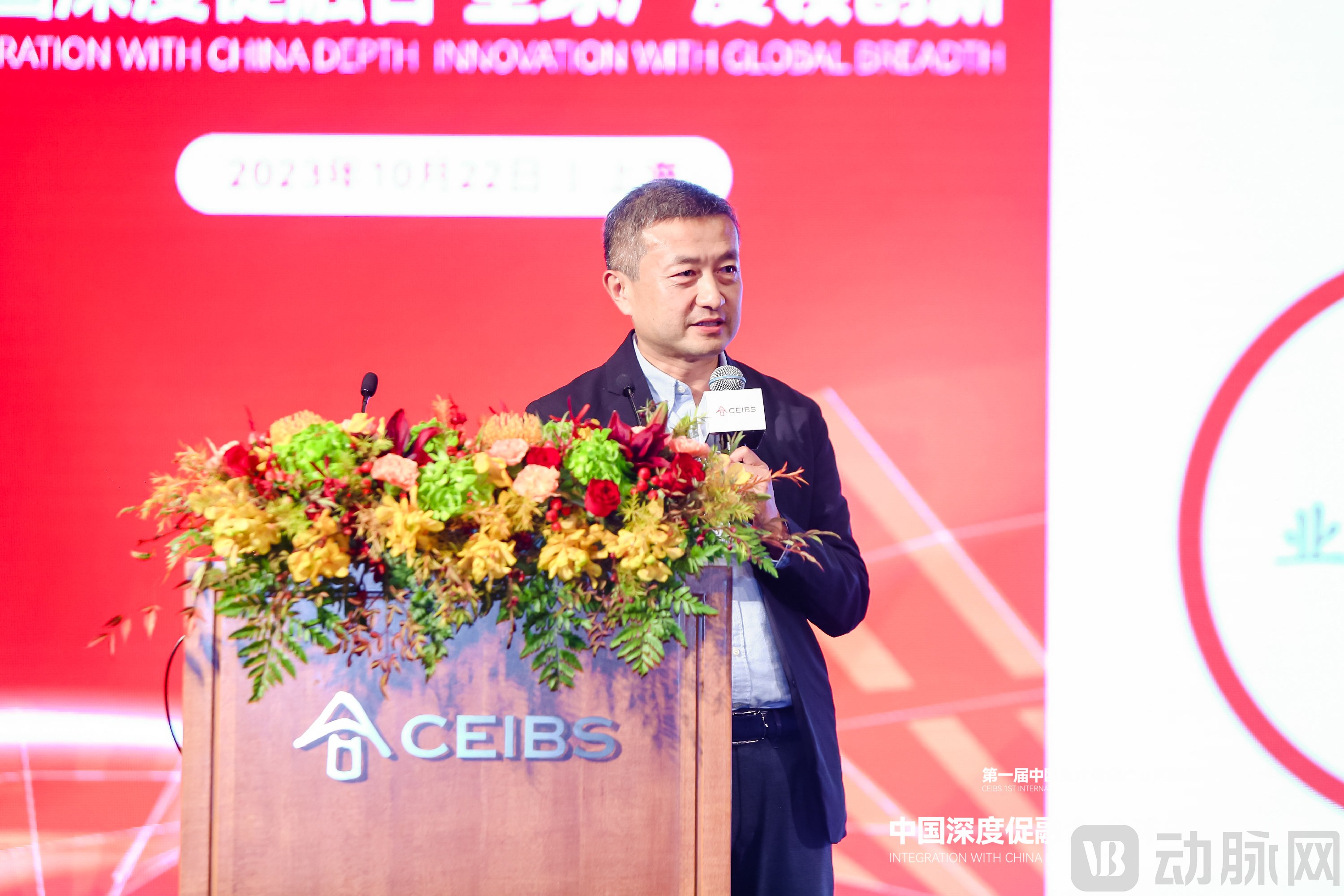
Huang Jia, PwC China Shanghai Senior Partner and CEIBS Alumnus
Huang Jia, a CEIBS alumnus and Managing Partner of PwC China in Shanghai, delivered a presentation themed “Insights into the Digital Transformation Trends of Healthcare Enterprises.” He began by explaining that the essence of digital transformation lies in driving industrial connectivity, integration, and symbiosis, representing an investment in productivity. He pointed out that the digitalization of the healthcare industry has progressed through stages of initial innovation, heightened expectations, rationalized expectations, recovery, and maturity. Currently, most digital health enterprises are in the phase of implementing digital technologies and solutions, with intelligence applications still in the exploratory stage and ecosystem platform models yet to achieve significant breakthroughs.
Accordingly, he proposes that healthcare enterprises should consider the following key elements in their digital transformation: Do business foresight and business models ensure the breadth of the company’s technological moat? Is sufficient attention paid to architectural design and iterative capabilities? Beyond technical prowess, can the enterprise strengthen its ability to interpret clinical operations and provide forward-looking guidance? Are vertical business needs supported by technology to form networked digital solutions? Does the enterprise possess master data and metadata management capabilities? Is it capable of building a low-code, productized, and platform-based ecosystem?
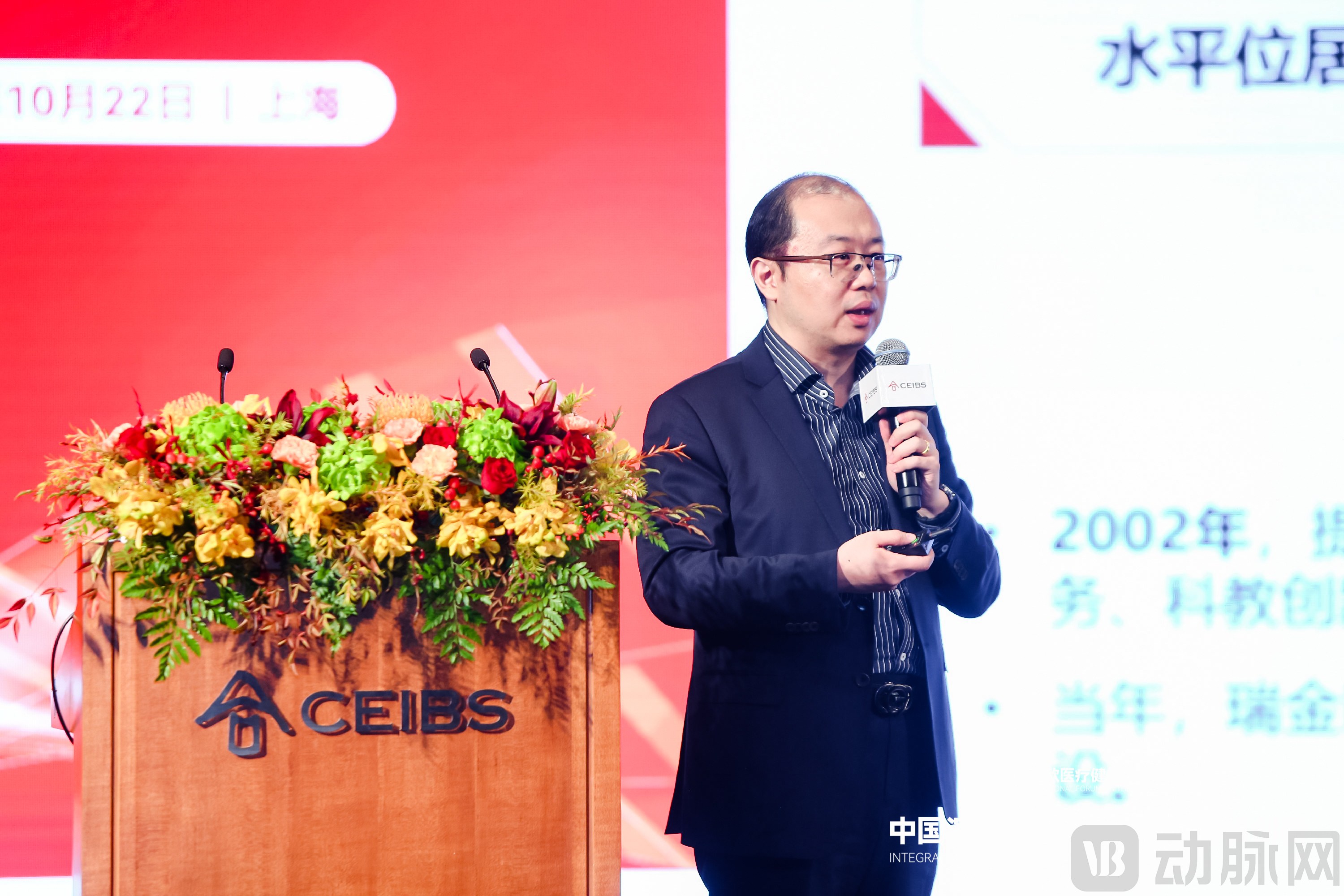
Zhu Lifeng, Full-time Deputy Director of the Shanghai Digital Medicine Innovation Center at Ruijin Hospital and Senior Engineer (Professor-level)
Mr. Zhu Lifeng, Full-time Deputy Director of the Shanghai Digital Medicine Innovation Center at Ruijin Hospital and Senior Engineer (Professorial Level), delivered a keynote presentation titled “A Twenty-Year Cycle: From Digital Radiology to Digital Pathology.” He provided a detailed overview of Ruijin Hospital’s practices in integrating and applying digital technologies across radiology and pathology, highlighting practical cases and development models that drive the hospital’s digital transformation, leverage high-quality medical resources, and enhance productivity. He expressed his hope to break down data silos among more departments, integrate a broader range of digital technologies, and thereby establish a comprehensive multimodal clinical data center to accelerate the translation of clinical research achievements.
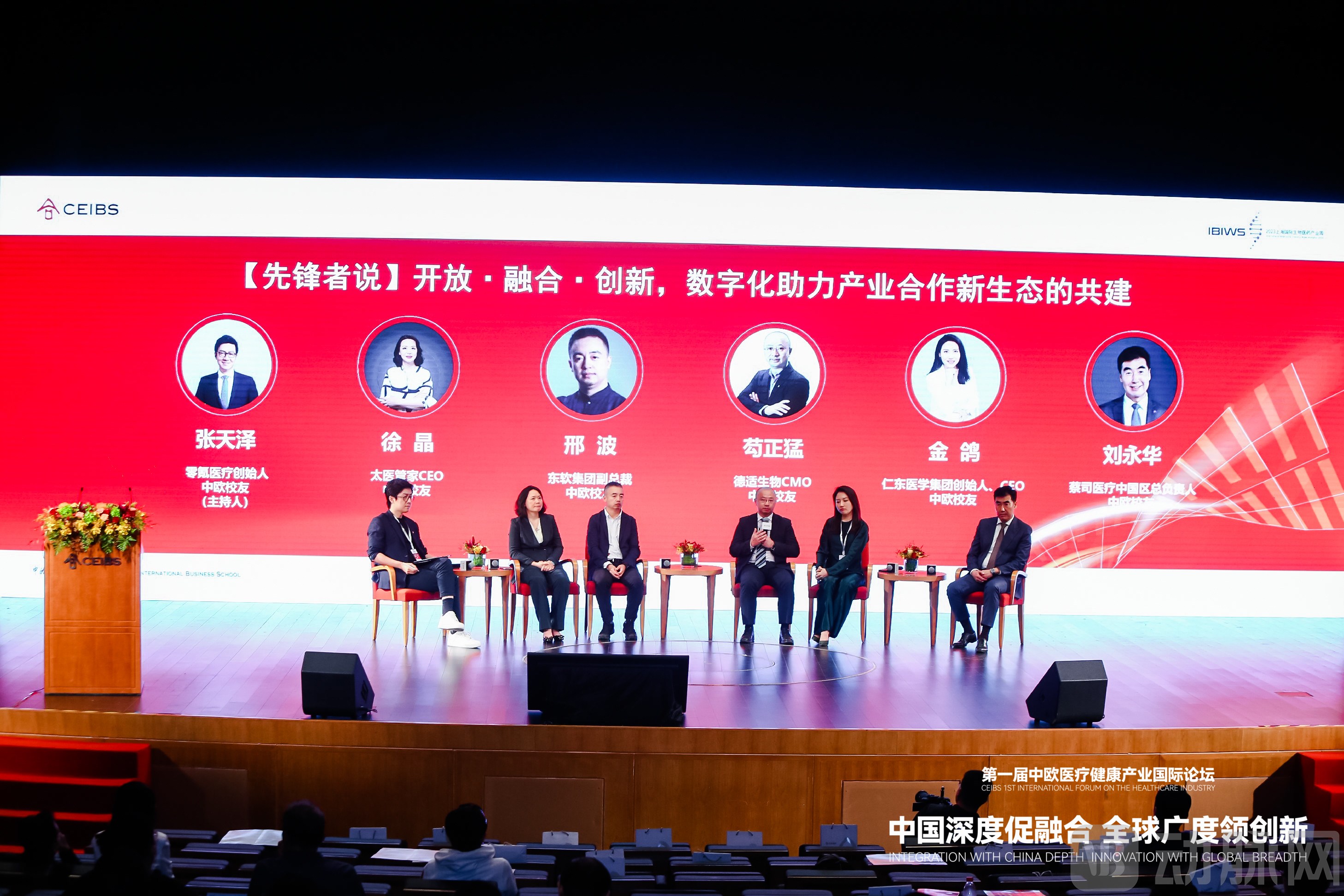
“Openness, Integration, and Innovation: Digitalization Empowering the Co-Creation of a New Ecosystem for Industrial Cooperation” Roundtable Dialogue
During the “Pioneers’ Voices” roundtable dialogue, themed “Openness, Integration, and Innovation: Digitalization Empowering the Co-creation of a New Ecosystem for Industrial Collaboration,” Xu Jing, CEO of Taiyi Guanjia and CEIBS alumnus; Xing Bo, Vice President of Neusoft Group and CEIBS alumnus; Gou Zhengmeng, CMO of DeShi Biology and CEIBS alumnus; Jin Ge, Founder of Rendong Medicine and CEIBS alumnus; Liu Yonghua, Head of Zeiss Medical China and CEIBS alumnus; and Zhang Tianze, Founder of LinkDoc Health and CEIBS alumnus, who served as the moderator, engaged in insightful sharing and discussion. Drawing on their respective practical case studies, the panelists shared their perspectives on what constitutes genuine innovation. They concurred that as the industrial landscape evolves, so too does the thinking around innovation within China’s healthcare industry, emphasizing that successful innovation requires a robust business model for effective implementation and execution.
As the guests’ insightful presentations drew to a close, the 1st China-Europe International Forum on Healthcare Industry successfully concluded. The morning and afternoon sessions were moderated by CEIBS alumni: Mr. Gao Lei, Head of Novartis Business in East China, and Ms. Ren Delan, Deputy General Manager of Huashi Pharmacy. Looking ahead, CEIBS will continue to collaborate with its alumni network to gather pioneering forces in China’s healthcare sector, promoting industry integration and addressing key challenges in the context of globalization. By leveraging cutting-edge innovations from a global perspective to shape the future landscape of the industry, CEIBS is committed to contributing to the high-quality upgrading and development of China’s healthcare industry.