

Yixin'an Health Aims to Transform Child Mental Health Care in China with Non-Pharmacological Digital Therapeutics
“The mental health of children and adolescents is probably at its worst since the reform and opening-up.”
In April this year, a Ph.D. holder who previously worked at the Peking University Student Mental Health Education and Counseling Center stated in a speech: “Statistical data indicate that many college students have experienced self-harm or even suicidal ideation, and in recent years, this situation has become increasingly severe among primary and secondary school students... The incidence rate of extreme events among primary and secondary school students during the pandemic was approximately 2 to 10 times higher than that in the periods before and after the pandemic.”
A director of the Department of Psychosomatic Medicine at a Grade A tertiary hospital, who participated in emergency psychological aid for children and adolescents in 2020, also expressed similar sentiments: “As a physician, I feel deeply distressed whenever such news breaks. Interventions for the psychosomatic health of children and adolescents must be professionalized; we cannot allow minor issues to escalate into major problems.”
In 2020, Yi Xin An was officially established as an institution dedicated to comprehensive psychological health interventions and out-of-hospital rehabilitation for children and adolescents. To date, Yi Xin An has served tens of thousands of users, accumulated a substantial volume of real-world research data, and asserts that both the physicians and patients on its digital platform are genuinely active, with data being authentically collected.
In the early stages of industry development, various pathways may flourish, each with its own strengths. So, when a founder from the internet healthcare sector, another founder with a background in industrial research, and a group of like-minded pediatric psychosomatic physicians come together, what sparks fly, and what innovative insights can be drawn for reference?
One morning in September, the two founders shared their entrepreneurial insights with VCBeat.
“Epidemiological Survey Report on Mental Disorders Among Chinese Children and Adolescents” shows that the prevalence of mental disorders among children and adolescents in China is 17.5%, higher than the global average.
Taking depression as an example, the "Report on the Development of National Mental Health in China (2021–2022)," officially released in February 2023, indicates that adolescents face a higher risk of depression than adults, with the trend showing an increasing prevalence among younger age groups. Specifically, approximately 14.8% of adolescents exhibit varying degrees of depression risk, among whom 4.0% are at high risk for severe depression and 10.8% are at mild risk. Furthermore, the detection rate of depression is 10% among primary school students and 30% among junior high school students.
Taking ADHD as an example, relevant data indicate that the prevalence of ADHD among children and adolescents in China is approximately 6.4%. Due to insufficient awareness of the disorder, fewer than 10% of Chinese children with ADHD seek medical consultation, and among those diagnosed, less than one-third receive standardized treatment. Furthermore, ADHD is a chronic condition with lifelong implications; although it commonly presents during school-age years, symptoms persist into adolescence and adulthood in 66%–85% of affected individuals. Without timely, evidence-based intervention, ADHD not only impairs current academic performance and interpersonal relationships but also adversely affects long-term outcomes in adulthood, including career achievement, family dynamics, and social functioning.
Behind these “shocking” figures are children yearning for professional treatment and families exhausted by the burden. Faced with such a vast population of affected individuals, China’s capacity for diagnosing and treating child and adolescent mental health issues is somewhat “overwhelmed.”
First, compared with adults, the diagnosis and treatment of psychological disorders in children and adolescents are more challenging, and the range of medications available to this population is very limited, meaning that therapeutic options are relatively constrained. Given these limitations in medication selection and use, the market will be dominated by non-pharmacological therapies.
Non-pharmacological therapies are proposed in contrast to pharmacological therapies and refer to treatment modalities that do not involve medications, including dietary therapy, exercise therapy, cognitive therapy, and other approaches. This implies that non-pharmacological therapies encompass a wide range of interventions, evolving into different combinations depending on the specific disease type, stage of disease progression, and even individual patient differences. However, it is precisely this diversity of combinations that directly exacerbates another existing problem.
This “other issue” is the severe shortage of specialized medical professionals.
Pediatrics and psychiatry are the two main reservoirs of medical professionals specializing in children’s mental health. Regrettably, even though the number of practitioners in these fields has been rising in recent years, China still has fewer than four psychiatrists per 10,000 people, and fewer than 100,000 licensed counselors actually engaged in psychological counseling, indicating a substantial shortfall.
Furthermore, a survey report published in July 2019 in *Pediatrics* (the official academic journal of the American Academy of Pediatrics) on the current status of pediatricians in China revealed that there were only four pediatricians per 10,000 children in China, with a turnover rate of 12.6%.
The two major pipelines supplying child mental health professionals are already in a precarious state, let alone being able to channel talent into the emerging “department” of child mental health.
Moreover, given the pronounced interdisciplinary nature of the field, its nascent stage of development, and the aforementioned unique complexities involved in diagnosing and treating children’s mental health issues, the professional expertise of physicians currently engaged in this area remains relatively inadequate.
Data shows that nearly 50 million children and adolescents in China require professional treatment for mental disorders, yet there are fewer than 500 child psychiatrists. This means that there is approximately only one specialist for every 100,000 young patients, and these doctors are primarily concentrated in first- and second-tier cities. “China has a shortage of psychiatrists and pediatricians, and the number of full-time child psychiatrists is even scarcer.”
Therefore, how to increase the number of practitioners such as physicians and how to improve their professional competence have become the primary issues that need to be addressed in the development of China’s child and adolescent mental health industry.
Admittedly, while the establishment and refinement of disciplinary frameworks, training systems, and related mechanisms are essential long-term strategies, such measures cannot address immediate needs. Therefore, how to enhance the supply capacity for pediatric mental health diagnosis and treatment—specifically in terms of practitioner numbers and professional competence—within a relatively short timeframe has become the top priority for Yi Xin’an, a young entrepreneur, and his collaborators.
In fact, the underlying logic of this endeavor appears relatively clear and straightforward: to enhance the diagnostic and treatment efficiency per unit of time for each physician while optimizing clinical outcomes. Meanwhile, through prolonged, immersive engagement with a large volume of patient cases, physicians can accumulate clinical experience and improve their diagnostic and therapeutic proficiency.
In response, Yi Xin An has proposed the concept of “Digital Pharmacy, Precision Matching.” In brief, through Yi Xin An’s digital platform, after physicians input the patient’s relevant indications and diagnostic results, the system automatically generates a corresponding treatment plan accompanied by detailed explanations.
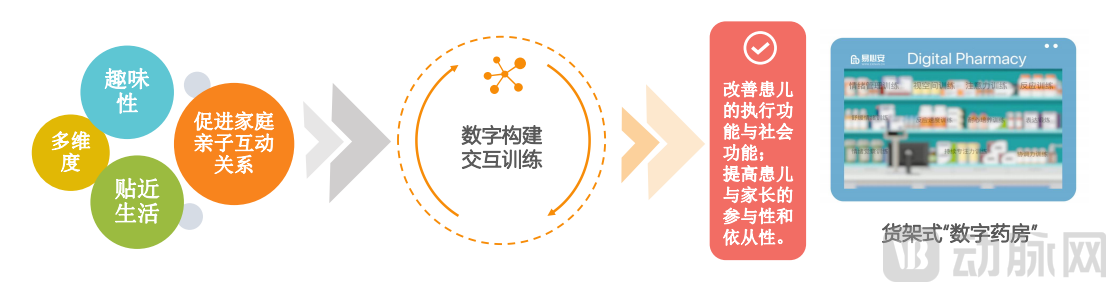
“It is akin to the prescription systems used in hospitals, where physicians search for medications to treat a specific condition and the system displays multiple products with accompanying descriptions for selection. Yi Xin An’s digital pharmacy builds upon this foundation by incorporating an automatic matching feature,” stated the Marketing Director of Yi Xin An. This approach not only enhances physicians’ work efficiency to a certain extent but also alleviates their uncertainty regarding the application of non-pharmacological therapies.
It is important to emphasize that the non-pharmacological therapies in the Yi Xin An system were not developed arbitrarily, but are the result of collaboration between Yi Xin An and clinical experts. “We adhere to the principle of involving clinical experts in research and development and applying R&D outcomes to clinical practice. By participating in the translation of achievements from national key research projects and collaborating with renowned specialists in the field of child and adolescent psychiatry, we standardize and make accessible the rich, practical diagnostic and treatment experience of these experts, ensuring that therapeutic outcomes are traceable and evaluable,” said the founder of Yi Xin An. “This is our vision.”
It is reported that by facilitating the commercialization of outcomes from national key research projects and collaborating with renowned specialists in child and adolescent mental health, Yi Xin’an has standardized experts’ extensive practical experience. This effort has yielded comprehensive digital intervention programs for psychological and behavioral issues in children and adolescents with ADHD, for emotional regulation in children and adolescents, and for psychological and behavioral aspects of insomnia.
Specifically, the comprehensive digital psychobehavioral intervention program for children and adolescents with ADHD originated from the National Key R&D Program project titled “Research on Comprehensive Intervention Strategies for Attention-Deficit/Hyperactivity Disorder,” under the major chronic non-communicable disease prevention and control research initiative. It employs psychological intervention techniques such as Cognitive Training (CT), Cognitive Behavioral Therapy (CBT), and social intervention training, and is applicable to the treatment of ADHD, specific learning disorders comorbid with ADHD, and oppositional defiant disorder comorbid with ADHD.
However, the standardization and automated generation of intervention protocols represent only the first step taken by Yi Xin An. To achieve optimal intervention outcomes, merely standardizing these protocols is clearly insufficient.
If standardization is the first step taken by Yi Xin An, then personalization is the second step that immediately follows.
Understanding the meaning of personalization is not difficult; this concept is also not uncommon in today’s medical field. It simply involves providing precisely matched treatment (intervention) plans based on patient characteristics and their actual clinical conditions. However, the challenge lies in how to achieve personalization.
Like the underlying logic of current industry-wide solutions, Yi Xin An also targets an indispensable “infrastructure”—digitalization—and has successfully built industry barriers through this approach. The accumulation of tens of thousands of real-world data cases not only provides objective evidence to assist physicians in diagnosis and treatment but also supports them in scientific research.
“In fact, the scarcity of mental health medical data for children and adolescents is a widespread issue, not only in China but also abroad. Many studies are based on merely over one hundred or even just dozens of cases. However, we at Yi Xin An have accumulated tens of thousands of data points to date, including nearly 1,000 cases related to pediatric ADHD. Moreover, all our data are real-world data derived from genuine services and actual usage,” said the Operations Director of Yi Xin An proudly. “Research papers supported by Yi Xin An’s data have been progressively published in professional journals both domestically and internationally.”
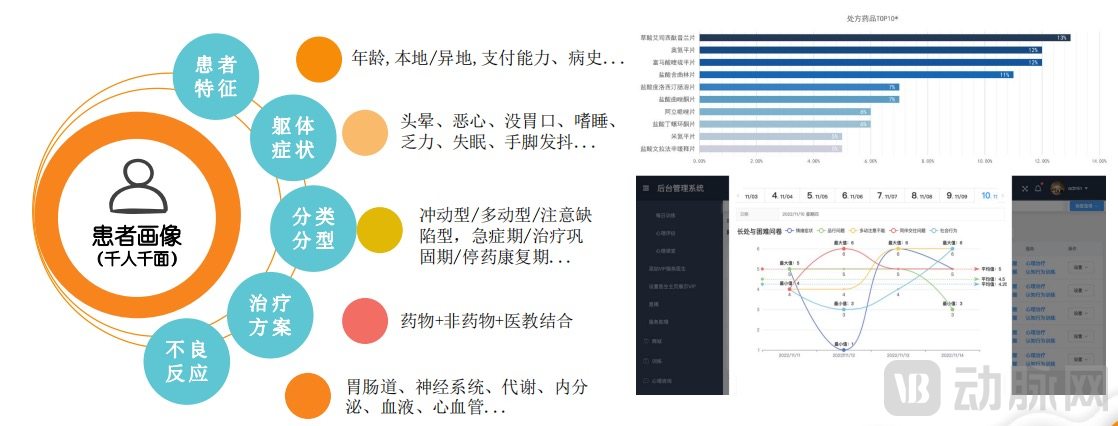
Specifically, at three time points—before, during, and after the intervention—Yi Xin An conducts multi-dimensional, multi-point, profile-based data collection for pediatric patients. Prior to the intervention, by analyzing data such as specific symptoms, diagnostic subtypes, disease staging, medication regimens, and adverse reactions, Yi Xin An generates a “high-resolution” precise disease profile for each patient, thereby laying the fundamental groundwork for formulating intervention plans. During the intervention, the system analyzes metrics including the duration, quality, and completion rate of each movement frame, and adaptively adjusts the content and difficulty of subsequent interventions based on this analysis. After the intervention is completed, the system continuously tracks and evaluates therapeutic outcomes, as well as assesses the consistency of improvements in the patient’s condition before and after the intervention. Upon completion of a phased intervention plan, all aforementioned data are aggregated and comprehensively evaluated in the system backend to generate a clear and complete comprehensive intervention report, providing objective data support for scientific decision-making by physicians regarding next-step treatment and follow-up consultations.
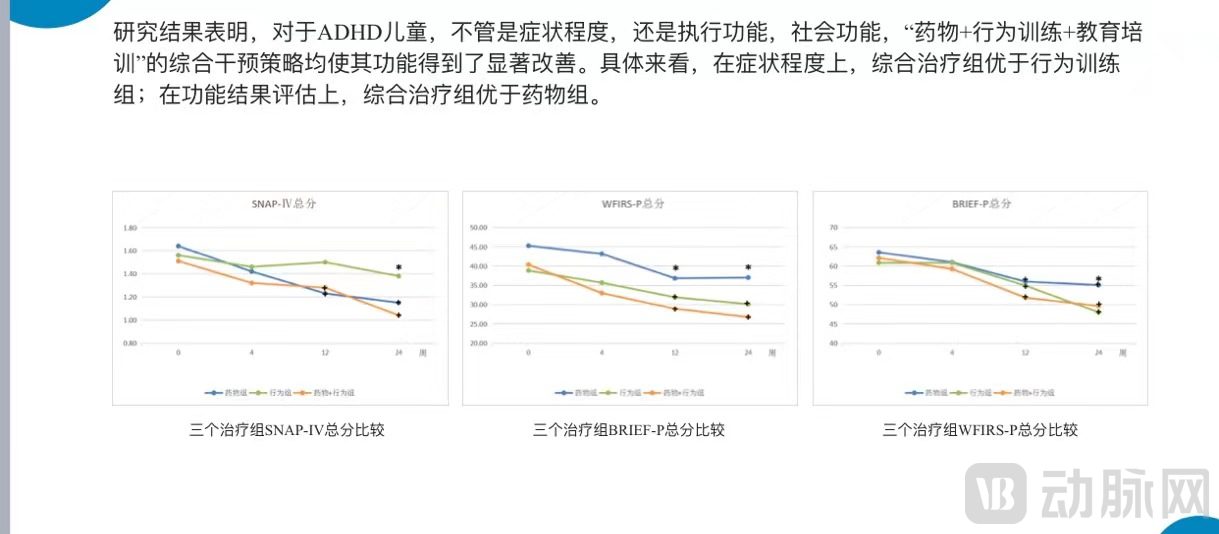
While providing data support for physicians’ follow-up consultations, Yi Xin An continuously learns from the diagnostic and intervention plans that are constantly adjusted and optimized by clinicians, thereby achieving ongoing optimization and iterative refinement of algorithmic models tailored to the characteristics of children and adolescents.
Moreover, the implementation of “datafication” can effectively alleviate a major pain point in mental health interventions for children and adolescents—the disconnection between diagnostic treatment and rehabilitation.
This issue stems from the unique characteristics of interventions for mental health conditions and is a challenge shared across nearly the entire mental health sector. However, the severe shortage of child and adolescent psychiatrists exacerbates its gravity. Under traditional care models, clinicians’ time and energy are fully consumed by diagnostic and treatment processes, leaving little capacity to timely monitor patients’ recovery progress. Moreover, even when clinicians are motivated, the lack of effective “monitoring tools” in traditional practice settings renders their efforts ultimately futile.
The introduction of the Yi Xin An system provides physicians with a comprehensive suite of tools for patient management and clinical data analysis. It enables full-process data collection and long-term data tracking, thereby enhancing efficiency during outpatient consultations while ensuring that patients’ entire recovery journey remains under physician supervision.
“What are the pain points in the rehabilitation of mental and psychological disorders in children and adolescents? It is the disconnection between diagnosis and rehabilitation. Therefore, our primary goal is to ‘transfer’ rehabilitation training that cannot be completed within the hospital to out-of-hospital settings, while ensuring it remains under the supervision and service of physicians,” stated the founder of Yi Xin An.
However, we cannot deny that the mental health of children and adolescents is a vast and complex issue. Addressing it requires not only the sustained efforts of medical institutions, physicians, various enterprises (including pharmaceutical companies and digital therapeutics firms), and relevant government agencies, but also the active cooperation of parents, teachers, and other stakeholders.
In other words, this is a prevention and control network that requires the collaborative efforts of multiple stakeholders, and what Yi Xin An does is to provide all parties with scientific, effective, and practical tools to the best of its ability.
For physicians and medical institutions, the tools provided by Yi Xin An not only enable already specialized doctors to access cutting-edge therapies, improve work efficiency, and monitor patient recovery more intuitively and effectively to achieve expected treatment outcomes, but also allow less experienced physicians to rapidly master advanced scientific diagnostic and therapeutic protocols and quickly acquire data-driven clinical expertise. This enhances physicians’ professional capabilities while being highly accessible and beneficial to primary care markets.
Furthermore, its data-driven approach enables intuitive before-and-after treatment comparisons, which serves as compelling evidence of the intervention’s efficacy and a powerful tool for strengthening trust between patients and their families and physicians, thereby facilitating subsequent market expansion efforts.
For scientific research, the tens of thousands of cases already accumulated by Yi Xin An, along with the vast amount of data to be collected in the future, provide a reliable and fertile foundation for drug development and the advancement of cutting-edge therapies for related diseases. Furthermore, Yi Xin An’s relevant systems and medical institution resources offer a “practical platform” for these research endeavors.
Currently, Yi Xin An is also actively engaging in collaborations with relevant institutions and enterprises, aiming to contribute to the exploration of cutting-edge therapies for related diseases.
Regarding the issue of parental cooperation, the Marketing Director of Yi Xin An believes that there are two main reasons hindering parents from deeply cooperating with the treatment of their children's psychological problems: first, limited understanding of the disease itself and its treatment plan; second, not knowing how to cooperate with the treatment even with sufficient understanding.
In response, Yi Xin An has not only added a science popularization section on diseases and treatment plans to its systematic tools for pediatric patients and their families, but also established a service team with professional psychological backgrounds to alleviate parents’ anxiety and doubts. Through these measures, Yi Xin An puts into practice its service philosophy of “Professionalism + Warmth,” using “professionalism” to reassure pediatric patients’ families and “warmth” to comfort them, guiding them through the most difficult times with firm yet caring support.
“In fact, many parents have already taken their children to various medical institutions before contacting us. It has become common for the disease course to be prolonged and recurrent, leaving parents on the verge of physical and emotional collapse. Therefore, we provide professional patient education and science popularization to help parents correctly understand the disease, alleviate their psychological burden, formulate scientific and reasonable intervention plans for their children, and implement them steadily under medical supervision. After a period of continuous intervention, both objective assessment data and parents’ subjective perceptions have yielded highly positive feedback. This is why, whenever I receive messages of gratitude from parents or hear children’s innocent voice notes, I become even more firmly convinced that we are engaged in a difficult yet worthwhile endeavor,” said the founder of Yi Xin An.
As the interview drew to a close, two messages and one voice message from the child popped up on the system backend—
“Today, my child’s Chinese teacher mentioned that he has made recent progress, and I haven’t received any feedback from the group leader about disciplinary issues in class. Since my child didn’t communicate much with me before, thank you so much! I feel things have improved significantly compared to the past. You are the one who occasionally reminds me to be a gentle mother.”
“Seeing my child draw this coral picture tonight touched me deeply. He was actually able to finish it with focus and calmness, fully immersed in the process—a significant change from before.”
“The training is almost over. I really enjoy chatting with you. If we can continue the training next time, I’d like to keep chatting with you. Is that okay?” The child’s tender voice was as clear and melodious as a heavenly tune.