

JensCare Scientific Reports Strong Fundamentals and Innovation Pipeline as a Leading Domestic Developer of Structural Heart Devices

Jenscare
Developer of interventional treatment technology for heart valves
In 2023, the Hong Kong stock market continued to experience volatile trends. By the end of October, the Hang Seng Index had declined by 6.72%, ranking among the lowest performers globally. For investors in the Hong Kong stock market, it is difficult to overlook the healthcare and technology sectors.
Over the past two years, the Hong Kong-listed healthcare sector has experienced significant volatility and sustained sluggishness due to macroeconomic factors beyond control, such as geopolitical tensions and inflation. Since June 2021, the Hang Seng Healthcare Index has fallen by more than 60%. However, as the economy gradually recovers and capital returns with renewed rationality, various sub-sectors within the healthcare industry have seen strong rebounds and valuation repairs, leading to widespread consensus on recovery expectations. This trend is driven partly by the clear expectation of a rebound following overselling in the sector, and partly by positive developments such as the clearing out of impacts from centralized procurement, bottoming-out and subsequent recovery of performance, and accelerated domestic substitution.
In this broader context, a necessary logic for investing in the Hong Kong stock market is to examine the sustainable development capabilities of healthcare enterprises and identify undervalued, high-elasticity investment targets that possess blue-ocean market potential, innovative R&D capabilities, and global commercialization strength. In the search for such investment targets with high alpha expectations, Jenscare (9877.HK), a domestic innovative medical device company, has drawn the author’s attention. Focusing on providing minimally invasive interventional treatment solutions for structural heart disease, Jenscare’s multiple product pipelines not only align with the characteristics of large therapeutic areas and blockbuster products but also represent critical steps in the global expansion of Chinese-made medical devices, achieving significant progress in Europe, North America, and the Asia-Pacific region.
Particularly since the second half of 2023, Jenscare, a leading enterprise in the field of innovative medical devices for structural heart disease in China, has significantly accelerated its global product rollout. Over the past two months, several of Jenscare’s products under development have achieved key milestones in rapid succession. Its core products—the LuX-Valve and LuX-Valve Plus transcatheter tricuspid valve replacement systems, independently developed by Jenscare, and the Ken-Valve transcatheter aortic valve replacement system (indicated for the treatment of aortic regurgitation or combined stenosis)—have successively entered the final sprint phase toward global commercialization. Their outstanding clinical performance has garnered increasing recognition from both regulatory authorities and clinical practitioners. It is therefore worthwhile to further explore their intrinsic value and the growth potential they embody.
Tricuspid Regurgitation (TR) is a relatively common valvular disease; however, only approximately 5% of patients with severe TR undergo surgical treatment, and 86% of these procedures are performed concomitantly with other cardiac surgeries. Patients with TR, particularly in the late stages of the disease, often experience multi-organ dysfunction, which adversely affects their quality of life and life expectancy while significantly increasing the risks associated with surgical intervention. The involvement of multiple organ systems in TR is a gradual process; overt organ dysfunction indicates that the disease has progressed to an advanced stage. Given the heterogeneous clinical presentations at this point, this condition can be termed “TR Syndrome” (a novel concept of “Tricuspid Regurgitation Syndrome” first proposed internationally by the teams of Lu Fanglin and Chen Mao).
Severe tricuspid regurgitation is a key entry point for Jenscare’s strategic layout in structural heart disease. To date, nearly 60 million patients worldwide with existing tricuspid regurgitation urgently require effective treatment. With the accelerating pace of population aging, the incidence of tricuspid regurgitation is on the rise. Currently, there are no proven effective treatments available globally for severe tricuspid regurgitation.
The tricuspid valve is a complex component of human cardiac anatomy. Its proper function involves leaflet morphology, right atrial and annular dynamics, as well as right ventricular and chordae tendineae support. Tricuspid regurgitation, in brief, results from the incomplete closure of the tricuspid valve, leading to the backflow of blood from the right ventricle into the right atrium during systole; its pathophysiology is equally complex. Public data indicate that untreated severe tricuspid valve disease may lead to cardiac dysfunction and heart failure, significantly impacting life expectancy. The five-year mortality rate for patients with severe disease is approximately 47.8% following diagnosis.
Treatment of tricuspid regurgitation primarily includes three approaches: pharmacological therapy, conventional surgical intervention, and transcatheter intervention. Pharmacological therapy can alleviate symptoms but cannot cure the disease. Conventional surgical intervention is highly invasive and carries high risks, with elevated mortality and complication rates in high-risk populations; the perioperative mortality rate ranges from 8% to 10%. Consequently, isolated tricuspid valve surgery is infrequently performed in clinical practice. Among patients undergoing tricuspid valve surgery, 80%–90% require concomitant procedures such as left-sided valve repair. Due to variations in surgical techniques, patient populations, and time periods, in-hospital mortality rates among patients undergoing surgical treatment for tricuspid valve disease vary significantly (2%–25%). Notably, the in-hospital mortality rate after isolated tricuspid regurgitation (TR) surgery can be as high as 20%, with risk factors including right ventricular dilation and impaired right ventricular function.
For interventional procedures (i.e., transcatheter tricuspid valve interventions, including transcatheter tricuspid valve repair and transcatheter tricuspid valve replacement), their advantages—such as minimal invasiveness, reduced pain, and rapid recovery—have led to widespread clinical adoption in recent years. Particularly in cases of severe tricuspid regurgitation, surgical or interventional intervention is indicated when patients present with symptoms such as dyspnea, fatigue, and edema. In practice, due to the high risk of in-hospital mortality associated with multiple comorbidities, the benefits of conventional surgery over medical therapy are not significant. In contrast, interventional procedures offer more pronounced advantages for patients.
Compared with other valves such as the aortic and mitral valves, the tricuspid valve has the following anatomical characteristics: (1) It has the most complex valvular structure. Its structure is similar to that of the mitral valve (including leaflets, annulus, chordae tendineae, and papillary muscles) but is more complex. Most tricuspid valves are trileaflet (comprising anterior, septal, and posterior leaflets, with the anterior leaflet being the largest and the septal leaflet the smallest). Generally, three groups of papillary muscles are visible. The chordae tendineae of the septal leaflet can attach directly to the interventricular septum, and each tricuspid leaflet attaches to its corresponding papillary muscle (which differs from the mitral valve leaflets); (2) It has the largest valve area, with a normal adult tricuspid valve orifice area of 7–9 cm²; (3) It exhibits the greatest variability. Variations in tricuspid leaflets include bicuspid, quadricuspid, pentacuspid, and hexacuspid forms, and there is also significant variability in the papillary muscles; (4) Its annulus has the most irregular shape and is most prone to dilation. The tricuspid annulus is approximately flat and elliptical. The portion of the annulus continuous with the fibrous skeleton (where the septal leaflet attaches) has better stability, whereas the lateral portion of the annulus, accounting for about two-thirds of the circumference, lacks fixed supporting tissue and is susceptible to dilation; (5) It is located closest to the cardiac apex; (6) The degree of regurgitation is most easily influenced by volume overload [2]. Therefore, the anatomical structure of the tricuspid valve is much more complex than that of other valves. The emergence of transcatheter tricuspid valve interventions has significantly reduced perioperative risks for patients with severe tricuspid regurgitation. Compared with traditional surgery, interventional therapy meets modern societal demands for minimally invasive and less painful treatment techniques, offering advantages such as minimal trauma, good efficacy, rapid recovery, and shorter hospital stays.
The development of transcatheter tricuspid valve intervention devices is extremely challenging, primarily due to the following factors: (1) The tricuspid annulus is not entirely composed of fibrous tissue, resulting in lower rigidity and stability compared to the mitral annulus; (2) The tricuspid annulus is large, and significant long-term tricuspid regurgitation is often accompanied by right heart enlargement, necessitating relatively larger devices and increasing the difficulty of percutaneous implantation; (3) As the right heart chambers are low-pressure environments, the risk of thrombosis after device implantation is higher than that associated with left-sided valve devices; (4) The abundance of chordae tendineae within the right ventricle increases the complexity of interventional procedures; (5) The wide angles between the tricuspid annulus and the superior and inferior vena cavae further complicate interventional operations [3]. In the field of tricuspid valve intervention, transcatheter tricuspid valve replacement (TTVR) has a broader application scope than transcatheter tricuspid valve repair, as it is less constrained by patients’ native valve anatomy and targets a larger potential patient population. Jenscare’s transcatheter tricuspid valve replacement product, LuX-Valve, is expected to receive approval from the National Medical Products Administration (NMPA) in the fourth quarter of this year. Upon approval, the product will provide patients with a new therapeutic option.
The tricuspid valve replacement product series (LuX-Valve, LuX-Valve Plus) has always been the core product line of Jenscare. The design of the "adaptive Dacron anti-leak ring" can effectively reduce the incidence of paravalvular leakage without exerting pressure on the tissues surrounding the tricuspid valve, thereby facilitating postoperative recovery of cardiac function. The globally pioneering "septal anchoring" design overcomes the challenge of securely fixing prosthetic valves within the cardiac chamber, moving away from the traditional fixation concept reliant on radial force. Combined with two "rabbit ear"-shaped clamping structures, this design ensures more stable anchoring of the prosthetic valve. Academician Ge Junbo from Zhongshan Hospital Fudan University has praised it as a transcatheter tricuspid valve replacement product with a unique design.
Jenscare is one of the earliest companies globally to develop transcatheter tricuspid valve replacement systems, with its product development leading the field. In China, both its first-generation product, LuX-Valve, and second-generation product, LuX-Valve Plus, have been included in the National Medical Products Administration’s (NMPA) Special Review Procedure for Innovative Medical Devices. The LuX-Valve is expected to receive NMPA marketing approval in the fourth quarter of this year. Overseas, following its designation as a Breakthrough Device by the U.S. Food and Drug Administration (FDA), Jenscare’s transcatheter tricuspid valve replacement system has subsequently secured new fast-track regulatory pathways in both the United States and Europe, marking another significant milestone in its global clinical trials and commercialization efforts.
Jenscare’s transcatheter tricuspid valve replacement system has received the FDA Breakthrough Device Designation and simultaneously secured green channel eligibility in both the United States and Europe, achieving a unprecedented milestone for Chinese-made medical devices. This accomplishment not only lays a solid foundation for its global commercialization but also marks a critical step in the international expansion of domestically produced medical devices. Furthermore, it enhances the overall image and standing of China’s medical device industry on the global stage, providing a new paradigm for innovation in domestic medical devices and demonstrating the rise of China’s interventional medical device industry in the global arena. Jenscare’s innovative products not only hold the potential to break international monopolies, showcasing their capacity and position to lead innovation in China and even globally, but also provide superior and more suitable treatment options for patients worldwide.
First, in September, Jenscare’s transcatheter tricuspid valve replacement system was selected to join the U.S. Food and Drug Administration (FDA)’s Total Product Life Cycle Advisory Program (TAP). TAP is a key initiative by the FDA to promote the cutting-edge innovative application of medical devices. Under this program, the FDA will strengthen early, frequent, and strategic communication with medical device manufacturers, thereby ensuring that U.S. patients can be among the first globally to access high-quality, safe, effective, and innovative medical devices in the coming years.
Upon entry into the FDA’s TAP pilot program, the Agency will provide diverse strategic assistance to innovative devices deemed significant for public health. This includes more timely pre-submission interactions, facilitation of device development and review, strategic guidance during the development process to mitigate R&D risks, enhancement of submission quality, and improvement of the efficiency of the premarket review process.
During implementation, the FDA will implement and track quantitative performance metrics to ensure that the objectives established for the TAP pilot are ultimately achieved. In response to manufacturers’ requests for communication or written feedback, the FDA will urge its Center for Devices and Radiological Health (CDRH) to conduct teleconferences with manufacturers or provide written feedback in a timely manner within the prescribed timeframe.
Just one month later, the LuX-Valve Plus was selected to join the European Clinical Expert Panel (ECEP) Scientific Advice Pilot. For innovative medical devices, inclusion in the ECEP Scientific Advice Pilot represents a significant milestone. The pilot program is designed to provide scientific advice on the anticipated clinical development strategies and clinical studies for high-risk medical devices, thereby facilitating the faster availability of safer and more effective medical devices to patients through innovative approaches.
Specifically, this pilot program will select no more than 10 medical devices from various therapeutic areas, for which an expert committee will provide timely advice and assistance. Priority is typically given to product categories that include innovative devices intended to treat life-threatening conditions or those causing permanent impairment of bodily functions, where current alternatives are insufficient or pose significant risks, and which may have a substantial impact on clinical practice or public health; as well as devices that benefit patients with rare diseases or pediatric patients.
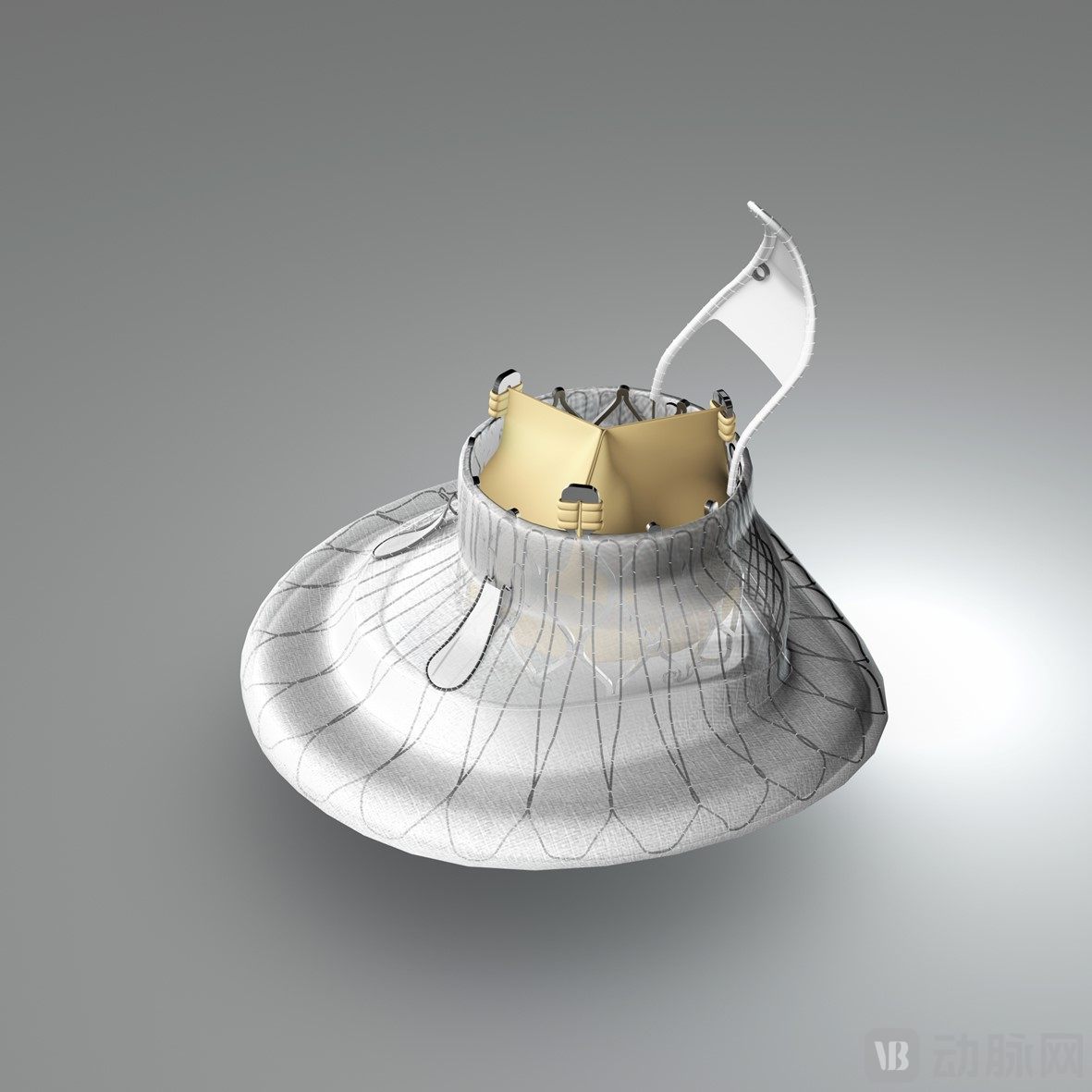
Photo source: Jenscare News
Furthermore, at the 2023 Transcatheter Cardiovascular Therapeutics (TCT) conference in the United States, Academician Ge Junbo, Principal Investigator from Zhongshan Hospital of Fudan University, officially announced the clinical results of TRAVEL II, a multicenter clinical trial of the LuX-Valve Plus, including core data such as the primary endpoint and the 30-day composite events.
The TRAVEL II clinical trial, led by Academician Ge Junbo as the principal investigator (PI), was conducted jointly by 15 hospitals across six major regions in China, ultimately enrolling 96 patients. The primary endpoint was the incidence of composite events within 30 days post-procedure. Study results demonstrated that both device success and procedural success rates were 96.84%, with a mean device operation time of 35.56 ± 20.82 minutes. At 30 days, efficacy outcomes showed that 100% of patients achieved reduction of tricuspid regurgitation to mild or less, and 97.81% exhibited no or trivial paravalvular leak. Regarding improvements in NYHA functional class and quality-of-life scores, 80.43% of patients improved from pre-procedural NYHA Class III/IV to Class I/II; 34.78% of patients achieved an increase in KCCQ score of ≥20 points, and 26.09% achieved an increase of 10–19 points.
The 30-day safety results showed that the incidence rates of myocardial infarction, stroke, use of ECMO or IABP, acute liver failure, prolonged mechanical ventilation (>72 hours), cardiovascular injuries requiring surgical intervention (cardiac perforation, vascular injury), and life-threatening major bleeding events were all 0. The all-cause mortality rate was 1.08% and was not device-related. The incidence rates of acute renal failure, severe paravalvular leak, and conversion to surgical tricuspid valve replacement or repair were 1.08%. The incidence of new-onset third-degree atrioventricular block requiring permanent pacemaker implantation was 2.16%. The data demonstrated short device operation times, favorable postoperative outcomes, and extremely high rates of device success and procedural success.
At the conclusion of this thematic keynote address, Academician Ge Junbo summarized that the LuX-Valve Plus’s unique “septal anchoring” design and non-radial support mechanism effectively reduce the incidence of postoperative complications. Furthermore, the adoption of a transjugular approach minimizes trauma to the patient. The product’s superior performance and therapeutic efficacy have been significantly demonstrated in the TRAVEL II multicenter clinical trial, which showed reduced device operation time and a lower incidence of 30-day composite events. Meanwhile, patients experienced significant improvements in cardiac function and quality of life, yielding remarkable and encouraging outcomes. The product offers a broader scope of application, accommodating patients with larger annuli and remaining unaffected by the presence of pre-existing pacemaker (PM) or implantable cardioverter-defibrillator (ICD) leads.
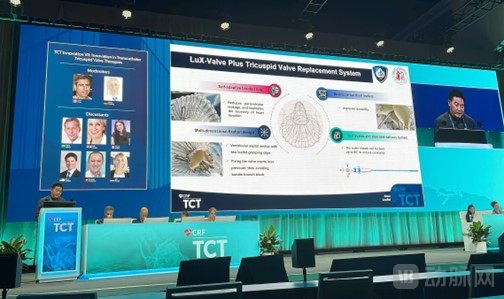
Photo source: Jenscare News
Since the inception of its tricuspid valve replacement product development, Jenscare has focused on the multifaceted challenges associated with the tricuspid valve. Throughout the R&D process, the company has continuously improved and innovated, paying close attention to critical difficulties, with the aim of bringing many patients suffering from life-threatening severe tricuspid regurgitation back from the brink of death through leading-edge innovative product design. Its independently developed transcatheter tricuspid valve replacement product features: (1) an internationally pioneering “septal anchoring” technology, which departs from the traditional concept of fixation via radial force; (2) an “adaptive anti-leak ring” design that effectively addresses paravalvular leakage caused by annular dilation; (3) a mechanism that exerts no compression on the native annulus, effectively avoiding conduction block; and (4) a steerable and retrievable delivery system design that reduces the difficulty of interventional valve implantation and significantly improves procedural success rates, thereby providing a satisfactory solution to the challenges of tricuspid valve disease.
As the commercialization of LuX-Valve Plus accelerates, such explorations are being extended to patients in the Asia-Pacific region.
In August, the LuX-Valve Plus, under the leadership of Professor Lin Yixian’s team, successfully completed the first paid compassionate-use case in the Asia-Pacific region at the Hong Kong Asia Heart Center (HKAHC).
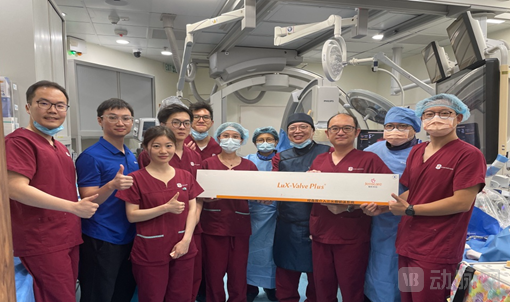
Photo source: Jenscare News
It is understood that compassionate use is a potential approach for treating patients with serious or immediately life-threatening diseases or conditions who have no comparable or satisfactory alternative treatment options, by using investigational medical products (drugs, biologics, or medical devices) outside of clinical trials. In the Asia-Pacific region, implementing compassionate use on a fee-for-service basis will provide timely treatment to patients with severe tricuspid regurgitation in the Asia-Pacific and other regions ahead of schedule, enabling patients to benefit earlier and accelerating the global commercialization progress of LuX-Valve Plus.
In this procedure at HKAHC, the patient undergoing transcatheter tricuspid valve replacement was a 79-year-old woman with severe tricuspid regurgitation (TR), NYHA Class III heart failure, and significant symptoms. Despite nine months of medical therapy, she continued to suffer from refractory ankle edema. Following comprehensive preoperative evaluation, Professor Lin Yixian’s team determined that the patient’s tricuspid valve anatomy was unsuitable for repair devices due to difficulties in leaflet grasping. Consequently, they decided to proceed with orthotopic tricuspid valve replacement using Jenscare’s LuX-Valve Plus transcatheter tricuspid valve replacement system via the jugular vein approach.
The surgery was a complete success. Postoperative echocardiography showed the disappearance of tricuspid regurgitation, and the patient’s heart failure symptoms improved significantly. “Although the procedure was challenging due to the patient’s advanced age and complex anatomy, the LuX-Valve Plus demonstrated significant advantages,” noted Professor Lin Yixian postoperatively. The LuX-Valve Plus is easy to operate, with a device manipulation time of less than 30 minutes, offering high handling smoothness and a generous margin for error. Furthermore, the delivery system of the LuX-Valve Plus features excellent steerable catheter performance, allowing five-dimensional adjustments during the procedure to ensure optimal coaxial alignment of the prosthetic valve. It has low reliance on intraoperative echocardiographic imaging; relevant images can be readily obtained using the transgastric short-axis view in conjunction with right ventricular inflow/outflow tract views and X-Plane imaging, thereby facilitating rapid procedural progress.
To date, the LuX-Valve Plus has been successfully utilized in a series of reimbursed compassionate-use procedures at multiple hospitals across the Asia-Pacific region, including several cases involving rare and complex anatomical structures. Post-procedure, patients demonstrated significant improvements in clinical presentation, cardiac function, and quality of life, fully attesting to the product’s broad applicability, high reliability, and ease of operation. Its unique design effectively addresses the clinical pain points and therapeutic challenges associated with tricuspid regurgitation, offering an encouraging solution to this public health crisis and global medical challenge. The reimbursed compassionate-use procedures of the LuX-Valve Plus in the Asia-Pacific region are enabling earlier treatment for patients with severe tricuspid regurgitation. For the LuX-Valve Plus, formal commercial launch in the Asia-Pacific region is now just one step away.
Tricuspid valve disease is one of the most common cardiac conditions. Due to its insidious onset and the initial neglect of early clinical symptoms, it has been termed the “forgotten valve,” affecting a substantial patient population. Jenscare has been deeply engaged in this field for over a decade. Currently, the company’s transcatheter tricuspid valve replacement series (LuX-Valve and LuX-Valve Plus) is on the verge of obtaining regulatory approval for commercialization in China. In the United States, these products have received the Breakthrough Device Designation from the U.S. Food and Drug Administration (FDA) and have been selected for the FDA’s Total Product Life Cycle Advisory Program (TAP), with the IDE-enabled Early Feasibility Study (EFS) clinical trial poised to commence. In Europe, the products are included in the “2021 ESC/EACTS Guidelines for the Management of Valvular Heart Disease” and have been selected for the European Clinical Expert Committee’s Scientific Advice Pilot program, while clinical trials for CE Mark approval continue to enroll patients. In the Asia-Pacific region, a series of paid compassionate use programs are being continuously carried out. Looking ahead, investors are likely to achieve higher returns by leveraging the company’s advantages in a large market segment, flagship products, and the global expansion of Chinese-made medical devices.
In early October, Jenscare’s self-developed transcatheter artificial aortic valve system, Ken-Valve, had its registration application formally accepted by the National Medical Products Administration (NMPA) and was approved to enter the NMPA’s priority review pathway for medical devices. VCBeat has learned that Ken-Valve is expected to become the second such transcatheter aortic valve replacement (TAVR) system available in the Chinese market and the third globally for treating aortic regurgitation (with concomitant stenosis). Ken-Valve is the second core product submitted for registration by Jenscare, following its self-developed transcatheter tricuspid valve replacement system, LuX-Valve.
As of the cutoff date, only eight products received NMPA approval for priority review in 2023. Notably, Ken-Valve is the first product in the field of heart valves to be granted entry into the priority review pathway since the NMPA established this mechanism. In terms of aortic regurgitation, the market holds immense potential, with a large existing pool of patients in urgent need of treatment and a growing incidence rate contributing to an increasing patient population. According to data analysis from Frost & Sullivan, the number of patients with aortic regurgitation in China reached 6.05 million in 2022, with a prevalence rate of 0.43%. This figure is projected to rise to 6.8 million by 2030, with the prevalence rate further increasing to 0.48%. However, there remains a significant gap in the market for interventional therapy products. The emergence of Ken-Valve provides new treatment options and solutions for the vast number of underserved patients with aortic valve diseases. Furthermore, its multiple advanced design features offer significant advantages, including a substantially reduced risk of serious adverse events and improved procedural success rates.
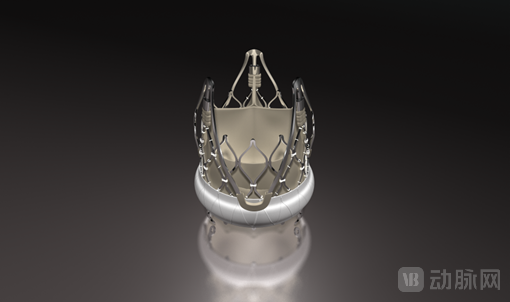
Photo source: Jenscare News
Beyond its core products, the tricuspid and aortic valve prostheses, Jenscare has also established in-depth strategic layouts in the fields of mitral valve therapy, heart failure management, and cardiogenic stroke prevention.
In the field of mitral valve interventions, the company comprehensively covers diverse anatomical structures through multiple independent, proprietary technological pathways. Its independently developed product portfolio includes JensClip, JensFlag, JensCloop, and JensRelive, spanning four distinct technical approaches to meet the clinical needs of various types of mitral valve diseases. Among these, JensClip is a transcatheter mitral valve repair clipping system designed for patients with severe mitral regurgitation and is currently enrolling patients in confirmatory clinical trials. JensFlag is a mitral valve leaflet repair system that has been used in several human cases, validating the feasibility of the posterior leaflet augmentation technology pathway. We look forward to the company’s disclosure of the innovative designs and clinical data for these products, thereby providing more treatment options for patients with mitral valve disease.
Jenscare’s wholly-owned subsidiary, Dichuang Medical, focuses on the research and development of products for heart failure and cardiogenic stroke. Currently, in the area of heart failure, its independently developed interatrial septal fenestration stent and delivery system, MicroFlux, is used to treat heart failure with preserved ejection fraction (HFpEF). Another independently developed myocardial filler hydrogel and injection system, AlginSys, is designed to treat heart failure with reduced ejection fraction (HFrEF), aiming to prevent the progression to advanced heart failure, and features high biocompatibility. In addition, the company has independently developed two cardiogenic stroke prevention products: the left atrial appendage occluder system SimuLock and the PFO occluder system OmniSeal. The product pipeline of Dichuang Medical enriches Jenscare’s overall strategic layout in the field of structural heart disease.
In September, Jenscare’s product pipeline—SimuLock, the world’s first bionic and modular left atrial appendage (LAA) occluder—saw multiple patients successfully enrolled in its registration clinical First-in-Man (FIM) trial by the team led by Academician Ge Junbo and Professor Zhou Daxin from Zhongshan Hospital, Fudan University. Additionally, the first three patients were successfully enrolled in an investigator-initiated clinical trial by the team led by Professor Huimin Chu from the First Affiliated Hospital of Ningbo University. The procedures proceeded smoothly, achieving the expected outcomes and paving the way for accelerated clinical development. The independently developed SimuLock LAA occluder system features internationally leading technology, being the first LAA occluder globally to implement bionic anchoring principles and personalized customization. The product offers several key advantages: (1) World’s first personalized customization for LAA occlusion, with a broader range of size specifications; (2) World’s first application of bionic design, combining bionic fishbone micro-barbs with octopus-inspired structures to achieve an endosuction-like tamponade effect within the LAA, thereby enhancing anchoring stability; (3) Superior three-dimensional occlusion efficacy, utilizing the world’s first controllable differential endothelialization-covered membrane.
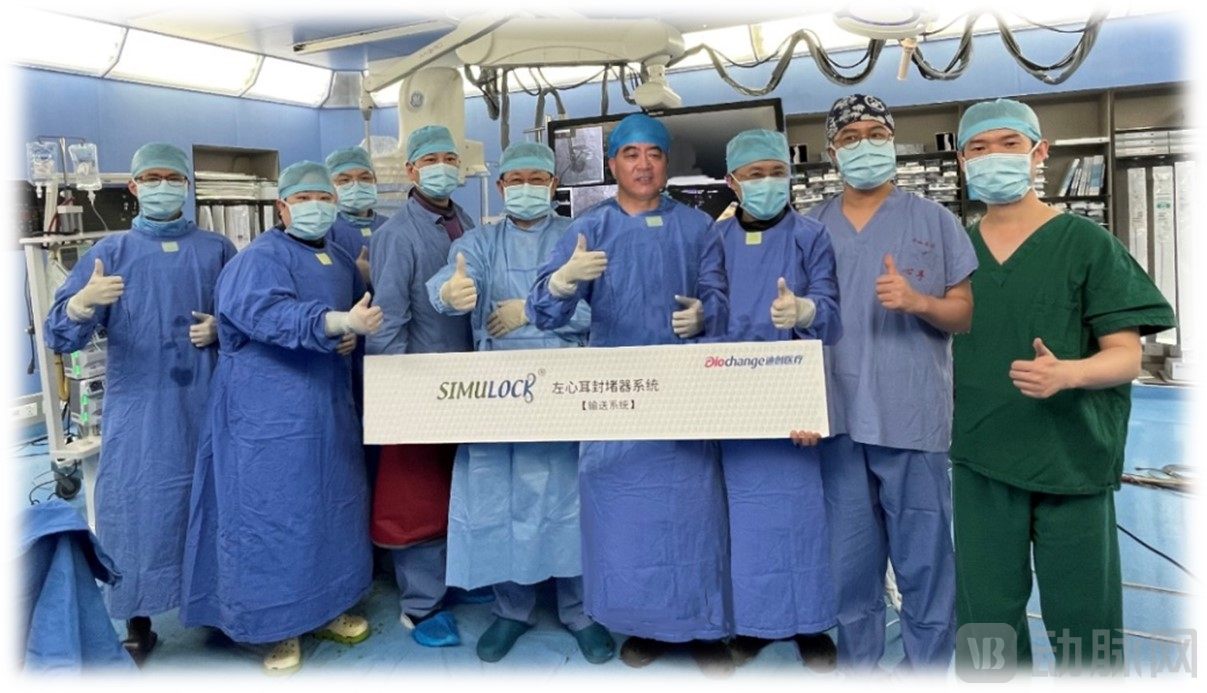
Photo source: Jenscare News
By leveraging its core technological barriers and establishing a global patent portfolio for its products, Jenscare has accumulated significant strength in the field of interventional heart valves. The company enjoys a favorable competitive landscape, with product advantages that are difficult for peers to surpass in the short term. Arguably, during its period of market exclusivity, the upper limit of its addressable market is constrained only by its own production capacity. Even if competing products emerge in the future, Jenscare is poised to capture the majority of the market share by virtue of its continuous R&D capabilities for product updates and iterations, as well as its first-mover advantage. Underpinned by its robust comprehensive strengths and early-market entry, Jenscare’s growth potential and business certainty will continue to be validated, further strengthening its overall competitiveness. Commercially, the company is expected to sustain high-impact growth and continuously unlock its value potential.
After the volatility caused by the lock-up period expiration, the company’s stock price has reached a relatively low valuation. Meanwhile, its long-term value is being gradually validated and reflected. This provides a significant margin of safety and upside potential for investors who are bullish on the tricuspid valve intervention, structural heart disease intervention sectors, and Jenscare as a company, making it an opportune time to enter the market.
VCBeat has learned that the company’s self-developed transcatheter tricuspid valve replacement product, LuX-Valve, received approval from the National Medical Products Administration (NMPA) for market launch in the fourth quarter of this year. The company is poised to achieve a series of milestones next year, including: submitting the registration application for LuX-Valve Plus; obtaining NMPA approval for Ken-Valve; generating substantial core business revenue through continued fee-based compassionate use programs in the Asia-Pacific region; completing patient enrollment for CE certification clinical trials in Europe; and formally initiating an Investigational Device Exemption (IDE) clinical trial in the United States. These developments will significantly accelerate Jenscare’s global commercialization process, with revenues beginning to materialize gradually. Recently, numerous domestic and foreign securities firms and major banks have issued positive assessments regarding Jenscare’s future development. For instance, Citigroup assigned the company a target price of HK$40. China International Capital Corporation (CICC), in its initial coverage of the company, issued an “outperform” rating with a target price of HK$45. Huaan Securities, also in its initial coverage, gave a “buy” rating, projecting the company’s operating revenues for 2023–2025 to reach RMB 25.8 million, RMB 229 million, and RMB 619 million, respectively, representing year-on-year growth rates of 788.2% in 2024 and 170.1% in 2025.
After 12 years of development, Jenscare Scientific Co., Ltd., rooted in independent innovation, is approaching the harvest period of commercialization. It is committed to becoming a platform-based interventional medical device enterprise with multi-track capabilities, a comprehensive layout in structural heart disease, and differentiated advantages. We also look forward to these independently innovated medical devices entering large-scale commercial application more rapidly, supported by additional clinical research data and global business expansion. This will not only benefit more patients but also enhance the global influence of Chinese innovative medical devices.
References:
China Asset Management
Research Progress on Interventional Therapy for Tricuspid Regurgitation Authors: Yao Jing, Gong Chanjuan, Kong Xiangqing