

AstraZeneca Returns to CIIE for Sixth Time: Accelerating Investment, Innovating Global Expansion, and Advancing Sustainable Healthcare
Shanghai, China, November 6, 2023 – As a “long-standing friend” participating for the sixth consecutive year, AstraZeneca, a leading global multinational pharmaceutical company, attended the 6th China International Import Expo (CIIE). At this year’s CIIE, AstraZeneca maintained its 1,000-square-meter exhibition space under the theme “Three Decades of Leaping Forward: In China, For China, Benefiting the World,” comprehensively showcasing new progress in its investments and strategic layout in China, as well as its achievements in promoting green and sustainable development across drug R&D, manufacturing operations, and business models. Through the CIIE platform, AstraZeneca announced increased investments in its production and supply bases in Wuxi, Taizhou, and Qingdao, continuing to build world-class manufacturing facilities. In collaboration with partners, the company is accelerating the international alignment of local R&D and facilitating the global expansion of Chinese innovations, further realizing mutual empowerment between domestic and international markets.
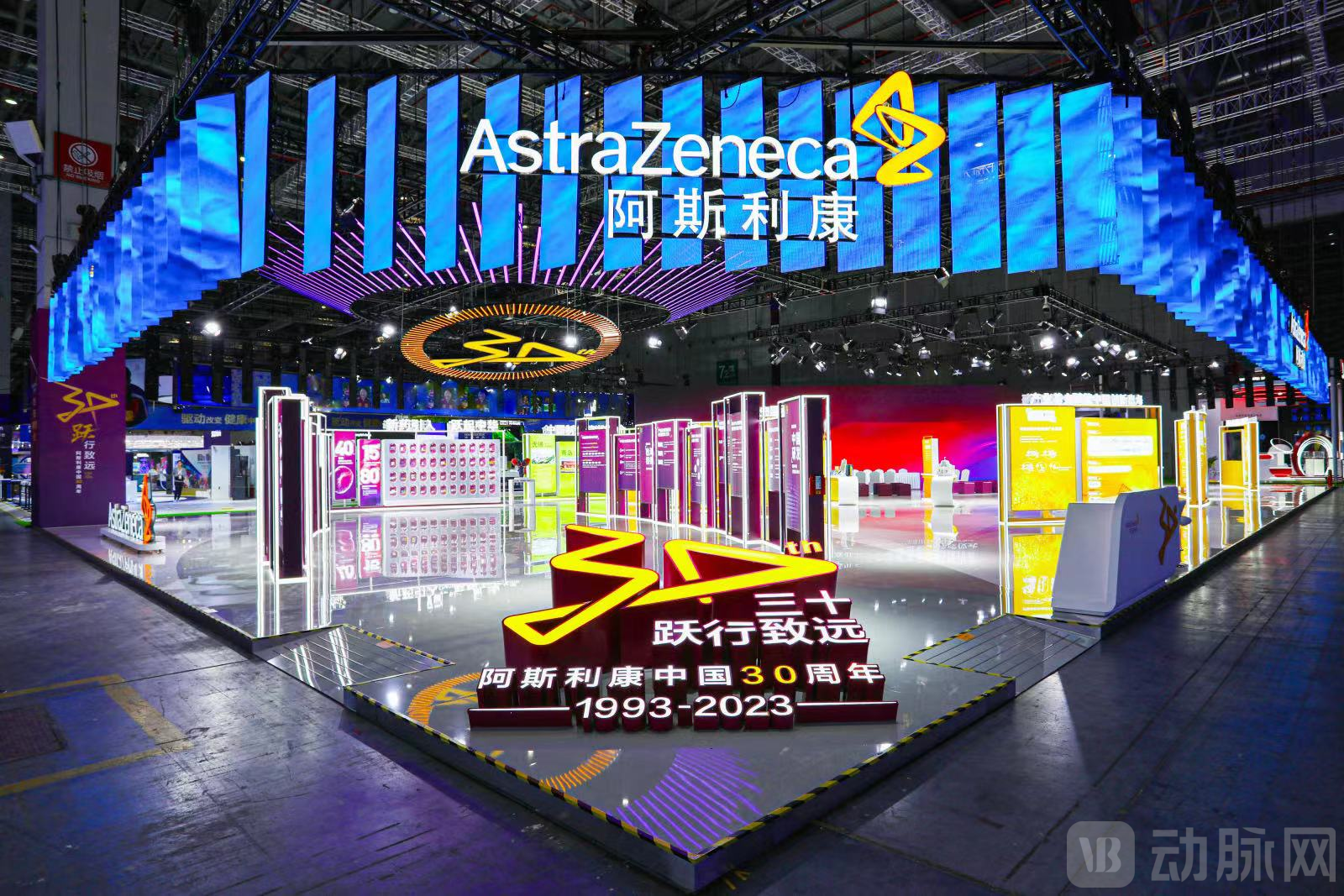
AstraZeneca’s 1,000-Square-Meter Booth at the 6th China International Import Expo
For six consecutive years alongside the China International Import Expo (CIIE), Pascal Soriot, Global CEO of AstraZeneca, has once again traveled to China to attend the CIIE opening ceremony. He stated, “The CIIE serves as a high-level platform for cross-industry and cross-border cooperation and dialogue. Its continued hosting not only signals China’s steadfast commitment to opening up but also fully demonstrates China’s confidence and determination in building an open world economy, injecting greater certainty and opportunities into global economic development. As a leading global biopharmaceutical company, AstraZeneca aims to further strengthen its comprehensive collaboration with China. Leveraging the CIIE platform, we will introduce innovative healthcare products and ecosystems, fully uphold our commitment to green development across the entire industry chain, empower high-quality sustainable development worldwide, and fulfill our long-term promise of ‘Rooted in China, Serving China, Benefiting the World.’”
The “CIIE Effect” highlights the “global magnetic appeal” of the Chinese market, further attracting AstraZeneca to become a committed investor increasing its stakes in China. On the first day of the CIIE, AstraZeneca signed multiple cooperation agreements with Jiangsu Province, Shandong Province, and Guangdong Province, continuing to deepen its local presence and reinforce its long-term commitment to development in China.
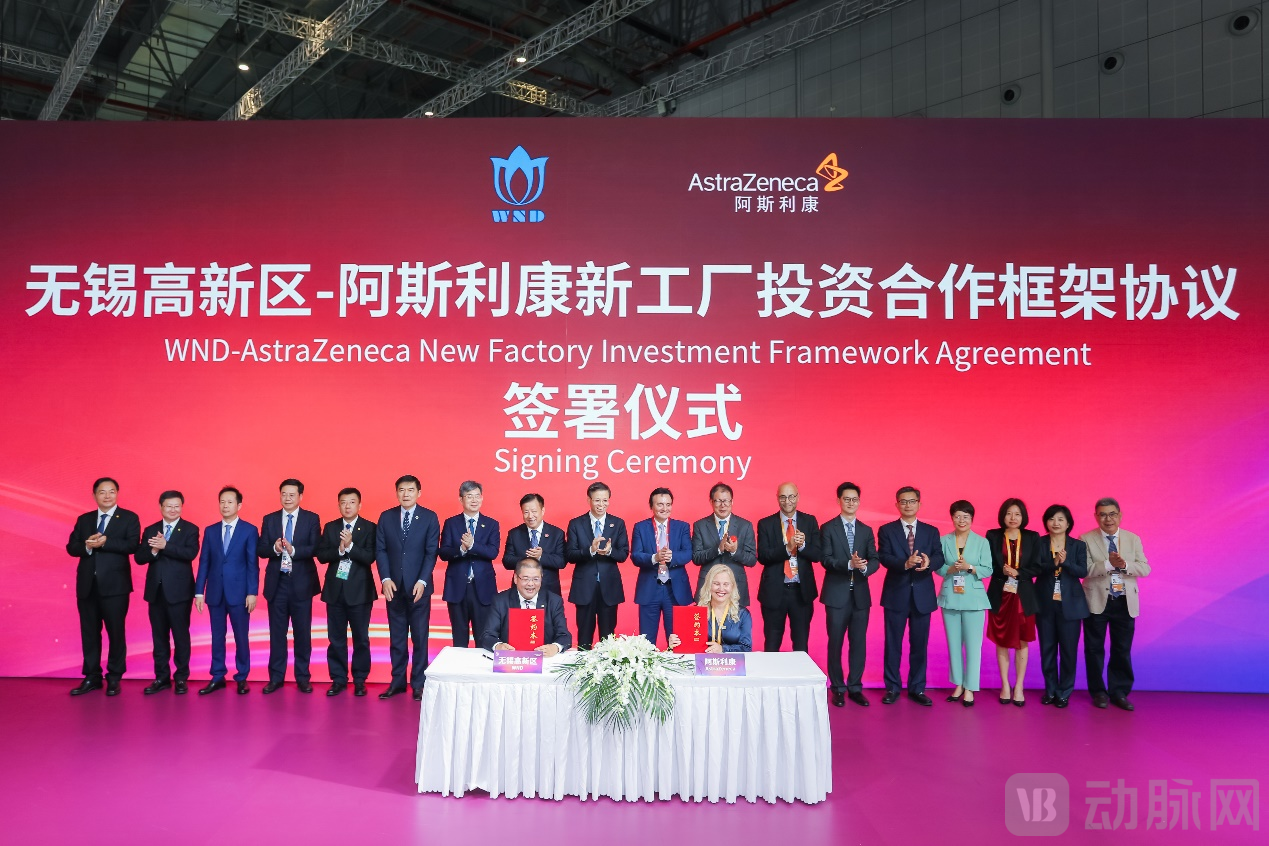
Signing Ceremony of the Framework Agreement on Investment Cooperation for the New AstraZeneca Plant in Wuxi High-Tech Zone Held at the AstraZeneca Booth
On the day of the opening ceremony, AstraZeneca announced a package of cooperation agreements with Jiangsu Province. These include plans to invest nearly USD 400 million in Wuxi to build a new small-molecule drug manufacturing facility. It is expected that small-molecule drugs launched in China in the future will undergo formulation-to-packaging processes at this new Wuxi plant, supplying both domestic and overseas markets. AstraZeneca also signed a framework agreement for investment cooperation on the Forxiga project with the Taizhou Medical High-Tech Zone. Building on the newly established Forxiga production line last year, the company will increase investment to construct a new Forxiga production line, continuing to establish Taizhou as AstraZeneca’s global manufacturing base for diabetes products. After commencing operations, the annual output value of the Taizhou production and supply base is projected to reach RMB 10 billion. In addition, AstraZeneca entered into strategic collaborations with Wuxi High-Tech Zone, Wuxi Big Data Group, LinkDoc Technology, and ZhiZhong Medical to advance smart city health big data initiatives in Wuxi.
At the signing ceremony, Wuxi International Life Science Innovation Park (iCampus) officially completed the introduction of four innovative biopharmaceutical companies: EyeSight AI, Anxu Yuan, Qiyuan Medical, and Yituo. Meanwhile, the Wuxi International Life Science Innovation Park (Shanghai) Innovation Center was officially unveiled, aiming to foster an innovation ecosystem in the Yangtze River Delta by establishing a dual-city sci-tech cooperation platform between Wuxi and Shanghai. In addition, the Wuxi iCampus Fund, jointly initiated by AstraZeneca, Wuxi Industry Development Group, and Wuxi National High-Tech Industrial Development Zone, will make an equity investment in Beijing DeepNexus. The fund will support DeepNexus in implementing a city-wide model for diabetes diagnosis and treatment in Wuxi, and AstraZeneca will further assist the company in expanding its products to overseas markets.
On the same day, AstraZeneca also signed multiple agreements with Shandong Province, including a contract for Phase II of the Qinghai Inhaled Aerosol Production and Supply Base project. In March this year, AstraZeneca’s $450 million inhaled aerosol production base project was officially established in the Qingdao High-Tech Zone. In August, AstraZeneca made an additional investment of $250 million to expand canning production capacity and add new inhaled aerosol packaging lines, bringing the total investment to $700 million. This will help position the Qingdao factory as a key component of AstraZeneca’s global pharmaceutical supply chain.
During this China International Import Expo (CIIE), AstraZeneca further deepened its cooperation with Shandong Province by signing a strategic cooperation framework agreement with the Shandong Provincial Healthcare Security Administration. Both parties will strengthen collaboration on healthcare security systems for rare diseases in areas such as drug market access, medical insurance, and commercial insurance, thereby supporting the open and innovative development of Shandong’s entire biomedical industry chain. On the same day, AstraZeneca signed a strategic cooperation framework agreement for rare diseases with the Jinan High-Tech Industrial Development Zone. In addition, the Qingdao International Life Science Innovation Park (iCampus) was officially established. It aims to build a themed industrial park specializing in rare diseases and respiratory specialties, dedicated to integrating resources from government, industry, academia, research, healthcare, and investment within the broader health ecosystem, thus helping the Qingdao High-Tech Zone become a hub for the health industry.
Furthermore, AstraZeneca has entered into multiple strategic cooperation agreements with Guangdong Province, including the signing ceremony for the introduction of AstraZeneca Guangzhou’s pharmaceutical products in the Guangzhou Development District and Huangpu District in 2023, as well as the launch ceremony for the accelerated access of AstraZeneca’s oncology drug Imjudo and rare disease drug Strensiq in the Greater Bay Area in 2023. Leveraging the pilot “Guangdong-Hong Kong Medicine and Medical Devices Pass” policy, the accelerated access to these two drugs will significantly enhance early availability of clinically urgent medications, enrich the therapeutic options available to medical institutions, and bring hope to patients in need. Meanwhile, capitalizing on the development of the Guangdong-Hong Kong-Macao Greater Bay Area, the AstraZeneca-Guangzhou Bio Island International Life Science Innovation Park launched the supporting “Guangzhou Bio Island Life Science Innovation Park Venture Capital Fund.” Through the synergy between the innovation base and the fund, the initiative aims to attract more high-quality domestic and international “specialized, refined, distinctive, and innovative” enterprises to establish their presence in Guangzhou.
On the second day of the China International Import Expo (CIIE), the international life science innovation parks (iCampus) in Shanghai, Chengdu, and Beijing welcomed new enterprise tenants. The Shanghai iCampus onboarded two new enterprises, New Bud Gene and Hong Kong Tianxia Renxin Clinical Research Center, and will be awarded the bronze plaque for the “Jing’an District Large Enterprise Open Innovation Accelerator,” thereby strengthening its platform-based empowerment of R&D and supporting the development of Shanghai’s biomedical ecosystem. The Chengdu iCampus signed a strategic cooperation agreement with Yiviva, a clinical-stage biotechnology company, to jointly promote the innovative integration of traditional Chinese medicine with modern frontier pharmaceuticals. Meanwhile, the Chengdu iCampus also introduced nine new tenant companies: Yuansheng Venture Capital, Huibaoyuan Biology, Lida Pioneer, Boji Medicine, MedMap Bio, Xirui Health, Zhongke Huayi, Guangzhou Evidence-Based Medicine, and Hongshan Biology, further deepening support for the pharmaceutical ecosystem in western China. In addition, the Beijing iCampus completed the onboarding of Yaoli Technology, with both parties set to engage in deeper collaboration in the field of digital management of chronic diseases.
As a key platform for China’s efforts to expand its opening-up, the China International Import Expo (CIIE) has become a new pivot for global companies to share in China’s opportunities. This year marks the 30th anniversary of AstraZeneca’s entry into the Chinese market. The company’s booth features a massive wall display showcasing 40 innovative medicines, highlighting its achievements in introducing treatments across multiple key therapeutic areas in China. Among these are several “CIIE babies”—innovations brought to market over the past five years through collaborations with domestic and international partners facilitated by the CIIE platform. Benefiting from the “spillover effect” of the CIIE, AstraZeneca has accelerated patient access to its innovative medicines. Since the inaugural CIIE, more than 10 new drugs and new indications from AstraZeneca have been approved in China.
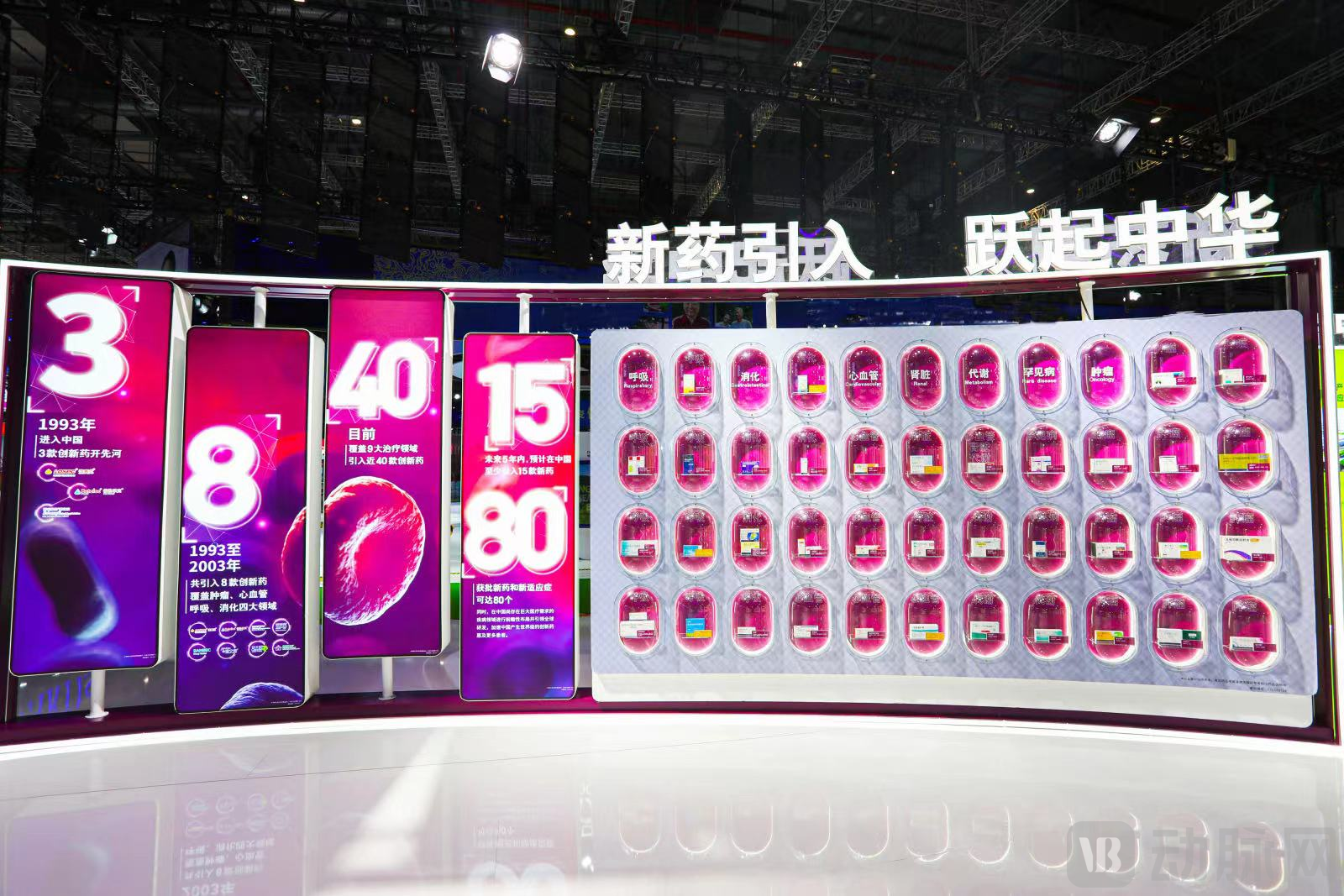
AstraZeneca Brings 40 Innovative Drugs to China in Three Decades
At the 6th China International Import Expo, AstraZeneca’s booth showcased two additional global innovative medicines that were approved for launch in China this year. These include Xigduo XR (dapagliflozin and metformin hydrochloride extended-release tablets) for the treatment of type 2 diabetes in adults, and Koselugo (selumetinib sulfate capsules), the first and, to date, only* drug approved in China for the treatment of pediatric patients aged 3 years and older with symptomatic, inoperable plexiform neurofibromas (PN) associated with neurofibromatosis type 1 (NF1).
Meanwhile, through six consecutive sessions of the China International Import Expo (CIIE), AstraZeneca has continuously deepened its collaboration with local innovative forces in China, building a vital bridge for Chinese R&D achievements to reach the global market. At this year’s CIIE, the AstraZeneca Global R&D China Center achieved another milestone, announcing plans to establish the “AstraZeneca Global R&D Hong Kong Sub-Center.” Leveraging AstraZeneca’s global innovation resources and the strategic gateway effect of the Guangdong-Hong Kong-Macao Greater Bay Area, the company will join hands with diverse scientific research partners to comprehensively integrate into the global R&D and innovation network. It is reported that since AstraZeneca announced the establishment of the Global R&D China Center at the second CIIE, its R&D pipeline in China now includes more than 180 projects, with 100% of key projects being developed in sync with global timelines.
Leveraging the China International Import Expo (CIIE) as a bridge, multinational corporations continue to introduce cutting-edge international technologies into China while also taking Chinese pharmaceutical innovations global. At this year’s CIIE, AstraZeneca Brazil signed a strategic cooperation memorandum with Peking University Weixin Biotechnology Co., Ltd., a subsidiary of Luye Pharma Group, and Brazil’s Herbarium Laboratory. The parties announced their joint efforts to promote the registration and commercialization of Xuezhikang Capsules in Brazil, further establishing strategic partnerships for Xuezhikang Capsules in markets outside China and collectively advancing the globalization of traditional Chinese medicine.
Meanwhile, AstraZeneca is actively expanding its “circle of friends” in medical science and technology innovation, connecting pharmaceutical R&D in China with the rest of the world through multiple dimensions. At this year’s China International Import Expo (CIIE), AstraZeneca and Ascentage Pharma held a signing ceremony for a registrational clinical study agreement. The two parties will conduct joint research aimed at improving response rates and enabling time-limited treatment for patients with chronic lymphocytic leukemia (CLL), while striving to export China’s innovative breakthroughs and cutting-edge technologies to the global market. On the same day, AstraZeneca also signed an agreement with CSPC Pharmaceutical Group on a collaborative project for confirmatory studies of targeted combination therapies in lung cancer. The two companies entered into a strategic cooperation framework agreement in the field of oncology treatment, with the goal of providing new options for patients.
In response to the Chinese government’s “Dual Carbon” goals, AstraZeneca leveraged the China International Import Expo (CIIE) to advance initiatives in green R&D, green production and supply chains, and green operations, charting a sustainable future for the healthcare industry.
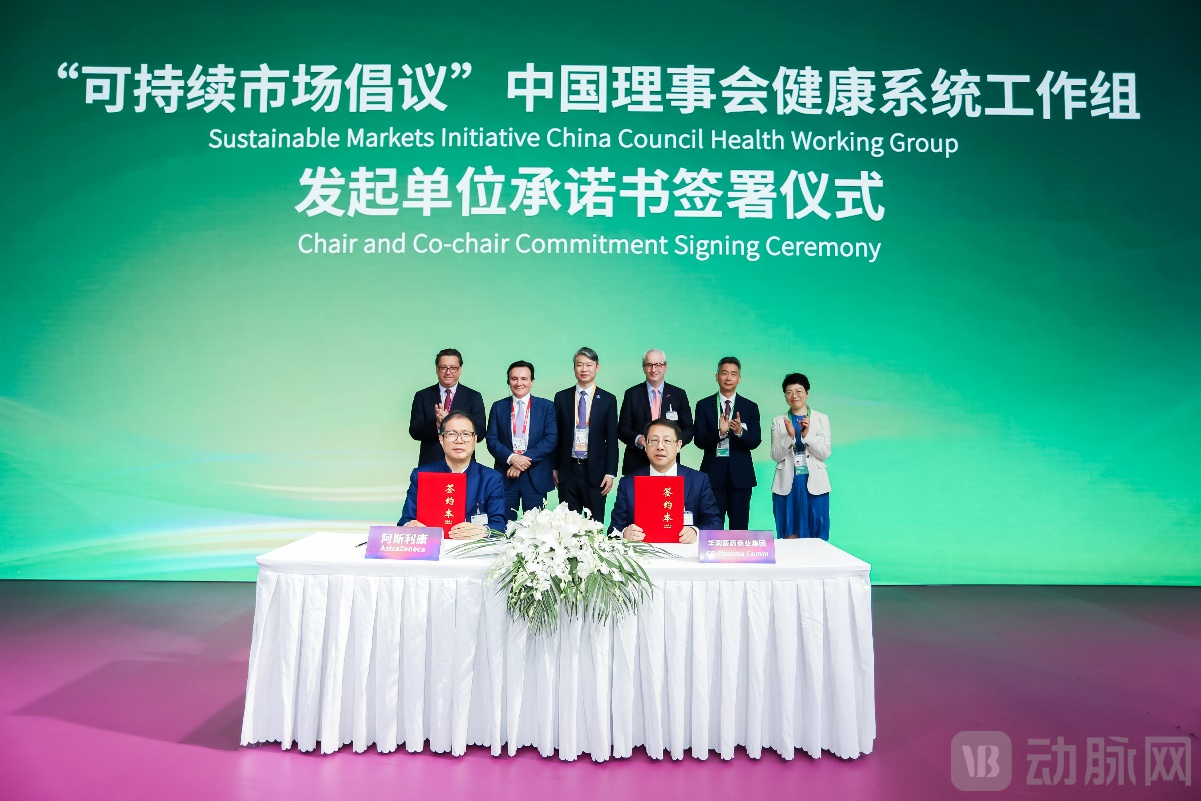
“Sustainable Markets Initiative” China Council Health Systems Working Group Announced at AstraZeneca’s Booth
At the AstraZeneca booth, the China Council of the Sustainable Markets Initiative announced the establishment of a Health Systems Task Force. This new collaborative body, comprising leading Chinese enterprises and the China affiliates of multinational corporations, is dedicated to accelerating the net-zero transition and sustainable development of China’s healthcare system. The founding members include distinguished companies from various sectors such as healthcare, energy, and supply chain, with China Resources Pharmaceutical Commercial Group Co., Ltd. and AstraZeneca serving as co-chairs.
During the China International Import Expo (CIIE), AstraZeneca will also sign a memorandum of understanding with the Shanghai Electrical Apparatus Research Institute, announcing the establishment of a customer-side energy management system and a carbon footprint management platform to continuously improve energy efficiency in industrial parks and buildings. Furthermore, with the launch of Phase II of its Qingdao production base at this year’s CIIE, AstraZeneca will further advance the sustainable development of its production and supply chain in China. The Qingdao factory will adhere to the concept of sustainability, being designed and built in accordance with LEED Gold standards (or local equivalent standards). It will source energy from solar power, heat pumps, and local green electricity, thereby promoting regional green and low-carbon development. AstraZeneca’s two production bases in Wuxi and Taizhou will also continue to advance the construction of smart factories and zero-carbon factories, creating global benchmarks.
Amid China’s growing demand for disease management and the gradual establishment of residents’ health management awareness, AstraZeneca welcomed more partners at this year’s China International Import Expo to strengthen integrated diagnosis and treatment coverage across multiple therapeutic areas—including respiratory, cardiovascular, renal and metabolic diseases, and rare diseases—thereby driving the iterative upgrade of whole-disease-course management models.
In the field of chronic diseases, AstraZeneca, in collaboration with the Expert Committee of the Severe Asthma Specialty Clinic Center Project under the Asthma Group of the Chinese Medical Association, jointly launched the Severe Asthma Specialty Clinic Center Project. This initiative aims to implement and promote standards for severe asthma management, establish a comprehensive disease-specific management system and processes both within and outside hospitals, and facilitate standardized and precise management of severe asthma, ultimately benefiting more patients with this condition. Furthermore, AstraZeneca advanced the signing of the framework agreement for the Pediatric Innovation Center Project in Changchun High-Tech Industrial Development Zone and initiated the Demonstration Store Project for the Ecosystem Management of Patients with “Three Highs” (hypertension, hyperglycemia, and hyperlipidemia) and Respiratory Diseases. These efforts support the construction of an out-of-hospital service system for managing “Three Highs” and chronic respiratory diseases, dedicated to providing patients with personalized whole-course management solutions, thereby achieving multiple cross-disciplinary collaborations in treatment.
Meanwhile, AstraZeneca has signed a project agreement with the Beijing Kangmeng Charity Foundation to pool charitable resources and provide multi-level diagnostic and treatment support for patients with rare diseases. In addition, AstraZeneca China and JD Health have formalized their strategic partnership and signed an agreement for an online AI-driven patient diagnosis project, jointly establishing integrated online-offline diagnostic and treatment centers. This includes shaping an online Metabolic Management Center (MMC) for the management of hypertension, hyperglycemia, and hyperlipidemia, and creating technology-embedded respiratory centers in the respiratory field. Furthermore, AstraZeneca announced a strategic collaboration with JD Health in the respiratory and immunology product sectors, leveraging their respective strengths to further improve the accessibility of related products and benefit more patients.
“Patient-centric, technology-driven,” AstraZeneca, through the China International Import Expo (CIIE), has joined forces with partners to explore the future possibilities of digital healthcare, promoting the improvement of integrated diagnosis and treatment as well as whole-disease management solutions, thereby bringing new ideas to chronic disease management, primary healthcare, and multi-scenario medical services. To enhance regional healthcare service capabilities, AstraZeneca has partnered with Tencent and Accenture to launch a one-stop customer engagement platform project. Leveraging Tencent’s SaaS platform and AI big data technologies, this initiative will comprehensively empower healthcare enterprises and professionals to facilitate efficient communication and collaborative interaction, ultimately advancing academic and clinical competencies.
Innovation and sustainable development in the healthcare industry rely on the contributions of innovative talent. As a leader in industry innovation, AstraZeneca has been committed to building a top-tier talent cultivation system to comprehensively enhance the quality of local talent. Marking a milestone in its partnership with leading universities, AstraZeneca signed a university-enterprise cooperation agreement with East China University of Science and Technology at this year’s China International Import Expo (CIIE). This collaboration aims to establish channels for talent delivery, cultivate high-caliber professionals for the industry, and achieve sustainable talent development.
As its partner ecosystem continues to expand, Wang Lei, Executive Vice President of AstraZeneca and President of International Business and China, expressed high expectations for this year’s China International Import Expo (CIIE). He stated, “This year marks the 30th anniversary of AstraZeneca’s deep-rooted presence in China. Over these three decades, underpinned by our confidence in the Chinese economy and our commitment to supporting the high-quality development of pharmaceutical innovation in China, the country has become AstraZeneca’s second-largest global market and a key growth engine. We are honored to witness through the CIIE how China’s door of opening-up continues to widen. We also hope to leverage the growing spillover effects of the CIIE to share in the vibrant opportunities arising from China’s new ‘dual circulation’ development paradigm. Looking ahead, we will continue to drive the consolidation of global production capacity into China through investment, accelerate the localization of more innovative achievements, unite China’s innovation forces, and support the global expansion of Chinese innovations.”
About AstraZeneca
AstraZeneca (LSE/STO/Nasdaq: AZN) is a science-led global biopharmaceutical company focused on the research, development, manufacturing, and marketing of prescription medicines, with key therapeutic areas including oncology, rare diseases, and biopharmaceuticals such as cardiovascular, renal and metabolism, respiratory, and immunology. Headquartered in Cambridge, UK, AstraZeneca operates in more than 100 countries, and its innovative medicines benefit millions of patients worldwide. For more information, please visitwww.astrazeneca.com。
About AstraZeneca China
Since entering China in 1993, AstraZeneca has focused on therapeutic areas with the most urgent needs of Chinese patients, including oncology, cardiovascular, renal, metabolic, respiratory, gastrointestinal, rare diseases, vaccines and antibodies, and autoimmunity, bringing nearly 40 innovative medicines to the Chinese market. AstraZeneca’s China headquarters and its Global R&D China Center are located in Shanghai, while global production and supply bases have been established in Wuxi, Taizhou, and Qingdao, delivering high-quality medicines to nearly 80 markets worldwide. In recent years, the company has set up regional headquarters in Beijing, Guangzhou, Hangzhou, Chengdu, and Qingdao. Furthermore, AstraZeneca collaborates with partners to build a diversified international innovation health ecosystem through its “three pillars” of innovation—the China Center of Innovation for Healthcare (CCiC), the International Life Science Innovation Park (iCampus), and the AstraZeneca-CICC Healthcare Industry Fund—jointly promoting robust development in regional economies and the broader healthcare industry. Today, China has become AstraZeneca’s second-largest market globally.
*: As of the date of publication.
Disclaimer: This material is intended solely for use at the 2023 China International Import Expo (CIIE) and shall not be used for any promotional purposes. Some products and indications mentioned herein have not yet been approved; AstraZeneca does not recommend the use of any unapproved medicines.