

Alibaba Health Launches 'Initiative for Building a Digital Pharmaceutical Information Ecosystem' at CIIE, Calling for Green Transformation Across the Medical Supply Chain
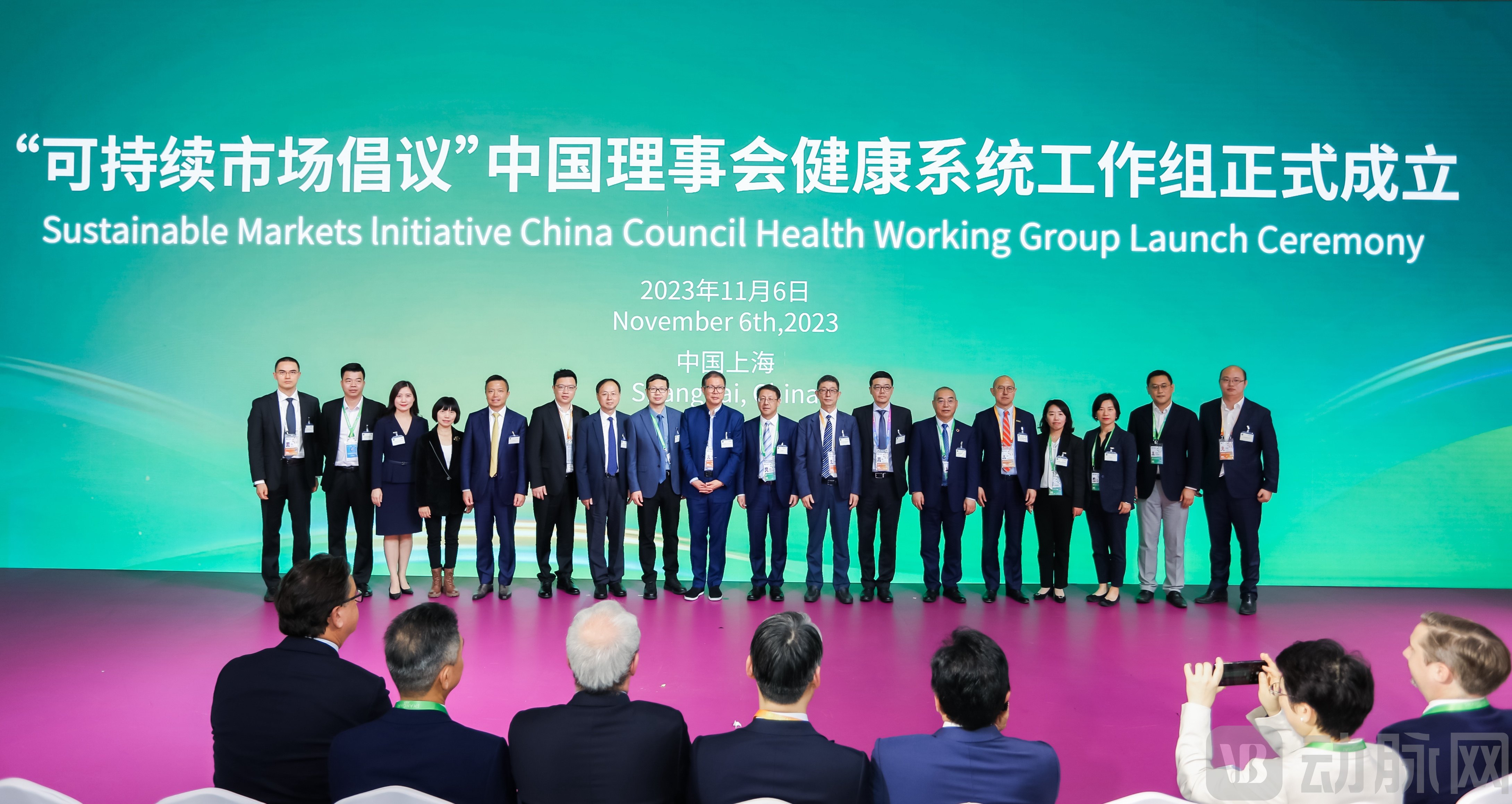
On November 6, at the 6th China International Import Expo, the Health Systems Working Group of the Sustainable Markets Initiative (SMI) China Council was officially established. The inaugural cohort of member organizations comprises 16 leading domestic and international enterprises in the pharmaceutical, healthcare, energy, and supply chain sectors, with China Resources Pharmaceutical Commercial Group Co., Ltd. and AstraZeneca Investment (China) Co., Ltd. serving as co-chairs. Zhu Shunyan, Chairman and CEO of Ali Health; Pascal Soriot, Global CEO and Executive Director of AstraZeneca; and Han Yuewei, Deputy General Manager of China Resources Group, attended the founding ceremony as representatives of the member organizations.
At the event, Alibaba Health joined forces with several leading pharmaceutical companies to jointly launch the “Initiative for Building a Digital Drug Information Ecosystem,” aimed at helping patients access drug information more efficiently and safely, and accelerating the healthcare and pharmaceutical industry’s progress toward net-zero emissions.
The climate crisis has a profound impact on human health, contributing to the rise of chronic and infectious diseases while disrupting the normal provision of primary healthcare services. Approximately 5% of global greenhouse gas emissions originate from the healthcare sector. As a major market for the research, development, and manufacturing of pharmaceuticals and medical products, China is also a leading hub for digital health innovation. Consequently, China holds significant potential to decarbonize the healthcare value chain and accelerate the development of sustainable healthcare services.
Following its establishment, the Health Systems Working Group of the China Council of the Sustainable Markets Initiative (SMI) will focus on three key areas: first, supply chain decarbonization, by comprehensively promoting and applying low-carbon solutions across the pharmaceutical and healthcare industries to accelerate the green transformation of supply chains; second, healthcare service decarbonization, by reducing the carbon footprint associated with patient diagnosis and treatment while simultaneously enhancing the quality of healthcare services; and third, international trade decarbonization, by adopting sustainable and low-carbon practices in the international trade of pharmaceutical products and medical devices.
The “Initiative on Building a Digital Pharmaceutical Information Ecosystem,” launched by Alibaba Health, will leverage the company’s years of accumulated expertise in medical digitalization to drive the green upgrading of the pharmaceutical and healthcare supply and industrial chains, under the leadership of the Health Systems Working Group of the Sustainable Market Initiative China Council.
“We aim to leverage digital tools and technologies to provide patients with more convenient and safer medication information and usage experiences, while continuously improving the quality of medical services and reducing related resource consumption. To this end, we have established a ‘Three-Year Goal’: by 2026, over 50% of drug information from pharmaceutical companies that are member units of the Health System Working Group will be digitized, jointly promoting the zero-carbon transition of the healthcare system.” Ma Li, Senior Vice President of Alibaba Health, issued an on-site appeal, calling on more partner enterprises committed to advancing the development of China’s digital drug information ecosystem to join this initiative.
It is reported that this October, Alibaba Health, in collaboration with Alibaba Philanthropy, leveraged its digital technology advantages to add new features to the packaging of over 31,000 drugs approved by the National Medical Products Administration (NMPA). By opening Taobao or Alipay and scanning the “Ma Shang Fang Xin” traceability code on the drug package, users can click on “Drug Instructions” to access large-print information. Key details such as dosage and administration, indications, adverse reactions, and contraindications are clearly presented. Additionally, users can experience a voice broadcast function, making drug instructions both visible and audible. This effectively addresses medication safety issues arising from elderly patients’ difficulties in reading or understanding printed instructions. Moving forward, Alibaba Health plans to partner with numerous domestic and international pharmaceutical companies to explore new approaches to digital drug information services.