

2023 Future Healthcare Technology Conference Successfully Concludes in Hefei, Showcasing Cutting-Edge Medical Innovations
Medical Innovation Is Entering Uncharted Territory.
In recent years, continuous breakthroughs in hard-tech fields such as artificial intelligence, surgical robots, nucleic acid drugs, gene editing, cell therapy, synthetic biology, and smart wearables have attracted waves of innovators to enter the arena, gradually unveiling a new ecosystem for the future of healthcare.
Against this backdrop, the “2023 Future Medical Technology Conference” officially opened in Hefei on November 30–December 1, 2023. The event was hosted by the Hefei Municipal People’s Government, the Office of the Leading Group for the Construction of “USTC Silicon Valley,” the Anhui Provincial Life and Health Industry Promotion Task Force, the University of Science and Technology of China, and the Organizing Committee of the Future Medical Technology Conference; co-hosted by VCBeat, VB100, and Eggshell Research Institute; organized by the Hefei Municipal Development and Reform Commission, the Hefei Municipal Bureau of Economy and Information Technology, the Hefei Municipal Health Commission, USTC Silicon Valley Service Platform Co., Ltd., the Global Alumni Affairs Department of USTC Silicon Valley, and ITMNS; and co-organized by the Chinese Academy of Sciences Advanced Medical Devices Industry Incubation Alliance. Spanning two days, the conference attracted more than 100 global biomedical and pharmaceutical companies.
Notably, the supporting organizations for this conference include Legend Capital, BV Baidu Ventures, 5Y Capital, Sherpa Capital, GSR Ventures, Proxima Venture Partners, Buchang Pharmaceuticals, Weiyun Group, MathWorks, Ruisen Medical, MGI Tech, iFlytek Healthcare, Unisound, Yi Xiao Miao, Jinxi Medical, Tuolan Jingchuang, Shudan Technology, Topview Medical, Zhonghui Medical Imaging, Tonghe Litai, Pingge Intelligent Manufacturing, Feilan Ai'er, and Tushu Gene, among other innovative enterprises and renowned institutions.
From a holistic perspective, the conference was characterized by its high caliber, convergence of industry luminaries, cutting-edge topics, and diverse formats. It meticulously outlined the panoramic view of the future healthcare ecosystem, delivering a rich feast of industrial thought exchange for the sector and attracting numerous professionals to attend.
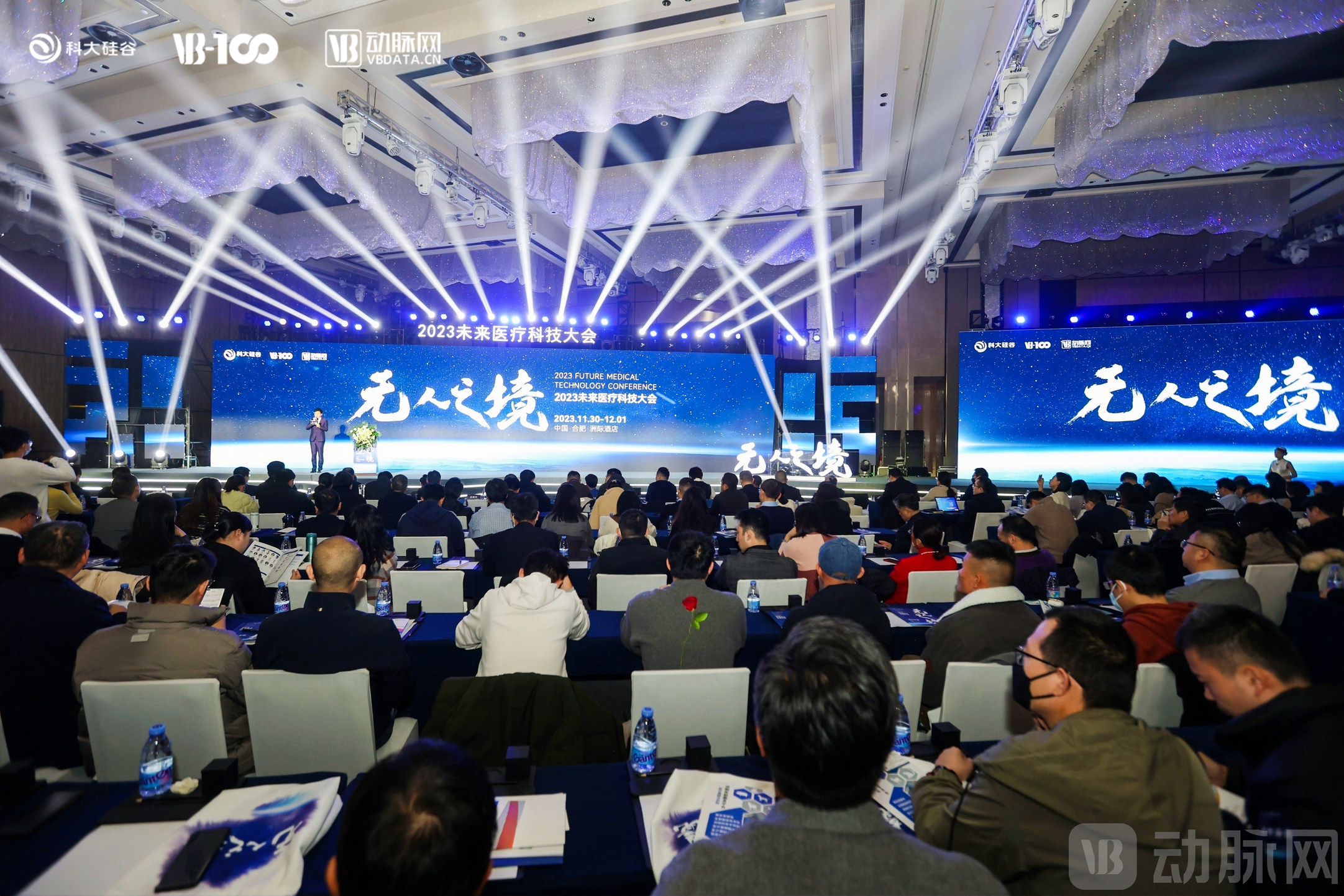
Conference Overview
Nearly 100 distinguished guests from government, industry, academia, research, healthcare, and investment sectors convened at the conference to share insights and discuss hot topics such as innovation trends in the medical industry, aiming to identify the future direction of healthcare.
In his welcome address, Cui Lijun, Deputy Director of the Anhui Provincial Health Commission, noted that Anhui boasts strong innovation momentum, having remained in the nation’s top tier for 11 consecutive years. The province’s innovation environment has improved significantly, and it has developed prominent advantages in certain areas of medical research. Precision medicine and regenerative medicine technologies are advancing rapidly, with some fields achieving industry-leading or even internationally advanced standards. Furthermore, Anhui has introduced a series of practical, well-funded measures covering R&D innovation, platform development, and major projects, establishing an industrial policy support system that spans various stages, including start-up, growth, and expansion. In closing, he warmly welcomed more biopharmaceutical companies and projects with interest in Anhui to invest and operate in the province.
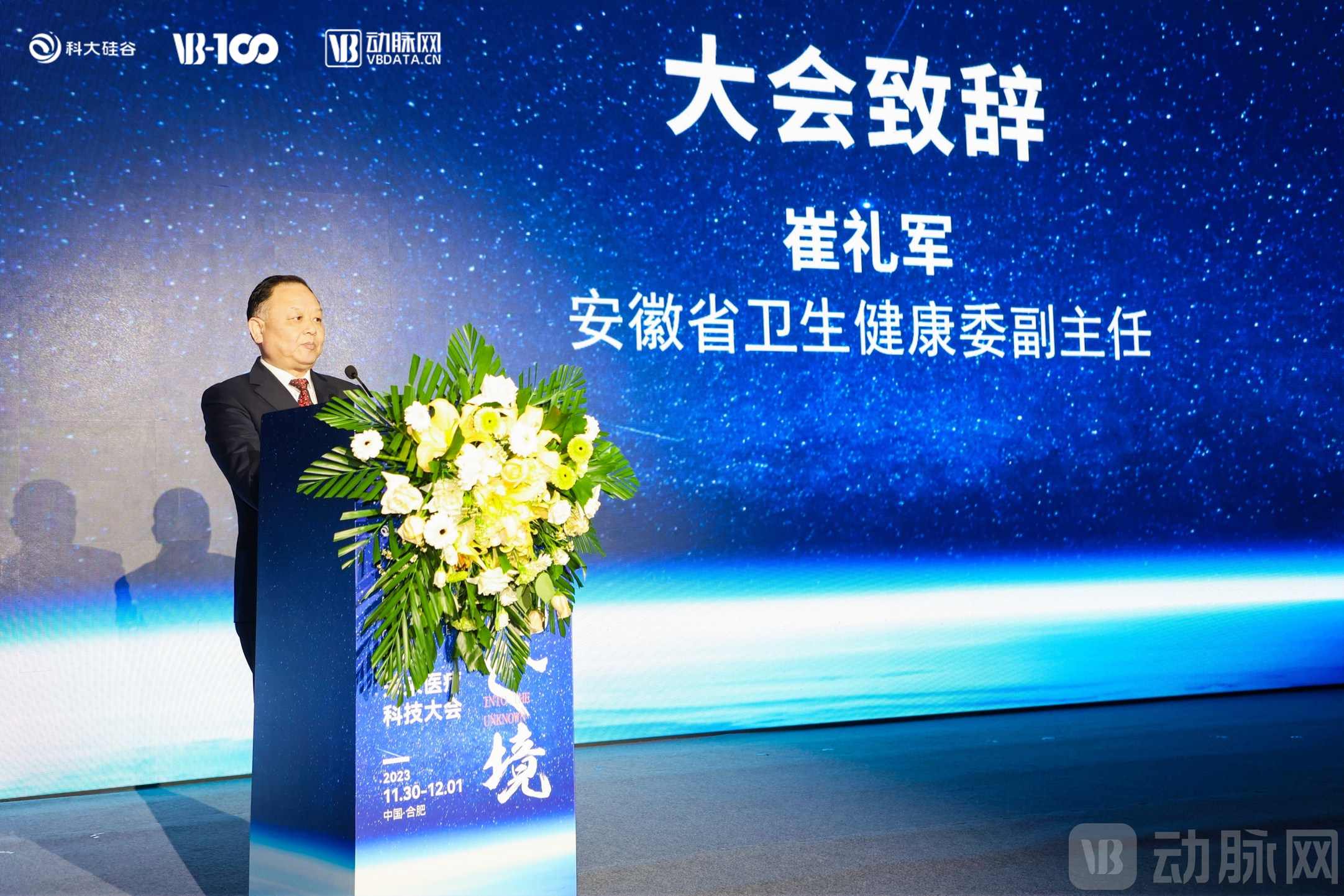
Address by Cui Lijun, Deputy Director of the Anhui Provincial Health Commission
Wang Huayu, Deputy Secretary-General of the Hefei Municipal People’s Government, stated in his address that Hefei’s economic performance had continued to improve during the first three quarters of the year. As a key component of Hefei’s “Core Chips, Display Screens, Equipment Integration, and Urgent Needs for Lifelong Intelligence” industrial strategy, the biomedical industry has established a complete supply chain encompassing chemical pharmaceuticals, biologics, traditional Chinese medicine (TCM), precision medicine, and medical devices. Innovative platforms such as the Institute for Big Health, the National Central China Center for Health and Medical Big Data, and the National Regional Medical Center are being accelerated. Looking ahead, Hefei will strengthen policy support, optimize industrial layout, and drive both quantitative growth and qualitative improvement in the biomedical sector. The city is committed to providing comprehensive services and support to enable enterprises and talent to innovate, invest, and thrive in Hefei.
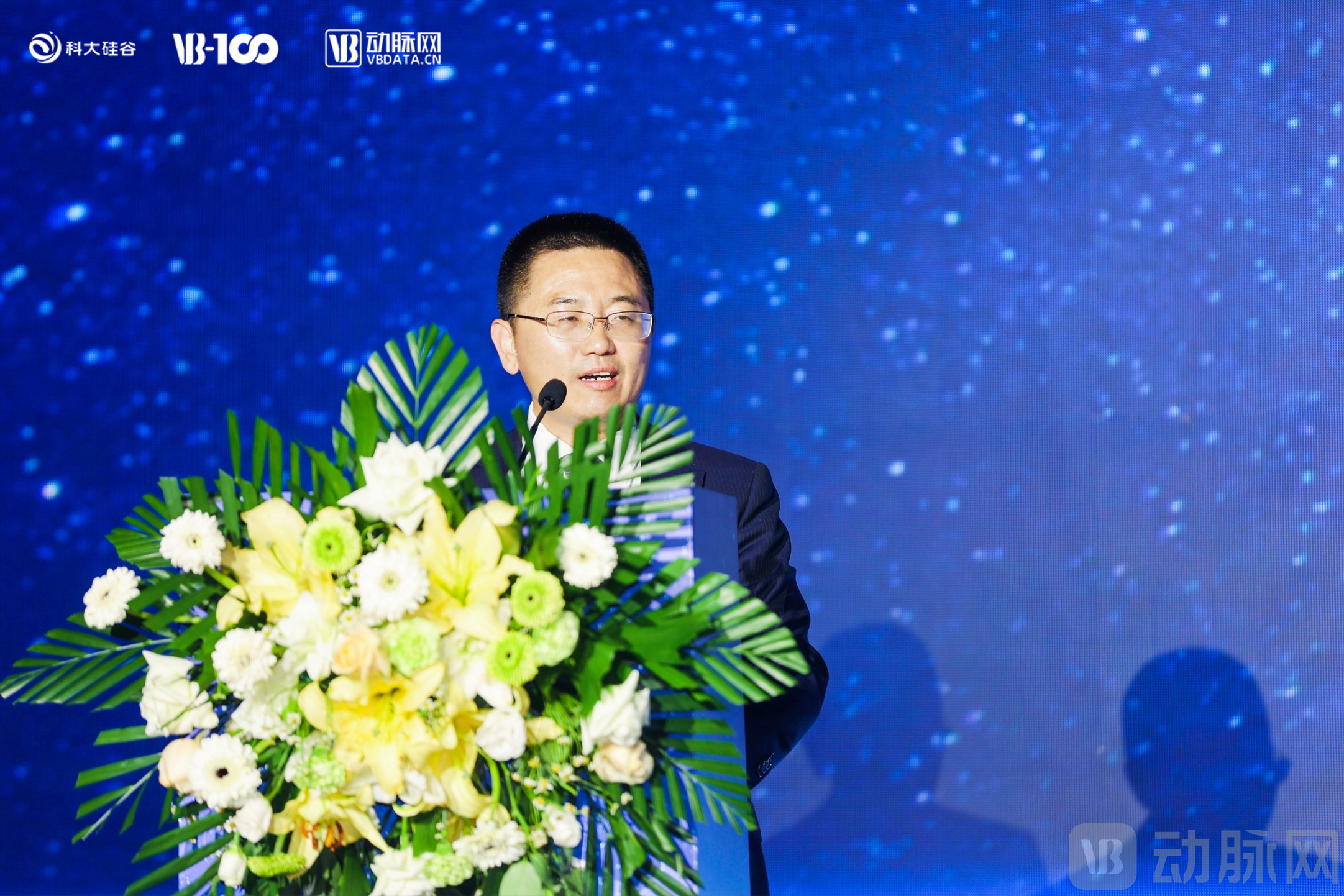
Address by Wang Huayu, Deputy Secretary-General of the Hefei Municipal People's Government
Li Datao, founder of VCBeat, delivered a presentation titled “Technological Evolution and the ‘Uncharted Territory’ of Life Sciences.” He noted that although primary market investments declined by 23% year-over-year, this trend is not necessarily negative upon closer examination. As follow-on innovation gradually recedes, projects featuring frontier, pioneering innovations with strong commercial viability are gaining visibility, while market noise and clutter are diminishing. In this process, new solutions and technological platforms are emerging around novel technologies, new directions, and outstanding scientists, giving rise to next-generation enterprises and industrial clusters. The opportunities ahead are vast and promising.
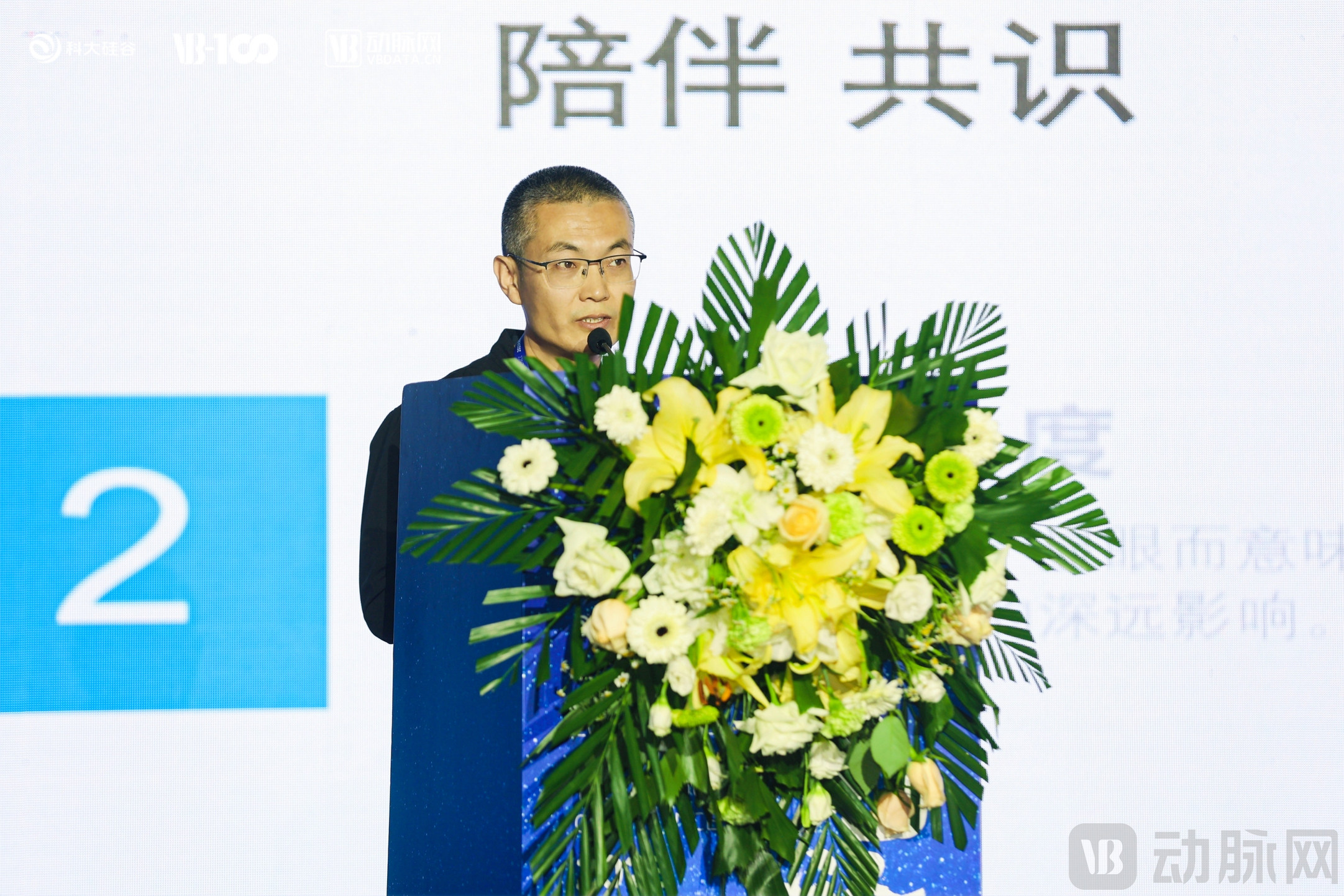
Shared by Li Datao, Founder of VCBeat
Academician of the Chinese Academy of Sciences, Honorary Dean of the School of Life Sciences and Biotechnology at Shanghai Jiao Tong University, and Director of the State Key Laboratory of Microbial Metabolism, Deng Zixin, delivered a presentation titled “Leveraging Synthetic Biology to Drive Disruptive Innovation in Health Technology and Industry.” He narrated through engaging stories, elucidating the discovery of fundamental theories in synthetic biology from four dimensions, with the aim of providing support for current medical diagnosis and treatment.
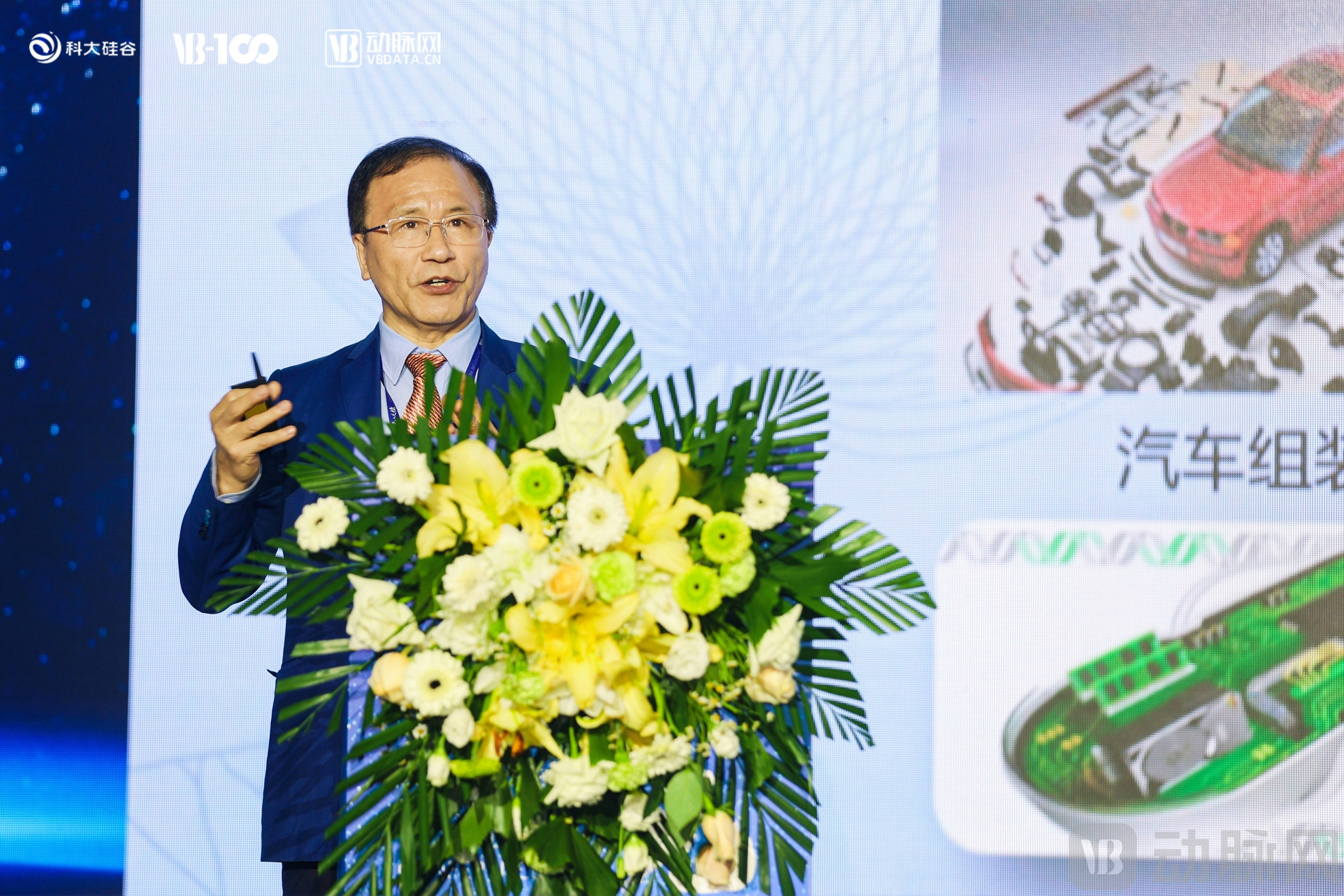
Shared by Deng Zixin, Academician of the Chinese Academy of Sciences, Honorary Dean of the School of Life Sciences and Biotechnology at Shanghai Jiao Tong University, and Director of the State Key Laboratory of Microbial Metabolism
In his keynote address titled “Opportunities and Challenges in Medical Robotics,” Guang-Zhong Yang, Fellow of the UK Royal Academy of Engineering, Founder of the Medical Robotics Institute at Shanghai Jiao Tong University, and Founding Editor-in-Chief of Science Robotics, stated that surgical robots have already found broad clinical applications, bringing transformative changes to medical diagnosis and treatment, albeit with certain limitations. Looking ahead, the market prospects for rehabilitation robotics are promising, and implantable robots are also emerging.
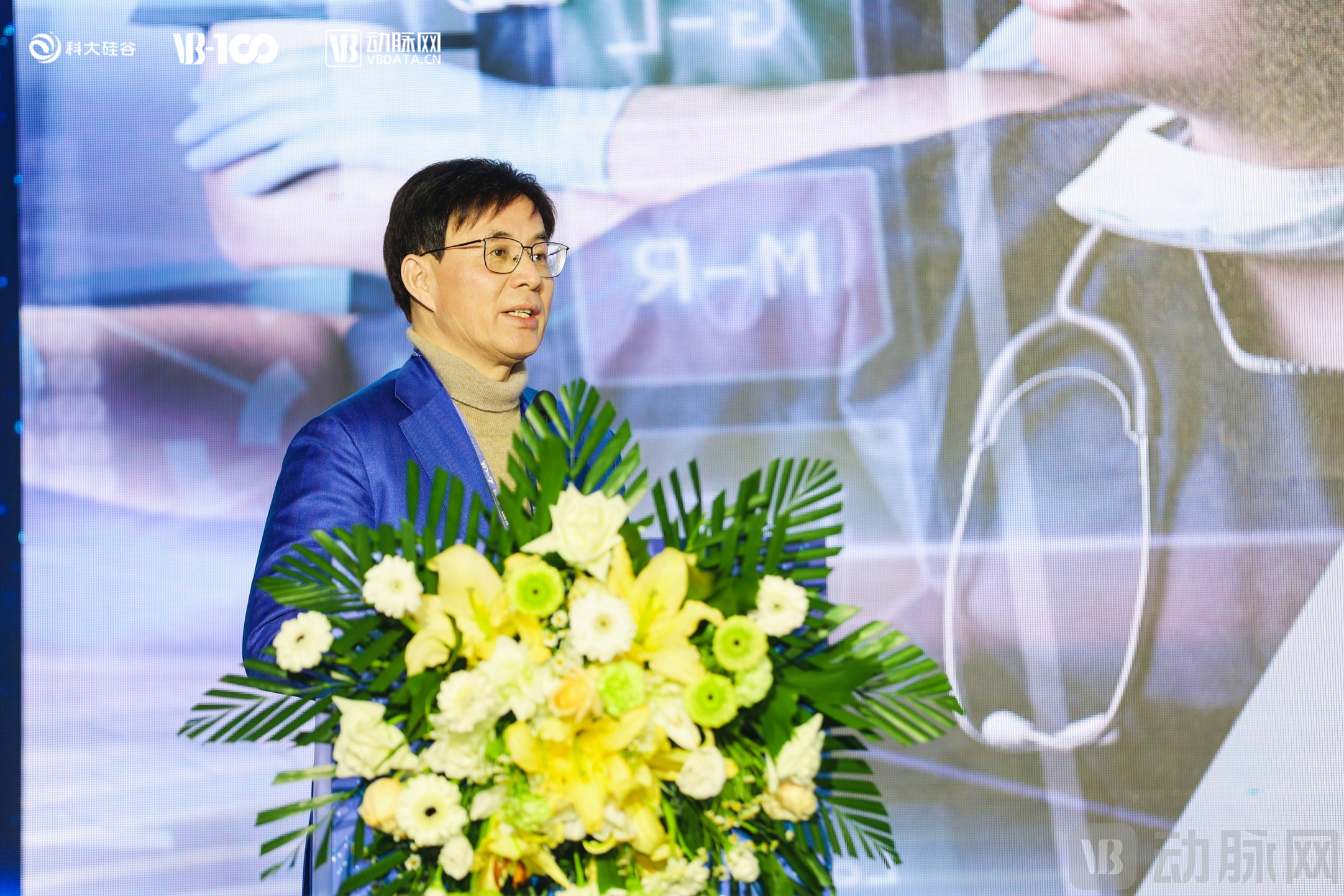
Yang Guangzhong, Fellow of the Royal Academy of Engineering (UK), Founder of the Medical Robotics Institute at Shanghai Jiao Tong University, and Founding Editor-in-Chief of Science Robotics, shares his insights
Subsequently, Guo Mei, Chief Engineer of the Hefei Municipal Bureau of Economy and Information Technology, introduced to the attendees the investment opportunities in Hefei for the future development of the medical industry, as well as the measures taken by Hefei City to promote the biomedical industry. First, high-level promotion, meaning that city leaders personally take charge of coordinating and advancing industrial development; second, policy support, with relevant provisions issued in four major areas: supporting R&D innovation, facilitating local commercialization, fostering and expanding market entities, and cultivating industrial clusters; furthermore, continuous efforts are being made in fund support, public platform construction, and optimization of the industrial ecosystem.
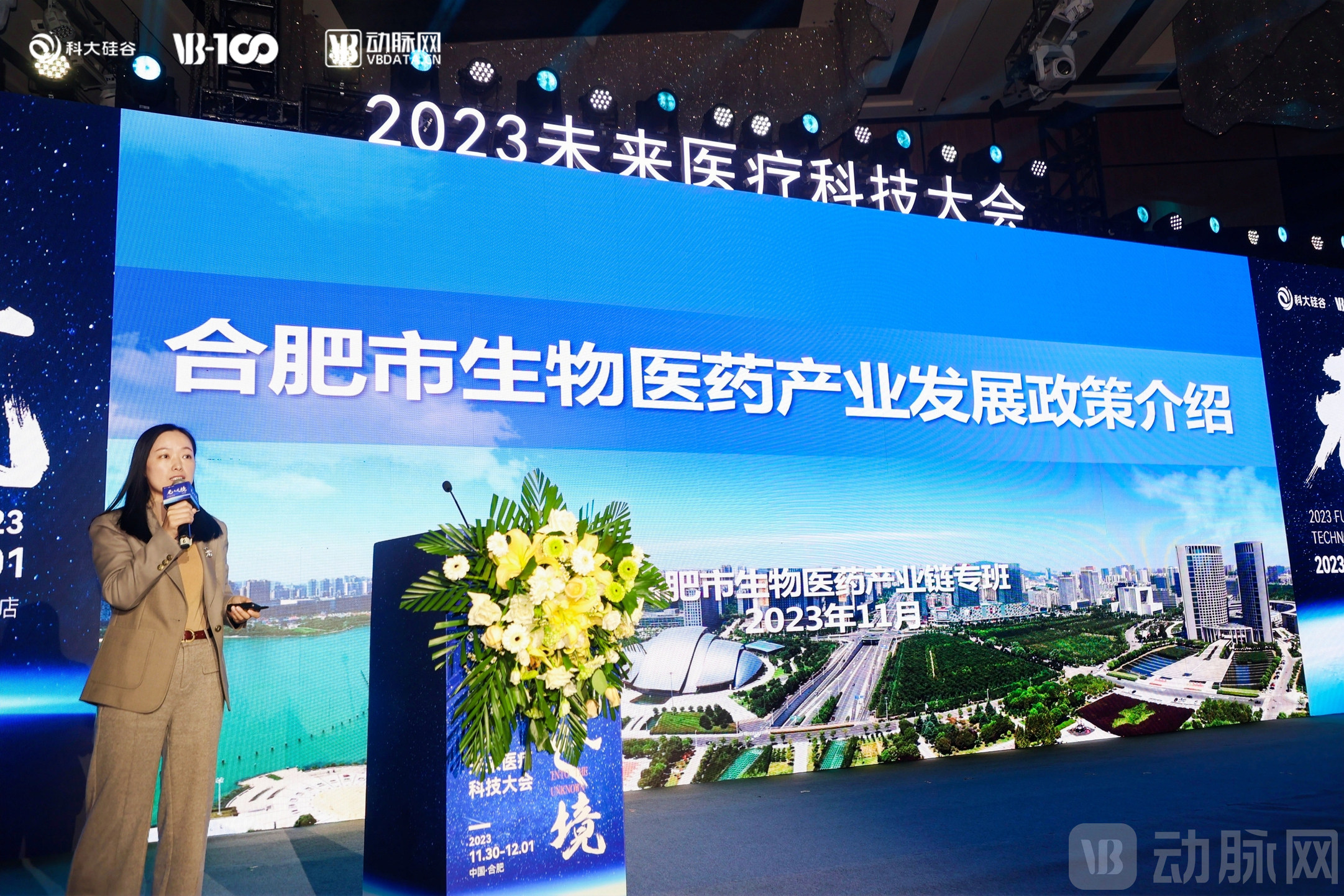
Address by Guo Mei, Chief Engineer of the Hefei Municipal Bureau of Economy and Information Technology
Subsequently, the VB-Focus Award for Influential Figures was announced. This list is dedicated to identifying and uncovering the influential individuals who truly drive frontier advancements in medical technology. By focusing on innovators in an era of transformation, it reflects the breakthrough forces of medical technological innovation each year. Ultimately, 20 CEOs and 10 CTOs were selected as the Annual Technologically Influential Leaders.
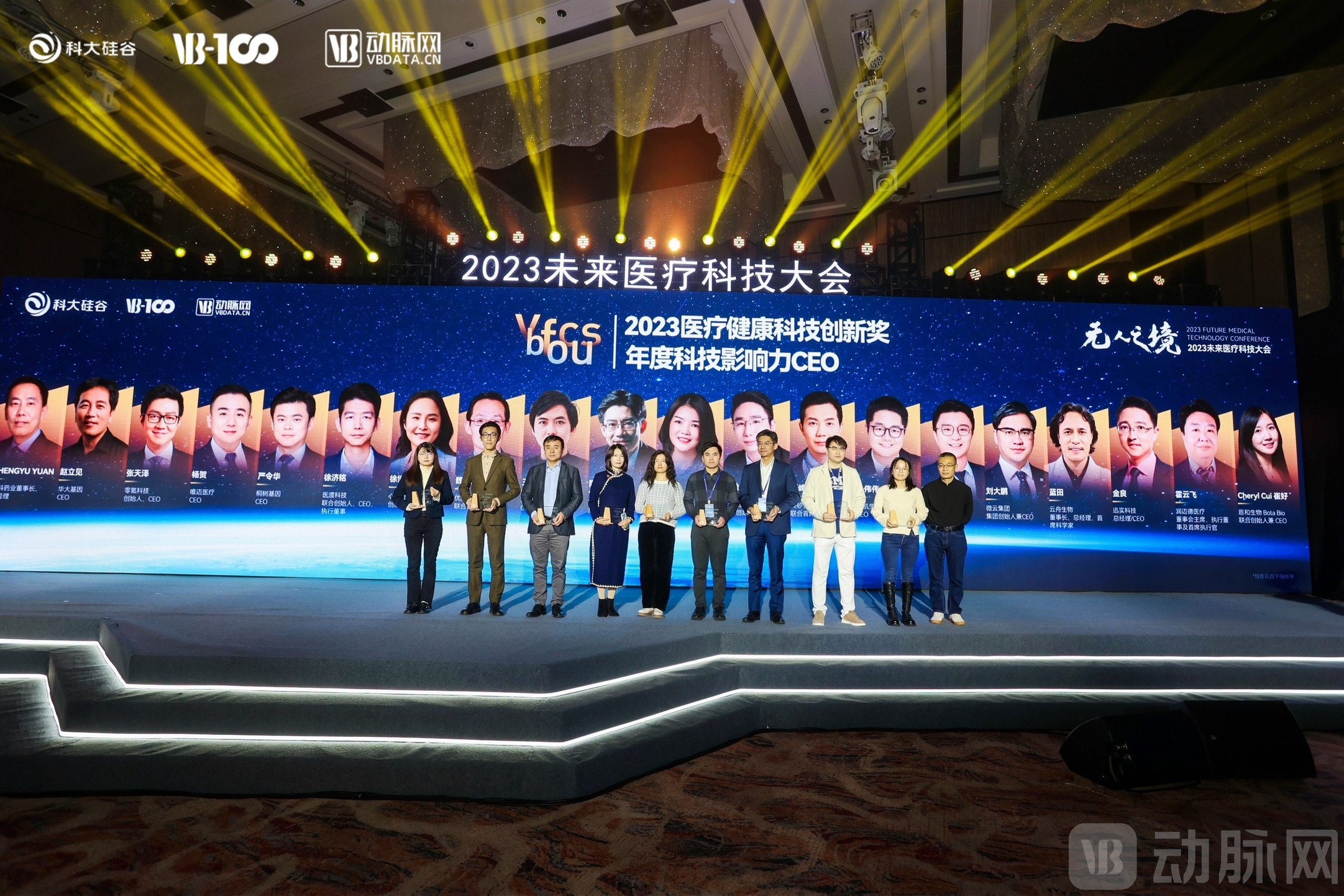
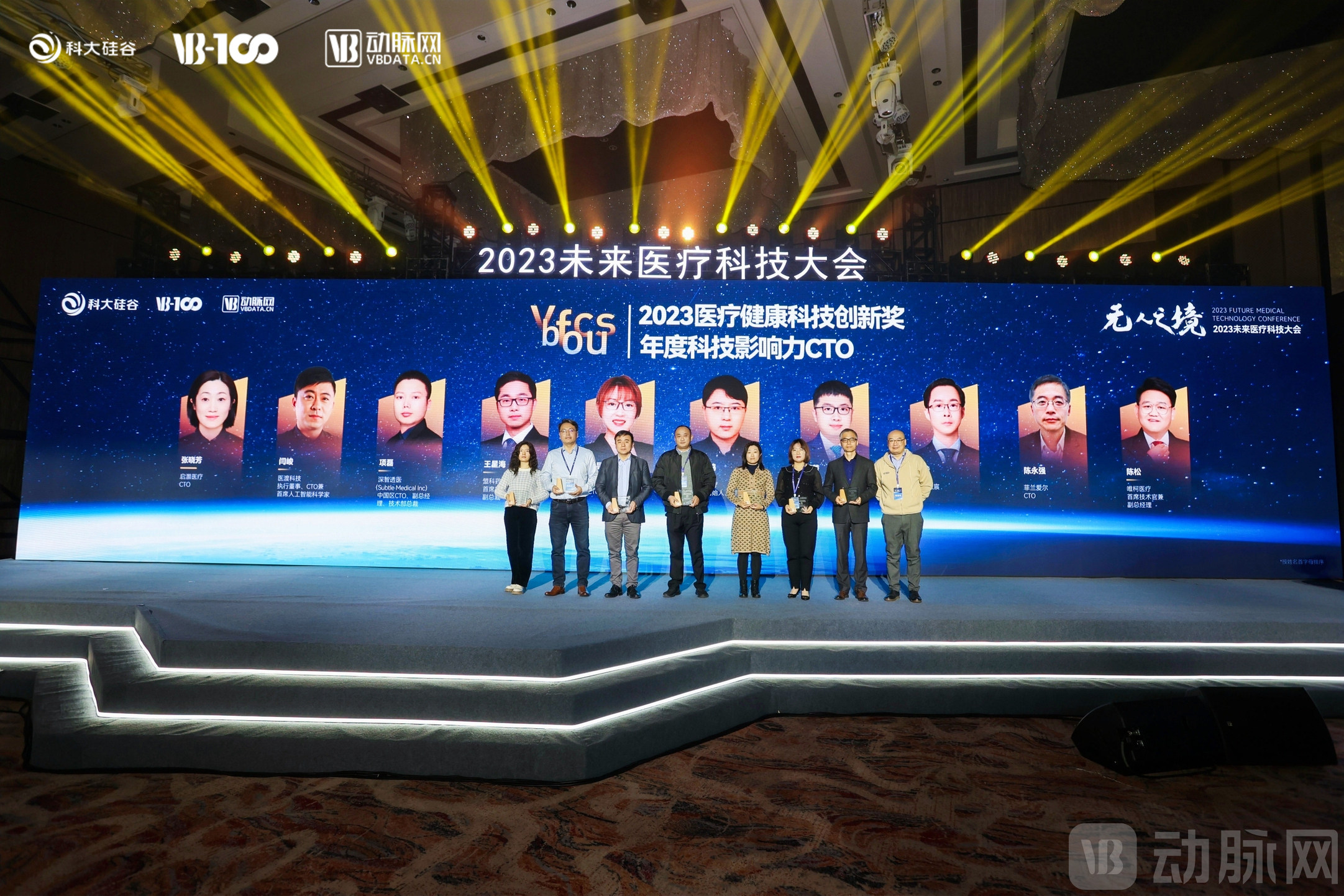
VB-Focus Award Influential Figure
Subsequently, the “The Explorers” Future Medical Technology Pioneers unveiled their new products. Representatives from five companies—Lianke Biotech, Ruisen Medical,烯旺 New Materials (XiWang New Materials), Shudan Technology, and Pingge Intelligent Manufacturing—launched their innovative products or technologies, showcasing pioneering spirit and exploratory power, at the conference venue.
Moderated by Cai Jingyu, Partner at PwC Consulting, a roundtable discussion was held on the theme of “Building a New Healthcare Industry Ecosystem through Diversified Innovation.” The participants included Xu Shuqiang, Former Director of the Department of System Reform under the National Health Commission, Chair Professor at Shanghai Jiao Tong University, and Dean of the China Hospital Development Institute; Bai Liuchen, Vice President and CIO of Eli Lilly China; Yuan Zezhi, Vice President of Merck China Pharmaceuticals & Health and Head of the Oncology Business Unit; Tao Xiaodong, President of iFlytek Medical; Li Li, President of Aier Eye Hospital Group; Mu Zhipeng, General Manager of the Chemical Pharmaceutical Division of Buchang Pharmaceuticals; and Qi Fei, Executive Director at Legend Capital.
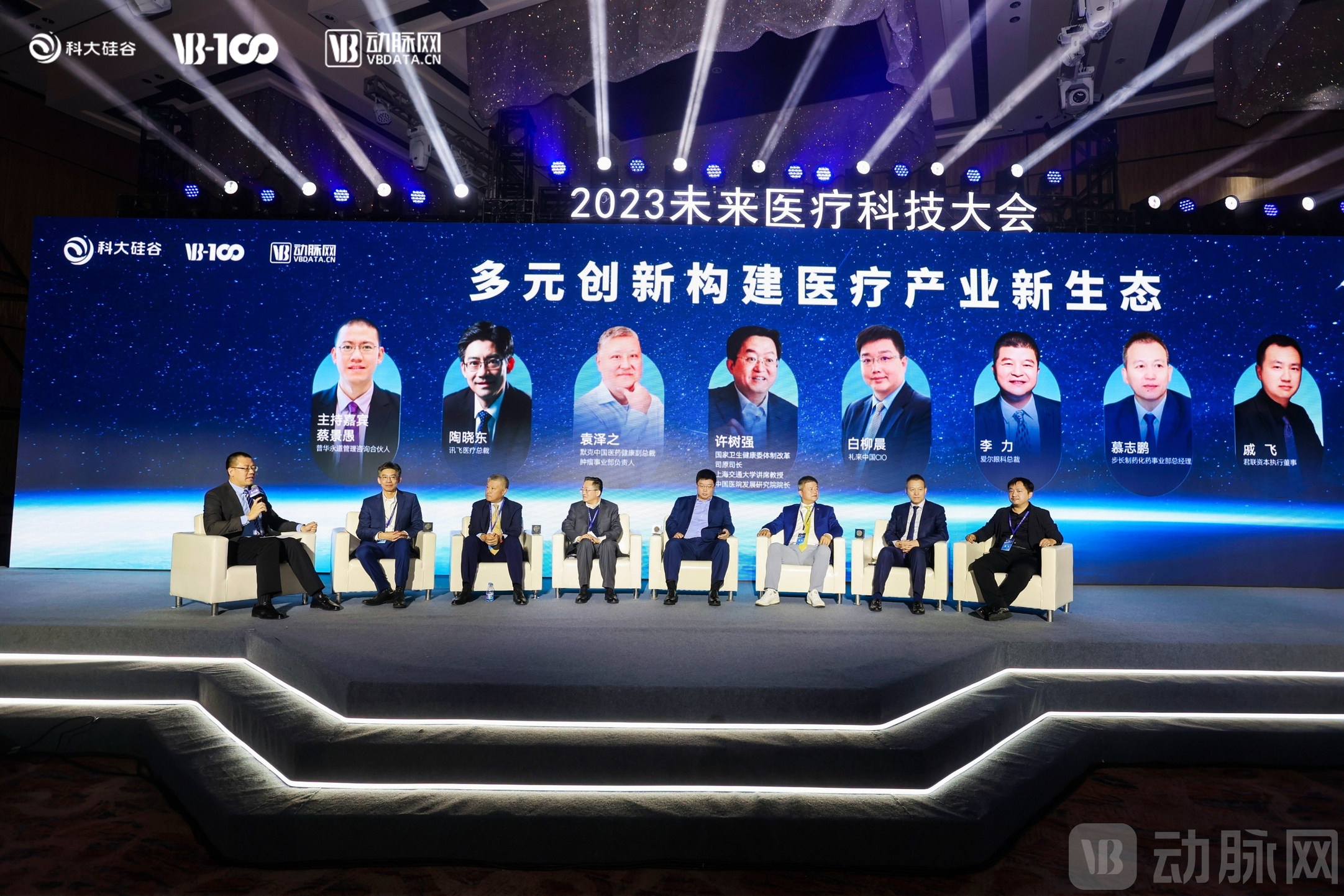
Roundtable Discussion: Building a New Ecosystem for the Healthcare Industry Through Diversified Innovation
During the afternoon session of the main forum, distinguished guests delivered thematic presentations focused on cutting-edge application scenarios to explore the new future of digital technology.
Yuan-Ting Zhang, Academician of the International Academy of Medical and Biological Engineering, Professor at The Chinese University of Hong Kong, and Founder of the Hong Kong Institute of Medical Engineering, delivered a keynote report titled “Intelligent Wearable Sensing Technologies and Applications.” He emphasized that addressing cardiovascular and cerebrovascular diseases requires a comprehensive approach encompassing early prediction, prevention, diagnosis, and intervention. As hypertension is the most significant risk factor for these conditions, uncontrolled blood pressure makes it difficult to reduce their incidence and mortality rates. Therefore, the continued research and development of intelligent wearable sensors and non-intrusive blood pressure monitoring hold substantial significance and offer vast potential.
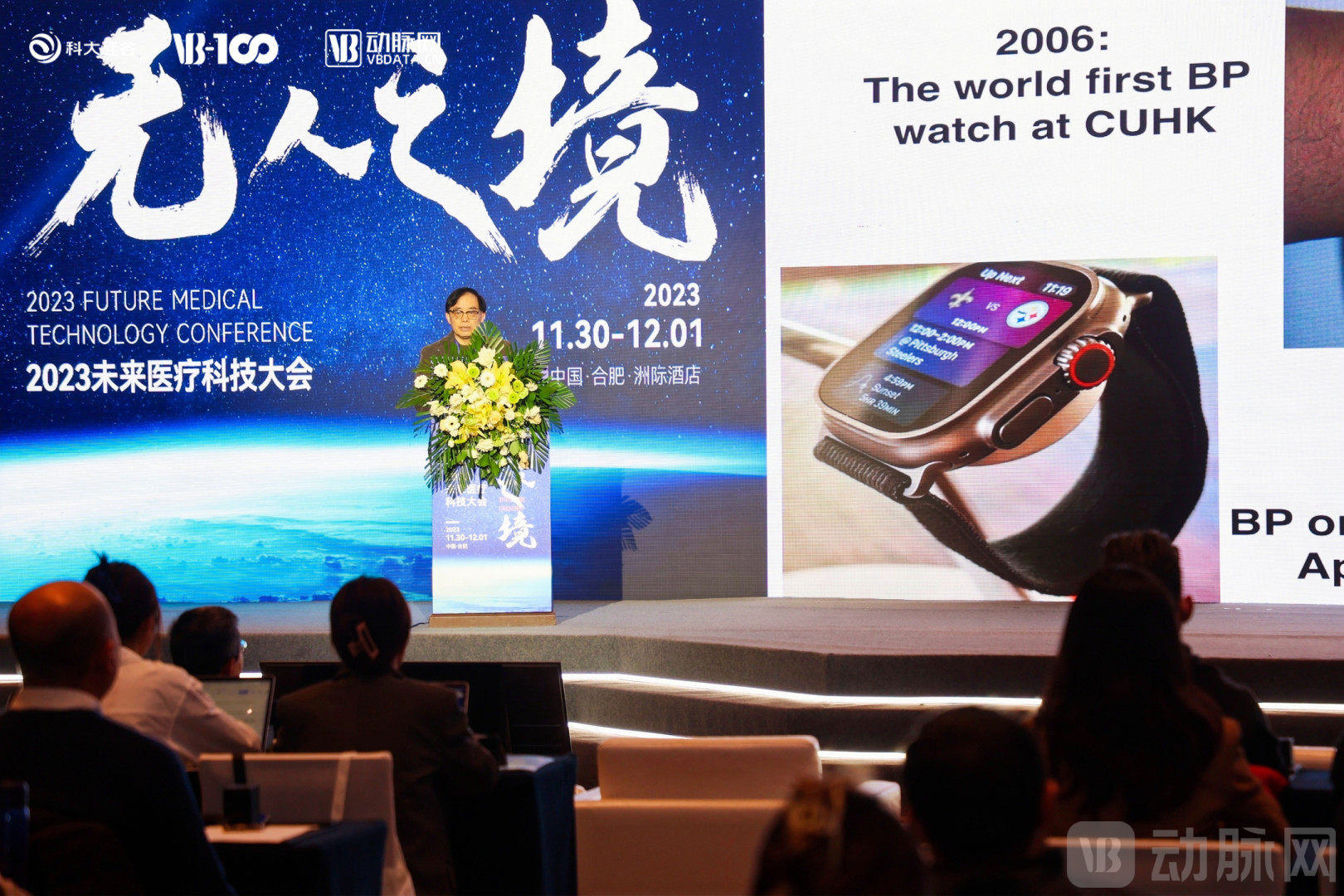
Yuanting Zhang, Academician of the International Academy of Medical and Biological Engineering and Founder of the Hong Kong Institute of Medical Engineering, Shares Insights
Gong Yan, a Distinguished Research Fellow of the Chinese Academy of Sciences (CAS) and Deputy Chief Engineer at the Suzhou Institute of Biomedical Engineering and Technology, CAS, delivered a presentation titled “Computational Optics Empowering the Development of Ultra-High Microscopy Technologies.” He noted that the industry is currently developing novel optical systems and optoelectronic sensors, including new optical imaging methods based on phase, polarization, spectroscopy, and coherence, with the aim of improving spatial resolution, temporal resolution, or light throughput. In the future, ultra-high microscopy technologies will offer higher resolution, faster imaging speeds, and greater imaging depth.
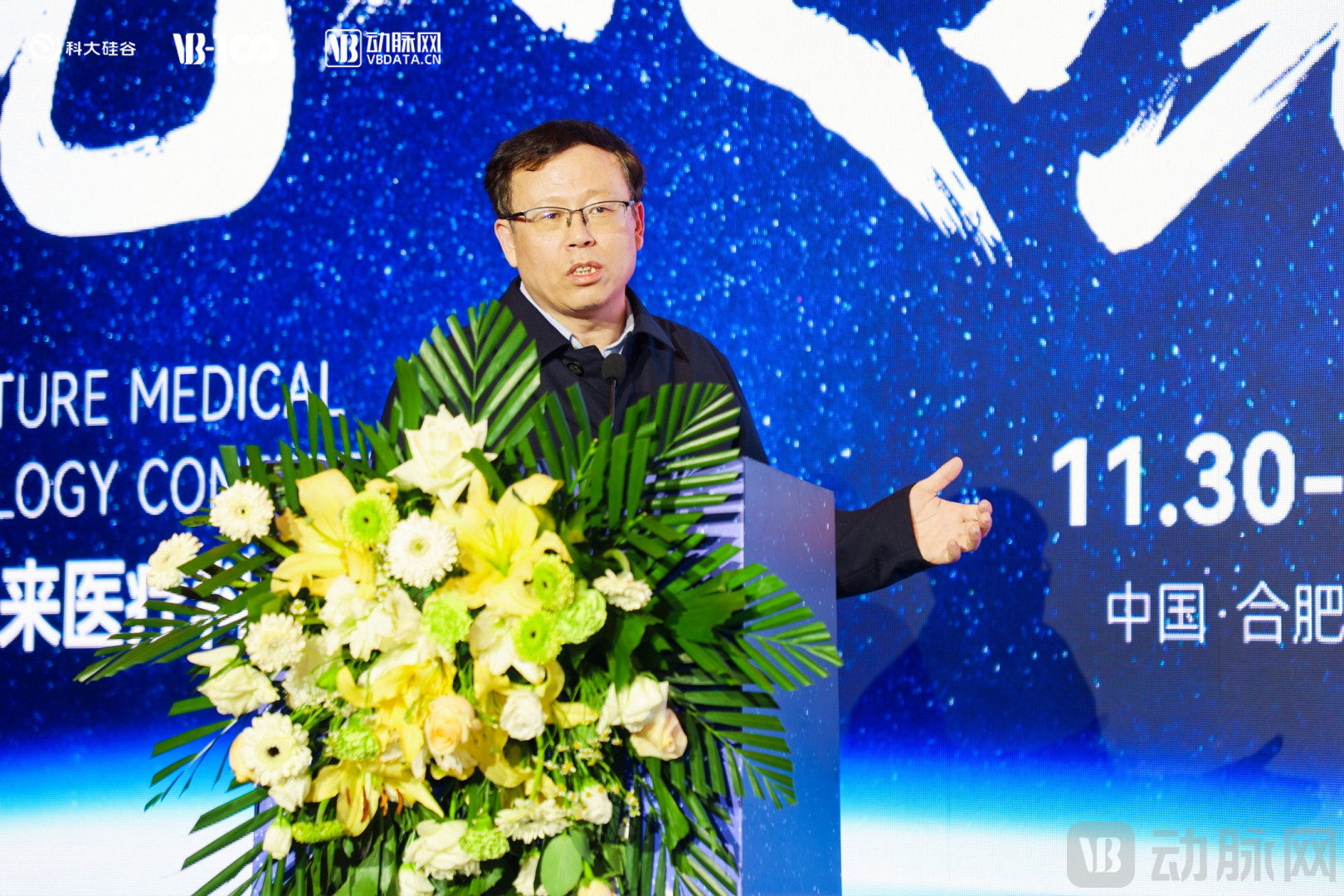
Gong Yan, Distinguished Researcher of the Chinese Academy of Sciences (CAS) and Deputy Chief Engineer of the Suzhou Institute of Biomedical Engineering and Technology, CAS, shared his insights.
Xu Liqun, Chief Scientist at China Mobile Research Institute, delivered a presentation titled “Opportunities and Challenges in the Transformation of Healthcare Services in the Era of Large Language Models.” He stated that generative AI-based large language models present significant opportunities in the healthcare sector, but also pose various challenges, such as establishing benchmark datasets and evaluation frameworks for large models, ensuring quality control and management of clinical data, seamlessly integrating capabilities into clinical workflows, and enhancing the interpretability of output recommendations and results. Addressing these challenges represents a key area where the industry and its ecosystem need to further focus their efforts.
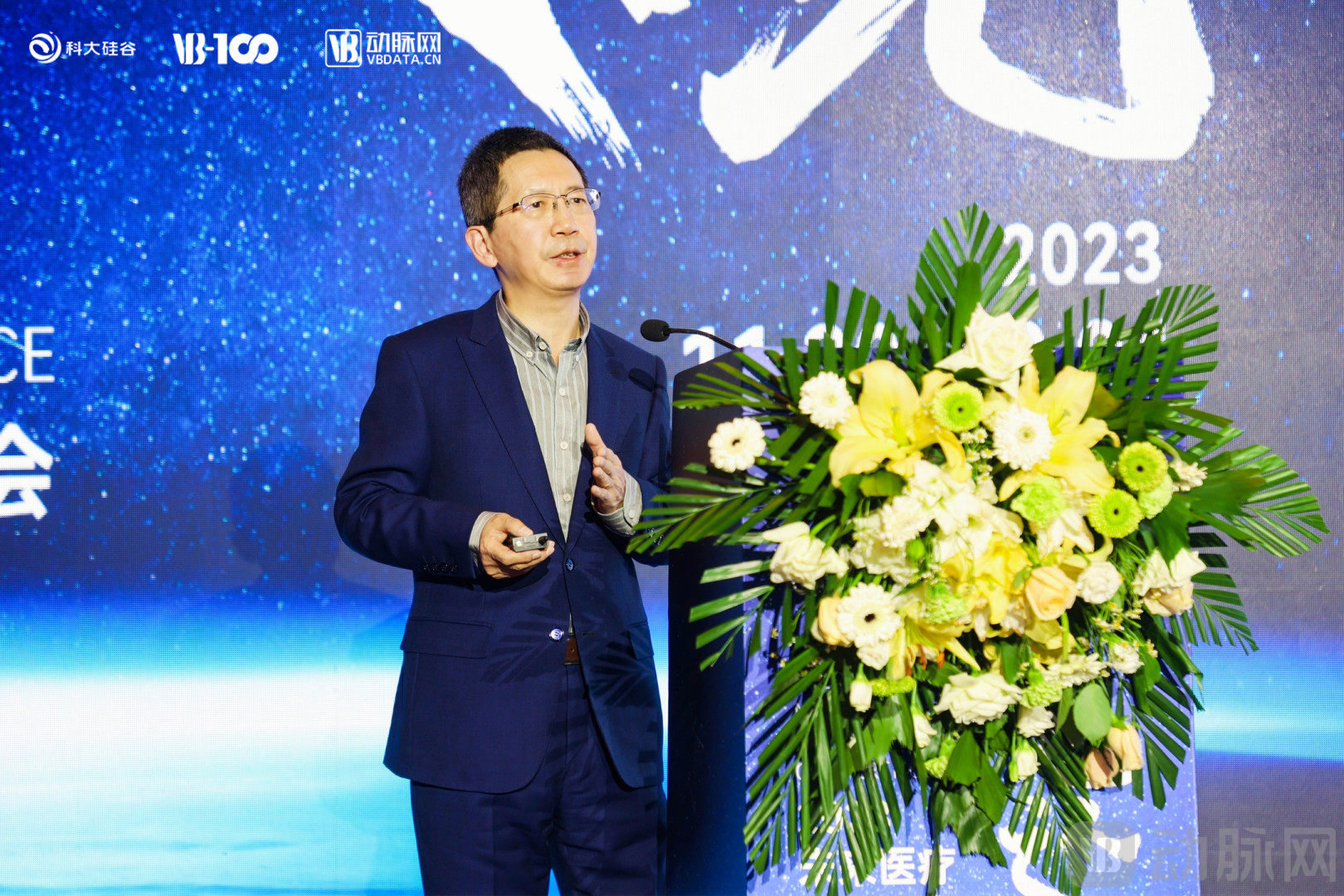
Xu Liqun, Chief Scientist of China Mobile Research Institute, Shares Insights
The theme of the presentation delivered by Liu Junwei, General Manager of Baidu Smart Healthcare, was “Advancements in Medical Large Model Technology: Baidu’s Industrialization Practices.” He began by introducing Baidu’s practical applications in the field of medical large model technology, noting that the development of such models relies on three core elements: algorithms, computing power, and data. In terms of algorithms, Baidu leverages its Ernie Bot (Wenxin Yiyan) as the foundational framework for its large models. Regarding computing power, Baidu provides robust computational resources. As for data, building upon Baidu’s previous strategic investments and accumulated expertise, the company offers comprehensive data support across the “physician-patient-pharmaceutical” spectrum, enabling coverage of the entire healthcare industry.
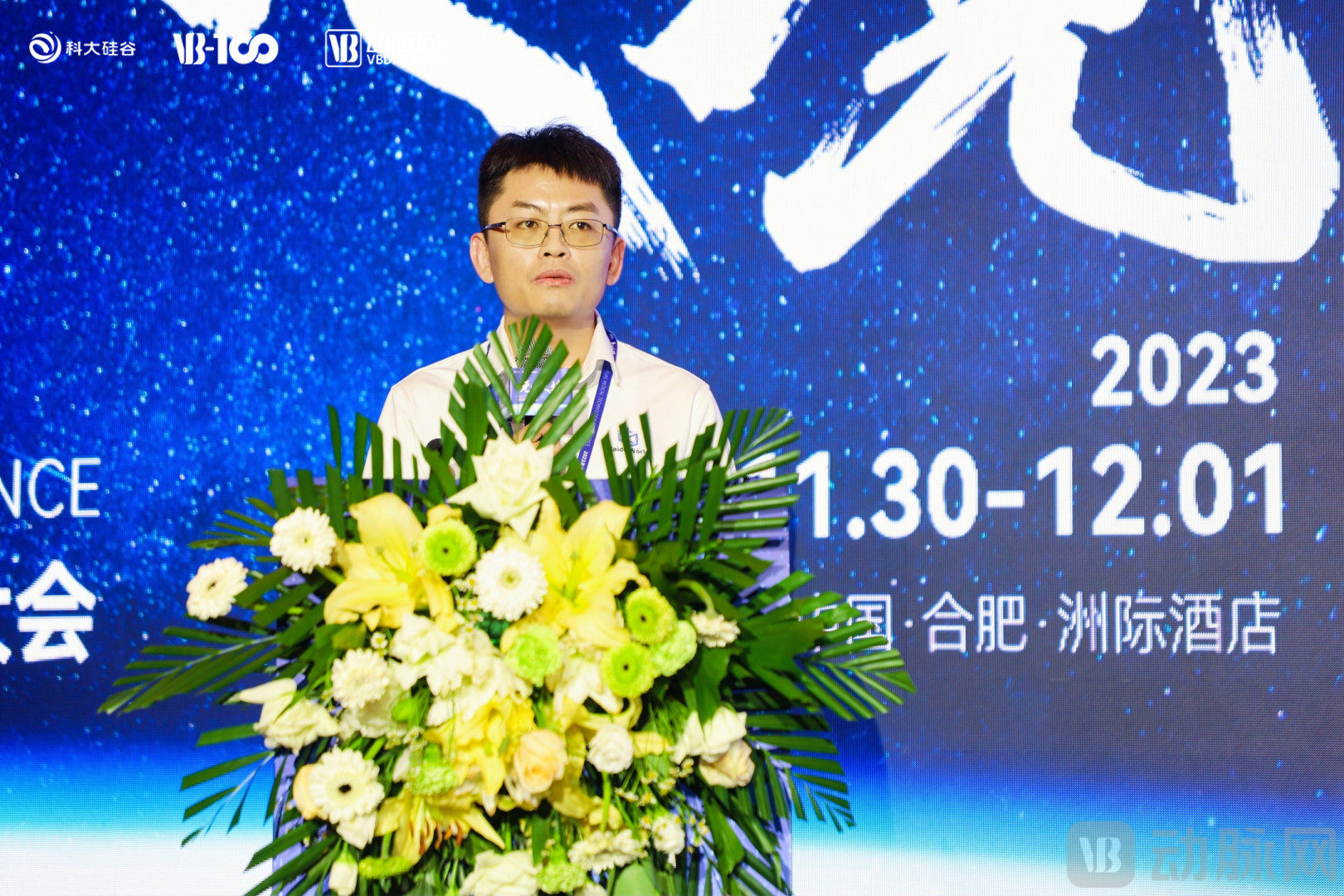
Share by Liu Junwei, General Manager of Baidu Smart Healthcare
In his presentation titled “Exploring Generative AI in Medical Imaging,” Professor Shaohua Zhou, Chair Professor at the University of Science and Technology of China and Member of the U.S. National Academy of Inventors, noted that AI-generated medical imaging can take two primary forms: medical image restoration and medical image synthesis, supporting his points with numerous case studies. He stated that the exploration and development of generative AI in medical imaging are progressing rapidly, offering substantial potential for the industry over the next decade.
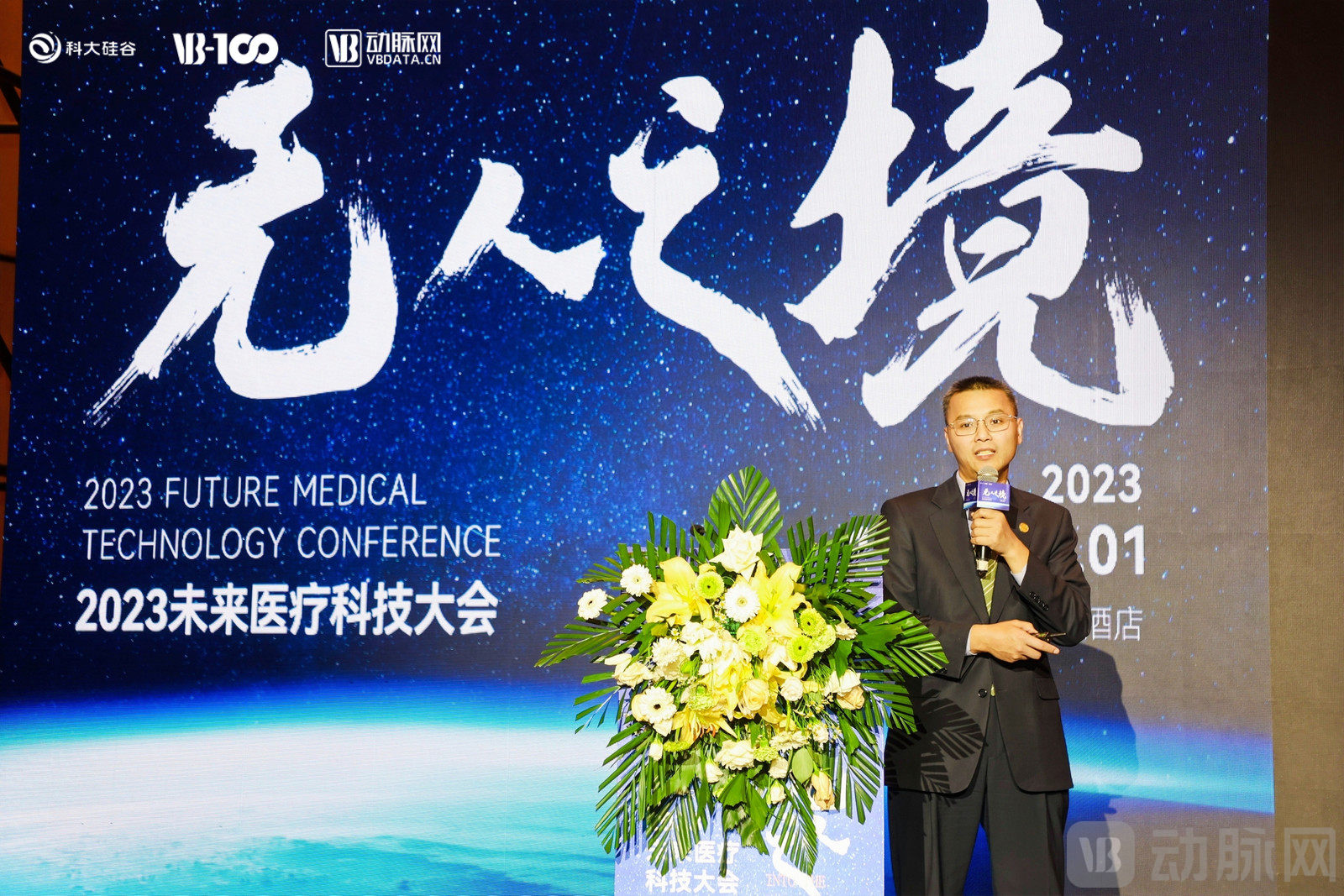
Shaohua Zhou, Chair Professor at the University of Science and Technology of China and Fellow of the National Academy of Inventors (USA), Shares
Wang Taifeng, Head of AI Algorithms at BioMap, delivered a presentation titled “AI Foundation Models for Target Discovery and Drug Design.” He noted that while the release of ChatGPT sparked a frenzy of competition among large language models, drug development and clinical consultation in the healthcare sector are fundamentally different. Natural language struggles to capture the detailed information required for drug design. By leveraging large models to decode the protein space, BioMap has laid a solid foundation for its AI-driven drug discovery efforts. After outlining the current state of the industry, he provided a detailed overview of BioMap’s latest advancements.
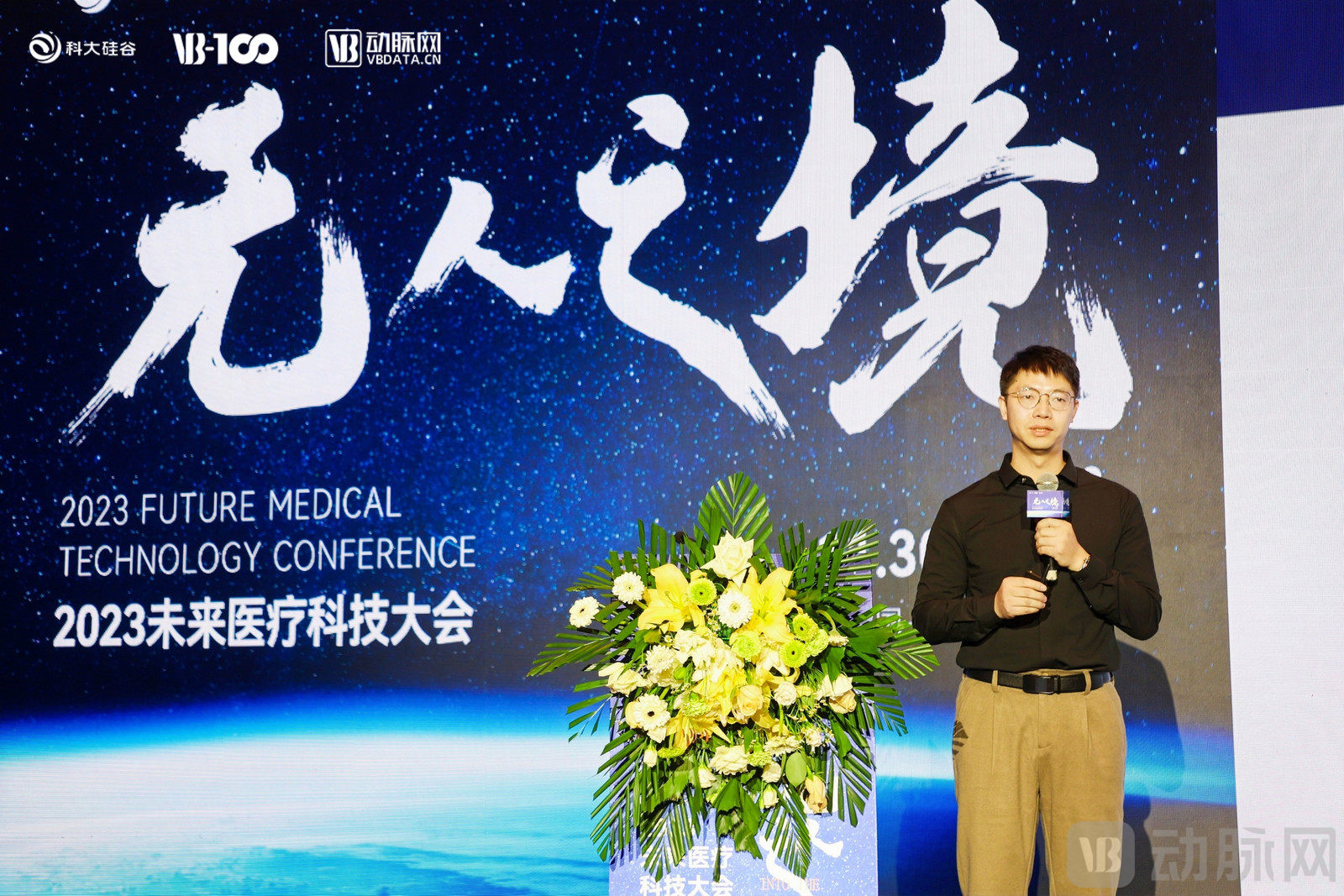
Wang Taifeng, Head of AI Algorithms at BioMap, Shares Insights
Fang Cong, Founder and CEO of Shudan Technology, delivered a keynote address titled “Safeguarding Global Brain Health with Intelligent Technologies.” She introduced the founding journey of Shudan Technology and provided a detailed overview of its proprietary non-invasive brain-computer interface (BCI) digital therapeutic. This therapy comprises wearable smart hardware and an intelligent digital platform. The wearable smart hardware employs physical stimulation methods while monitoring EEG-based electronic biomarkers to activate the brain’s intrinsic immune system, enhance connectivity among functional brain regions, and reduce the accumulation of pathological proteins in the brain, thereby achieving the effect of halting or even reversing neurodegenerative processes.
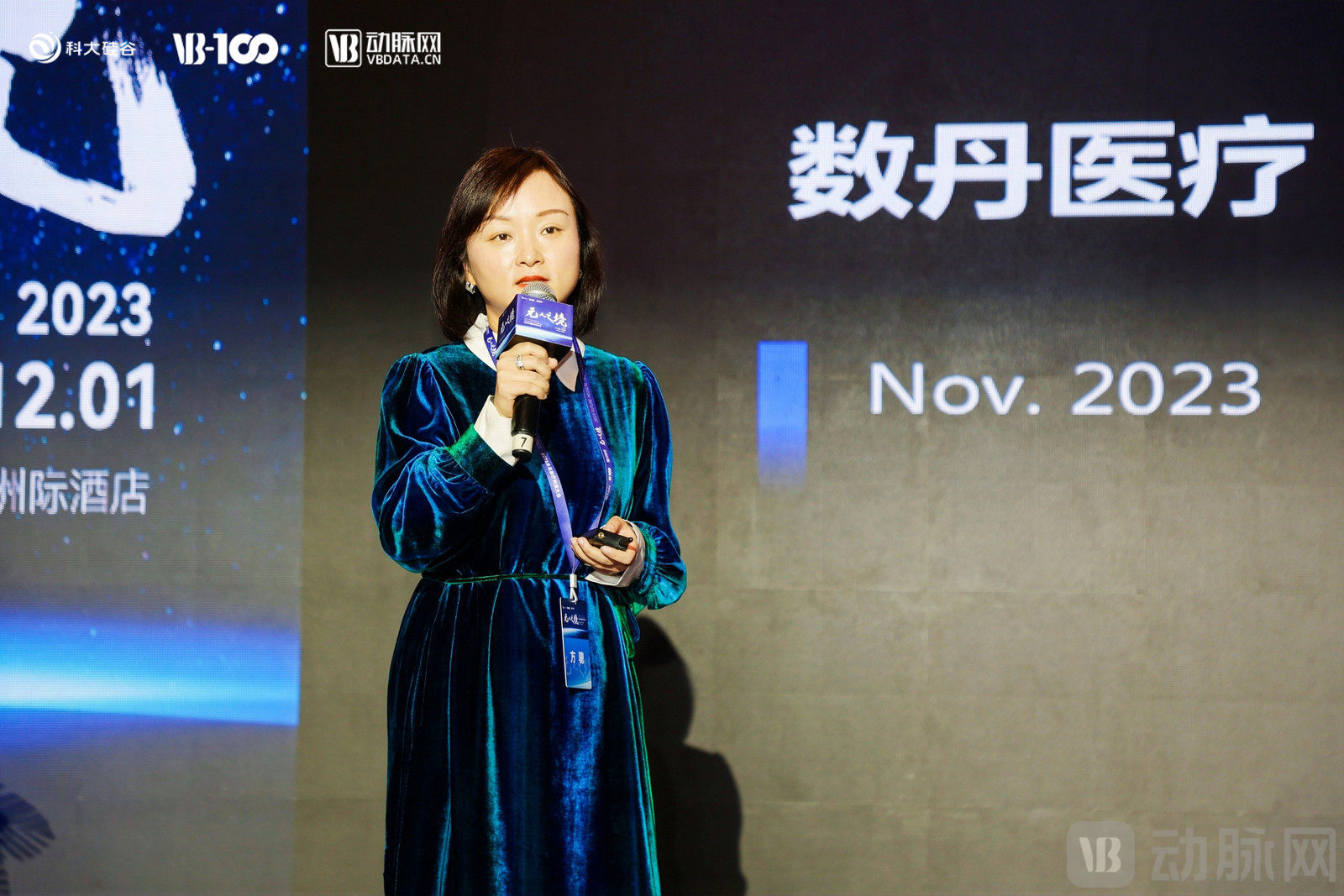
Shared by Fang Cong, Founder and CEO of Shudan Technology
Wang Guangyu, a researcher at Beijing University of Posts and Telecommunications, delivered a presentation titled “Foundation Large Models for Healthcare and Their Applications.” She noted that with the advancement of foundation large models, machines now possess certain capabilities for creative exploration, which may have profound implications across various industries in society. Furthermore, there remain numerous technical challenges to be explored and resolved in transitioning from general foundation large models to domain-specific large models tailored for healthcare. Although the challenges are significant, the opportunities are boundless.
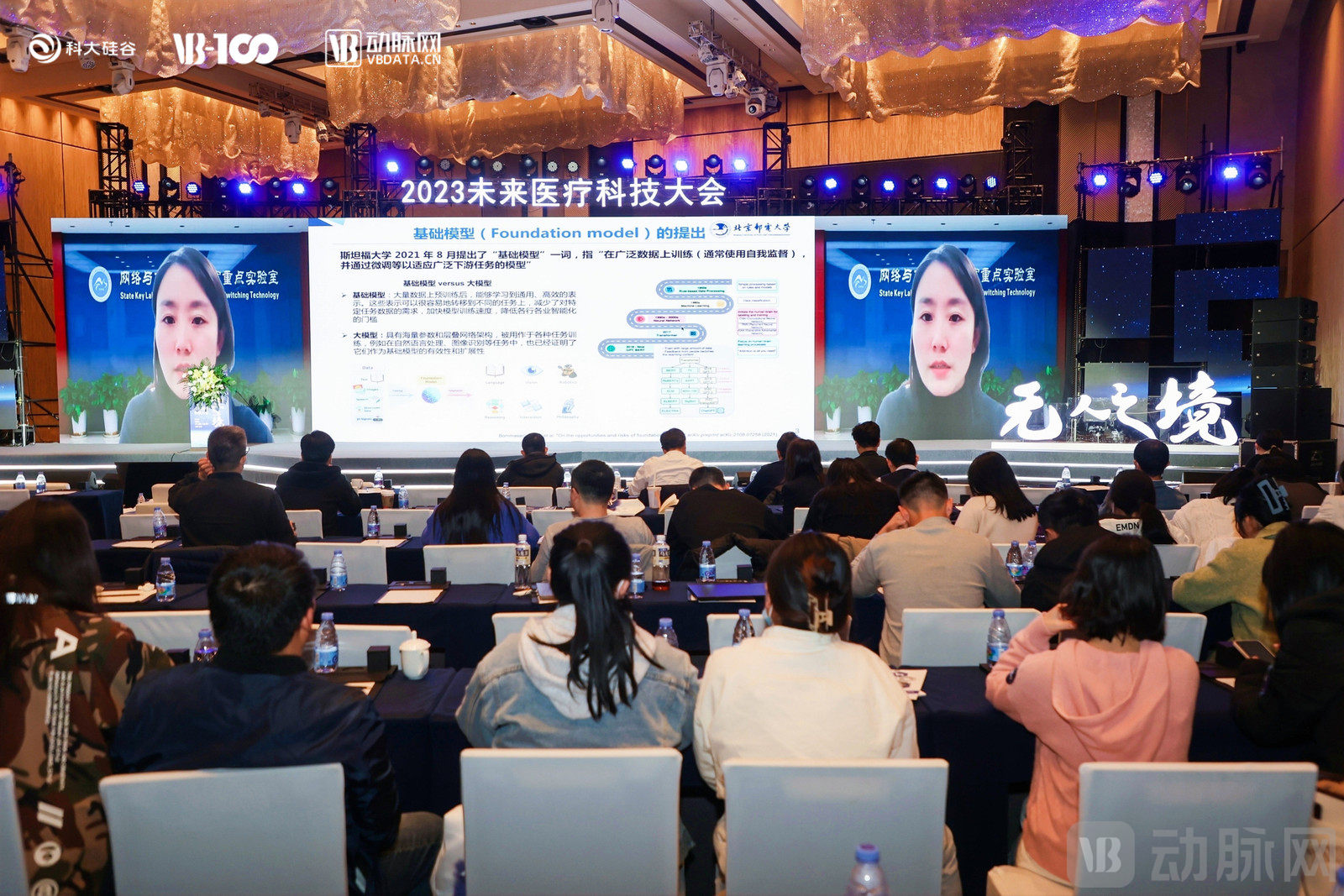
Shared by Wang Guangyu, Researcher at Beijing University of Posts and Telecommunications
To better support industry development, in addition to the main forum, other events were held on the first day of the conference"Smart Medical Device Innovation Forum"and“Frontier Technology Innovation Forum on Gene Sequencing”, engaged in more in-depth discussions on specialized technical fields and enhanced industry interaction through multiple roundtable sessions.
We believe that with the collective efforts of all stakeholders in the industry, the ecosystem for innovation in healthcare and medical health will become increasingly robust.