

Midea Redefines Smart Hospital Development Path at the 3rd TRUE Building Tech Conference
From January 1 to 12, 2024, the 3rd TRUE Conference on Building Technology was held in Shenzhen under the theme “Green Symbiosis · TRUEly Witnessing Evolution.”
Unlike previous editions of the TRUE Conference, this year’s event focuses on the value and development trends of green, smart buildings under China’s “Dual Carbon” policy. Centered on sustainable building development, ecological integration, and cutting-edge technologies, the conference features five industry exhibition zones—Smart Parks, Smart Healthcare, Smart Infrastructure, Smart Industry, and Frontier Commerce—showcasing comprehensive digital-intelligent building solutions.
Among them, the Smart Healthcare Exhibition Area focuses on the construction of smart hospitals, showcasing scenarios such as nurse stations, smart wards, smart clean spaces, energy-saving retrofits, and the “1+Next” transparent outpatient clinic, along with the LIFE solution for smart hospitals.
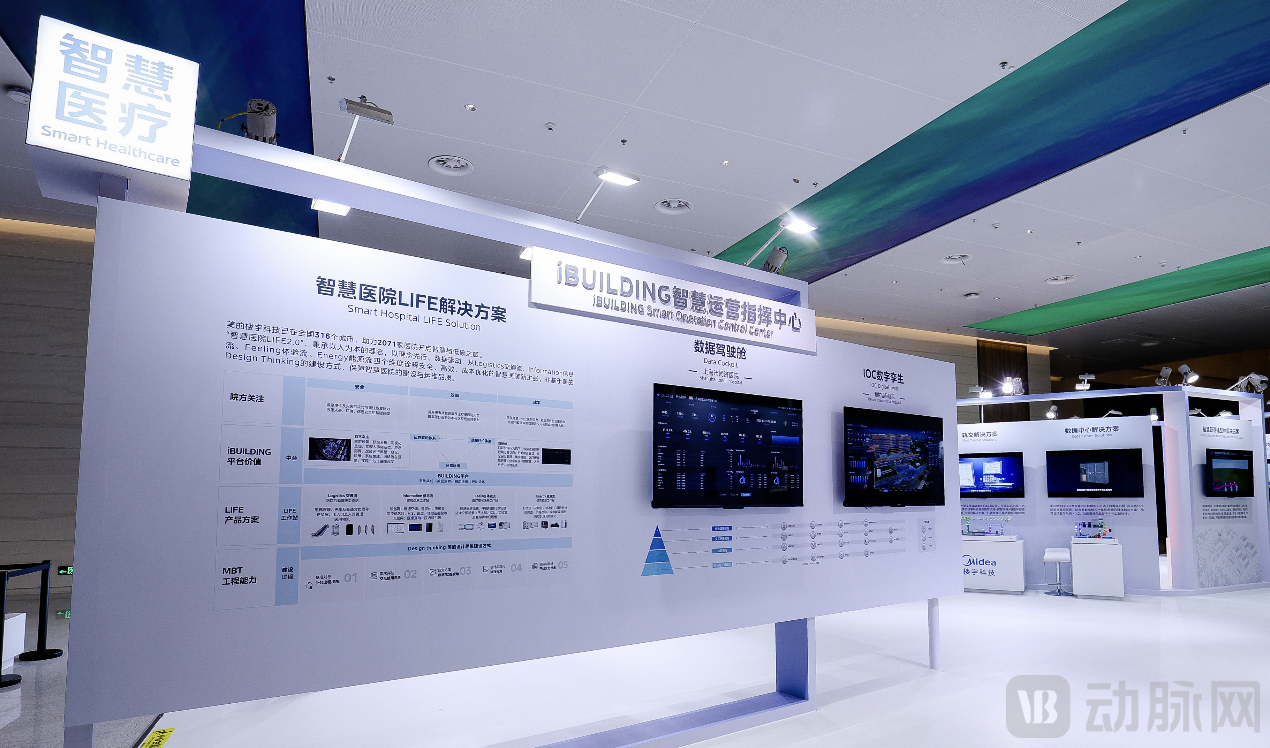
The 3rd TRUE Conference on Building Technology · Smart Healthcare Exhibition Zone
316 cities, 2,071 hospitals,
Multiple Solutions Have Been Implemented
Since the 14th Five-Year Plan proposed promoting the inclusive application of digital services, key sectors—including education, healthcare, elderly care, childcare, employment, culture and sports, and disability assistance—have accelerated their digital transformation. Against this backdrop, the deep integration of information technology with the health sector has made digitalization and smartification imperative for the long-term development of hospitals.
However, to substantially advance the development of smart hospitals, it is necessary to overcome longstanding challenges encountered in previous implementation efforts, such as information silos and the redundant investment and waste of medical resources. This requires not only that hospitals innovate their systems and applications to address technical challenges, but also that hospital administration, while accounting for the needs of various clinical and operational scenarios, proceed from top-level design and corresponding infrastructure development, treating the construction of smart hospitals as a systematic engineering project encompassing medical care, nursing, research, management, and logistics.
In recent years, Midea Building Technologies has integrated concepts such as “green, low-carbon, and sustainable development,” “ecological integration and high-quality development,” and “technological innovation and industrial upgrading” into the healthcare sector. With a strategic focus on the medical industry, it has launched the Midea Smart Hospital LIFE Solution. Building on this foundation, the company has developed and introduced a comprehensive portfolio of solutions covering smart hospitals, HVAC systems, comfort zone applications, high-efficiency plant rooms, operational command centers, intelligent engineering, energy-saving retrofits, cleanroom engineering, and smart ward areas.
At this exhibition, Midea Building Technologies showcased its nascent presence in the healthcare sector, with a more comprehensive smart healthcare display than in previous years. Covering various application scenarios in smart hospitals, the company exhibited a wide range of products, from small components such as valves, temperature control panels, and variable frequency drives (VFDs), to large-scale systems including system platforms, elevators, fluorinated refrigerant chillers, and water-cooled chillers. Underpinning this product portfolio is a core framework: the “Smart Hospital LIFE Solution 2.0.”
Midea Building Technologies’ Midea Smart Hospital LIFE Solution Version 1.0 emphasizes the integration of logistics, information, feeling, and energy flows to reconstruct the top-level design of smart hospitals. The subsequently launched Version 2.0 further iterates on the solution by centering on the new concept of “large platform, small scenarios.” This approach shifts smart hospital construction from a holistic perspective to localized implementation, empowering individual medical spaces with technology and embedding “intelligence” into specific business processes within concrete scenarios, thereby completing the transformation from “system integration” to “scenario-based application.”
Under the architecture of the “Smart Hospital LIFE Solution 2.0,” Midea Building Technologies has addressed the limitations of traditional medical systems, which are technology-centric and rely on hierarchical technical structures that often lead to usability challenges, fragmented user experiences, and slow overall iteration. It has achieved flat integration of all technologies and resources around clinical scenarios and medical workflows. Even when scenarios change, various subsystems can be rapidly decoupled via a digital platform and then quickly recombined to form new applications, thereby providing flexible services to patients.
It is worth noting that, in addition to the Smart Healthcare Exhibition Area, brands such as iBUILDING, MDV, Kunyu, Midea Control, and LINVOL showcased their innovative products in the Building Hardware and Software Innovation Exhibition Area. This display highlighted Midea Building Technologies’ robust building ecosystem foundation and technical prowess, while underscoring the richer possibilities for future smart buildings and smart healthcare. Furthermore, key scientific breakthroughs and product achievements from Midea’s five major business segments—Wandong Medical, KUKA Medical, Midea Biomedical, Swisslog Healthcare, and Midea Building Technologies—will further expand the application scenarios of Midea Building Technologies’ smart healthcare solutions.
Leveraging this strategic approach and its strength in hard-tech innovations, Midea Building Technologies has embarked on a smart, low-carbon journey across 316 cities and 2,071 hospitals nationwide.
Smart Healthcare Sub-forum,
Release of the "HEST Four-Dimensional Smart Hospital Construction White Paper"
Compared with previous TRUE Conferences, this year’s event has added a “Smart Healthcare” sub-forum in addition to the Smart Healthcare Exhibition Area. At this forum, hospital presidents and experts from across China shared practical experiences in building smart hospitals, focusing on scenarios such as command centers, operating departments, outpatient and emergency services, inpatient wards, and energy-saving upgrades. The launch ceremony of the HEST White Paper on Four-Dimensional Smart Hospital Construction was also held. These initiatives fully demonstrate Midea’s determination to establish its presence in the healthcare sector.
The forum is organized byFang Qiang, Deputy Dean of the Institute of Hospital Logistics Management, Fudan UniversityHe delivered the opening remarks. He noted that hospital logistics management initially pursued the development goals of “safety, quality, efficiency, and low consumption,” and gradually shifted toward improvement through information technology, thereby further advancing the construction of smart hospitals. However, practical implementation has revealed persistent issues such as poor system compatibility and information silos. Therefore, it is necessary to adopt a common perspective and methodology across various specialized hospital scenarios, build a unified digital-intelligent platform, optimize integrated operations and maintenance management, and ultimately achieve the goals of intelligent and human-centric smart hospital development.
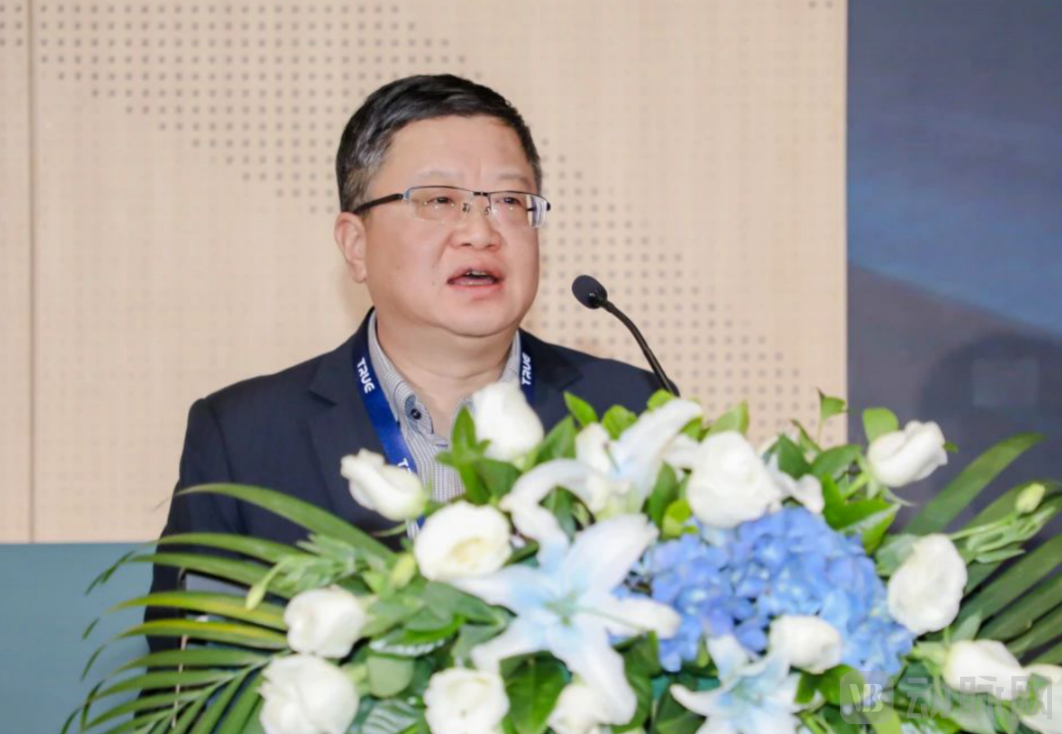
Fang Qiang, Deputy Director of the Institute of Hospital Logistics Management, Fudan University
Du Yuantai, Secretary of the Commission for Discipline Inspection of Beijing HospitalHe shared insights on “Practice and Prospects of Smart Hospital Construction.” He stated that a smart hospital refers to a healthcare facility that leverages modern information technologies, such as cloud computing and big data, to effectively integrate data from legacy traditional information systems. This integration enables the consolidation and sharing of diverse hospital information, promotes resource alignment and business process optimization, and facilitates real-time interaction among patients, medical staff, healthcare institutions, and medical equipment. Building smart hospitals achieves comprehensive and thorough perception, full interconnectivity, intelligent decision-making, and intelligent applications, thereby making healthcare safer, more efficient, convenient, and energy-efficient.
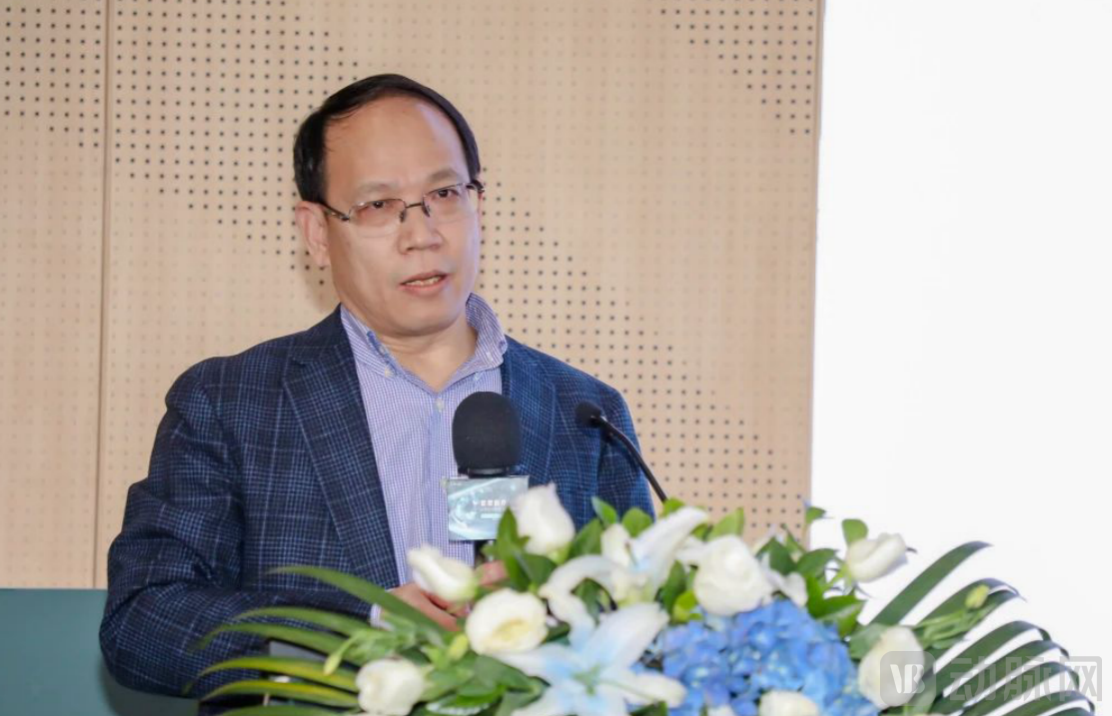
Du Yuantai, Secretary of the Commission for Discipline Inspection at Beijing Hospital
Lv Jindong, Director of the Department of Preventive Healthcare Management, Shanxi Provincial People's HospitalHe shared insights on “Design and Key Solutions for Integrated Digital Hybrid Operating Rooms.” He stated that integrated operating rooms encompass fundamental elements of minimally invasive surgery, including imaging systems, surgical instruments, minimally invasive equipment, and anesthesia systems. He proposed the concept of “keeping the patient stationary while moving the equipment,” advocating for optimization in surgical scheduling, consumables management, and intelligent logistics to achieve efficient, safe, and comfortable surgical procedures. He emphasized that only by clearly defining the core essence and construction principles of operating rooms can one truly grasp the central philosophy of minimally invasive integrated operating rooms: placing surgery at the center to enhance safety, quality, and efficiency, while providing comprehensive support solutions for clinical care, teaching, and scientific research.
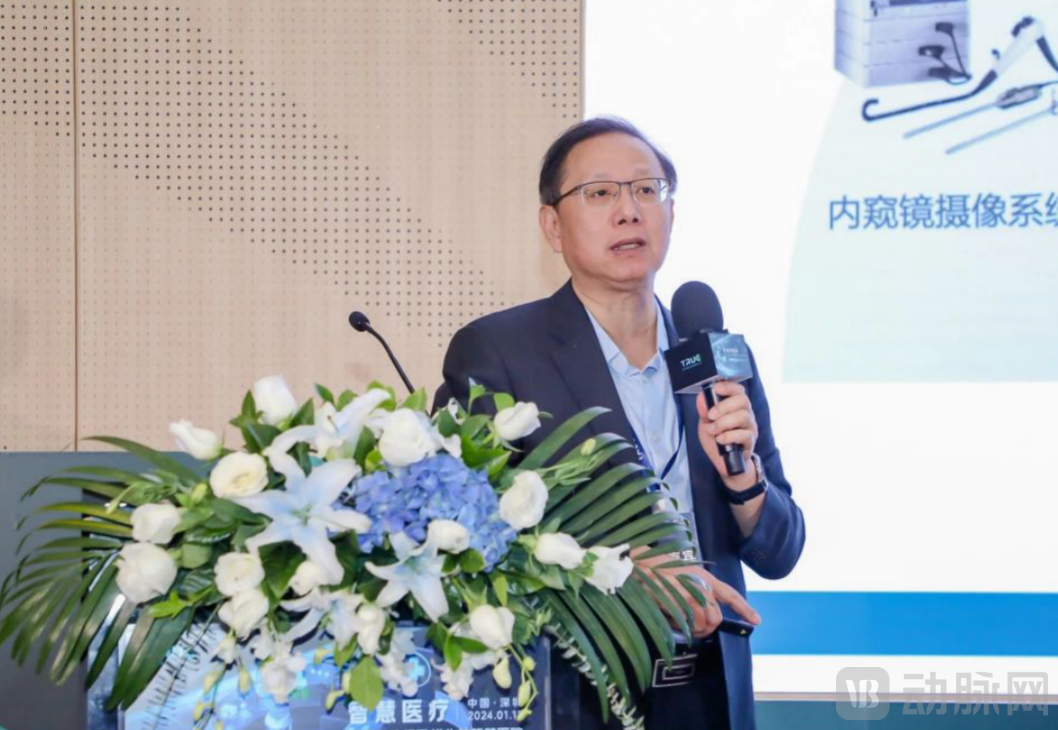
Lü Jindong, Director of the Department of Preventive Health Care Management, Shanxi Provincial People's Hospital
Wang Jianming, Vice President of Heyou International HospitalIn the presentation “Medical Technical Services and Management in the Practice of Smart Hospital Construction,” it was stated that, on the basis of ensuring the completeness of all functional modules, top-level design can be employed to build subsystems in layers and implement them in stages. This approach ultimately achieves integration of scenario planning, meets the needs of clinical workflows, patient care experiences, and operational management, and creates a distinctive smart hospital. Heyou International Hospital is committed to constructing a patient-centered, flat, and centralized clinical workflow to optimize the healthcare experience. At the same time, by leveraging data-driven strategies, it aims to enhance the efficiency of health insurance utilization, improve hospital operational efficiency, address hospital management challenges across diverse scenarios, and build an integrated smart healthcare service platform that encompasses smart medical care, smart services, smart management, smart operations and maintenance, and smart logistics.
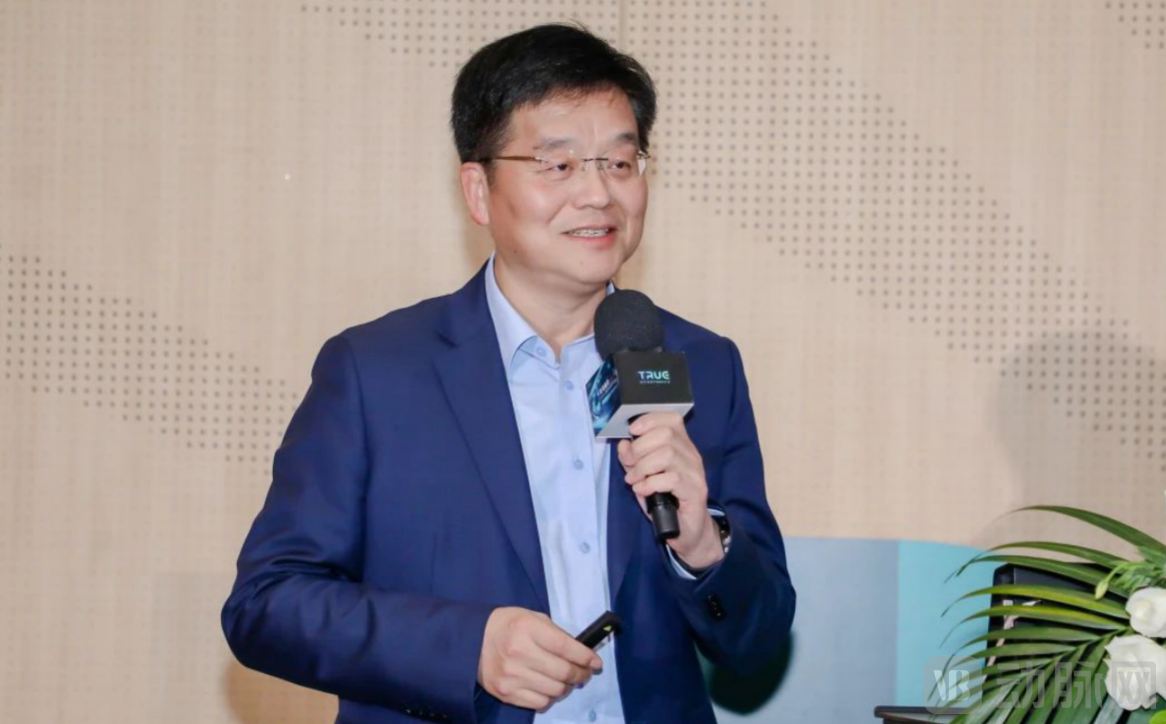
Wang Jianming, Vice President of Heyou International Hospital
Li Shu, President of Peking University People's Hospital Qingdao HospitalHe shared insights from “Experience and Reflections on the Construction of National Regional Medical Centers,” with a primary focus on the case study of Peking University People’s Hospital Qingdao Hospital. This hospital adopted a “3+N” model for discipline output, centering on specialized major disciplines, comprehensive minor disciplines, brand building, and foundation strengthening. It drove the development of disciplinary clusters through three major centers: the Thoracic Center, the Orthopedics and Trauma Center, and the Hematology Center. During the presentation, he also addressed challenges encountered during campus construction, such as coordinating Phase I and Phase II projects, aligning infrastructure development with scientific research and teaching needs, implementing rectifications in Phase II construction, and resolving issues related to energy supply shortages.
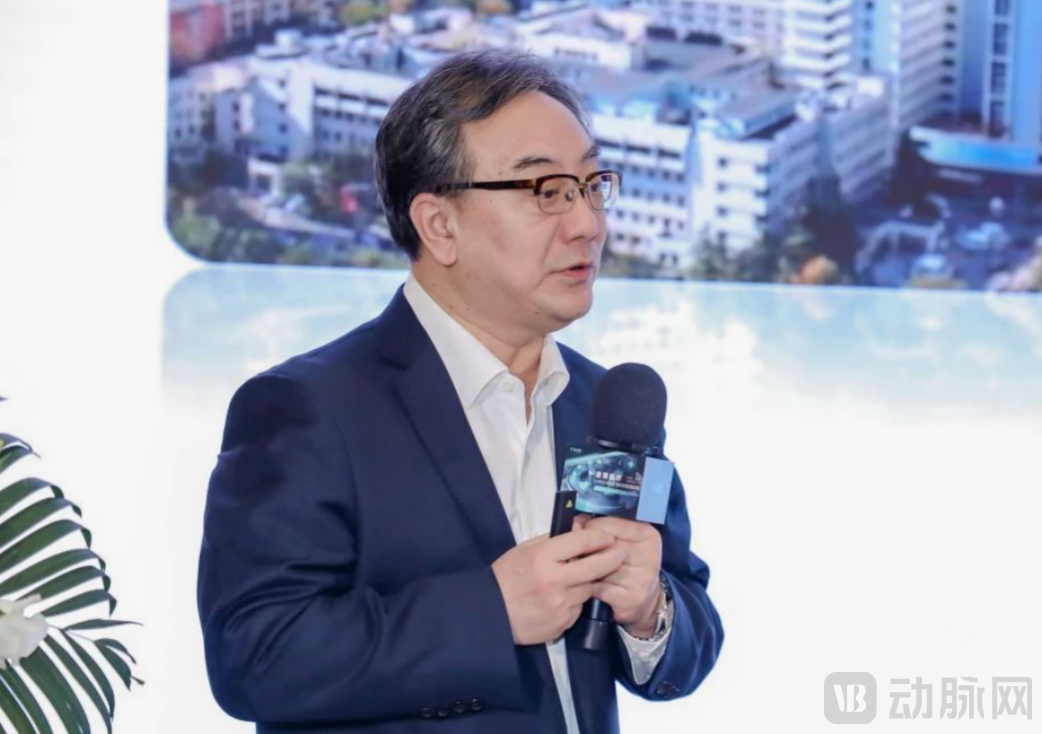
Li Shu, President of Peking University People's Hospital Qingdao Hospital
Xu Chang, Director of the Office, Smart Hospital Research Institute, Peking University Shenzhen HospitalIn “Refined Operations Facilitating High-Quality Hospital Development,” it is stated that the “trinity” model of smart hospital construction serves as a crucial lever for public hospitals to advance into a new phase of high-quality development, improve their performance in the National Performance Evaluation, and establish and refine modern hospital management systems. Adopting a problem-oriented approach and leveraging intelligent technologies such as cloud computing, big data, the Internet of Things, mobile internet, and artificial intelligence to integrate scientific innovation into smart healthcare, services, and management constitutes a prerequisite for effective smart hospital construction and research.
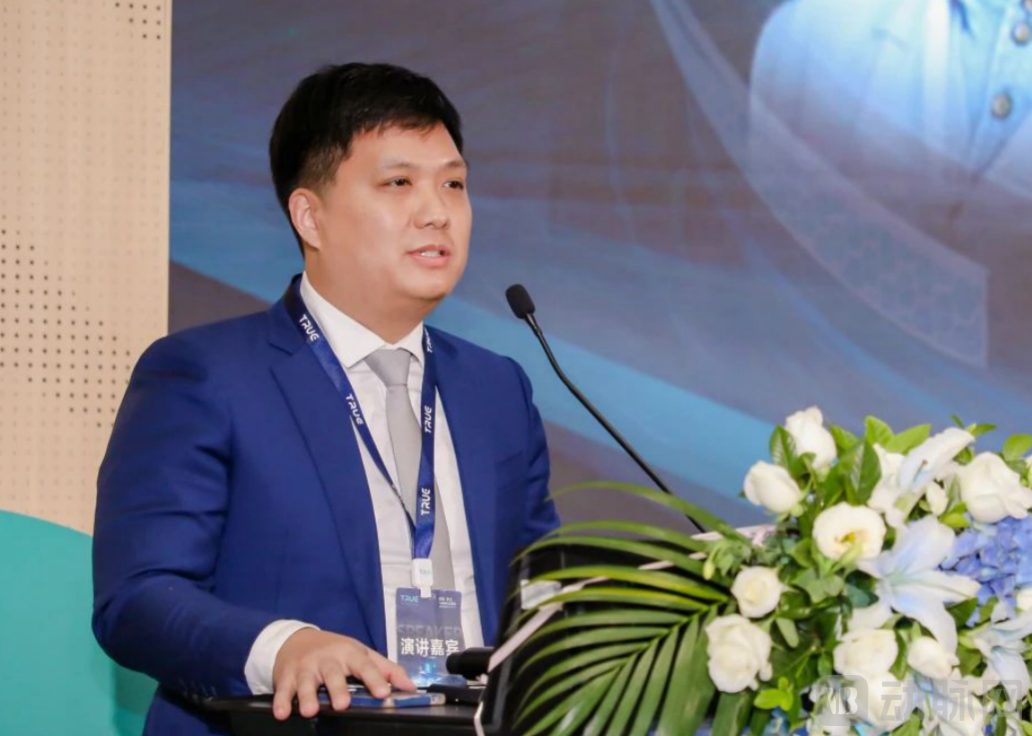
Xu Chang, Director of the Office, Smart Hospital Research Institute, Peking University Shenzhen Hospital
Professor at Tongji University, Expert in Construction Engineering Technology under the Ministry of Construction, Member of the Smart City Special Committee under the Ministry of Housing and Urban-Rural Development, and Advisory Member of the Green Building and Building Energy Efficiency Special Committee, Cheng DazhangHe shared insights on “Exploration of Smart Hospital Construction,” noting that hospitals today face a series of challenges. Since the turn of the millennium, humanity has entered a digital society. Hospitals have widely adopted systems such as the Hospital Information System (HIS), Electronic Medical Record (EMR) system, Picture Archiving and Communication System (PACS) for medical imaging, Hospital Resource Planning (HRP) system, and Laboratory Information System (LIS). These advancements have significantly enhanced the digitalization and intelligence of modern hospitals. However, in practice, fragmented applications have failed to adequately address hospitals’ pain points. It is essential to develop a scientific and comprehensive understanding of hospital digital transformation, examine its underlying data correlations and system architecture, and thereby build smart hospitals more effectively.
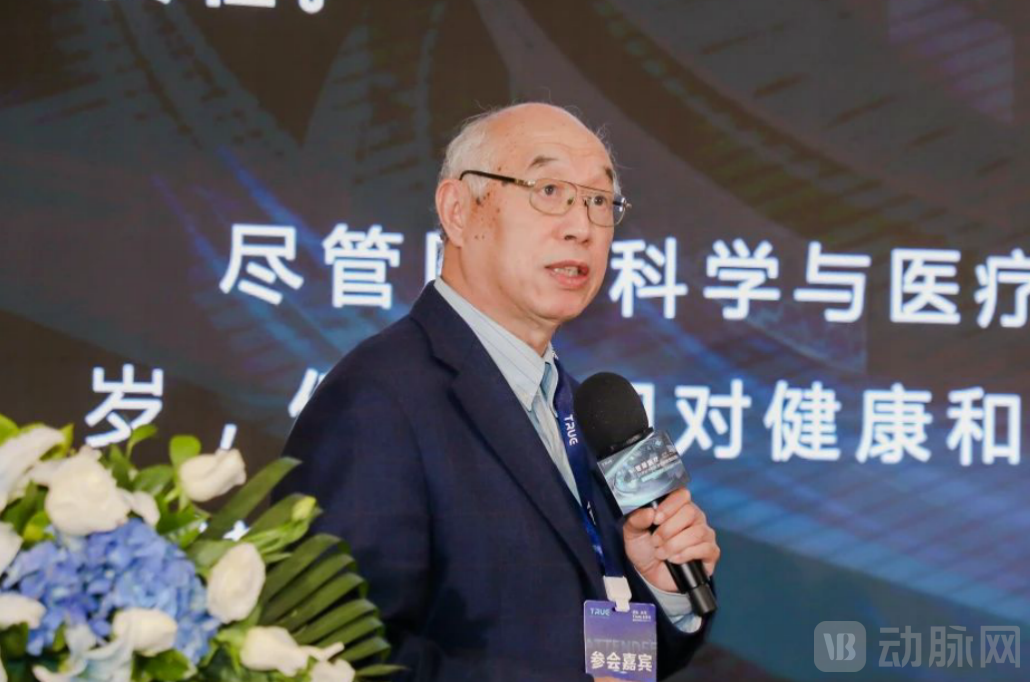
Professor at Tongji University
Expert in Construction Engineering Technology, Ministry of Construction
Member of the Smart City Professional Committee and Advisory Member of the Green Building and Building Energy Efficiency Professional Committee, under the Ministry of Housing and Urban-Rural Development
Cheng Dazhang
With the advancement of the agenda,Sun Jing, General Manager of Midea Smart Building Control, Midea Building TechnologiesThe white paper was interpreted under the theme “HEST Four-Dimensional Smart Hospital Evaluation System and the ‘Large Platform, Small Scenario’ Construction Model.” He stated that traditional hospital construction models have been overly technology-driven, seeking to address various hospital needs through technological means. However, this approach may lead to issues such as “obsolescence upon completion,” “excessively high professional requirements for users,” and “difficulty in flexible updates, resulting in the gradual abandonment of intelligent functions.” Moving forward, Midea Group will adopt the “Large Platform, Small Scenario” construction concept and architecture, which centers on “scenarios and medical workflows.” From the user’s perspective, it will build various scenarios aligned with diagnostic and treatment processes. By leveraging a stable and reliable foundational platform, Midea will gradually integrate localized new technologies to achieve modular smart scenario construction and enable efficient, flexible iterations.
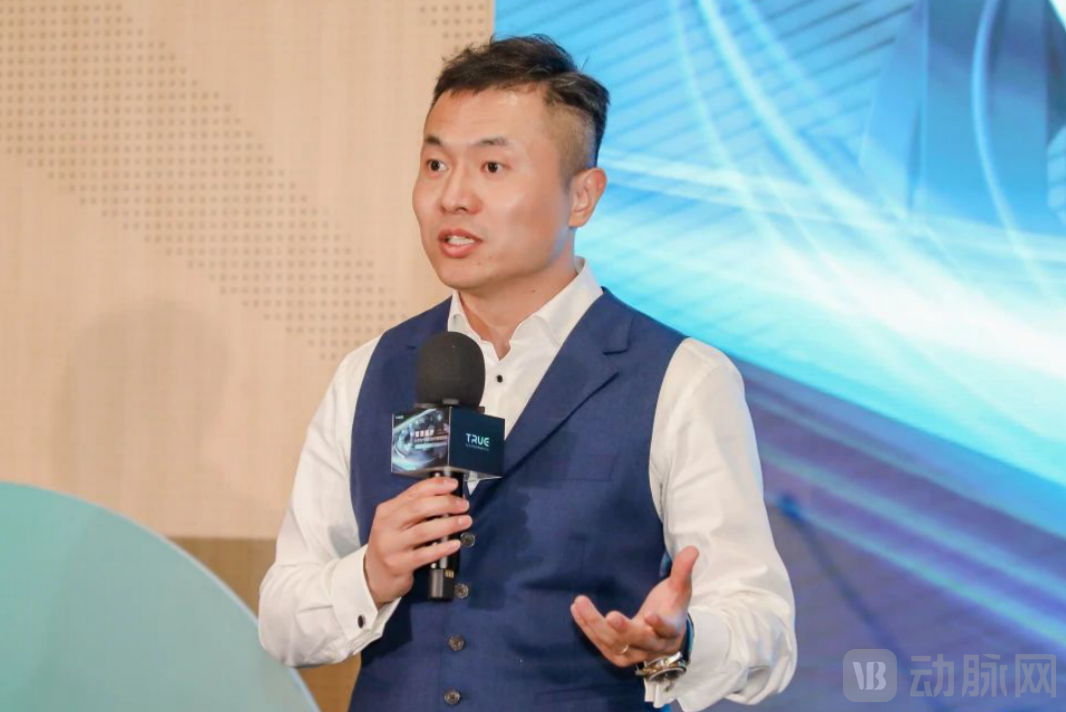
Sun Jing, General Manager of Midea Building Technologies' Meikong Smart Buildings Division
At the conclusion of the conference, Professor Cheng Dazhang, serving as the recommender, jointly released the following together with Sun Jing, Fang Qiang (Deputy Director of the Hospital Logistics Management Research Institute at Fudan University), Wang Jianming (Deputy President of Heyou International Hospital), Lv Jindong (Director of the Prevention and Health Care Management Department at Shanxi Provincial People’s Hospital), and Liang Rui (Deputy General Manager of Midea Smart Building):“HEST Four-Dimensional Smart Hospital Construction White Paper”。
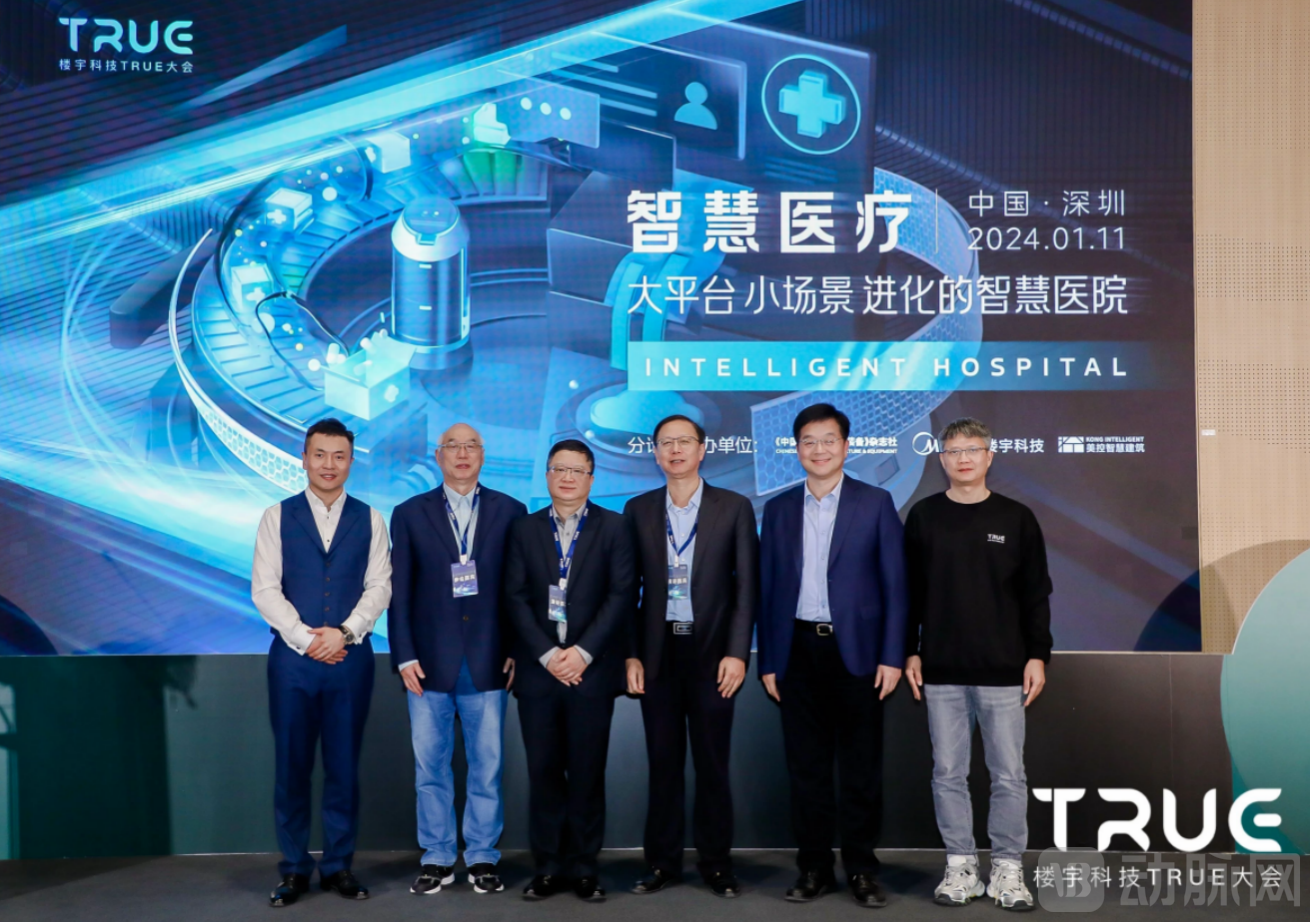
This white paper systematically reviews over 300 academic publications and industry reports from more than 50 institutions, proposing a definitional formula for smart hospitals: leveraging “innovative technologies” across various dimensions to address the “core needs” of “healthcare stakeholders,” while simultaneously achieving broader “social value.”
This paper systematically reviews the core issues in the development of smart hospitals, adopts a “problem-oriented systems thinking” approach, and proposes constructing smart hospitals from four dimensions—Humanism, Economy, Society, and Technology (HEST)—to achieve the goals of intelligent healthcare scenarios. It posits that the development of smart hospitals involves leveraging innovative technologies (T) across these dimensions to address the core needs (E) of healthcare stakeholders (H), thereby creating a value-driven society (S). In-depth research along these four dimensions will provide greater scope for exploration and innovation in the future development of smart hospitals.
and explore the application methods of smart hospital construction, gradually refining the vision for smart hospitals through practices in hospital-wide smart infrastructure development, localized scenario applications, and large-scale platform establishment, with the aim of driving industry advancement.
The 3rd TRUE Conference on Building Technology not only focused on the development trends of low-carbon transformation and digital-intelligent integration, but also invited experts, scholars, entrepreneurs, and guests to deliver keynote speeches. The conference conducted in-depth discussions on the pain points, challenges, and breakthroughs in seven key areas: low-carbon ESG, efficient operations and maintenance, cutting-edge technologies, frontier business models, smart healthcare, smart industry, and smart industrial parks. It showcased the application of comprehensive digital-intelligent building solutions and provided an outlook on emerging trends in industry development.
Currently, the healthcare industry is accelerating the development of smart hospitals. The implementation of policies such as the Guidelines for Application Functions of Hospital Information Platforms and the Smart Hospital Service Grading Evaluation Standard System (Trial) has established an evaluation indicator system for smart hospitals, covering infrastructure, smart patient services, smart medical care, smart nursing, smart medical technology, smart management, smart logistics, smart support, smart research, and smart teaching, thereby laying a solid foundation for the development of smart hospitals.
However, significant obstacles remain in the development of smart hospitals. Insights from this conference reveal that building a smart hospital is not a one-time delivery project, but rather a comprehensive system requiring continuous improvement aligned with the hospital’s organizational structure, business processes, and societal needs. Only with institutional and mechanistic support, coupled with top-level design across the entire lifecycle, can its sustained operation be effectively ensured.