

PolyseqOne Achieves Over 97% Single-Pass Accuracy: Puyi Bio Launches Mid-Throughput Portable Nanopore Sequencer for High-Precision Long-Read Sequencing

Polyseq Biotech
Developer of Nanopore Gene Sequencers
Polyseq: Decoding the Sequence, Translating the Code of Life.
On January 16, 2024, Polyseq Biotech (hereinafter referred to as “Polyseq Biotech”) successfully held its new product launch event for the first quarter of 2024 at the Conference Center of Dongsheng Science and Technology Park in Zhongguancun Science City. During the event, Polyseq Biotech unveiled its first medium-throughput nanopore gene sequencer, the PolyseqOne, along with compatible chips and reagent kits. This sequencing system provides a new solution for long-read sequencing applications.
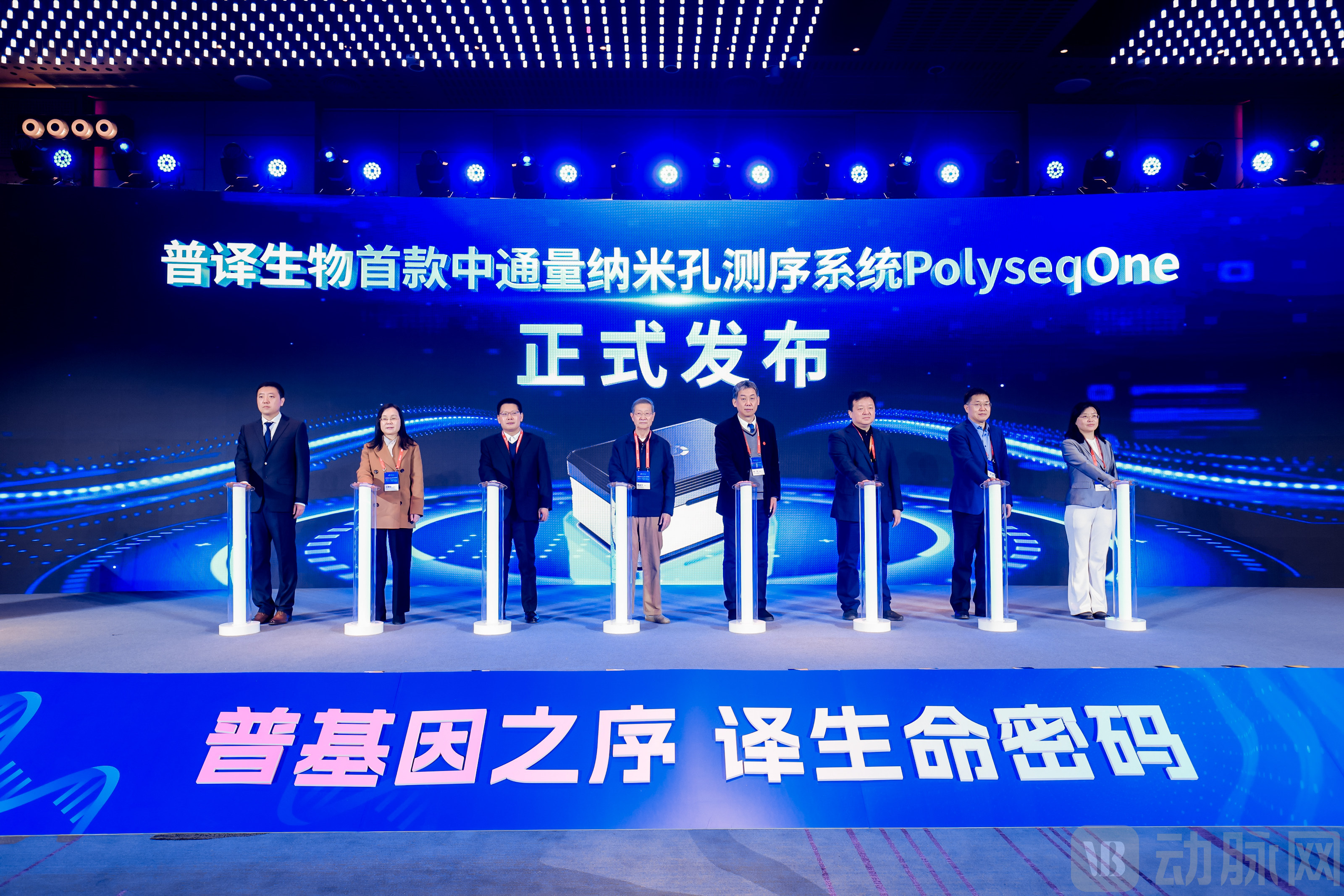
PolyseqOne Launch Event
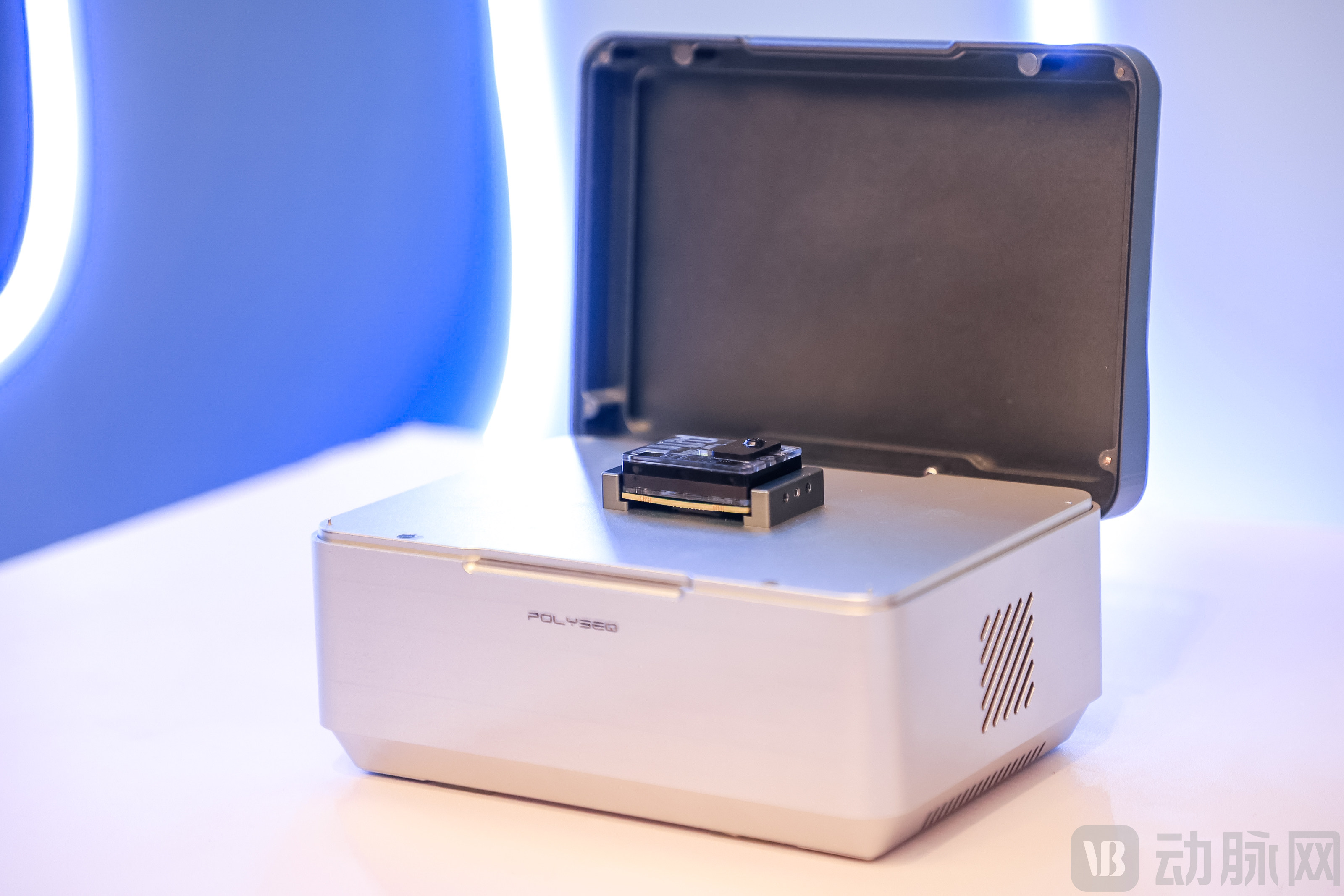
PolyseqOne Sequencer and the Matching PolyseqCell Sequencing Chip
Dr. Wang Daqian, Co-founder and General Manager of Polyseq BiotechIt was stated that PolyseqOne is a mid-throughput sequencer featuring a portable and compact design. The sequencer connects to laptops or desktop computers via USB 3.0, and its control software offers a clean, user-friendly interface for easy operation. The PolyseqCell sequencing chip is based on silicon semiconductor technology and integrates the core signal amplification components for sequencing, boasting high integration, low noise, and high throughput. In terms of data output, each PolyseqCell chip contains 2,560 sequencing units and can generate up to 15–20 Gb of high-quality data, meeting the sequencing needs of various application scenarios. For genome sequencing, PolyseqOne achieves a single-read accuracy of over 97% and a consensus accuracy (at 30x coverage) of over 99.9%.

Dr. Wang Daqian, General Manager of Polyseq Biotech, Introduces the Performance of the PolyseqOne Sequencing System
Researcher Wang Xiangxi, Institute of Biophysics, Chinese Academy of SciencesResearch findings utilizing PolyseqOne were presented at the press conference. In this study, next-generation sequencing (NGS) technology and the PolyseqOne sequencing system were respectively employed to analyze respiratory syncytial virus (RSV) infections in bronchoalveolar lavage fluid samples from clinical patients. It was found that NGS, due to its short read lengths, struggled to achieve full genome coverage. In contrast, the longer read lengths of PolyseqOne enabled the confirmation of viral presence and accurate determination of viral subtypes without the need for amplification. As an early user of Polyseq Biotech’s nanopore gene sequencer, Researcher Wang Xiangxi noted that the PolyseqOne nanopore sequencing platform offers significant advantages over NGS, including shorter sequencing workflows, the ability to sequence longer fragments, and simplified downstream analysis.
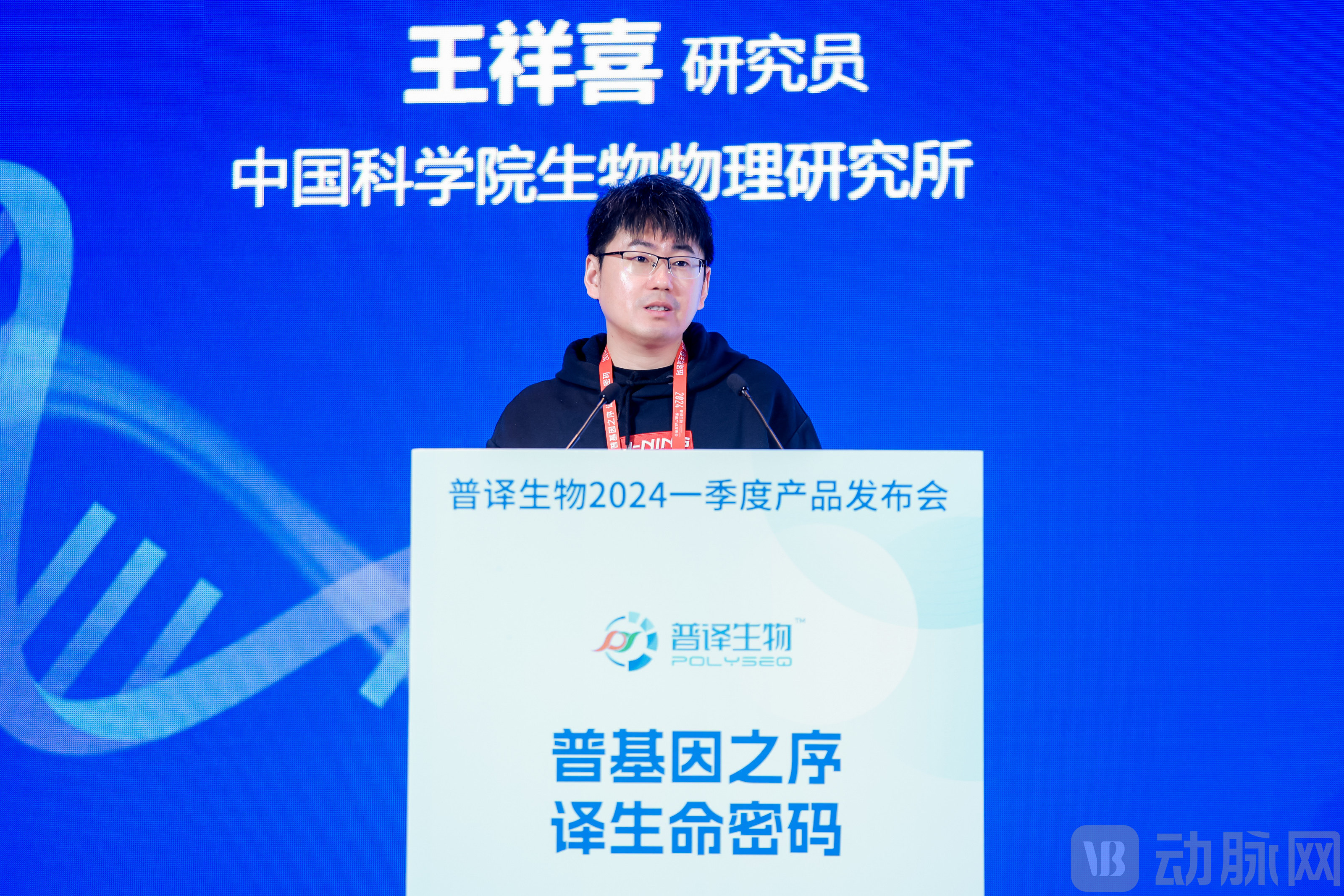
Researcher Wang Xiangxi Introduces His Experience with the PolyseqOne Sequencer
Academician Xu Tao, Executive Deputy Director of Guangzhou National Laboratory and Director of Bio Island LaboratoryHe attended the press conference via video link and delivered a speech. He stated that over the past decade, healthcare big data has been rapidly evolving in terms of dimensionality, breadth, and depth. With the “resolution” revolution in medicine and the widespread application of multi-omics technologies—such as genomics, proteomics, and metabolomics—in the healthcare sector, whole-genome sequencing, as a key technical approach in life sciences research, has become an indispensable tool for molecular diagnostics and biopharmaceutical development.

Academician Xu Tao Delivered a Video Address
Academician Chen Runsheng, Institute of Biophysics, Chinese Academy of SciencesDelivered a report titled “Large Artificial Intelligence Models” at the press conference. Academician Chen participated in the assembly and gene annotation of the genome sequence of *Thermotoga maritima* B4, the first complete genome sequenced in China, and also contributed to the Human Genome Project’s “1% Project” and the draft sequence of the rice genome. He is a pioneer and leader in theoretical biology, bioinformatics, and non-coding RNA research in China. In his report, Academician Chen shared his insights on the current landscape of artificial intelligence and large models, and introduced “Lingshu,” a medical multimodal intelligent integrated computing platform developed by his team. Academician Chen stated that data is one of the key factors in artificial intelligence. In the biomedical field, long-read, portable sequencing devices will facilitate the generation of more genomic, transcriptomic, and proteomic data, greatly promoting the development and realization of “precision medicine.”
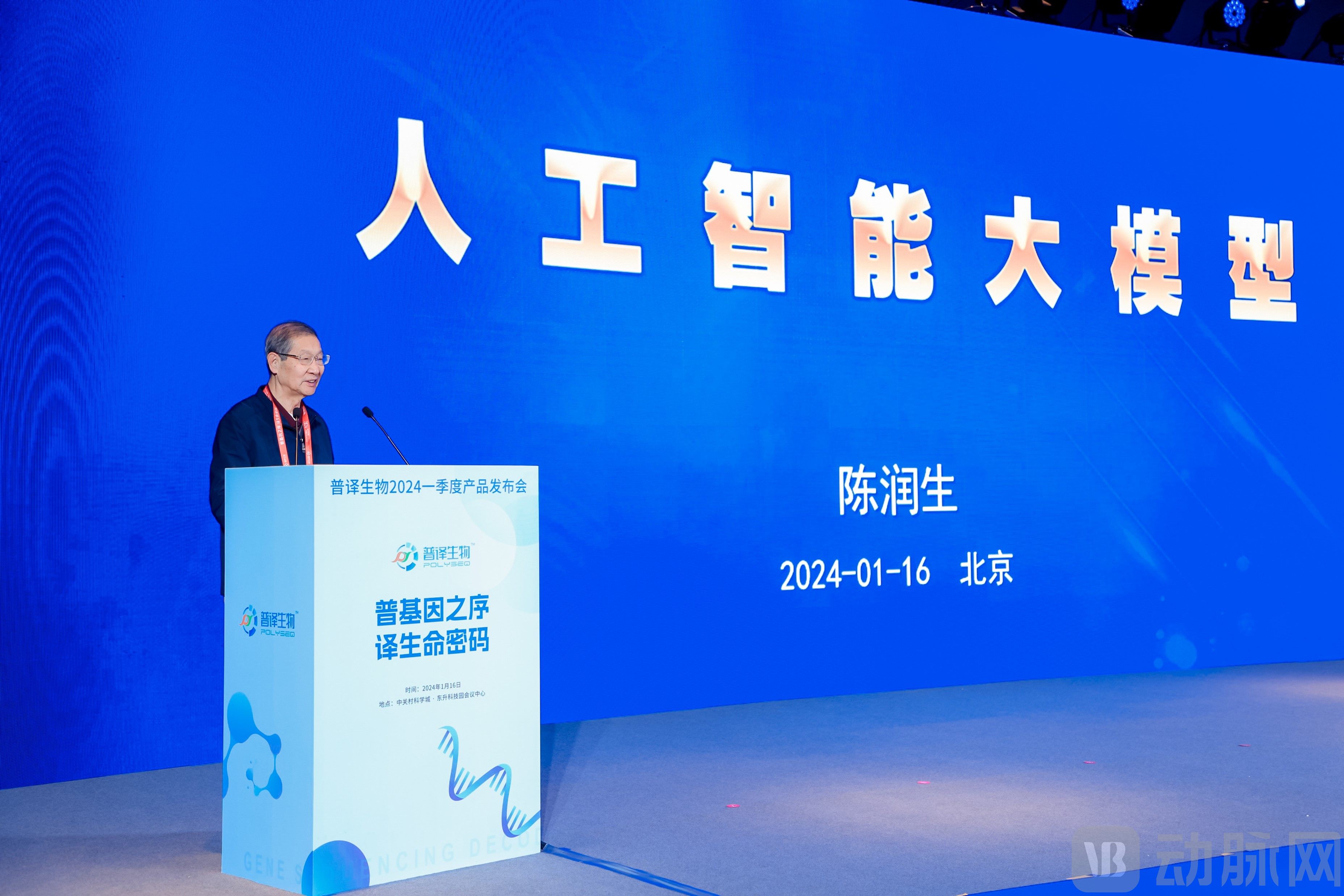
Academician Chen Runsheng, in his report
Researcher Liu Li, Director of the Institute of Biophysics, Chinese Academy of SciencesIt was stated that Polyseq Biotech originated from the commercialization of scientific achievements at the Institute of Biophysics, Chinese Academy of Sciences. Building on prior research outcomes, Polyseq Biotech launched its first nanopore sequencing system within just two years. The Institute will continue to support innovative R&D in nanopore sequencing technology, achieve breakthroughs in key areas, develop more products, and make greater contributions to national life sciences and economic development.
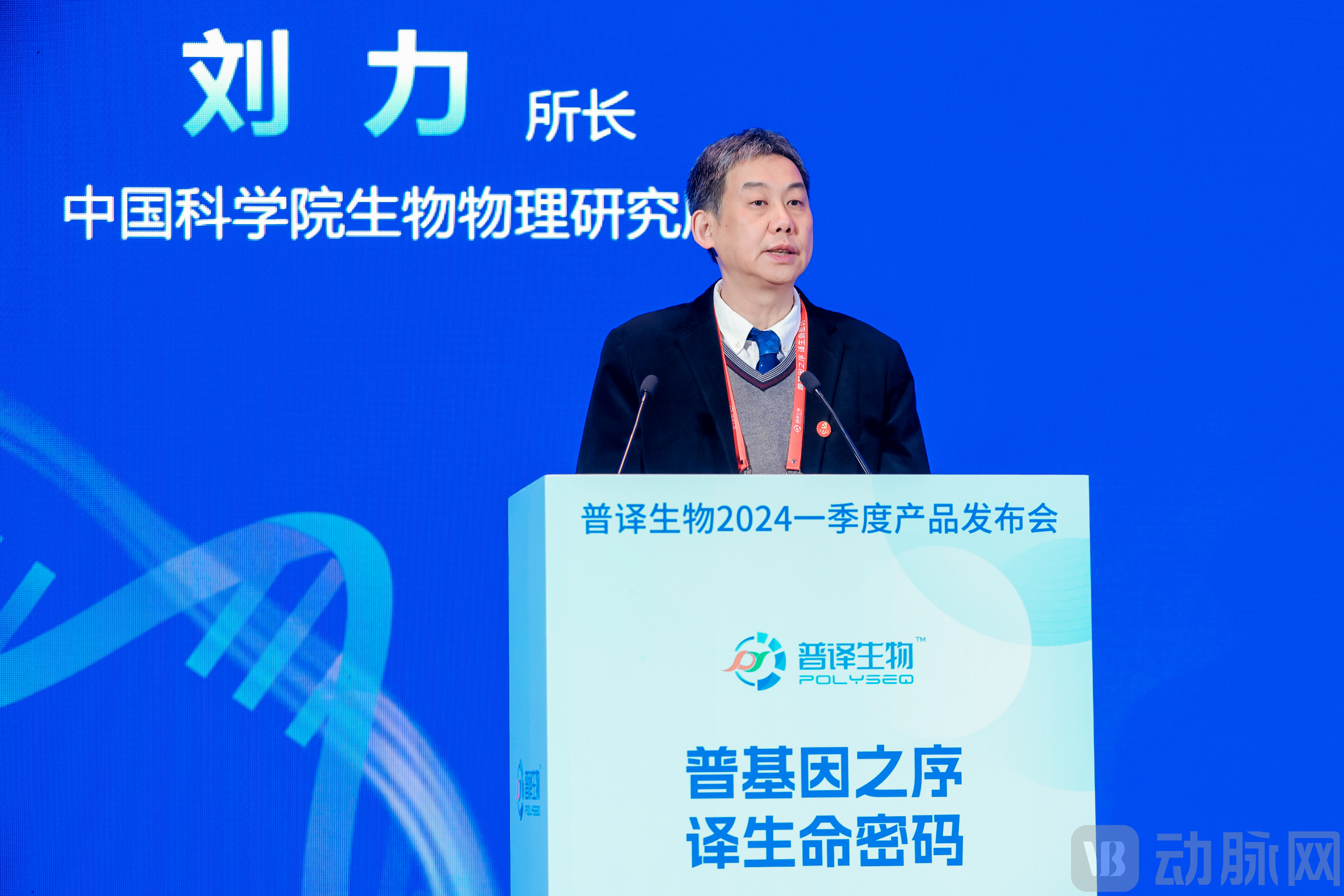
Address by Researcher Liu Li, Director of the Institute of Biophysics, Chinese Academy of Sciences
Polyseq Biotech is located in the Dongsheng Technology Park. Wang Xiaodong, Chairman of Beijing Zhongguancun Dongsheng Technology Park Co., Ltd., and Dai Qing, General Manager, also attended the press conference.General Manager Dai QingIn his address, he stated that Polyseq Biotech’s innovative achievements not only hold profound significance for the company itself but also inject new momentum and vitality into the technological development of Dongsheng Town.

Address by Dai Qing, General Manager of Beijing Zhongguancun Dongsheng Science and Technology Park Co., Ltd.
Long read length is one of the primary advantages of nanopore single-molecule gene sequencing and is receiving increasing attention. Notably, the prestigious journal Nature Methods selected long-read sequencing as its Method of the Year 2022. In theory, nanopore sequencing imposes no limit on read length, which depends solely on the length of the nucleic acid molecules in the sample.PolyseqOne has currently achieved single-read lengths exceeding 200 kb.
At the press conference, Polyseq Biotech provided the PolyseqOne sequencer for live demonstration. Attendees had the opportunity to closely examine the sequencer unit, sequencing chips, and reagents, gaining a deeper understanding of the nanopore sequencing process.

Polyseq Biotech Staff Introduce the Sequencing Process to Academician Chen Runsheng
"To do a good job, one must first sharpen one's tools. Any nation that is a manufacturing powerhouse and a quality powerhouse is inevitably also a powerhouse in instrumentation and metrology."
With the revolution in medical "resolution" and the widespread application of multi-omics technologies—including genomics, proteomics, and metabolomics—in healthcare, whole-genome sequencing has become an indispensable research tool for molecular diagnostics and biopharmaceuticals. As a key bioinformatics interpretation tool amidst the wave of biotechnological revolution, gene sequencing technology has long been evolving toward higher precision, lower cost, greater efficiency, and portability.
Currently, the core patents for nanopore sequencing worldwide are primarily held by the United States, the United Kingdom, and China, with China’s commercialization of nanopore sequencers still in a catch-up phase. In response to the potential risk of foreign restrictions on nanopore sequencing equipment, supporting chips, and reagents, Polyseq Biotech has assumed the mission of developing domestically produced, self-controllable fourth-generation sequencers.
Polyseq Biotech, established in 2021, specializes in the development of next-generation sequencers and associated reagents and consumables based on biological nanopore technology for nucleic acids and other biopolymers. The company is committed to driving China’s sequencing industry from its source, reducing sequencing costs, facilitating the widespread adoption of sequencing technologies across medical institutions at all levels, transforming disease diagnosis and treatment models, safeguarding public life and health, and meeting the urgent demands of precision medicine in the era of big data.
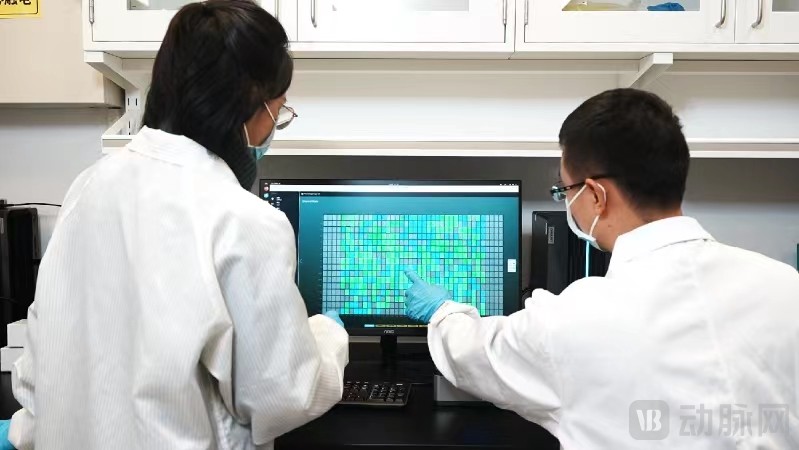
Polyseq Biotech R&D Personnel Discuss Sequencing Process Optimization Plans
The company was founded by several internationally renowned professors and boasts a world-class R&D and management team.
Dr. Huang Yihua, the company’s founder, is an internationally renowned structural biologist. He earned his bachelor’s and master’s degrees from Peking University and pursued his doctoral studies at Cornell University in the United States under the supervision of Professor Wu Hao, a member of the U.S. National Academy of Sciences. During his postdoctoral fellowship, he joined the University of Texas Southwestern Medical Center, where he worked with Nobel Laureate Professor Johann Deisenhofer. Dr. Huang returned to China in late 2010 and joined the Institute of Biophysics, Chinese Academy of Sciences. He currently serves as a Principal Investigator at the Institute, is a recipient of the National Science Fund for Distinguished Young Scholars, and chairs the Molecular Biophysics Branch of the Chinese Biophysical Society.
In 2014, Dr. Huang Yihua first discovered and characterized the nanopore protein CsgG, a breakthrough that facilitated the development of the world’s first commercial biological nanopore gene sequencer. In 2020, Dr. Huang and Dutch scientists nearly simultaneously elucidated the structure and function of the CsgG/CsgF complex, further advancing the accuracy of nanopore gene sequencing technologies. With nearly two decades of dedicated research in the field of beta-barrel membrane protein structure and function, Dr. Huang has laid a solid foundation for mastering the core technology of nanopore proteins with independent intellectual property rights.
The company’s core R&D team possesses multidisciplinary expertise spanning molecular biology, nucleic acid chemistry, structural biology, protein engineering, artificial membrane construction and characterization, surface chemistry, single-molecule biophysics, MEMS chip lithography, ASIC circuit design, microfluidics, machine learning, genomics, and bioinformatics. The team has successively received funding from multiple national and local government programs, including the Ministry of Science and Technology’s National Key R&D Program “Transformative Technologies” Key Scientific Issues Special Project, the Chinese Academy of Sciences’ Major Instrument and Equipment Development Project, the Chinese Academy of Sciences’ 0-to-1 Special Project, the Guangzhou Laboratory (Bio Island Laboratory), and the Ministry of Science and Technology’s National Key R&D Program for “14th Five-Year Plan” Basic Research Conditions and Major Scientific Instrument and Equipment Development.

The nanopore proteins used by Polyseq Biotech represent original innovations developed by its R&D team based on over a decade of research accumulation. These proteins are entirely independent of other patent-protected proteins, enabling the company to break through foreign patent barriers. Furthermore, the company holds full independent intellectual property rights for the medium-throughput nanopore gene sequencer PolyseqOne, along with its accompanying chips and reagent kits, launched in this release.
In recent years, long-read sequencing technology has advanced rapidly, opening new avenues for the diagnosis and treatment of genetic diseases, cancer, and infectious diseases, and providing valuable tools for precision medicine.
Nanopore gene sequencers are akin to the “photolithography machines” of the life sciences sector. It is easy to envision that if such core tools rely primarily on imports, China’s development in the life sciences will face substantial challenges. Therefore, China must achieve comprehensive autonomy and controllability over sequencing platforms to mitigate supply chain and biosafety information risks, thereby ensuring independence and a leading position in the national life sciences domain.
Polyseq Biotech has unveiled its independently developed medium-throughput nanopore gene sequencer, the PolyseqOne. The entire unit weighs 1.5 kg, features an all-aluminum alloy structure, and offers excellent electromagnetic compatibility. Measuring only 18 cm x 13 cm x 9 cm, the sequencer provides constant temperature control during the sequencing process with a precision of ±0.1°C. When paired with the PolyseqCell medium-throughput sequencing chip—which integrates novel biological nanopore proteins, a high-precision biochemical sequencing system, and low-noise silicon-based circuits—it enables rapid, flexible, and precise gene sequencing anytime and anywhere, whether in healthcare institutions or research laboratories.
Its companion chip, PolyseqCell, has a storage shelf life of 3 months at 4°C and supports sequencing runs of up to 48 hours. The sequencing system currently offers two types of DNA library preparation kits: the Universal DNA Library Preparation Kit and the Rapid DNA Library Preparation Kit. The Universal Kit enables library preparation and sequencing for both DNA samples and PCR amplification products. Meanwhile, the Rapid Library Preparation Kit completes sample library preparation in just 15 minutes while maintaining high sequencing quality.
“Nanopore gene sequencing technology has gained widespread recognition for its technical and commercial feasibility; however, it still suffers from limitations such as relatively low accuracy and high costs,” pointed out Dr. Huang Yihua. He emphasized that addressing these issues requires fundamental innovations and continuous improvements in the underlying technologies of nanopore sequencing. The most challenging aspect of technological innovation is achieving breakthroughs from 0 to 1 at the foundational level—true “concept-to-execution” innovation rather than merely “observation-to-implementation.” Although this type of innovation entails greater pressure and challenges compared to “follow-on” innovation, it holds greater potential to transform and lead the industry. This is precisely the goal that Polyseq Biotech strives to achieve.
References:
1. [Exclusive] Polyseq Biotech Completes Nearly RMB 100 Million in Series A Financing, Accelerating Mass Production of Next-Generation Biological Nanopore Gene Sequencing Products
2. “Shuimu Zhijia | Polyseq Biotech Completes Tens of Millions of Yuan in Angel Financing, Co-Led by Shuimu Venture Capital”